

1 Michelin Star
Our verdict
The Shanghai outpost of the acclaimed Tokyo original, Narisawa brings its satoyama philosophy to China with a seasonal set menu that favours Chinese ingredients shaped by Japanese technique. The tableside 'Bread of the Forest' remains the defining ritual. At the ¥¥¥¥ tier, this is occasion dining with genuine culinary conviction behind it.

Pearl is the En Primeur Club membership app, where members save venues, book tables and use the concierge.
The menu
What to order
- Bread of the Forest
- Botan Shrimp
- Blowfish with Black Truffle
- Wagyu Beef
- Matcha Warabi Mochi
When the Occasion Demands More Than a Good Meal
There is a category of restaurant that earns its place not through spectacle alone but through a coherent philosophy made legible at the table. For a milestone dinner, an anniversary, or a meal where the occasion itself needs framing, that coherence matters.
The concept arrives from Tokyo with a defined identity. The source restaurant built its reputation around satoyama cuisine, a practice that draws from the agricultural and forested zones between lowland and mountain terrain in Japan. In Shanghai, that framework is reinterpreted through Chinese produce, allowing the kitchen to work with what the local seasons actually offer rather than importing a fixed menu across borders. It is a more difficult operation than transplanting a signature format, and that difficulty is part of what gives the room its credibility at the higher end of the market.
The Ritual of Arrival
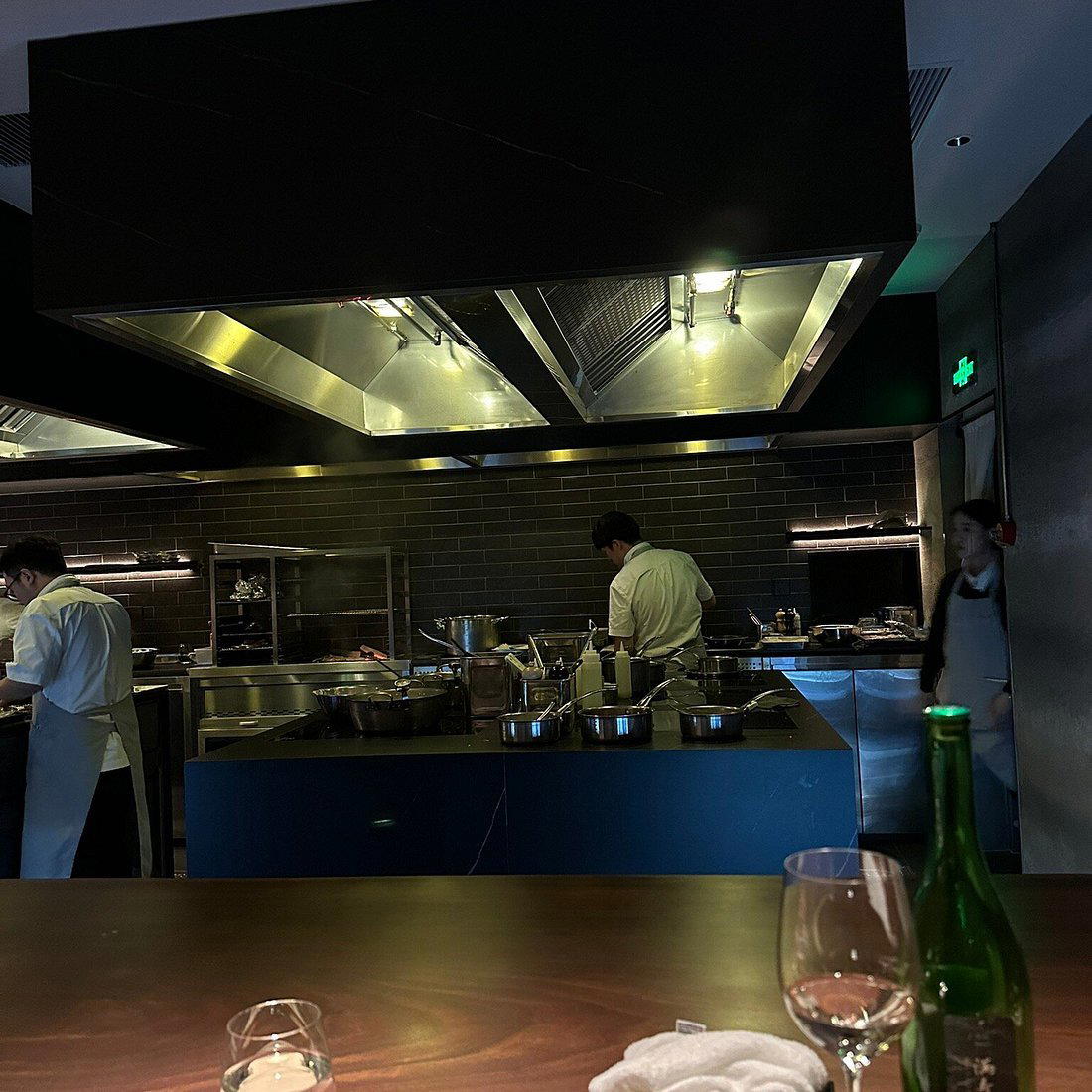
The design language of restaurants in this tier of Shanghai dining tends toward two poles: the spare, material-focused interior borrowed from Japanese minimalism, and the layered opulence of Chinese fine dining heritage. Narisawa sits closer to the former, with the atmosphere of the room calibrated to keep attention on what is happening at the table rather than around it. For occasion dining, this matters: the environment signals seriousness without requiring the guest to perform for the room.
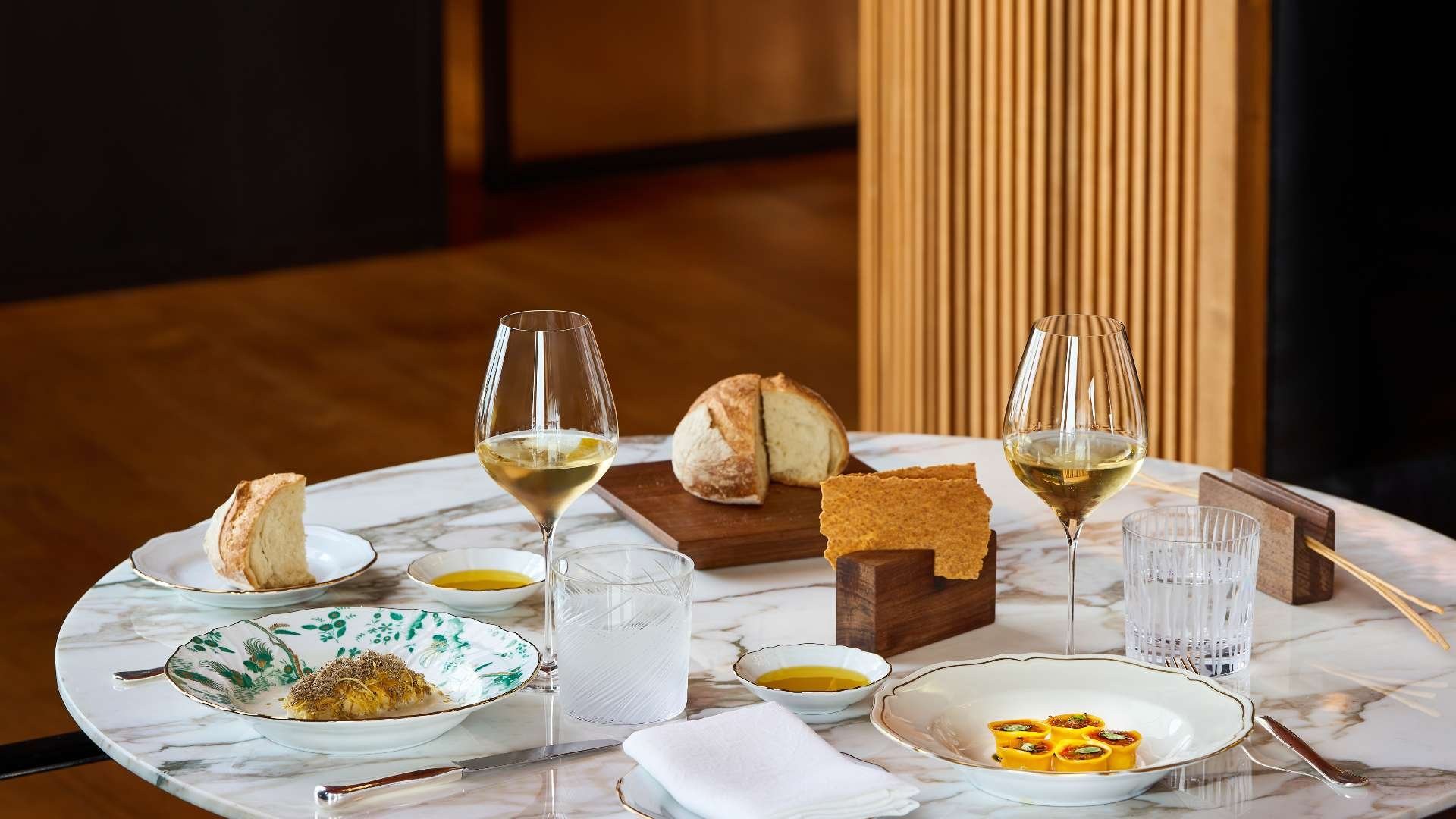
Theatrical centrepiece, the 'Bread of the Forest', arrives not as a side dish but as an event. Fermented dough is baked tableside in a stone pot, infused with seasonal produce that shifts across the calendar: white tea in one season, kumquat in another. The choice of ingredient is not decorative. Each variation anchors the meal in a specific moment in time, which is exactly the quality that makes this kind of dining appropriate for marking occasions worth remembering. You can return in a different month and eat a meal that is, in a meaningful sense, a different meal.
Satoyama in a Chinese Context
Broader category of nature-connected tasting menus has grown considerably across Asia's premium dining tier over the past decade, with practitioners in Tokyo, Copenhagen, and Sydney each developing distinct regional interpretations. What distinguishes the approach here is the deliberate use of Chinese ingredients as the primary material, the head chef, who has worked within the Narisawa system for over ten years, is not filtering Chinese produce through a Japanese lens so much as finding where the two traditions have genuine common ground in seasonal, land-connected cooking.
This places Narisawa in a different competitive conversation than the city's other high-format imports. 8½ Otto e Mezzo Bombana works firmly within an Italian idiom; Xin Rong Ji operates from a deep Taizhou tradition. Narisawa is doing something structurally different: it is applying a Japanese-originated philosophy to Chinese ingredients and asking whether the synthesis can stand on its own terms. The longevity of the head chef's training within the Narisawa framework, a decade-plus under the same methodology, is the credential that makes this attempt convincing rather than superficial.
For context on how this kind of cross-cultural fine dining has developed elsewhere, the tasting-menu format at venues like Atomix in New York City offers a useful parallel: Korean culinary grammar reframed through high technique for an international audience. The challenge, and the achievement when it works, is that the original identity remains legible. By that measure, Narisawa Shanghai earns its positioning.
Occasion Dining in Practice
Shanghai's ¥¥¥¥ tier is not short of ambition, but it sorts fairly cleanly into formats suited for different occasions. 102 House offers classical Cantonese in a setting that works for formal business entertaining. Fu He Hui is the address for guests who want refined vegetarian cooking with genuine spiritual grounding. Narisawa sits in a narrower slot: the meal you choose when the person across the table deserves something that cannot be easily categorised, and when you want the dinner to carry the weight of the occasion without you having to narrate it.
That quality, a meal with enough internal logic that it tells its own story, is rarer than the price tier might imply. Seasonal tasting formats at this level can still feel assembled rather than argued. The satoyama framework, with its insistence on ecological and temporal coherence, gives the kitchen a through-line that holds the menu together course by course. For birthdays, anniversaries, or any occasion where the meal is itself the gift, that coherence is the point.
Those planning around a wider Shanghai visit should also consider the broader ecosystem of high-format dining available. The city has Chinese options at comparable intensity, including the vegetarian precision of Fu He Hui and the Taizhou tradition of Xin Rong Ji. For those moving between Chinese cities, comparable milestone dining can be found at Ru Yuan in Hangzhou, Xin Rong Ji in Chengdu, Chef Tam's Seasons in Macau, Imperial Treasure Fine Chinese Cuisine in Guangzhou, and Dai Yuet Heen in Nanjing. For a reference point outside Asia, the precision tasting format at Le Bernardin in New York City represents a different tradition operating at similar conceptual seriousness.
Explore More of Shanghai
Narisawa sits within a dining city that rewards planning. Use our full guides to map the rest of your visit: Shanghai restaurants, Shanghai hotels, Shanghai bars, Shanghai wineries, and Shanghai experiences. For additional context on other Xin Rong Ji formats, the Beijing location on Xinyuan South Road gives a useful comparison point for how a regional Chinese tradition scales across cities.
Know Before You Go
- Cuisine format: Seasonal set menu (satoyama-influenced, Japanese technique, Chinese ingredients)
- Price tier: ¥¥¥¥
- Signature ritual: 'Bread of the Forest', fermented and baked tableside in a stone pot, infused with seasonal produce
- Menu philosophy: Changes by season; white tea and kumquat are among documented infusions
- Booking: Advance reservation strongly advised, see FAQ below for planning guidance
- Well suited for: Anniversaries, milestone birthdays, significant business meals, any occasion where the format of the dinner needs to carry meaning
Frequently asked questions
What dish is Narisawa famous for?
The 'Bread of the Forest' is the defining ritual of the Narisawa experience. Fermented dough is baked tableside in a stone pot and infused with seasonal produce, white tea, kumquat, and other ingredients that shift with the calendar. The dish originated at the Tokyo flagship and has become the clearest expression of the satoyama philosophy: food that locates itself in a specific season and a specific place. It is the moment in the meal that guests most often cite, and it is what distinguishes Narisawa from other ¥¥¥¥ tasting-menu formats in Shanghai, where tableside theatre tends toward either classical Chinese ceremony or European cheese trolley conventions.
How far ahead should I plan for Narisawa?
At the ¥¥¥¥ tier in Shanghai, demand for seasonal set-menu formats with international reputations runs consistently ahead of available seats. Narisawa Shanghai does not publish open availability windows in the manner of some booking platforms, which means the practical advice is to plan early: for a significant occasion date, an anniversary, a birthday dinner, a celebratory meal tied to a specific evening, allowing at least four to six weeks is a reasonable minimum, and more for peak calendar periods such as Chinese New Year, Golden Week, or the end-of-year holiday window. The menu changes seasonally, so the timing of your visit also affects what you will eat; booking in advance gives you the option to choose the season rather than accepting what remains.
Category Peers
A short peer table to compare basics side-by-side.
| Venue | Cuisine | Price | Awards | Notes |
|---|---|---|---|---|
| NarisawaThis venue (the venue you are viewing) | Modern Japanese Satoyama Cuisine | $200–300 | 1 Michelin Star | Not listed |
| Fu He Hui | Modern Seasonal Vegetarian Fine Dining | $200–300 | 2 Michelin Stars · World's 50 Best #11 | Vegetarian |
| Ming Court | Cantonese with Shanghainese Influences | $30–50 | 1 Michelin Star · Black Pearl 1 Diamond | Cantonese |
| Polux | French Bistro | $30–50 | Michelin Bib Gourmand | French |
| Royal China Club | Cantonese Dim Sum | $100–150 | Michelin Plate · The Good Food Guide GFG Good | Chinese, Cantonese |
| Scarpetta | Refined Italian Pasta & Pizza | $50–100 | Michelin Plate · Wine Spectator Best of Award of Excellence | Italian |
Recognition history
Dated appearances from independent guides and award organizations, with the underlying list record or original source where available.
Michelin 1 Star
Michelin
Opinionated About Dining Top Restaurants in Asia Recommended
Opinionated About Dining
Full recognition history (3 entries)
Michelin 1 Star
Michelin
Narisawa
Featured Guides
Continue exploring
More in Shanghai
Restaurants in Shanghai
All restaurants in Shanghai →
Bars in Shanghai
All bars in Shanghai →


Details
- Elegant
- Sophisticated
- Modern
- Intimate
- Special Occasion
- Date Night
- Business Dinner
- Celebration
- Open Kitchen
- Design Destination
- Standalone
- Sake Program
- Local Sourcing
- Sustainable Seafood
- Farm To Table
- Tasting Menu
- Omakase
- Sake
- Wine
- Vegetarian Friendly
- Vegan Options
- Gluten Free Options
- Allergy Accommodating
Low-key, minimalist interior with low ceilings and dark color scheme; oppressive atmosphere noted by some critics, though designed to reflect Tokyo's aesthetic; open kitchen with audible preparation sounds.