Nams occupies a corner of Vienna's 9th district where the city's appetite for Austrian produce meets techniques imported from further afield. The address on Mariannengasse places it within walking distance of the Votivkirche and the broader Alsergrund dining cluster. For readers building a Vienna itinerary around serious cooking, it sits in a category worth understanding before booking.
Pearl is the En Primeur Club membership app — saves, bookings, and concierge access live there. Same editors, same standards.
- Address
- Mariannengasse 1 Eingang, Spitalgasse, 1090 Wien, Austria
- Phone
- +434314119385
- Website
- vnams.at
- Directions
- Get directions
 Saves & bookings on Pearl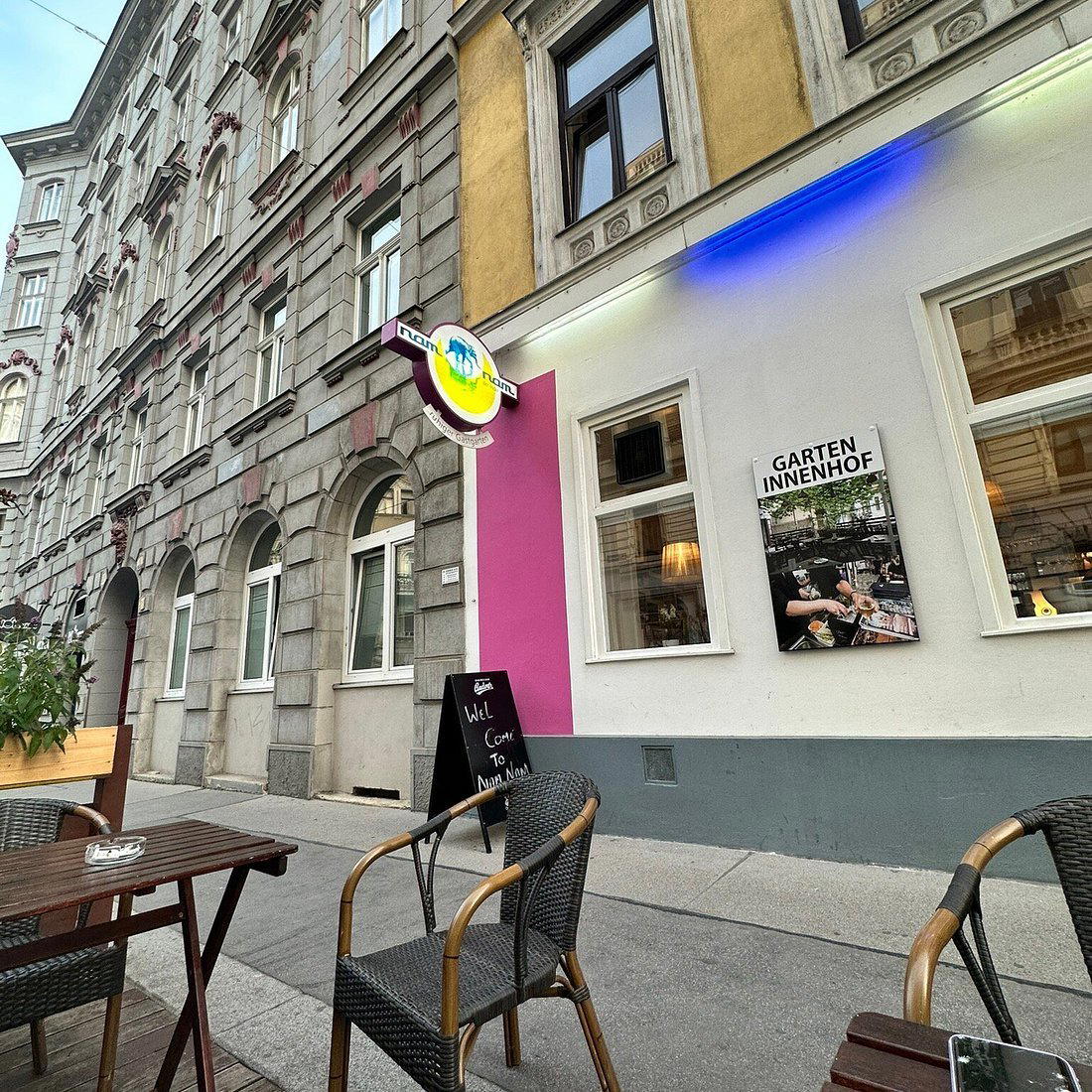
Alsergrund and the Shift in Vienna's Creative Dining Geography
Vienna's serious restaurant scene has long centred on the 1st district and its immediate neighbours, where grand dining rooms and storied hotel restaurants set the tone for decades. That gravity has been redistributing. The 9th district, Alsergrund, has accumulated a quieter but consequential cluster of kitchens that draw on the same quality of Austrian produce as their inner-city counterparts while operating at a different register of formality and visibility. Nams sits at Mariannengasse 1, near the Spitalgasse entrance, in Alsergrund, Vienna's 9th district. That positioning is partly structural: Alsergrund lacks the foot traffic of the 1st, which means the restaurants that survive there tend to do so on returning local custom rather than passing tourist spend.
Understanding where Nams sits in Vienna's dining order requires some context about how that order is currently arranged. At the apex, places like Steirereck im Stadtpark and Amador operate in the €€€€ bracket with tasting-menu formats and international recognition built over many years. A tier below, kitchens such as Konstantin Filippou and Mraz & Sohn have carved out strong positions in modern Austrian and European cooking, each with Michelin recognition anchoring their reputations. Nams does not belong to any of these cohorts by price or format, which is precisely what makes it worth addressing separately.
Local Ingredients, Imported Methods: The Logic Behind the Cooking
The intersection of Austrian produce and techniques drawn from elsewhere is not a novelty in Vienna. The city spent centuries absorbing culinary influence from across the Habsburg territories, and that absorption continues in a different register today. What has changed is the directionality: where earlier influence tended to arrive via court culture or neighbouring cuisines, contemporary Vienna sees technique imported from Asia, the Nordic countries, and the Anglophone fine-dining world, then applied to ingredients that remain distinctly local. Pumpkin seed oil from Styria, carp from Lower Austrian fish farms, game from the Alpine regions to the west, these are the raw materials that define Austrian cooking at its most grounded.
Venues operating at this intersection occupy a specific creative position. They are neither straightforwardly traditional Austrian nor derivative of the international fine-dining template they borrow from. The result, when it works, is cooking that makes a local ingredient legible in a new way: a fermentation method or a sauce construction that reveals something about the product that the classical Austrian kitchen would not have found. Restaurants across Austria have been working this territory for some time. Döllerer in Golling an der Salzach has built a serious reputation doing exactly this with Alpine ingredients. Obauer in Werfen has been at it for decades. In Vienna itself, Doubek represents a related sensibility in a more casual format. The question for any new entry in this space is what it brings to a conversation that is already well-developed.
At the global level, the pairing of indigenous product with imported method has produced particularly discussed restaurants of the past decade. Atomix in New York City, for instance, has made Korean ingredients and the logic of Korean flavour architecture central to a format that draws on high French technique. Le Bernardin, operating in a different mode, has for years demonstrated what happens when a single ingredient category receives sustained technical attention. These are not direct comparisons to Nams, but they illustrate the wider ambition that the local-ingredients, global-technique frame can carry when executed at the highest level.
The Austrian Regional Context
Vienna benefits from a surrounding region that provides serious raw material. The wine regions of the Wachau and Kamptal sit within an hour's drive. The Alpine kitchens to the west, at places like Griggeler Stuba in Lech and Gourmetrestaurant Tannenhof in Sankt Anton am Arlberg, have demonstrated the depth of what the Austrian mountain larder contains. Further east, Landhaus Bacher in Mautern an der Donau has been working with Wachau produce and the Danube's fish for long enough to constitute a reference point in itself. Kräuterreich by Vitus Winkler in Sankt Veit im Pongau has taken the herb garden as a serious culinary proposition rather than a garnish afterthought. In Salzburg, Ikarus operates a distinctive guest-chef rotation that brings global technique into direct conversation with the Austrian setting.
This regional depth matters because it sets a high bar for any Vienna kitchen claiming to work with Austrian produce seriously. The supply chain exists. The question is always what a given kitchen does with access to it. Ois in Neufelden and Schwarzer Adler in Hall in Tirol represent what regional commitment looks like outside the capital. Restaurant 141 by Joachim Jaud in Mieming adds another data point on how Tyrolean kitchens are approaching the same tension between local anchoring and external technique. Vienna's position as the country's largest city gives it access to all of these supply networks simultaneously, which is an advantage that not every kitchen exploits.
Planning a Visit
Nams is located at Mariannengasse 1, with the entrance on Spitalgasse, in Vienna's 9th district. The address puts it within a short walk of the Alser Straße U-Bahn station on the U6 line, making it accessible from the city centre without requiring a taxi. For readers building a Vienna itinerary across multiple meals, the full Vienna restaurants guide maps the broader scene and provides context for how different parts of the city compare by cuisine type and price tier.
Where It Fits
Comparable venues nearby, for context on price, style, and recognition.
| Venue | Cuisine | Price | Notes |
|---|---|---|---|
| NamsThis venue — the venue you are viewing | Vietnamese | $$ | Not listed |
| Champa | Khmer & Vietnamese | $$ | Atzgersdorf |
| Saigon Restaurant | Authentic Vietnamese | $$ | Wieden |
| Vietnam Bistro | Authentic Vietnamese Bistro | $$ | Margareten |
| le Pho | Vietnamese Pho | $$ | Mariahilf |
| Rioja Tapas y más | Spanish Tapas and Wine Bar | $$ | Josefstadt |
Continue exploring
More in Vienna
Restaurants in Vienna
Browse all →
Bars in Vienna
Browse all →

Hotels in Vienna
Browse all →


At a Glance
- Modern
- Casual
- Casual Hangout
- After Work
- Standalone
Current opening hours
- Monday
- 11 AM–3:30 PM, 5–10 PM
- Tuesday
- 11 AM–3:30 PM, 5–10 PM
- Wednesday
- 11 AM–3:30 PM, 5–10 PM
- Thursday
- 11 AM–3:30 PM, 5–10 PM
- Friday
- 11 AM–3:30 PM, 5–10 PM
- Saturday
- 5–10 PM
- Sunday
- Closed
Hours can change for holidays and private events. Last verified .
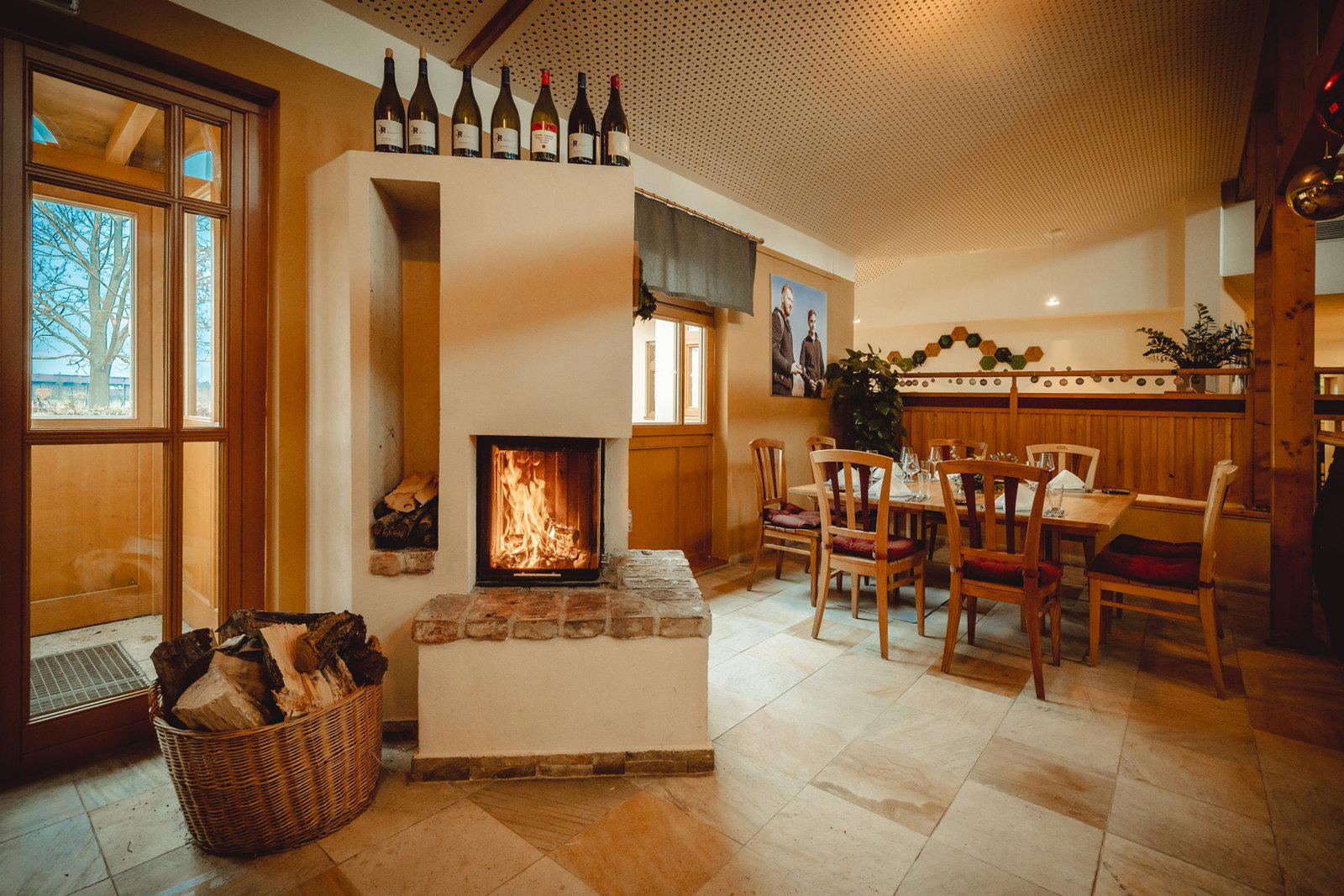
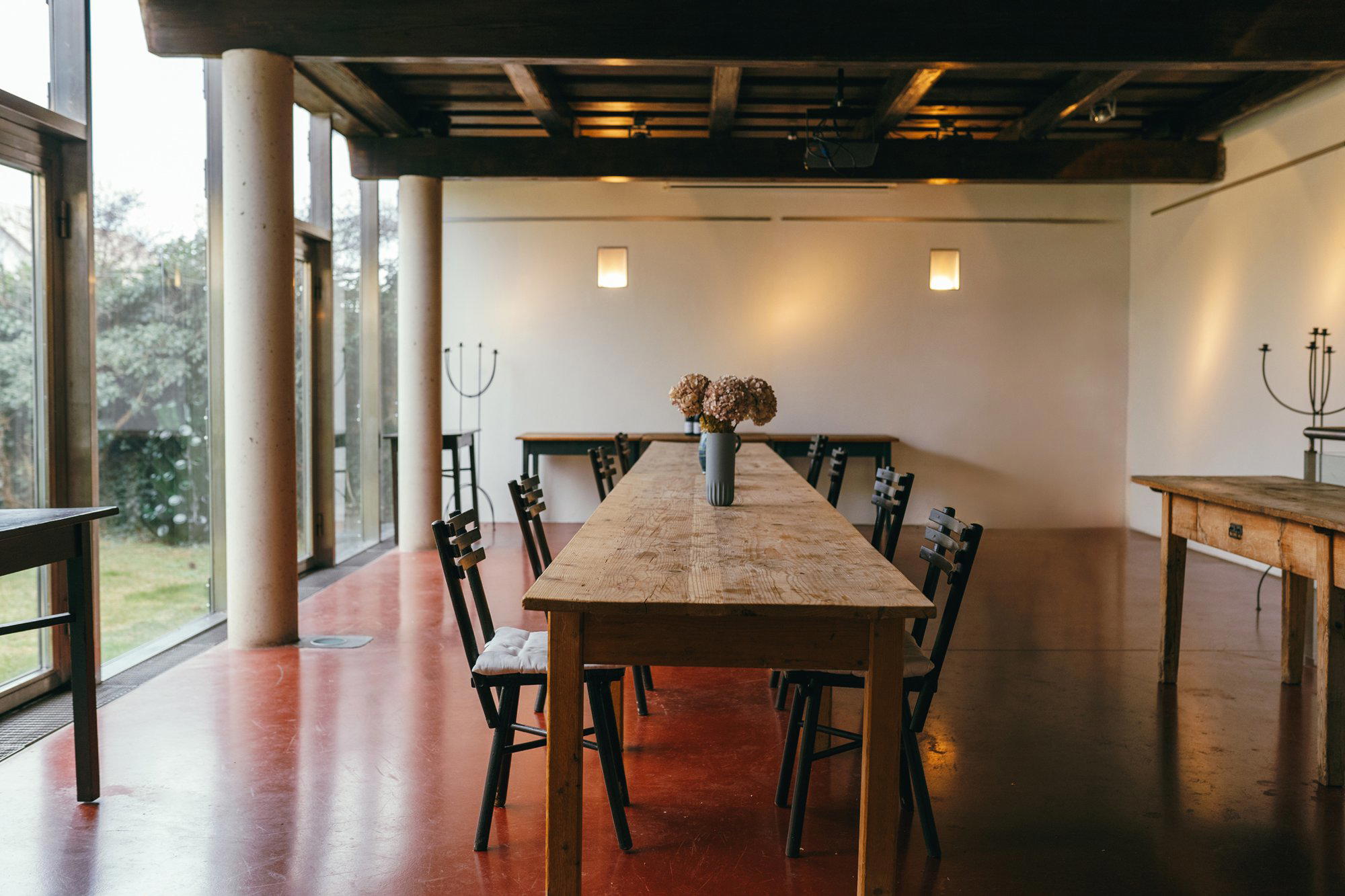
Contemporary casual dining atmosphere with fresh, light Vietnamese aesthetic.