On Schönbrunner Strasse in Vienna's fifth district, Vietnam Bistro represents a category of neighbourhood restaurant that the city's dining scene depends on but rarely celebrates: the everyday Southeast Asian kitchen operating far from the Michelin circuit. The fifth district has a long tradition of absorbing immigrant food cultures, and Vietnam Bistro sits squarely within that pattern, serving the Vietnamese repertoire to a local, repeat clientele.
Pearl is the En Primeur Club membership app — saves, bookings, and concierge access live there. Same editors, same standards.
- Address
- Schönbrunner Str. 72, 1050 Wien, Austria
- Phone
- +436767993742
- Website
- instagram.com
- Directions
- Get directions
 Saves & bookings on Pearl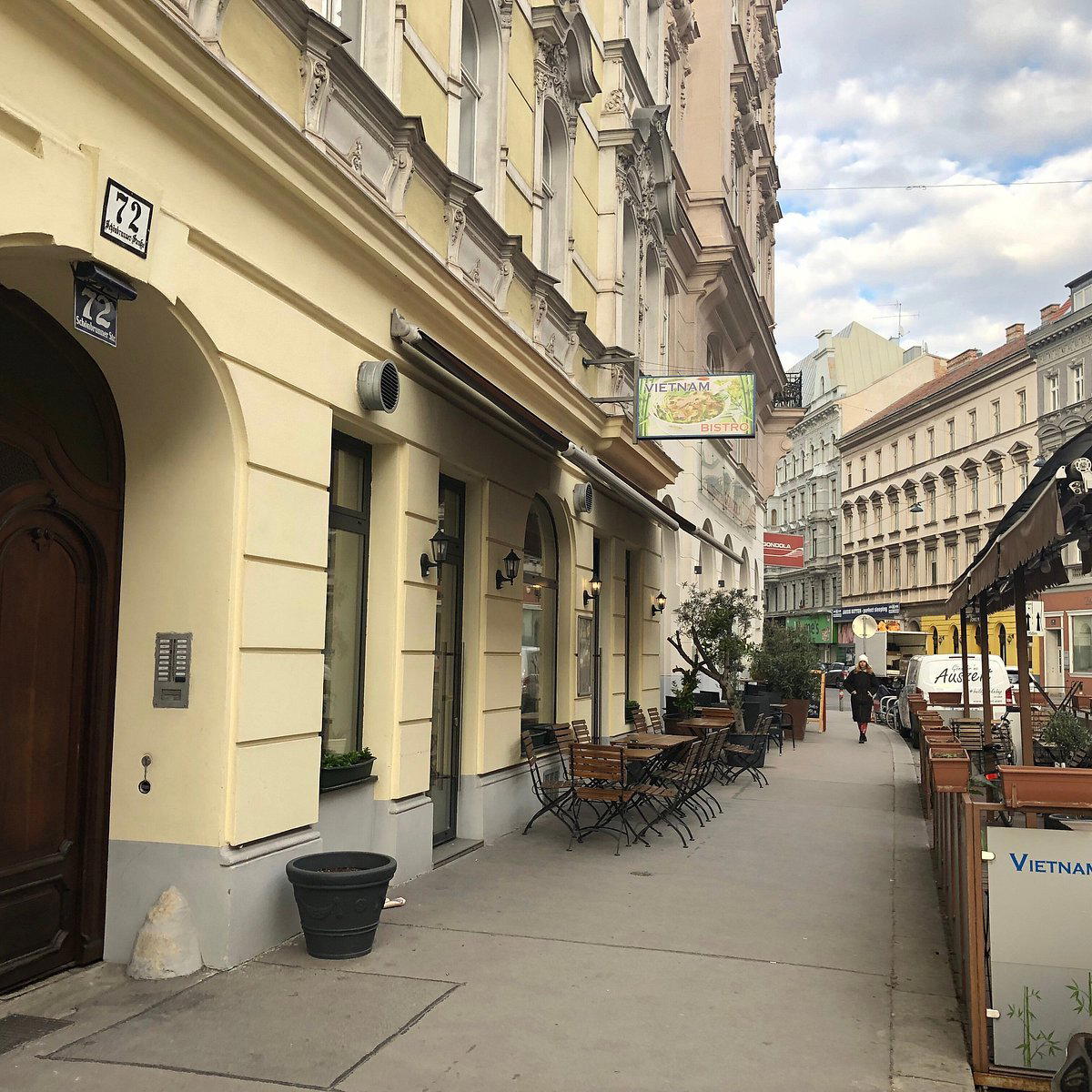
Vietnamese Cooking in Vienna's Fifth District
Vienna's relationship with Southeast Asian cuisine has deepened considerably over the past two decades, moving from novelty to neighbourhood staple in districts like the fifth, where Schönbrunner Strasse functions as a corridor connecting working-class Margareten to the grander institutional axis of Schönbrunn. The street's restaurant density reflects a pragmatic dining culture: places that feed people regularly, not occasionally. Vietnam Bistro, at number 72, is an authentic Vietnamese bistro in Vienna's fifth district, serving a local clientele in a district that has historically absorbed immigrant food cultures and integrated them into everyday life rather than positioning them as a destination category.
This is worth noting because it defines the competitive context. Vienna's high-end dining scene, represented by restaurants like Steirereck im Stadtpark and Amador, operates in an entirely different register, tasting menus, reservation windows months in advance, price points that put them alongside peers in Paris or Copenhagen. The Vietnamese bistro category sits at the opposite end of that spectrum, and that is precisely its function. These kitchens absorb the daily demand that the €€ tier was never designed to meet. Understanding Vietnam Bistro means understanding the fifth district first, and the fifth district is not a destination neighbourhood by the standards of Vienna's inner districts. It is a lived-in, demographically mixed area where restaurants succeed by becoming fixtures rather than talking points.
The Space as a Signal
In Vietnamese restaurant culture more broadly, the physical container tends toward functionality over theatrics. This is not an accident of budget but a reflection of priorities: the kitchen is the investment, and the dining room exists to serve it rather than to perform. The Vietnamese bistro format common across European cities typically involves direct seating arrangements, rectangular tables, practical chairs, a compact floor plan that maximises covers without sacrificing the rhythm of service. Natural light matters more than designed atmosphere; the midday meal, a core part of the Vietnamese restaurant week in Europe, requires a room that feels appropriate at noon as well as evening.
On Schönbrunner Strasse, this typology is familiar. The street has seen waves of immigrant-operated restaurants cycle through formats that prioritise throughput and accessibility over designed experience. A Vietnamese kitchen fitting into this pattern would logically share those spatial values: a room that communicates availability rather than exclusivity, where the barrier to entry is low and the expectation is food over theatre. Compare this to the high-production interiors of places like Konstantin Filippou or Mraz & Sohn, where the architecture is itself an editorial statement, and the contrast clarifies what Vietnam Bistro is for: it is a room in service of a meal, not the other way around.
The Vietnamese Repertoire in a Central European Setting
Vietnamese cuisine as practised in European cities has developed its own regional grammar. The dishes that travel most reliably, pho, bun bo Hue, banh mi, fresh spring rolls, rice and noodle plates with grilled proteins, tend to be the ones that survive the supply chain constraints of central European kitchens without compromising their fundamental logic. Lemongrass, fish sauce, fresh herbs, rice-based starches: these travel well. The depth of flavour in Vietnamese broths, achieved through long cooking of bones with charred aromatics and spice, is reproducible without proximity to a specific geography. This is why Vietnamese cooking has embedded itself so successfully in cities like Vienna, Berlin, and Paris, it is technically demanding but not geographically captive in the way that, say, a coastal seafood cuisine might be.
The bistro format in this context means a shorter, tighter menu than a large-format Vietnamese restaurant would carry. Dishes cycle around the reliable anchors of the cuisine rather than attempting exhaustive regional coverage. For a neighbourhood like Margareten, this works in the kitchen's favour: a focused menu executed consistently builds the repeat clientele that sustains a restaurant across years rather than seasons. The Vietnamese restaurant category across Vienna operates on this model, and particularly durable examples in the city have succeeded not through novelty but through reliability.
Austria's restaurant culture beyond Vienna also rewards attention: Döllerer in Golling an der Salzach, Ikarus in Salzburg, and Obauer in Werfen each represent a different strand of Austrian culinary ambition, while alpine properties like Griggeler Stuba in Lech and Gourmetrestaurant Tannenhof in Sankt Anton am Arlberg address a seasonal clientele with different expectations. Further afield, Kräuterreich by Vitus Winkler in Sankt Veit im Pongau, Landhaus Bacher in Mautern an der Donau, Ois in Neufelden, Schwarzer Adler in Hall in Tirol, and Restaurant 141 by Joachim Jaud in Mieming round out the picture of a country where serious cooking extends well beyond the capital. For reference points in the global fine-dining context, Le Bernardin in New York City and Atomix in New York City show how Asian culinary traditions are interpreted at the highest formal level.
Planning a Visit
The restaurant sits at Schönbrunner Strasse 72 in the fifth district, reachable from the city centre by U4 to Margaretengürtel or tram lines running the length of Schönbrunner Strasse. The fifth district is most active at lunch and early evening, and the bistro format on this street tends to reflect those rhythms.
Comparable Options
Comparable venues nearby, for context on price, style, and recognition.
| Venue | Cuisine | Price | Notes |
|---|---|---|---|
| Vietnam BistroThis venue — the venue you are viewing | Authentic Vietnamese Bistro | $$ | Not listed |
| Nams | Vietnamese | $$ | Alsergrund |
| Vietthao | Authentic Vietnamese | $$ | Staatsoper |
| Vevi Restaurant | Vegan Vietnamese | $$ | Neubau |
| Karma Ramen | Authentic Japanese Ramen | $$ | Mariahilf |
| Pizzeria Minante | Neapolitan Pizza | $$ | Hofburg |
Continue exploring
More in Vienna
Restaurants in Vienna
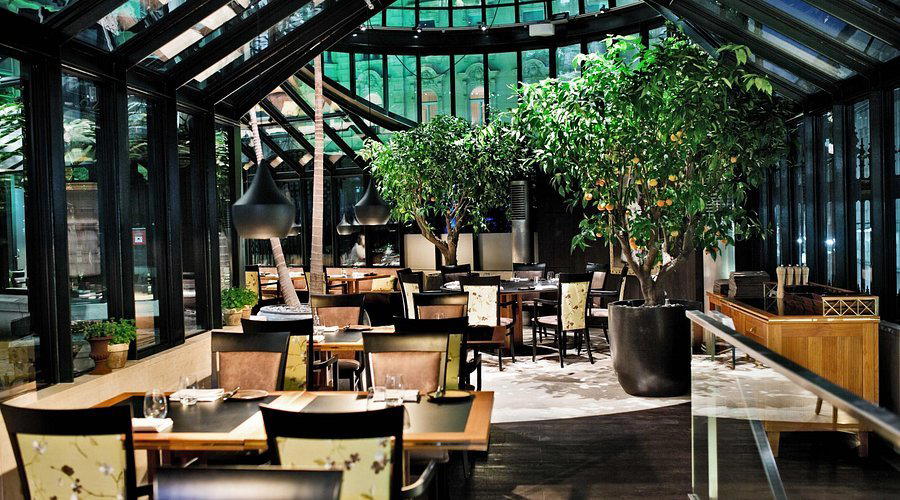
Browse all →![[aend] restaurant in Vienna](https://cdn.enprimeurclub.com/storage/v1/object/public/images/locations/recsVyRkMfzCxPmp0/hero2.jpg?width=3840&quality=75)
Bars in Vienna
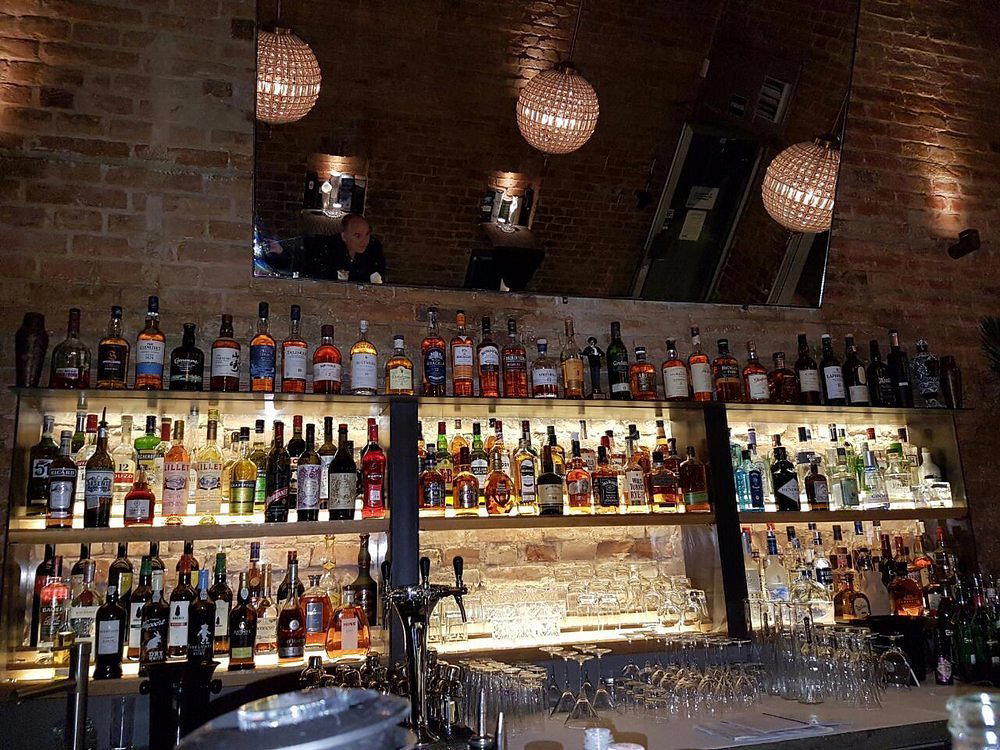
Browse all →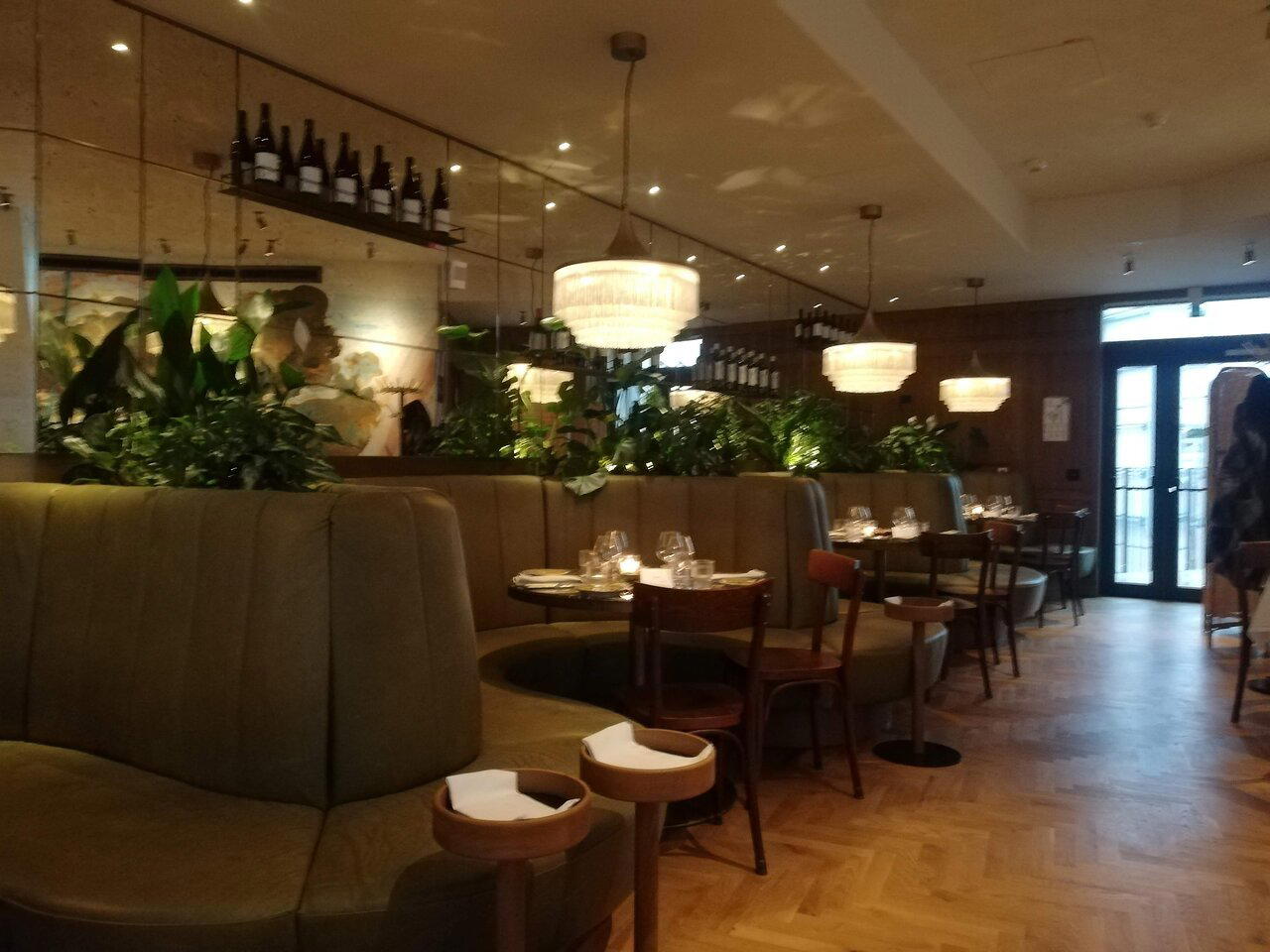
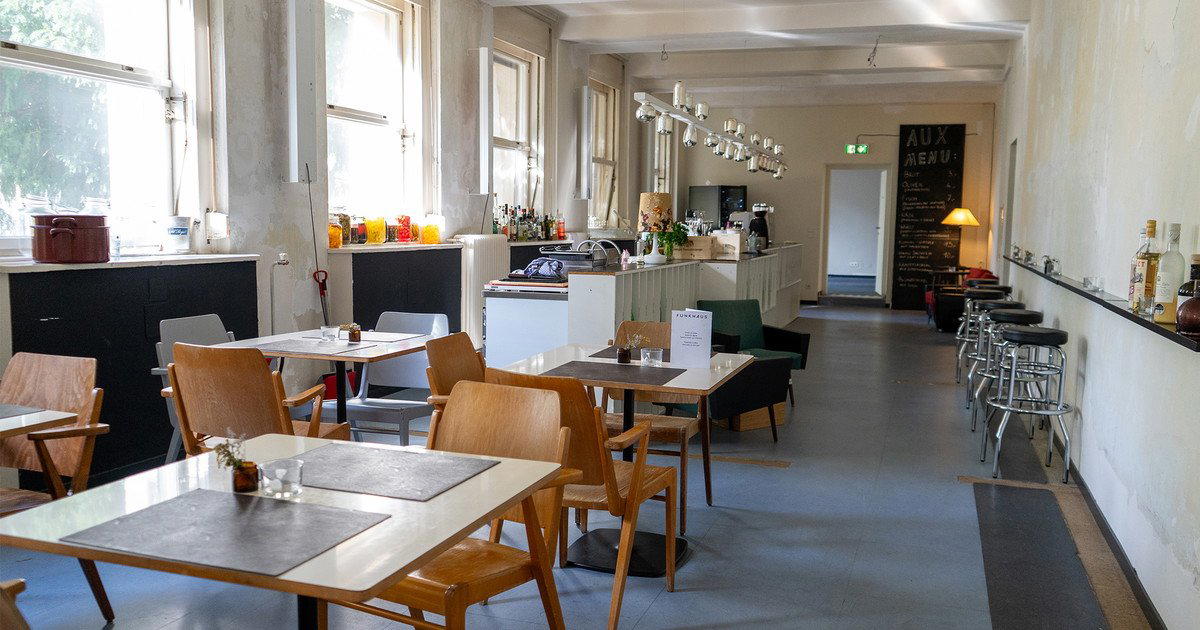

Hotels in Vienna
Browse all →
At a Glance
- Cozy
- Casual Hangout
- Open Kitchen
Current opening hours
- Monday
- 11 AM–9:30 PM
- Tuesday
- 11 AM–9:30 PM
- Wednesday
- 11 AM–9:30 PM
- Thursday
- 11 AM–9:30 PM
- Friday
- 11 AM–9:30 PM
- Saturday
- 11 AM–9:30 PM
- Sunday
- 11 AM–9:30 PM
Hours can change for holidays and private events. Last verified .
Poky seating area with visible kitchen, unpretentious and bustling during lunch.