Champa sits in Vienna's 23rd district, a residential quarter well south of the city's celebrated restaurant corridor. Where much of Vienna's serious dining remains anchored to the inner districts, this address positions itself outside that orbit, drawing guests who travel deliberately rather than stumble in from the tourist trail. The venue adds a quieter, neighbourhood-level dimension to a city dining scene otherwise dominated by first-district flagships.
Pearl is the En Primeur Club membership app — saves, bookings, and concierge access live there. Same editors, same standards.
- Address
- Scherbangasse 9, 1230 Wien, Austria
- Phone
- +436801589179
- Website
- champa.at
- Directions
- Get directions
 Saves & bookings on Pearl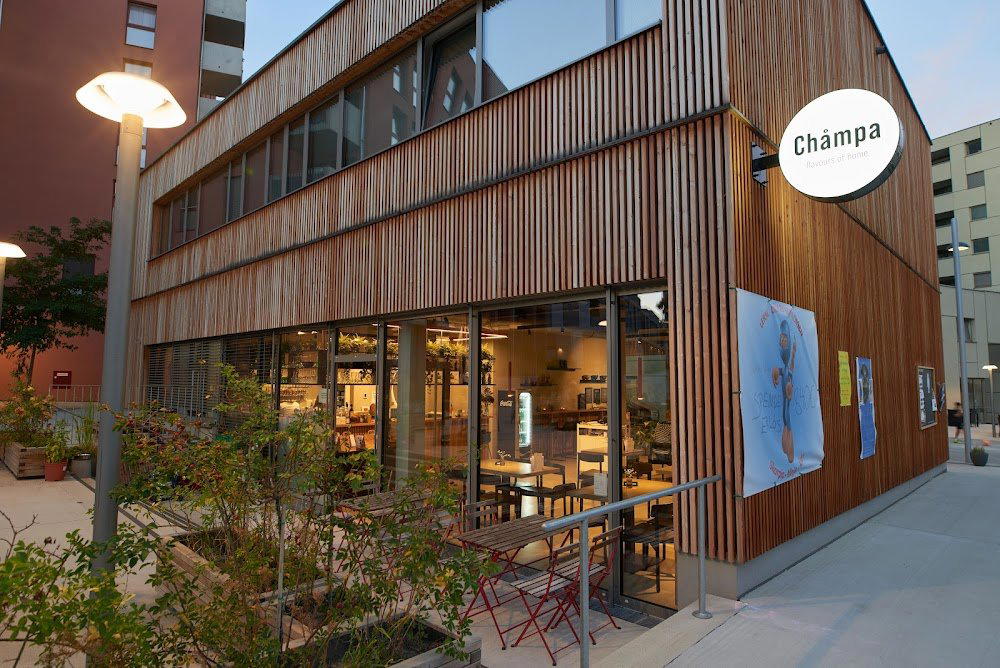
Beyond the Ring Road: Dining at the Edge of Vienna's Map
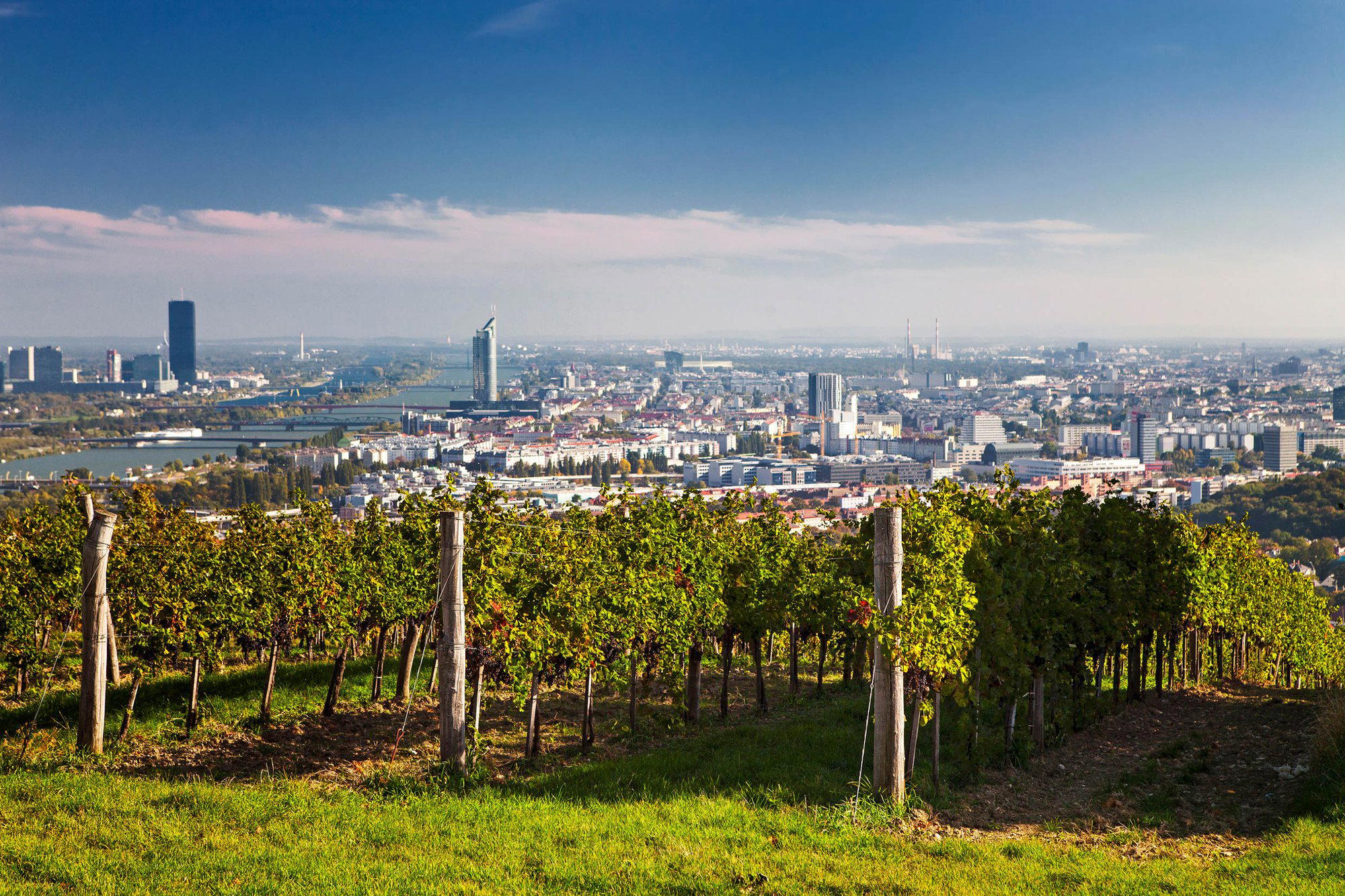
Vienna's serious restaurant conversation tends to cluster along a narrow geographic band: the inner districts, the Stadtpark adjacencies, and a handful of destination addresses in the second and seventh. The 23rd district, Liesing, sits well outside that band. Champa is a restaurant in Vienna, serving Khmer and Vietnamese cuisine at a moderate price point. It is commuter territory, a southern residential quarter where the city tapers into suburban quiet, and where a restaurant address carries a different kind of signal. Choosing to eat in Liesing is a deliberate act. There are no passing tourists, no pre-theatre crowds, no natural foot traffic from the opera or the Naschmarkt. A reservation at Champa, on Scherbangasse 9, requires a specific reason to be there.
That geographic remove is worth understanding before anything else, because it shapes the entire proposition. The city's most discussed addresses, Steirereck im Stadtpark, Amador, Konstantin Filippou, Mraz & Sohn, all operate within a geography that reinforces their status. The 23rd offers none of those ambient cues. What it does offer is the particular intimacy of a neighbourhood restaurant that has no interest in performing for anyone who hasn't already decided it matters.
What the Postcode Tells You
Vienna's outer districts have begun attracting restaurants that treat the lower cost of operation and the absence of tourist-facing pressure as a creative advantage. The pattern is not distinctive to Vienna: it mirrors what happened in Paris's 11th before it became fashionable, or in the outer boroughs of New York, where venues like Lazy Bear in San Francisco and similarly positioned addresses built serious reputations precisely because their locations required a guest to mean it. When a restaurant sits in a neighbourhood with no other draw, the food has to do all the work.
In the Austrian context, this kind of deliberate geographic positioning also invites comparison with the country's regional dining circuit. Addresses like Döllerer in Golling an der Salzach, Obauer in Werfen, or Landhaus Bacher in Mautern an der Donau have long operated on the logic that destination dining outside urban centres demands a corresponding quality of commitment from both kitchen and guest. A Liesing address inside Vienna operates on a smaller version of that same logic.
The Neighbourhood as Context
Scherbangasse is a residential street, the kind that appears in no guidebook itinerary. The 23rd district borders Lower Austria and retains a character closer to the Viennese suburbs than to the dense inner city. For a dining experience, this means arriving by U-Bahn or by car, not on foot from a hotel. The approach itself sets a tone: the visit is unhurried, already separated from the urgency of the city centre.
This spatial logic connects Champa more naturally to Vienna's neighbourhood dining tradition than to its fine-dining flagship tier. Vienna has a long and underappreciated culture of the serious Gasthaus and the mid-register restaurant that serves a local community rather than a visiting one. The 23rd district preserves that tradition more intact than, say, the first or fourth, where rents and tourism have reshaped the offer toward the international visitor. A restaurant choosing this address is, in some sense, making a statement about audience: it is cooking for Vienna rather than for guests passing through Vienna.
Placing Champa in the Wider Austrian Dining Picture
Austria's restaurant scene has two largely separate spheres. The first is the alpine and rural circuit of destination addresses: Gourmetrestaurant Tannenhof in Sankt Anton am Arlberg, Stüva in Ischgl, Kräuterreich by Vitus Winkler in Sankt Veit im Pongau, Schwarzer Adler in Hall in Tirol, and Restaurant 141 by Joachim Jaud in Mieming, all of which operate within a tourism economy that brings guests to remote locations. The second is the urban Vienna tier, anchored in the inner districts and shaped by the city's density and its international profile. Champa sits in neither category cleanly. A Liesing address is urban but peripheral, accessible but not central, which positions the venue as something closer to a neighbourhood specialist than a destination in either of those established modes.
For the travelling diner building an Austrian itinerary, this matters. Addresses like Taubenkobel in Schützen am Gebirge or Ois in Neufelden require a car and a commitment to travel. Champa requires only the U6 and the willingness to leave the first district behind. That is a lower barrier, and it makes the 23rd district address more accessible than a rural alpine destination while still carrying the neighbourhood-first character those rural addresses share.
What to Know Before You Go
For current hours, pricing, and booking availability, contact the restaurant directly. Vienna's outer-district restaurant scene tends toward more variable hours than the inner-city flagship tier, and neighbourhood restaurants in Liesing operate on local rhythms rather than the extended evening sittings typical of tourist-facing addresses. Mid-week visits are often easier to arrange than weekend evenings.
For context on Vienna's broader dining range, the city's restaurant scene spans district, price tier, and style. For those drawn to the kind of technically serious cooking associated with Vienna's top tier, the reference-point level of Le Bernardin in New York City or Vienna's own Doubek, the 23rd district offers a different register: quieter, less freighted with expectation, and more tightly connected to the ordinary rhythms of Viennese neighbourhood life.
Planning Comparison: Liesing vs. Inner-District Vienna
| Factor | Champa (23rd district) | Inner-district flagships (1st–9th) |
|---|---|---|
| Transit access | U6 to Liesing station | U1, U2, U4 central stops |
| Booking lead time | Typically 4 to 12 weeks for upper-tier seats | |
| Price tier | €€ | €€€€ at flagship level |
| Audience character | Neighbourhood and local | Mixed: local, tourist, international visitor |
| Ambient footfall | Minimal, residential street | High in first district, moderate elsewhere |
A Lean Comparison
Comparable venues nearby, for context on price, style, and recognition.
| Venue | Cuisine | Price |
|---|---|---|
| ChampaThis venue — the venue you are viewing | Atzgersdorf, Khmer & Vietnamese | $$ |
| BanMi | Josefstadt, Vietnamese Street Food | $$ |
| Le viet | Staatsoper, Vietnamese | $$ |
| Vietthao | Staatsoper, Authentic Vietnamese | $$ |
| Vevi Restaurant | Neubau, Vegan Vietnamese | $$ |
| Saigon Restaurant | Wieden, Authentic Vietnamese | $$ |
Continue exploring
More in Vienna
Restaurants in Vienna
Browse all →![[aend] restaurant in Vienna](https://cdn.enprimeurclub.com/storage/v1/object/public/images/locations/recsVyRkMfzCxPmp0/hero2.jpg?width=3840&quality=75)
Bars in Vienna
Browse all →


Hotels in Vienna
Browse all →
At a Glance
- Modern
- Cozy
- Date Night
- Casual Hangout
- Open Kitchen
- Craft Cocktails
- Local Sourcing
Current opening hours
- Monday
- Closed
- Tuesday
- 5–10 PM
- Wednesday
- 5–10 PM
- Thursday
- 5–10 PM
- Friday
- 5–10 PM
- Saturday
- 5–10 PM
- Sunday
- 12–3 PM, 5–10 PM
Hours can change for holidays and private events. Last verified .
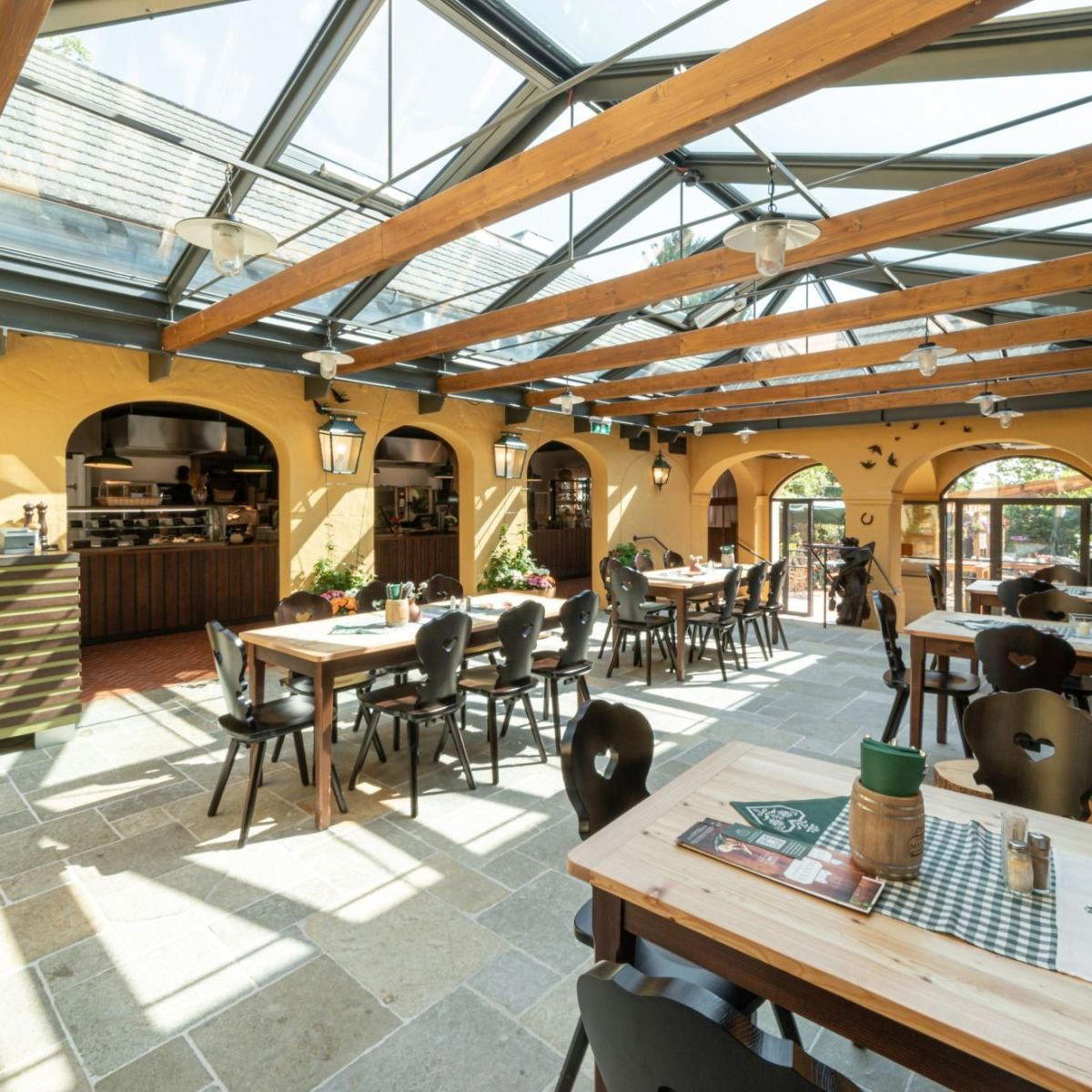
Modern, bright, and warm ambience with friendly service.