Nam Kee
On Zeedijk, Amsterdam's historic Chinese quarter, Nam Kee has anchored the street's Cantonese cooking tradition for decades. Where the neighbourhood's restaurant scene ranges from quick noodle counters to more polished dining rooms, Nam Kee occupies a middle ground: honest, unfussy Cantonese food in a setting that draws both locals and visitors who know the address well.
Pearl is the En Primeur Club membership app — saves, bookings, and concierge access live there. Same editors, same standards.
- Address
- Zeedijk 111-113, 1012 AV Amsterdam, Netherlands
- Phone
- +31 20 624 3470
- Website
- namkee.nl
- Directions
- Get directions
 Saves & bookings on Pearl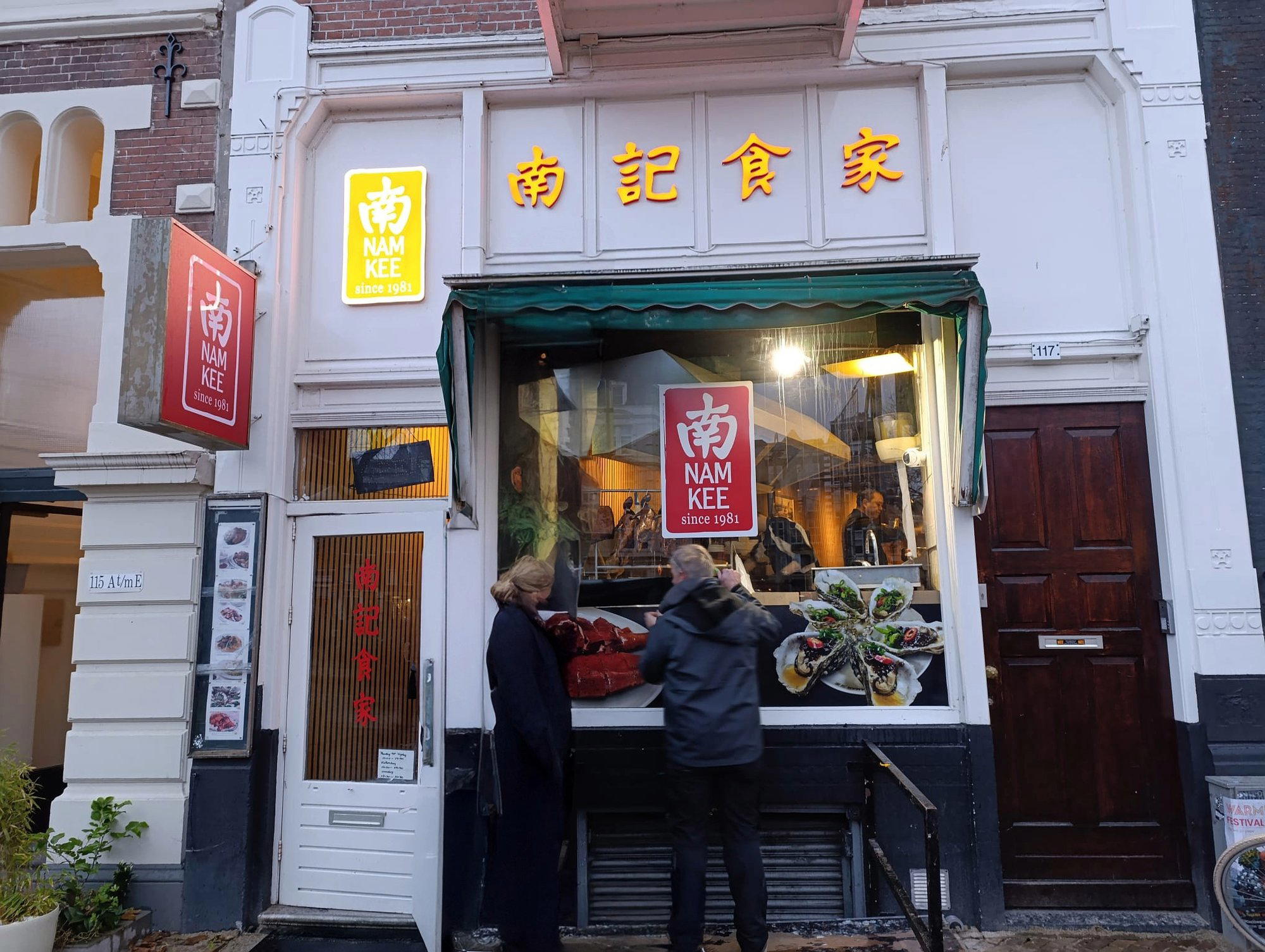
Zeedijk and the Cantonese Tradition That Shaped It
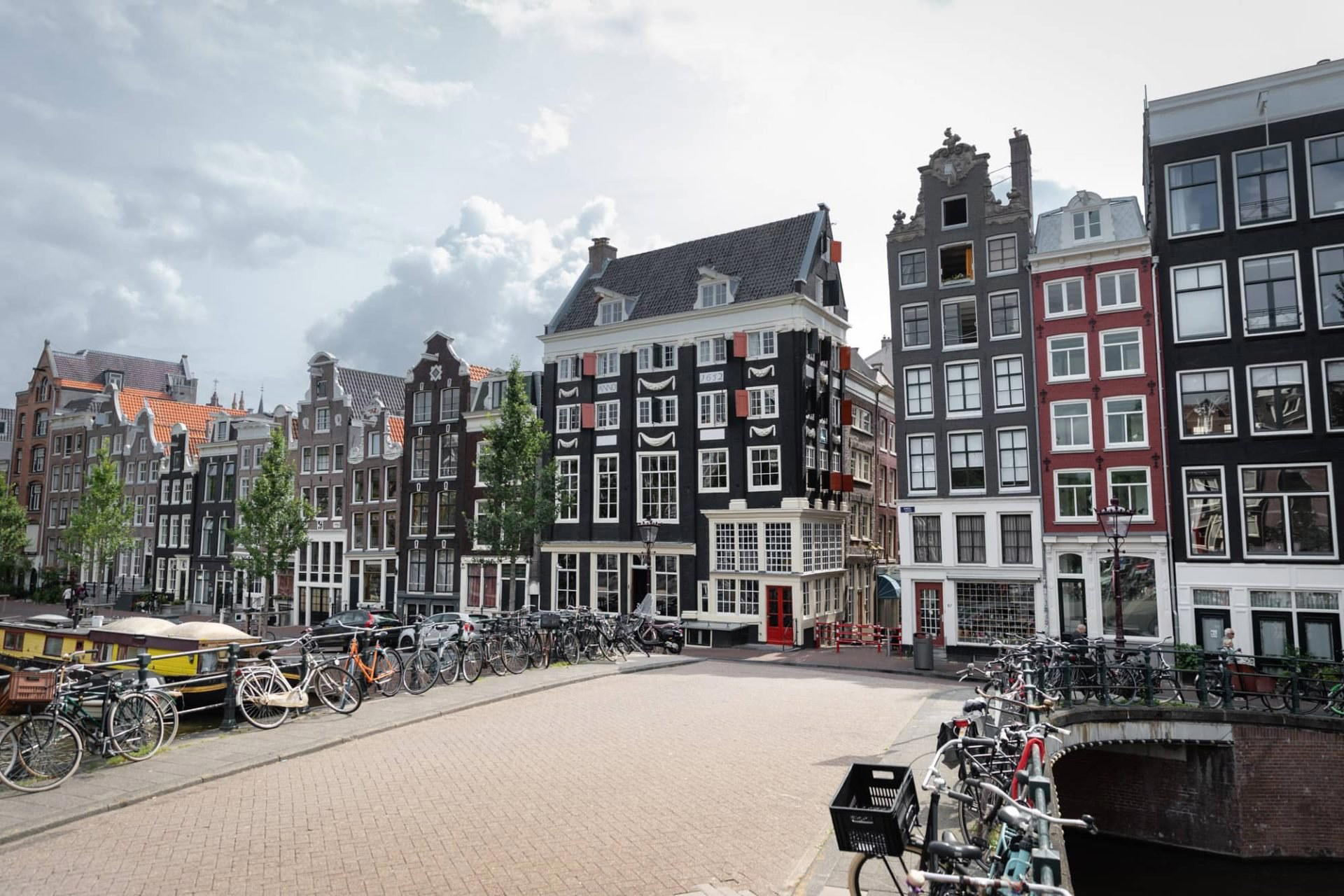
There is a particular quality to Zeedijk in the early evening, when the light drops behind the canal houses and the street begins to fill. This stretch of Amsterdam's oldest Chinese quarter, running from Centraal Station toward Nieuwmarkt, has been the city's primary address for Cantonese cooking since the mid-twentieth century, when Chinese and Indonesian sailors settled in the neighbourhood after the war. The smell of roasting duck and char siu drifts from shopfronts, neon signs flicker against brick, and the street produces the kind of ambient noise, clatter from kitchens, multilingual conversation at pavement tables, that belongs to a working dining district rather than a curated food destination.
Nam Kee, at numbers 111 to 113 on that street, is a Classic Cantonese restaurant in Amsterdam, with a price point around €25 per person. It has been part of this scene long enough to function as a reference point. In a city where the fine-dining conversation tends to orbit Michelin-starred rooms such as Ciel Bleu, Spectrum, and Vinkeles, Nam Kee sits in a different register entirely: no tasting menus, no wine pairings, no seasonal narrative built around local producers. What it offers instead is the kind of Cantonese cooking that has sustained Zeedijk's reputation since the neighbourhood first consolidated around the cuisine.
Inside the Room
The physical environment at Nam Kee is consistent with its position in the Zeedijk scene. Tables are set close together, the dining room is lit practically rather than atmospherically, and the decor reads as functional rather than considered. That density of seating and noise is not incidental: it is the character of Cantonese canteen dining, where the energy of a full room is part of what makes the experience feel right. Compare this to the quieter, more composed interiors at Flore or Bistro de la Mer, and the contrast clarifies what the restaurant is and what it is not trying to be.
Sound carries differently in rooms like this. The background is the kitchen, the orders called out, the clatter of woks and plates. Conversation competes with all of it. Visitors expecting the composed hush of Amsterdam's higher-end dining rooms will find the contrast immediate. Those familiar with Cantonese dining culture in Hong Kong, Guangzhou, or London's Gerrard Street will find the register familiar.
What the Cantonese Canon Looks Like Here
Cantonese cooking as practised on Zeedijk has always been a somewhat adapted version of what you would encounter in Guangdong province or in the large overseas Chinese communities of London and New York. The Dutch context, the available ingredients, the local palate, and decades of practical compromise have all shaped the food. The restaurant is a product of that context. The menu reads as broad Cantonese: roast meats, seafood dishes, congee, noodles, clay pot preparations, and a range of dishes that span the dim sum tradition and the main-meal kitchen.
Oysters with black bean sauce have become the dish most associated with the restaurant in local food conversation. In a Cantonese context, this is a classic pairing: the fermented salinity of the black bean against the briny freshness of the shellfish is a combination that dates back centuries in southern Chinese cooking. At the restaurant the dish has accumulated the kind of word-of-mouth consistency that turns individual menu items into shorthand for an entire restaurant. That kind of reputation is earned over years, not manufactured.
The roast duck and the pork belly preparations sit within the same tradition. These are dishes where the quality signal is in technique: the colour and lacquer of the skin, the fat render, the balance between sweet and savoury in the marinade. Cantonese roasting has its own precise standards, and a room's standing in the community is partly indexed against how well it executes these benchmarks. Zeedijk has always been the street in Amsterdam where those benchmarks are taken seriously.
Amsterdam's Cantonese Scene in Context
The Netherlands has a Cantonese and Chinese-Indonesian dining tradition that runs deeper than most Western European countries, shaped by its colonial history and the settlement patterns of Chinese communities through the twentieth century. Amsterdam sits at the centre of that tradition, with Zeedijk as its oldest and most visible address. Elsewhere in the Netherlands, restaurants such as Aan de Poel in Amstelveen or the Michelin-starred destination dining of De Librije in Zwolle represent a different culinary register, as do De Bokkedoorns in Overveen and De Nieuwe Winkel in Nijmegen. The restaurant belongs to none of those conversations. It belongs to Zeedijk's, which is older, more specific, and less interested in critical recognition than in daily function.
For a sense of how ambitious Dutch restaurant cooking has developed, the full picture runs from Brut172 in Reijmerstok to De Groene Lantaarn in Staphorst, from De Lindehof in Nuenen to 't Nonnetje in Harderwijk and De Treeswijkhoeve in Waalre, or De Lindenhof in Giethoorn. None of that trajectory touches the restaurant's position, which is precisely the point. The restaurant's longevity on Zeedijk is itself the credential.
Planning a Visit
Zeedijk is walkable from Centraal Station in under ten minutes, making the restaurant one of the more accessible addresses in Amsterdam's dining scene. The restaurant sits in a neighbourhood that is active through the evening, with foot traffic from tourists and locals alike. Tables at this kind of established Cantonese house tend to turn reasonably quickly, particularly for groups ordering shared dishes. Given the address and the restaurant's standing, arriving early in the service or being prepared to wait briefly during peak hours is advisable. Walking in remains the practical approach. The price point sits around €25 per person.
Compact Comparison
Comparable venues nearby, for context on price, style, and recognition.
| Venue | Cuisine | Price | Notes |
|---|---|---|---|
| Nam KeeThis venue — the venue you are viewing | Burgwallen Oost, Classic Cantonese | $$ | Not listed |
| Café Wu | Dapperbuurt Noord, Modern Chinese Bistro | $$ | Not listed |
| Café Brakke | Bloemgrachtbuurt, Dutch Brown Café | $$ | Not listed |
| Kanarie Club | Not listed | $$ | Bellamybuurt Zuid, European Gastropub with Seasonal Shared Dining |
| Sukhothai Thanee | Van Loonbuurt, Authentic Thai | $$ | Not listed |
| Bleu | Not listed | $$ | Langestraat e.o., French Bistro |
Continue exploring
More in Amsterdam
Restaurants in Amsterdam
Browse all →
Bars in Amsterdam
Browse all →
Hotels in Amsterdam
Browse all →
Wineries in Amsterdam
Browse all →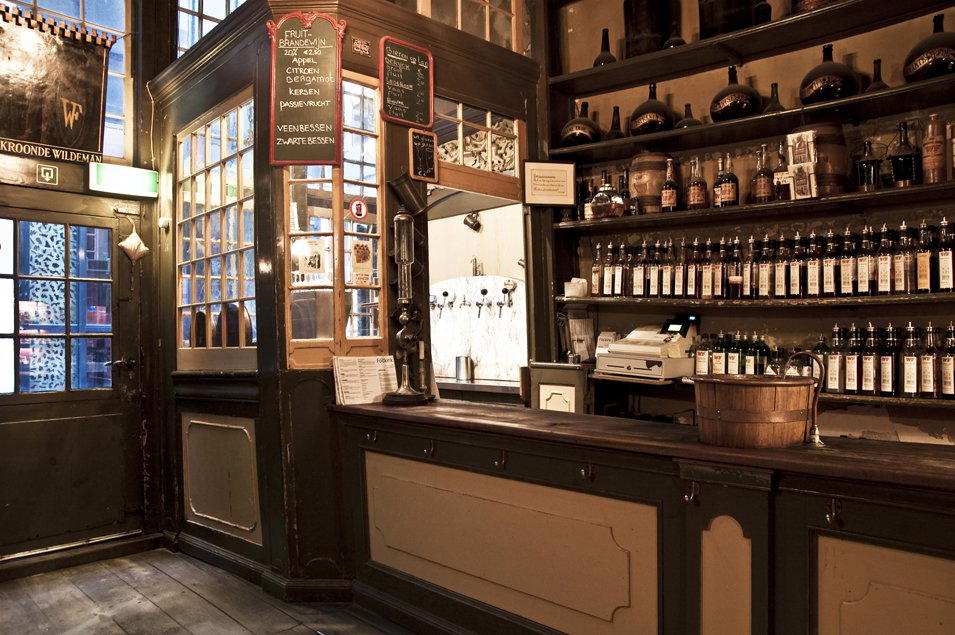
At a Glance
- Classic
- Well Known
- Casual Hangout
- Group Dining
- Late Night
- Historic Building
Current opening hours
- Monday
- 12–9:30 PM
- Tuesday
- 12–9:30 PM
- Wednesday
- 12–9:30 PM
- Thursday
- 12–9:30 PM
- Friday
- 12–10 PM
- Saturday
- 12–10 PM
- Sunday
- 12–9:30 PM
Hours can change for holidays and private events. Last verified .
Brightly lit with simple furnishings, warm woodwork and stone accents post-renovation, bustling with fast service and aromas of soy and ginger.