Bleu
Bleu occupies a canal-house ground floor on Prinsenstraat in Amsterdam's Jordaan, a neighbourhood whose dining scene has shifted considerably over the past decade. For broader Amsterdam context and comparable venues, the EP Club Amsterdam guide provides one current picture.
Pearl is the En Primeur Club membership app — saves, bookings, and concierge access live there. Same editors, same standards.
- Address
- Prinsenstraat 10HS, 1015 DC Amsterdam, Netherlands
- Phone
- +31203621340
- Website
- opentable.com
- Directions
- Get directions
 Saves & bookings on Pearl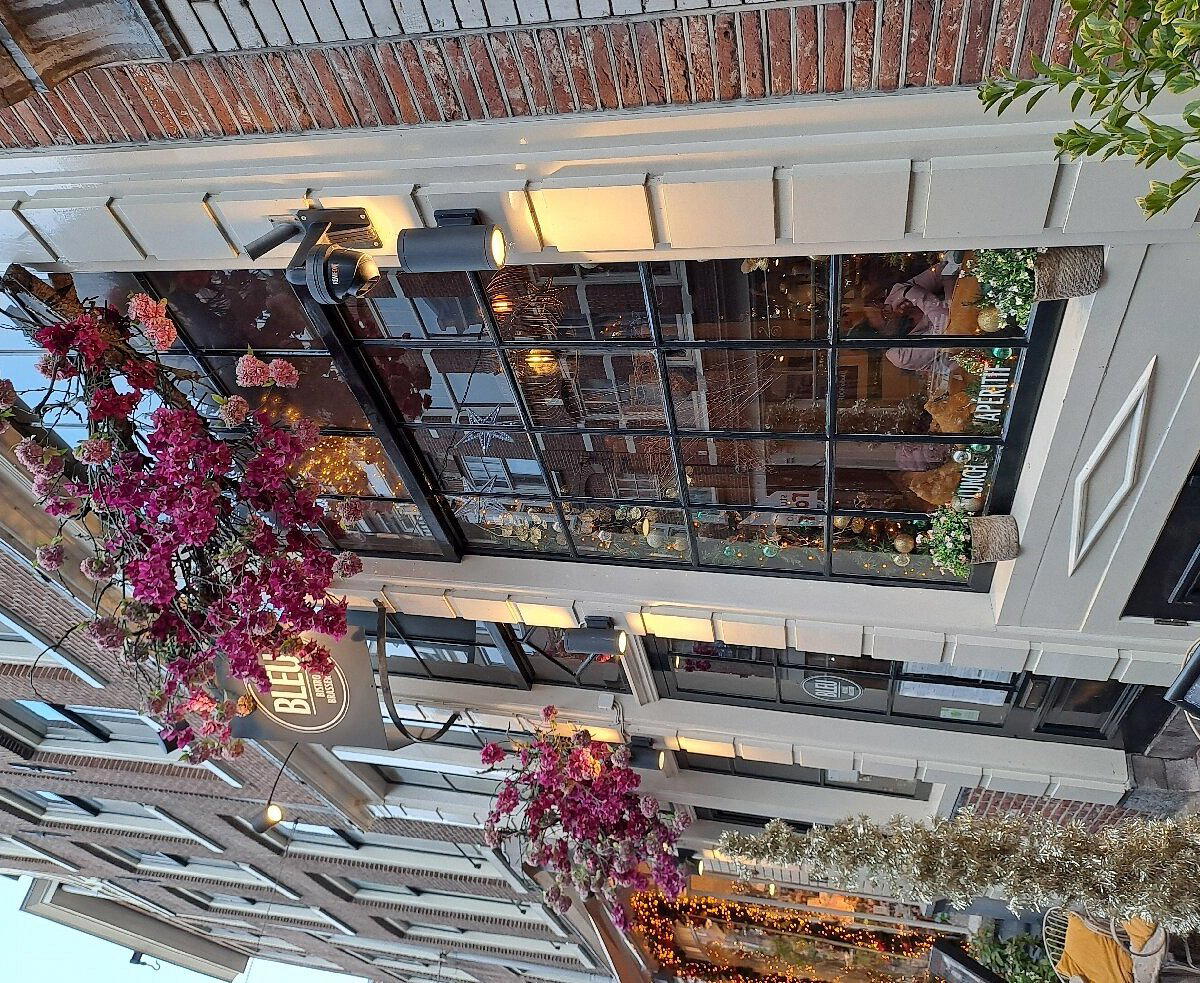
Prinsenstraat and the Jordaan's Shifting Dining Register
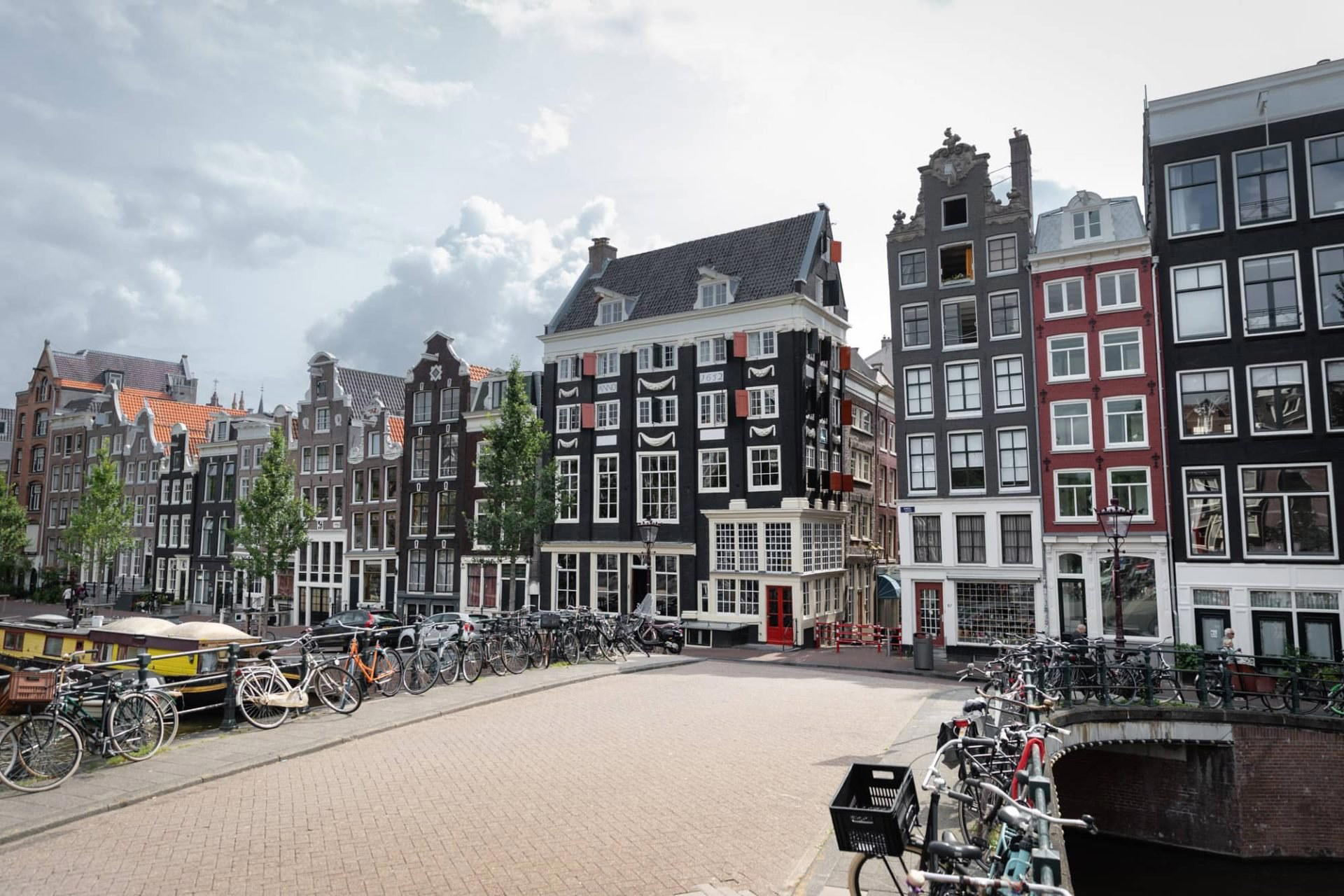
Approach Prinsenstraat from the Herengracht side and the neighbourhood announces itself through the particular compression of Amsterdam's canal belt: narrow facades, ground-floor windows at street level, foot traffic that is local rather than tourist-heavy. The Jordaan has been through several hospitality cycles since the 1980s, moving from a workingclass enclave with brown cafes to a gentrified quarter attracting independent restaurants, and more recently to a tier where smaller, quieter operators have replaced some of the higher-profile openings that defined the 2010s. Bleu, at Prinsenstraat 10HS, sits within that arc. The address places it in the lower ground floor of a canal house, the HS suffix denoting a huis, a format that tends toward contained, intimate dining rather than large-format rooms.
Amsterdam's Mid-Register and Where Bleu Fits
Amsterdam's restaurant scene currently stratifies into several identifiable tiers. At the leading, Ciel Bleu, Flore, Spectrum, and Vinkeles operate at €€€€ price points with creative and contemporary menus that compete against each other and, implicitly, against destination restaurants elsewhere in the Netherlands, places like De Librije in Zwolle, Inter Scaldes in Kruiningen, or De Nieuwe Winkel in Nijmegen. Below that, a €€€ bracket accommodates venues like Bistro de la Mer, which offers classic cuisine at a price point accessible to regulars rather than occasion-only visitors.
Bleu's public record does not currently include verified price-tier, cuisine type, or award credentials. That absence is itself informative: venues operating at the upper end of Amsterdam's hierarchy tend to maintain active digital presences with booking platforms, published menus, and award citations. The relative data sparsity around Bleu suggests a neighbourhood-register operation, likely positioned between the €€ and €€€ tiers, though direct confirmation from the venue is the only reliable way to establish this before visiting. Anyone planning a higher-stakes evening should cross-reference the EP Club Amsterdam guide for verified alternatives and comparable formats.
The Jordaan Format: What Canal-House Dining Typically Delivers
Canal-house ground-floor restaurants in Amsterdam share certain structural realities that shape the dining experience regardless of concept. Room widths are constrained by plot sizes that date to the 17th-century expansion of the city, which means most interiors run deep rather than wide, with seating arranged along a central corridor or split across two small rooms. Natural light varies considerably by time of day and season: north-facing rooms on streets like Prinsenstraat receive indirect light in summer and little in the darker months between October and March. The physical environment tends to produce an enclosed, low-ceiling atmosphere that either reads as warm and convivial or as claustrophobic, depending on how the operator manages lighting and table spacing.
This format has historically suited a particular style of Dutch restaurant operation: owner-operated, with a short menu, moderate cover counts, and regulars who return weekly rather than monthly. It is a format that does not scale easily and does not require the same front-of-house infrastructure as a 60-cover room. Internationally, there are loose analogies to the format in the small dining rooms that have become a recognised tier in cities like New York and San Francisco, where operators such as Lazy Bear and Le Bernardin represent opposite ends of the intimate-versus-formal spectrum. In Amsterdam, the canal-house format occupies its own distinct position, shaped by real estate constraints that no operator fully escapes.
Evolution Without a Fixed Record: Reading the Gaps
For a venue operating at Prinsenstraat 10HS in a neighbourhood with an active restaurant culture, this points to one of several possibilities: the venue is relatively new and has not yet accumulated a public record, it operates primarily through word of mouth and local foot traffic, or it has undergone a change of concept or ownership that has reset its public profile.
In the Jordaan specifically, concept pivots and quiet rebrands are not uncommon. The neighbourhood supports small operators with low visibility, and a name like Bleu on a street like Prinsenstraat is consistent with the kind of quietly positioned restaurant that builds a local following before attracting broader attention. The Dutch restaurant scene outside Amsterdam's top tier, including venues like De Lindehof in Nuenen, De Bokkedoorns in Overveen, and Brut172 in Reijmerstok, shows that sustained quality can exist at a considerable remove from the Amsterdam media circuit. Whether Bleu belongs to that tradition of quiet provincial or neighbourhood seriousness is not currently verifiable, but the address and format are consistent with it.
For visitors specifically interested in the Jordaan neighbourhood's current dining direction, it is worth knowing that the area has seen increased competition from the Negen Straatjes cluster and from newer openings along Haarlemmerstraat. Restaurants that were considered neighbourhood anchors five years ago have in several cases repositioned, raised prices, or closed. The current mid-tier is contested. Venues like De Groene Lantaarn in Staphorst, Tribeca in Heeze, and De Treeswijkhoeve in Waalre illustrate how the Netherlands sustains serious cooking well outside its major urban centres, which creates a benchmark pressure on Amsterdam operators even at the neighbourhood level.
Planning a Visit
Given the absence of confirmed hours, booking methods, or price data in the public record, the practical approach is to visit Prinsenstraat 10HS in person during what would conventionally be service hours, typically from early evening on weekdays and weekend lunchtimes for a restaurant of this format and location, or to search for current contact details through Amsterdam-specific review platforms before travelling. The address is in Amsterdam's Jordaan, at Prinsenstraat 10HS.
Cuisine and Credentials
Comparable venues nearby, for context on price, style, and recognition.
| Venue | Cuisine | Price | Notes |
|---|---|---|---|
| BleuThis venue — the venue you are viewing | French Bistro | $$ | Not listed |
| Le Bouchon du centre | Authentic Lyonnaise Bouchon | $$ | Spuistraat Zuid |
| Café-Restaurant Amsterdam | French-Dutch Bistro | $$ | Ecowijk |
| Bouchon du Centre | Traditional Lyonnaise Bouchon | $$ | Utrechtsebuurt Zuid |
| Vertigo | Classic French Bistro | $$ | Vondelparkbuurt Oost |
| Café Parlotte | French Bistro | $$ | Anjeliersbuurt Noord |
Continue exploring
More in Amsterdam
Restaurants in Amsterdam
Browse all →
Bars in Amsterdam
Browse all →
Hotels in Amsterdam
Browse all →
Wineries in Amsterdam
Browse all →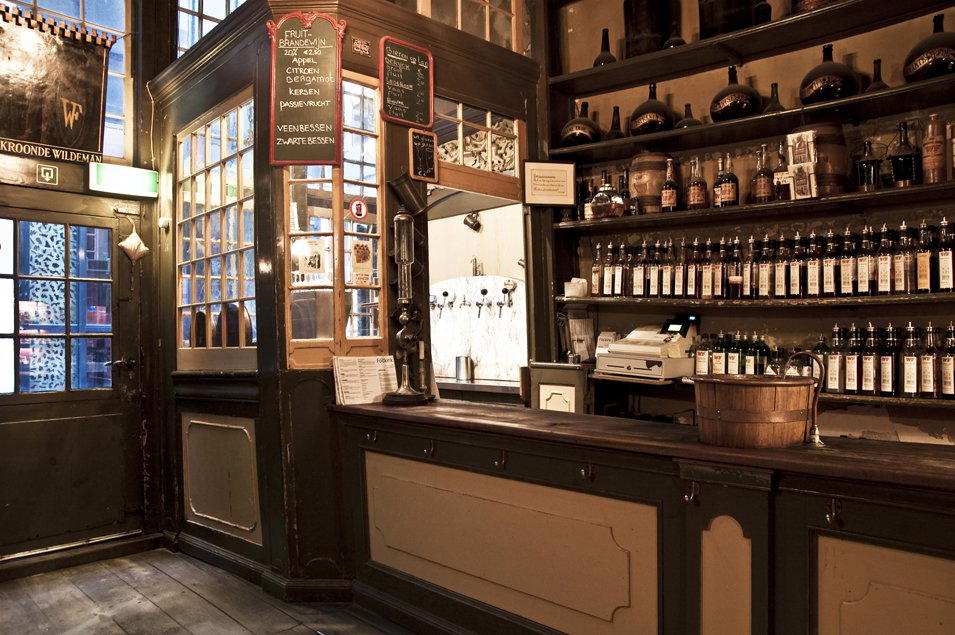
At a Glance
- Cozy
- Casual Hangout
Current opening hours
- Monday
- 12–10:30 PM
- Tuesday
- 12–10:30 PM
- Wednesday
- 12–10:30 PM
- Thursday
- 12–10:30 PM
- Friday
- 12–10:30 PM
- Saturday
- 12–10:30 PM
- Sunday
- 12–10:30 PM
Hours can change for holidays and private events. Last verified .
Nice and cosy with eclectic tables in a quiet setting.