Kanarie Club
Kanarie Club occupies a corner of Bellamyplein in Amsterdam's Oud-West, a neighbourhood that has shifted from working-class enclave to one of the city's more considered dining destinations. The venue sits within that broader evolution, operating as a local fixture whose character has developed in step with the square around it. For visitors looking beyond the canal-centre circuit, it offers a grounded alternative to the city's more produced dining formats.
Pearl is the En Primeur Club membership app — saves, bookings, and concierge access live there. Same editors, same standards.
- Address
- Bellamyplein 51, 1053 AT Amsterdam, Netherlands
- Phone
- +31 6 17993068
- Website
- kanarieclub.nl
- Directions
- Get directions
 Saves & bookings on Pearl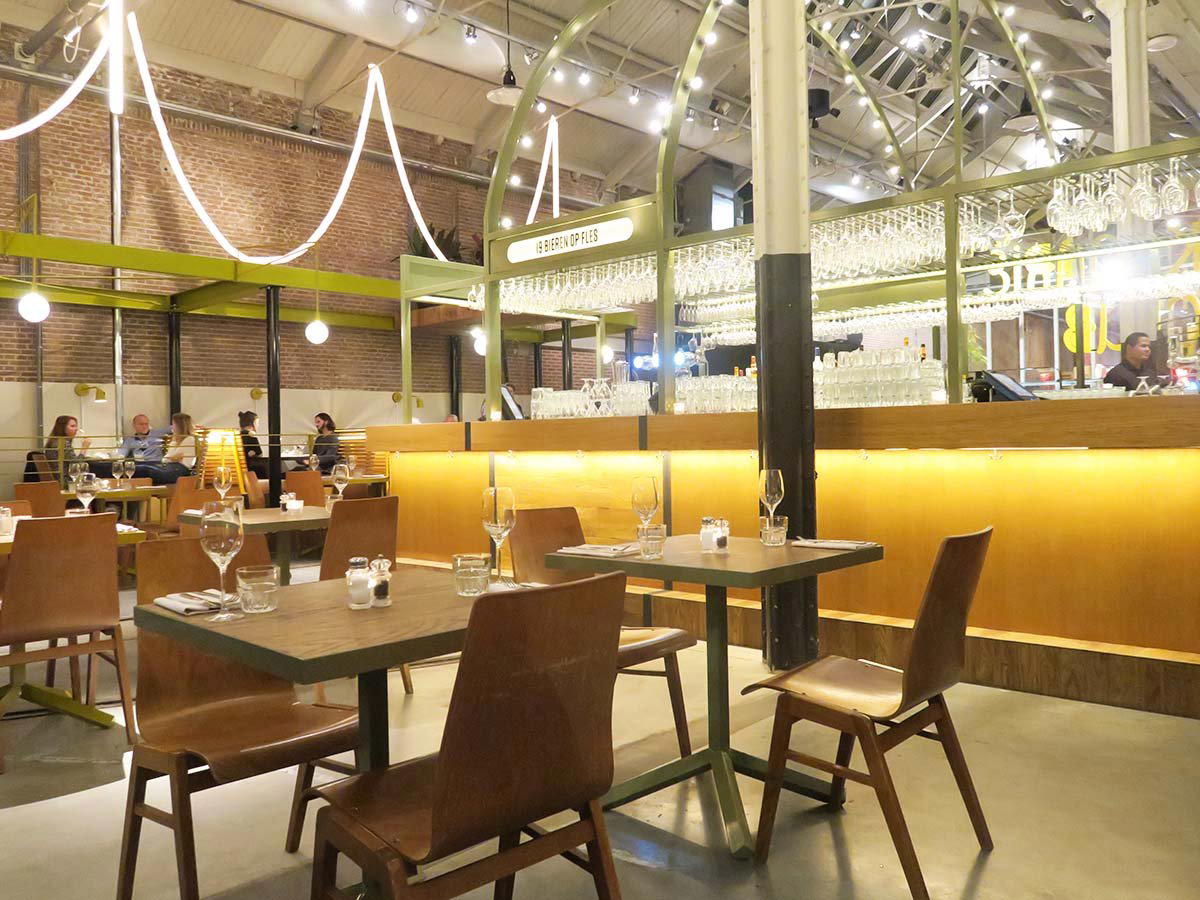
Bellamyplein and the Slow Rise of Oud-West
Amsterdam's dining geography has reorganised itself over the past fifteen years. The canal belt and De Pijp absorbed the first wave of international attention, but the city's more interesting recent chapter has played out in Oud-West, where a cluster of neighbourhood squares, Bellamyplein among them, developed a hospitality identity that owes less to tourism infrastructure and more to residents who stayed and spent locally. Kanarie Club, at Bellamyplein 51, sits squarely in that evolution, occupying a corner address on a square that functions as a genuine neighbourhood anchor rather than a destination engineered for visitors.
That geographic context matters. Amsterdam's premium dining tier, Ciel Bleu, Flore, Spectrum, Vinkeles, clusters around the canal belt and the Waldorf Astoria corridor, serving a clientele that books weeks in advance and navigates formal tasting menus. Oud-West operates on a different register. The neighbourhood's dining culture prizes accessibility and repetition: places you return to rather than places you tick off. Kanarie Club has built its presence within that register, which is a different kind of ambition from the starred-table circuit, but a coherent one.
The Logic of the Square
Bellamyplein itself has undergone the kind of gradual transformation that resists a single moment of reinvention. What was once a functional residential square, the sort of Amsterdam space defined by a corner shop and a tram stop, has accumulated enough bars, cafes, and eating spots to function as a local social hub without losing the texture that makes Oud-West distinct from more curated parts of the city. Kanarie Club's position on the square places it in conversation with that accumulated neighbourhood character. The setting suggests a venue that evolved alongside its surroundings rather than one that arrived with a fully formed concept and imposed it on the street.
This pattern of organic development is more common in Amsterdam's western neighbourhoods than the city's more prominent dining stories acknowledge. While the Netherlands' broader fine dining conversation tends to centre on destinations like De Librije in Zwolle, Inter Scaldes in Kruiningen, or De Nieuwe Winkel in Nijmegen, Amsterdam's neighbourhood venues operate in a different tradition, closer in spirit to the kind of local institution that anchors a community without requiring a Michelin citation to justify its existence.
Evolution Over Concept
The editorial angle that applies most usefully to the restaurant is one of accumulated identity rather than inaugural concept. Many Amsterdam venues arrived fully formed, with a declared philosophy and a press narrative to match. The more durable neighbourhood spots tend to be the ones whose character accreted over time, shaped by the clientele they developed and the square they inhabit. Dutch cities outside Amsterdam have produced a number of venues in this mould, De Lindenhof in Giethoorn, Tribeca in Heeze, De Groene Lantaarn in Staphorst, each of which developed a local reputation through consistency and presence rather than a single relaunch moment.
In Amsterdam specifically, the venues that have proven most resilient in neighbourhood settings are those that resisted the pressure to formalise when their areas became more prominent. Oud-West's rise in the city's dining conversation could have pushed operators on Bellamyplein toward a more produced format. The fact that the square retains its neighbourhood character suggests that the venues on it, the restaurant included, made a different calculation. That choice is itself a form of editorial positioning, even if it doesn't generate the same volume of coverage as a starred-table relaunch or a headline chef appointment.
Where It Sits in the Amsterdam Picture
Visitors framing an Amsterdam dining itinerary tend to default to the canal-centre options, the kind of meal anchored by a booking made weeks in advance at one of the city's recognised tasting-menu addresses. Bistro de la Mer represents the classic-format mid-tier; the €€€€ addresses represent the formal ceiling. The restaurant and its Bellamyplein neighbours occupy the space in between: approachable enough for a Tuesday evening, considered enough to reward a visit rather than just serving a function.
For those building a broader Netherlands dining picture, that context extends outward. The country's stronger individual destination venues, Brut172 in Reijmerstok, De Lindehof in Nuenen, De Bokkedoorns in Overveen, De Treeswijkhoeve in Waalre, require day-trip or overnight planning. A venue like Kanarie Club fills the role of neighbourhood anchor for those based in Amsterdam who want something genuine without the logistics of a destination meal.
Internationally, the format has parallels in the kind of neighbourhood institution that cities like New York and San Francisco develop around specific blocks or squares. Le Bernardin in New York City and Lazy Bear in San Francisco represent the formal ceiling of their respective cities' dining conversations; what makes those cities interesting is the depth of the middle tier, where neighbourhood identity and culinary substance meet without formal ceremony. Bellamyplein is part of Amsterdam's version of that tier.
Planning a Visit
The restaurant is located at Bellamyplein 51, 1053 AT Amsterdam, in Oud-West, reachable from the city centre by tram along the Kinkerstraat corridor. The square is compact enough to walk to from the Vondelpark in under ten minutes. The restaurant is recommended for reservations and sits in the €€ price tier, around $35 per person.
Reputation First
Comparable venues nearby, for context on price, style, and recognition.
| Venue | Cuisine | Price | Notes |
|---|---|---|---|
| Kanarie ClubThis venue — the venue you are viewing | European Gastropub with Seasonal Shared Dining | $$ | Not listed |
| Café Brakke | Dutch Brown Café | $$ | Bloemgrachtbuurt |
| Café Binnenvisser | Modern European Bistro | $$ | Da Costabuurt Noord |
| Ree 7 | European Lunchroom | $ | Felix Meritisbuurt |
| Lavinia Good Food | Healthy Mediterranean Cafe | $$ | Van Loonbuurt |
| Bhatti Pasal | Authentic Nepalese | $$ | Begijnhofbuurt |
Continue exploring
More in Amsterdam
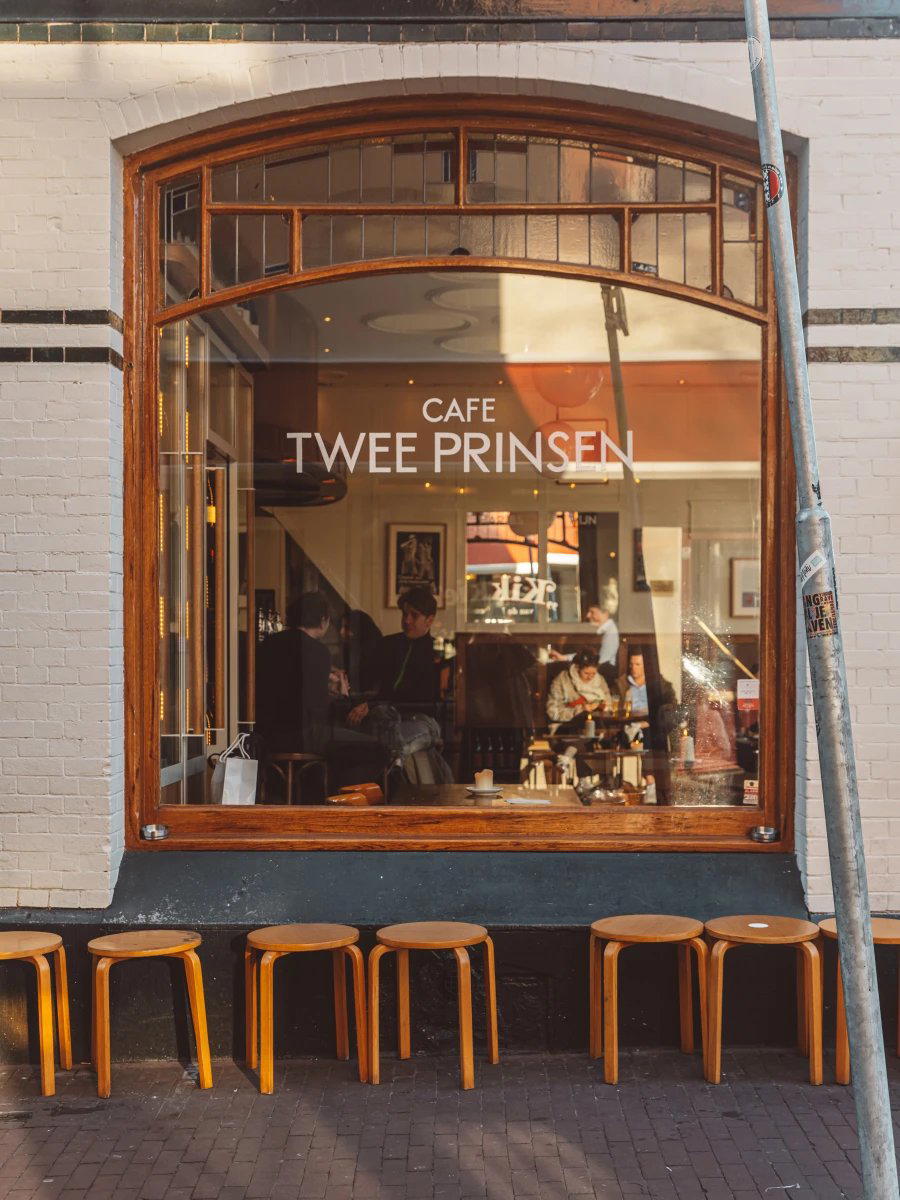
Restaurants in Amsterdam
Browse all →
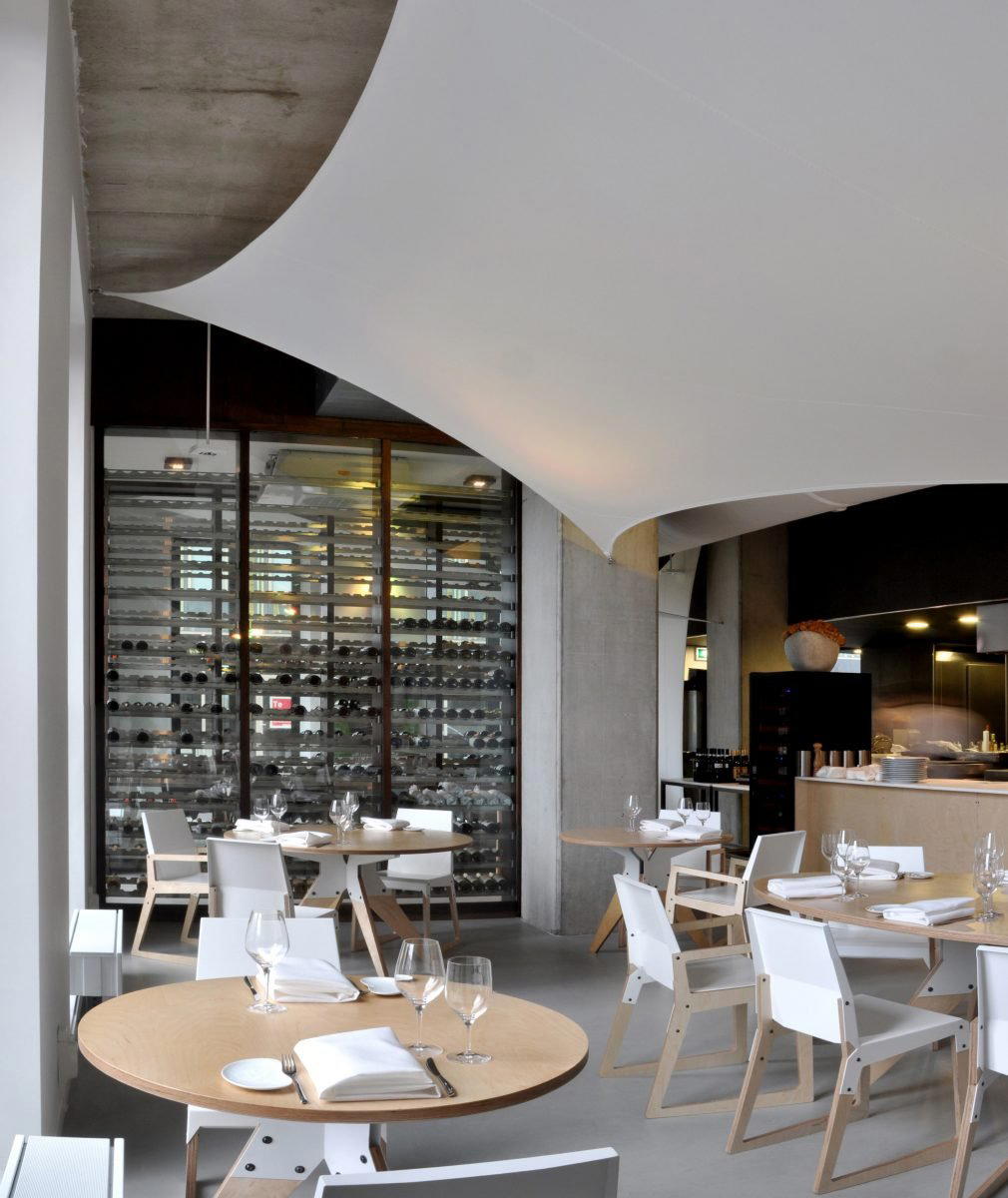
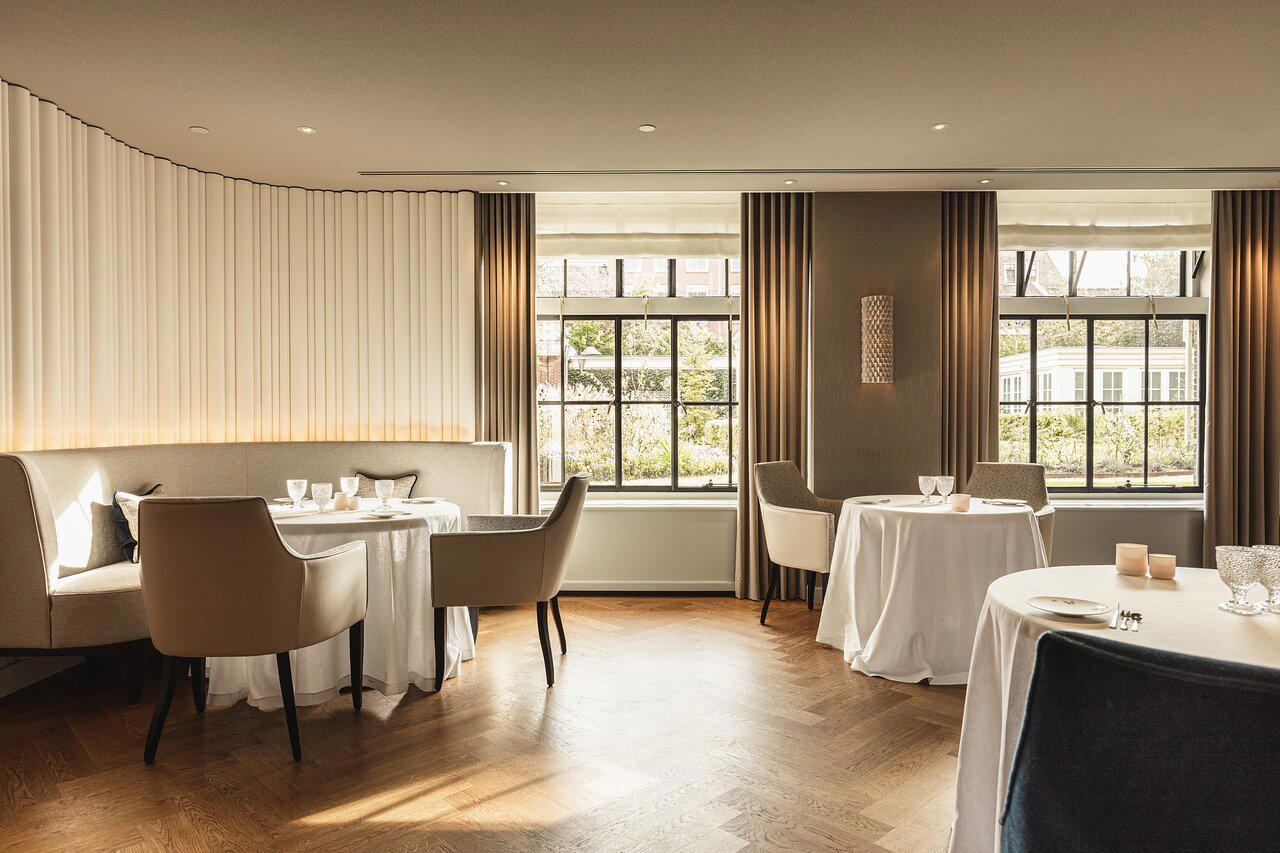
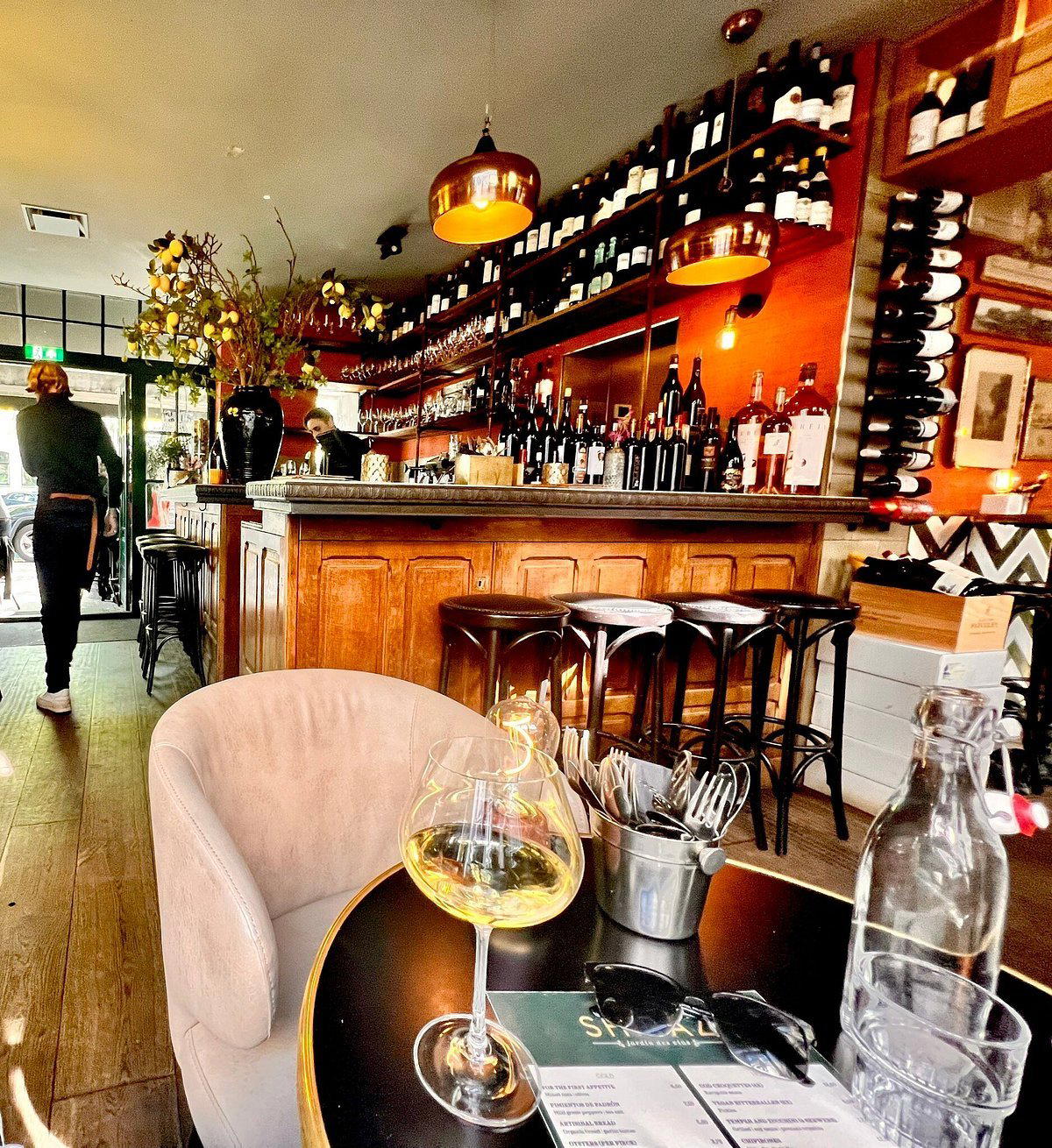
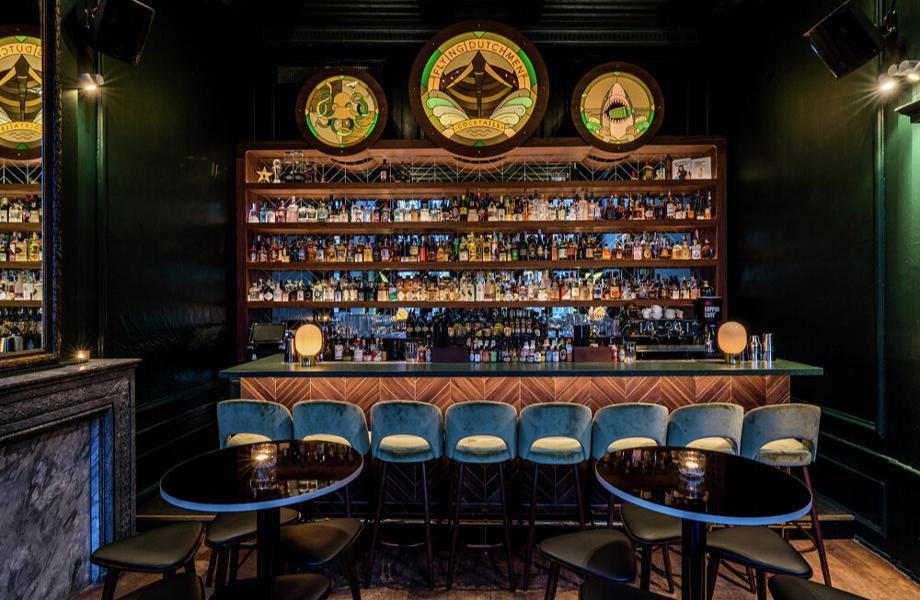
Bars in Amsterdam
Browse all →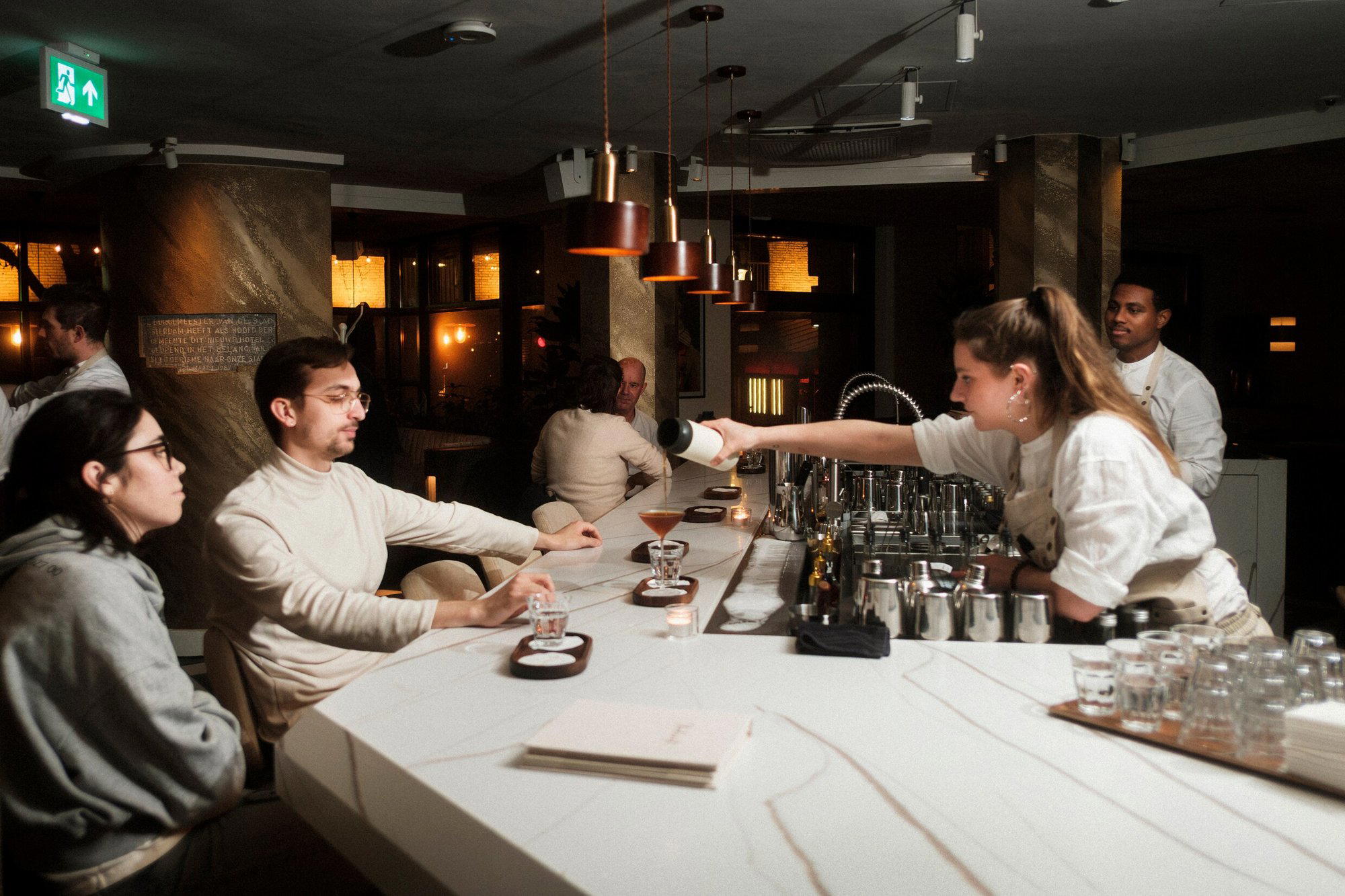
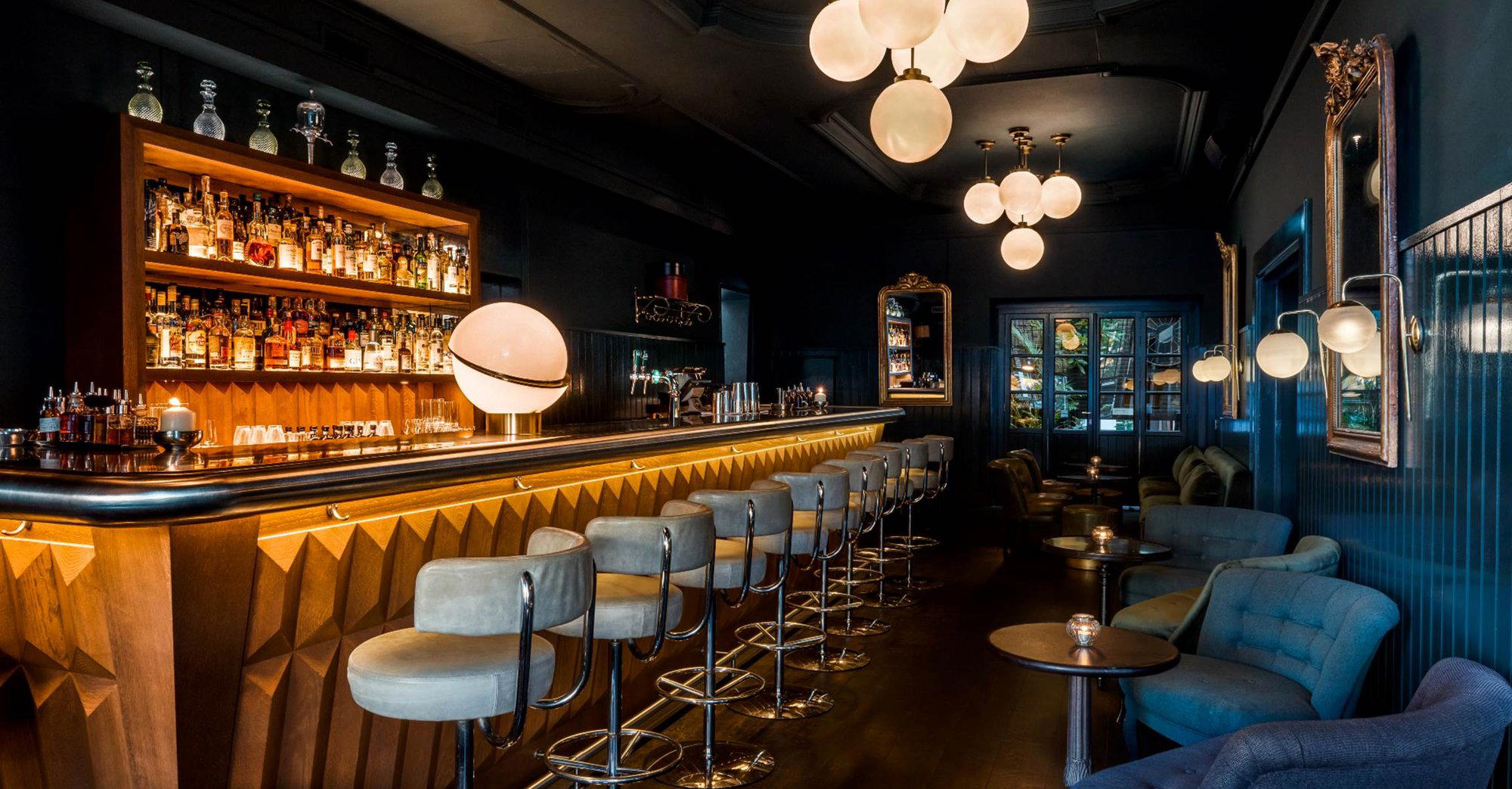
Hotels in Amsterdam
Browse all →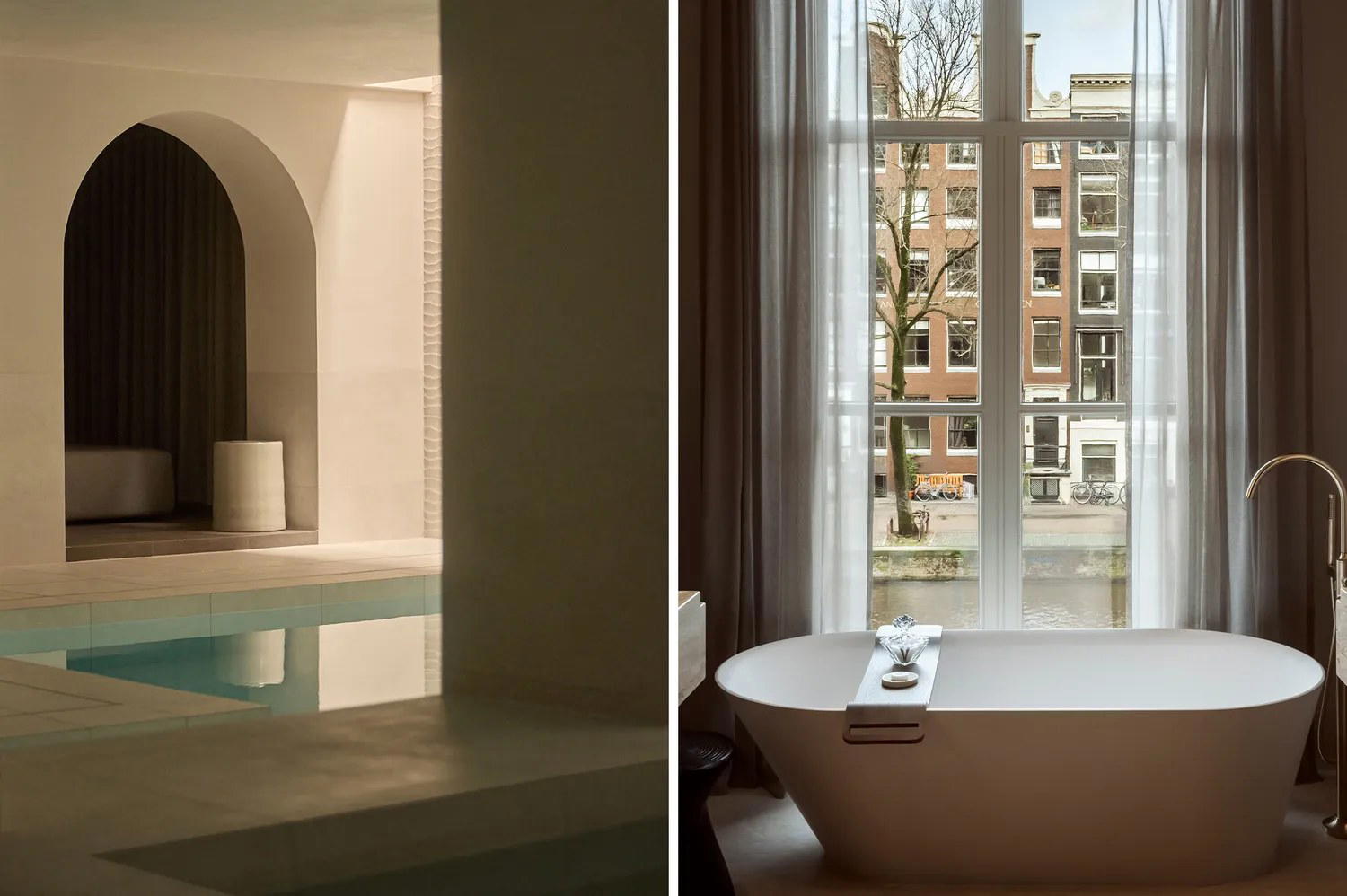
Wineries in Amsterdam
Browse all →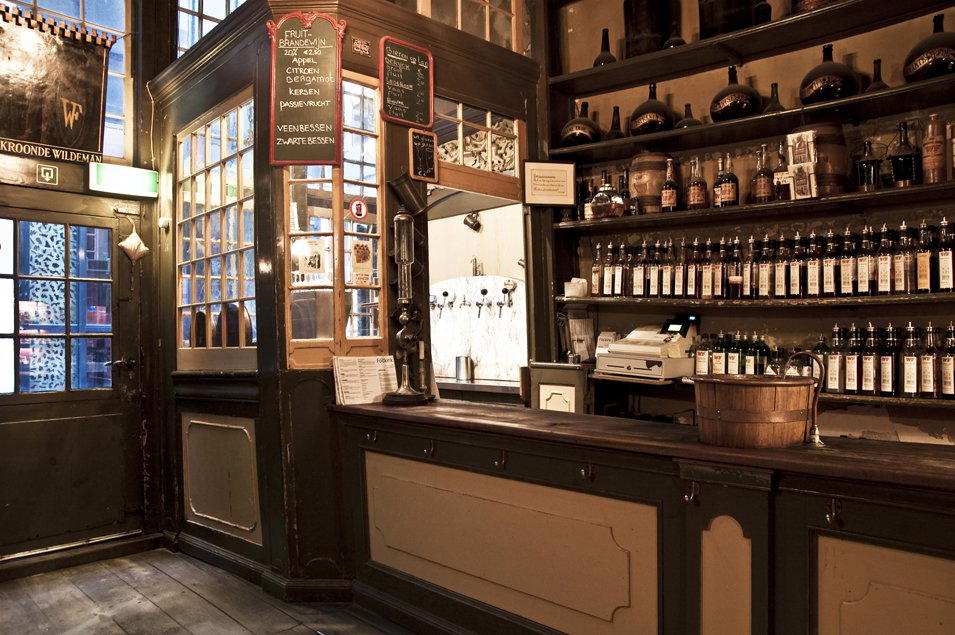
At a Glance
- Lively
- Trendy
- Industrial
- Modern
- Cozy
- Brunch
- Casual Hangout
- Group Dining
- After Work
- Business Dinner
- Late Night
- Family
- Private Dining
- Terrace
- Open Kitchen
- Historic Building
- Design Destination
- Craft Cocktails
- Beer Program
- Natural Wine
- Local Sourcing
- Biodynamic
Current opening hours
- Monday
- 9 AM–11 PM
- Tuesday
- Closed
- Wednesday
- 9 AM–11 PM
- Thursday
- Closed
- Friday
- 9 AM–1 AM
- Saturday
- 10 AM–1 AM
- Sunday
- 10 AM–1 AM
Hours can change for holidays and private events. Last verified .
Industrial-chic with exposed beams, raw surfaces, and high ceilings; playful and contemporary design by Studio Modijefsky; transitions from bright daytime workspace to relaxed evening drinks setting.