
Men Tei Tsumugi puts Yamato’s ramen scene into sharper focus: small-format, award-noted, and grounded in the everyday discipline of Kanagawa noodle shops rather than destination-dining ceremony. Its Tabelog Ramen KANAGAWA “Tabelog 100” selections in 2024 and 2025 place it among the prefecture’s serious ramen addresses, with a compact room that suits focused meals more than lingering occasions.
Pearl is the En Primeur Club membership app — saves, bookings, and concierge access live there. Same editors, same standards.
- Address
- 神奈川県大和市南林間2-3-5
- Phone
- +81462122044
- Website
- tabelog.com
 Saves & bookings on Pearl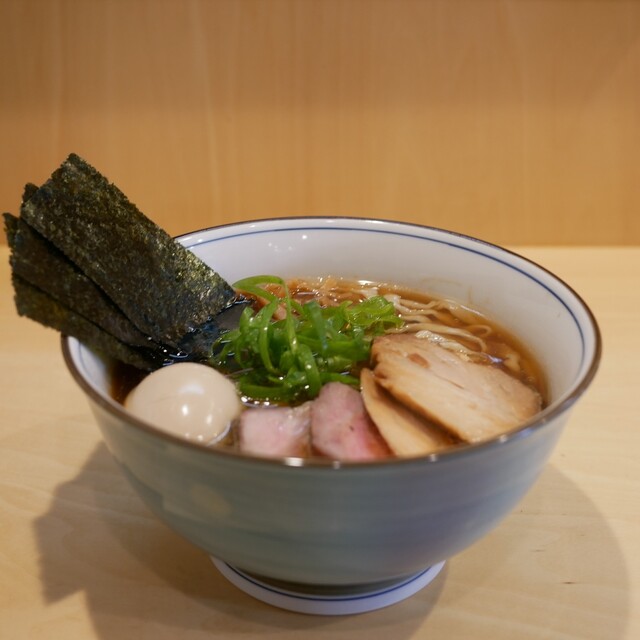
A serious suburban ramen shop in Kanagawa rarely announces itself with theatre. In Minami Rinkan, the cues are smaller: short frontage, practical door rhythm, and the compressed sound of a room built around bowls. Men Tei Tsumugi belongs to a Japanese ramen culture where the room stays compact, the menu carries the argument, and sourcing shows through restraint.
Yamato sits outside the Tokyo dining glare, which is part of its ramen appeal. Kanagawa’s noodle culture rewards short detours while keeping a working-neighbourhood tempo: quick lunches, early dinners, regulars who know the cadence, and small shops where a handful of seats define the experience. Tabelog’s Ramen KANAGAWA “Tabelog 100” selection in 2024 and 2025 gives Men Tei Tsumugi a useful external marker. It does not make the shop a luxury destination; it places it in a regional conversation where technique, consistency, and ingredient choices are judged against a deep local field.
Kanagawa ramen, judged by sourcing rather than showmanship
Ramen in Greater Tokyo is often discussed through style labels: shoyu, shio, miso, tonkotsu, tori paitan, niboshi. Useful as they are, those categories can flatten what separates a serious bowl from a merely busy one. In contemporary ramen, sourcing is often the quieter signature. Broth depends on the quality and handling of chicken, pork, seafood, kelp, dried fish, or vegetables; tare on soy, salt, fermentation, and balance; noodles on flour choice, hydration, cut, and texture. The diner may not see those decisions as a manifesto, but the bowl makes them hard to hide.
That is where a small Kanagawa ramen counter earns attention. A limited footprint pressures execution: broth management, noodle timing, seasoning, and turnover must work without the buffer of a sprawling dining room. Men Tei Tsumugi’s recognition on the prefectural Tabelog 100 ramen list signals assessment among Kanagawa ramen specialists, not general casual restaurants. For readers using Yamato as a base, that distinction helps. This is not the same decision as choosing a broader local meal at Ethan Shokudo, a spice-led stop such as CINNAMON GARDEN, or a sweets-driven pause at Maison Givree. It is narrower: ramen as the point, not one option among many.
The ingredient-sourcing lens explains why modestly priced ramen shops command serious attention. The cost of entry is low, but the margin for error is thin. A bowl at this level must justify itself through clarity: stock that does not collapse into salt, noodles that hold structure, and toppings that support rather than distract. Without verified dish names, assigning a house specialty would be careless. The better reading is categorical: Men Tei Tsumugi works in the disciplined ramen-shop mode where the sourcing chain behind the bowl matters more than decorative excess.
A compact room built for decisive eating
The format shapes the meal as much as the recipe. Ten seats, split between counter and table seating, make pacing part of the experience. Counter seats in ramen culture are not merely efficient; they foreground cooking, serving, eating, and clearing. Table seating gives families and small groups a softer landing, but the rhythm stays concise. This is a room for arriving with intent, reading the menu quickly, and letting the bowl set the tempo.
Compactness changes how the restaurant fits into Yamato. In larger cities, ramen fame can become queue management; in smaller urban nodes, better shops often serve as both neighbourhood utility and specialist address. Children’s amenities and family-friendly notes make this more flexible than the severe counter-only stereotype, while the absence of private rooms keeps the meal public, informal, and close to the everyday grain of the city. For travellers, the shop offers a grounded read on local dining habits rather than a staged version of Japanese food culture.
Yamato’s broader eating map sharpens the choice. China Soba Suzuki gives another way into the city’s noodle conversation, while Nakamizo points to a different local register. The restaurant’s value is concentration: a small ramen address with prefectural recognition, in a city where good meals are spread across everyday categories rather than clustered in one dining district. For a wider scan, the full Yamato restaurants guide is the natural companion; travellers building a fuller stay can also cross-check Yamato hotels, Yamato bars, Yamato wineries, and Yamato experiences.
How to place it in a broader Japan itinerary
The restaurant makes its strongest case for travellers who treat ramen as regional reading, not quick filler between temples and trains. Kanagawa is not a footnote to Tokyo; it has its own competitive ramen culture, and Yamato gives that culture a more residential frame. The shop’s Tabelog 100 selections provide the trust signal, but the editorial reason to care is simpler: small ramen rooms are often where ingredient discipline is easiest to detect. Weak stock, tired noodles, and confused seasoning have nowhere to hide.
Not every visitor should bend an itinerary around it. The meal makes more sense when Yamato or the Odakyu Enoshima Line is already part of the day, or when the point is to compare regional everyday dining with higher-profile city eating. A traveller moving through Japan could read it against other focused casual addresses, from (Shoku) Vietnam in Kawasaki to [Curry Senmon Ten] Maruyama Kyoju. in Sapporo, or against destination meals in different registers such as -Grilled beef Sukiyaki- KAMAKURA TANUKIAN 鎌倉 たぬき庵 in Kamakura. 鮪と炭火焼き うお炭 秋葉原店 in Tokyo.cafe in Osaka, and.know in Kumamoto. For overseas readers considering Japanese casual formats more widely, Jōdo Saké Bar in Los Angeles and Onigiri Time in Pasadena show how narrow Japanese formats translate abroad, though the Yamato ramen experience remains rooted in local pace and access.
The editorial verdict is measured: this is a serious, compact ramen stop with credible Kanagawa recognition, not a place needing inflated language. Its appeal lies in proportion. The room is small, the category precise, the price tier everyday, and the award context regional rather than ceremonial. That combination makes it useful for EP Club readers: it shows how Japanese dining quality often appears in restrained, low-cost formats, where sourcing and repetition do the work luxury dining usually assigns to service and theatre.
Comparison Snapshot
Comparable venues by cuisine and price in the same metro.
| Venue | Cuisine | Price | Notes |
|---|---|---|---|
| Men Tei TsumugiThis venue — the venue you are viewing | Ramen shop | $ | Not listed |
| Ramen Go | Sapporo-style miso ramen | $ | Tsuruma, Yamato |
| Umai Yo Yuchan Ramen | Rich Tonkotsu Ramen Shop | $ | Yamato |
| China Soba Suzuki | Japanese Ramen | $ | Sakuragaoka |
| Niboshi Raamen Neko Tora Tei | Niboshi-focused ramen shop | $ | / Yamato Sta., Tsuruma Sta., Sagami Otsuka Sta. |
| CINNAMON GARDEN | Sri Lankan Curry House | $$ | Minami Rinkan |
Recognition history
Dated appearances from independent guides and award organizations, with the underlying list record or original source where available.
Tabelog 100 #46 · No. 46
Tabelog · Tabelog 100 - Ramen - KANAGAWA - 2025
Continue exploring
More in Yamato
Restaurants in Yamato
Browse all →


Bars in Yamato
Browse all →




Hotels in Yamato
Browse all →



Wineries in Yamato
Browse all →
At a Glance
- Cozy
- Intimate
- Solo
- Family
- Casual Hangout
- After Work
- Standalone