Múzeum Étterem on Budapest's Múzeum körút occupies a city-centre address with the kind of institutional weight that makes it a natural anchor for milestone meals. The restaurant sits within the broader context of Budapest's traditional dining tier, where older establishments hold their ground alongside the city's newer modernist kitchens. For occasion dining in the inner city, it represents a well-established choice with roots in the classical Hungarian tradition.
Pearl is the En Primeur Club membership app — saves, bookings, and concierge access live there. Same editors, same standards.
- Address
- Budapest, Múzeum krt. 12, 1088 Hungary
- Phone
- +3612670375
- Website
- muzeumkavehaz.hu
- Directions
- Get directions
 Saves & bookings on Pearl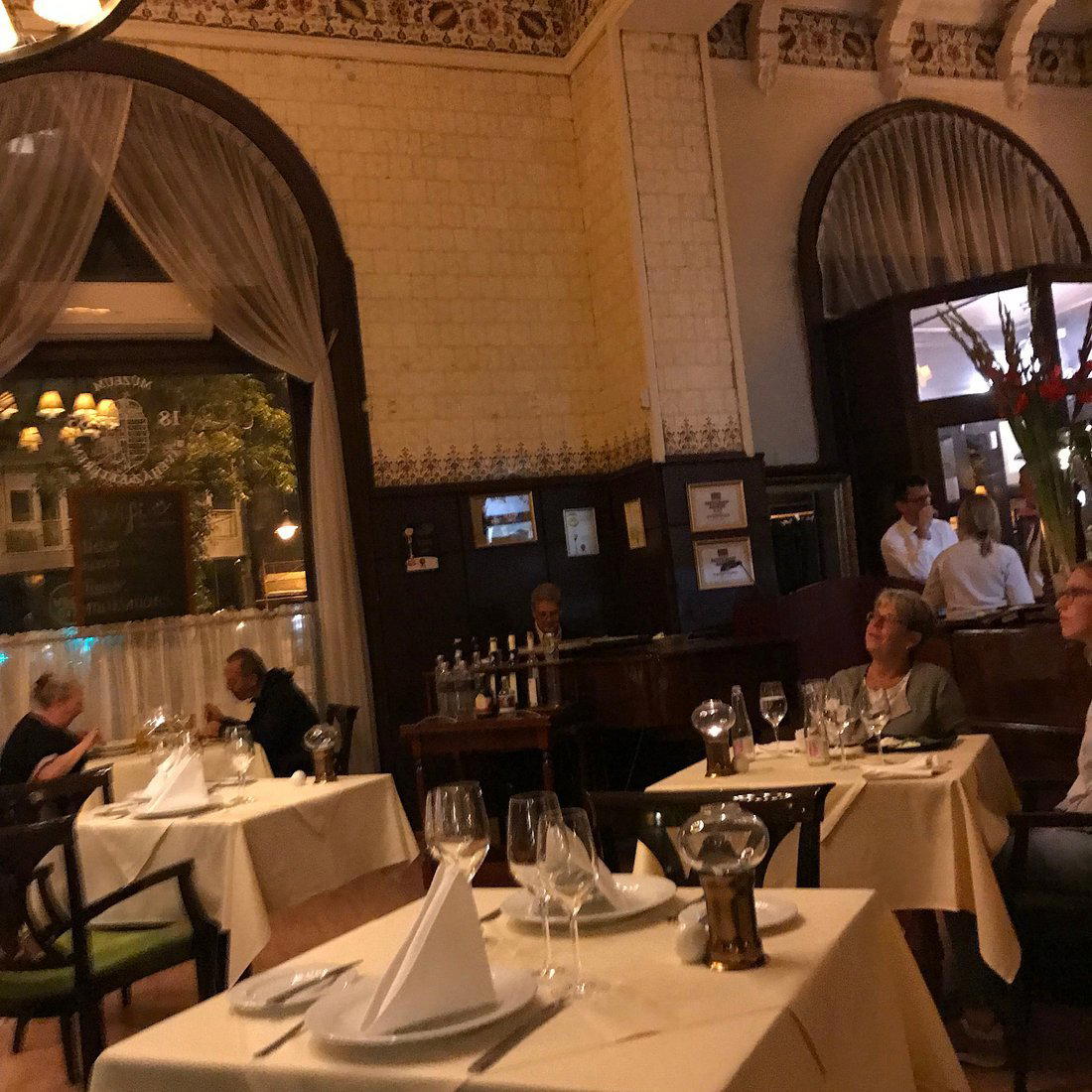
The Weight of the Address
Múzeum körút is not a street you stumble down by accident. The boulevard runs along the edge of the Hungarian National Museum, and the buildings that line it carry the proportions and seriousness of late nineteenth-century Pest architecture: high ceilings, stone facades, the sense that decisions of some consequence have been made in rooms nearby. Múzeum Étterem sits at number 12, and the address alone does some of the work that marketing budgets handle elsewhere. In Budapest, where dining out has long been tied to occasion and ceremony rather than casual grazing, location carries symbolic freight that newer restaurant districts further from the centre cannot quite replicate.
That connection between place and ritual matters when you are thinking about where to mark something. Anniversaries, significant birthdays, business dinners with a formal register: these are meals that benefit from an environment that already understands occasion. Budapest's classical restaurant tradition, shaped by the coffee house culture and the grand restaurant rooms of the Austro-Hungarian period, has always provided that kind of stage. Múzeum Étterem operates within that lineage, positioned on a street where the surrounding institutions lend the meal a certain gravity before the first course arrives.
Budapest's Occasion Dining Tier
To understand where Múzeum Étterem sits, it helps to map the broader terrain. Budapest's formal dining scene has split over the past decade into roughly two cohorts. The first is the modernist tier, anchored by Michelin-recognised addresses: Costes and Stand at the higher end, Borkonyha Winekitchen in the middle bracket, and relative newcomers like Babel and essência pushing the creative register further. The second cohort is composed of classical establishments that predate Budapest's post-2010 fine dining expansion and carry their reputations through longevity, neighbourhood loyalty, and the kind of consistency that awards cycles do not always capture.
The restaurant belongs to this second group. It does not compete with the tasting-menu formats of the Michelin-tracked restaurants; it operates in a different register, one where the occasion is served by tradition rather than technique-forward novelty. For visitors who find the structured minimalism of Budapest's modernist kitchens a poor fit for a celebratory dinner, the classical establishments offer an alternative that the city's newer dining press tends to underreport.
The distinction matters practically. When Stand or Babel are fully booked on a Saturday evening in high season, which they frequently are, the classical tier absorbs the overflow from diners who still want a serious room. The restaurant's Múzeum körút location also places it within easy reach of the central hotel district and the Belváros, which makes it a practical anchor for groups arriving from different parts of the city.
What the Neighbourhood Tells You
The eighth district, or Józsefváros, has a complicated reputation in Budapest. Parts of it have gentrified steadily since the early 2000s; others retain the rougher texture that gives the district its character. Múzeum körút, however, is the district's western edge and feels more continuous with the fifth district's institutional grandeur than with anything further east. The Hungarian National Museum across the road, the university buildings nearby, and the bookshops that have historically clustered along the boulevard create an environment oriented toward cultural life rather than nightlife or tourism infrastructure.
Dining in this part of the city carries a different social meaning than eating in the Belváros or along the tourist-dense stretch of the Danube embankment. The rooms here tend to be used by Budapestians as much as by visitors, which affects the atmosphere in ways that matter for occasion dining: the room is less likely to feel like a curated performance for foreign guests and more likely to feel like a place where the city marks its own significant moments.
The Case for Classical Hungarian at Milestone Meals
There is a particular logic to choosing a classical Hungarian restaurant for celebration meals in Budapest specifically. The city's culinary inheritance, drawing from Central European, Ottoman, and Viennese influences over several centuries, produced a restaurant tradition built around abundance and ceremony. Long meals with multiple courses, serious wine lists, the expectation that a table is yours for the evening: these conventions suit occasions poorly served by the timed seatings and structured pace of modern tasting-menu formats.
The comparison with international analogues is instructive. In New York, establishments like Le Bernardin and Atomix have built occasion-dining cultures around technical precision and choreographed progression. In Budapest, the classical tradition offers a different axis: depth of cellar, breadth of menu, and an unhurried pacing that reflects the city's particular relationship with the long dinner. Neither model is categorically superior; they answer different versions of the same need.
For first-time visitors to Budapest planning a milestone meal, the practical advice is to cross-reference both tiers before booking. The Michelin-starred addresses (Costes, Stand) will deliver technical ambition and international recognition; the classical establishments will deliver atmosphere, tradition, and the kind of room that does not feel rushed. The choice depends on what the occasion actually requires.
Planning the Meal
The restaurant sits at Budapest, Múzeum krt. 12, 1088, in the eighth district adjacent to the Hungarian National Museum. Platán Gourmet in Tata, Pajta in Őriszentpéter, Aranysárkány Vendéglő in Szentendre, and Forst-Ház Étterem és Kávézó in Eger each represent the regional tier in their respective areas. Wine-country dining is served by Halasi Pince Panzió in Villány and BoriMami in Gyöngyös.
Comparable Spots, Quickly
Comparable venues nearby, for context on price, style, and recognition.
| Venue | Cuisine | Price | Notes |
|---|---|---|---|
| Múzeum ÉtteremThis venue — the venue you are viewing | Traditional Hungarian | $$ | Not listed |
| Macesz Bistro | Jewish-Hungarian Fusion Bistro | $$ | Belvaros |
| Kéhli Vendéglő | Traditional Hungarian | $$ | Obuda |
| KAA Mixology | High-End Mixology Bar | $$$ | Belvaros |
| Remiz | Traditional Hungarian Gourmet | $$ | Huvosvolgy |
| Náncsi Néni | Traditional Hungarian | $$$ | Pesthidegkut |
Continue exploring
More in Budapest
Restaurants in Budapest
Browse all →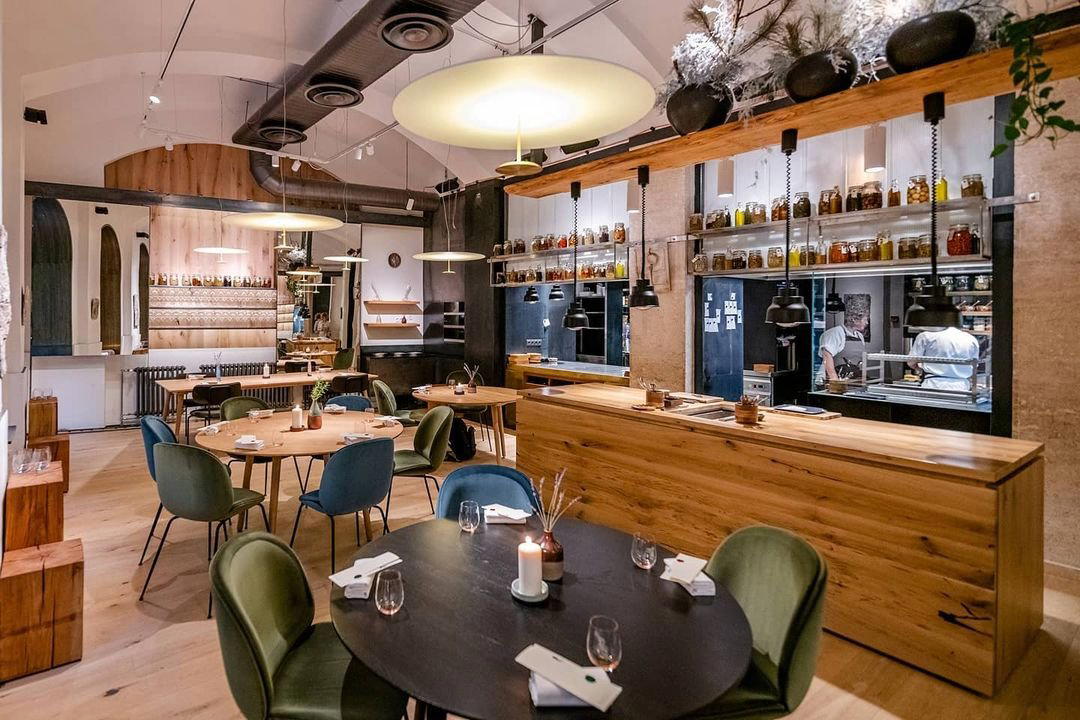
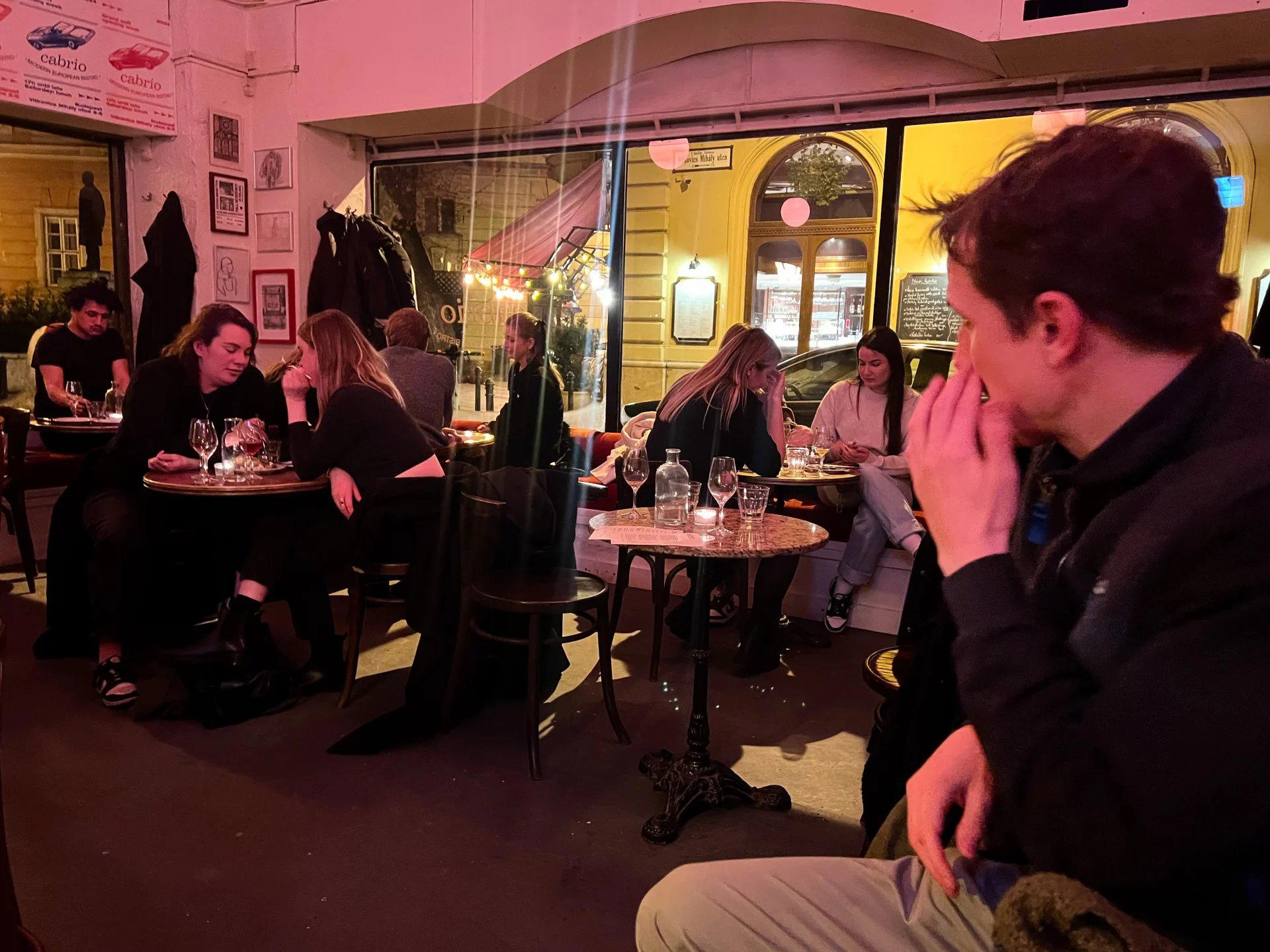
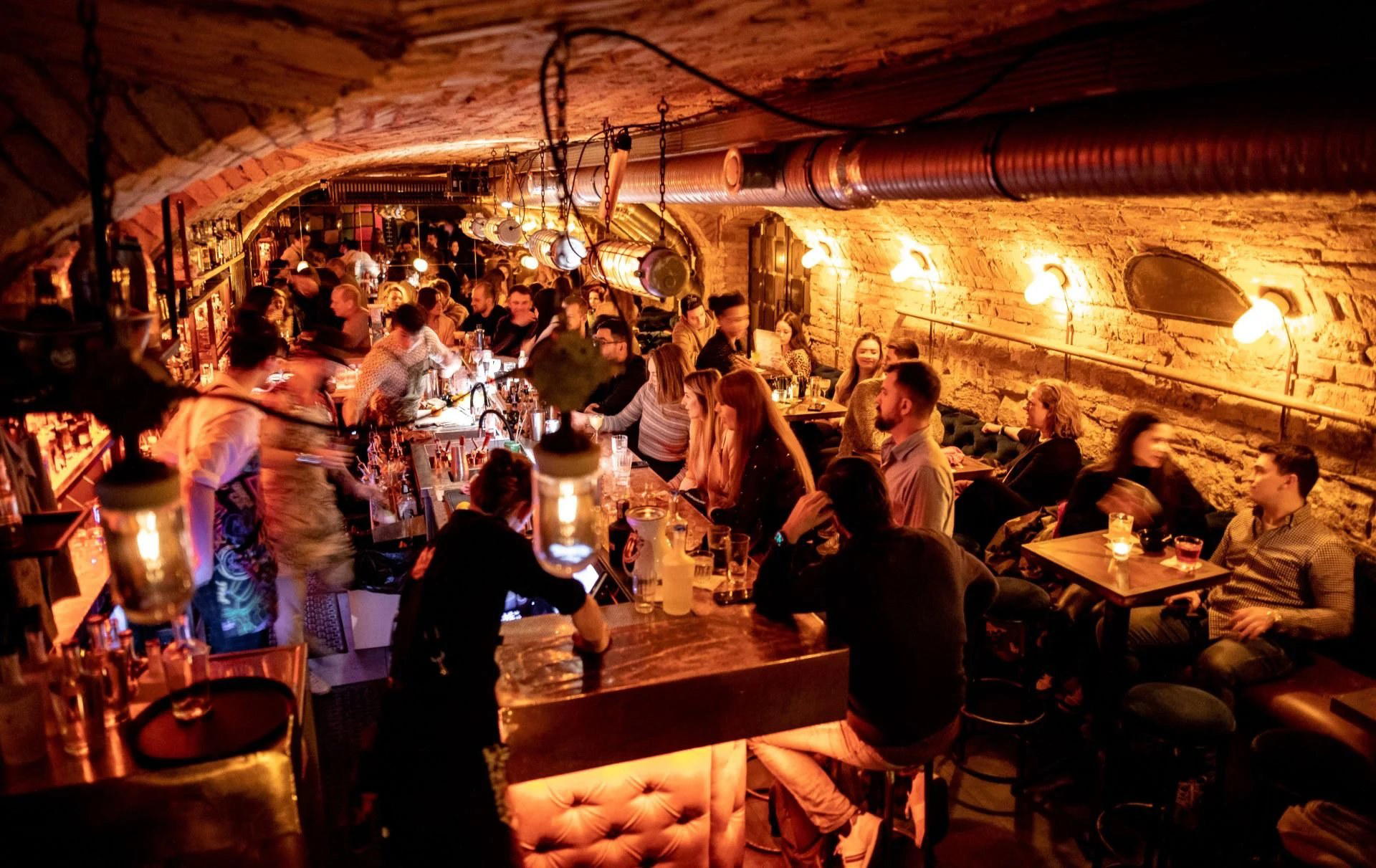
Bars in Budapest
Browse all →
Hotels in Budapest
Browse all →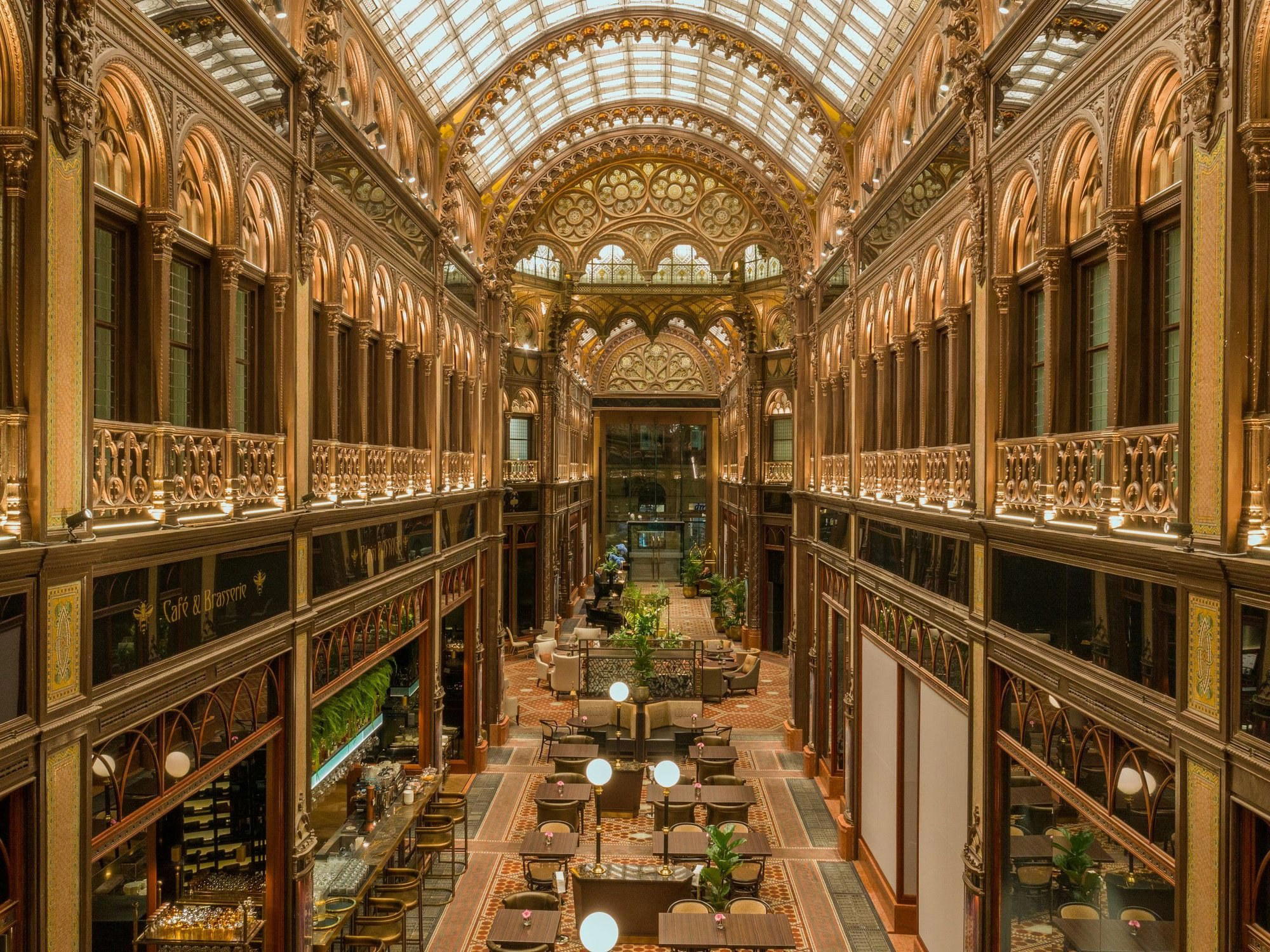

At a Glance
- Classic
- Elegant
- Sophisticated
- Historic
- Cozy
- Date Night
- Special Occasion
- Business Dinner
- Historic Building
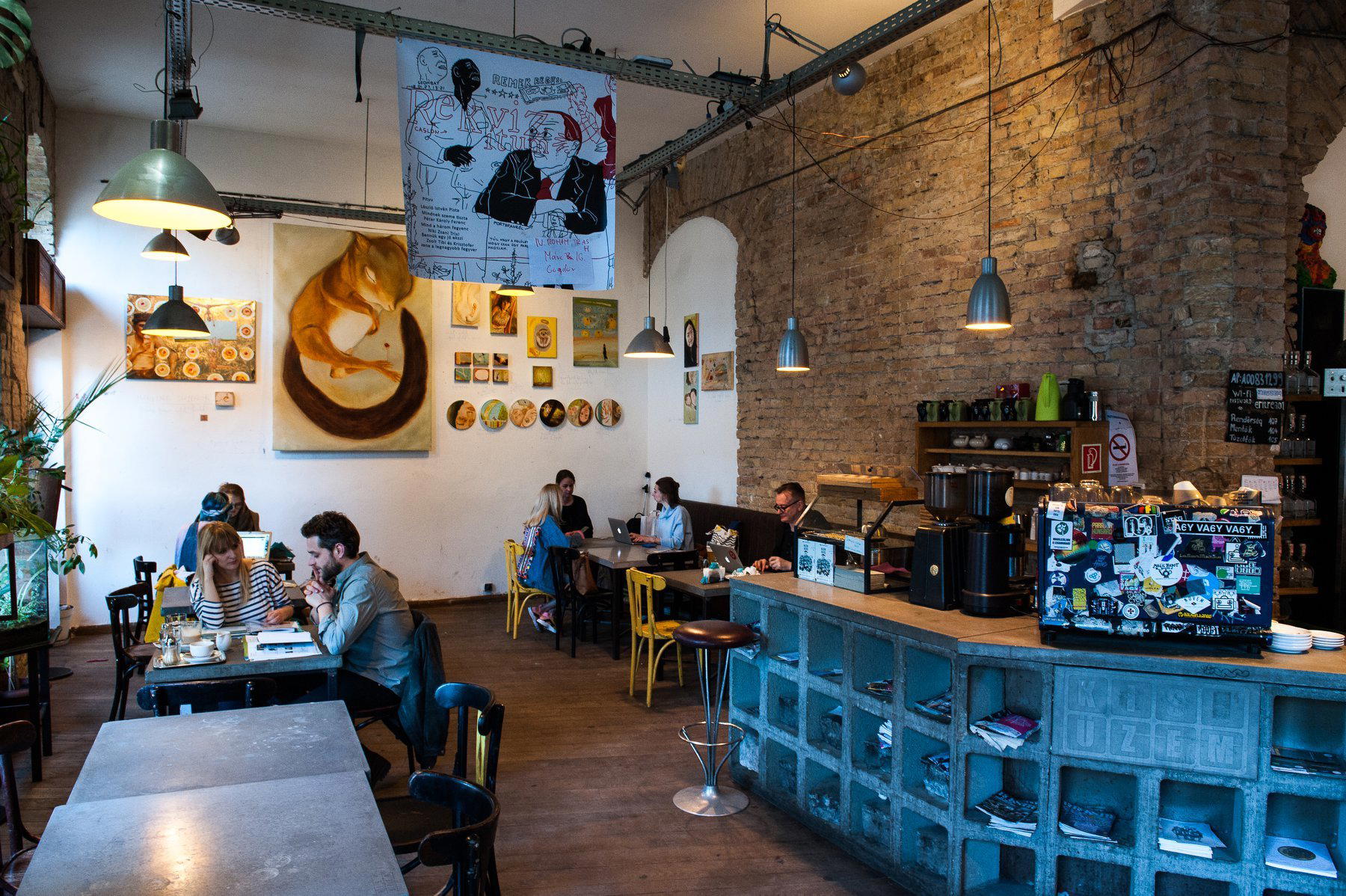
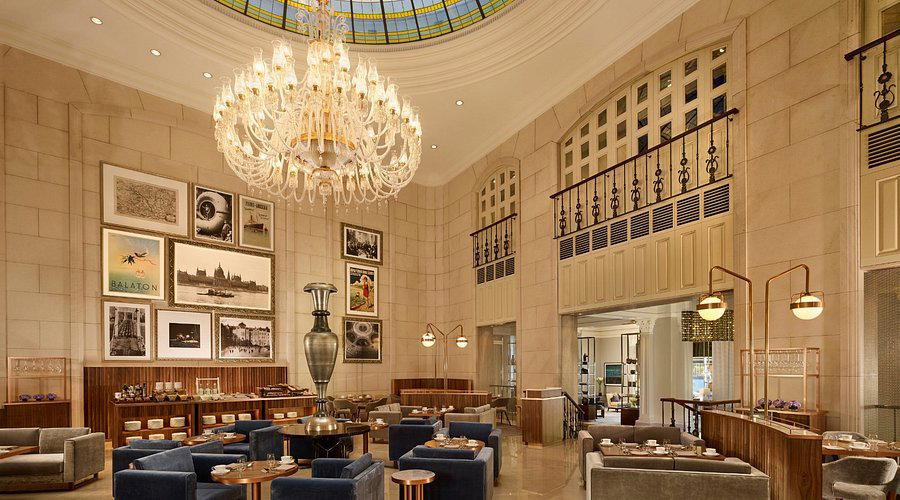
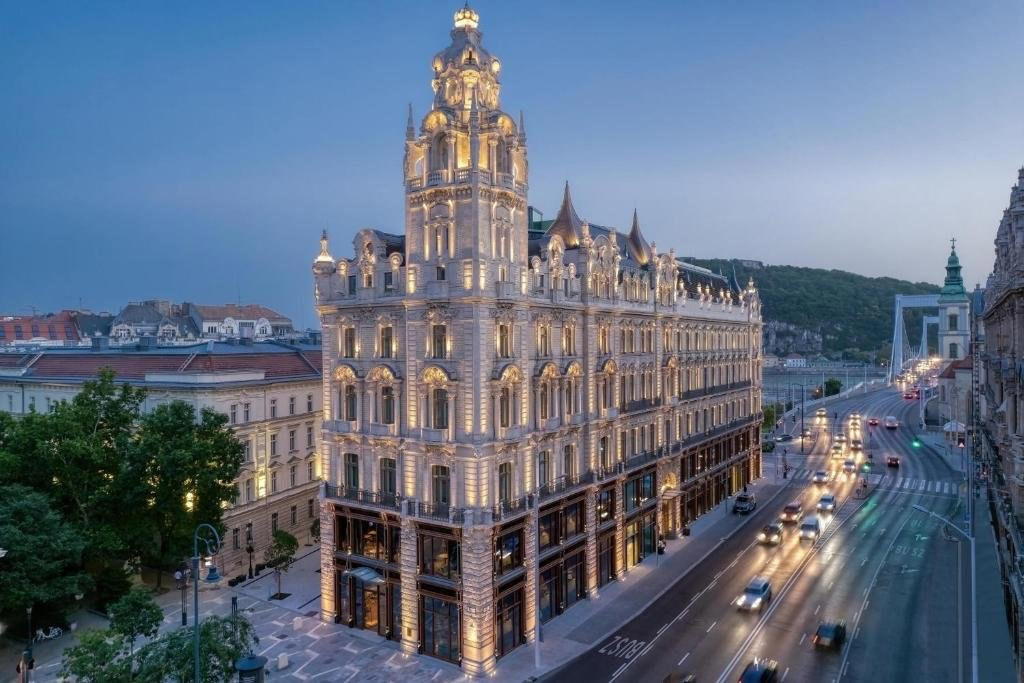
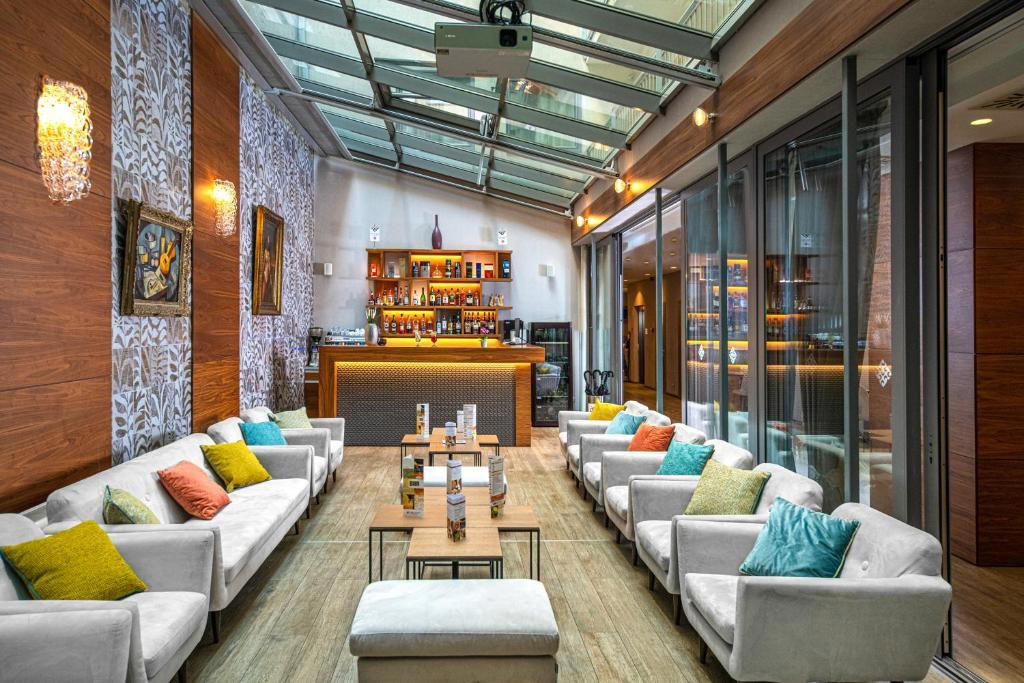
Classic and sophisticated atmosphere with elegant interiors evoking 19th-century grandeur.