On the Buda Hills edge of the city, Remiz occupies a tier of Budapest dining that sits between neighbourhood institution and serious kitchen. Its address on Budakeszi út places it well outside the tourist circuit of the Pest waterfront, aligning it instead with the quieter residential scene that has historically supported some of the city's more considered cooking. For visitors to Budapest's fine dining conversation, it belongs on the same map as Borkonyha Winekitchen and Costes, though it reads differently from both.
Pearl is the En Primeur Club membership app — saves, bookings, and concierge access live there. Same editors, same standards.
- Address
- Budapest, Budakeszi út 5, 1021 Hungary
- Phone
- +3613941896
- Website
- remiz.hu
- Directions
- Get directions
 Saves & bookings on Pearl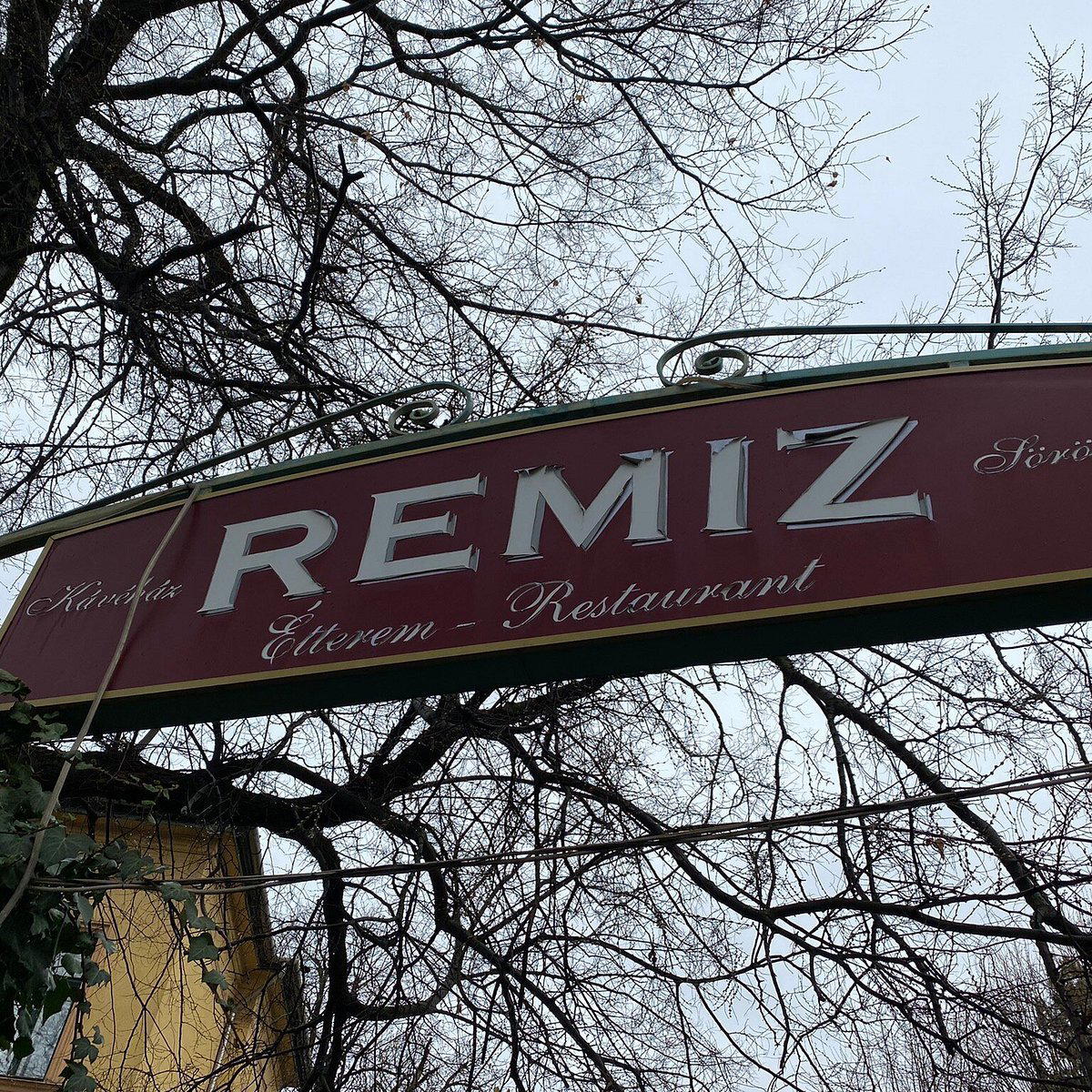
The Buda Hills Dining Register
Budapest's restaurant geography has a fault line. On the Pest side, the cluster of modern Hungarian kitchens around the city centre, places like Stand, Babel, and Costes, operates in full view of the international food press, pulling the Michelin inspectors and the 50 Best voters who increasingly pass through Central Europe. On the Buda side, particularly as the city gives way to the wooded slopes of the Buda Hills, a different kind of restaurant survives: one oriented toward a local audience, accountable to repeat visitors rather than travelling critics, and shaped by the rhythm of the neighbourhood rather than the calendar of awards season.
Remiz, on Budakeszi út in the second district, sits within that second register. The address is specific: this is not inner Buda, not the Castle District, not the stretch of streets that still trades on Habsburg-era grandeur. Budakeszi út runs northwest out of the city proper toward the hills, and restaurants along it serve a population that returns weekly rather than annually. That audience exerts a different kind of discipline on a kitchen than the tourist trade does, and it tends to produce cooking that is more consistent if less theatrical than what you find in the competitive cluster downtown.
Where Local Ingredients Meet Technical Ambition
The broader pattern in Hungarian fine dining over the past decade has been a studied convergence: kitchens trained in French or Nordic technique applied to Magyar pantry staples. That conversation is most visible at places like Borkonyha Winekitchen, where the wine list functions as an argument for Hungarian terroir, or at essência, which approaches the same junction from a more personal angle. The question for any kitchen working in this mode is how far to push the technique before the local identity dissolves into generic European modernism.
Restaurants outside the city centre often resolve that tension differently from their downtown peers. Without the pressure to perform for an international room, they can lean more fully into regional sourcing, the lake fish and forest mushrooms and stone-fruit harvests that define the agricultural land surrounding Budapest, and apply imported methods more quietly, as tools rather than statements. That restraint is, in principle, exactly what the leading provincial kitchens across Europe do. Platán Gourmet in Tata and Pajta in Őriszentpéter both operate in this mode at high levels, each anchored in a specific regional larder while using technique to clarify rather than obscure it. Remiz inhabits a comparable spatial logic, positioned between city and countryside in a way that gives the kitchen access to both urban expectation and rural supply.
The Buda Hills as Culinary Context
The second district in Budapest has a particular social character that shapes what restaurants here can and must be. Historically one of the city's more affluent residential zones, it has supported a dining culture that is unhurried by definition. Lunches run long here. The clientele expects seasonal rotation because they come back often enough to notice when it stops. Kitchens in this part of the city have tended to develop deeper relationships with specific suppliers, small farms and foragers in the hills above the city, partly because that sourcing story plays well with regulars who understand the geography.
This is a different competitive dynamic from what you see at Stand or the other high-profile kitchens in the central Pest cluster. Those restaurants position against each other and against an international comparable set, Budapest as an emerging node in the European fine dining map, aware of how it reads from London or Copenhagen. A restaurant on Budakeszi út is not primarily making that argument. It is making a different, more durable one: that the Buda Hills produce ingredients worth cooking seriously, that a Hungarian table set with local wine and seasonal produce is a sufficient proposition, and that the technique should serve the ingredient rather than the other way around.
Hungary's Regional Dining Network
Remiz exists within a broader Hungarian restaurant ecosystem that has become more interesting as you move outside the capital. The wine culture around Eger and Villány has matured to the point where restaurants like Forst-Ház Étterem és Kávézó in Eger and Halasi Pince Panzió in Villány can build menus around local vintages with genuine depth. BoriMami in Gyöngyös and Aranysárkány Vendéglő in Szentendre represent different points on the spectrum between tradition and ambition. Even further afield, Classic Grill Serbian Restaurant Underground in Szeged and Almalomb in Hosszúhetény signal how far Hungary's serious dining has spread geographically.
For the Budapest visitor who has already worked through the central shortlist, the outer residential districts and the day-trip radius deserve more attention than they typically receive. The comparison is instructive: New York's celebrated tasting-counter scene, represented by places like Le Bernardin and Atomix, has a strong neighbourhood-restaurant tradition running parallel to it, one that serves the city's residential population with equal seriousness. Budapest is building something similar, and the Buda Hills are part of that infrastructure.
At a Glance
Comparable venues nearby, for context on price, style, and recognition.
| Venue | Cuisine | Price | Notes |
|---|---|---|---|
| RemizThis venue — the venue you are viewing | Not listed | $$ | Not listed |
| Kispiac | Terézváros, Traditional Hungarian Bistro | $$ | Not listed |
| Retek Bisztro | Varhegy, Traditional Hungarian Bistro | $$ | Not listed |
| Cafe Vian Gozsdu Udvar | Belvaros, Traditional Hungarian Bistro | $$ | Not listed |
| Rosenstein Vendéglő | Not listed | $$ | Jozsefvaros, Traditional Hungarian-Jewish |
| Buja Disznó(k) Buda | Not listed | $ | Buda, Traditional Hungarian Schnitzel House |
Continue exploring
More in Budapest
Restaurants in Budapest
Browse all →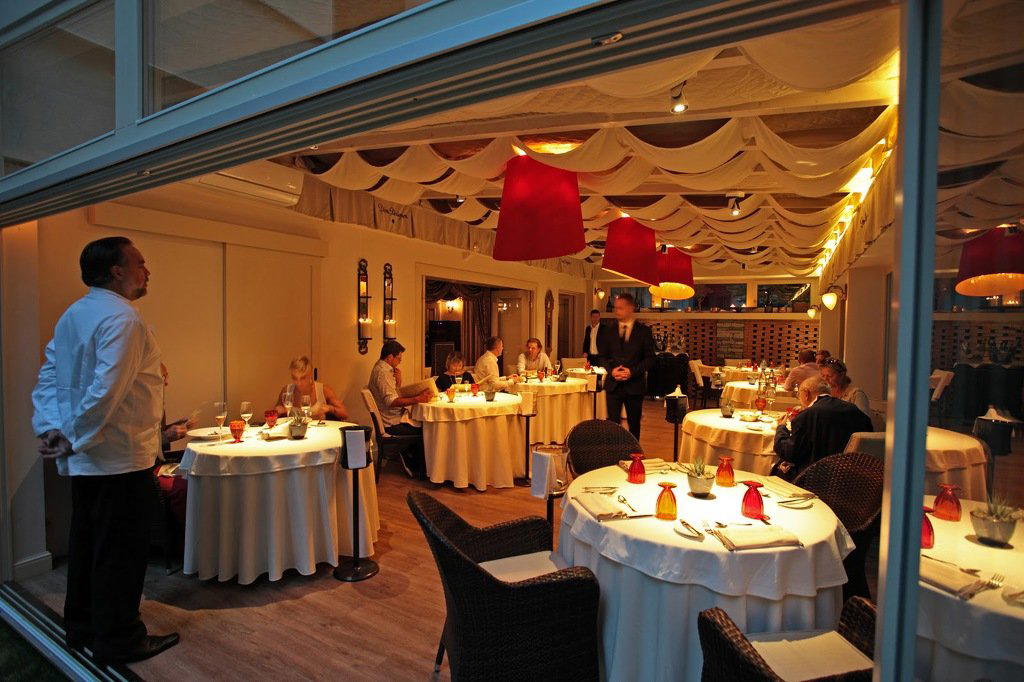
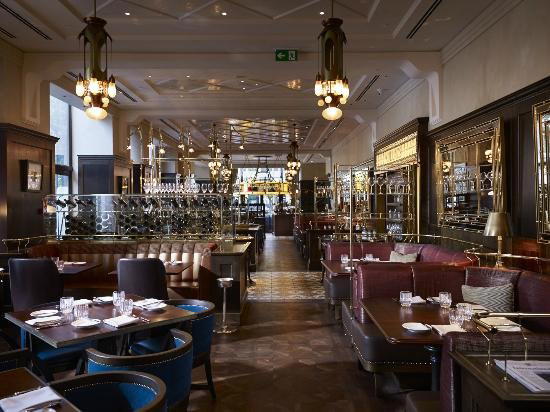
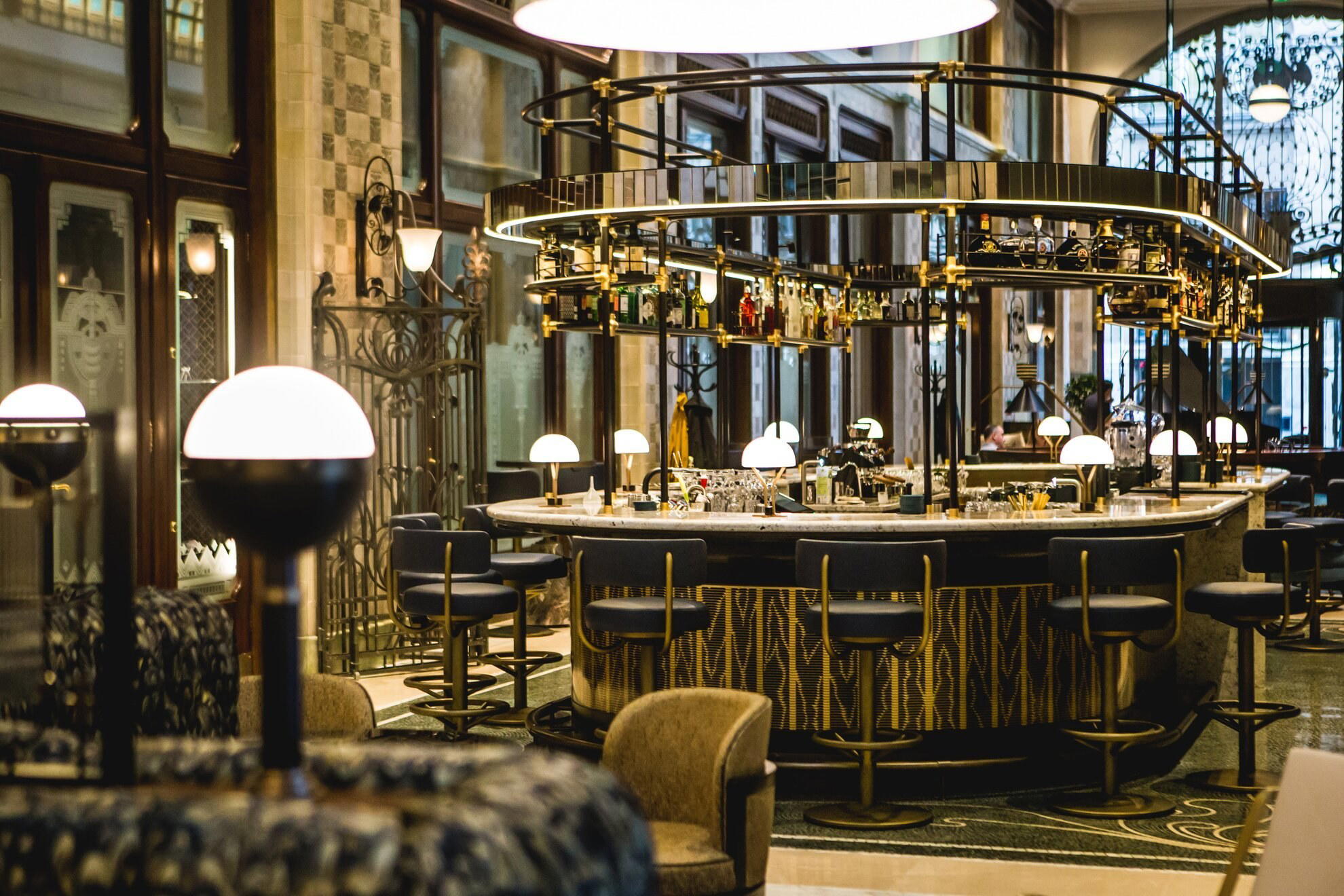
Bars in Budapest
Browse all →
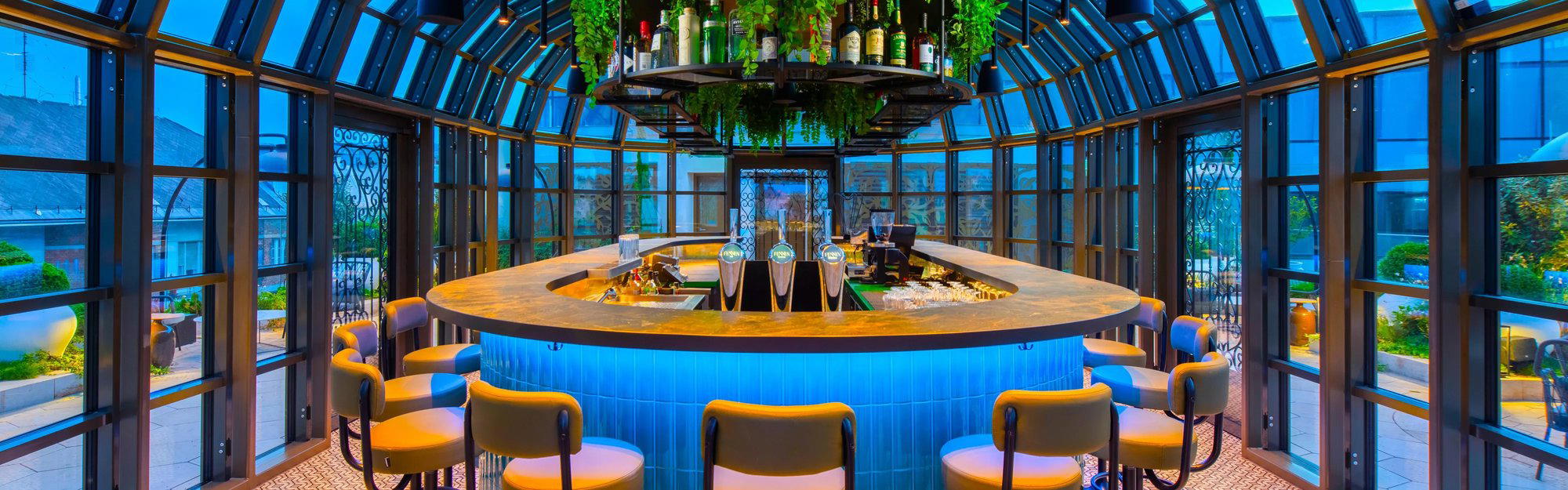
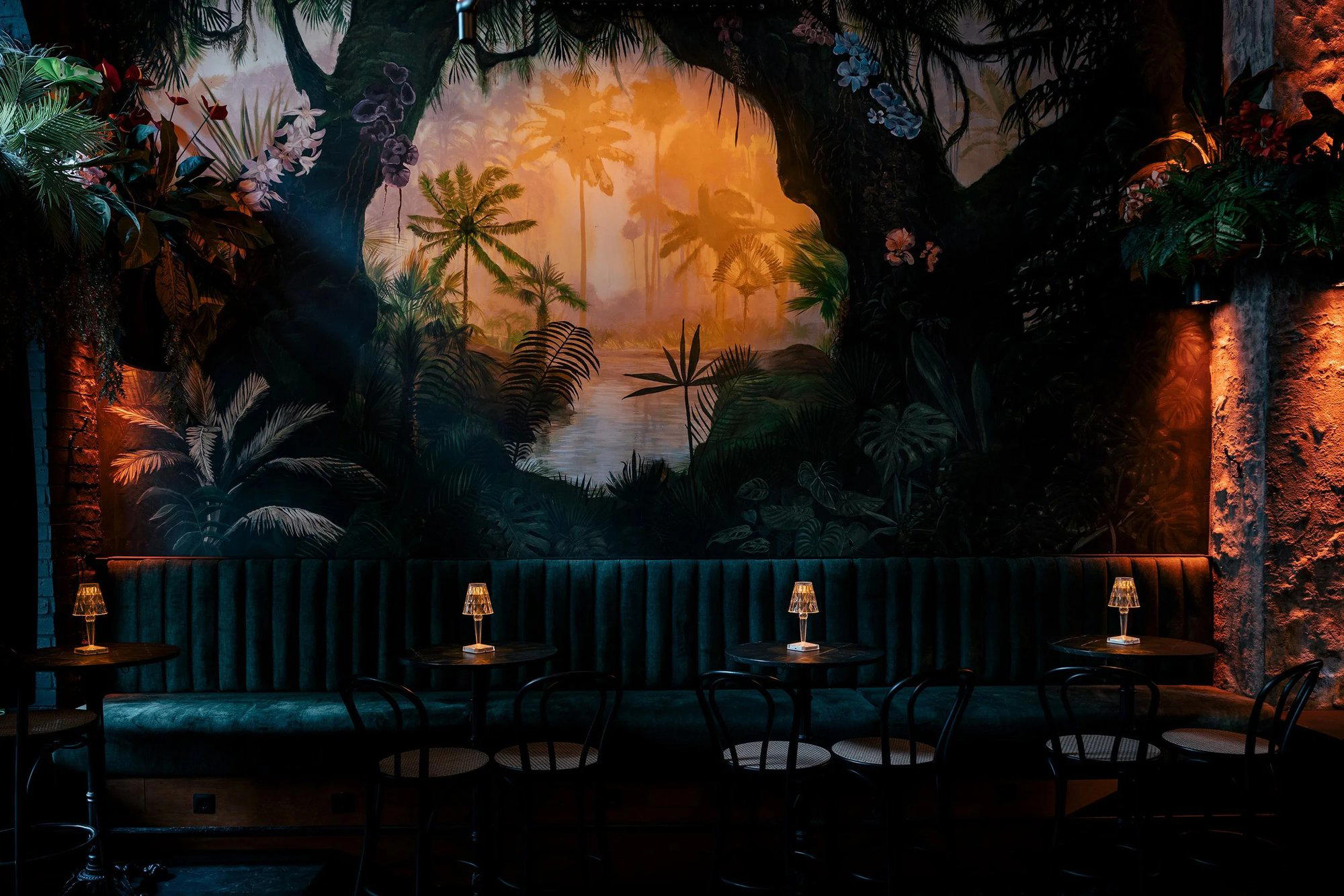
Hotels in Budapest
Browse all →


At a Glance
- Cozy
- Classic
- Romantic
- Intimate
- Date Night
- Celebration
- Group Dining
- Special Occasion
- Family
- Garden
- Private Dining
- Terrace
- Live Music
- Extensive Wine List
- Sommelier Led
- Local Sourcing
- Garden
Current opening hours
- Monday
- Closed
- Tuesday
- 12–10 PM
- Wednesday
- 12–10 PM
- Thursday
- 12–10 PM
- Friday
- 12–10 PM
- Saturday
- 12–10 PM
- Sunday
- 12–5 PM
Hours can change for holidays and private events. Last verified .
Reminiscent of a garden party at a well-to-do suburban home with old-fashioned, homey, and cozy interiors; outdoor terrace with garden setting away from city noise.