Our verdict
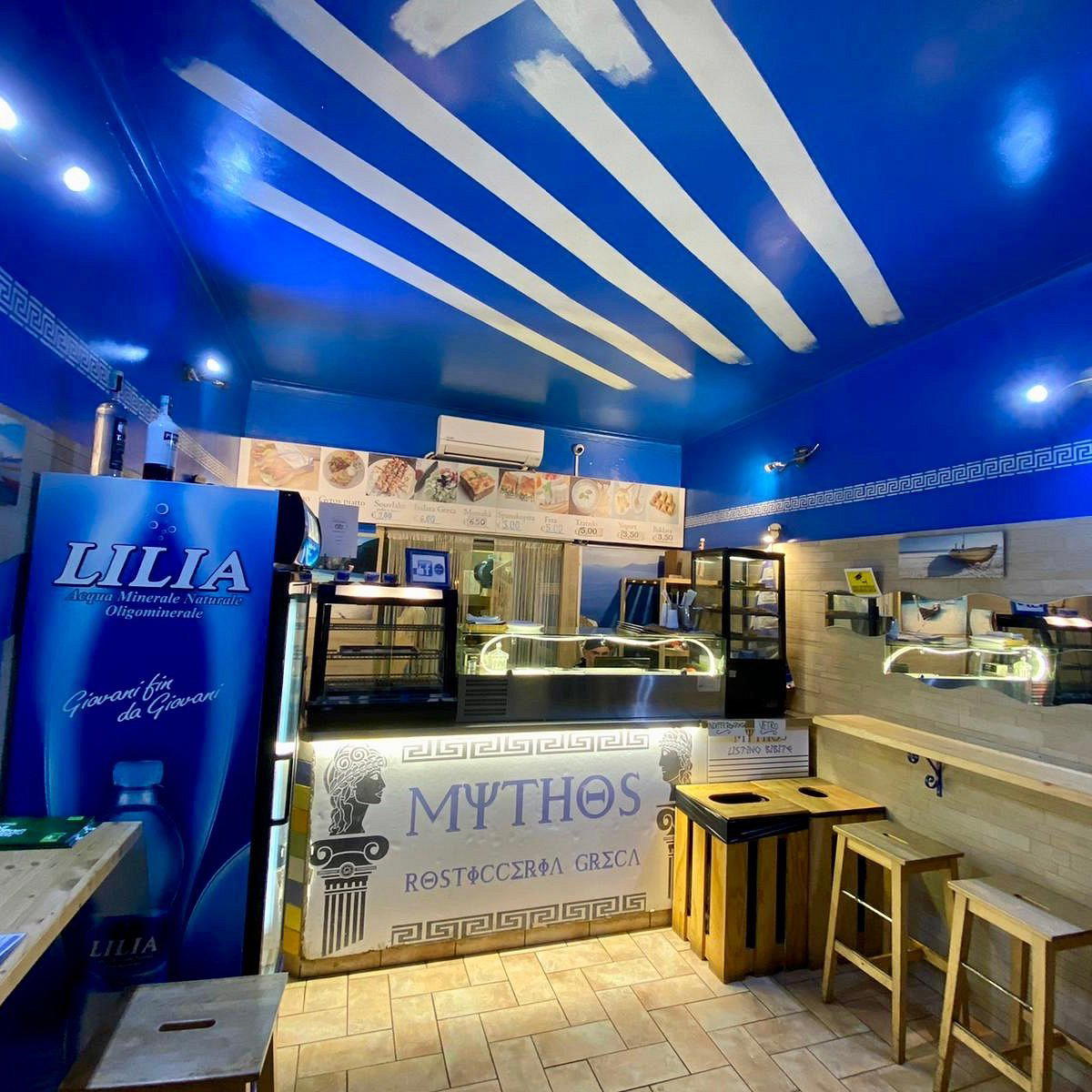
Mythos sits on Via Tuscolana in Rome's southeastern arc, away from the centro storico restaurant circuit. The address places it in a residential quarter where neighbourhood custom drives the room rather than tourist traffic, making the lunch and dinner dynamic meaningfully different from venues closer to the historic core. Specific menu and booking details are best confirmed directly with the venue.

Pearl is the En Primeur Club membership app — saves, bookings, and concierge access live there. Same editors, same standards.
South of the Centre: What Via Tuscolana Tells You Before You Sit Down
Rome's restaurant geography sorts itself quickly once you leave the historic core. The corridors around the Colosseum and Campo de' Fiori operate on tourist cycles: high turnover, fixed-price traps, and dinner tables that fill regardless of what's on the plate. Move southeast along Via Tuscolana, into the Appio-Latino and Tuscolano quartieri, and the calculus shifts. The clientele becomes local by necessity rather than aspiration, and the rhythm of service reflects it. Mythos occupies this zone, at number 596 on a road that stretches far beyond the postcard version of Rome. That address is itself an editorial statement about what kind of restaurant this is and who it is primarily cooking for.
Residential Rome operates on a lunch-first logic that the tourist belts have largely abandoned. The midday meal in these neighbourhoods carries the social weight that dinner holds elsewhere: tables of office workers, family groups on Sundays, retirees with no particular hurry. Evening service, by contrast, tends toward a quieter, more deliberate pace — fewer covers, longer stays, a crowd that has chosen this particular street over the better-lit alternatives closer to the centre. Understanding that divide is the most useful frame for approaching Mythos.
The Lunch and Dinner Divide in Rome's Outer Quartieri
Across Italian cities, the gap between lunch and dinner service at neighbourhood restaurants carries real practical weight. Lunch, particularly on weekdays, is where value concentrates: shorter menus, faster execution, prices that reflect the working-day customer rather than the special-occasion visitor. Dinner opens into something more considered, with room for longer courses and, in many cases, a different menu structure altogether. Rome's southeastern arc follows this pattern closely, shaped by the demographics of its residential stock rather than by hospitality trends imported from the centro.
For a restaurant on Via Tuscolana, the lunch trade is the commercial spine. The dinner service is where character gets room to show. Visitors who arrive only in the evening at venues in this part of Rome often miss the atmosphere that defines them most — the full tables, the noise level, the negotiated pace between kitchen and a room that knows the menu well. Arriving at lunch, particularly mid-week, offers a different register: faster, cheaper in all likelihood, and embedded in the social fabric of the quartiere in a way that evening tourism rarely replicates.
Italy's broader dining culture contextualises this further. At recognised destinations like Osteria Francescana in Modena or Le Calandre in Rubano, the tasting menu format erases most of the lunch-dinner distinction because price and format are fixed regardless of hour. At neighbourhood-level restaurants, the distinction remains sharp and consequential for the visiting diner making a decision about when to go.
Where Mythos Sits in Rome's Restaurant Spectrum
Rome's fine dining tier is anchored by a small group of addresses with sustained international recognition. La Pergola operates at the top of that bracket with three Michelin stars. Creative contemporaries like Il Pagliaccio, Enoteca La Torre, and Acquolina occupy a recognised second tier, with awards infrastructure and a booking model oriented toward destination diners. Achilli al Parlamento anchors a different kind of seriousness, rooted in wine depth and traditional Roman hospitality.
Mythos does not sit in any of those tiers based on available data. The address, the absence of awards documentation in the public record, and the location in a residential southeastern zone all point toward a neighbourhood category: local custom, regulars who live within walking distance, and a price architecture tuned to repeat visitors rather than one-time occasion diners. That positioning is neither a criticism nor a consolation prize. Rome's residential restaurant culture produces some of the city's most honest cooking precisely because the audience is unforgiving in a different way, not for lack of stars, but for lack of consistency with what they ate last Tuesday.
For context on what Italy's most recognised kitchens are doing, see the EP Club coverage of Piazza Duomo in Alba, Uliassi in Senigallia, Reale in Castel di Sangro, and Dal Pescatore in Runate. At the international level, the rigour of sequence-driven tasting formats at venues like Atomix in New York City or the technical discipline of Le Bernardin illustrate how differently ambition scales when operating with sustained awards pressure. Mythos operates in a different register and should be evaluated on those terms.
Planning a Visit: What to Know Before You Go
Via Tuscolana 596 is in the Tuscolano zone, accessible by metro on Line A to Cinecittà or by tram from the city centre. The journey from Termini station runs approximately twenty minutes by public transport. This is not a walk from the Trevi Fountain neighbourhood: the location requires a deliberate decision to head southeast, which also means arriving with reasonable expectations about the surrounding streets rather than assuming the kind of neighbourhood glamour that frames venues closer to Piazza Navona.
Visitors planning a specific trip should verify hours and reservation availability directly before travelling from the centre, particularly for Sunday lunch when neighbourhood restaurants in this part of Rome can operate on reduced schedules or fill with local family bookings that leave little room for walk-in traffic. Weekday lunch remains the most accessible entry point for first-time visitors to this quartiere's restaurant culture.
For a broader map of where to eat across the city, the EP Club Rome restaurants guide covers the full spectrum from neighbourhood trattoria to multi-starred tasting menu. Italy's wider fine dining circuit, from Enoteca Pinchiorri in Florence to Enrico Bartolini in Milan to Atelier Moessmer Norbert Niederkofler in Brunico and Quattro Passi in Marina del Cantone, provides useful calibration for what the country's restaurant scene looks like at different ambition levels.
Frequently asked questions
What's the address for Mythos?
Mythos is located at Via Tuscolana, 596, 00179 Roma RM, Italy, Rome.
Is Mythos Rome near public transport, and how do I get there from the city centre?
Mythos is at Via Tuscolana 596 in the Tuscolano quarter, served by the Cinecittà stop on Rome's Metro Line A and by tram connections from the centre. From Termini station the journey runs approximately 20 minutes by metro. The address sits in a residential corridor well south of the Colosseum, making it a deliberate destination rather than a walk-in stop for tourists already in the historic core.
What's the best thing to order at Mythos?
The venue data on hand does not detail specific menu items for Mythos at Via Tuscolana 596. Across Rome's outer quartieri, neighbourhood restaurants in the Tuscolano zone typically anchor their menus to Roman-inflected staples — pasta, secondi, and seasonal sides — though confirming signature dishes requires contacting Mythos directly or visiting in person.
Can I walk in to Mythos?
No booking policy is documented for Mythos at Via Tuscolana 596. In Rome's neighbourhood restaurant circuit outside the historic centre, walk-ins are more commonly accommodated at lunch than dinner, particularly on weekdays. Arriving early in a service period improves the odds, but calling ahead is advisable given the limited table counts typical of Tuscolano-area spots.
What's Mythos best at?
Without menu or award data on record, attributing a specific strength to Mythos requires a visit rather than a database search. What the address does confirm is a location in Tuscolano, a residential zone where Rome's working restaurant culture runs on regulars and repetition rather than tourist traffic — a structural condition that tends to reward consistency over showmanship.
Do they accommodate allergies at Mythos?
EU food labelling regulations require all restaurants in Italy to provide allergen information on request, so staff at Via Tuscolana 596 are legally obligated to answer allergen queries. Raising requirements ahead of arrival, by phone or in person before ordering, is the practical approach.
Is Mythos good value for money?
Restaurants in the Tuscolano zone — a residential neighbourhood accessed via the Cinecittà metro stop on Line A — sit well outside the premium pricing corridor of central Rome, where tourist footfall inflates costs. That geographic context suggests Mythos is unlikely to price at the level of a Prati or Parioli address, though confirmation requires a current menu or direct contact.
Price and Recognition
Comparable venues nearby, for context on price, style, and recognition.
| Venue | Cuisine | Price | Notes |
|---|---|---|---|
| MythosThis venue — the venue you are viewing | Authentic Greek Taverna | Not listed | Not listed |
| Arso Trattoria Moderna | Traditional Roman Trattoria | $20–30 | .null, Traditional Roman Trattoria |
| La Reginella d'Italia | Roman-Jewish Trattoria | Not listed | San Angelo, Roman-Jewish Trattoria |
| Agustarello A Testaccio | Traditional Roman Trattoria | $20–30 | Testaccio, Traditional Roman Trattoria |
| Gruppo Di Rienzo | San Eustachio, Traditional Roman Italian | Not listed | Not listed |
| Rosina Cucina di Casa | Traditional Roman Trattoria | $30–50 | Parione, Traditional Roman Trattoria |