
Tabelog Bronze #398
Our verdict
Setsugekka Tanaka Satoru places Nagoya yakiniku in a premium, ingredient-led register: wagyu, beef dishes, private rooms, and a drinks list that gives wine equal billing with sake and shochu. Its Tabelog Bronze recognition for 2024, 2025, and 2026, plus repeated Tabelog 100 selections for yakiniku, make it a serious marker for how Aichi’s beef culture has moved beyond casual grill houses.

Pearl is the En Primeur Club membership app, where members save venues, book tables and use the concierge.
The menu
What to order
- Matsusaka Beef Chateaubriand
- Special Skirt Steak
- Special Salt Tongue
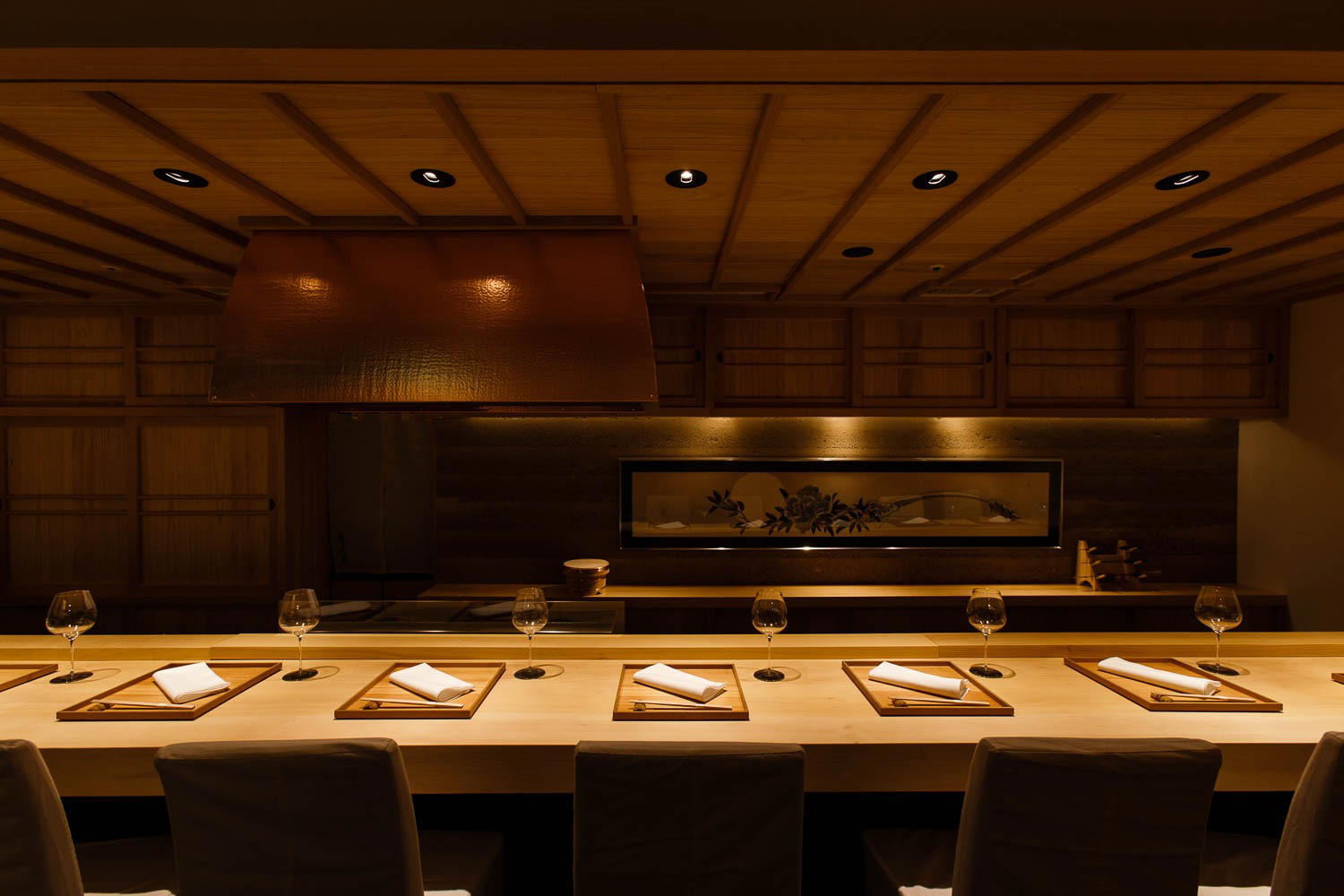
Arriving in Sakae for dinner means entering Nagoya’s commercial core after office hours, when the city’s appetite shifts from department-store polish to private-room dining, grill smoke, and business-table discretion. Setsugekka Tanaka Satoru belongs to that evening register. The room format matters: table and sofa seating, private rooms in multiple sizes, and a non-smoking policy create a version of yakiniku designed less for late-night noise than for controlled pacing, careful cuts, and conversation that can survive the grill.
That distinction is useful in Aichi. Nagoya is often read through miso, hitsumabushi, kishimen, and tebasaki, but the city’s stronger dining culture also rewards specialist restaurants that turn a single product category into a full evening. Yakiniku sits at the intersection of sourcing and technique. The restaurant’s category listing is direct, yakiniku and beef dishes, but the editorial signal is broader: premium wagyu served in a format where provenance, fat management, grilling sequence, and drink pairing decide whether the meal feels merely expensive or properly composed.
Wagyu, wine, and the private-room turn in Nagoya yakiniku
Premium yakiniku in Japan has split into several lanes. One is casual, beer-led, and high-energy; another is chef-controlled and counter-like; a third, increasingly visible in business districts, uses private rooms and a deeper drinks program to make grilled beef behave more like a high-end dinner format. Setsugekka Tanaka Satoru sits in that third lane. The restaurant’s own positioning links Japanese wagyu with premium wine, and the drinks program includes sake, shochu, and wine, a combination that reads as intentional rather than decorative.
That wine emphasis matters because marbled beef does not always need the same pairing logic as sushi, tempura, or kaiseki. Sake can flatter sweetness and texture; shochu can cut through fat; wine introduces acidity, tannin, and structure. A yakiniku room that treats wine seriously is speaking to diners who are thinking about progression, not only quantity. The sourcing story is therefore not just where the beef comes from, but how the restaurant frames it: private rooms, beef dishes, and a cellar-minded drinks list turn wagyu into a composed dinner rather than a grill session.
The award trail supports that reading. Tabelog has named Setsugekka Tanaka Satoru a Bronze winner in 2024, 2025, and 2026, and it was selected for Tabelog Yakiniku EAST 100 in 2022, 2023, and 2025, with Grill EAST 100 recognition in 2024. Tabelog scores are not a global star system, but in Japan they carry real local weight because they reflect a dense, cuisine-specific reviewing culture. A score around the high-three to low-four range in a specialist category is enough to place a restaurant in conversation with serious regional peers.
How it fits Aichi's serious-dining map
Aichi’s premium dining scene is not a single story. In the same city and prefecture, restaurants such as Amaki, aru, Fujisawa, GapricE, and HIRO NAGOYA show how Nagoya diners move between Japanese technique, contemporary formats, and occasion-led rooms. Yakiniku has a different contract with the guest: it is social by design, but ingredient quality and service choreography determine whether the evening belongs in the same premium conversation.
Within that context, the 56-seat scale is telling. This is not an eight-seat counter where scarcity is the whole drama, nor a sprawling chain-like room where volume dilutes the experience. It is large enough for private-room flexibility, including parties of two, four, six, and eight, but structured enough to keep the format intimate. For travellers building an Aichi itinerary, that makes it a useful counterpoint to the smaller, reservation-driven restaurants often found in our full Aichi restaurants guide.
The comparison also extends beyond Aichi. Japanese beef dining can take many forms: sukiyaki in Kamakura at -Grilled beef Sukiyaki- KAMAKURA TANUKIAN 鎌倉 たぬき庵 in Kamakura, charcoal-led tuna and grill culture at. 鮪と炭火焼き うお炭 秋葉原店 in Tokyo, or lower-key regional formats such as.cafe in Osaka.know in Kumamoto, (Shoku) Vietnam in Kawasaki, and [Curry Senmon Ten] Maruyama Kyoju. in Sapporo. For readers connecting Japan with broader Japanese food culture abroad, Jōdo Saké Bar in Los Angeles and Onigiri Time in Pasadena show the same ingredients and rituals translated into different city habits.
Who should choose this table
This is the right Aichi dinner for travellers who want beef to be the evening’s organizing principle, not a course within a larger tasting menu. It also suits groups that value privacy, credit-card convenience, and a room built for business or celebration rather than quick turnover. The absence of private-use availability keeps expectations clear: the draw is controlled private-room dining inside a larger restaurant, not a full buyout format.
There are practical implications. Sunday closure makes this a weekday or Saturday dinner target, and the last-order structure points to a conventional evening service rather than a post-bar option. Parking is not part of the offer, so the Sakae location works better for diners already moving through central Nagoya by train, taxi, or on foot. For a broader trip, pair the dinner with city planning through our full Aichi hotels guide, drinking research via our full Aichi bars guide, regional production context in our full Aichi wineries guide, and cultural planning through our full Aichi experiences guide.
The critical reason to care is not that Nagoya has a premium yakiniku address. It is that this style of restaurant shows where yakiniku has been moving: away from pure appetite and toward ingredient sourcing, room control, and pairing literacy. Setsugekka Tanaka Satoru earns attention because its awards, private-room format, wagyu focus, and wine program all point in the same direction.
Frequently asked questions
Can I bring kids to Setsugekka Tanaka Satoru?
Yes, but the restaurant asks that reservations for children or groups of 9 or more be made by phone. Setsugekka Tanaka Satoru has 56 seats and private rooms for 2 to 8 guests at GEMS Sakae 11F in Aichi.
What is the atmosphere like at Setsugekka Tanaka Satoru?
The room is set up for privacy and longer dinners, with private rooms, sofa seating, and a non-smoking dining room. Its 17:00–23:00 schedule and business-dinner positioning fit a polished yakiniku night in Sakae, Aichi.
When can I go to Setsugekka Tanaka Satoru?
Hours at Setsugekka Tanaka Satoru: Mon, Tue, Wed, Thu, Fri, Sat 17:00 - 23:00 L.O. 22:00.
What's Setsugekka Tanaka Satoru's location?
Setsugekka Tanaka Satoru is located in Aichi.
What's the standout thing about Setsugekka Tanaka Satoru?
The clearest credential is its Tabelog Bronze Award for 2024, 2025, and 2026, plus selection for Tabelog Yakiniku EAST 100. Add the focus on yakiniku, beef dishes, wine, and private rooms, and it reads as a serious dinner address in Aichi.
In Context: Similar Options
Comparable venues nearby, for context on price, style, and recognition.
| Venue | Cuisine | Price | Awards | Notes |
|---|---|---|---|---|
| Setsugekka Tanaka SatoruThis venue (the venue you are viewing) | Modern Japanese Yakiniku | $200–300 | Tabelog Bronze #398 | Not listed |
| Mutsuki | Edomae Sushi | $150–200 | Tabelog Bronze #300 | Taketoyo-cho, Chita-gun |
| HIRO NAGOYA | Premium Yakiniku | $500+ | Tabelog Bronze #117 | Nishi-ku |
| Tempura Kusunoki | Modern Tempura Omakase | $300–500 | Tabelog Silver #65 | Shikemichi |
| Hirovanna | Modern Italian with Aichi Ingredients | $100–150 | Tabelog Bronze #119 | Meieki |
| GapricE | Italian Omakase with Seasonal Japanese Ingredients | $100–150 | Tabelog Bronze #81 | Ikeshita |
Recognition history
Dated appearances from independent guides and award organizations, with the underlying list record or original source where available.
Tabelog Bronze #398
Tabelog
Full recognition history (3 entries)
Tabelog 100 #88 · No. 88
Tabelog · Tabelog 100 - Yakiniku - EAST - 2025
Tabelog Bronze
Tabelog
Continue exploring
More in Aichi
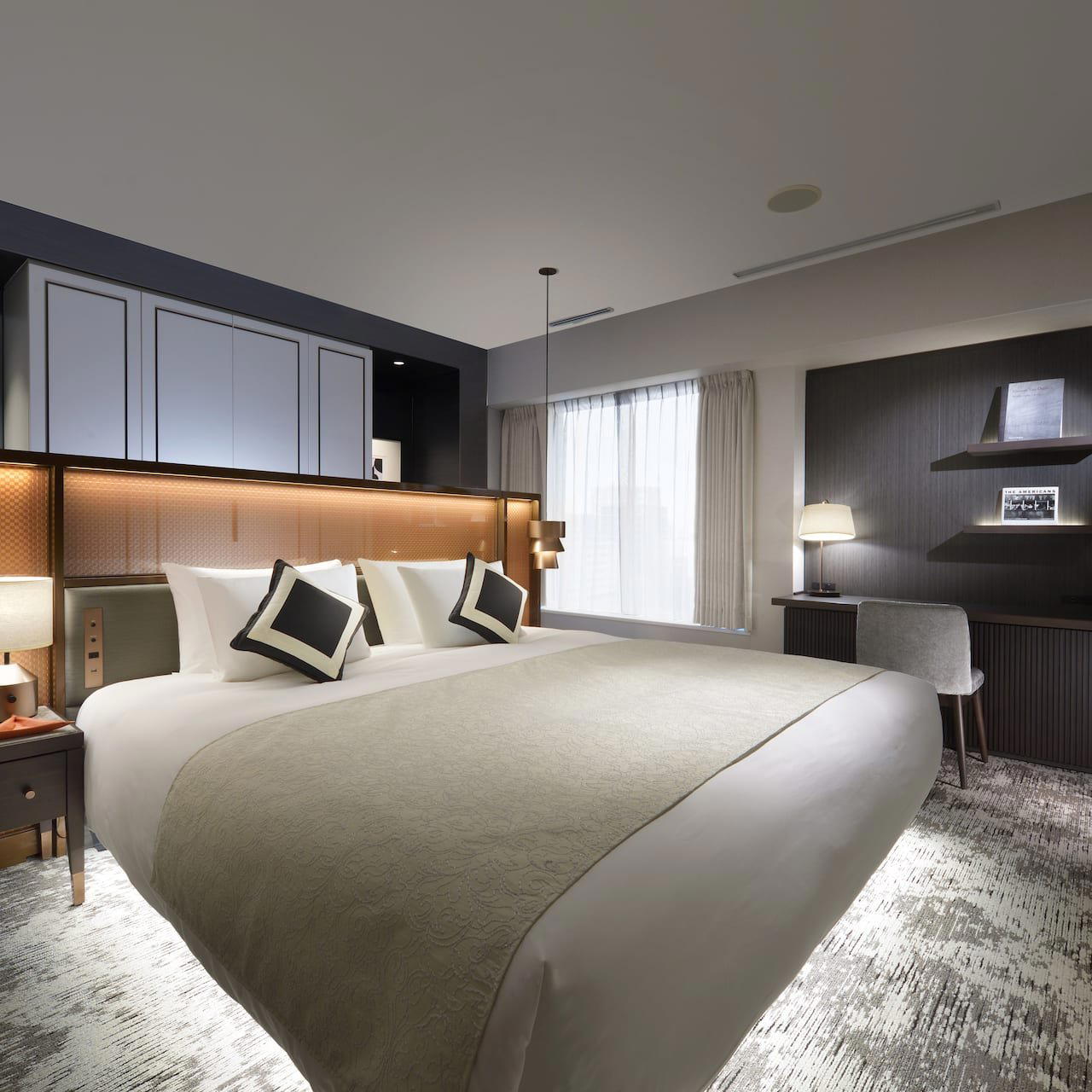
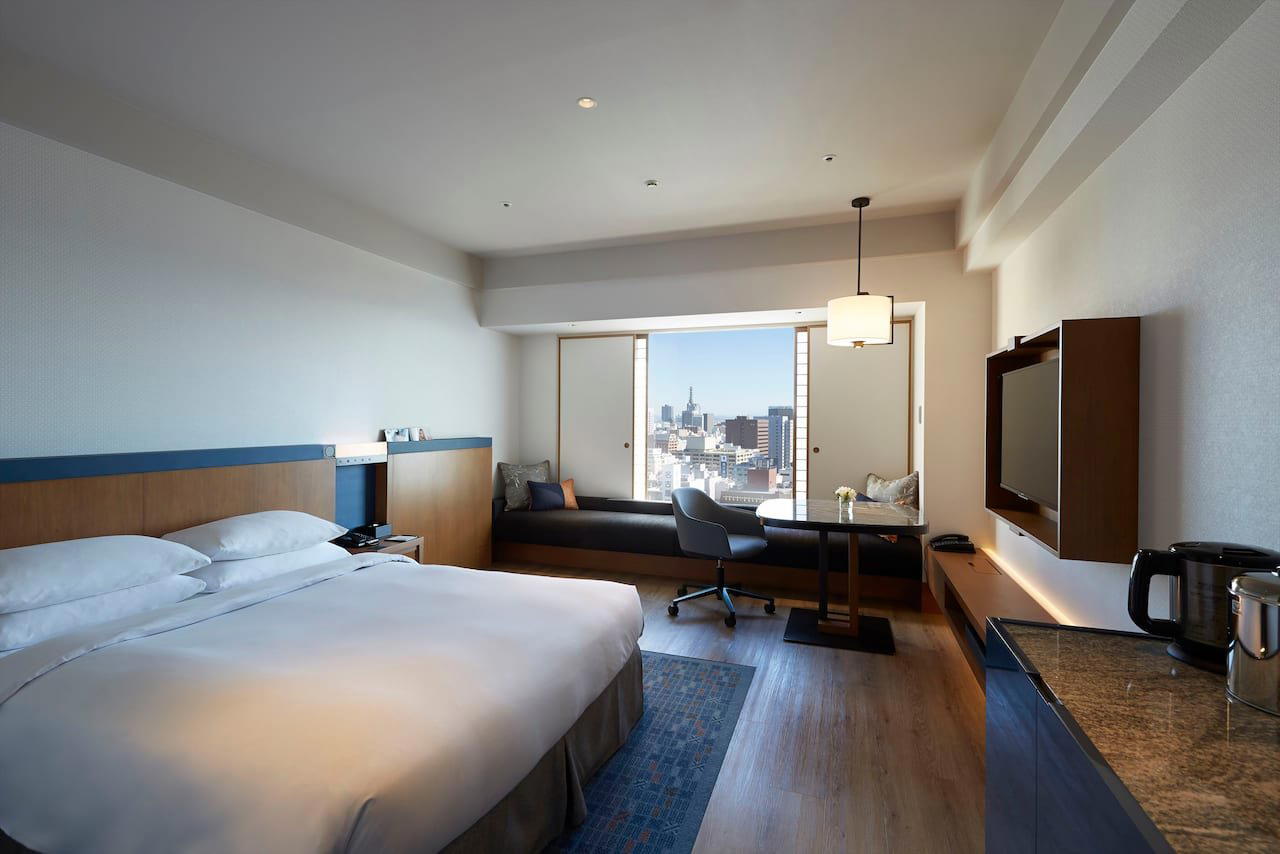
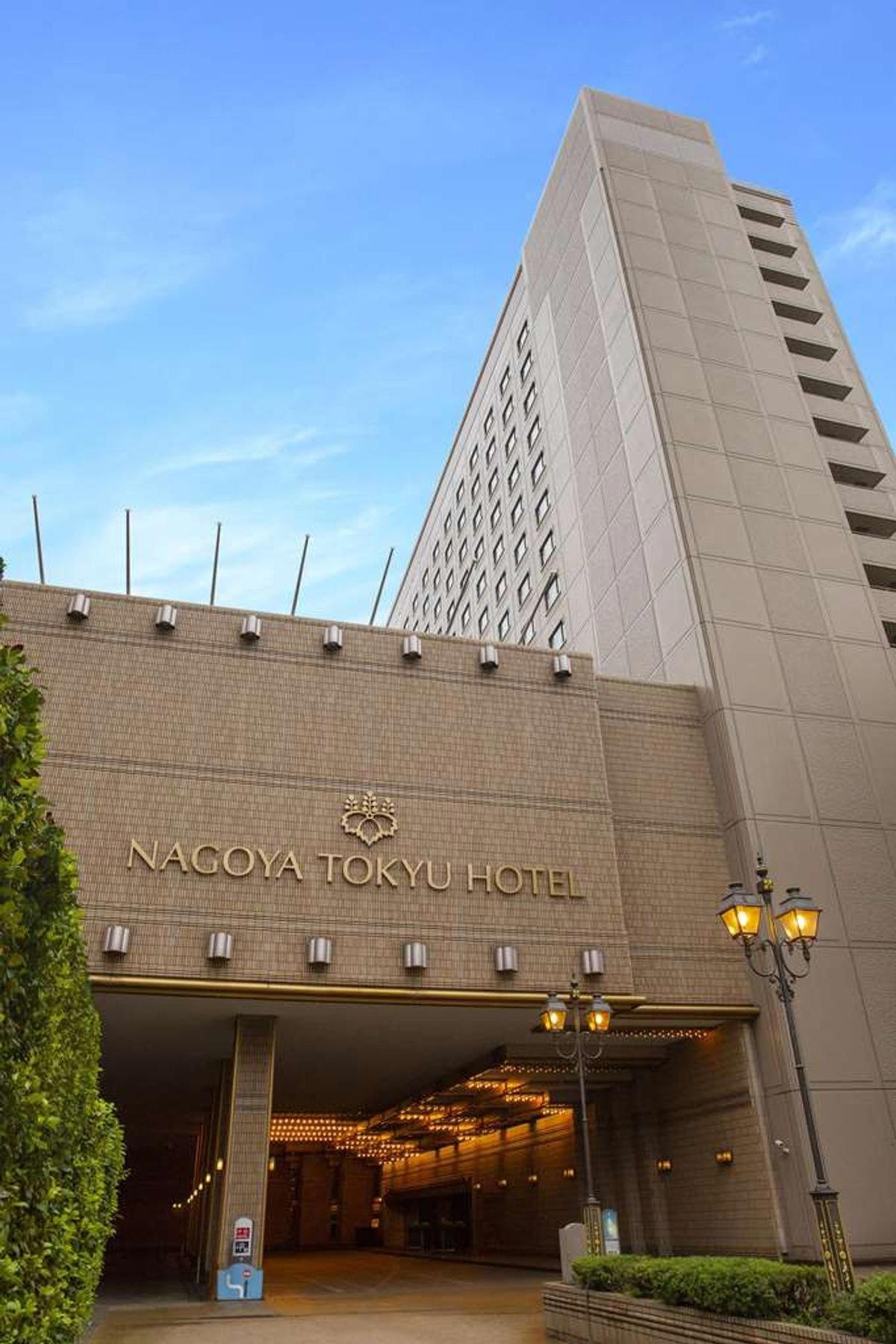
Setsugekka Tanaka Satoru
The wine
- Wine program
- Deep wine list
- Extensive wine list
- Sommelier-led
- Sake program
Details
- Elegant
- Sophisticated
- Intimate
- Special Occasion
- Business Dinner
- Celebration
- Private Dining
- Extensive Wine List
- Sake Program
- Sommelier Led
- Omakase
- A La Carte
- Wine
- Sake
- Allergy Accommodating
Current opening hours
- Monday
- 5–10 PM
- Tuesday
- 5–10 PM
- Wednesday
- 5–10 PM
- Thursday
- 5–10 PM
- Friday
- 5–10 PM
- Saturday
- 5–10 PM
- Sunday
- Closed
Hours can change for holidays and private events. Hours as of .
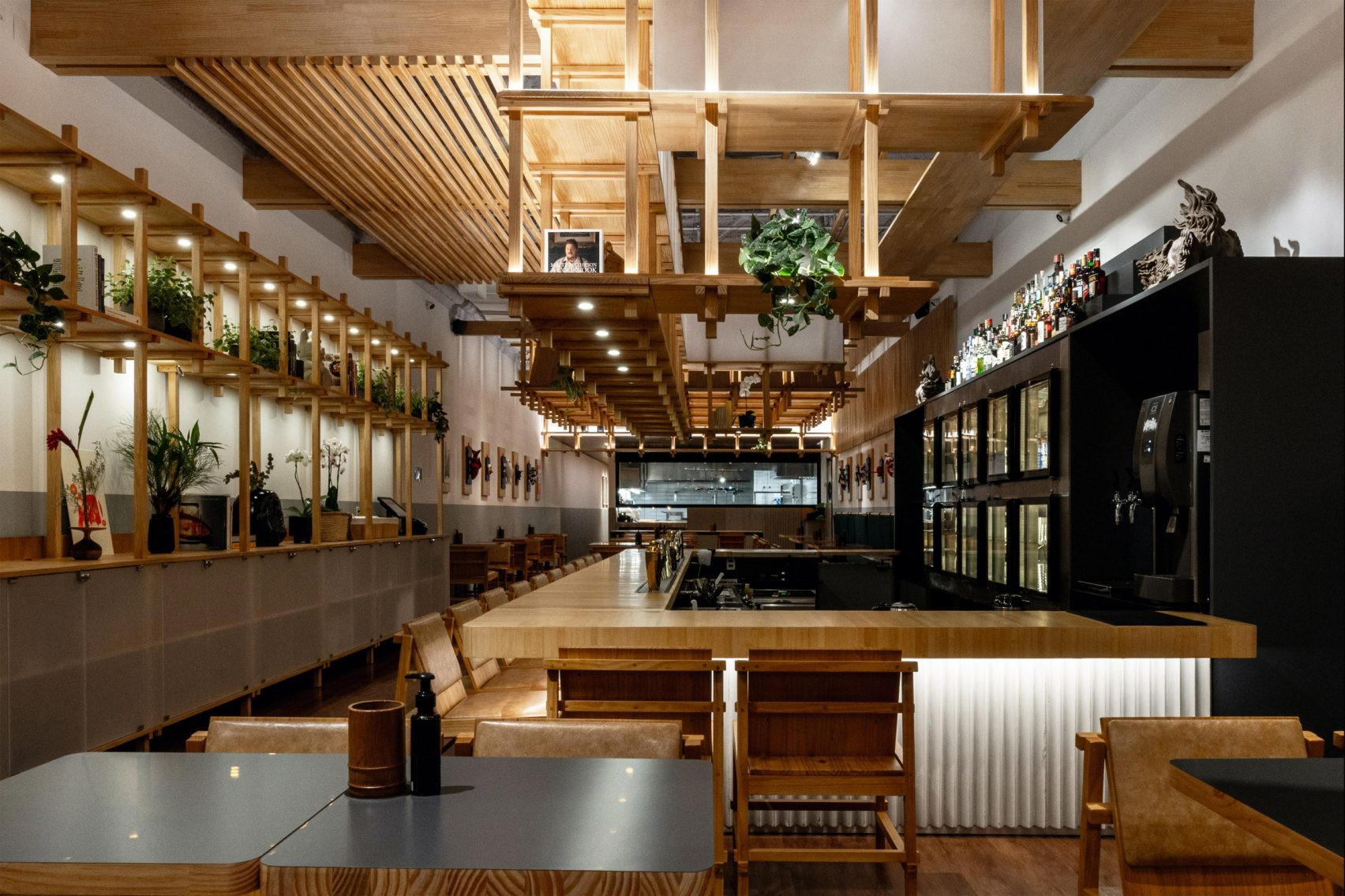
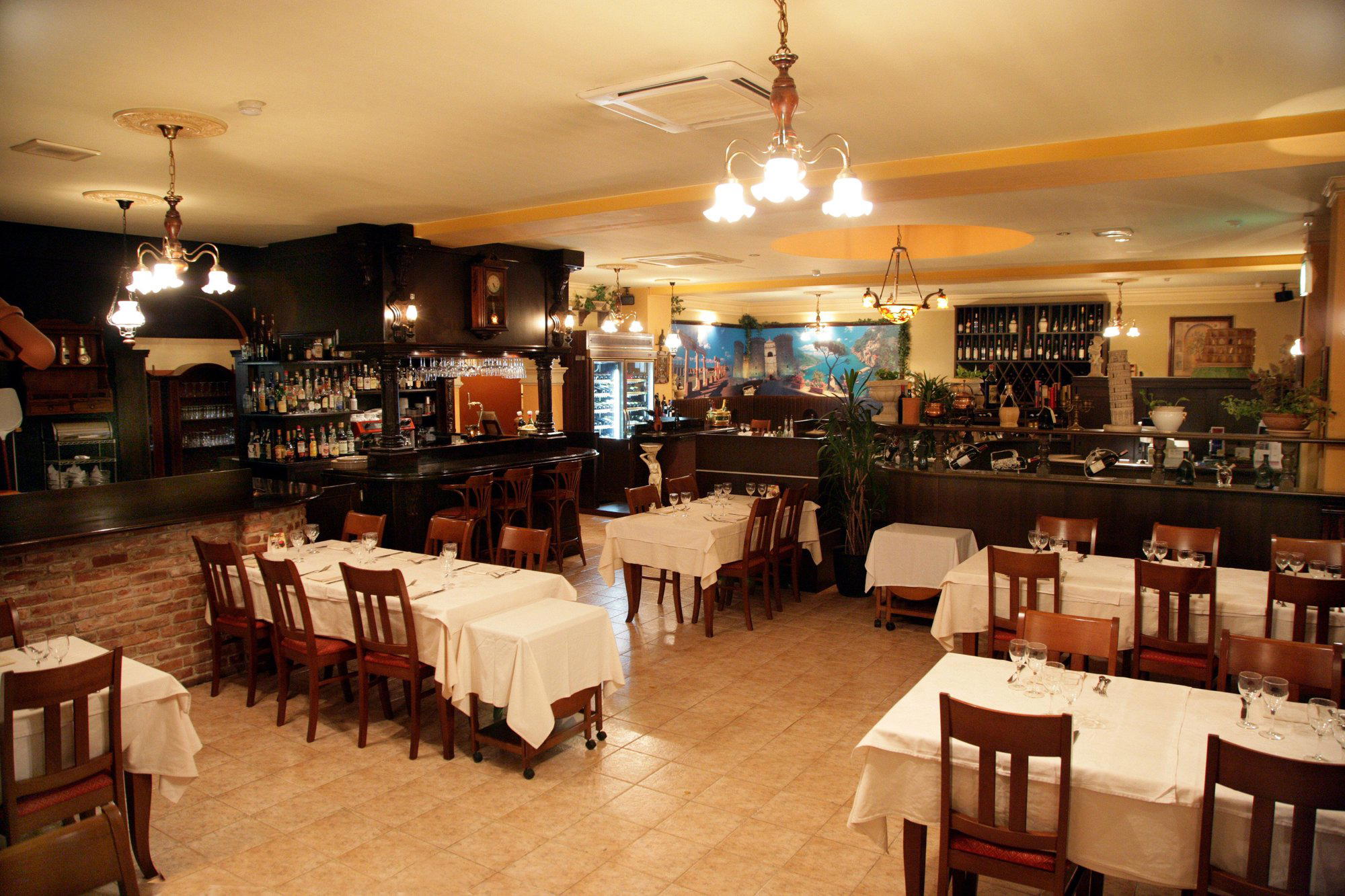
Warm materials, soft lighting, and refined interiors create an inviting atmosphere for long dinners with moderate conversation levels.