Mustafa Restaurant serves Arabic Kebab & Gyros in Siófok, with kebab, shawarma, and doner on a casual terrace setup for lunch or dinner.
Pearl is the En Primeur Club membership app — saves, bookings, and concierge access live there. Same editors, same standards.
- Address
- Siófok, Mártírok útja 9, 8600 Hungary
- Phone
- +36 70 943 8078
- Website
- mustafaetterem.hu
- Directions
- Get directions
 Saves & bookings on Pearl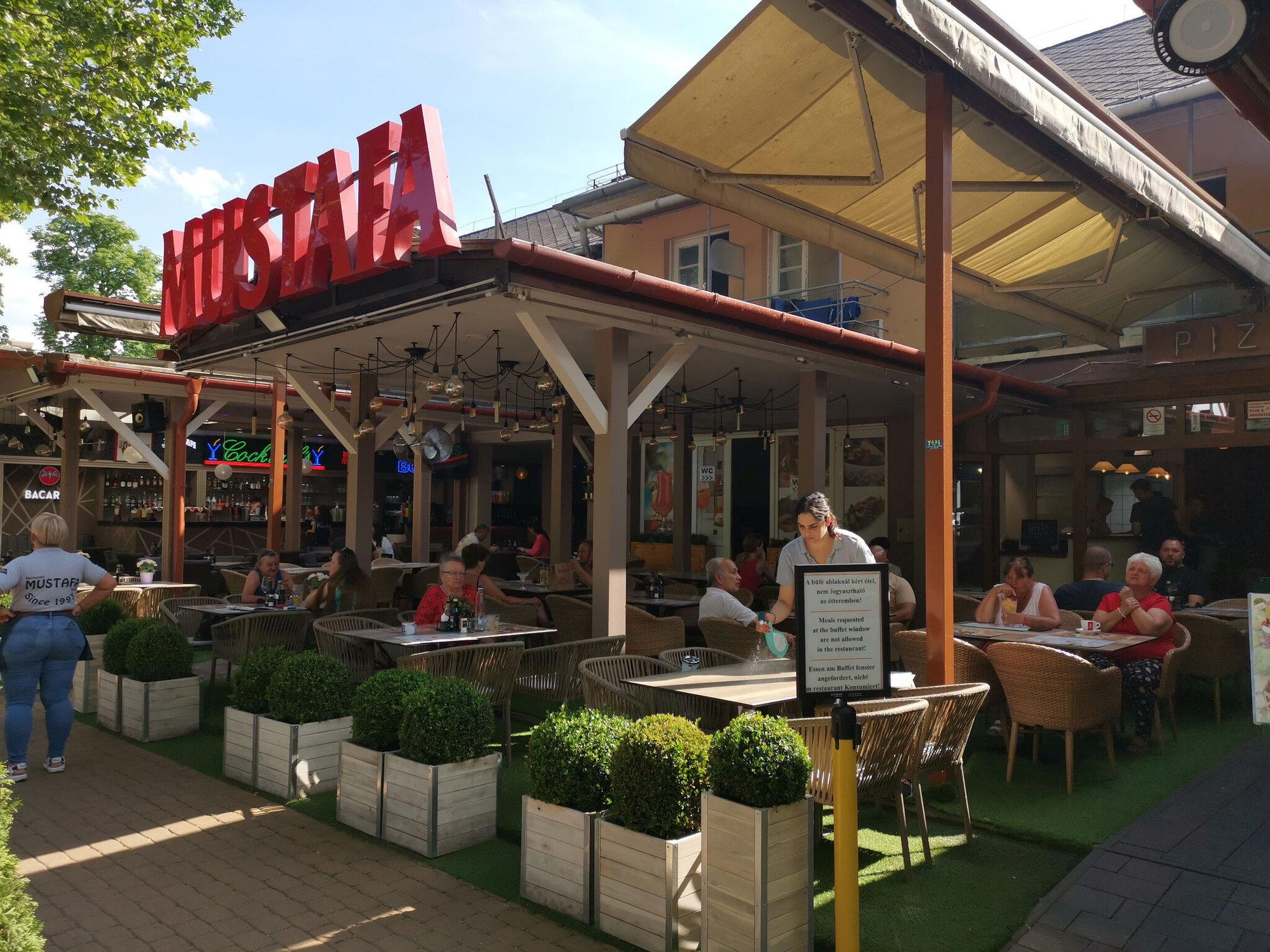
Siófok's Lakefront Dining Circuit and Where Mustafa Fits
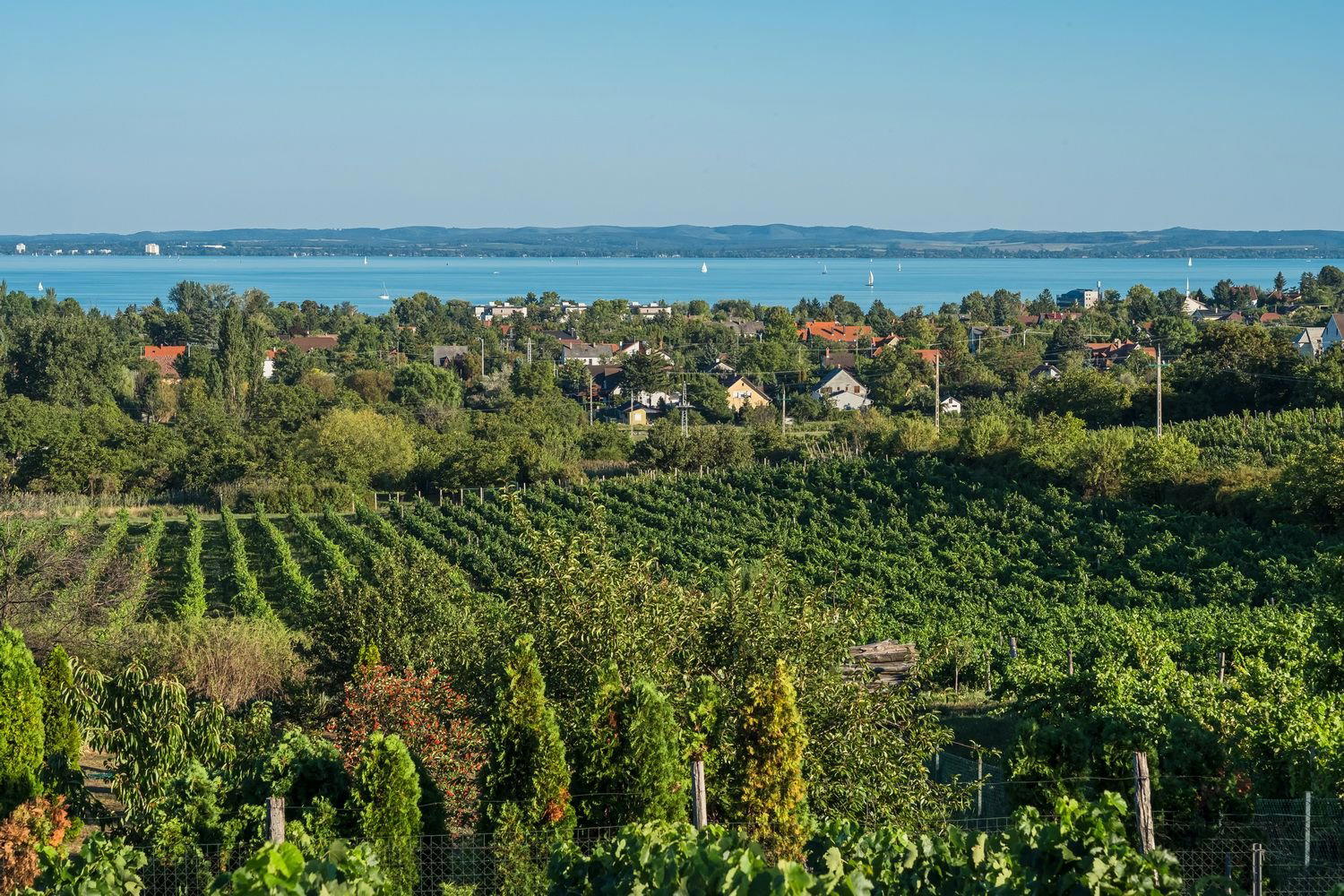
Siófok sits at the southern tip of Lake Balaton, Hungary's largest lake and the country's primary domestic summer resort. The town's dining scene runs the full range from grilled fish stalls along the waterfront promenade to sit-down restaurants drawing visitors from Budapest, roughly 100 kilometres to the northeast. Within that range, a cohort of mid-tier restaurants on and around Mártírok útja serves the town's year-round resident base alongside seasonal tourists. Mustafa Restaurant, at Mártírok útja 9, occupies that address in the town's commercial core, within easy walking distance of the lake shore and the main pedestrian area.
The Ingredient Context: What Balaton-Region Kitchens Work With
Restaurants along the Balaton shore operate inside a specific agricultural and culinary geography. The lake itself has historically supplied freshwater fish, particularly fogas (pike-perch), the regional fish most associated with Hungarian lakeside cooking. The surrounding Transdanubian plain produces wheat, paprika, and livestock that form the backbone of Hungarian cuisine. A restaurant in Siófok drawing on regional supply has access to a material base that goes back centuries, and one direct signal of how seriously any kitchen takes that tradition is whether the menu acknowledges the provenance of its main ingredients or treats them as interchangeable inputs.
Hungarian restaurant culture has moved, particularly over the past decade, toward a sharper acknowledgment of sourcing. Budapest's more ambitious kitchens, such as Stand in Budapest and Platán Gourmet in Tata, have pushed provenance into the foreground of how they describe and price their cooking. Outside the capital, the same shift has been slower and less uniform. In Siófok specifically, the kitchens most likely to engage with sourcing questions tend to be those built around traditional Hungarian categories, where the origin of paprika, lard, and lake fish has always been implied even when not explicitly stated.
The Name and the Category Signal
The name Mustafa points toward a Turkish or broader Middle Eastern culinary register, a category with genuine roots in Hungary given the country's Ottoman-period history. Turkish influence on Hungarian food is not cosmetic: Ottoman occupation between the 16th and 17th centuries left traces in agricultural products, spice use, and certain pastry traditions that persisted long after the occupation ended. Restaurants trading on that cultural register in Hungarian provincial towns occupy a distinct position, neither the traditional Magyar kitchen nor the international fusion approach, but a category that can credibly claim historical grounding in the region's own past. How any specific kitchen in this category handles sourcing, whether the spices and proteins come through established local suppliers or through more generic wholesale channels, is the variable that separates a kitchen with genuine engagement from one that treats the name as branding.
For comparison with other regional restaurants engaging with non-Hungarian culinary traditions, Thai Spicy Nine in Siófok itself represents the South East Asian end of the town's international dining options, while Classic Grill Serbian Restaurant Underground in Szeged shows how Balkan culinary tradition operates at the restaurant level in another Hungarian regional city.
Provincial Restaurant Patterns Across Hungary
The provincial restaurant tier across Hungary has developed unevenly. Certain towns with strong agritourism or wine-tourism bases, such as Eger, Villány, and Szentendre, have produced kitchens that command attention beyond their immediate region. Forst-Ház Étterem és Kávézó in Eger, Halasi Pince Panzió in Villány, and Aranysárkány Vendéglő in Szentendre each operate in contexts where the surrounding wine and food culture supports a higher baseline for dining quality. Siófok's context is different: it is a summer resort town first, and the dining economy responds to seasonal volume rather than to connoisseur demand year-round. Kitchens that survive and maintain standards through that cycle tend to do so by anchoring their offer in either a distinct culinary identity or in price-point discipline that keeps the local repeat-customer base intact through the quieter months.
Other Hungarian provincial restaurants that have found durable positions within their local context include BoriMami in Gyöngyös, Guri Serház Szombathely in Szombathely, Almalomb in Hosszúhetény, and Fiume Étterem in Bekescsaba District. Each represents a different local adaptation to the challenge of running a kitchen outside the Budapest circuit. Pajta in Őriszentpéter further illustrates how a kitchen in a smaller, less-trafficked town can build a distinct identity around local produce and format. And for a sense of how the international-facing end of Hungarian fine dining approaches sourcing and creative ambition, Le Bernardin in New York City and Atomix in New York City offer useful comparative anchors at the far end of the ambition spectrum.
Nearby in Siófok
Within Siófok itself, the restaurant that most directly represents a contrasting approach to the town's casual dining tier is Rozmaring Kiskert Vendéglö és Étterem, which operates in the traditional Hungarian garden-restaurant format. That format, with its emphasis on grilled meats and seasonal vegetables served in an outdoor setting, represents the dominant mode for Siófok's mid-market dining. A restaurant with a Turkish or Middle Eastern identity sits outside that dominant mode and draws on a different set of guest expectations. Beyond Siófok, Astro Tea and Kávéház in Gyor and La Pizza Del Lupo in Onga illustrate how non-Hungarian formats operate in provincial Hungarian towns generally.
Planning a Visit
Mustafa Restaurant is located at Mártírok útja 9, Siófok 8600, in the town centre. The address places it within the main commercial grid, accessible on foot from the central railway station and the waterfront. Siófok is served by direct trains from Budapest Keleti station, with journey times typically under two hours depending on the service. Siófok's high season runs from late June through August, during which central restaurants can see higher covers and reduced availability on weekends. Visiting in May, early June, or September offers the same address with notably less competition for tables.
What should I eat at Mustafa Restaurant?
The restaurant's name suggests a Turkish or Middle Eastern culinary orientation, which in a Hungarian regional context typically means grilled meats, legume-based dishes, and spice profiles rooted in the Eastern Mediterranean. The specific menu is not available in public records at the time of writing, so confirming current dishes directly with the venue before visiting is one reliable approach. For wider context on what Hungarian restaurants in this region typically offer, see our full Siofok restaurants guide.
How far ahead should I plan for Mustafa Restaurant?
Siófok is a seasonal resort town: the weeks around late July and early August represent peak demand, when central restaurants across the price range can fill quickly. If visiting during that window, confirming availability a few days ahead is reasonable. Outside high season, Siófok's mid-market dining tier, where this restaurant sits by address and category, generally does not require advance planning.
What do critics highlight about Mustafa Restaurant?
No named critical reviews or award citations are currently on record for the restaurant. The venue does not appear in the Michelin Guide's Hungarian selections.
Is Mustafa Restaurant in Siófok open year-round?
Siófok's restaurant economy is heavily weighted toward the summer season, and many venues on the main commercial streets adjust hours or close partially between October and April.
Fast Comparison
Comparable venues nearby, for context on price, style, and recognition.
| Venue | Cuisine | Price | Notes |
|---|---|---|---|
| Mustafa RestaurantThis venue — the venue you are viewing | Arabic Kebab & Gyros | $$ | Not listed |
| Rozmaring Kiskert Vendéglö és Étterem | Traditional Italian Pizza & Pasta | $$ | Siófok |
| Thai Spicy Nine | Authentic Thai & Sushi | $$ | Petőfi sétány |
| For Sale Pub | Traditional Hungarian Gastropub | $$ | District V / Inner City |
| bEAT | Modern Hungarian Fusion | $$ | city center |
| Byblos Restaurant | Fine Lebanese and Levantine Cuisine | $$$ | Belvaros |
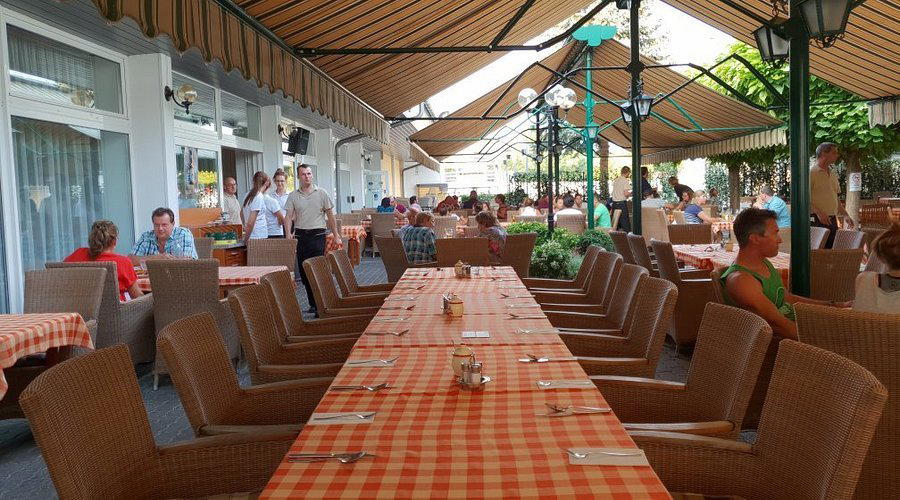
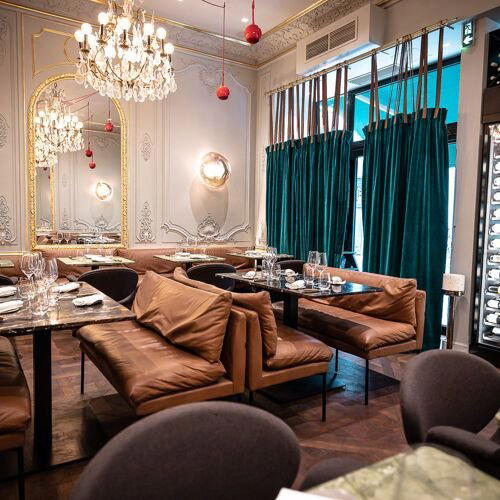
At a Glance
- Lively
- Energetic
- Casual Hangout
- Family
- Terrace
Current opening hours
- Monday
- 9 AM–10 PM
- Tuesday
- 9 AM–10 PM
- Wednesday
- 9 AM–10 PM
- Thursday
- 9 AM–10 PM
- Friday
- 9 AM–10 PM
- Saturday
- 9 AM–10 PM
- Sunday
- 9 AM–10 PM
Hours can change for holidays and private events. Last verified .
Casual touristy atmosphere with outdoor veranda seating for people-watching near the port, featuring glitzy neon signs and a bustling vibe.