
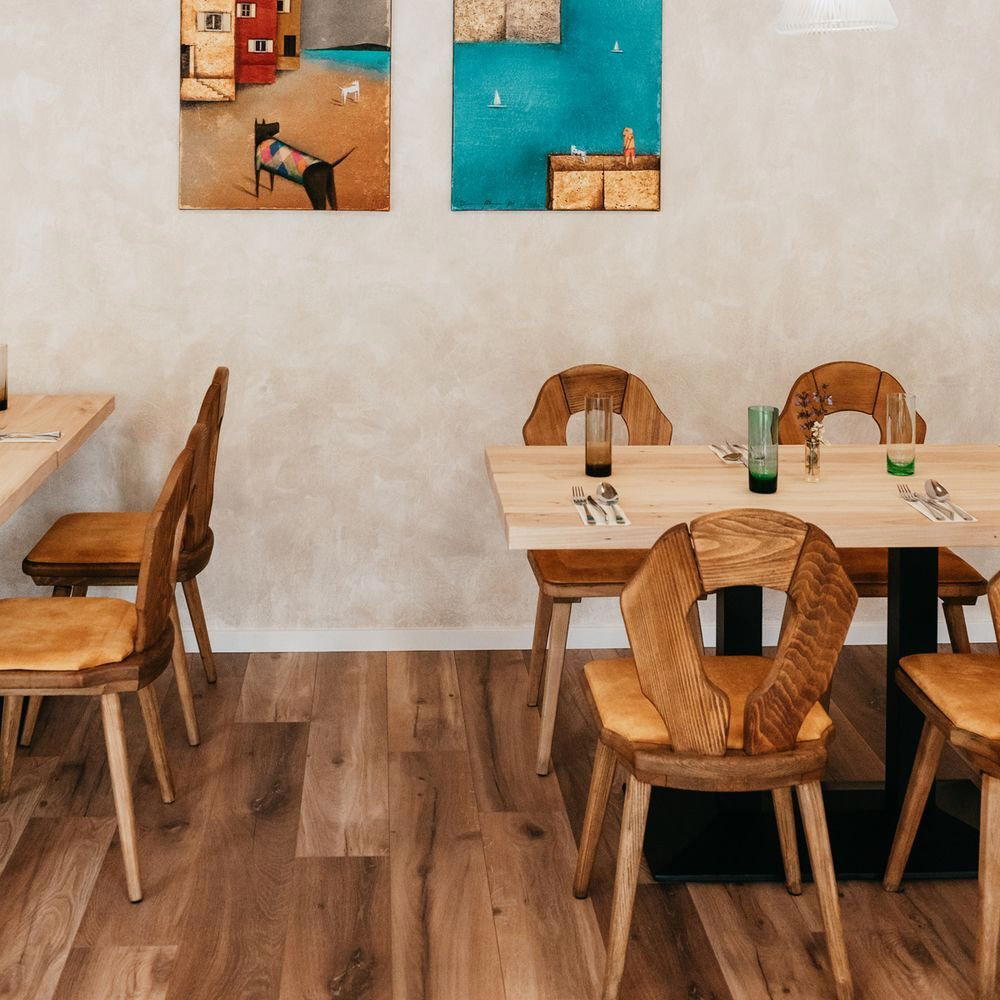
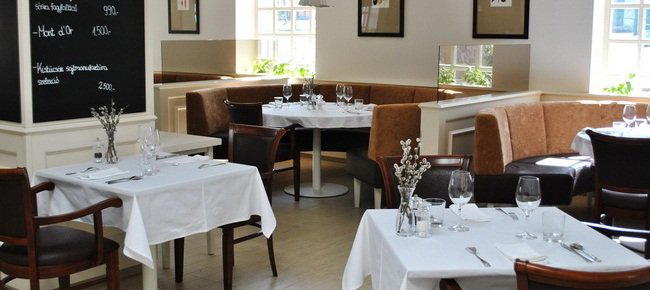
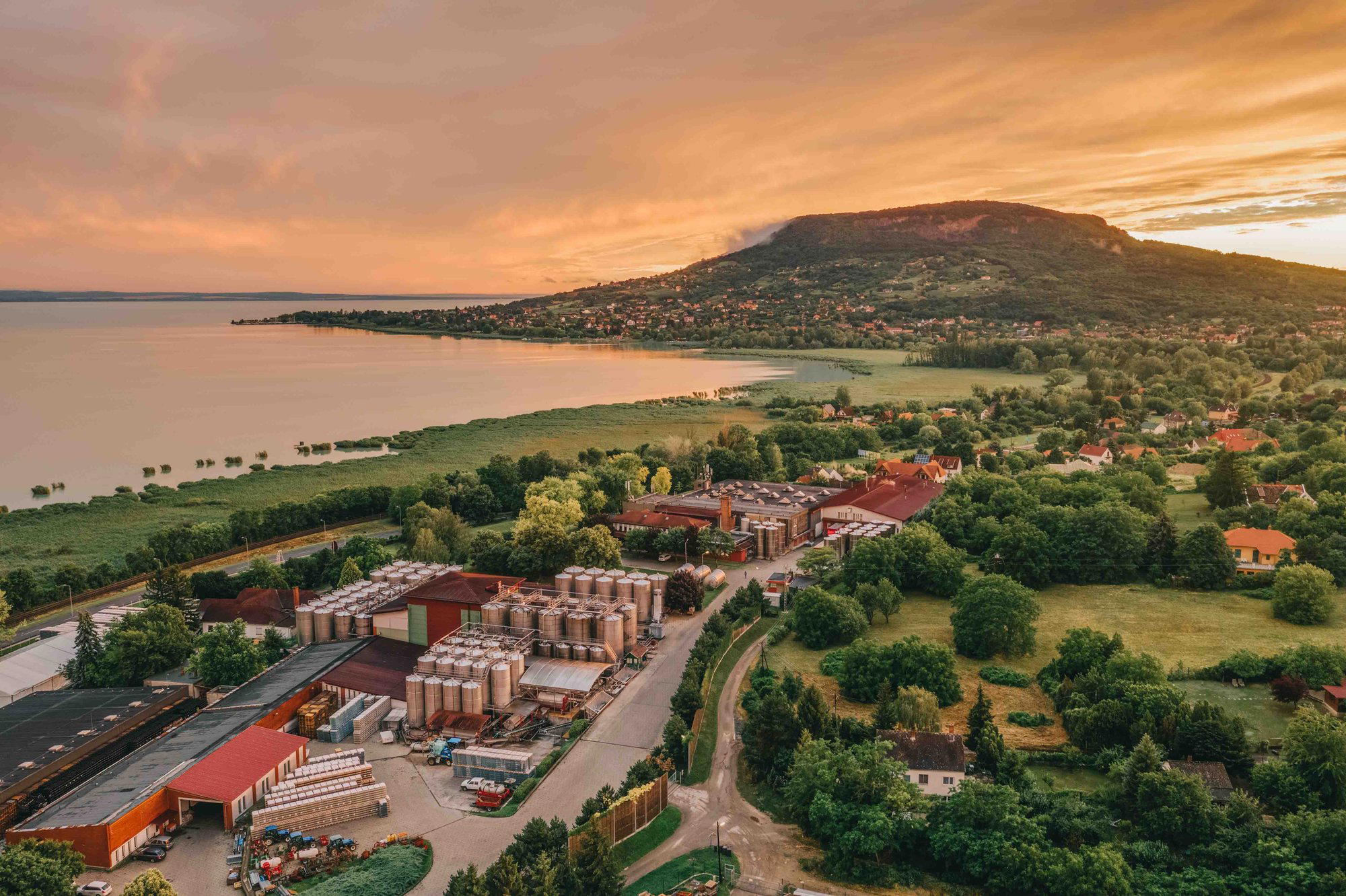
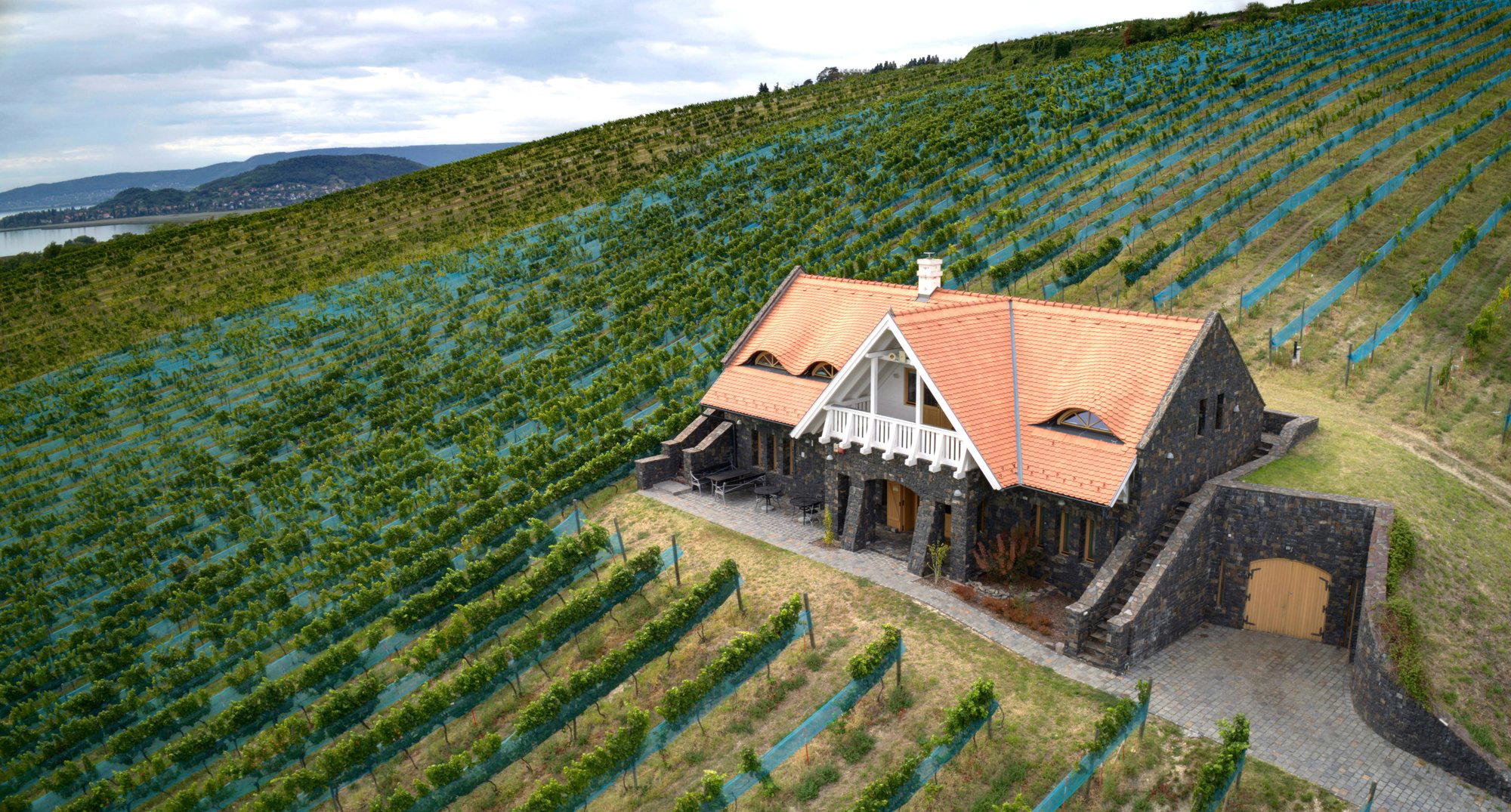
Michelin Selected for 2025, Mandilla sits in the small Balaton Uplands village of Köveskál, a region where vernacular stone architecture and wine-country quietude define the accommodation offer. The property occupies a setting that places it firmly in the design-led, low-key tier of Hungarian rural hospitality, distinct from the resort-scale properties around the lake's southern shore.
Pearl is the En Primeur Club membership app — saves, bookings, and concierge access live there. Same editors, same standards.
- Address
- Köveskál, Városkút u. 2, 8274 Hungary
- Phone
- +36 30 011 4024
- Website
- mandilla.hu
- Directions
- Get directions
 Saves & bookings on Pearl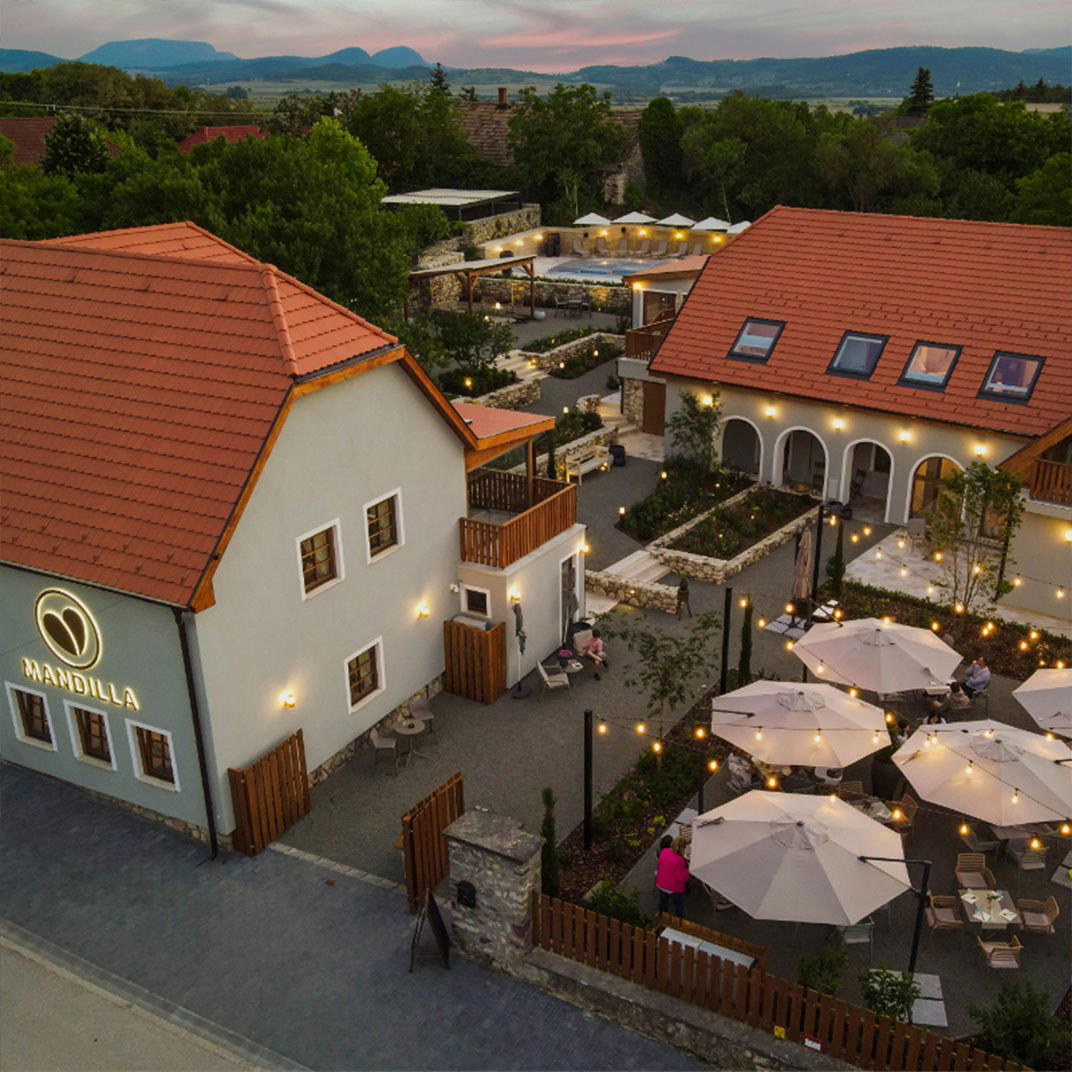
Stone Villages and Selective Recognition: Köveskál's Place in Hungarian Rural Hospitality
The Balaton Uplands operate on a different register from the lake's busier southern shoreline. Villages like Köveskál are built from the same pale basalt and sandstone that defines the region's terraced vineyards, and the accommodation culture here has followed that restraint: small, individually run properties that draw visitors looking for something quieter than the resort belt around Siófok or Balatonalmádi. It is in this context that Mandilla is a 4-star hotel in Köveskál, at Városkút u. 2. For comparison, the Michelin Selected tier in Hungary spans everything from Budapest landmarks like the InterContinental Budapest to wine-country boutiques like the Hotel Vinifera Wine & Spa in Balatonfüred, but Köveskál represents the quieter, more agricultural end of that spectrum.
Arriving in Köveskál
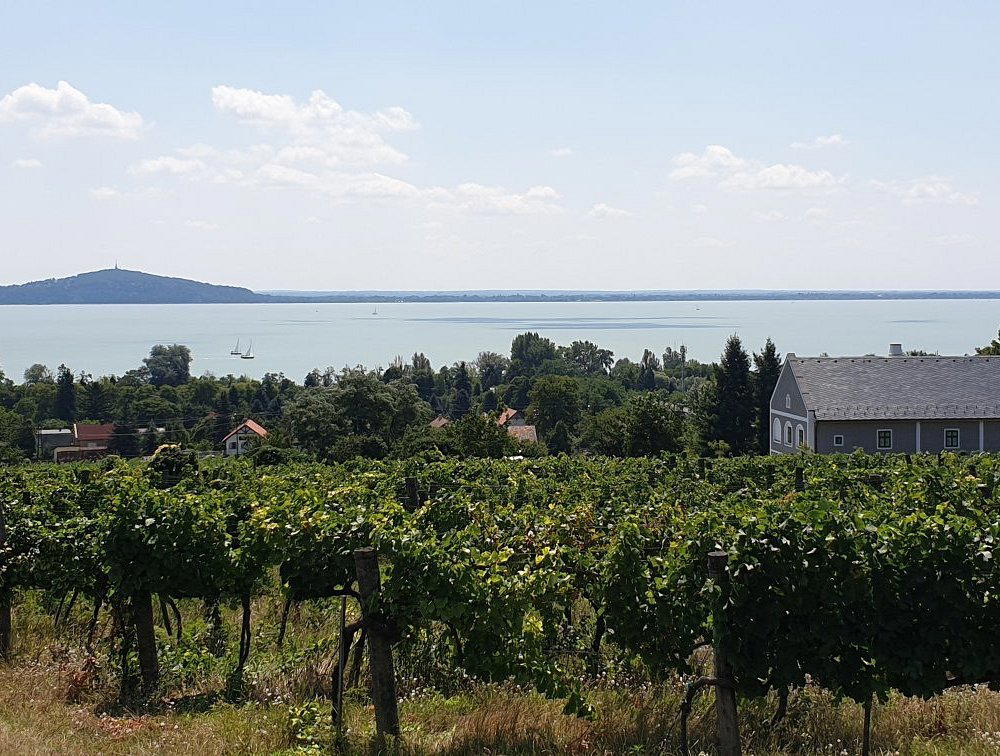
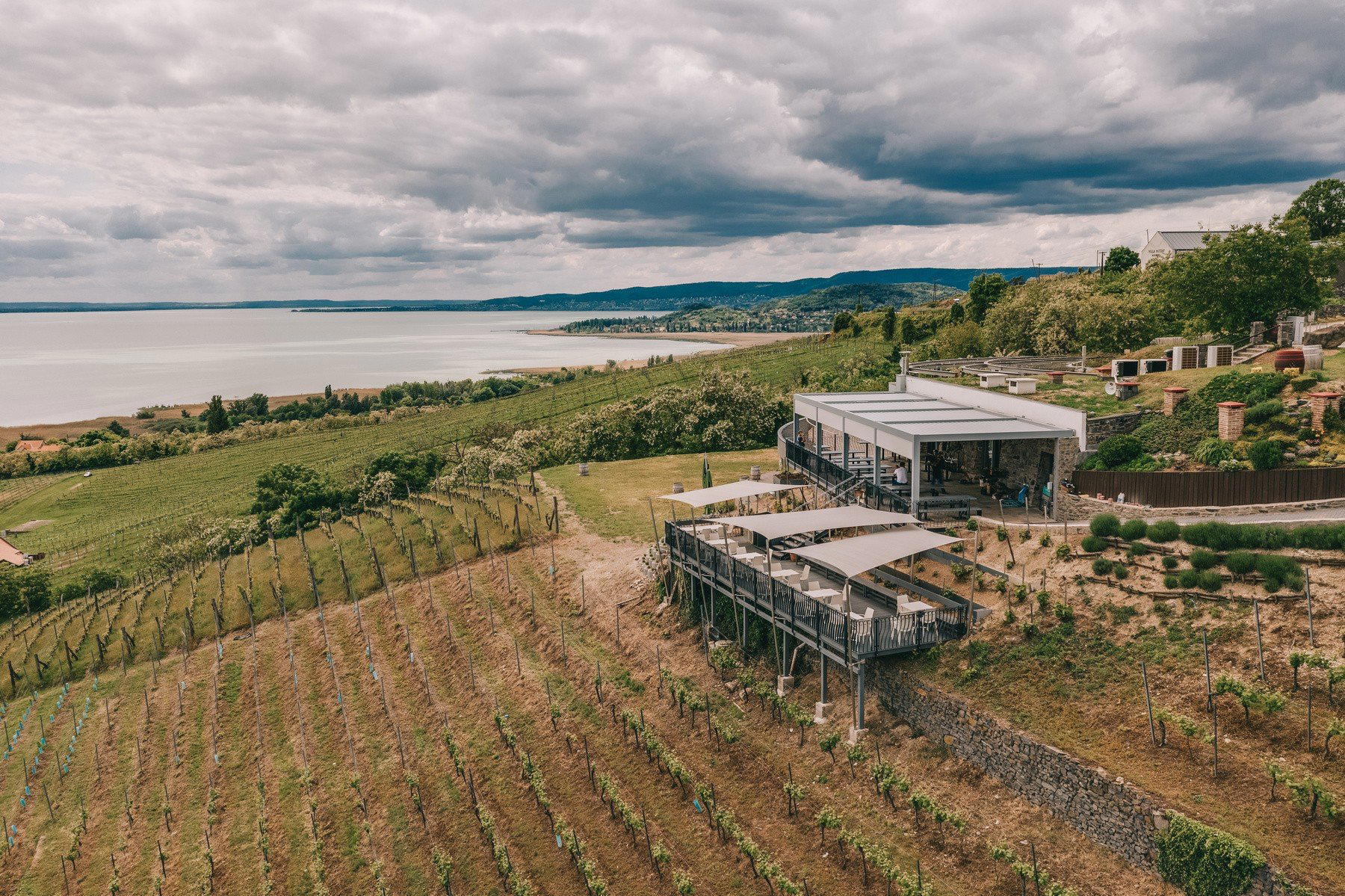
The approach to Köveskál sets expectations immediately. The village sits inland from the northern shore of Lake Balaton, in the hills that rise above Badacsony and Tapolca. Arriving by road from the direction of Tapolca, the landscape shifts from the flat lakeshore to a more textured terrain of volcanic hillsides, small orchards, and walled farmsteads. The address, 2 Városkút utca, places Mandilla within the compact fabric of the village itself, where streets are narrow enough that the architecture reads at walking pace rather than from a passing car. This is a part of Hungary where the built environment has been shaped over centuries by local stone, and properties here tend to reflect that material logic rather than import a different visual language.
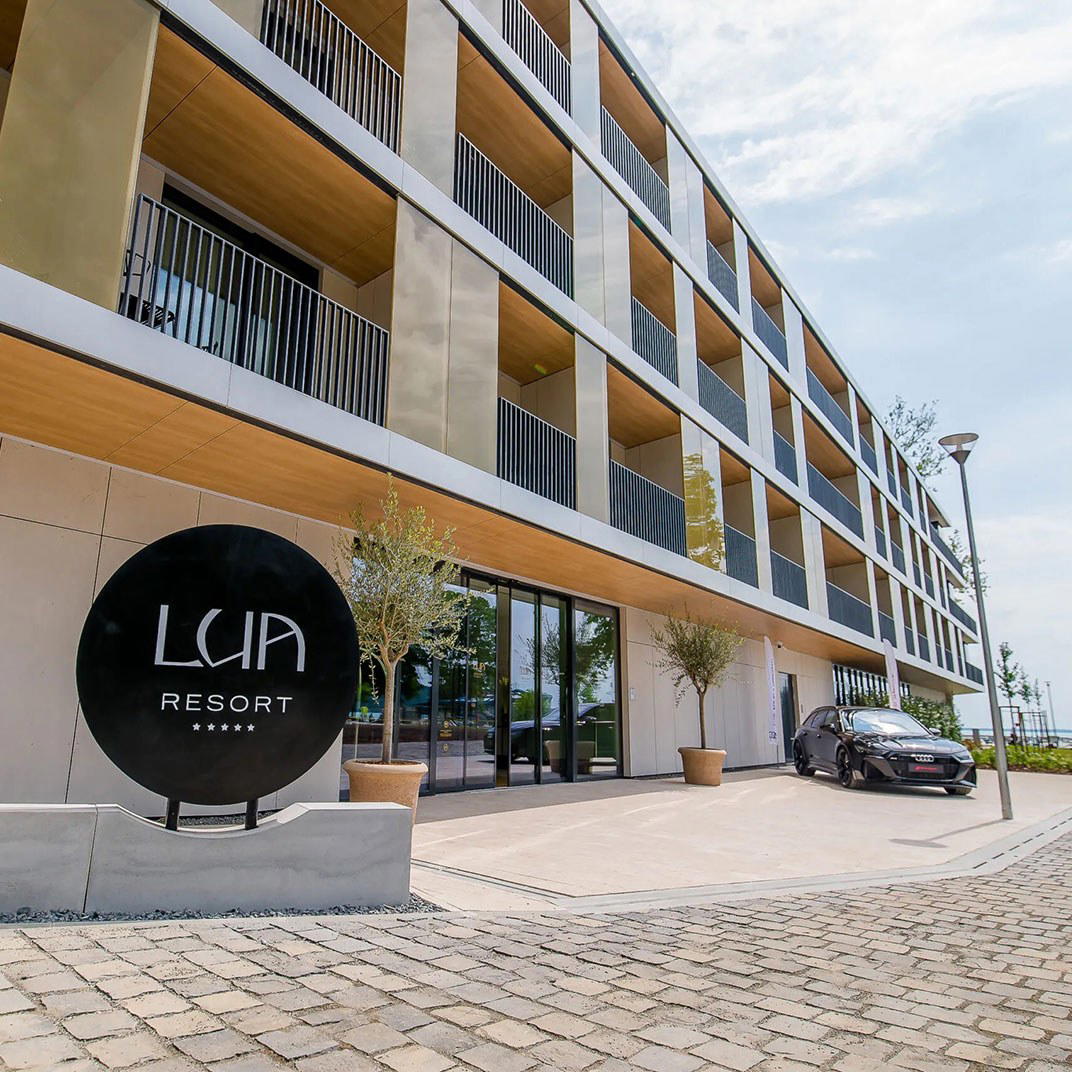
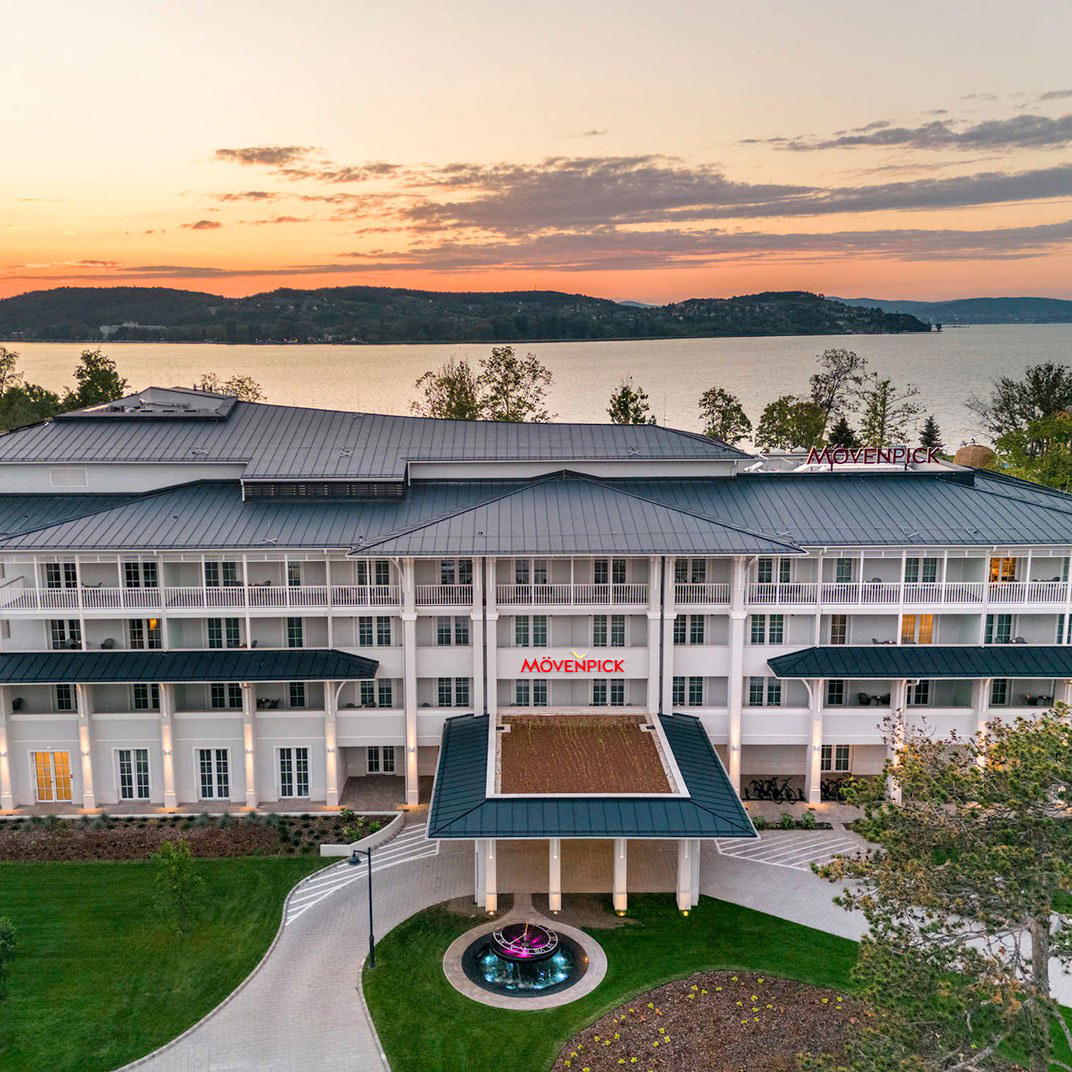
Getting to Köveskál from Budapest takes roughly two hours by car. Public transport connections exist via train to Tapolca followed by local services, though the village's rural position makes a car the practical choice for most visitors, particularly those planning to explore the wider Badacsony wine region or the northern Balaton shore. The nearest larger town, Tapolca, is approximately fifteen minutes by road and offers additional dining and services. For those sequencing a longer Hungarian itinerary, properties like the Sirius Hotel in Keszthely to the west and the Mövenpick Balaland Resort Lake Balaton in Szántod on the southern shore represent the lake's more resort-oriented offer, usefully different from Köveskál's rural register.
Design Logic in a Basalt Village
Rural boutique properties in the Balaton Uplands tend to work with one of two design approaches: a faithful restoration of vernacular farmhouse architecture, or a contemporary intervention that contrasts modern materiality against the historic fabric. Both approaches are present across the region's better-regarded accommodation. What Michelin Selected designation signals, in a village context like this one, is that the physical experience of the property, its atmosphere, its spatial quality, its sense of place, has been assessed and found to merit recognition.
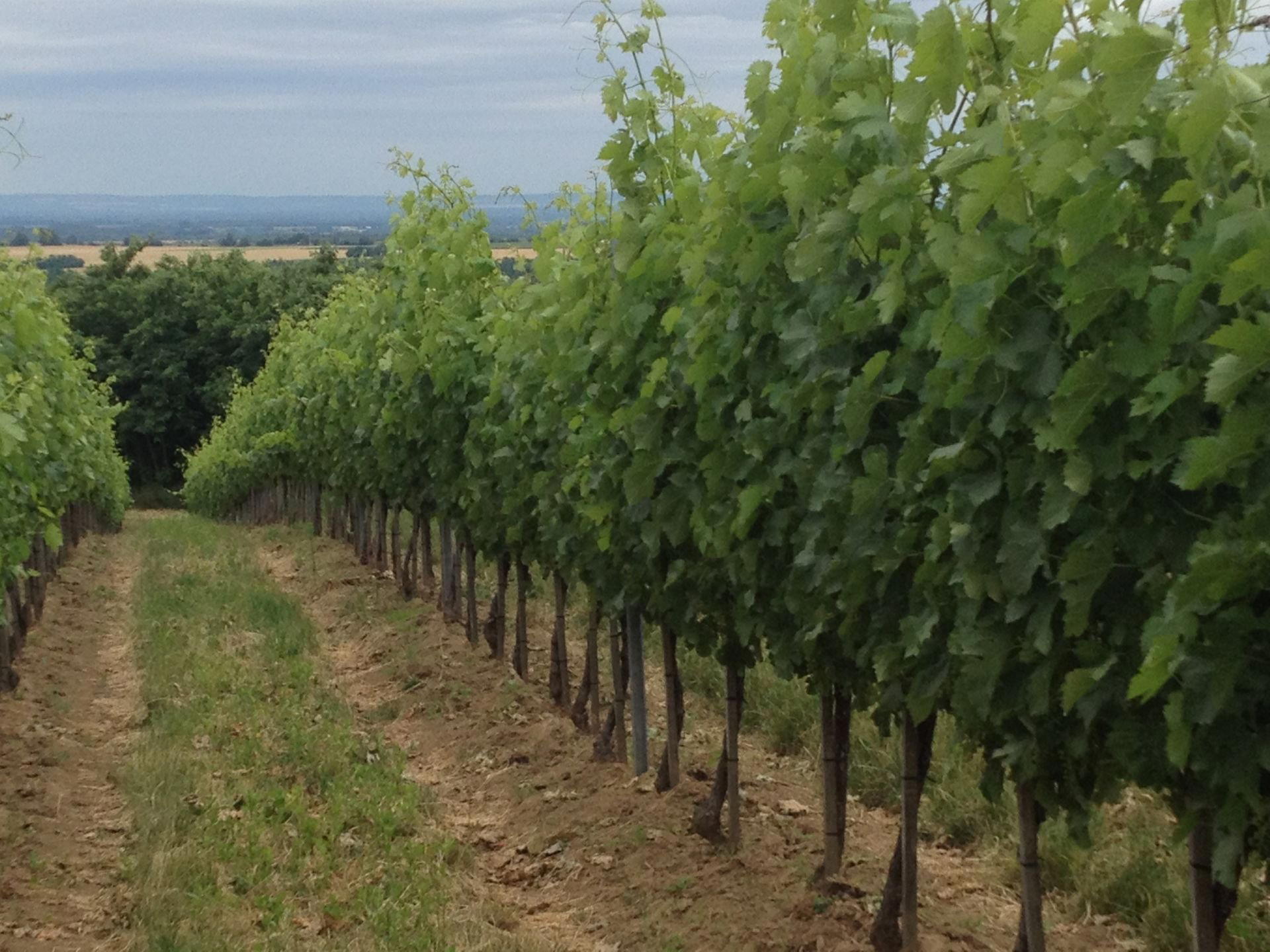
The Balaton Uplands have seen increasing design attention over the past decade, as the region's wine reputation (Badacsony's volcanic whites, particularly from the Kéknyelű and Olaszrizling varieties, attract serious wine travellers) has drawn a visitor profile more attentive to accommodation quality. This mirrors patterns visible elsewhere in Central Europe's wine tourism corridors, where the Viale Boutique Hotel in Villány serves a similar function in Hungary's Villány wine district to the south. In both cases, the accommodation offer has evolved in response to a traveller who is visiting primarily for wine and landscape, and who wants the property itself to reflect the local material culture rather than override it.
Situating Mandilla in the Broader Hungary Stay Map
Hungary's hospitality offer covers a wide range of contexts and price points. Budapest's major international properties, from the InterContinental Budapest to the celebrated palace hotels of the capital, operate in a different competitive set entirely from a village property in the Balaton Uplands. Mandilla's Michelin recognition places it in a more specialist tier: smaller, more location-specific, serving a traveller who has already decided to spend time in this particular corner of Hungary rather than treating the country as a city-break destination.
Within the Balaton region itself, the accommodation range is wide. The northern shore's boutique and wine-oriented properties sit in a different market from the family-resort infrastructure of the southern shore. Properties like the Hotel Vinifera Wine & Spa in Balatonfüred represent the more spa-and-wine-focused end of northern Balaton hospitality; Köveskál's offer, including Mandilla, is quieter and more deeply rural. For travellers constructing a wider Hungarian circuit, the 1552 Boutique Hotel in Eger, the Minaro Hotel Tokaj in Tokaj, and the BOTANIQ Castle of Tura in Tura each represent distinct regional hospitality registers worth considering alongside a Balaton Uplands stop.
For those whose itinerary extends beyond Hungary, the design-led rural boutique model Mandilla represents has direct analogues across Central Europe, though the volcanic landscape and wine culture of the Balaton Uplands give this particular corner its own character. International travellers who have stayed at properties like Aman Venice or Cipriani, A Belmond Hotel, Venice and are accustomed to the logic of intimate, high-quality properties in historically significant settings will find Köveskál's offer legible, even if the scale and context are quite different.
Planning a Stay
Given the limited accommodation supply in Köveskál itself, properties in this village tend to book out during peak Balaton season, which runs from late June through August, and again during the Badacsony wine harvest period in September and early October. Visitors planning a stay during either window should expect to book well ahead. The shoulder months, May, early June, and October, offer a more spacious experience of the region, with the vineyards and hillside walking routes less crowded and the light on the basalt landscape considerably more atmospheric. Köveskál has no significant conference or incentive market, so availability patterns are driven almost entirely by leisure demand and seasonal wine tourism.
Additional Michelin Selected properties in Hungary's smaller towns and resort regions, including the Le Primore Hotel & Spa in Hévíz, the Avalon Resort & SPA in Miskolctapolca, and the Hotel Palota Lillafüred in Miskolc, provide useful benchmarks for what the tier looks like across different regional contexts in Hungary.
Fast Comparison
Comparable venues nearby, for context on price, style, and recognition.
| Venue | Cuisine | Price | Awards | Notes |
|---|---|---|---|---|
| MandillaThis venue — the venue you are viewing | Tuscan-inspired modern countryside retreat | $$$ | 4-Star | Not listed |
| Boutique Hotel Budapest | Contemporary urban boutique hotel with minimalist design and personalized service focus. | $$$ | 4-Star | Belvaros |
| Hotel Rum Budapest | Contemporary boutique blending authentic 1920s townhouse with bold modern design. | $$$ | 4-Star | Belvaros |
| Viale Boutique Hotel | Low-key design-forward boutique in wine region | $$$ | 4-Star | Villány |
| Park Plaza Budapest | Trendy lifestyle hotel with artistic flair and riverfront elegance. | $$$ | 4-Star | Varhegy |
| Brody House - Rooms | 19th-century Neo-classical palazzo with shabby-chic bohemian renovations | $$$$ | 4-Star | Belvaros |
Recognition history
Dated appearances from independent guides and award organizations, with the underlying list record or original source where available.
Michelin Selected
Michelin
At a Glance
- Romantic
- Quiet
- Rustic
- Elegant
- Scenic
- Romantic Getaway
- Wellness Retreat
- Anniversary
- Weekend Escape
- Panoramic View
- Garden
- Terrace
- Historic Building
- Wi Fi
- Pool
- Sauna
- Restaurant
- Air Conditioning
- Garden
- Bicycle Rental
- Garden
- Mountain
- Wi Fi
- Pool
- Sauna
- Restaurant
- Air Conditioning
- Garden
- Bicycle Rental
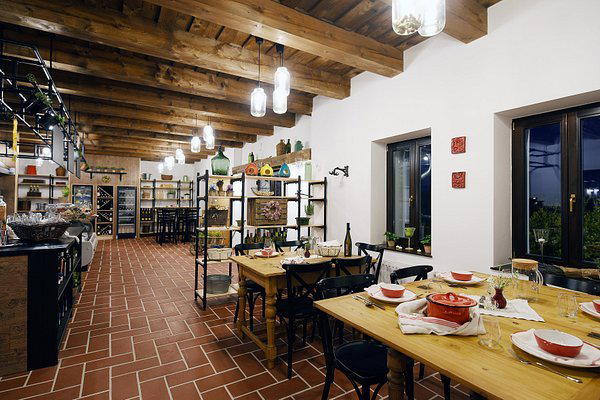
Contemporary classic and quiet with Tuscan charm, rustic elegance, and a serene garden atmosphere.