Jásdi Winery sits on Arany János utca in Csopak, one of the Balaton Uplands' most concentrated addresses for Olaszrizling.
Pearl is the En Primeur Club membership app — saves, bookings, and concierge access live there. Same editors, same standards.
- Address
- Csopak, Arany János u. 3, 8229
- Phone
- +36307330113
- Website
- jasdipince.hu
- Directions
- Get directions
 Saves & bookings on Pearl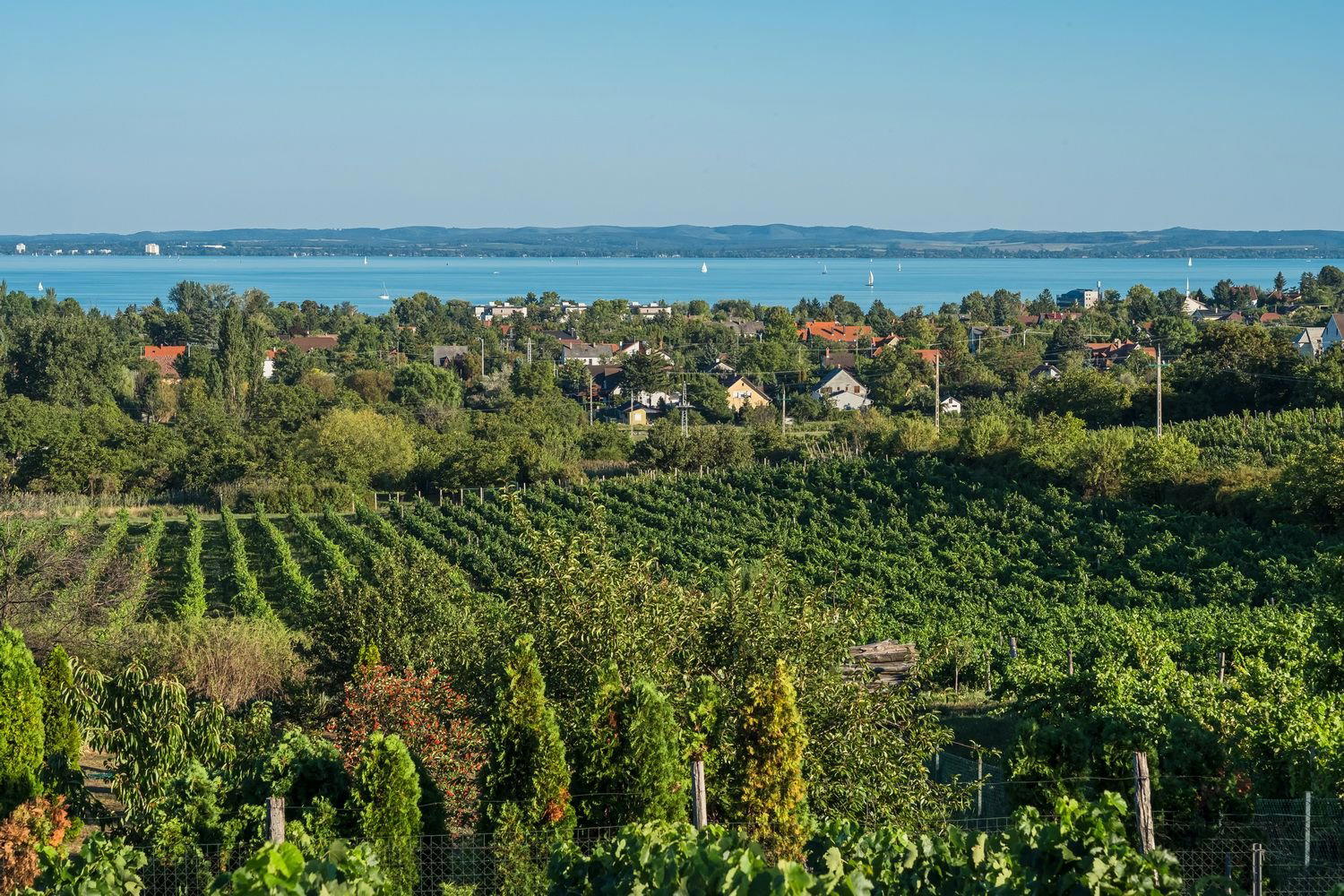
Csopak and the Case for Volcanic White Wine
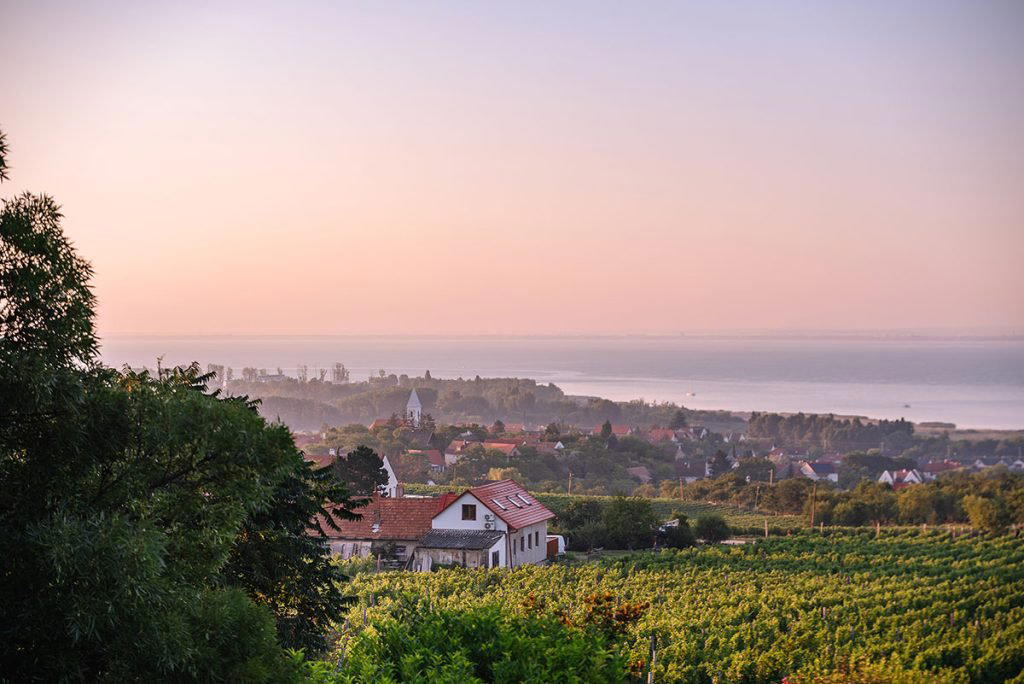
The northern shore of Lake Balaton has a geology problem, or rather, a geology advantage that took the outside world some time to notice. The hills above Csopak sit on red sandstone and basalt, a combination that drains fast, stresses the vine, and pushes Olaszrizling toward a leaner, more saline expression than the grape typically achieves in warmer, flatter terrain. That character, citrus pith over fruit flesh, texture over weight, is precisely what has made producers in this stretch of the Balaton Uplands increasingly legible to wine buyers shaped by Chablis or the Wachau. Szent Donát Winery, also based in Csopak, occupies the same conversation. Jásdi Winery, located at Arany János utca 3, sits inside that same frame: a small producer making a specific argument about what this soil does when handled with restraint.
In a country where wine culture has undergone significant re-evaluation over the past two decades, with regions like Tokaj drawing international scrutiny and Balaton slowly following, a prestige-tier award at a small lakeside estate carries more weight than its geography might initially suggest. The award functions as a peer signal: buyers familiar with Disznókő in Mezőzombor, Royal Tokaji in Mád, or Tokaj Hétszőlő in Tokaj have a reference point for what the designation implies about production standards. For Csopak specifically, it reinforces the argument that the Balaton Uplands wine identity is no longer a secondary chapter after Tokaj.
Terroir in the Glass: What Csopak's Soil Does to Olaszrizling
Olaszrizling, known elsewhere as Welschriesling or Graševina, is a grape that takes its character almost entirely from where it is grown. In warmer, more generous soils it produces easy, broad white wine; in Csopak's red sandstone terrain, under the moderating influence of the lake and the steeper exposures of the hillsides, it tightens considerably. The result tends toward higher acidity, a marked mineral note some describe as flinty or chalky, and a longevity unusual for a grape often dismissed as everyday. The leading Csopak Olaszrizling from current vintages ages meaningfully over five to eight years, which is not a claim most producers in the varietal's broader range can make with confidence.
This is the editorial context in which Jásdi operates. The winery is not trying to compete with the oxidative, late-harvest ambitions of Tokaj's aszú tradition, the focus here is on dry, site-expressive whites that reward temperature-controlled storage and careful glassware. That narrowness of purpose is not a limitation; it is the point. Producers who work inside a specific terroir argument, rather than across a broad stylistic range, tend to achieve more legible results. Tokaj Oremus in Tolcsva and Árvay Winery in Rátka work within their own region-specific frameworks in comparable ways, even if the grape varieties and styles diverge sharply.
Csopak as a Wine Destination
The town of Csopak sits roughly 130 kilometres southwest of Budapest on the northeastern shore of Lake Balaton, accessible by train from Keleti station with services running regularly and the journey taking under two hours. The wine addresses here are compact enough to visit two or three in an afternoon without a car, though the hillside cellar locations reward the effort of arriving on foot from the village centre. Strong window for visiting is late spring through early autumn, when the lake moderates temperatures and the surrounding landscape provides context for understanding why this particular microclimate produces the wines it does. Harvest typically runs through October, and the weeks immediately preceding it, when the grapes are at full physiological ripeness on the vine, offer a useful demonstration of what the winery is working with.
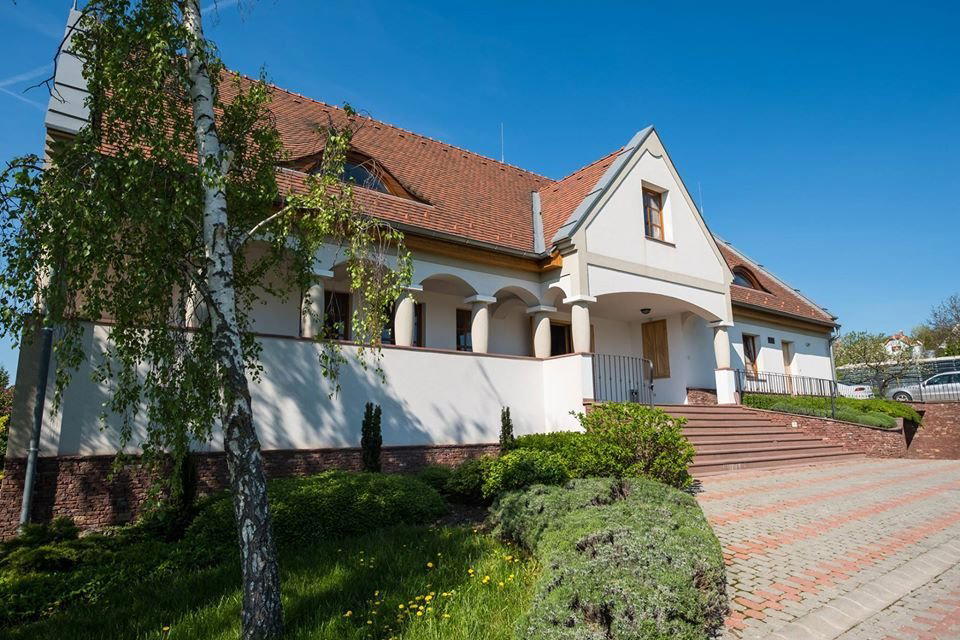
Jásdi sits at Arany János utca 3 in Csopak. Given the prestige-tier recognition the winery holds, it is not unreasonable to treat a visit as appointment-dependent rather than walk-in. covers broader logistics for the area.
Where Jásdi Sits in the Broader Hungarian Wine Map
Hungarian wine has never been a single story. Tokaj commands international recognition for its botrytized whites and growing dry Furmint program; Villány, anchored by producers like Bock Winery, has staked its claim on Bordeaux-influenced reds; Eger's bull's blood tradition has given way to more serious single-vineyard work from estates such as Bolyki Winery. Szekszárd adds another red-wine narrative through operations like Bodri Winery. What the Balaton Uplands contributes to this map is something different: a white-wine identity built on indigenous varieties and volcanic or sedimentary geology, with Csopak as one of the region's most argued-over addresses.
The smaller producers along this shore, and Jásdi reads as firmly within that category based on its address and production orientation, occupy a niche closer to grower-producer culture than to the estate-scale model of Tokaj's larger houses. Compare the scale here with what Béres Winery in Erdőbénye does, or the more boutique approach of Babarczi Winery in Gyor, and you get a sense of how varied the prestige tier looks across Hungarian regions. Bussay Pince in Csörnyeföld offers another reference point in the smaller-producer conversation. For international comparison, the precision-focused model at Accendo Cellars in St. Helena or the heritage depth of Aberlour are different categories entirely, but the underlying premise, that a specific site, handled carefully, produces something more legible than a blended-appellation model, translates across traditions.
Planning a Visit
Csopak is not a difficult destination: the village is well-served by regional rail, and the winery address on Arany János utca places it within walking distance of the station. Spring and early autumn are the practical sweet spots for a visit, combining manageable temperatures with the leading likelihood of tasting current releases alongside wines from recent back-vintages.
Fast Comparison
Comparable venues nearby, for context on price, style, and recognition.
| Venue | Cuisine | Price | Notes |
|---|---|---|---|
| Jásdi WineryThis venue — the venue you are viewing | Olaszrizling, Furmint | $$ | Not listed |
| Szent Donát Winery | Olaszrizling, Kékfrankos | $$ | Csopak |
| Pannonhalmi Apátsági Pincészet | Rheinriesling, Sauvignon Blanc | $$ | Pannonhalma |
| Polgár Winery | Cabernet Franc, Cabernet Sauvignon | $$ | Villány |
| Csányi Winery | Cabernet Sauvignon, Cabernet Franc | $$ | Villány |
| Bujdosó Winery | Italian Riesling, Irsai Olivér | $$ | Balatonlelle |
At a Glance
- Scenic
- Rustic
- Quiet
- Elegant
- Wine Education
- Solo Exploration
- Estate Grounds
- Terrace
- Historic Building
- Panoramic View
- Sustainable
- Vineyard
- Waterfront
- Balatonfüred Csopak
- Olaszrizling
- Furmint
- Chardonnay
- Pinot Gris
- Cserszegi Füszeres
- Szürkebarát
- Cabernet Franc
- Kékfrankos
- Still White
- Still Red
- Wine Tasting
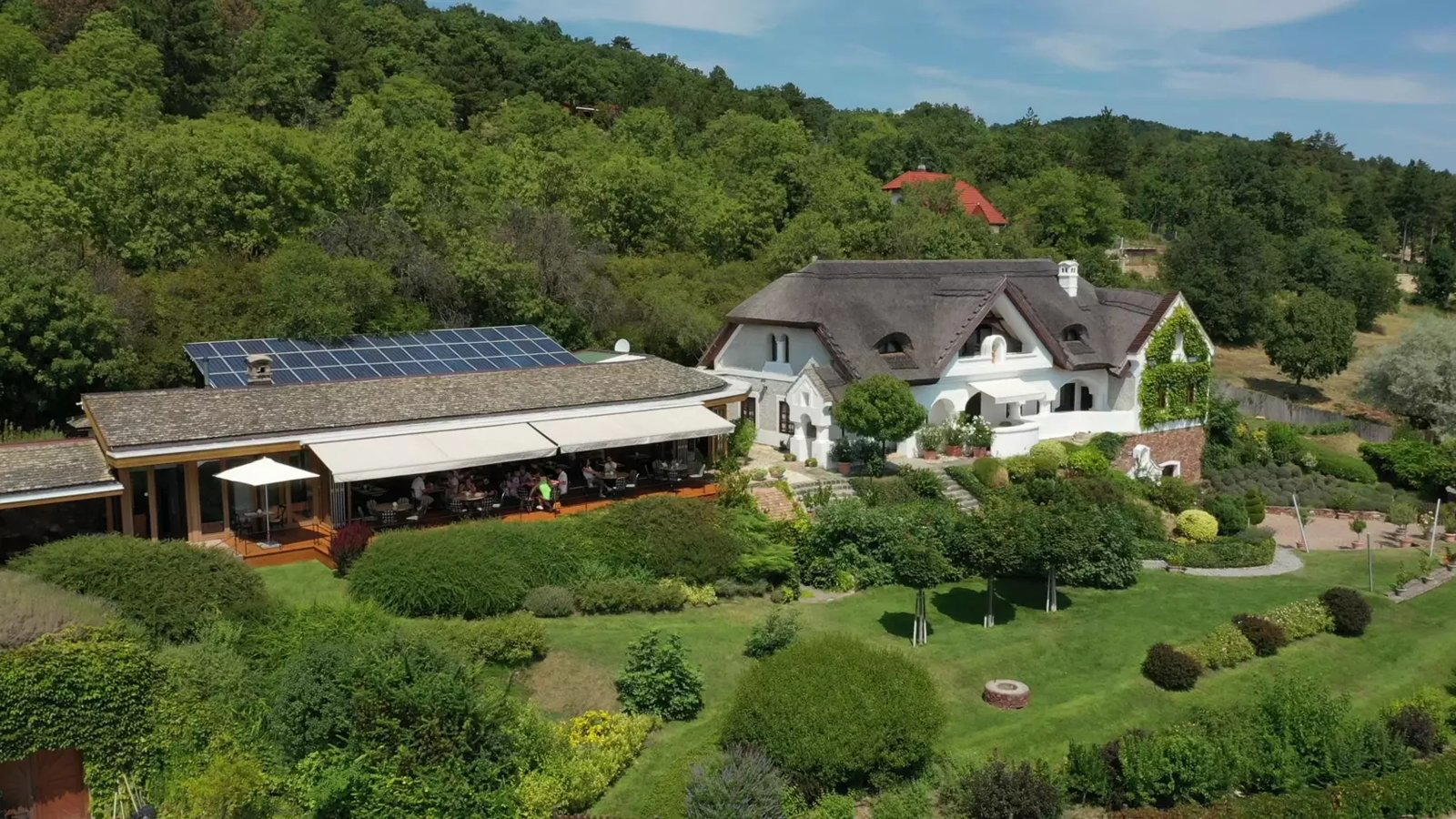
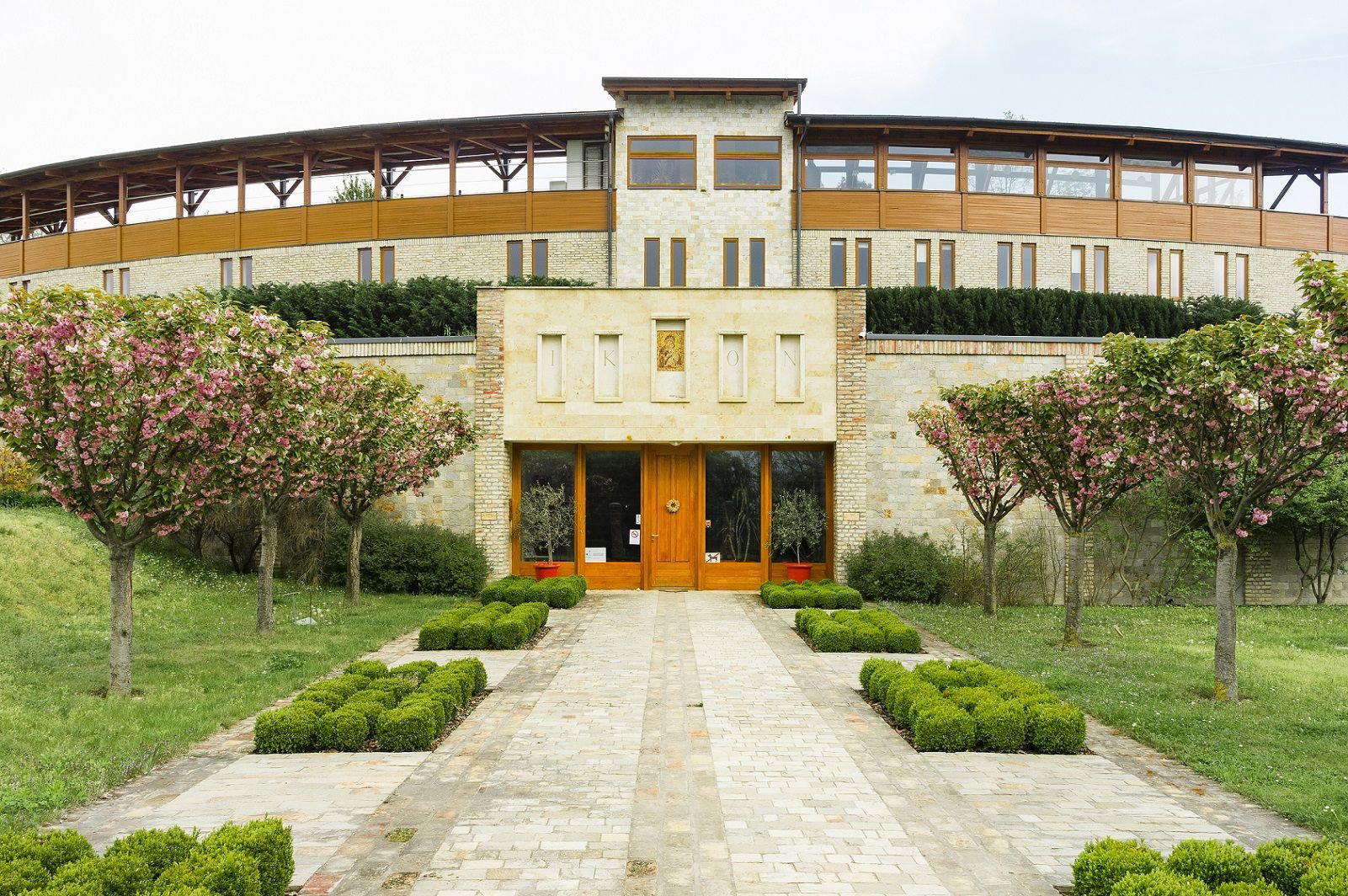
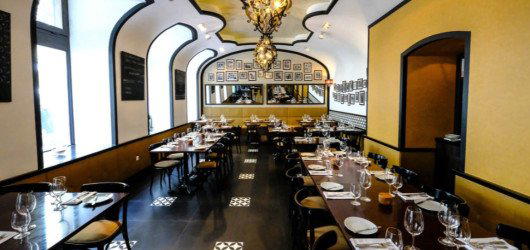
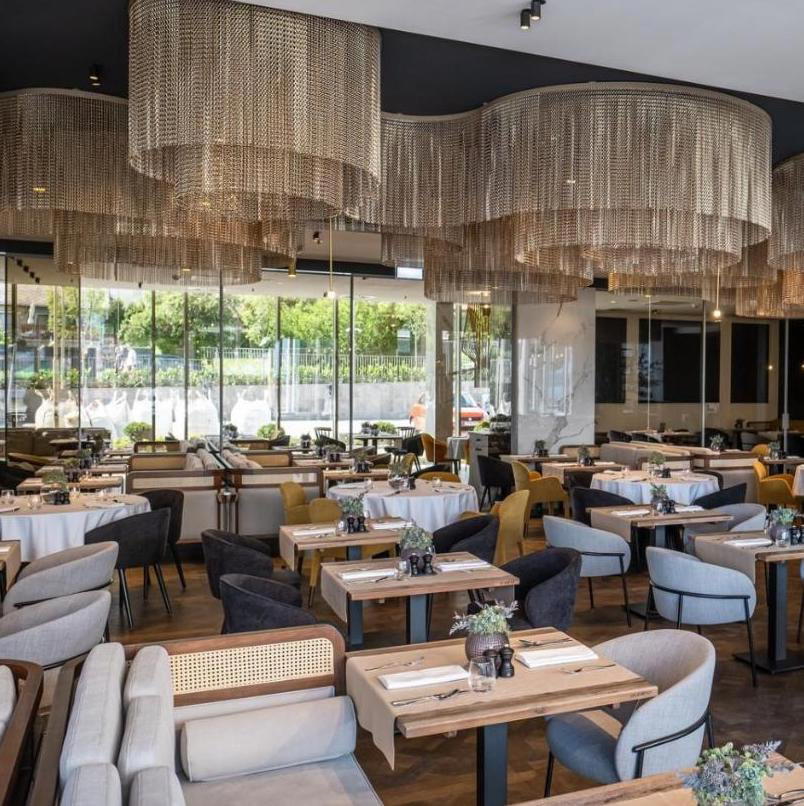
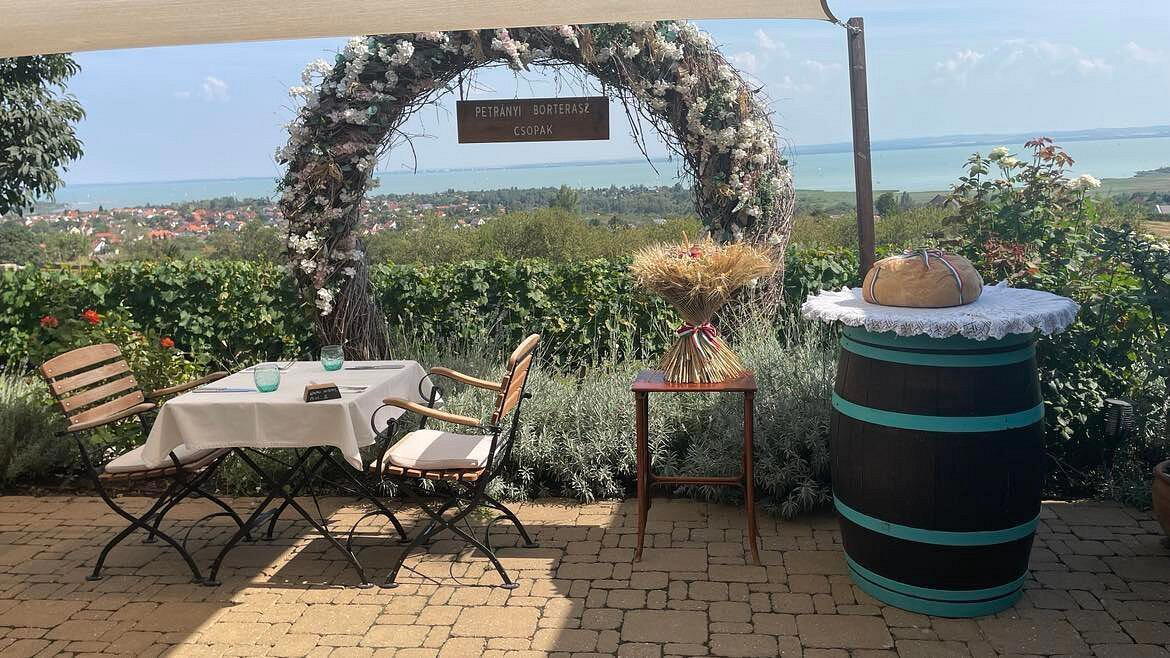
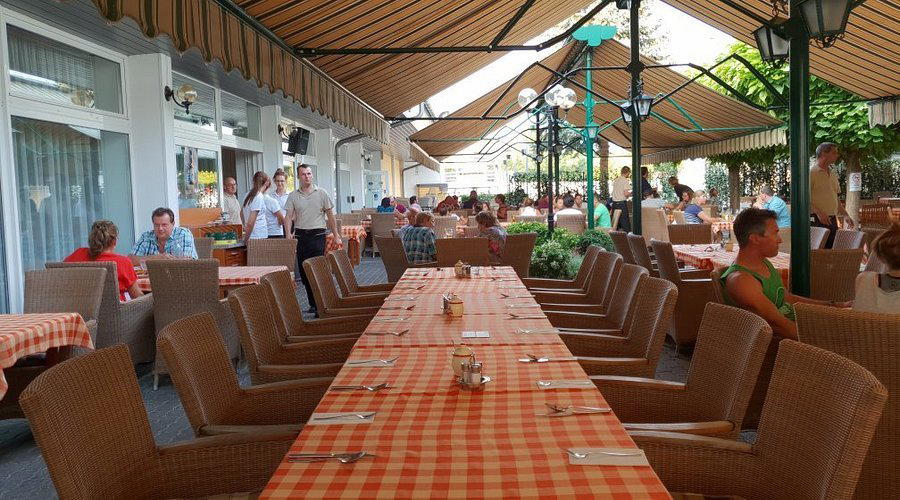
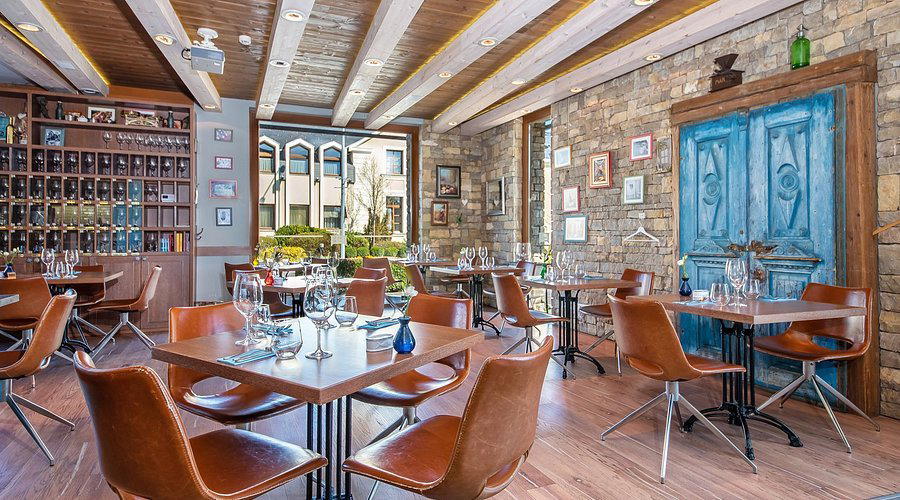
Pleasant decor with white tablecloths, unusual artwork, framed photos on pale yellow walls, and large windows offering vineyard and lake views.