Figula Winery
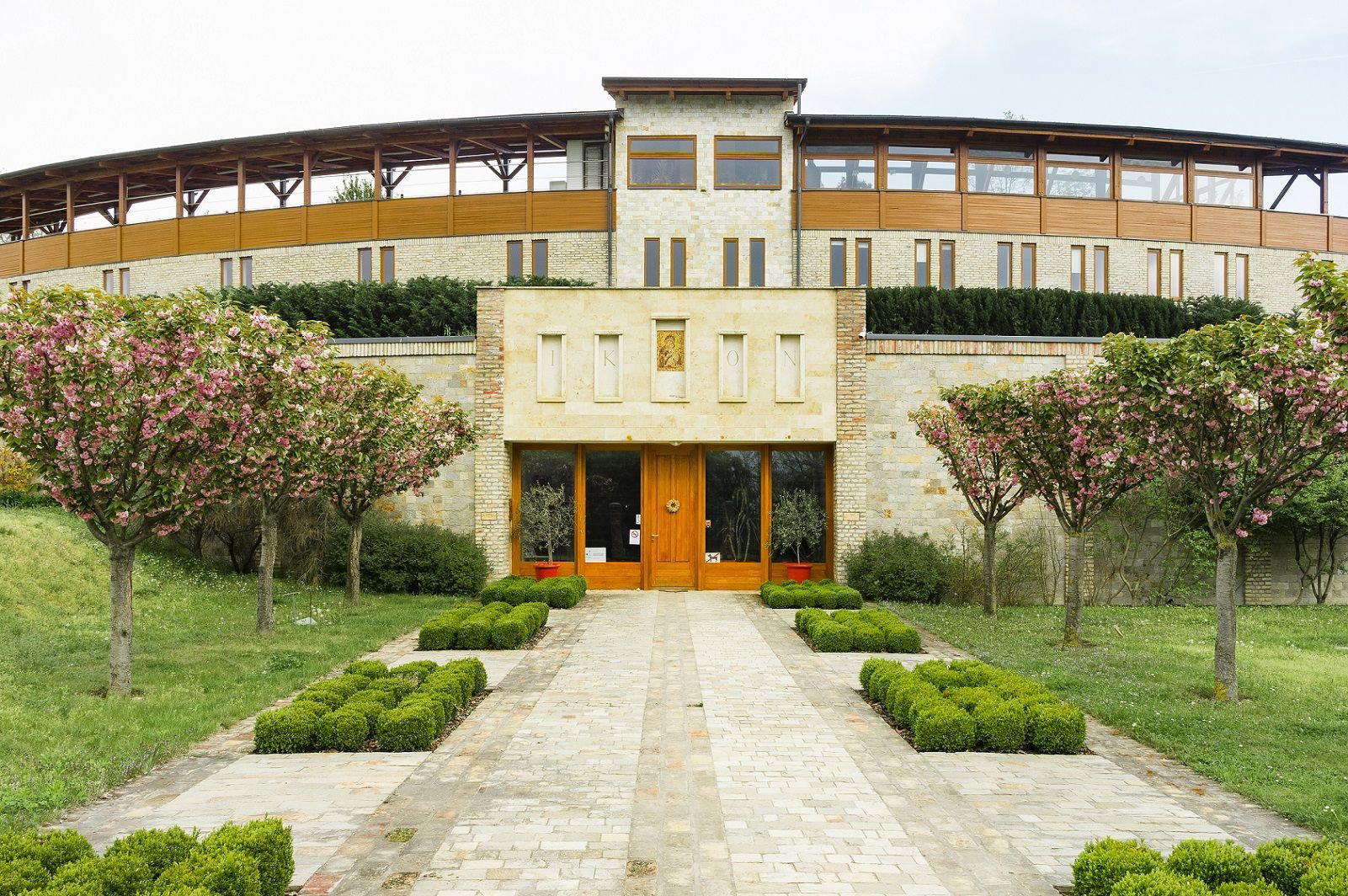
Figula Winery sits on the Meleghegy hillside above Balatonfüred, producing wines from one of Hungary's most geologically distinctive lakeside terroirs. Visitors encounter a winery where the volcanic soils and moderating influence of Lake Balaton speak clearly through the glass.
Pearl is the En Primeur Club membership app — saves, bookings, and concierge access live there. Same editors, same standards.
- Address
- Balatonfüred, Meleghegy, vége, Csárda u., 8230
- Phone
- +36 30 662 4332
- Website
- figula.hu
- Directions
- Get directions
 Saves & bookings on Pearl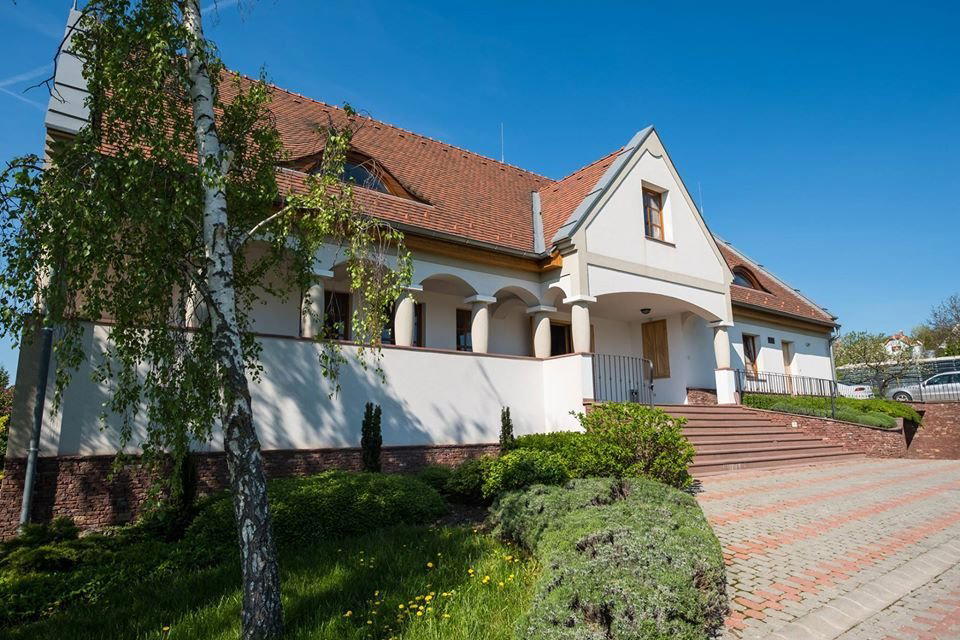
Where the Hillside Speaks First
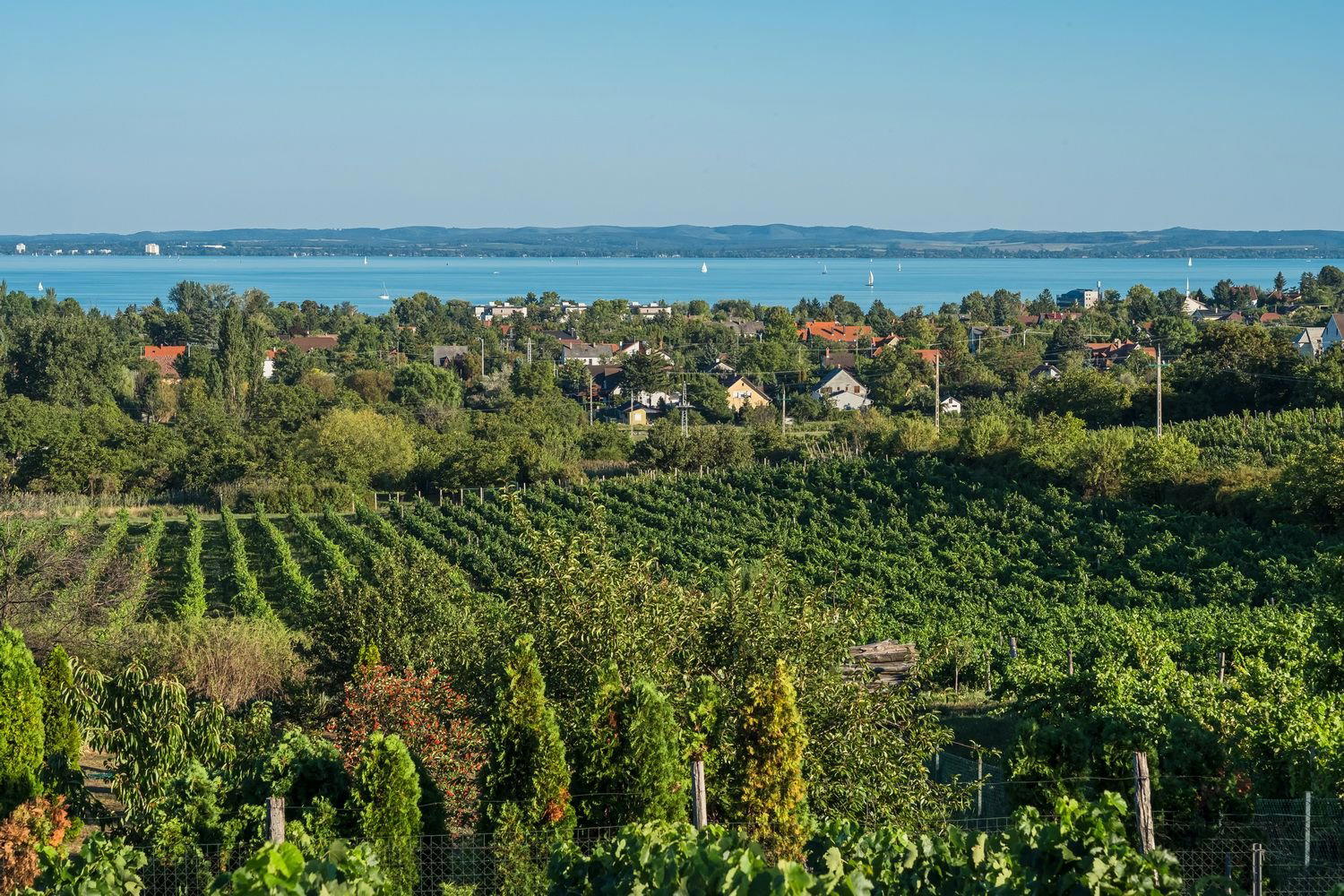
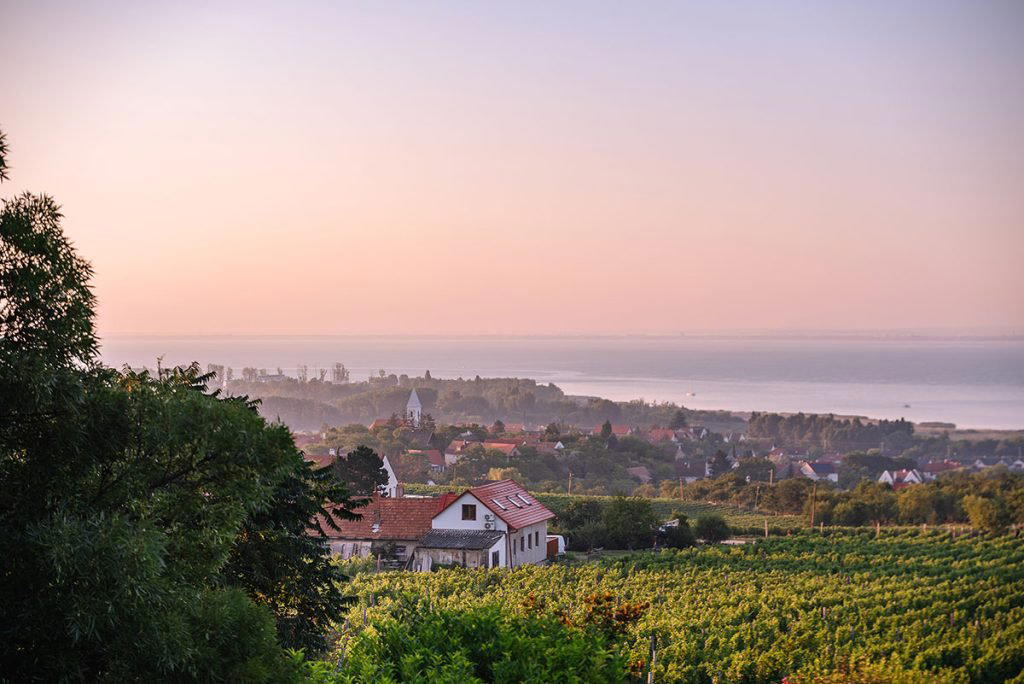
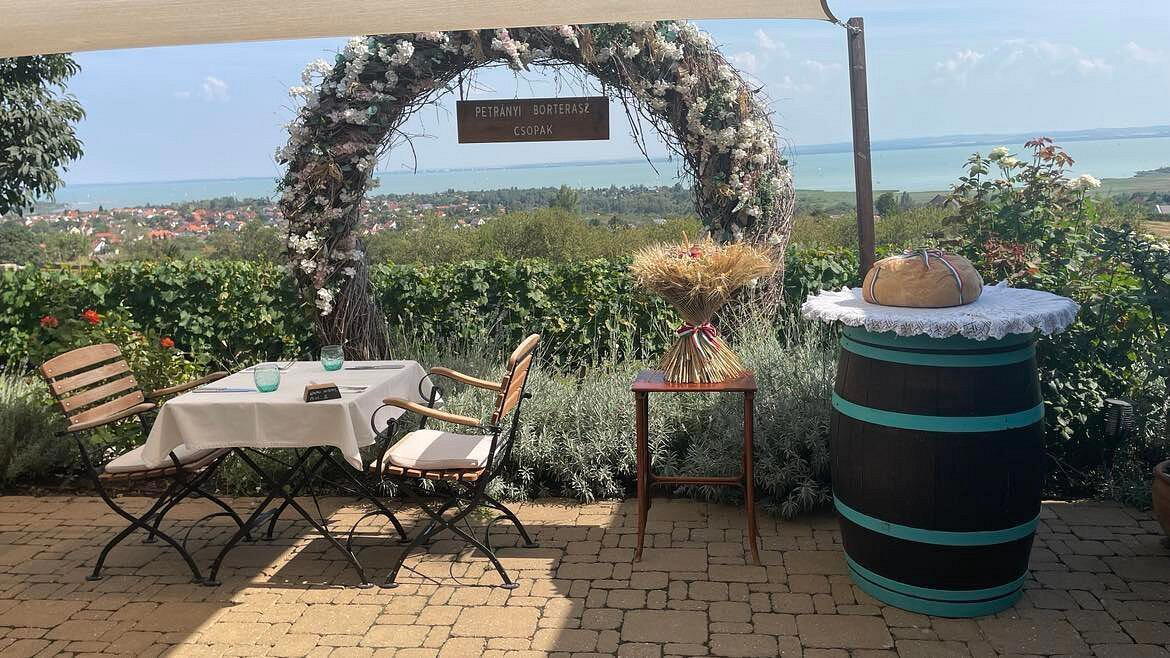
The road up to Meleghegy, the warm hill that gives this part of Balatonfüred its character, rises sharply enough that you feel the altitude before the vines come into view. Lake Balaton appears in the gaps between rows, its broad silver surface acting as both a heat reservoir and a mirror for the sky. This is the visual argument for terroir before a single glass is poured: elevation, water, volcanic basalt, and a southern exposure that accumulates warmth long into autumn. Figula Winery occupies this address on Csárda utca, and the surrounding geography is inseparable from what ends up in the bottle.
The Balaton Wine Belt in Context
Hungary's wine regions carry considerable variety, from the volcanic tuff soils of the Tokaj foothills to the red-clay terraces of Villány. The Balaton belt is distinct from all of them. The lake, Central Europe's largest at roughly 77 kilometres long, moderates temperatures across the entire growing season, reducing frost risk in spring and extending the ripening window into late October. On the northern shore, where Balatonfüred sits, the hillsides rise from the water on ancient basalt and loess, with a mineral complexity in the soils that differs noticeably from the sandier southern bank.
Within that northern shore, Meleghegy represents one of the more prized sub-zones. The name translates literally as warm hill, a designation that predates modern appellation mapping and reflects generations of local observation about how this particular slope holds heat. Estates here tend to work with varieties that can translate volcanic minerality into something tangible in the glass: Olaszrizling above all, but also Chardonnay, Pinot Noir, and a range of indigenous grapes that the broader international market is only beginning to recognise. For a broader map of Hungarian wine ambition, the estates working the Tokaj region, including Disznókő in Mezőzombor, Royal Tokaji in Mád, Tokaj Hétszőlő in Tokaj, Tokaj Oremus in Tolcsva, and Árvay Winery in Rátka, operate from a fundamentally different geological premise, built around the volcanic tuff and clay of the Zemplén hills and the oxidative richness of Furmint and Hárslevelű. Balaton and Tokaj represent the two poles of Hungarian fine wine, with the lake estates emphasising freshness and mineral precision where Tokaj leans into concentration and complexity.
Terroir as the Editorial Line
Awards at this level in the regional context function as peer-set sorting: they signal that the wines are being evaluated against a competitive reference group that includes other recognised Balaton estates and Hungarian producers working at a similar altitude of ambition. That recognition matters as context because it confirms that the terroir expression here is not accidental or rustic, it is a deliberate outcome of site selection and cellar discipline.
Olaszrizling is the grape most closely associated with the Balaton northern shore's identity. Across the region, the variety produces wines that range from commercially direct to genuinely site-specific, and the gap between those two registers is almost entirely explained by vineyard position and yield management. On volcanic soils at altitude with lake influence, Olaszrizling develops a taut acidity, a mineral thread that wine writers often describe through geological reference rather than fruit analogy, and a capacity to age that the grape's reputation in lower-altitude settings rarely suggests. That site-driven expression is what estates like Figula are working with on Meleghegy, and it is what separates this hillside from the broader category.
Across Hungary's other serious wine territories, producers are making analogous arguments about terroir specificity. Bock Winery in Villány makes the case through Cabernet Franc and Portugieser on the warm limestone and loess slopes of the south. Bolyki Winery in Eger works with the volcanic and limestone patchwork of the Bükk foothills, where Egri Bikavér draws its structure. Bodri Winery in Szekszárd produces from the warm loess terraces above the Sárköz plain, with a profile closer to Villány in weight but with a distinct regional character. Each region makes a different geological argument. The Balaton argument is about freshness, altitude, and the moderating influence of water, a cooler, more precise register than the south, and a less oxidative one than Tokaj.
Planning Your Visit
Balatonfüred is accessible by road from Budapest in under two hours, and the town sits on the northern shore rail line that connects to Győr and beyond. The Meleghegy address places Figula slightly above the town centre, which means arriving by car or taxi is practical, the estate sits at the end of Csárda utca, at the upper reaches of the hill. Visiting during the harvest window, which on the northern Balaton shore typically falls between late September and late October, offers one direct engagement with the growing season, though the hillside is worth the drive in any period when the lake is visible in clear weather.
Given the reservation policy, contact ahead of arrival is advisable.
For those building a Hungarian wine itinerary beyond a single estate, the country's regional spread rewards planning. The Babarczi Winery in Győr, Béres Winery in Erdőbénye, Bussay Pince in Csörnyeföld, and Carpinus Winery in Bodrogkisfalud each sit in distinct appellations and offer a sense of how varied the country's wine geography actually is once you move beyond the Tokaj headline. For international reference points, Aberlour and Accendo Cellars in St. Helena represent the kind of single-site seriousness that Figula's hillside address invites comparison with, even across different categories.
What the Recognition Signals
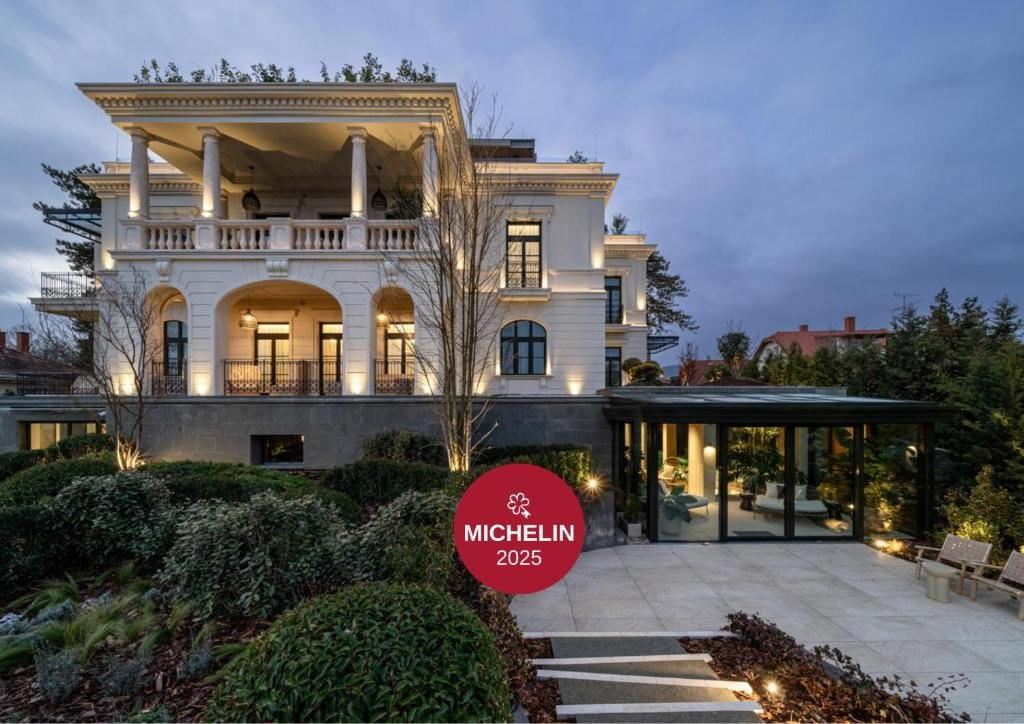
In a region where the gap between tourist-facing production and genuinely serious terroir work is often visible in the bottle, that positioning matters to a visitor deciding how to allocate time on the northern shore. The volcanic soils of Meleghegy, managed with care and ambition, produce wines worth the drive up the hill. The hillside has been making that argument for centuries. The 2025 recognition suggests that Figula is among the estates making it most convincingly right now.
Comparison Snapshot
Comparable venues nearby, for context on price, style, and recognition.
| Venue | Cuisine | Price | Notes |
|---|---|---|---|
| Figula WineryThis venue — the venue you are viewing | Olaszrizling, Pinot Gris | $$ | Not listed |
| Szent Donát Winery | Olaszrizling, Kékfrankos | $$ | Csopak |
| Somlói Apátsági Pince | Furmint, Juhfark | $$ | Somlójenő |
| Bodri Winery | Kékfrankos, Kadarka | $$ | Faluhely |
| Törley Pezsgőpincészet | Chardonnay, Pinot Noir | $$ | Budafok |
| Eszterbauer Winery | Kadarka, Kékfrankos | $$ | Szekszárd |
Continue exploring
More in Balatonfüred
Wineries in Balatonfüred
Browse all →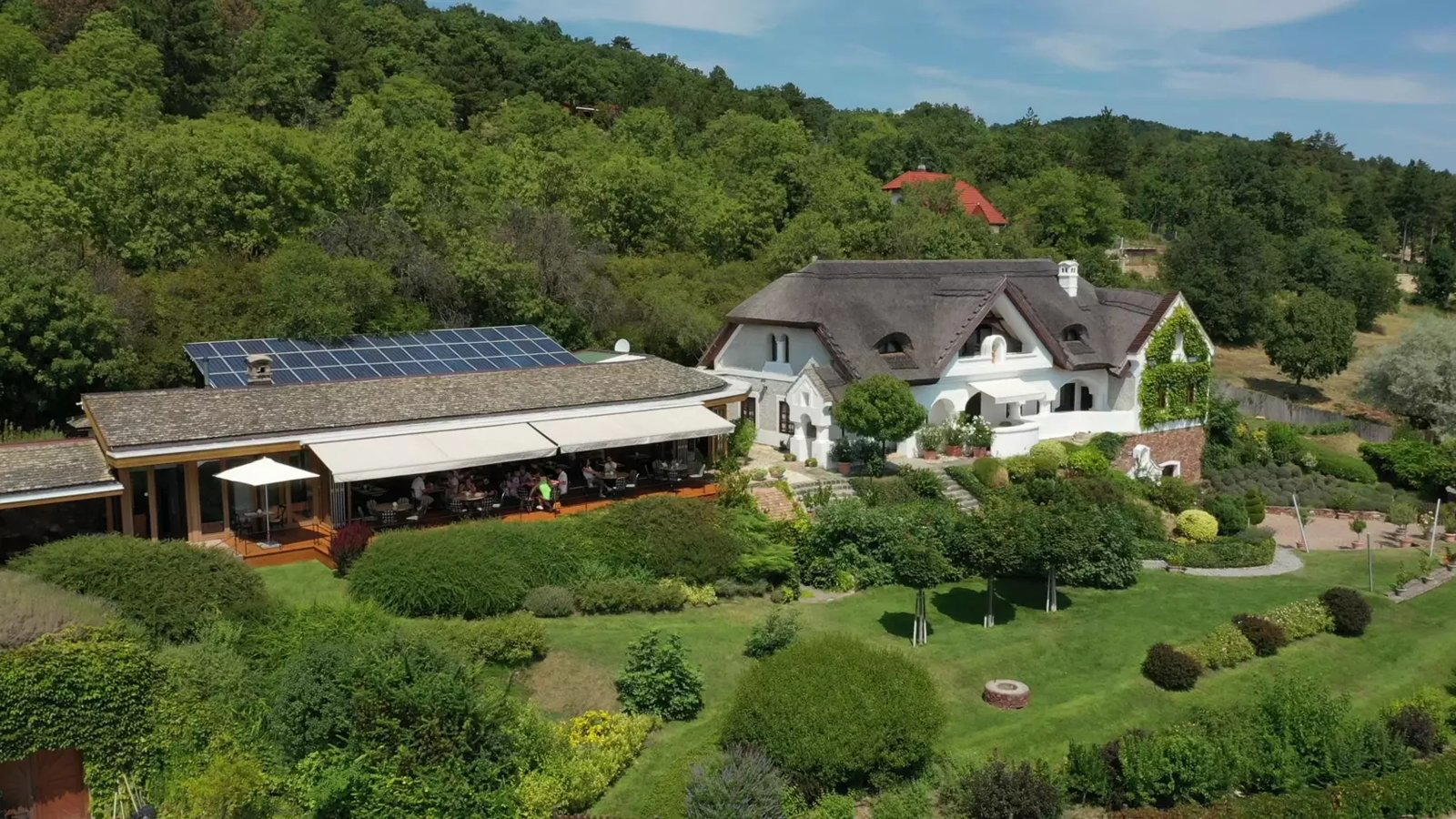
Restaurants in Balatonfüred
Browse all →
At a Glance
- Scenic
- Rustic
- Intimate
- Wine Education
- Solo Exploration
- Special Occasion
- Vineyard Tour
- Panoramic View
- Estate Grounds
- Sustainable
- Vineyard
- Balatonfüred Csopak
- Olaszrizling
- Pinot Gris
- Chardonnay
- Sauvignon Blanc
- Furmint
- Muscat Lunel
- Still White
- Wine Tasting
Professional family atmosphere in a scenic vineyard setting with beautiful lake views and a welcoming, educational tasting experience.