Homola Pincészet sits in Paloznak, a small village on the northern shore of Lake Balaton where volcanic basalt soils and a temperate lakeside climate shape wines of genuine regional character. For those exploring Balaton-felvidéki wines, it represents a focused, terroir-driven stop on Hungary's most compelling wine route outside Tokaj.
Pearl is the En Primeur Club membership app — saves, bookings, and concierge access live there. Same editors, same standards.
- Address
- 8229 Paloznak, Vincellér utca 0534, Hungary
- Phone
- +36706655148
- Website
- homolapinceszet.hu
- Directions
- Get directions
 Saves & bookings on Pearl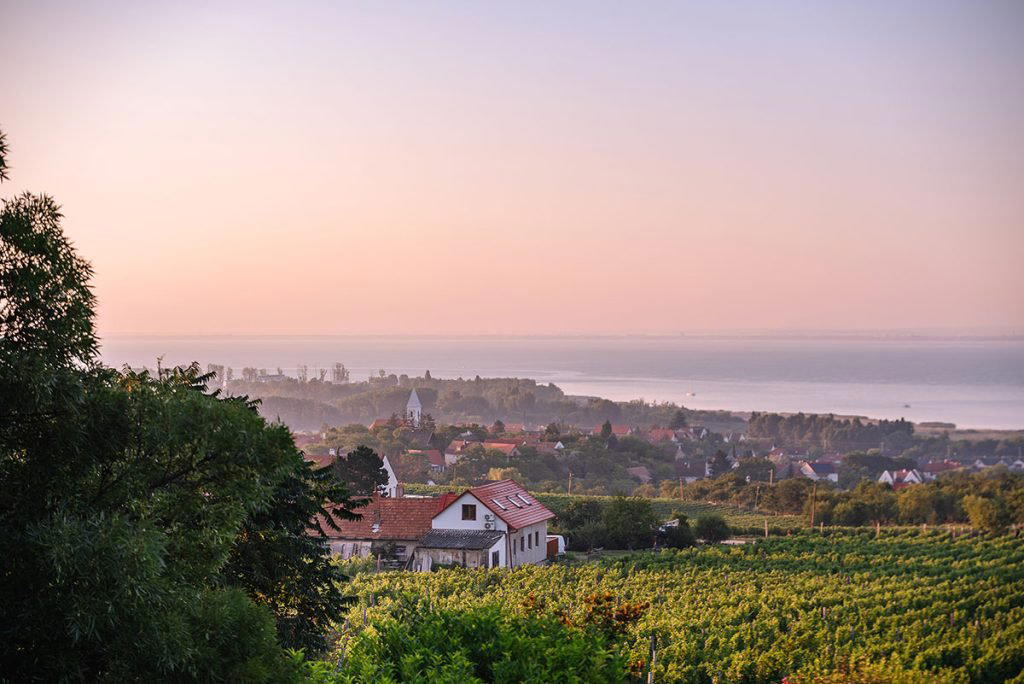
Balaton's Northern Shore: A Wine Terrain Built by Volcanoes
The northern shoreline of Lake Balaton is not where most wine drinkers expect to find some of Hungary's more compelling white wines. Tokaj absorbs the international attention, its Aszú bottles travelling to auction houses and collector cellars worldwide. But the Balaton-felvidéki wine region operates on a different register entirely, cooler, shaped by ancient volcanic geology, and producing whites that carry a mineral edge rather than the honeyed oxidative character associated with botrytised styles. Paloznak, a small village of a few hundred residents, sits within this zone where the lake's reflective surface modulates temperature and basalt-origin soils deliver a textural signature to the wines that no winemaker can entirely engineer away.
It is a winery in Paloznak, Hungary. For visitors building a serious itinerary around Hungarian wine, that distinction matters: it suggests a producer operating above the baseline of the region's many family cellars, even if the village-scale setting keeps the atmosphere firmly grounded.
What the Soil Says: Basalt, Lake Influence, and the Balaton-Felvidéki Terroir Argument
The case for the Balaton-felvidéki region rests substantially on geology. The Tapolca Basin, which extends toward the western end of the lake, is ancient volcanic country, the cone-shaped hills visible from the shoreline are remnant basalt formations rather than the rolling loess profiles that dominate Hungary's other wine zones. Basalt-origin soils drain well and retain heat, but they also introduce a mineral character to wines grown on them that tends to read as slate-like or saline depending on the grape variety and the winemaker's choices about maceration and oak contact.
Paloznak sits at the eastern end of this volcanic arc, where the geology begins to shift toward the clay-limestone profiles more common to the eastern Balaton shores. The wines produced here therefore tend to occupy an interesting middle position: they carry the brightness and acidity that the lake's proximity encourages, the water body creates a frost buffer in spring and moderates summer heat, while also showing the structural grip associated with the volcanic soils further west. For white varieties such as Olaszrizling and Furmint, which are the benchmark grapes of this shoreline, that combination of acidity, mineral weight, and moderate alcohol produces wines that read better at the table than on their own, a characteristic that serious wine audiences tend to reward over time.
Homola Pincészet in the Balaton Producer Tier
Hungarian wine production outside Tokaj has reorganised considerably over the past two decades. The post-communist transition period left the industry with a legacy of volume-oriented cooperatives and underdeveloped infrastructure, and the generation of producers who rebuilt the sector from the 1990s onward mostly focused on establishing basic quality floors. The current generation is doing something more nuanced: differentiating by site, by variety, and increasingly by winemaking philosophy, in ways that allow individual producers to step out of the regional collective and be assessed on their own terms.
Peer producers around Balaton include wineries whose work is now tracked by Hungarian critics and international importers alike. For visitors who want to benchmark Homola against estates with longer export histories, the comparison set extends toward Béres Winery in Erdőbénye and Babarczi Winery in Győr, both of which have navigated similar questions about regional identity versus national quality positioning. The Tokaj producers, Disznókő in Mezőzombor, Royal Tokaji in Mád, Tokaj Hétszőlő, Tokaj Oremus in Tolcsva, and Árvay Winery in Rátka, operate in a different denominational frame entirely, but they set the quality ceiling that all Hungarian producers now operate beneath.
The Village Setting and What It Means in Practice
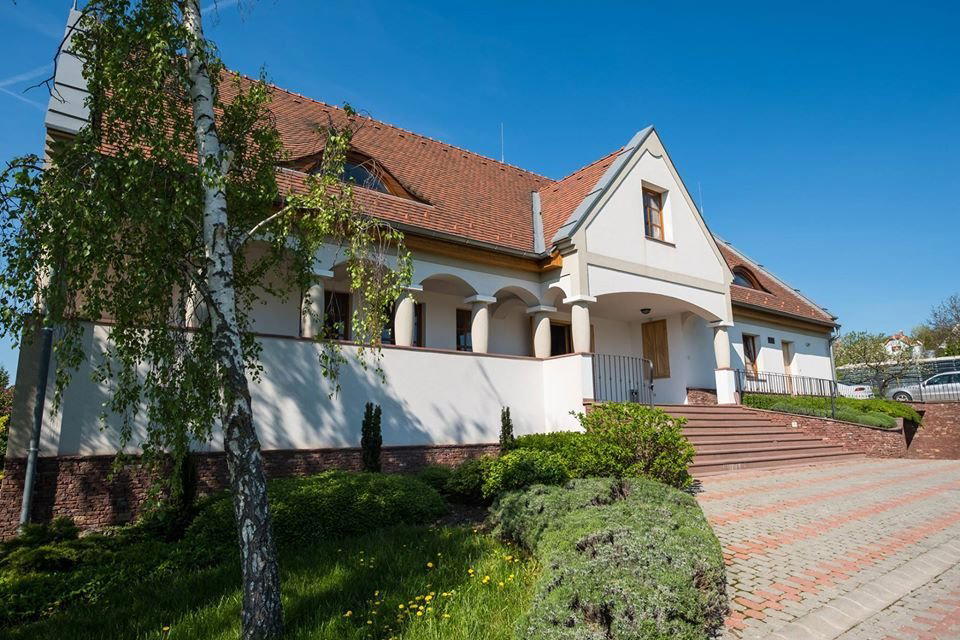
Arriving in Paloznak requires a conscious decision to leave the busier tourist infrastructure of Balatonfüred or Tihany behind. The village is small enough that the winery address, Vincellér utca, the vineyard lane, describes the immediate agricultural character of the surroundings as much as it provides navigation. This is a working wine village, not a wine tourism destination built around hospitality infrastructure, and visitors who arrive expecting the polished cellar-door experience of, say, Napa's Highway 29 route will find something considerably more modest in presentation.
That modesty, in the context of the Balaton wine region, is not a deficiency. The producers operating at this scale tend to invest their resources in vineyard management and cellar work rather than visitor architecture, and the wines themselves are often the clearest evidence of that priority. Advance arrangement is recommended rather than an unannounced arrival.
Placing Balaton in the Wider European Wine Argument
Balaton-felvidéki wines are increasingly discussed alongside other European regions where volcanic geology is the defining narrative, the Canary Islands, Santorini, parts of the Jura, and sections of the Mosel where slate profiles dominate. What these regions share is a soil character that interrupts the ripeness-first logic of warmer climates and produces wines that reward patience and food context rather than immediate hedonism. In that sense, the wines emerging from the northern Balaton shore are participating in a wider critical conversation about what European whites can achieve when the argument moves away from oak and extraction toward site expression and structural tension.
For visitors with reference points outside Hungary, the comparison to producers like Abadía Retuerta in Sardón de Duero, which operates in a similarly defined terroir-first register despite sitting in a different country and variety set, offers a frame for understanding the ambition behind the Balaton prestige tier. The differences are significant, but the underlying logic of place-over-variety is consistent. Even a reference as distant as Aberlour in Speyside, where a single geographic designation carries the weight of quality expectation, illustrates how strongly rooted identity functions in the premium tier of any drinks category.
That is precisely the condition under which regional wine reputations are built, not from within established hierarchies, but from the edges, where the soil and the climate are doing the talking.
Comparable Venues
Comparable venues nearby, for context on price, style, and recognition.
| Venue | Cuisine |
|---|---|
| Homola PincészetThis venue — the venue you are viewing | Paloznak, Olaszrizling, Kékfrankos |
| Gálné Dignisz Éva Winery | Winery |
| Szent Donát Winery | Csopak, Olaszrizling, Kékfrankos |
| Sebestyén Winery | Szekszárd, Kékfrankos, Kadarka |
| Varga Pincészet | Badacsony, Olaszrizling, Kéknyelű |
| Gilvesy Winery | Hegymagas, Olaszrizling, Riesling |
Continue exploring
More in Paloznak
Wineries in Paloznak
Browse all →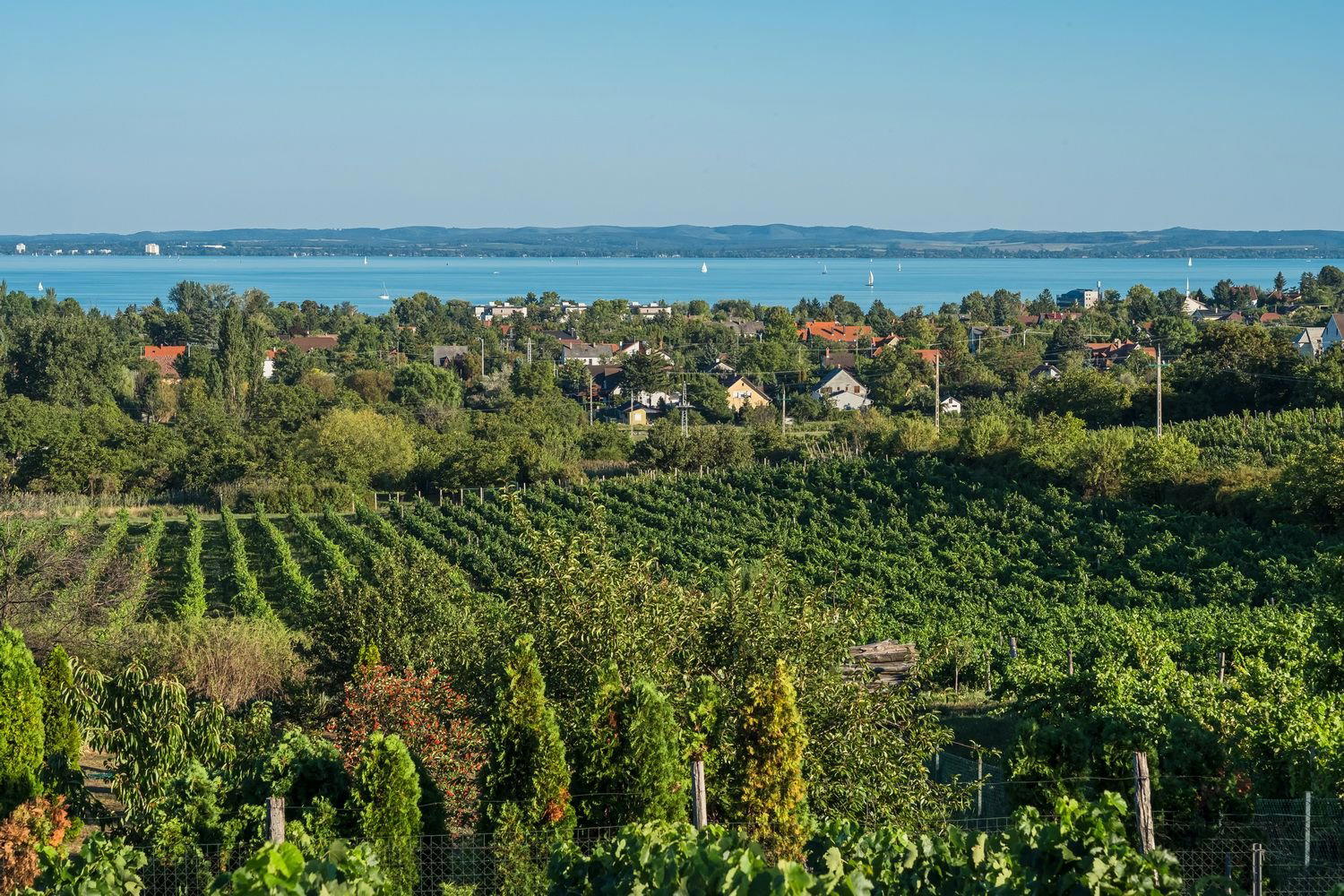
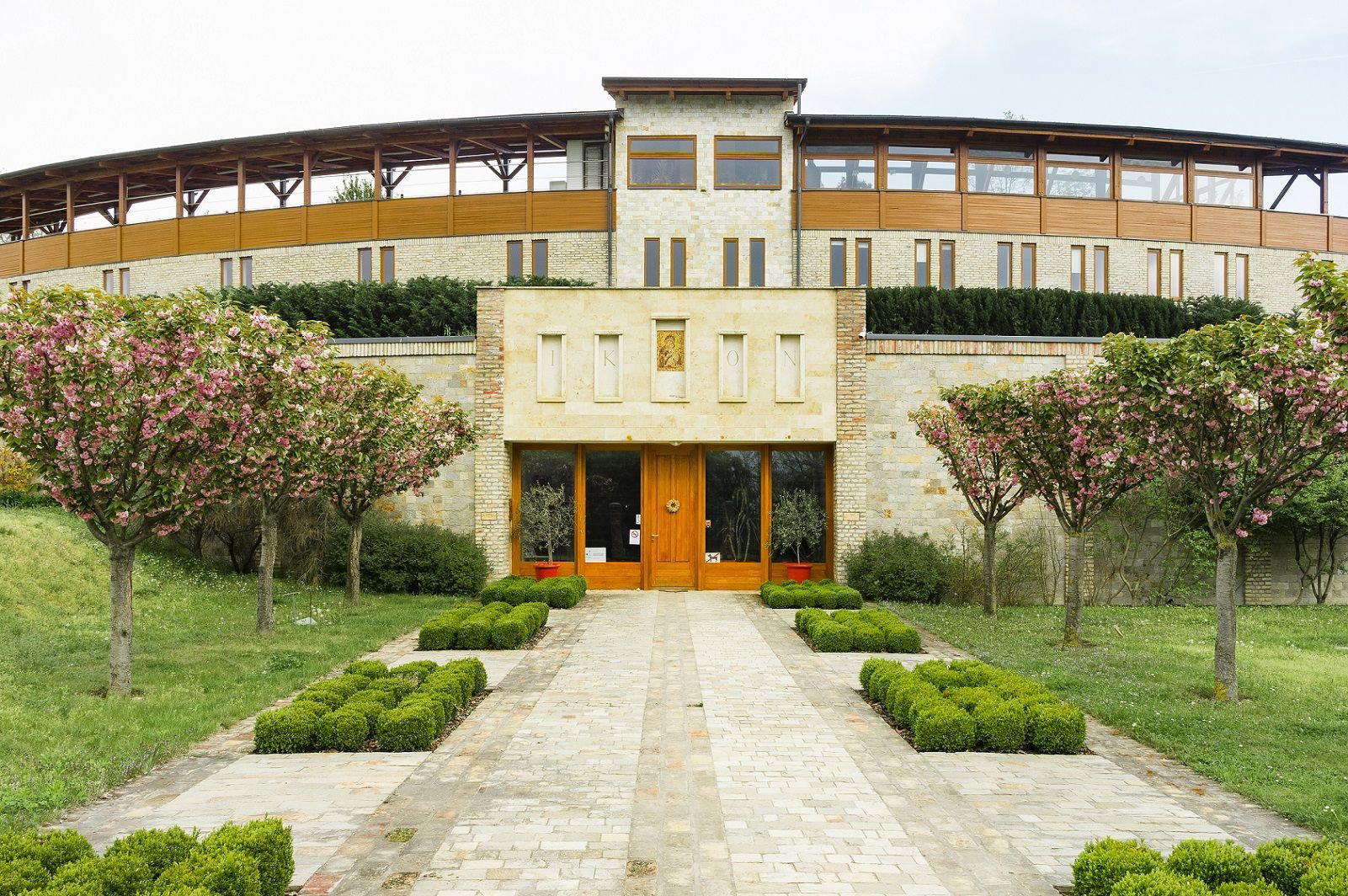
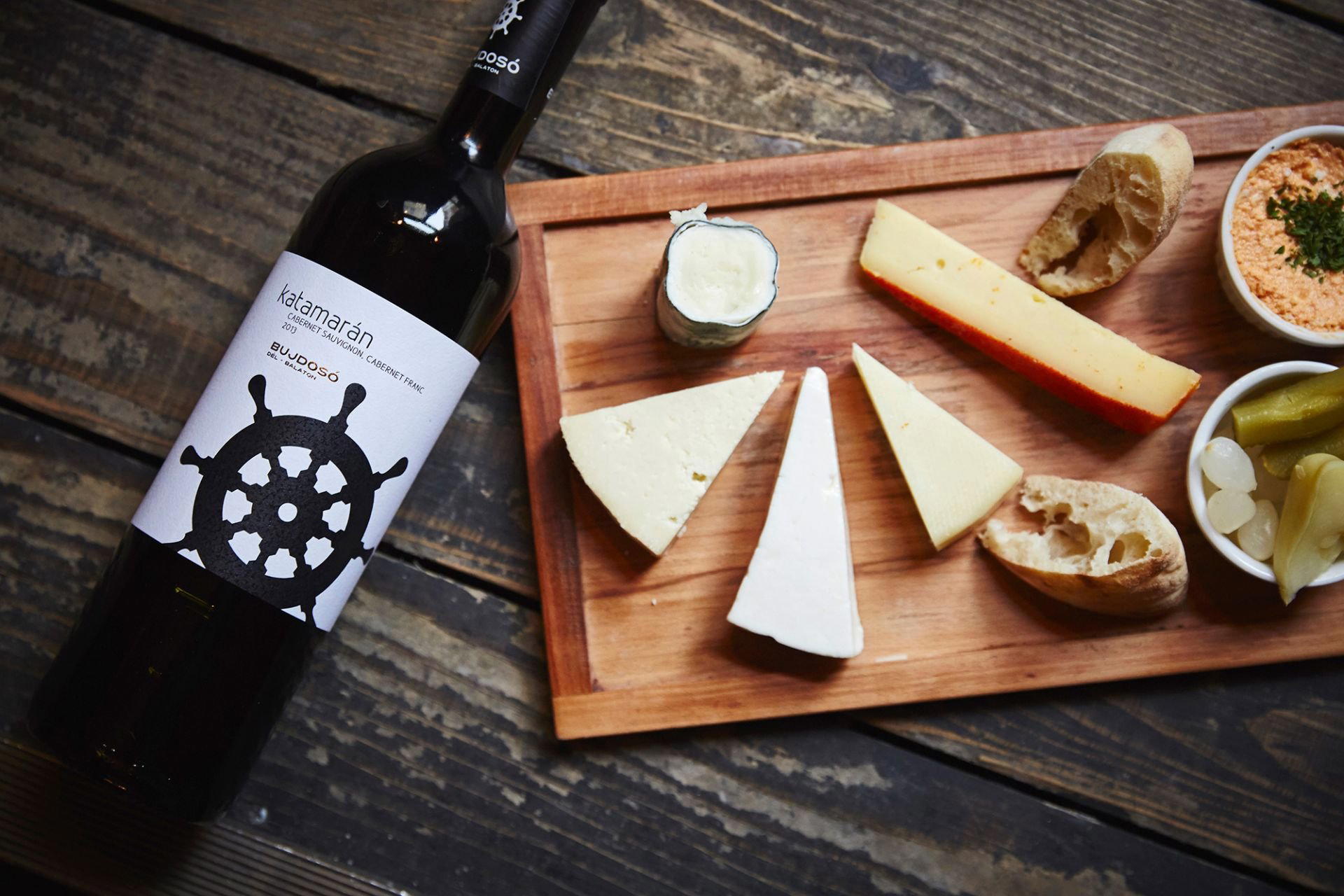
Restaurants in Paloznak
Browse all →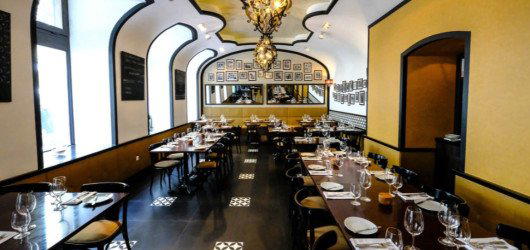
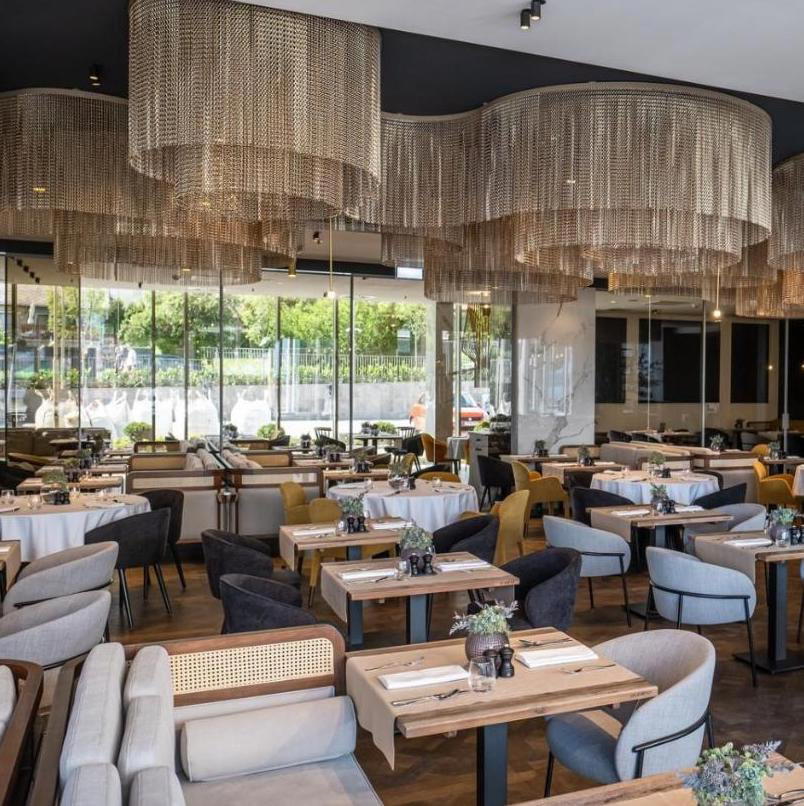
At a Glance
- Rustic
- Scenic
- Cozy
- Intimate
- Solo Exploration
- Wine Education
- Romantic Getaway
- Vineyard Tour
- Estate Grounds
- Terrace
- Panoramic View
- Organic
- Vineyard
- Balatonfüred Csopak
- Olaszrizling
- Kékfrankos
- Sauvignon Blanc
- Cabernet Franc
- Syrah
- Furmint
- Still White
- Still Red
- Sparkling
- Wine Tasting
- Private Tasting
Current opening hours
- Monday
- Closed
- Tuesday
- Closed
- Wednesday
- Closed
- Thursday
- Closed
- Friday
- 12–8 PM
- Saturday
- 12–8 PM
- Sunday
- 12–6 PM
Hours can change for holidays and private events. Last verified .
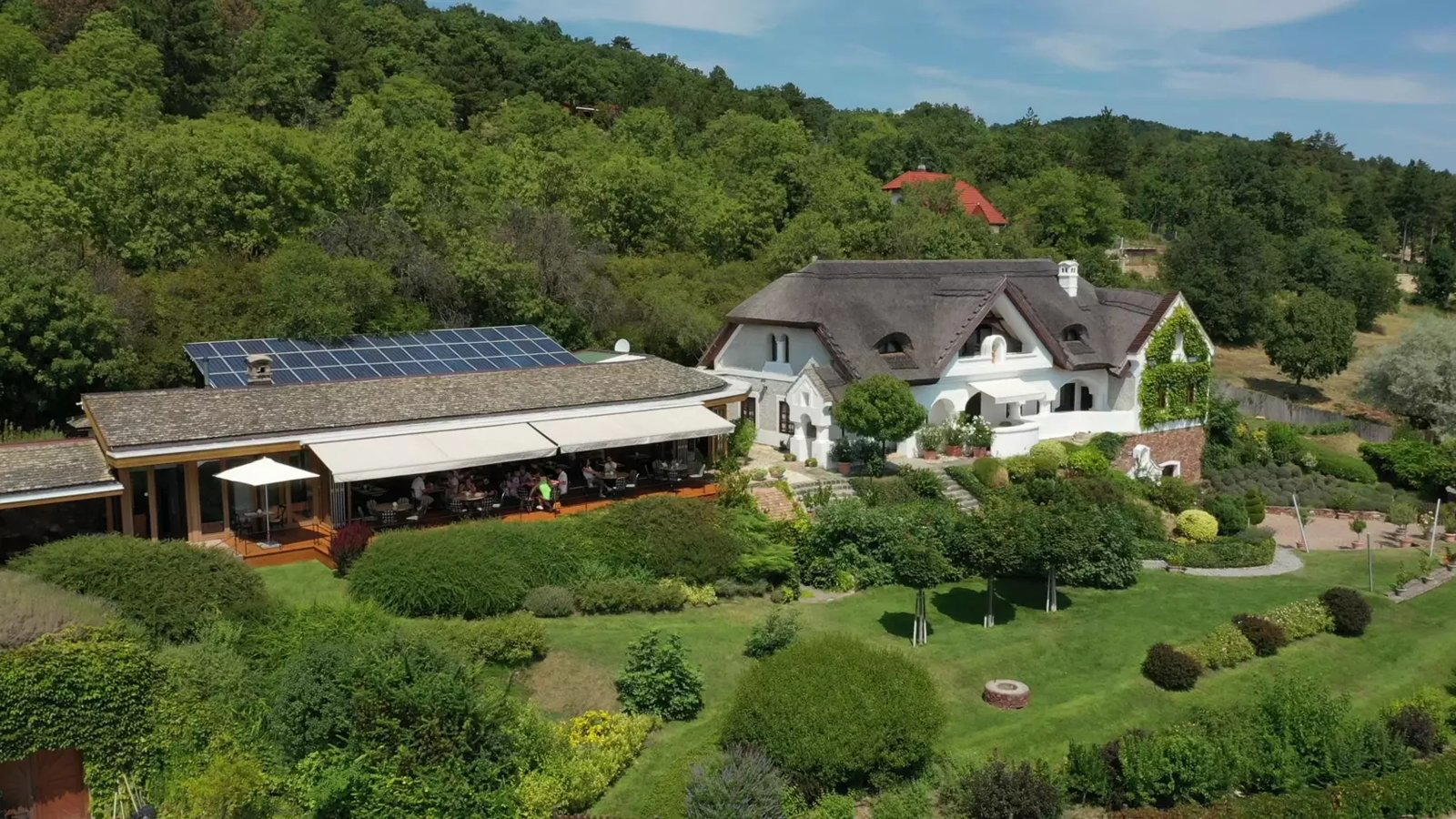
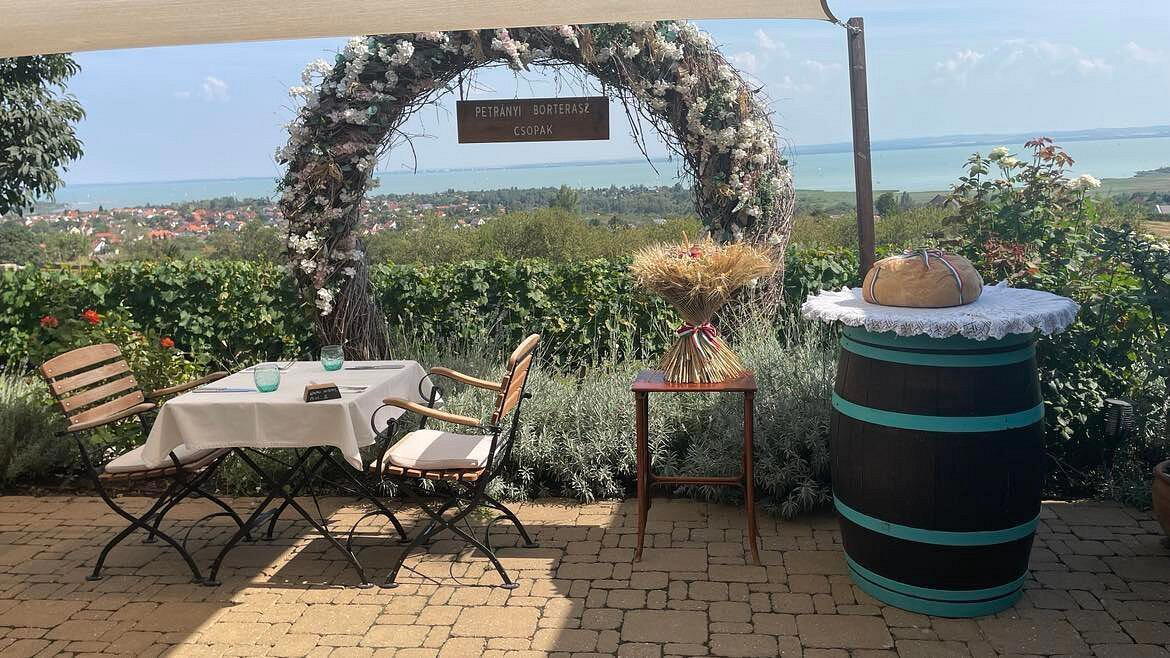
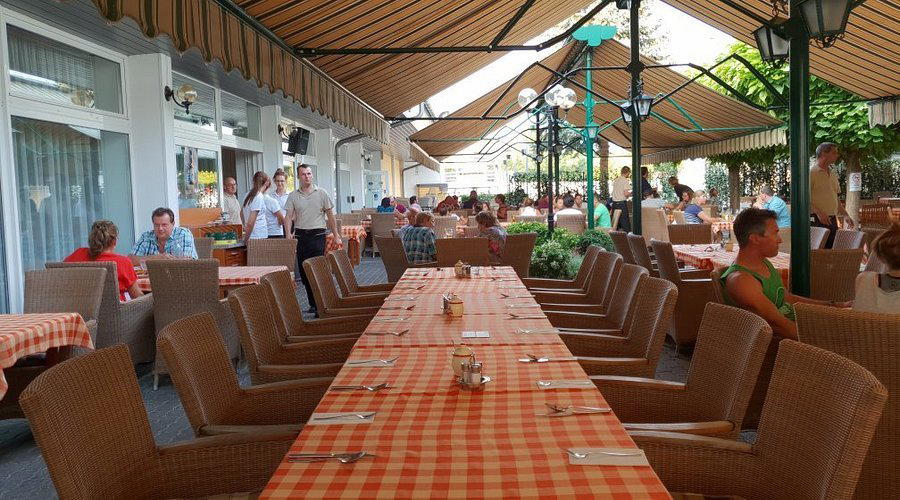
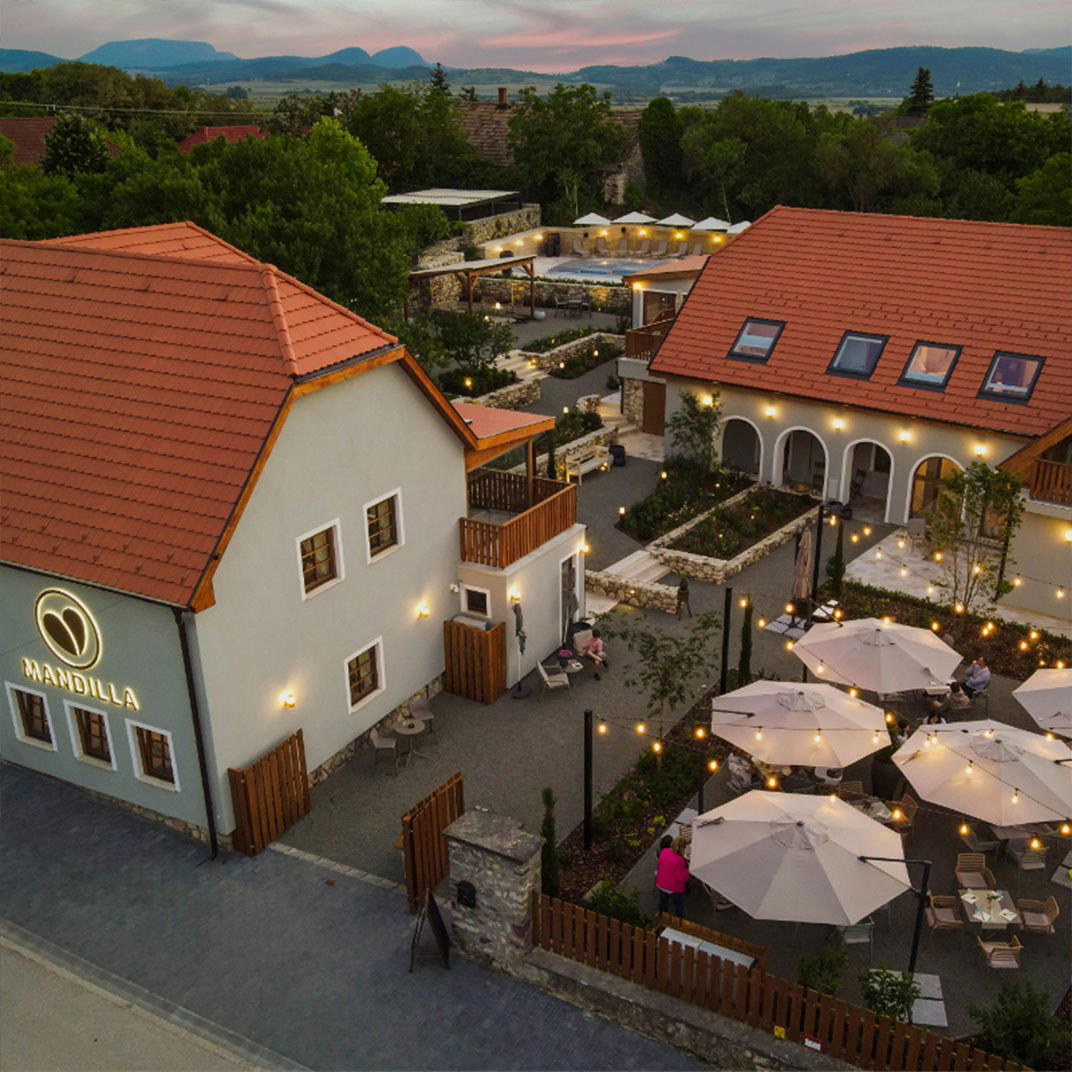
Relaxed chillout vibes on the scenic terrace with vineyard and lake backdrop, well-suited for casual sipping and conversation.