Google: 4.5 · 63 reviews
MÖRWALD "Toni M."

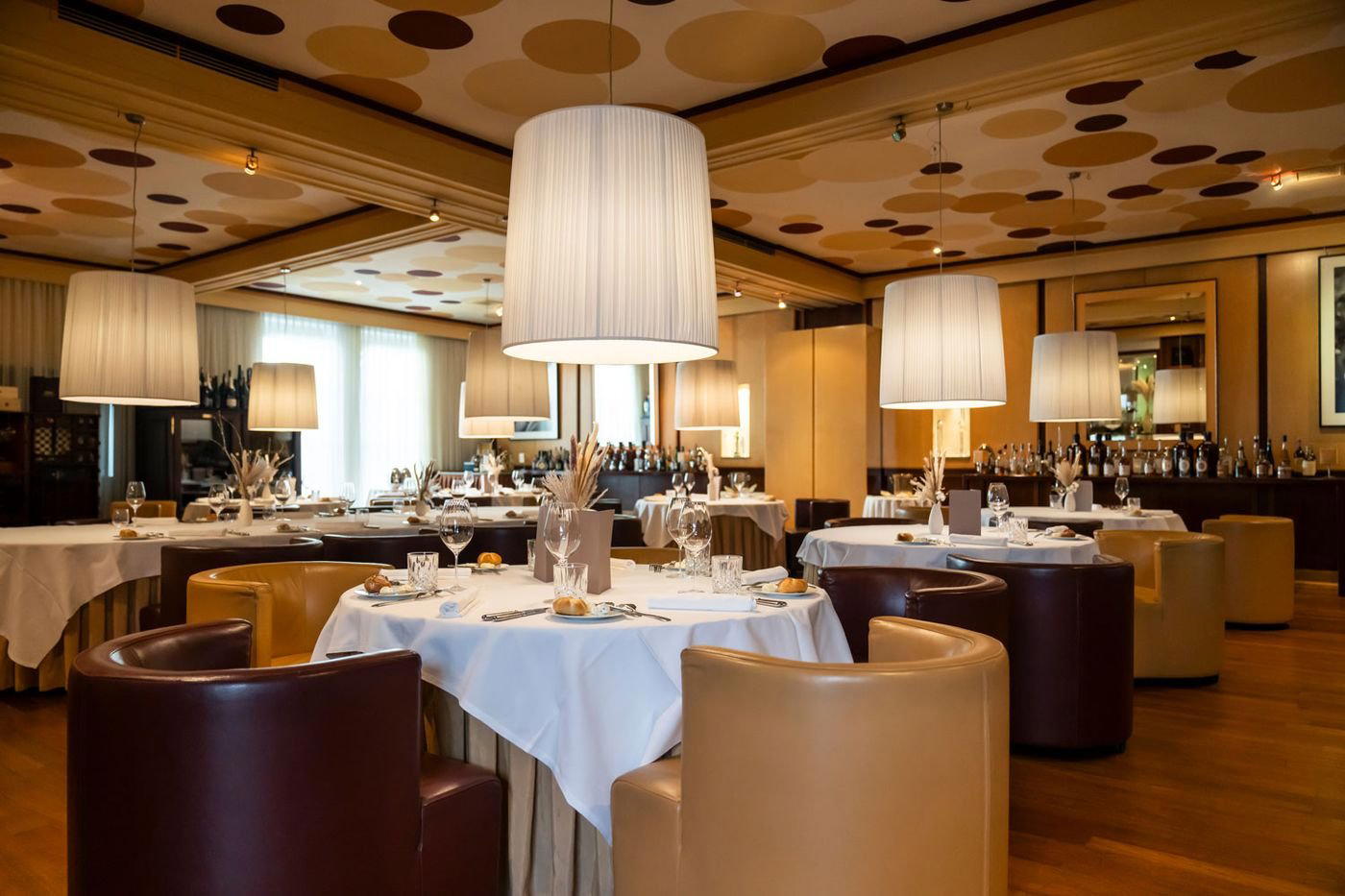
In the Wagram wine country of Lower Austria, MÖRWALD "Toni M." occupies a place within the broader Mörwald restaurant group, a family operation that has long oriented itself around the produce and wines of the Danube corridor. The address in Grafenworth puts it squarely in agricultural terrain where sourcing is proximity, not philosophy — the fields and vineyards that supply the kitchen are measurable distances away.
 Discover on Pearl
Pearl is the En Primeur Club membership app — saves, bookings, and concierge access live there. Same editors, same standards.
Danube Wine Country and the Logic of Proximity Sourcing
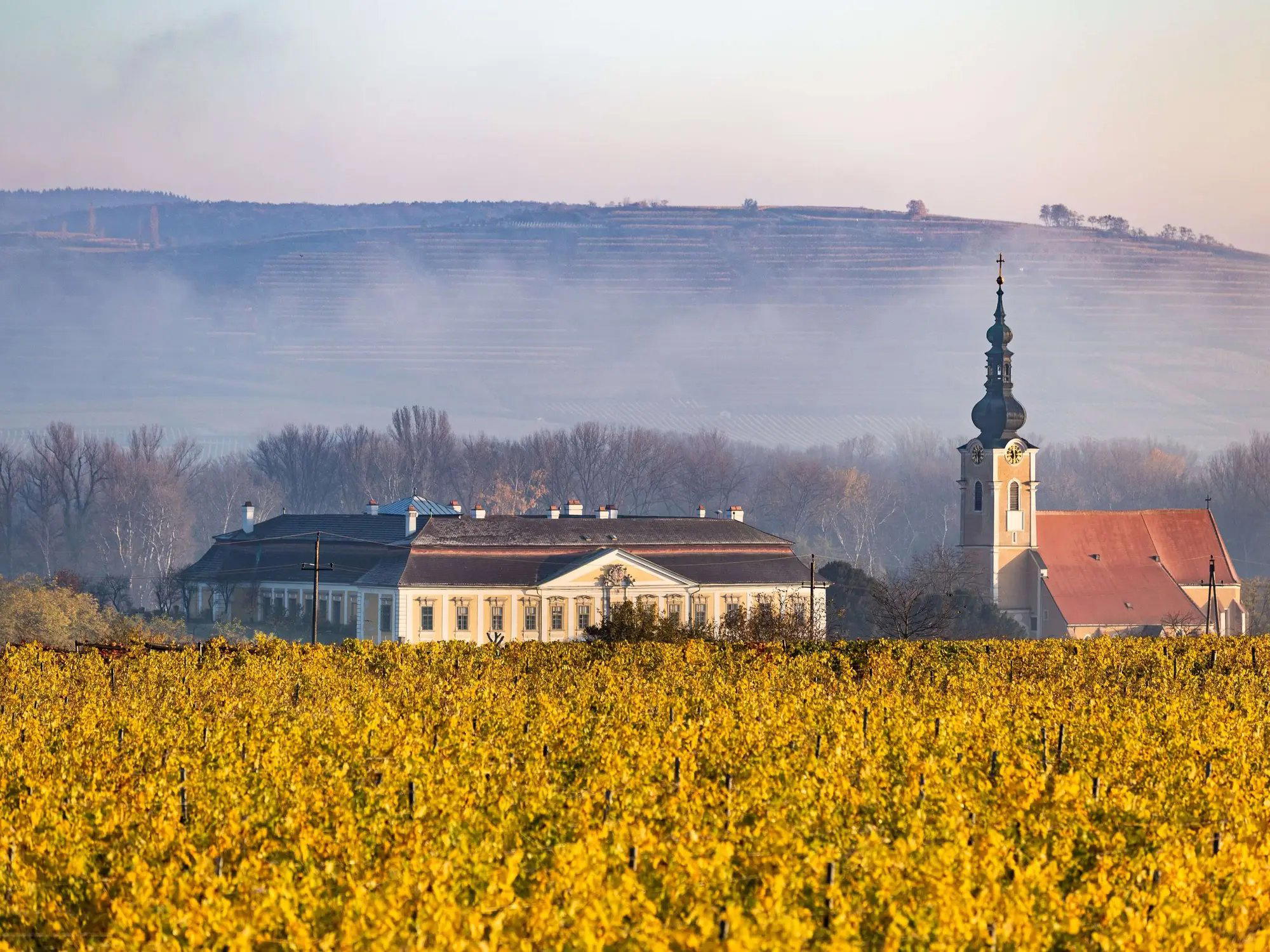
Lower Austria's Wagram wine region doesn't generate the international attention of the Wachau immediately downstream, but among Austrian producers and serious diners it carries a distinct identity: deep loess soils, Grüner Veltliner with body rather than steely nervosity, and a food culture that has always tied itself to the river corridor's agricultural output. Grafenworth sits inside this corridor, a small market town where the surrounding land is predominantly vineyard and market garden rather than tourist infrastructure. That context matters when assessing what a restaurant like MÖRWALD "Toni M." represents: this is not a destination address that imports its produce identity from elsewhere and applies it as a concept. The sourcing logic here is geographic necessity as much as it is culinary intention.
The Mörwald name is one of the more established in Lower Austrian hospitality, associated with multiple properties across the region and a longstanding relationship with Wagram-area viticulture. For broader context on the tier of Austrian dining that carries this kind of multi-generational regional weight, Landhaus Bacher in Mautern an der Donau offers a useful comparison point: another Danube-corridor address where the relationship between kitchen and local landscape has been decades in the making. The two operate in overlapping territory, geographically and in terms of the dining tradition they draw from, though they serve different market positions within it.
What the Setting Communicates
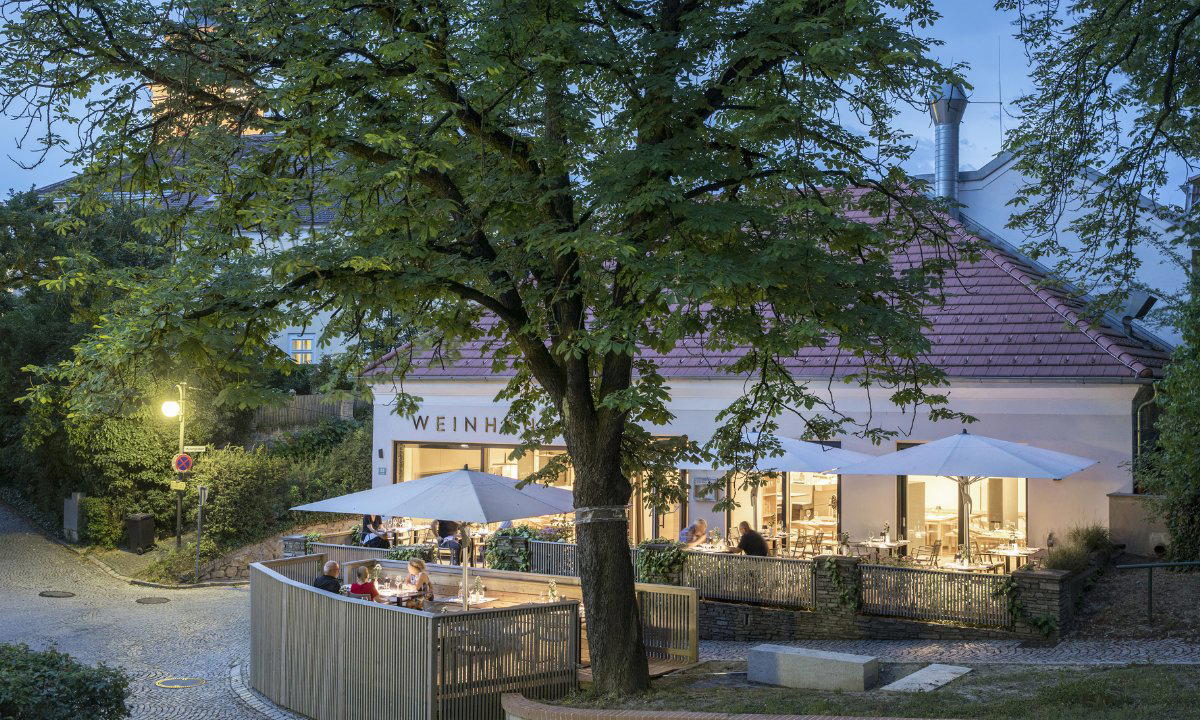
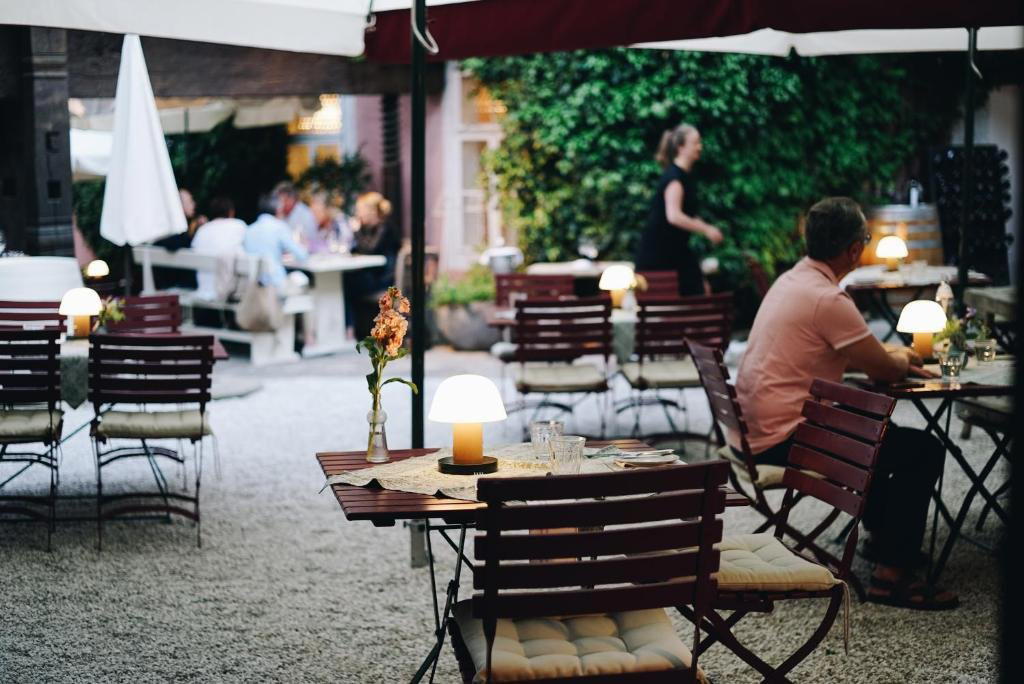
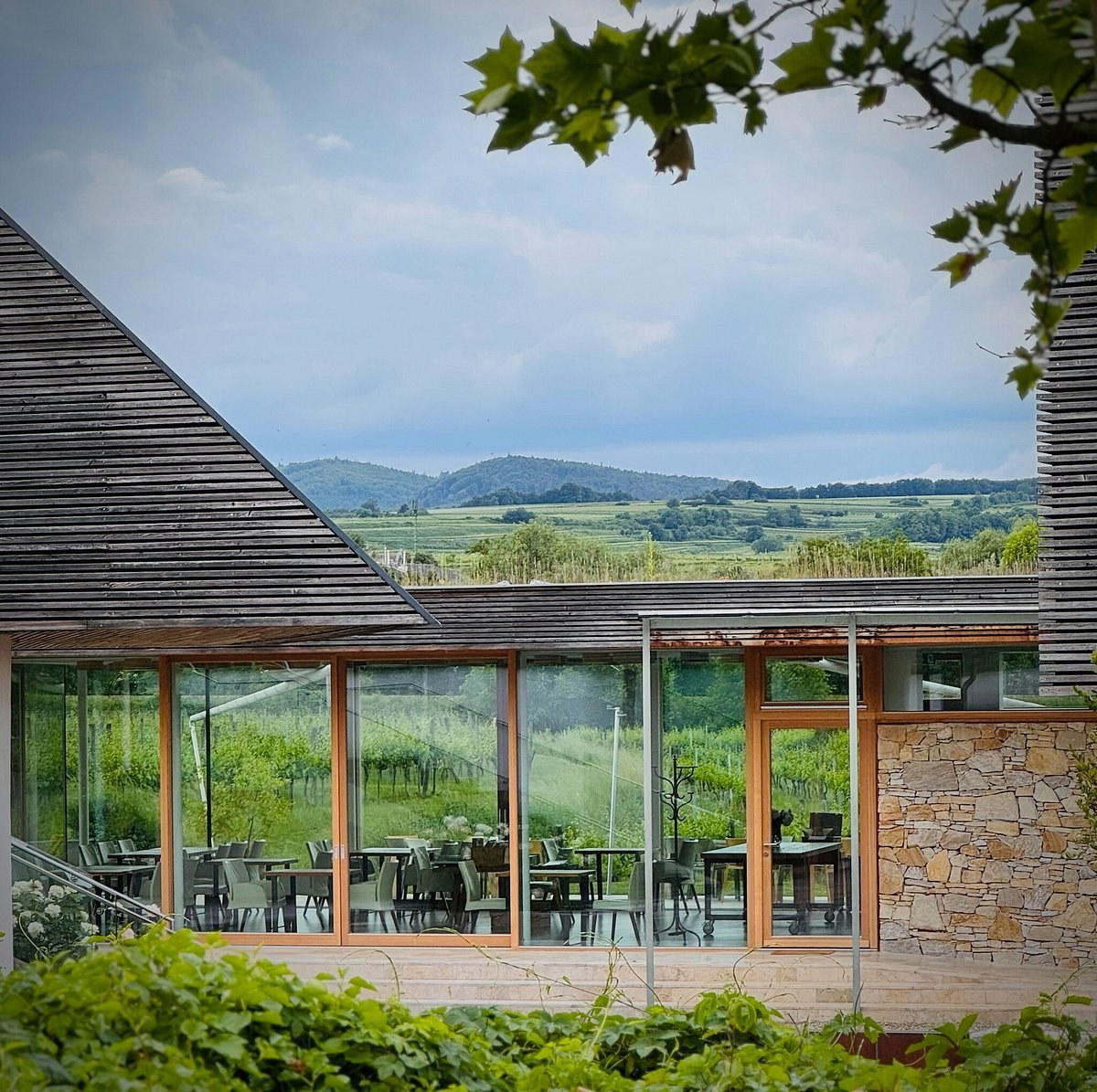
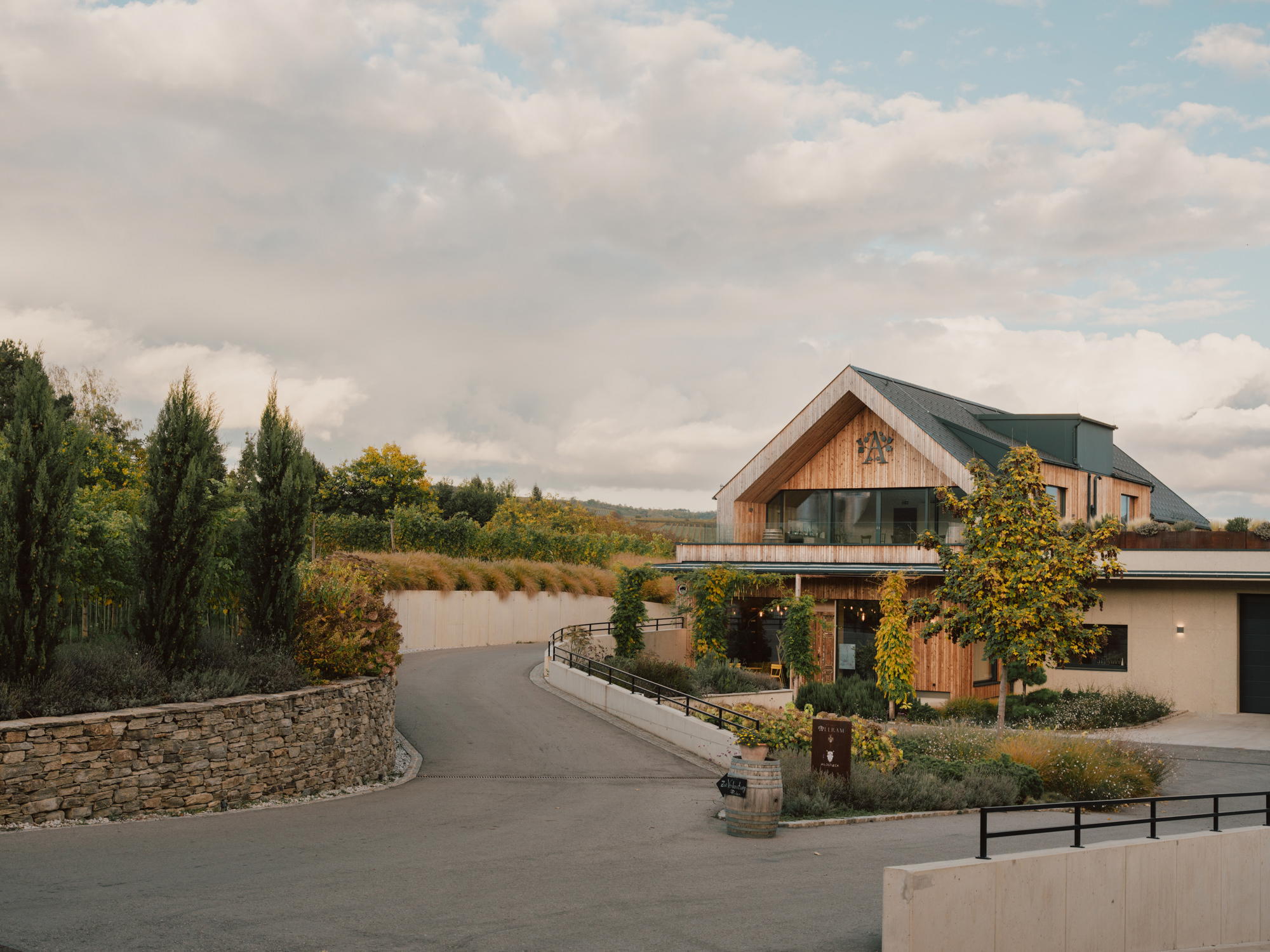
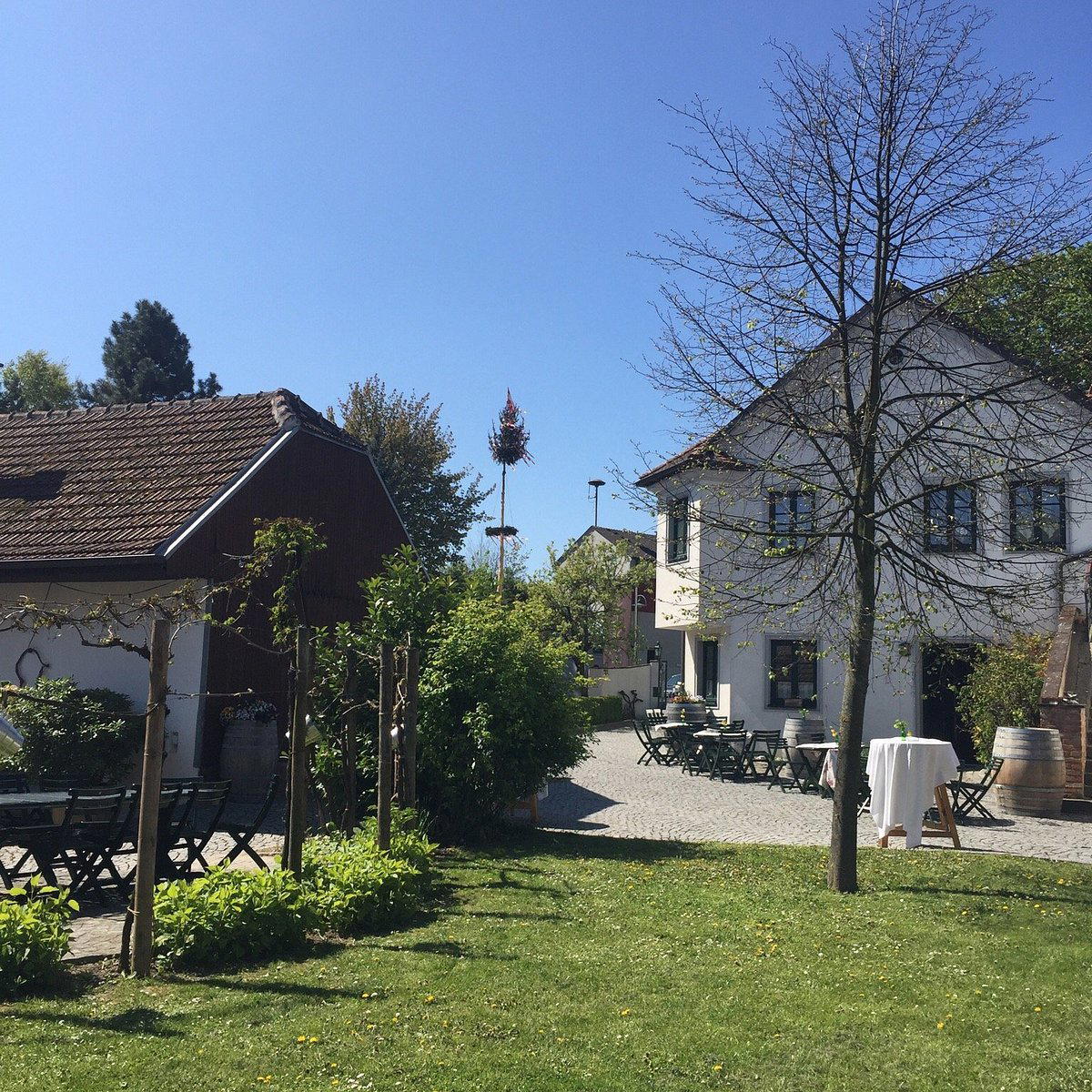
Arriving at the Kleine Zeile address in Grafenworth, the physical setting signals something specific about the Austrian regional dining model. This is not an urban destination restaurant running on the energy of a metropolitan food scene. The quietness is structural: the valley light, the vineyard sightlines, the absence of the street-level noise that frames a dinner in Vienna or Salzburg. Austrian regional fine dining has developed a particular grammar around this kind of setting, one where the environment outside the window is expected to correlate with what arrives on the plate. The expectation is that the gap between field and kitchen is short — that the seasonal calendar of the Wagram is the seasonal calendar of the menu.
That grammar is something Taubenkobel in Schützen am Gebirge has pursued with particular rigour in Burgenland, and Kräuterreich by Vitus Winkler in Sankt Veit im Pongau applies through a herb-and-alpine-produce framework further west. Each of these addresses operates on the same underlying logic: the region's agricultural and culinary identity is the content of the dining experience, not its backdrop.
Ingredient Sourcing as the Central Argument
In Austrian regional restaurants of this type, the sourcing conversation is inseparable from the wine question. Wagram Grüner Veltliner — fuller in body, lower in the sharp herbal edge of Kamptal examples , pairs differently than many sommeliers schooled on Wachau or Vienna references expect. A kitchen that sources locally in the Wagram is also making an implicit argument about wine: that the regional style, often underestimated in international markets, is the correct frame for the food coming out of it. The Mörwald group's long association with local producers positions the wine program at "Toni M." within that argument rather than defaulting to an international list built around prestige labels.
This is a notably different approach from what you encounter at the Austrian restaurants that have most successfully broken into international recognition. Steirereck im Stadtpark in Vienna operates at a scale and with a sourcing network that spans the entire country, its producers sourced across Austria's diverse agricultural zones. Döllerer in Golling an der Salzach frames its sourcing through a mountain-and-valley Alpine lens rather than a river-plain one. The Wagram's flatter, warmer agricultural logic produces different ingredients , stone fruits, root vegetables, grain, the loess-grown vine , and a kitchen operating within that geography works with a different palette.
For readers who want to understand how Austrian regional fine dining distributes across the country, our full Grafenworth restaurants guide maps the local options, while addresses like Obauer in Werfen, Ikarus in Salzburg, and Gourmetrestaurant Tannenhof in Sankt Anton am Arlberg illustrate how differently the same national tradition plays out across different regional contexts. Further afield, Griggeler Stuba in Lech, Stüva in Ischgl, and Schwarzer Adler in Hall in Tirol show the Alpine Tyrolean variant, while Restaurant 141 by Joachim Jaud in Mieming and Ois in Neufelden represent newer voices in the Austrian regional conversation. Urban counterparts include Artis in Graz, and for a lake-region perspective, Atelier Fischer in Sankt Gilgen is worth noting.
Planning a Visit
Grafenworth is accessible by car from Vienna in under an hour, sitting northwest of the city along the Danube corridor toward Krems. The address , Kleine Zeile 13/17, 3483 , places the restaurant within the village proper rather than on an isolated estate, which is consistent with the Lower Austrian tradition of integrating gastronomy into existing settlement fabric rather than building destination compounds outside it. Given the Mörwald group's profile in Austrian hospitality circles, reservations for weekend service warrant advance planning; the restaurant is not a spontaneous walk-in proposition at peak periods. Visitors combining this address with a broader Wagram or Wachau itinerary will find it sits sensibly within a day's circuit that might also include visits to local wine producers.
The comparison set for a meal here runs through Austrian regional addresses rather than toward the tasting-menu formalism of city fine dining. If your reference points are technically rigorous international programs like Le Bernardin in New York City or Atomix in New York City, the frame shifts considerably: what "Toni M." represents is a different kind of ambition, one rooted in place and producer relationships rather than in the construction of a globally legible fine dining language.
Peer Set Snapshot
These are the closest comparables we have in our database for quick context.
| Venue | Cuisine | Price | Awards | Notes |
|---|---|---|---|---|
| MÖRWALD "Toni M." | This venue | |||
| Steirereck im Stadtpark | Creative | €€€€ | Michelin 3 Star | Creative, €€€€ |
| Döllerer | Contemporary Austrian, Innovative | €€€€ | Michelin 2 Star | Contemporary Austrian, Innovative, €€€€ |
| Ikarus | Modern European, Creative | €€€€ | Michelin 2 Star | Modern European, Creative, €€€€ |
| Konstantin Filippou | Modern European, Modern Cuisine | €€€€ | Michelin 2 Star | Modern European, Modern Cuisine, €€€€ |
| Landhaus Bacher | Austrian, Classic Cuisine | €€€€ | Michelin 2 Star | Austrian, Classic Cuisine, €€€€ |
Continue exploring
More in Grafenworth
Restaurants in Grafenworth
Browse all →
Hotels in Grafenworth
Browse all →
At a Glance
- Elegant
- Sophisticated
- Romantic
- Special Occasion
- Business Dinner
- Celebration
- Wine Cellar
- Garden
- Terrace
- Hotel Restaurant
- Private Dining
- Extensive Wine List
- Sommelier Led
- Local Sourcing
- Vineyard
- Garden
Modern elegant setting with refined service standards befitting a Michelin-level establishment, featuring wine-focused dining experiences in a contemporary Austrian gourmet context.