Weingut Arndorfer

Falstaff Winery - 3 Stars
Weingut Arndorfer is a Kamptal winery in Straß im Straßertale, Austria. The estate operates within one of Lower Austria's most closely watched natural wine circuits, where low-intervention viticulture and terroir fidelity have become the dominant mode. For visitors seeking serious Austrian white wines with documented critical standing, Arndorfer is a logical reference point in the region.

Pearl is the En Primeur Club membership app, where members save venues, book tables and use the concierge.
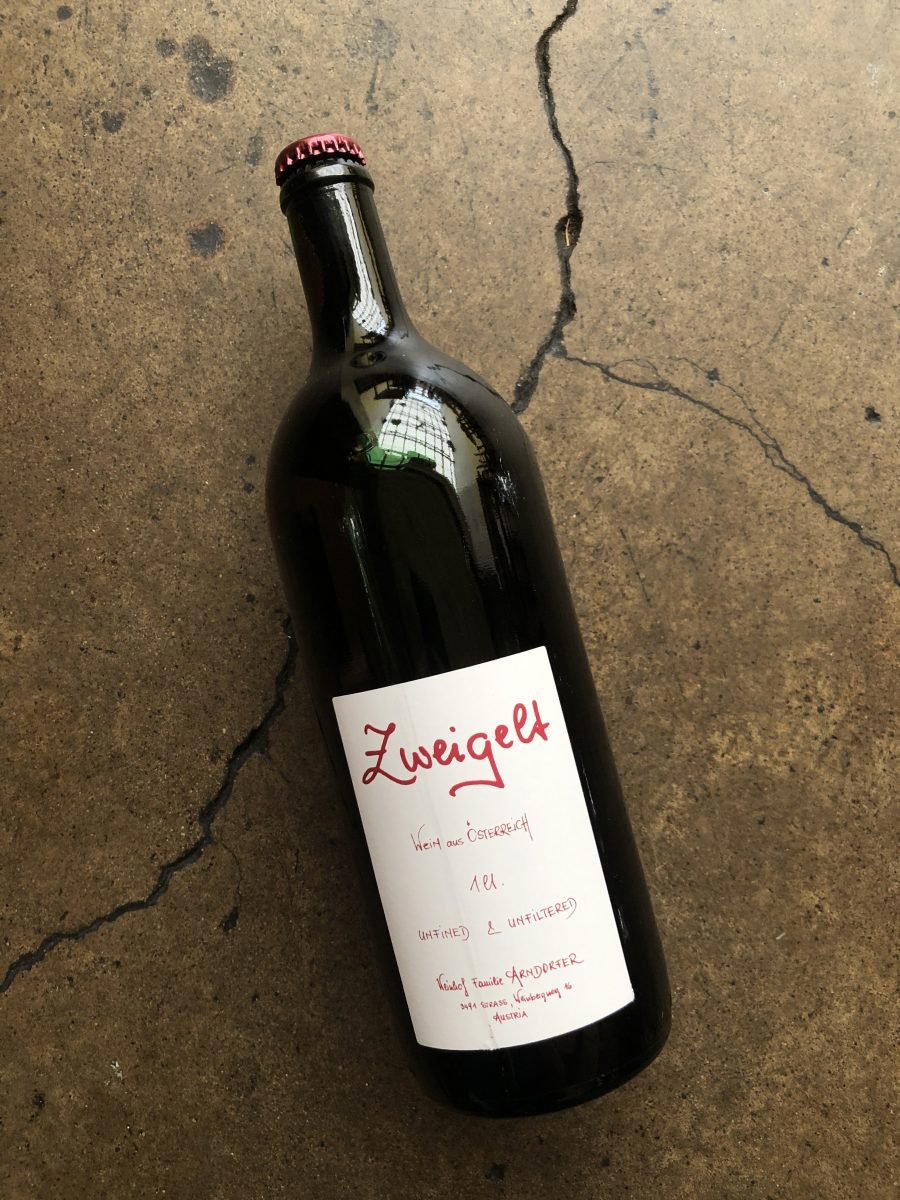
Kamptal's Natural Wine Circuit and Where Arndorfer Sits Within It
The Kamptal wine region in Lower Austria has, over the past two decades, split into two recognisable camps. On one side sit the established grand cru producers, estates like Weingut Bründlmayer in Langenlois and Weingut Emmerich Knoll in Dürnstein, whose reputations rest on decades of Riesling and Grüner Veltliner from classified single vineyards. On the other sits a younger cohort that has drawn international attention precisely by departing from that template: lower sulphur, skin contact, spontaneous fermentation, and a deliberate push toward wines that carry more microbial texture than polished fruit. Weingut Arndorfer, based in the small village of Straß im Straßertale, belongs firmly to this second group and has become one of its most cited addresses.
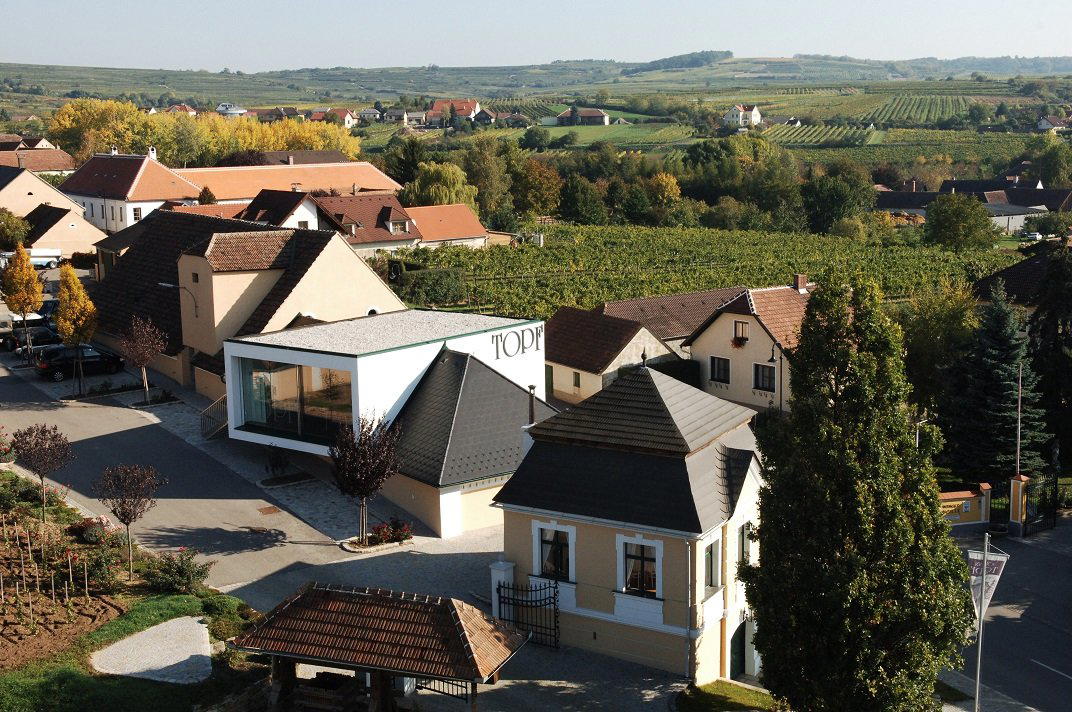
Straß im Straßertale sits in the southern Kamptal, a short distance from Langenlois, and its vineyards share the same combination of loess, primary rock, and continental climate that defines the region's leading sites. What differs at this end of the appellation is the density of small, independently minded producers who have used that shared geology to make wines that deliberately resist the classical Kamptal house style. The village, by Austrian wine standards, punches considerably above its population. Weingut Allram and Weingut Johann Topf are both based here, and the concentration of serious producers within a single village is high enough that Straß functions almost as a sub-cluster within the broader Kamptal narrative. See our full Straß im Straßertale restaurants and producers guide for a broader picture of what the village offers.
The Philosophy Behind Low-Intervention Kamptal Winemaking
Austrian natural wine, as a category, gained its international profile through a specific combination of factors: the country's existing strength in aromatic whites, a generation of producers trained in classical cellars who then chose to question those methods, and early export attention from wine writers in Germany, the United Kingdom, and the United States. The Kamptal was not the only region involved, Burgenland producers like Weingut Pittnauer in Gols and the Pannonian-influenced estates of the east contributed their own strand, but the combination of top-tier white wine terroir and a willingness to experiment made the Kamptal a central address for anyone tracking the movement.
What distinguishes the Arndorfer approach, as it is understood within this circuit, is a commitment to working with the grape varieties and sites that define the Kamptal while refusing to stabilise or homogenise the results. Grüner Veltliner and Riesling remain the foundation, as they do across the region, but the processing decisions taken between harvest and bottle produce wines that read differently from their conventionally made counterparts: more oxidative in some cases, more phenolic, with a fermentation signature that stays visible in the glass rather than being polished out. This is not a universal preference among wine drinkers, but within the audience that has come to associate the Arndorfer name with a specific kind of intellectual honesty about process, it is exactly the point.
The broader context for this approach is worth stating plainly. Low-intervention winemaking carries genuine risk: inconsistency between vintages, occasional faults, and wines that can polarise even experienced tasters. The producers who have built lasting reputations within the style have done so not by eliminating those risks but by managing them with enough skill that the results remain coherent across years.
Arndorfer's Position in Austria's Wider Premium Wine Map
To understand where Arndorfer sits commercially and critically, it helps to map it against the breadth of Austrian premium wine production. The country's wine identity remains anchored in a handful of regions: the Wachau and Kamptal for whites, Burgenland for reds and sweet wines, and Styria for aromatic, high-acid whites from producers like Weingut Wohlmuth in Kitzeck. Within that map, the natural wine producers of the Kamptal occupy a specific niche: they are taken seriously by the critical establishment, evidenced by formal award recognition, but operate outside the allocation-driven, collector-focused market that surrounds estates like Weingut Kracher in Illmitz at the top of the Burgenland sweet wine category.
Arndorfer's wines circulate primarily through specialist importers in export markets, wine bars with a deliberate natural wine focus, and direct sales to visitors at the estate. That distribution model is consistent with how similarly positioned producers, Weingut Heinrich Hartl in Oberwaltersdorf operates in a comparable niche, reach their audience. The estate is not competing for shelf space at international hotel groups or airport retail. It is competing for the attention of a specific kind of wine buyer who already knows what they are looking for and is willing to travel to the source to find it.
Visiting Straß im Straßertale: What the Experience Involves
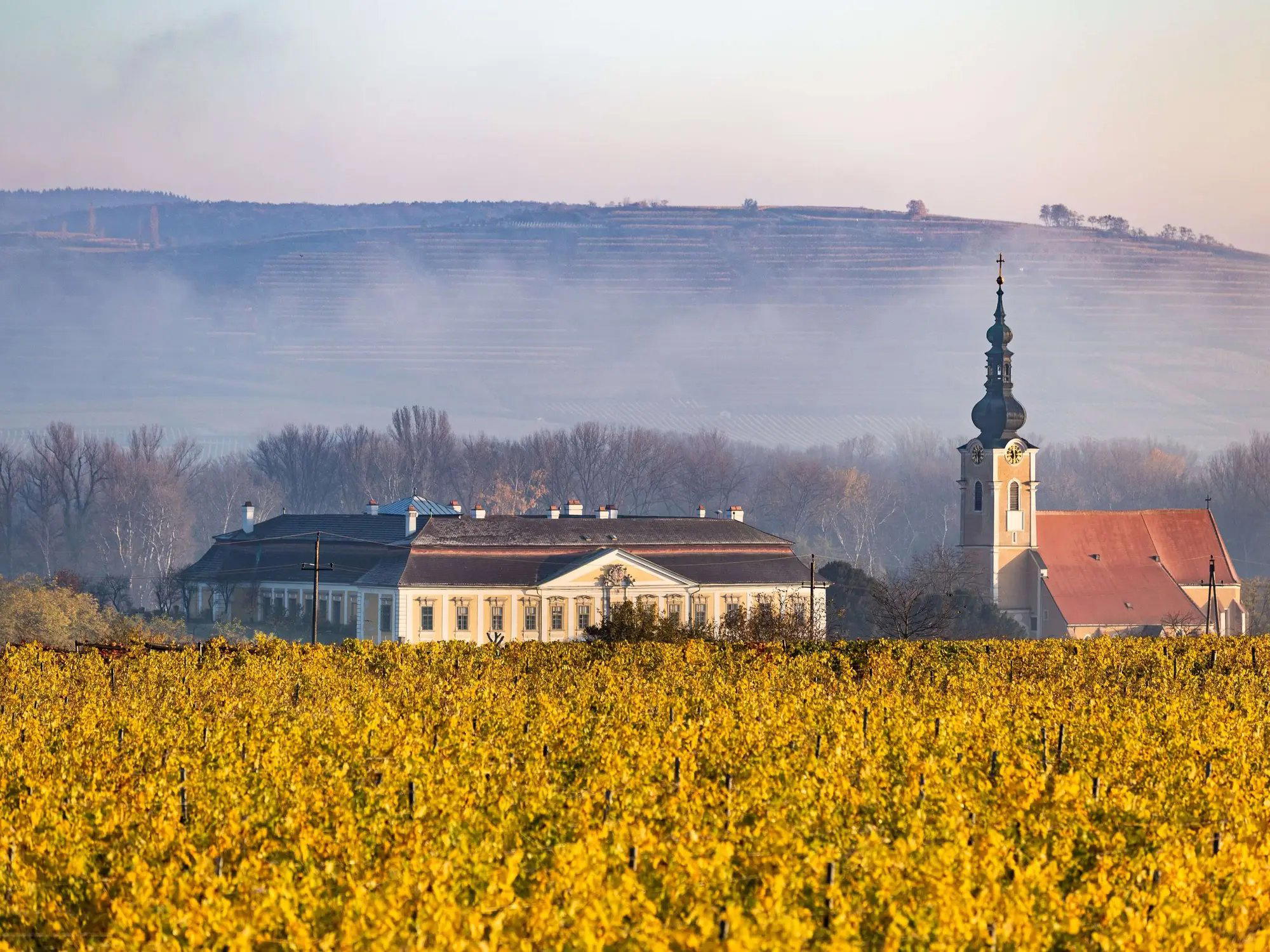
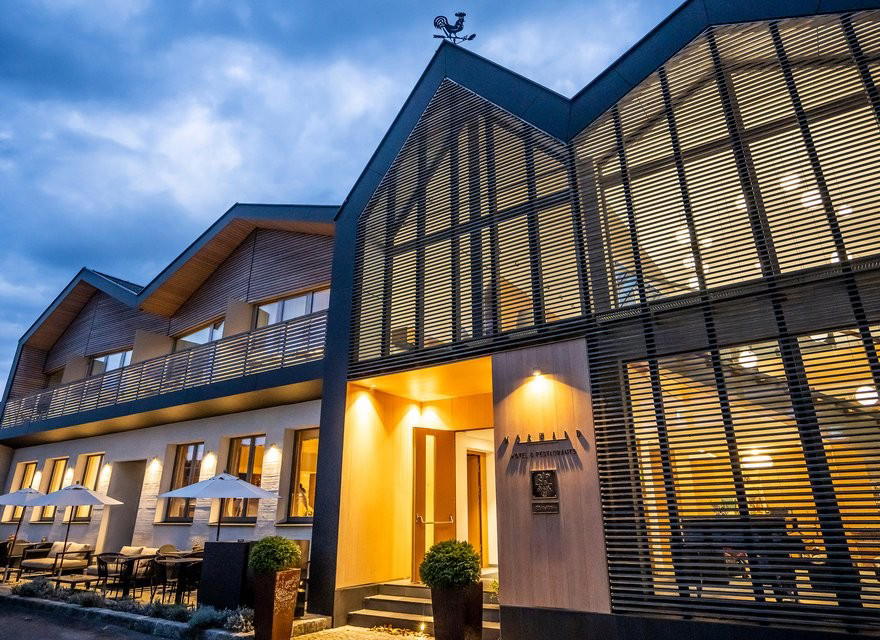
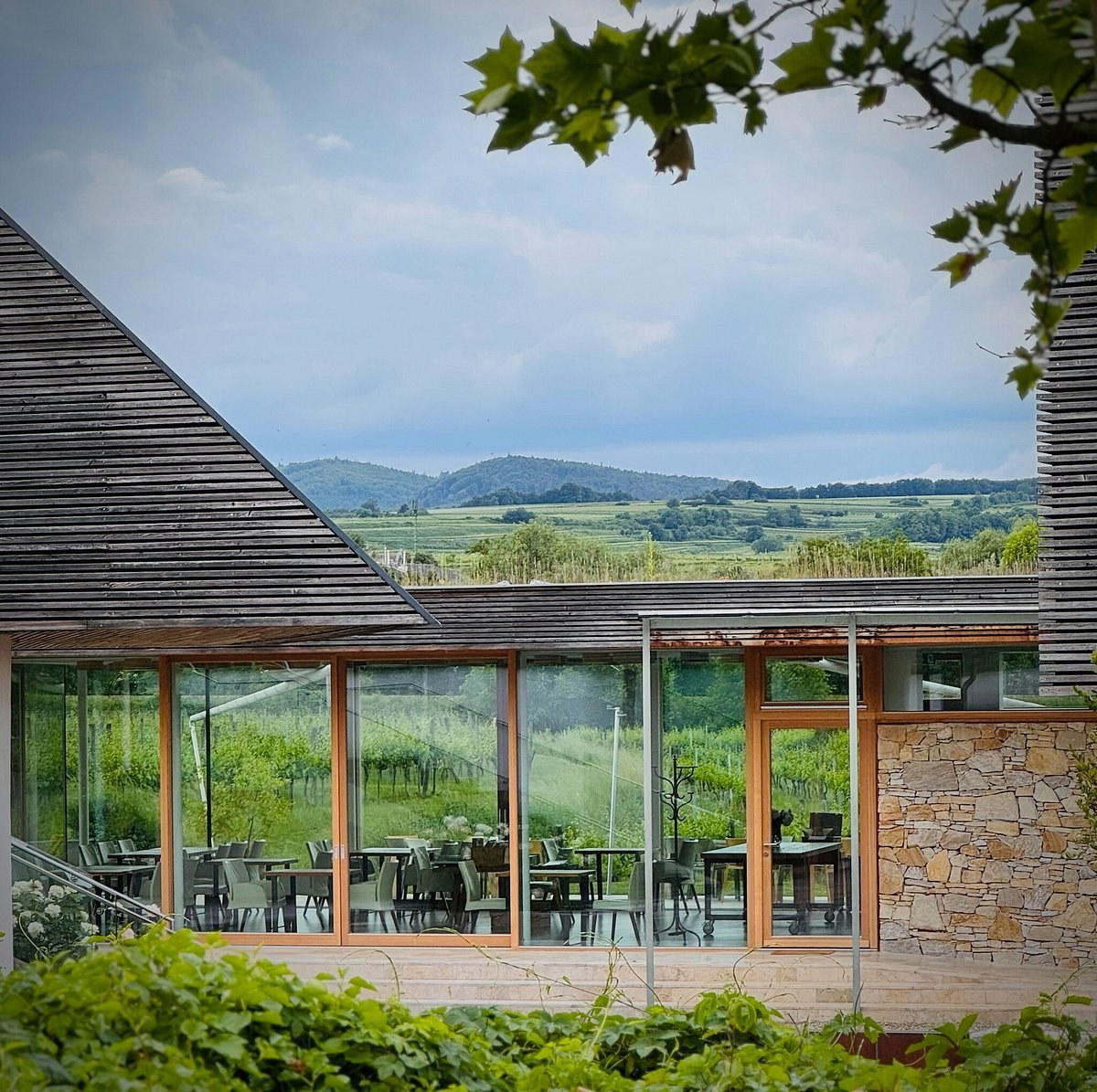
Arriving in Straß im Straßertale, the agricultural scale of Kamptal viticulture becomes immediately apparent. The village sits within a continuous vineyard landscape: loess terraces above, the Kamp river valley below, and the vine rows close enough to the road that the distinction between settlement and growing land is largely absent. This is not wine country that announces itself through grand estate gates or formal visitor infrastructure. The producers here work from functional farmhouses and converted cellars, and the visit format at most addresses reflects that directness.
At Weingut Arndorfer, the address is Weinbergweg 16 in Straß im Straßertale. The village is accessible by car from Vienna in under ninety minutes, and the broader Kamptal wine route connects Straß to Langenlois and the larger producers of the northern Kamptal within a short drive. For visitors constructing a multi-estate day or a longer wine region itinerary, Straß sits naturally alongside stops at Allram and Topf, and the critical mass of quality within the village makes it worth treating as a destination in its own right rather than a detour on the way to Langenlois.
For first-time visitors without prior exposure to the estate's style, that credential is a useful calibration: these are wines that have been assessed formally and found to meet a premium standard, but they will reward most the visitor who arrives with some familiarity with the natural wine register rather than expecting a conventionally styled Kamptal white.
The Broader Austrian Craft Drinks Context
Austria's premium drinks map extends beyond wine into a maturing distilling sector, with producers like 1310 Spirit of the Country Distillery in Sierning and 1404 Manufacturing Distillery in Sankt Peter-Freienstein representing a new wave of craft spirits production that parallels the natural wine movement in its emphasis on origin and process transparency. The 1516 Brewing Company in Vienna operates in an adjacent register. Internationally, producers like Aberlour in Scotland and Accendo Cellars in St. Helena illustrate how the same commitment to provenance and process plays out across different categories and continents. For the visitor building a serious drinks itinerary, Austria's wine regions remain the primary draw, but the country's craft spirits production is increasingly worth tracking alongside them.
Pricing, Compared
Comparable venues nearby, for context on price, style, and recognition.
| Venue | Cuisine | Awards | Notes |
|---|---|---|---|
| Weingut ArndorferThis venue (the venue you are viewing) | Not listed | Falstaff Winery - 3 Stars | Not listed |
| Weingut Allram | Not listed | Falstaff Winery - 4 Stars | Straß im Straßertale, Grüner Veltliner, Riesling |
| Weingut Johann Topf | Not listed | Falstaff Winery - 4 Stars | Straß im Straßertale, Grüner Veltliner, Riesling |
| Destillerie Wieser | Winery | Not listed | Not listed |
| Grüneis Distillery | Winery | Not listed | Not listed |
| Mountain Spirits Distillery | Winery | Not listed | Not listed |
Recognition history
Dated appearances from independent guides and award organizations, with the underlying list record or original source where available.
Falstaff Winery - 3 Stars
Falstaff
Continue exploring
More in Straß im Straßertale
Wineries in Straß im Straßertale
All wineries in Straß im Straßertale →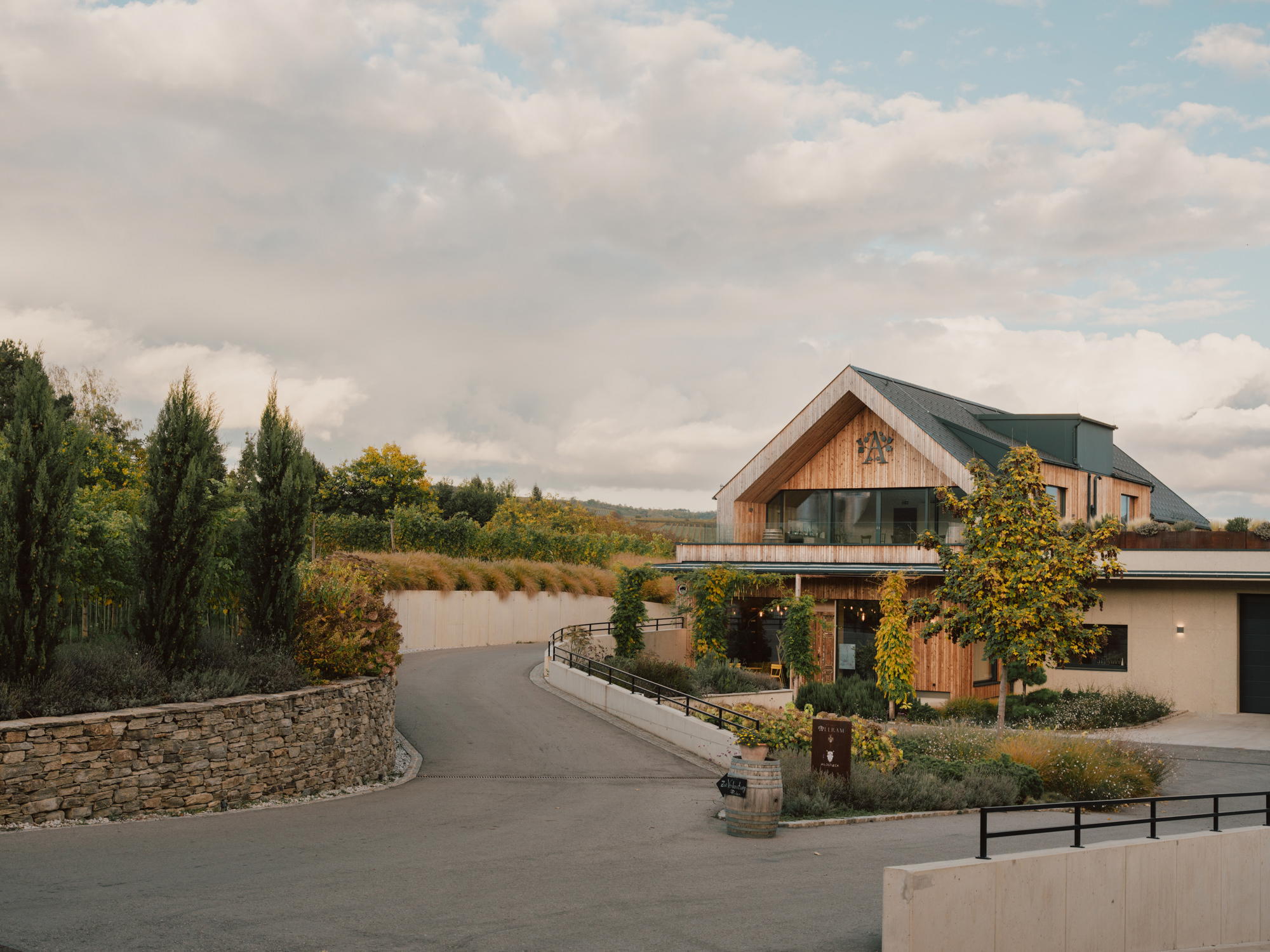
Details
- Rustic
- Scenic
- Intimate
- Quiet
- Wine Education
- Solo Exploration
- Vineyard Tour
- Estate Grounds
- Organic
- Vineyard
- Grüner Veltliner
- Riesling
- Neuburger
- Zweigelt
- Roter Veltliner
- Chardonnay
- Still White
- Skin Contact
- Still Red
- Cave Tasting
- German
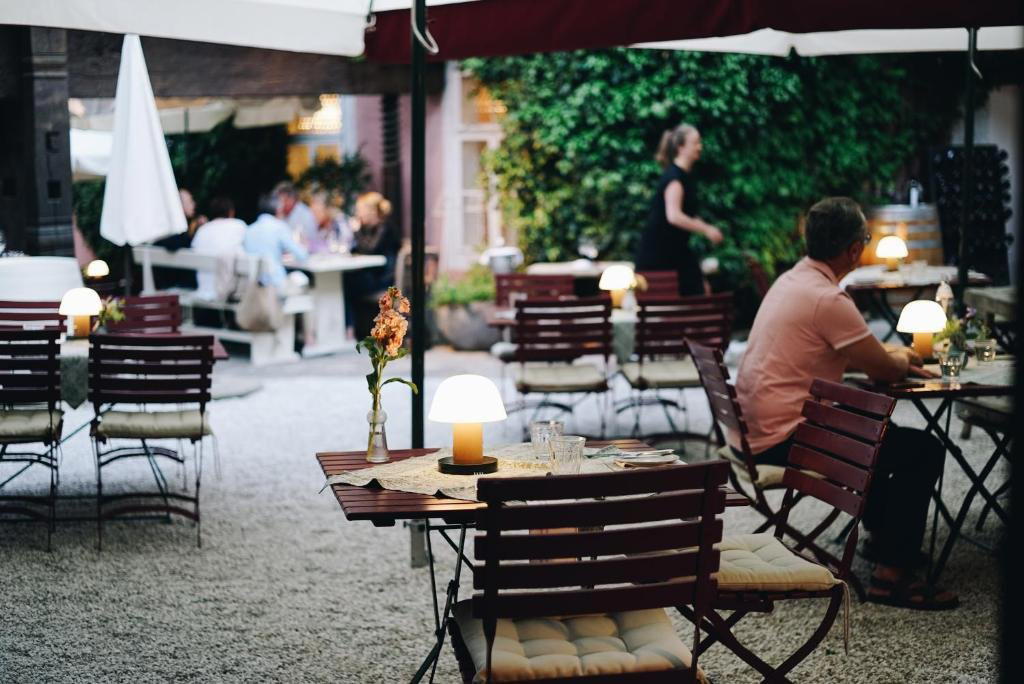
Rustic and natural atmosphere focused on terroir expression through minimal intervention winemaking in a scenic vineyard setting.