Weinhaus Kirchberg


A White Star-listed wine bar and restaurant on the market square of Kirchberg am Wagram, one of Lower Austria's most serious Grüner Veltliner and Riesling villages. Weinhaus Kirchberg places visitors directly inside the wine culture of the Wagram region, where the loess terraces above the Danube have shaped a distinct local viticulture for centuries.
Pearl is the En Primeur Club membership app — saves, bookings, and concierge access live there. Same editors, same standards.
- Address
- Marktpl. 33, 3470 Kirchberg am Wagram, Austria
- Phone
- +43 676 4157045
- Website
- weinhaus-kirchberg.at
- Directions
- Get directions
 Saves & bookings on Pearl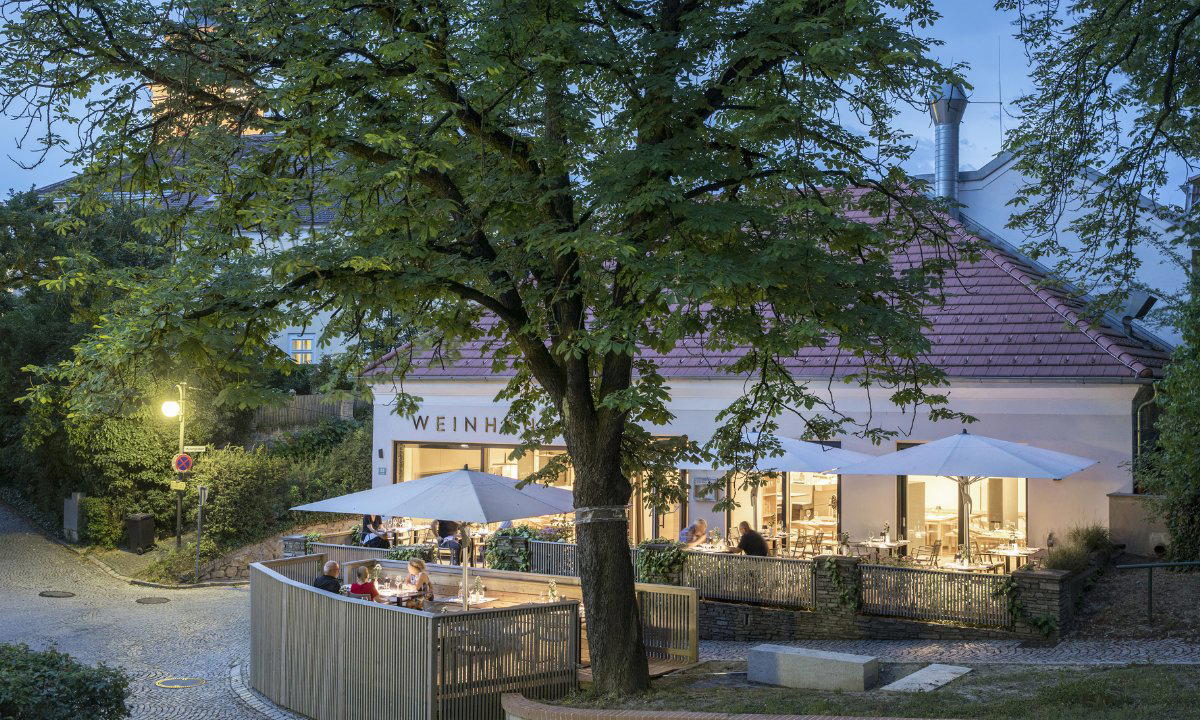
Wine Country at the Source
In the wine villages of Lower Austria's Wagram region, the distance between vineyard and glass is measured in minutes rather than miles. The loess soils that define this stretch of the Danube valley, rich in calcium carbonate and capable of deep water retention, produce Grüner Veltliner and Riesling with a mineral weight and textural breadth that sets them apart from those grown on the gravel and sand further east. Kirchberg am Wagram sits at the heart of this geography, and Weinhaus Kirchberg, on Marktplatz 33 at the centre of the village, occupies the kind of position that only makes sense once you understand how wine-rooted Austrian market towns are organised: the wine house is not incidental to the square, it is structural to it.
Star Wine List awarded the venue a White Star in July 2023, placing it within a recognised tier of wine-focused establishments in Europe where list depth and sourcing seriousness are the primary criteria. That credential matters in this context because it signals that the selection goes beyond the local-curiosity format that some regional wine bars settle into. A White Star listing implies genuine curation, not just a broad sweep of nearby producers.
The Wagram Terroir Argument
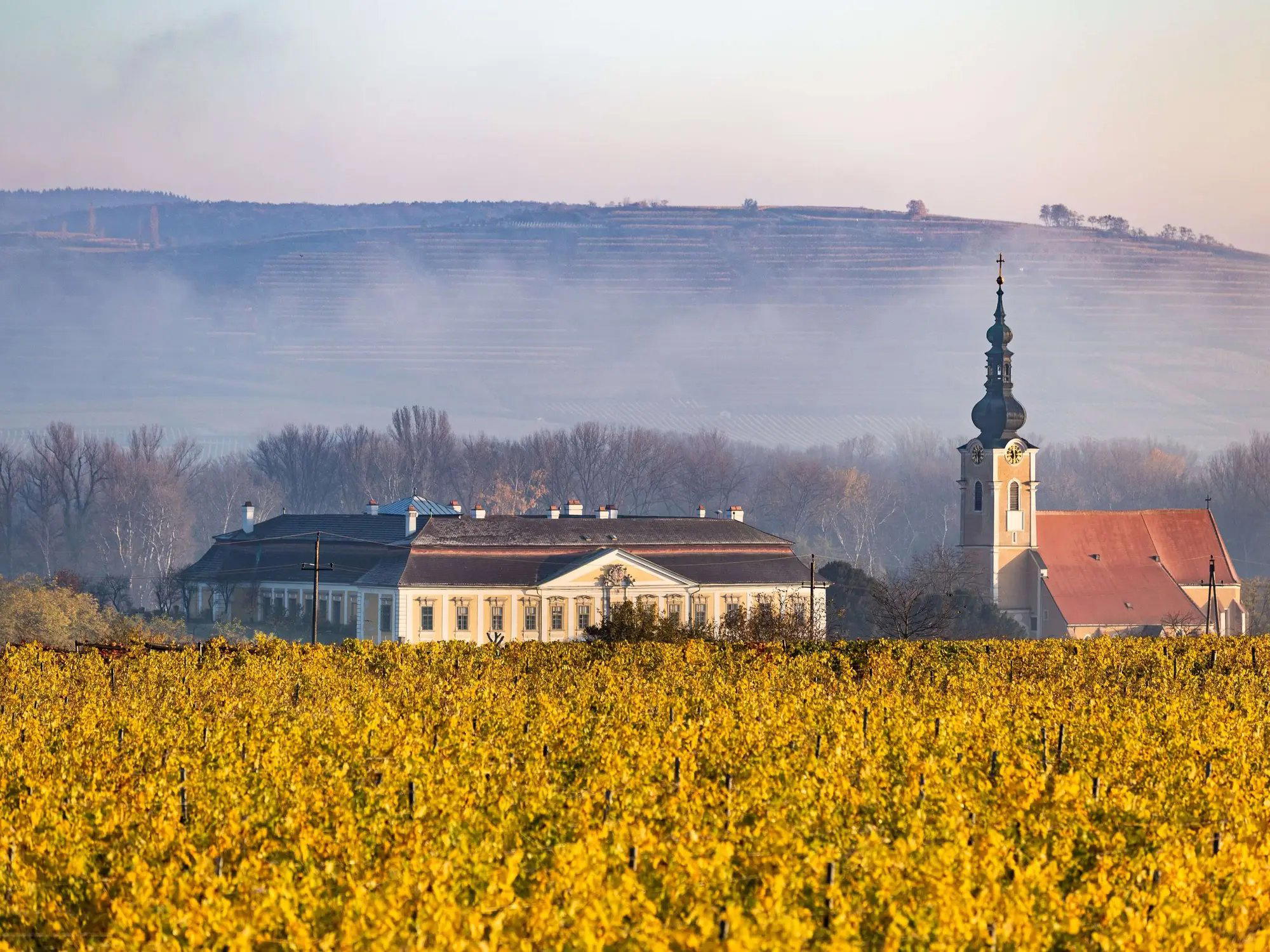
To understand what Weinhaus Kirchberg is drawing from, you need the geography. The Wagram, which takes its name from the loess wall (Wagram meaning escarpment or embankment) rising above the Danube plain, runs roughly from Krems in the west toward Tulln in the east. The loess, wind-deposited silt from the last glacial period, can reach depths of twenty metres or more in places, giving vines access to ancient mineral reserves while moderating temperature extremes. This is not the same terroir as the Wachau, the DAC zone twenty kilometres upstream that commands more international name recognition, and serious wine drinkers would do well to understand the distinction. Wagram wines, particularly Grüner Veltliner, tend toward fuller body and a softer structural profile than the stony, higher-altitude expressions from the Wachau's schist and gneiss slopes.
The regional wine culture here is practically orientated. Producers who farm in Kirchberg am Wagram and the surrounding villages have long operated heurige, the traditional Austrian wine-tavern format in which growers serve their own wines alongside simple food, usually on a seasonal licence that allows them to open for limited weeks of the year. The wine bar and restaurant format that Weinhaus Kirchberg occupies is a more permanent, curated evolution of that tradition, with the sourcing logic intact but the experience professionalised. For visitors exploring Lower Austrian wine country, this type of venue functions as both access point and interpreter: you drink the region's wines in the region that produced them, which is a different experience from encountering the same bottles in Vienna or abroad. For more context on the broader Austrian fine dining scene, the range runs from destination restaurants like Landhaus Bacher in Mautern an der Donau and Steirereck im Stadtpark in Vienna down to focused regional houses like this one.
Setting and Approach
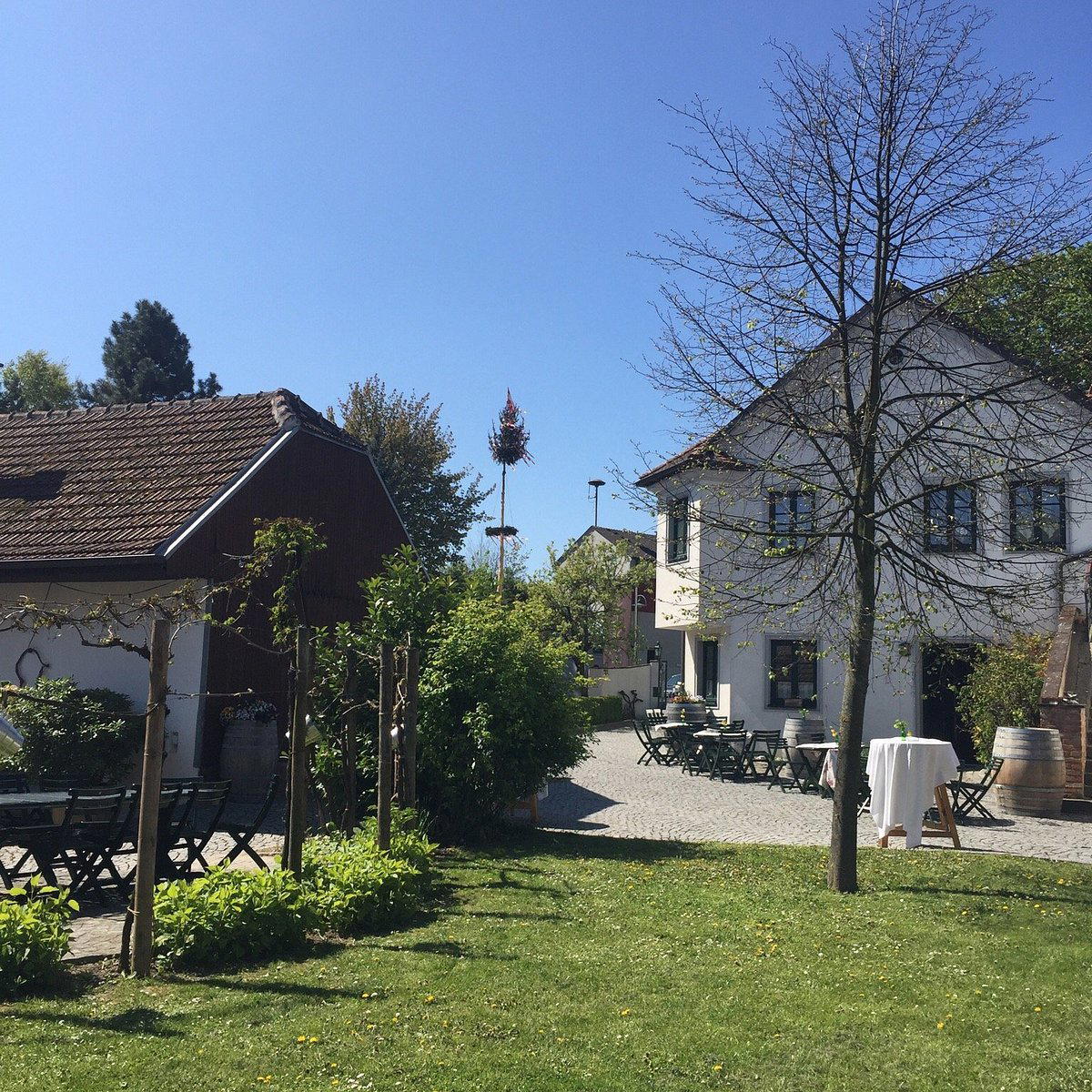
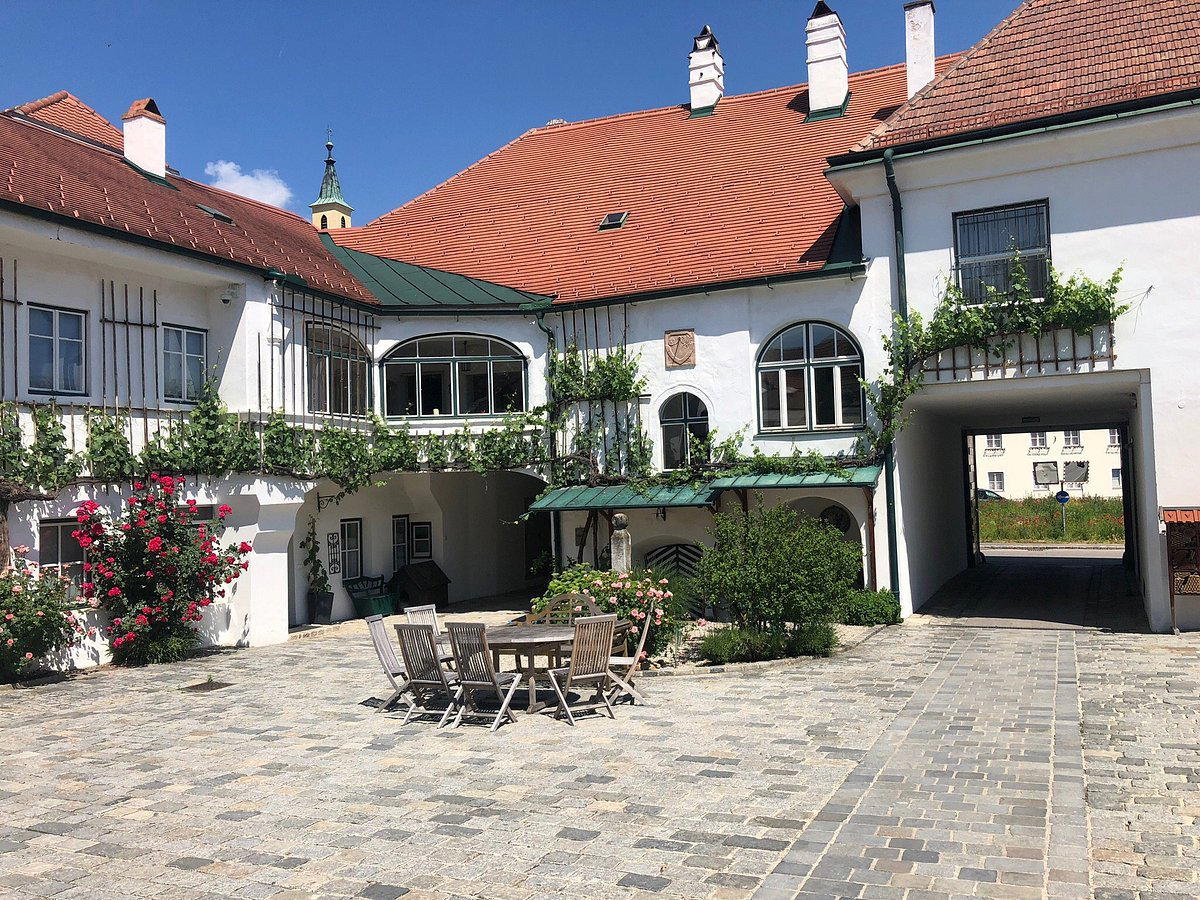
The market square setting shapes the experience before you enter. Kirchberg am Wagram's Marktplatz has the scale and composition typical of Lower Austrian wine-town squares: low-slung buildings in pale render, a pace that changes gear between the weekend wine-tourism influx and the quieter mid-week rhythm when the village returns to its agricultural routines. A venue on this square is embedded in the local pattern rather than positioned as an attraction separate from it. That embeddedness is part of the draw for visitors who come to wine country specifically to be in it, rather than to observe it from a distance.
Wine bar and restaurant combination allows for the kind of flexibility that a meal-only format would not: you can arrive for a glass of Wagram Grüner Veltliner at the bar and let the list direct the next hour, or you can sit down to eat and let the food-and-wine pairing structure the visit more formally. In Austrian wine villages, this dual-format approach is the norm rather than the exception, and it reflects a local hospitality culture where the wine is always the primary subject and the food is arranged in service of it rather than the other way around.
Planning Your Visit
Kirchberg am Wagram lies roughly sixty kilometres west of Vienna, accessible by regional train via the Franziskaner line toward Krems or by car along the Donauufer road. The village is compact enough to cover on foot once you arrive, with the market square a short walk from the train station. Wine tourism in this part of Lower Austria concentrates on weekends from late spring through autumn, when the combination of harvest season, open-cellar events, and cooperative tastings draws visitors from Vienna and further afield. If your primary interest is wine, the shoulder periods of May and September offer a reasonable balance between open cellars and manageable crowds. Current hours and booking arrangements for Weinhaus Kirchberg should be confirmed directly before visiting, as seasonal schedules are standard for wine-region venues in this format.
For visitors building a longer Lower Austrian itinerary, the surrounding region offers considerable depth. Landhaus Bacher in Mautern an der Donau, one of Austria's most respected regional restaurants with classical Austrian and Danube Valley cooking, is located approximately twenty-five kilometres west along the river. The broader Lower Austrian scene, from the Wachau to the Kamptal and the Traisental, constitutes one of Europe's more coherent wine-and-food touring circuits, and Kirchberg sits near its eastern edge. Our full Kirchberg am Wagram restaurants guide, wineries guide, bars guide, hotels guide, and experiences guide cover the full range of options in the area.
For comparison across Austria's wider fine dining and wine scene, destinations like Ikarus in Salzburg, Obauer in Werfen, Kräuterreich by Vitus Winkler in Sankt Veit im Pongau, Griggeler Stuba in Lech, Gourmetrestaurant Tannenhof in Sankt Anton am Arlberg, Schwarzer Adler in Hall in Tirol, Stüva in Ischgl, Restaurant 141 by Joachim Jaud in Mieming, and Ois in Neufelden each represent a distinct regional register. Further afield, Le Bernardin in New York City and Emeril's in New Orleans illustrate how wine and produce-led hospitality translates across different culinary contexts.
How It Stacks Up
Comparable venues nearby, for context on price, style, and recognition.
| Venue | Cuisine | Price | Notes |
|---|---|---|---|
| Weinhaus KirchbergThis venue — the venue you are viewing | Modern Austrian Winehouse | $$$ | Not listed |
| Gut Oberstockstall | Modern Austrian Regional Farm-to-Table | $$$$ | Kirchberg am Wagram |
| Émile | Modern Austrian Brasserie | $$$ | Inner City |
| KELSEN im Parlament | Modern Austrian | $$$ | Hofburg |
| Turm Restaurant | Modern Austrian with Panoramic Views | $$$ | Donauturm |
| Tancredi | Modern Austrian-Mediterranean | $$ | Wieden |
Recognition history
Dated appearances from independent guides and award organizations, with the underlying list record or original source where available.
Falstaff Restaurant - 92 Falstaff Points
Falstaff
Star Wine List
Star Wine List
Continue exploring
More in Kirchberg am Wagram
Restaurants in Kirchberg am Wagram
Browse all →
Bars in Kirchberg am Wagram
Browse all →
Hotels in Kirchberg am Wagram
Browse all →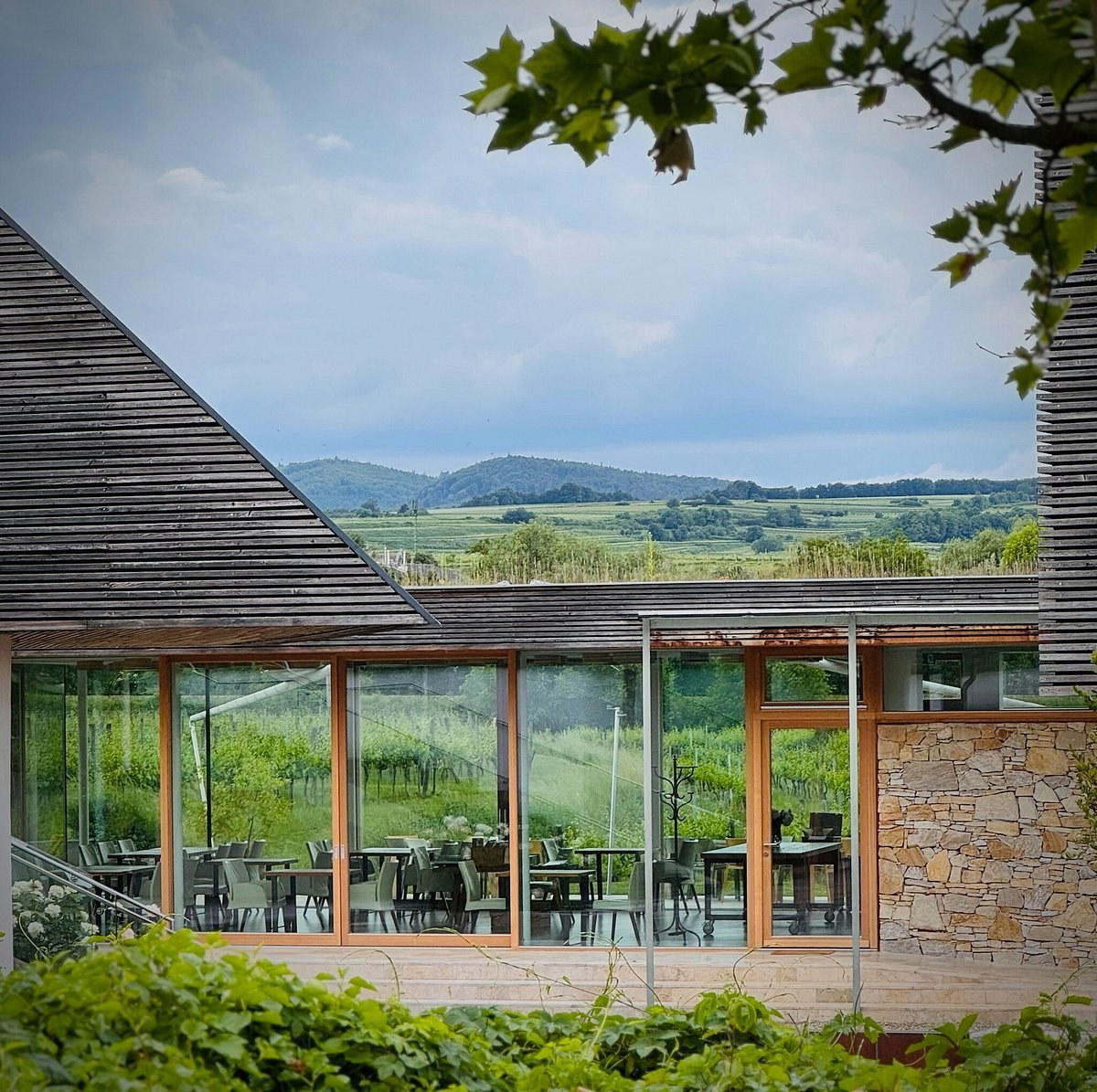
At a Glance
- Modern
- Elegant
- Cozy
- Date Night
- Special Occasion
- Terrace
- Wine Cellar
- Extensive Wine List
- Local Sourcing
- Organic
- Street Scene
Current opening hours
- Monday
- 6–11 PM
- Tuesday
- Closed
- Wednesday
- Closed
- Thursday
- Closed
- Friday
- 6–11 PM
- Saturday
- 12–11 PM
- Sunday
- 12–10 PM
Hours can change for holidays and private events. Last verified .
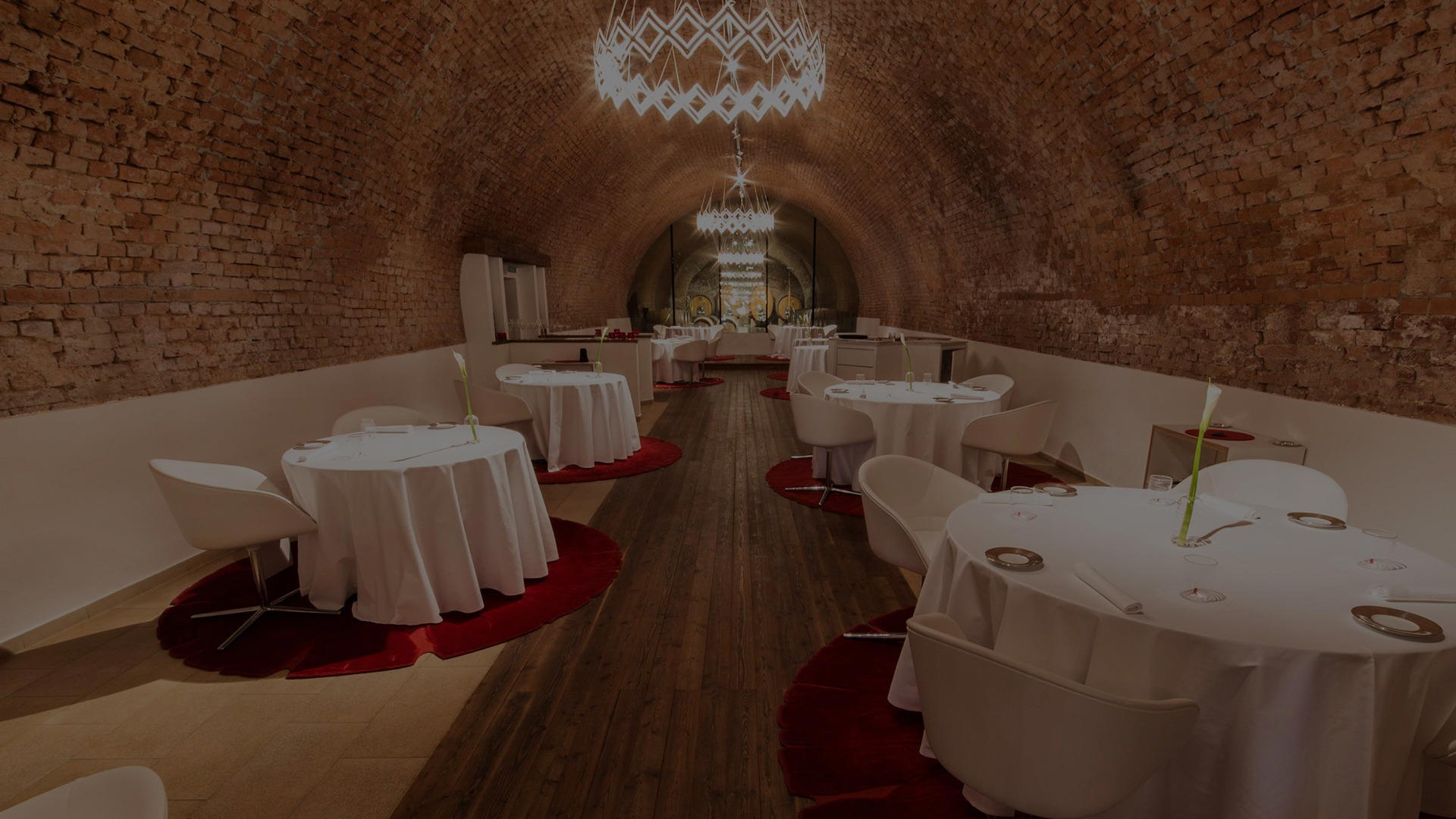
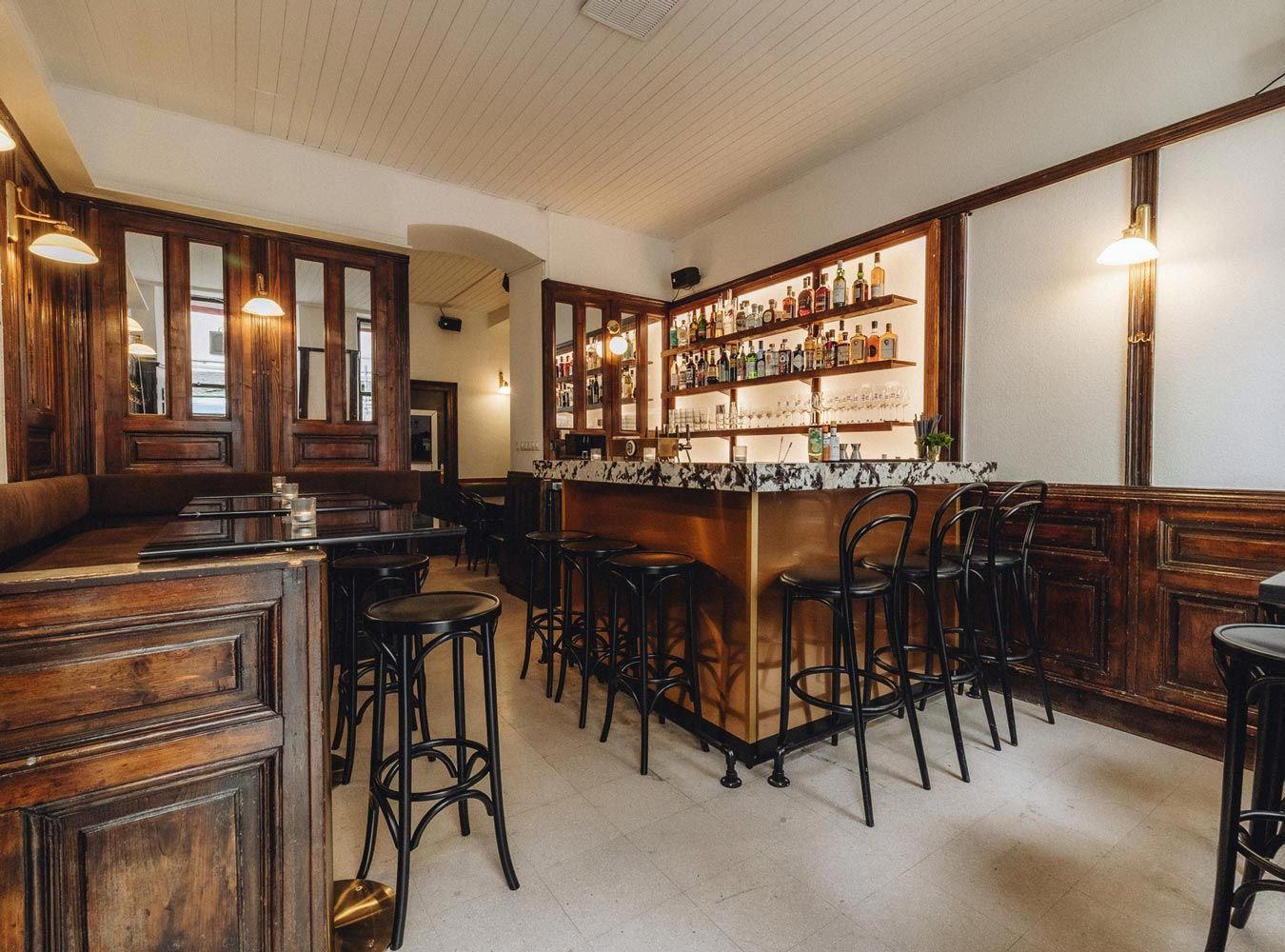
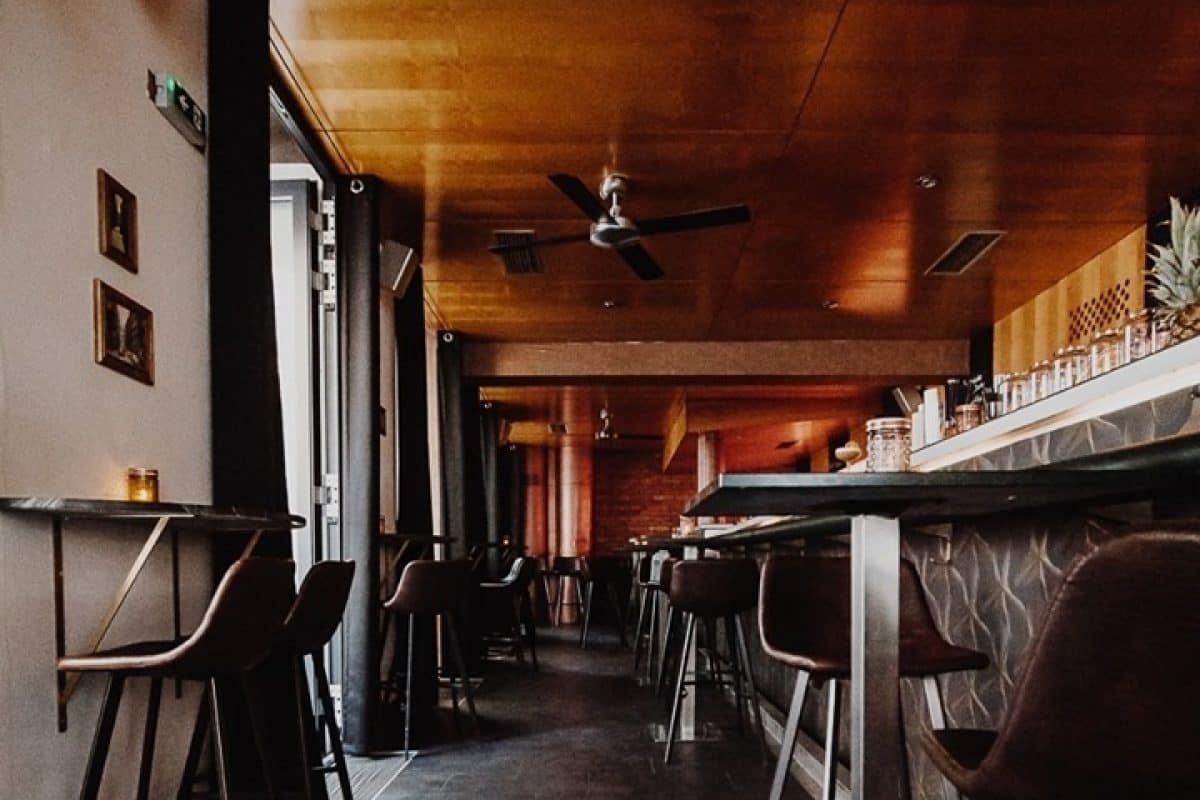
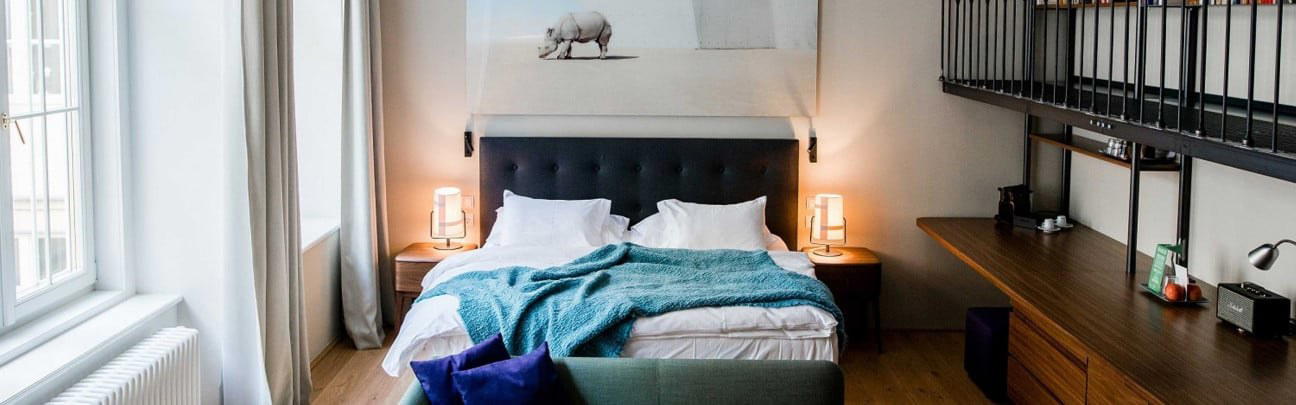
Modern design with warm wood tones, large window front, atmospheric lighting, and cozy terrace under chestnut trees.