Mr. Kebab sits on Beim Grünen Jäger in Hamburg's St. Pauli district, a stretch where late-night eating and neighbourhood regulars have defined the food culture for decades. Within Hamburg's broader spectrum of eating options, from three-star tasting menus to corner döner counters, the kebab format occupies its own distinct tier: fast, affordable, and judged almost entirely on product quality and consistency.
Pearl is the En Primeur Club membership app — saves, bookings, and concierge access live there. Same editors, same standards.
- Address
- Beim Grünen Jäger 1, 20359 Hamburg, Germany
- Phone
- +494943280981
- Website
- mrkebab.hamburg
- Directions
- Get directions
 Saves & bookings on Pearl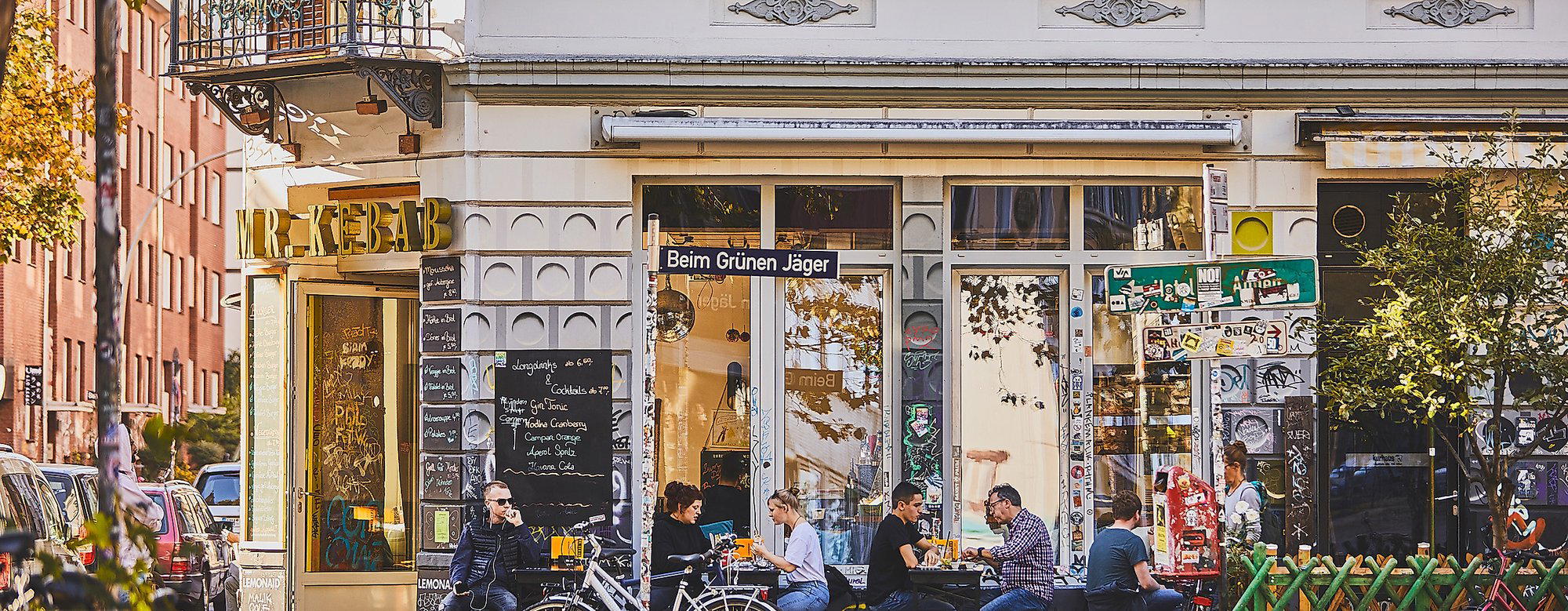
St. Pauli's Eating Culture and Where the Kebab Counter Fits
Hamburg's restaurant spectrum runs wide. At one end sit the city's formal fine-dining rooms: Restaurant Haerlin and The Table Kevin Fehling anchor the multi-course, white-tablecloth bracket, while 100/200 Kitchen and bianc occupy the creative contemporary tier. At the other end, and no less seriously taken by the people who eat there regularly, are the neighbourhood counters: quick, direct, priced for daily use, and rated purely on what comes off the grill. Mr. Kebab at Beim Grünen Jäger 1 belongs to that second world.
Beim Grünen Jäger is a short street in St. Pauli, a district whose eating and drinking identity has been shaped less by culinary ambition and more by a concentration of people who are out late, have varied tastes, and expect their food to be honest about what it is. The kebab format has been part of that fabric in German cities since the 1970s, and in Hamburg, as elsewhere, the better counters have developed loyal followings that have nothing to do with awards or press coverage and everything to do with repetition and trust.
What the Booking Experience Looks Like Here
The editorial angle most relevant to Mr. Kebab is not the reservation system but the absence of one. Unlike Lakeside, which operates in the prix-fixe bracket where forward planning is part of the format, or Germany's most formal dining rooms such as Aqua in Wolfsburg or Schwarzwaldstube in Baiersbronn where tables book out weeks in advance, the kebab counter operates on a walk-in basis by design. No website, no reservation line, no dress code, no tasting menu with multiple sittings. The planning involved is simply showing up.
That accessibility is, in its own way, a deliberate format. The queue, where one exists, is the only filter. The German kebab counter has never been about exclusivity through scarcity; it is about consistency through volume, and the venues that survive longest in competitive urban neighbourhoods do so because the product holds up across hundreds of covers a day rather than dozens. Compare that model to the low-capacity specialist format at the far end of the spectrum, say CODA Dessert Dining in Berlin or Atomix in New York City, where scarcity and forward planning are central to the experience, and you see two entirely different philosophies about how food gets to the person eating it.
Hamburg Within Germany's Broader Dining Picture
Germany's serious dining scene has historically concentrated outside its largest cities. Towns like Baiersbronn, Piesport, and Bergisch Gladbach carry Michelin weight disproportionate to their size, while Hamburg, Munich, and Berlin compete for a share of the country's critical attention. Vendôme in Bergisch Gladbach, Schanz in Piesport, and Waldhotel Sonnora in Dreis are the kind of addresses that define Germany's fine-dining geography. Hamburg contributes its own entries to that map, but the city's food identity has always been broader than its Michelin count suggests. The port, the trading history, and the density of different communities have made it a city where the practical and the pleasurable coexist across a wide price range. See also JAN in Munich, ES:SENZ in Grassau, Victor's Fine Dining by christian bau in Perl, and Bagatelle in Trier for a sense of how Germany's dining geography spreads across regions.
Within Hamburg specifically, the kebab counter has a distinct role. St. Pauli and the surrounding districts have a density of late-night options that the city's more formal neighbourhoods do not. The eating culture here is predicated on flexibility: venues that open when the demand is there, serve quickly, and price for repetition rather than occasion. Mr. Kebab sits inside that pattern.
The Format Itself: What Defines a Good Döner Counter
Across Germany, the döner kebab has developed its own quality spectrum. At the lower end, the product is indistinct: bread from a cash-and-carry supplier, meat of uncertain provenance, sauces from industrial containers. At the higher end, the differentiators are sourcing, rotation discipline on the spit, bread freshness, and the balance of the accompaniments. These are not trivial distinctions. The gap between a mediocre döner and a well-executed one is immediately apparent to anyone who eats them regularly, and the counters that maintain standards across service are the ones that build the kind of repeat custom that keeps a neighbourhood spot running for years.
Hamburg's St. Pauli has the foot traffic to support multiple kebab formats simultaneously. That density creates its own form of competition: customers have options, and the counters that hold their standards are the ones that earn the loyalty. For visitors approaching this part of Hamburg's food scene for the first time, it is worth understanding that the evaluative criteria here are different from those applied to the city's fine-dining tier. You are not assessing wine list depth or amuse-bouche progression. You are assessing whether the meat is properly seasoned, whether the bread has structural integrity, and whether the sauces are house-made or poured from a bottle.
For a broader orientation to eating in Hamburg across all formats and price points, the full Hamburg restaurants guide covers the city's dining character in detail, from the tasting-menu tier down to neighbourhood staples.
Know Before You Go
- Address: Beim Grünen Jäger 1, 20359 Hamburg, Germany
- District: St. Pauli
- Reservations: Walk-in format; no booking system recorded
- Website / Phone: not listed
- Price range: Not confirmed; typical for neighbourhood döner counters
- Hours: Not confirmed; verify locally before visiting
- Dress code: None
- Access: St. Pauli U-Bahn station is in the immediate vicinity
Just the Basics
Comparable venues nearby, for context on price, style, and recognition.
| Venue | Cuisine | Price | Notes |
|---|---|---|---|
| Mr. KebabThis venue — the venue you are viewing | Not listed | $ | Not listed |
| Kebab House KURTULAN | Not listed | $ | Neumuehlen, Traditional Turkish Kebab House |
| HONEST KEBAB | Not listed | $ | Hamburg-Altstadt, Premium Turkish Döner Kebab |
| Ustam | Sternschanze, Anatolian Turkish Grill | $$ | Not listed |
| Köz Urfa | Altona-Nord, Authentic Turkish Grill | $$ | Not listed |
| Mexiko Strasse Taquería | Not listed | $ | St. Pauli, Authentic Mexican Taqueria |
Continue exploring
More in Hamburg
Restaurants in Hamburg
Browse all →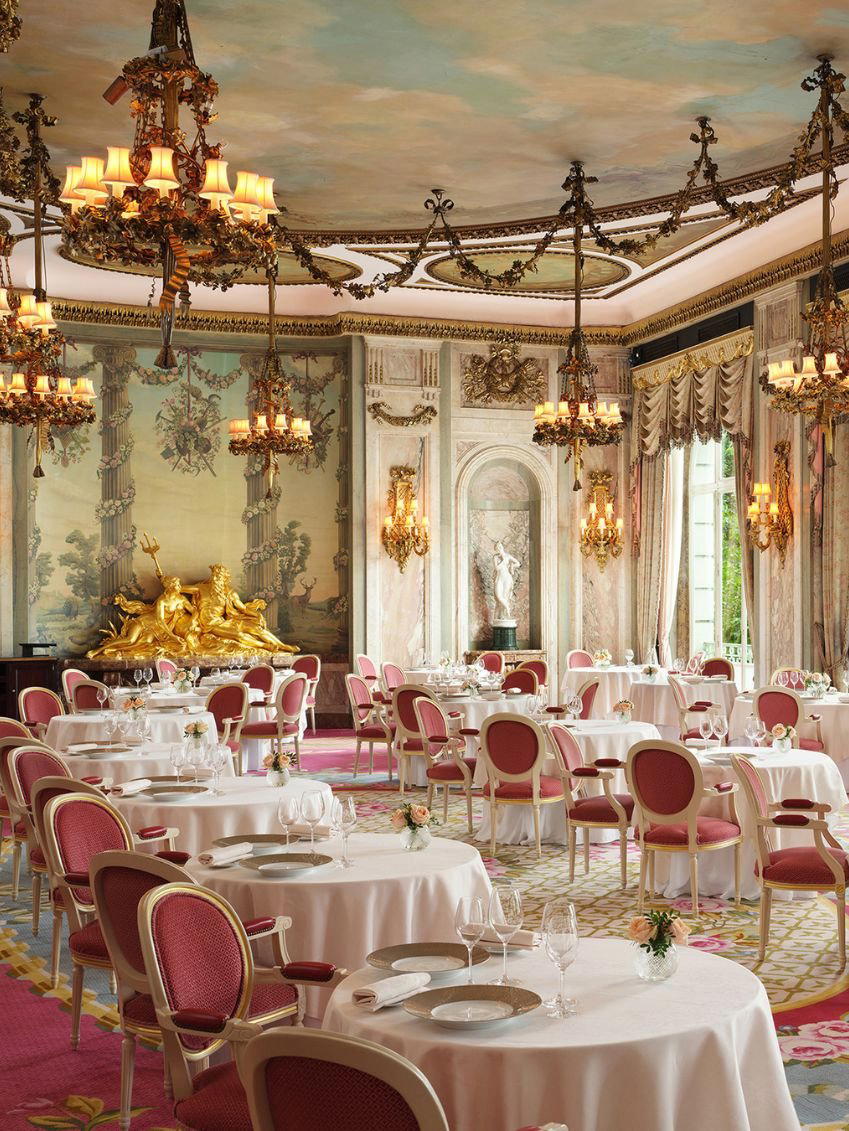
At a Glance
- Cozy
- Lively
- Casual
- Casual Hangout
- Late Night
- Group Dining
- Live Music
- Beer Program
Current opening hours
- Monday
- 12–11:30 PM
- Tuesday
- 12–11:30 PM
- Wednesday
- 12–11:30 PM
- Thursday
- 12–11:30 PM
- Friday
- 12 PM–1 AM
- Saturday
- 12 PM–1 AM
- Sunday
- 2–11 PM
Hours can change for holidays and private events. Last verified .
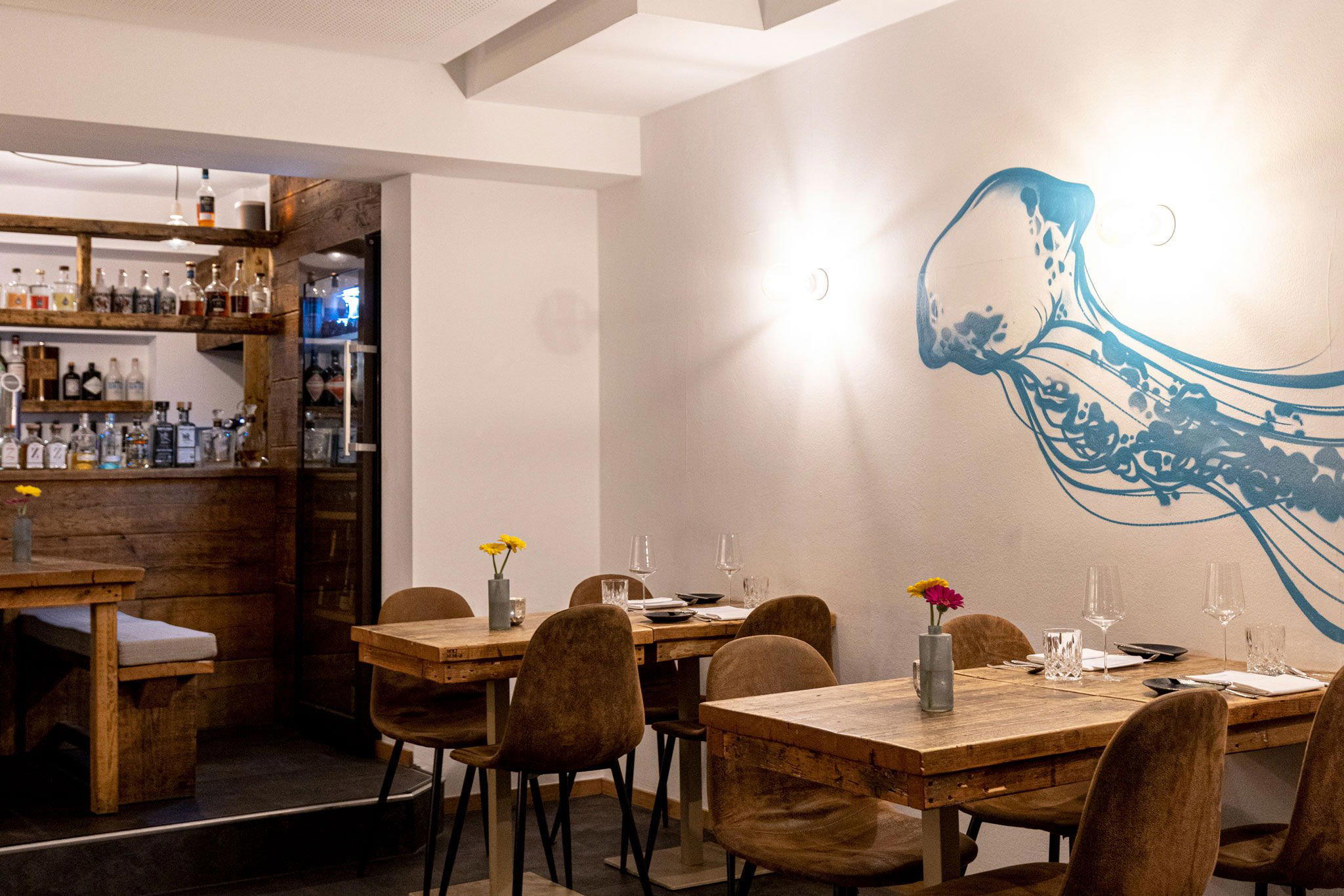
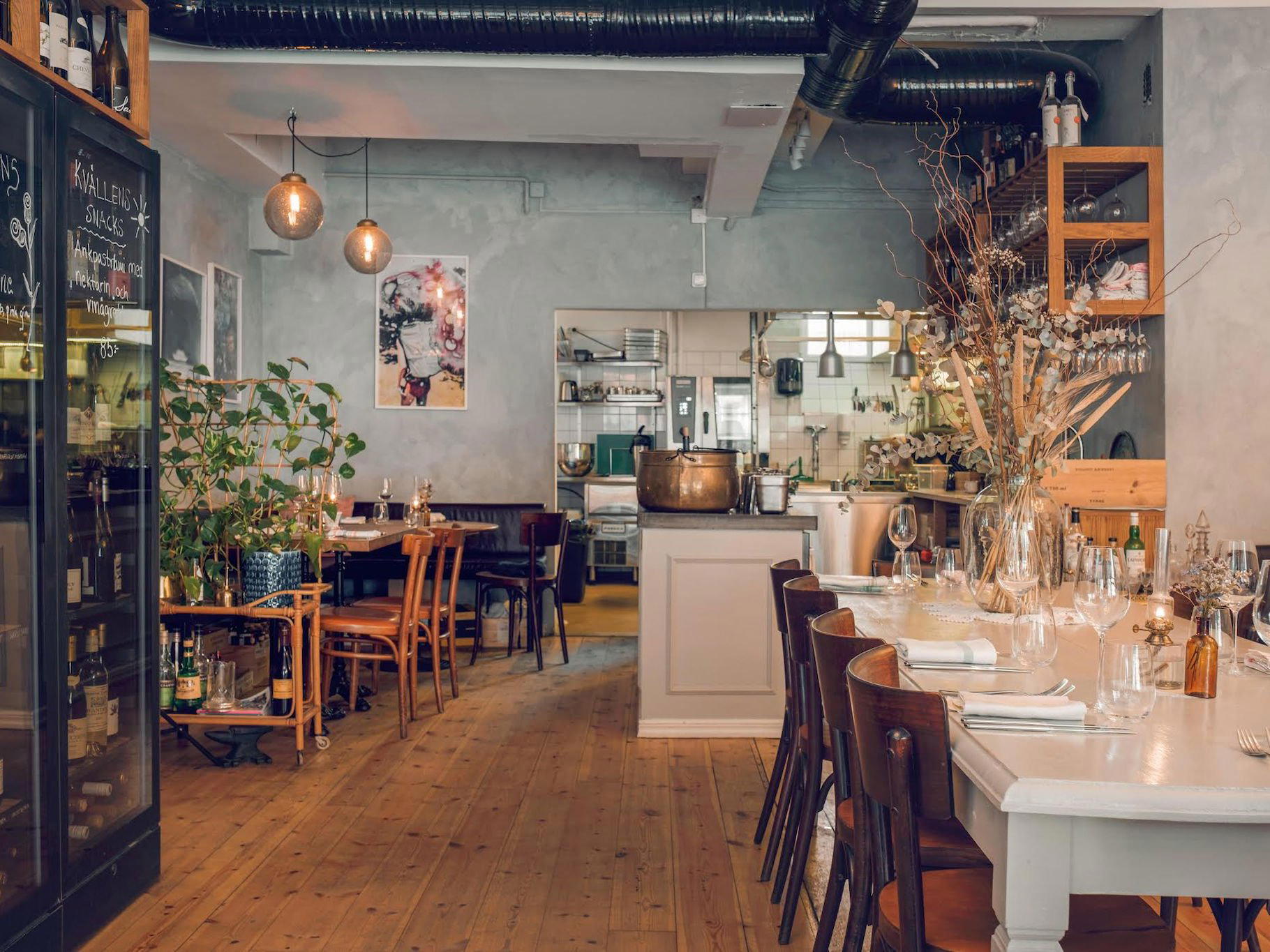
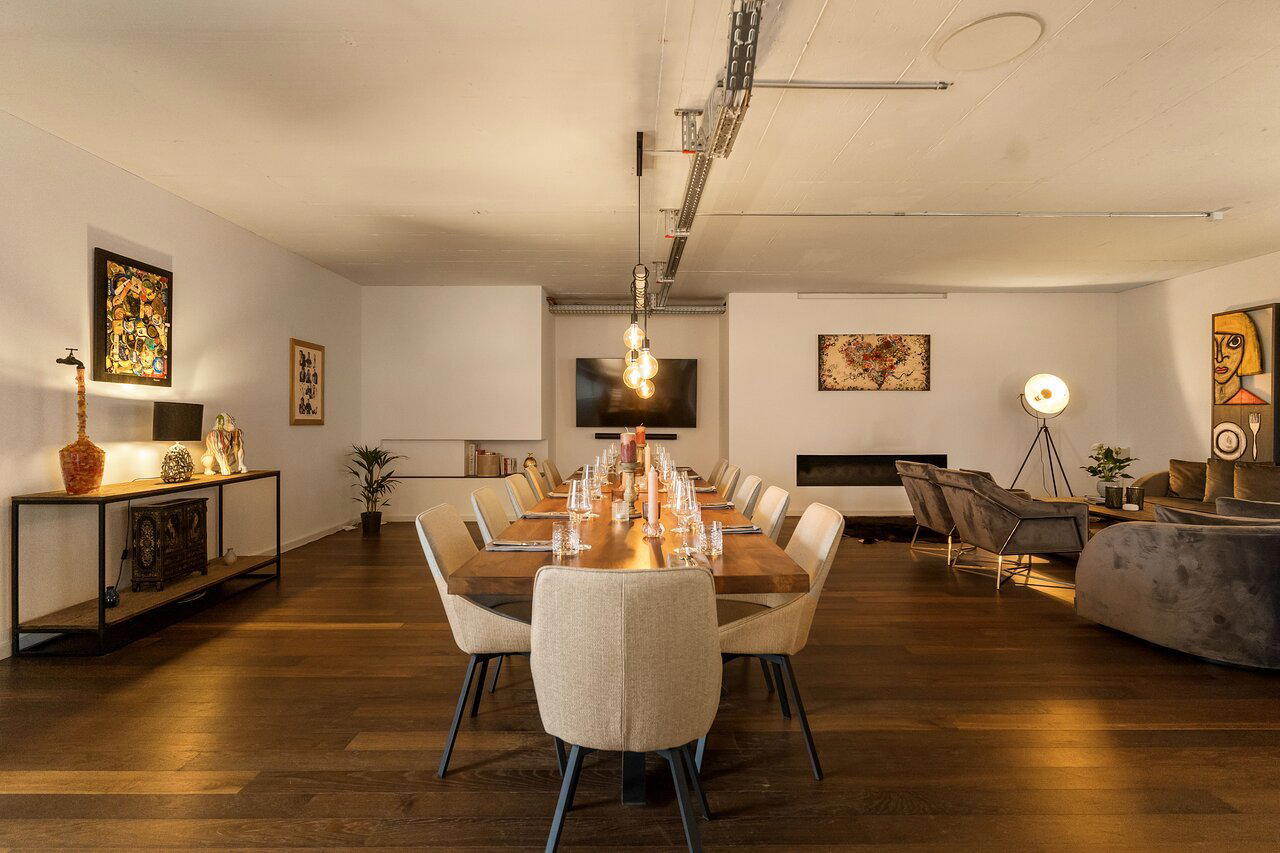
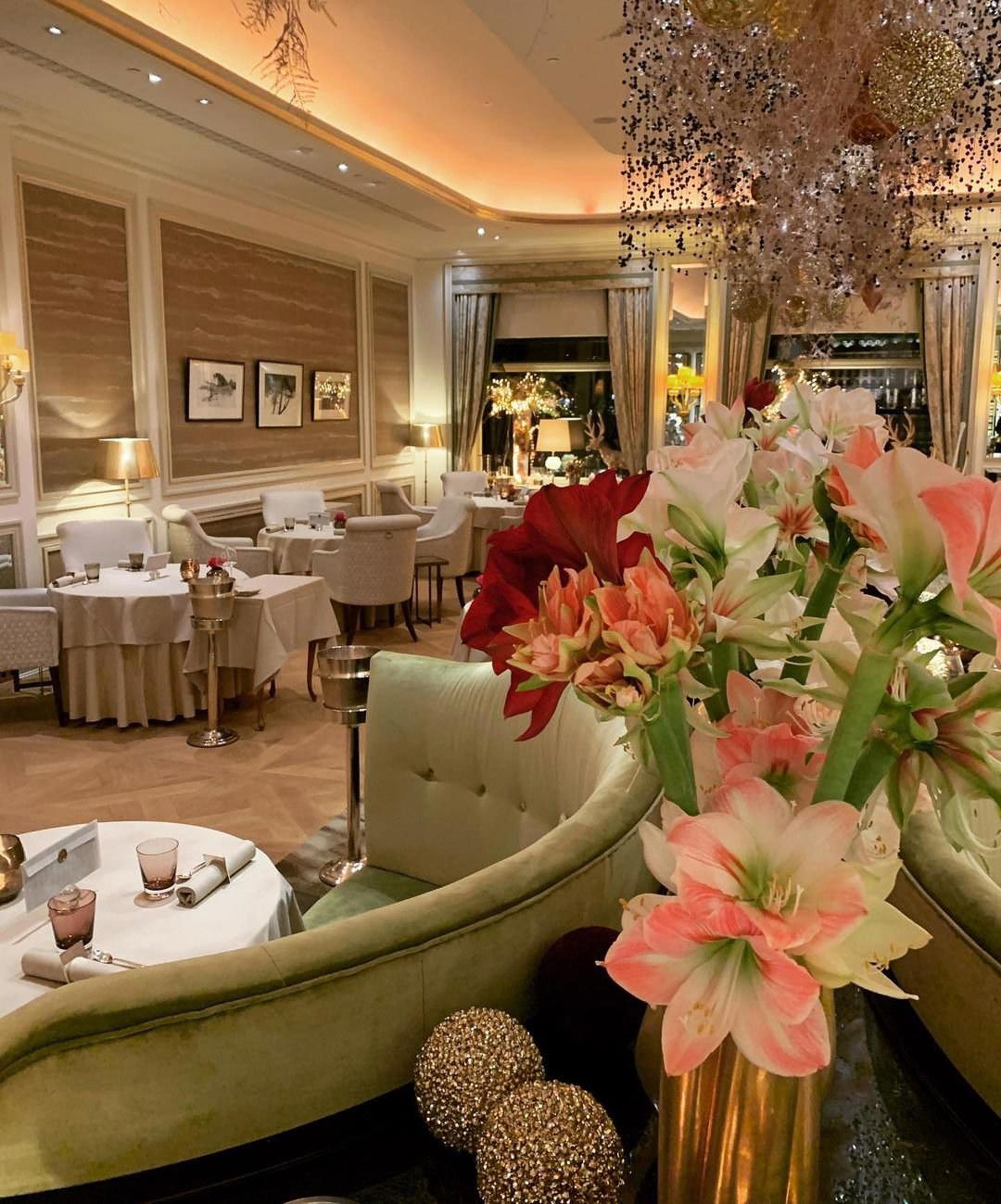
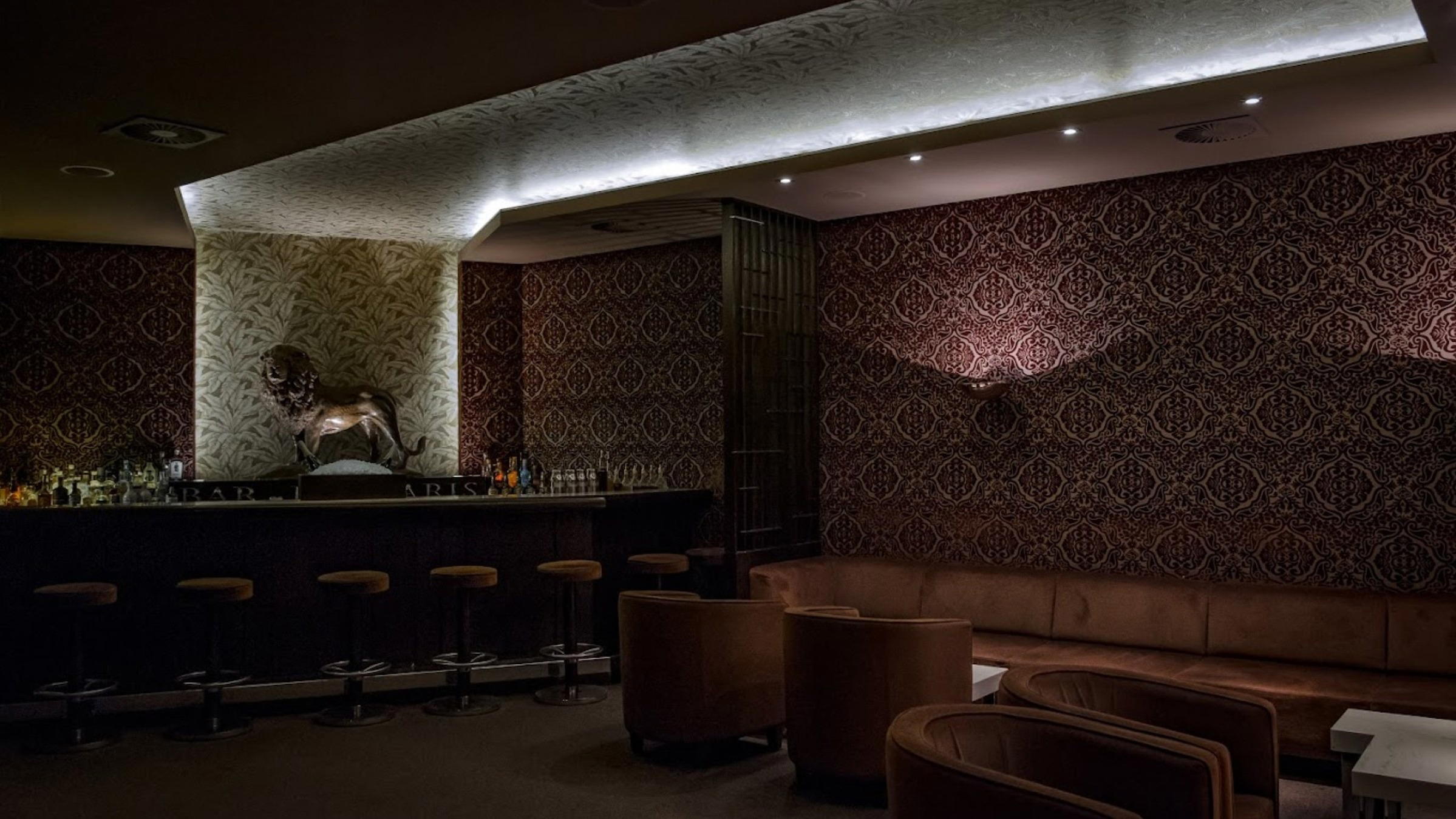
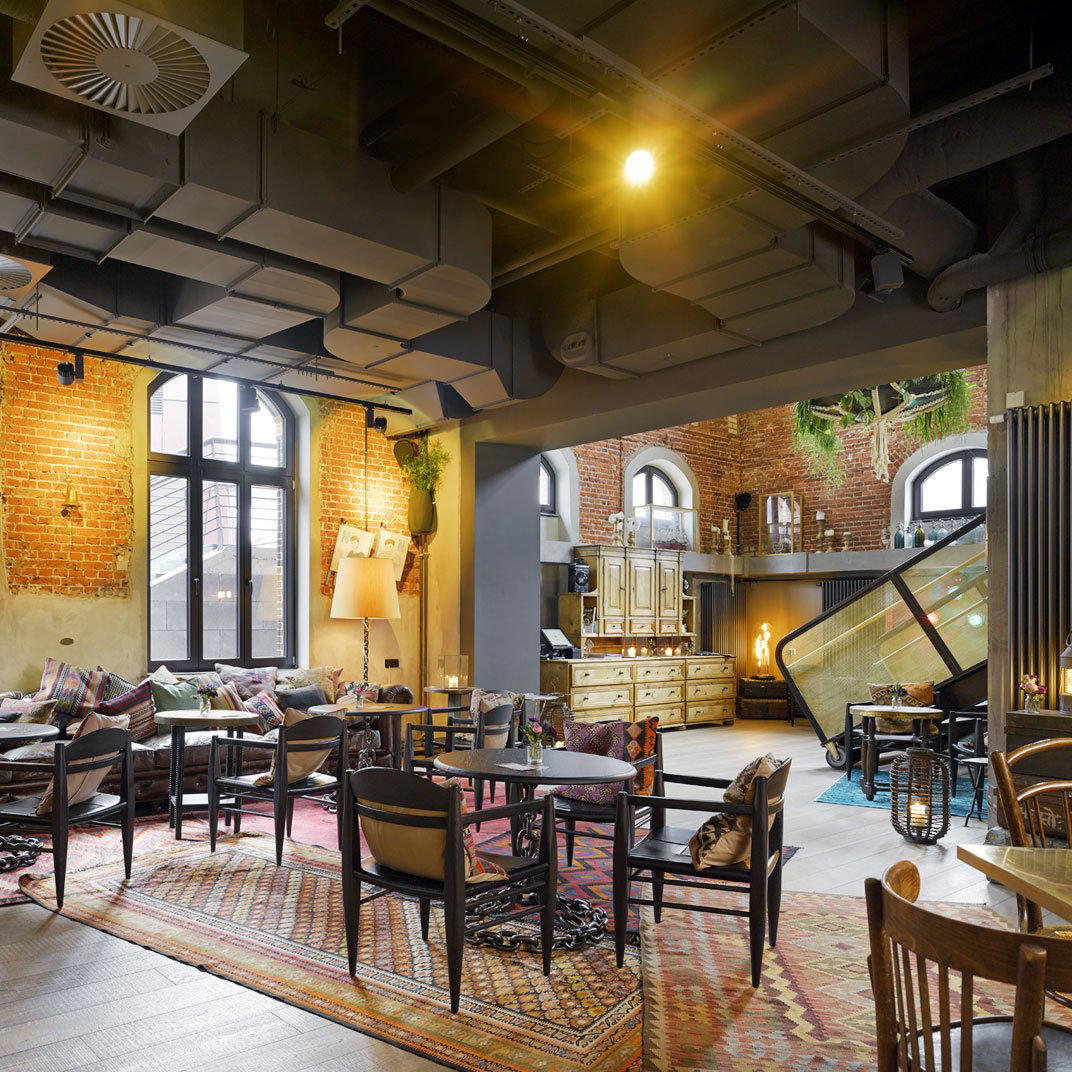
Casual, laid-back atmosphere with a mix of traditional and modern electronic music; described as cozy with a hipster vibe in a corner location on atmospheric St. Pauli streets.