Kebab House KURTULAN at Leverkusenstraße 2 in Hamburg's Bahrenfeld district represents the kind of serious, no-frills Turkish kebab counter that Hamburg's working neighbourhoods have sustained for decades. The kitchen focuses on the craft traditions behind the döner rather than the spectacle around it, placing it in a distinct tier from the city's fast-food chains and tourist-facing grill houses.
Pearl is the En Primeur Club membership app — saves, bookings, and concierge access live there. Same editors, same standards.
- Address
- Leverkusenstraße 2, 22761 Hamburg, Germany
- Phone
- +494046897480
- Directions
- Get directions
 Saves & bookings on Pearl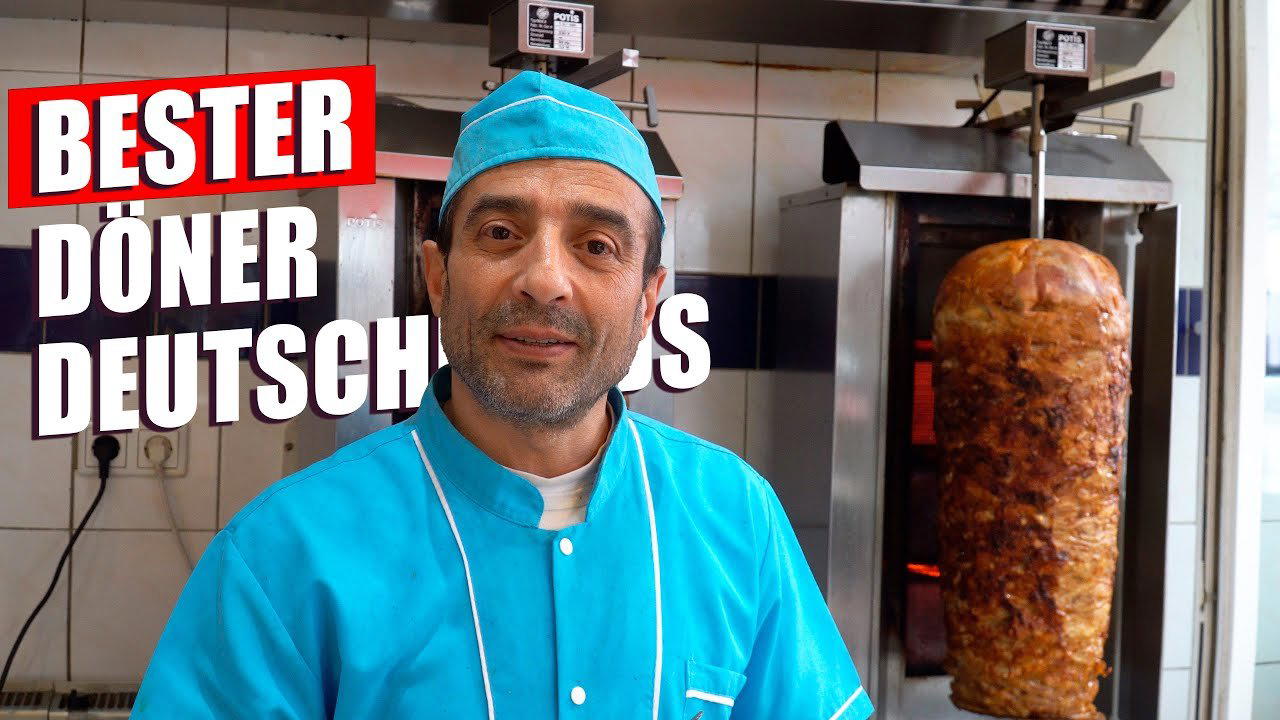
What the Döner Means in a German City
Germany's relationship with the döner kebab is longer and more structurally embedded than most food cultures acknowledge. Kebab House KURTULAN is a traditional Turkish kebab house in Hamburg, with a casual dress code, walk-in-friendly service, and a price around $10 per person. The dish arrived in West Germany with Turkish guest workers in the 1960s and 1970s, and over the following decades it was adapted, scaled, and in many cases stripped of the nuance that defines the version you'd find in Istanbul or Gaziantep. What emerged in most German cities was a fast-food format: bread, meat, sauce, assembly-line speed. A smaller number of independent Turkish counters resisted that reduction, maintaining the slower, more attentive approach to the rotating spit, the bread, and the accompaniments that make the döner worth eating as a dish rather than consuming as fuel.
Kebab House KURTULAN, at Leverkusenstraße 2 in Hamburg's Bahrenfeld district, belongs to that second category. The neighbourhood itself is instructive: Bahrenfeld sits west of Altona, away from the tourist corridors around HafenCity and the Speicherstadt, and its eating places largely serve the people who live and work there. That geography matters. Venues in areas like this price and operate for regulars, not for visitors making a single stop on a city itinerary, and that pressure tends to produce more consistent kitchens than the churn of the tourist trade allows.
The Cultural Architecture of the Turkish Kebab Counter
To understand what a serious kebab house offers, it helps to understand the traditions it draws from. The döner in Turkey is not one thing. Regional variations across Anatolia, Istanbul, and the Aegean define different ratios of meat, fat, and spice; different bread formats from pide to lavaş; and different accompaniment philosophies. The German döner diverged from those sources partly out of necessity and partly through commercial logic, producing a form that prioritised speed and portability over the integrity of each component.
What distinguishes the better independent counters from that mainstream is attention to the spit itself: the layering of meat, the fat distribution, the rotation speed, and the temperature management that determines whether the exterior chars correctly before the interior dries out. Bread is equally telling. A freshly baked pide from a Turkish bakery supplier behaves differently in the hand and on the palate than a factory-pressed alternative, and the gap between the two is not subtle once you know what you're looking for. Sauce and vegetable preparation round out the picture, with the gap between fresh-cut herbs and pre-packaged garnish visible immediately.
KURTULAN sits in Hamburg's independent Turkish counter scene, which is concentrated largely in Altona, Eimsbüttel, and the surrounding western districts. This part of the city has historically carried the densest concentration of Hamburg's Turkish community, and the eating places that have persisted there reflect a local clientele that applies informal but consistent quality expectations. Hamburg's broader dining scene, which runs from three-Michelin-starred kitchens like Restaurant Haerlin and The Table Kevin Fehling down through the mid-market and casual tiers, does not often turn its editorial attention to the city's Turkish counters. That gap in coverage is a structural feature of food journalism rather than an accurate reflection of what these venues produce.
Placing KURTULAN in Hamburg's Eating Scene
Hamburg's restaurant tier spreads widely. At the higher end, venues like 100/200 Kitchen, bianc, and Lakeside operate at price points and with booking logistics that place them in a specific premium tier. KURTULAN operates in an entirely different register, where the competitive frame is other independent Turkish counters and the judgment criteria centre on the quality of the meat, the bread, and the consistency of execution across the service. These are not lesser criteria; they are simply specific to the format.
The kebab counter model, when done with care, is one of the more technically demanding formats in casual dining. The meat must be correctly seasoned and layered before the service even begins; the spit's rotation and heat management run continuously through the service period; the carving technique affects texture and bite in ways that vary significantly between skilled and unskilled hands. A well-run independent counter is not coasting on familiarity. It is executing a set of decisions correctly, repeatedly, under the pressures of a busy service. That discipline is the measure that separates the KURTULAN tier from the kebab chains and airport-format grill houses.
For visitors who have spent time in Germany's other cities exploring similar kitchens, the regional comparison is useful context. Berlin's Turkish counter scene is especially densely contested in the country, with decades of fierce competition producing a generation of serious operators. Hamburg's version is smaller and less written about, but the city's Altona and Bahrenfeld corridors have sustained serious independent Turkish kitchens for decades. KURTULAN's address in Bahrenfeld places it within that tradition rather than outside it.
Planning Your Visit
Leverkusenstraße 2 is accessible from the centre of Hamburg via S-Bahn to Bahrenfeld station, placing the address within a direct connection from the city's main transit network. The format, based on what the independent Turkish counter model typically requires, is walk-in rather than reservation-based; the practical logic of the döner counter means capacity turns faster than a table-service kitchen and booking infrastructure is rarely necessary. Hours are Mon to Fri, 11 AM to 8 PM, with Saturday and Sunday closed; the venue operates without a listed website, so a visit or call to the address is a reliable way to confirm service times.
Hamburg's wider restaurant options span a significant range. Across Germany, serious kitchens worth cross-referencing include Aqua in Wolfsburg, JAN in Munich, Schwarzwaldstube in Baiersbronn, ES:SENZ in Grassau, Victor's Fine Dining by Christian Bau in Perl, Waldhotel Sonnora in Dreis, Schanz in Piesport, Bagatelle in Trier, CODA Dessert Dining in Berlin, and Vendôme in Bergisch Gladbach. International reference points in the premium tier include Le Bernardin in New York City and Atomix in New York City.
Pricing, Compared
Comparable venues nearby, for context on price, style, and recognition.
| Venue | Cuisine | Price | Notes |
|---|---|---|---|
| Kebab House KURTULANThis venue — the venue you are viewing | Not listed | $ | Not listed |
| HONEST KEBAB | Not listed | $ | Hamburg-Altstadt, Premium Turkish Döner Kebab |
| Mr. Kebab | Not listed | $ | St. Pauli, Turkish Kebab & Grill |
| Dubara | Barmbek, Turkish Street Food | $$ | Not listed |
| Kardelen | Neustadt, Turkish Street Food | $ | Not listed |
| Fischimbiss Schabi | Not listed | $ | Sternschanze, Fresh Grilled Seafood Fischimbiss |
Continue exploring
More in Hamburg
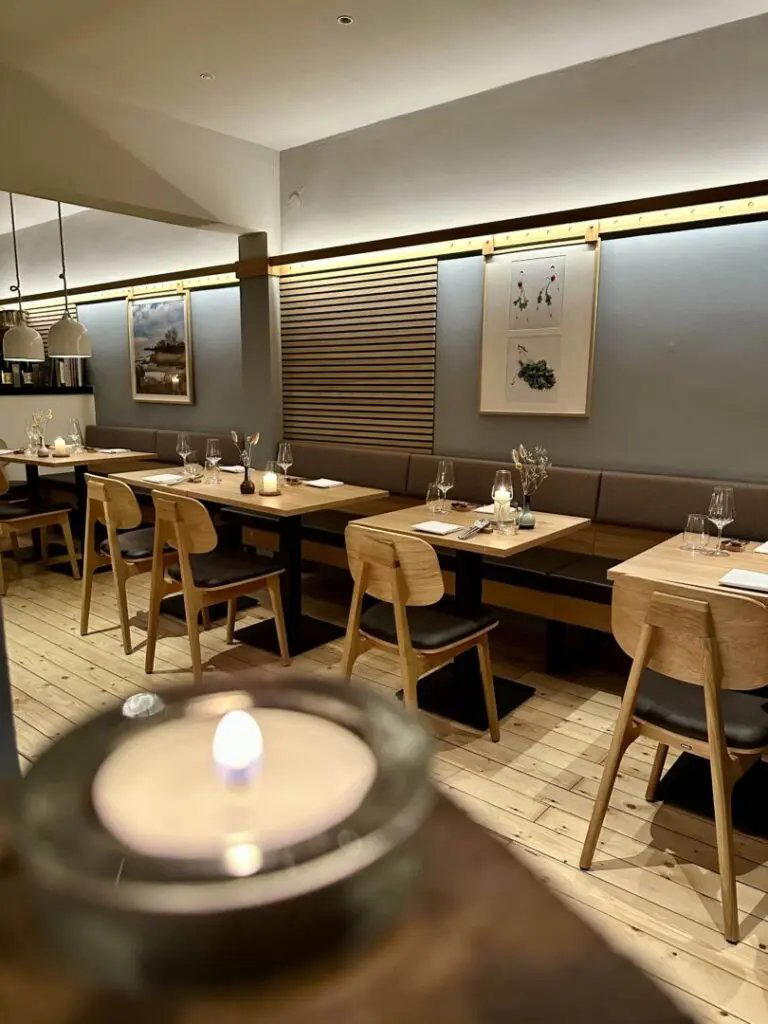
Restaurants in Hamburg
Browse all →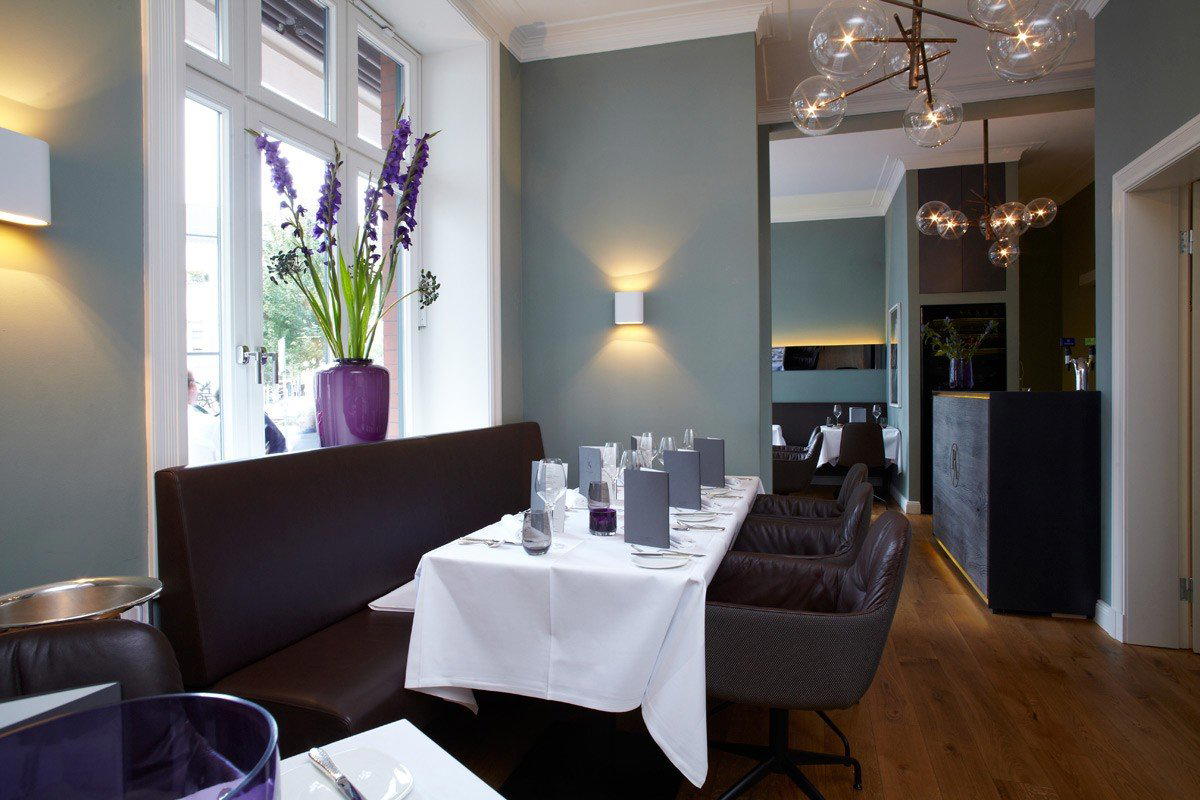
At a Glance
- Rustic
- Casual Hangout
- After Work
- Standalone
- Local Sourcing
Current opening hours
- Monday
- 11 AM–8 PM
- Tuesday
- 11 AM–8 PM
- Wednesday
- 11 AM–8 PM
- Thursday
- 11 AM–8 PM
- Friday
- 11 AM–8 PM
- Saturday
- Closed
- Sunday
- Closed
Hours can change for holidays and private events. Last verified .
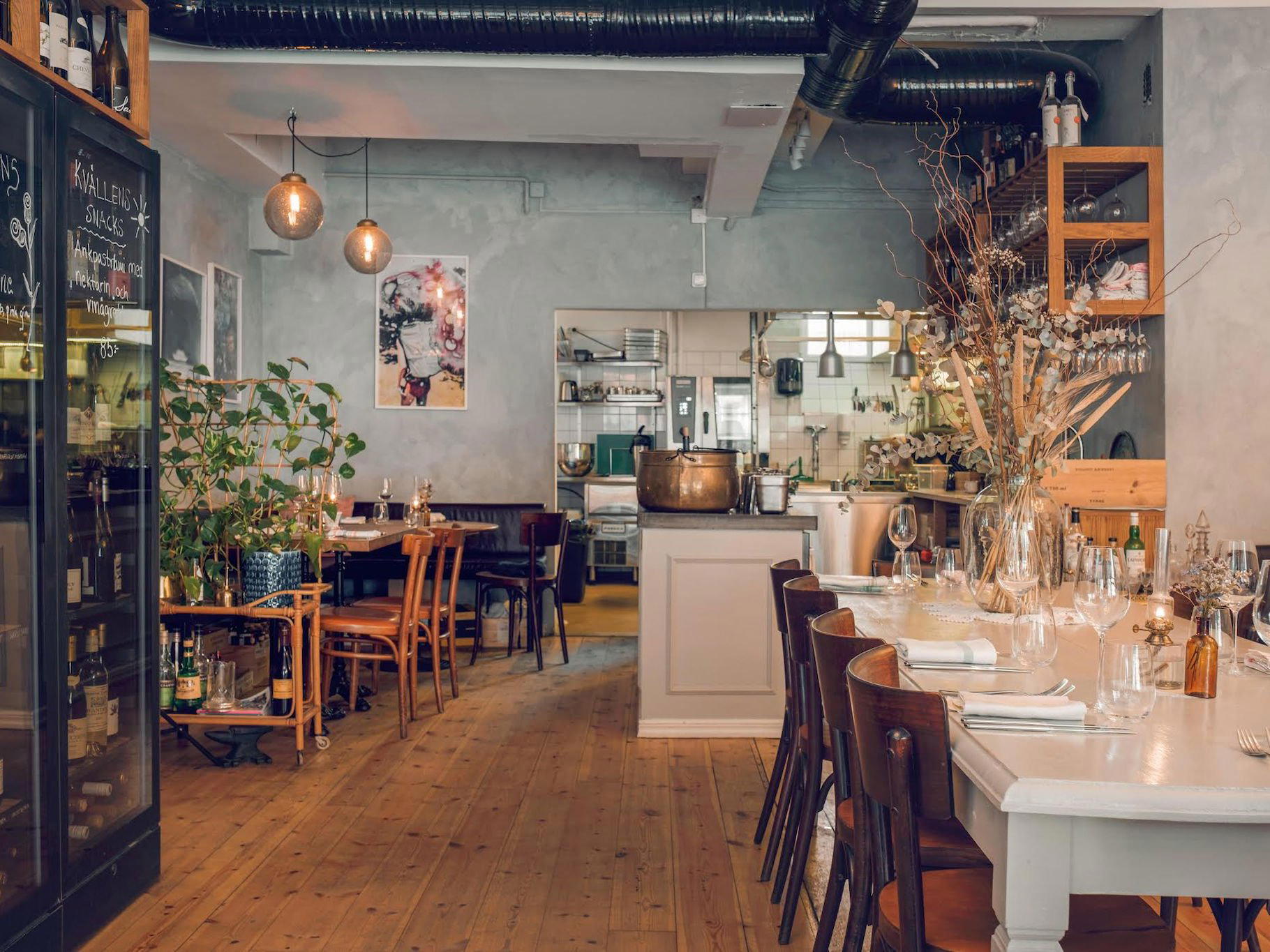
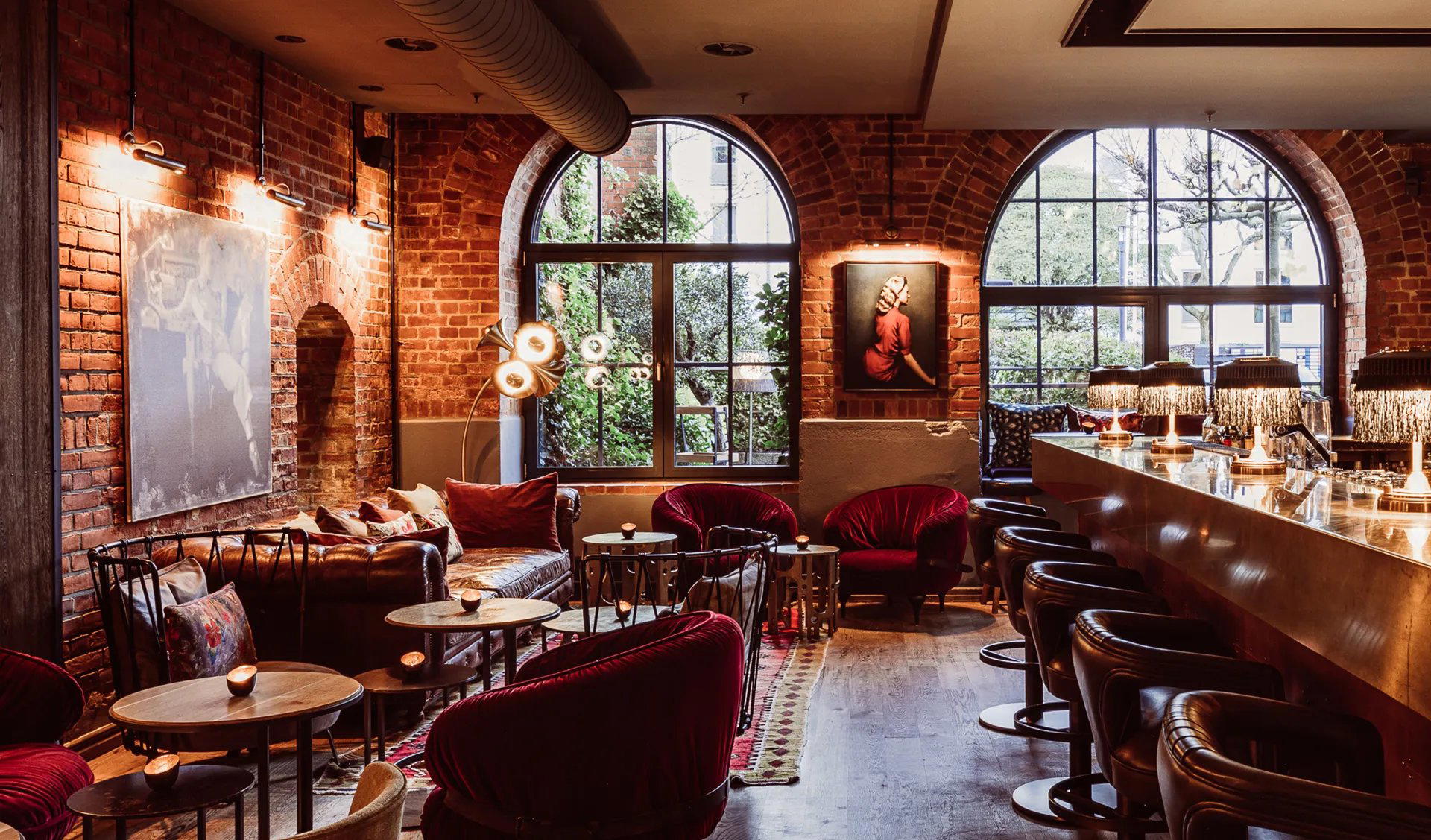
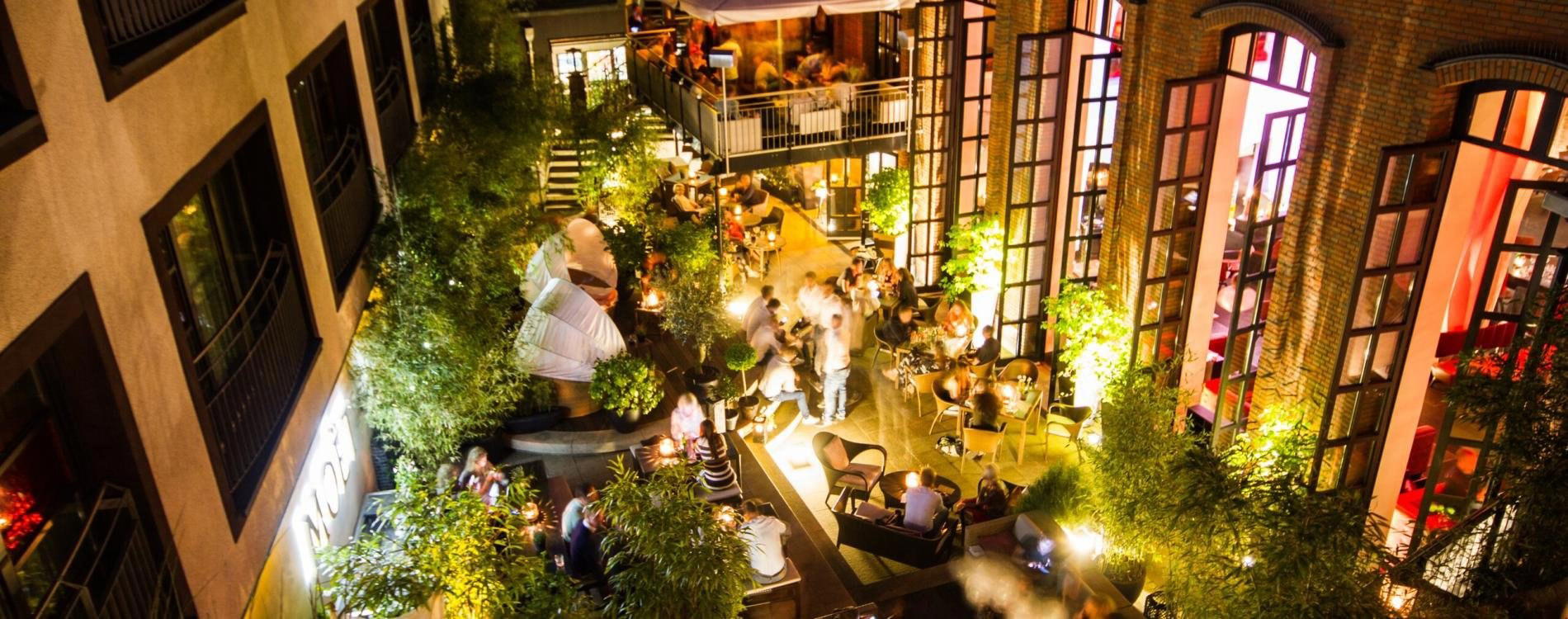
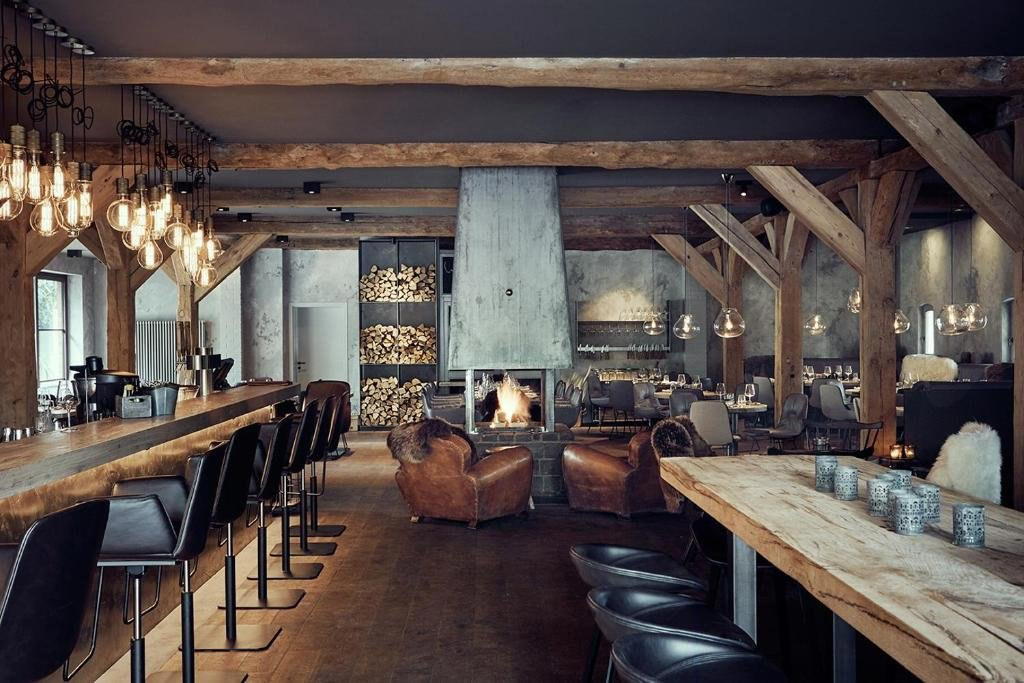
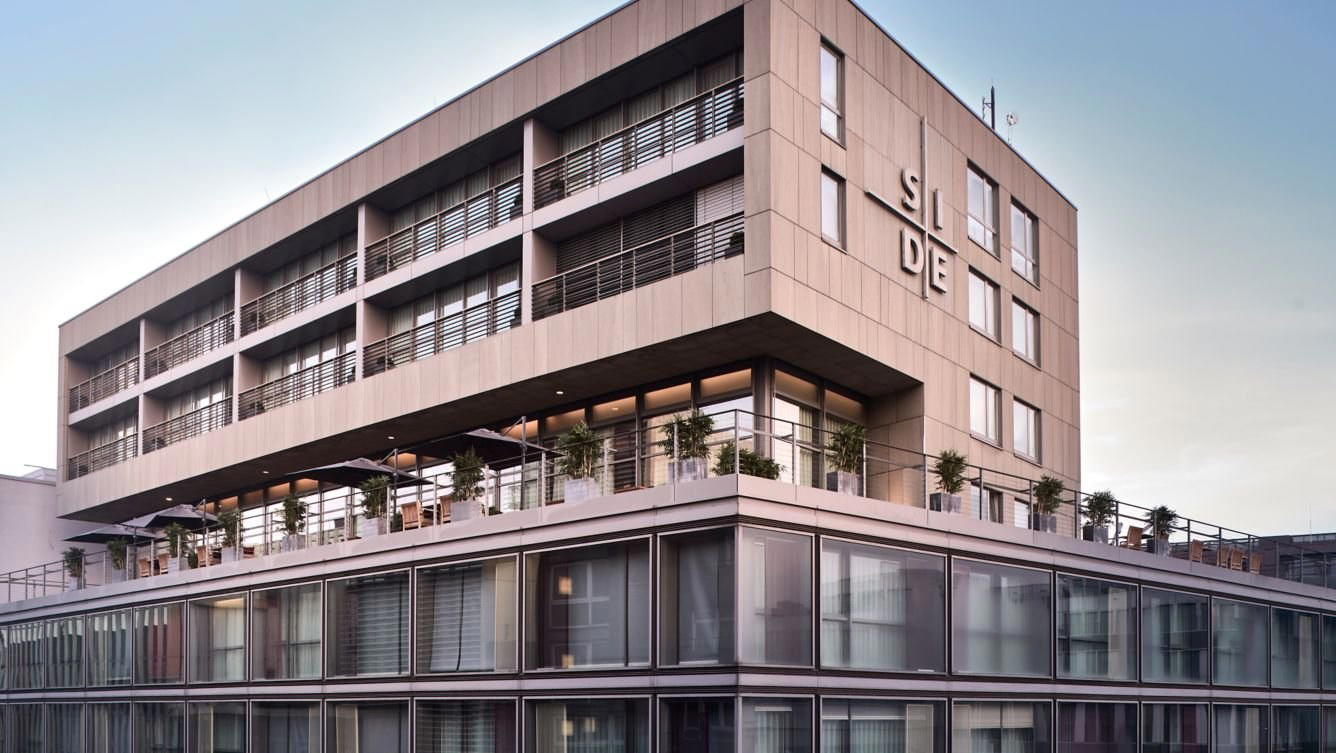
Pared-back, minimalist industrial setting with direct service through a small window.