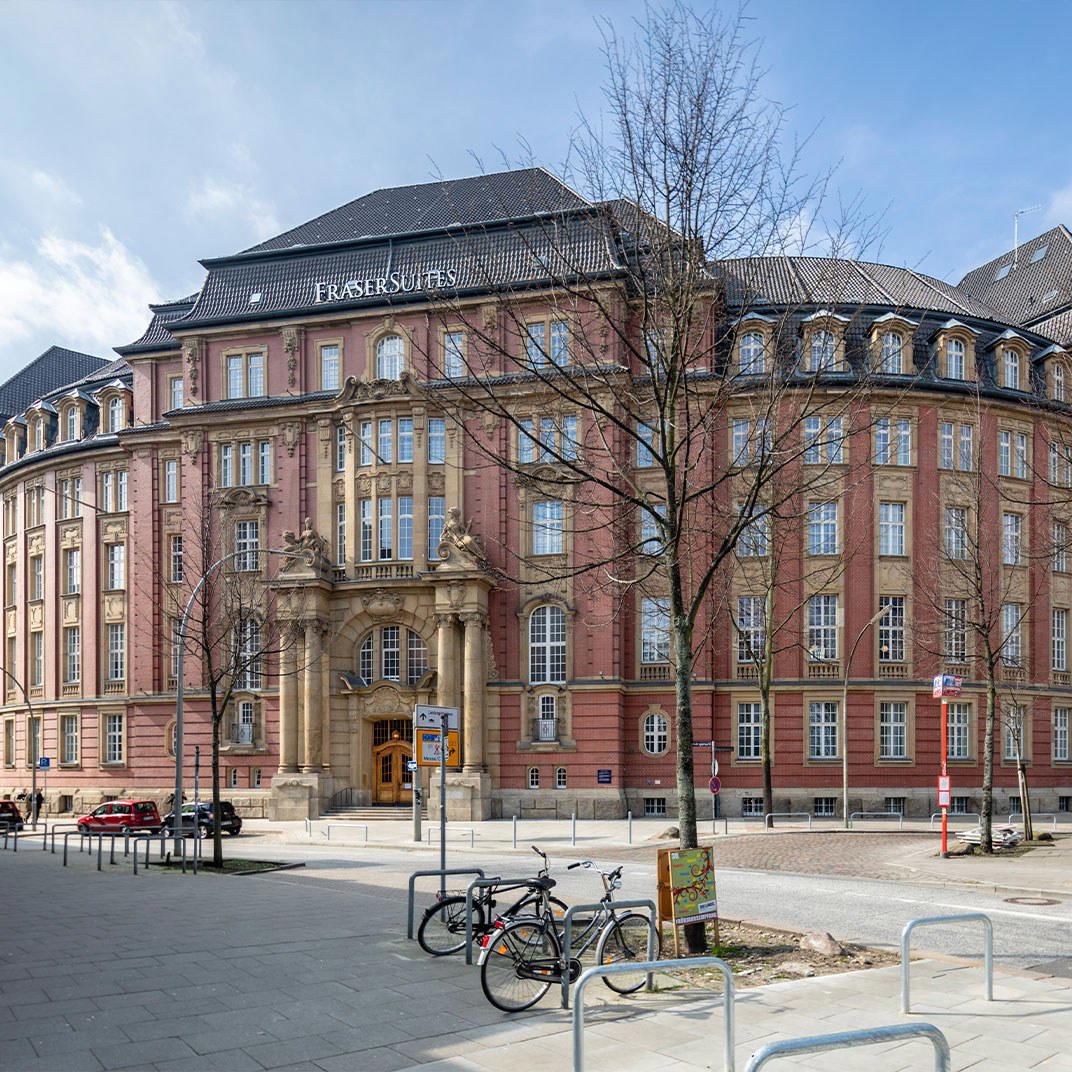
Köz Urfa brings the live-fire tradition of southeastern Turkish Urfa cuisine to Altona, positioning itself among Hamburg's more focused regional cooking addresses at Paul-Nevermann-Platz 2. Where the city's higher-end addresses lean French or pan-Mediterranean, Köz Urfa draws from a narrower, more specific culinary geography, the smoky, slow-sourced cooking culture of the Şanlıurfa region, making it a counterpoint to Hamburg's dominant fine-dining register.
Pearl is the En Primeur Club membership app — saves, bookings, and concierge access live there. Same editors, same standards.
- Address
- Paul-Nevermann-Platz 2, 22765 Hamburg, Germany
- Phone
- +494030035826
- Website
- kozurfa.de
- Directions
- Get directions
 Saves & bookings on Pearl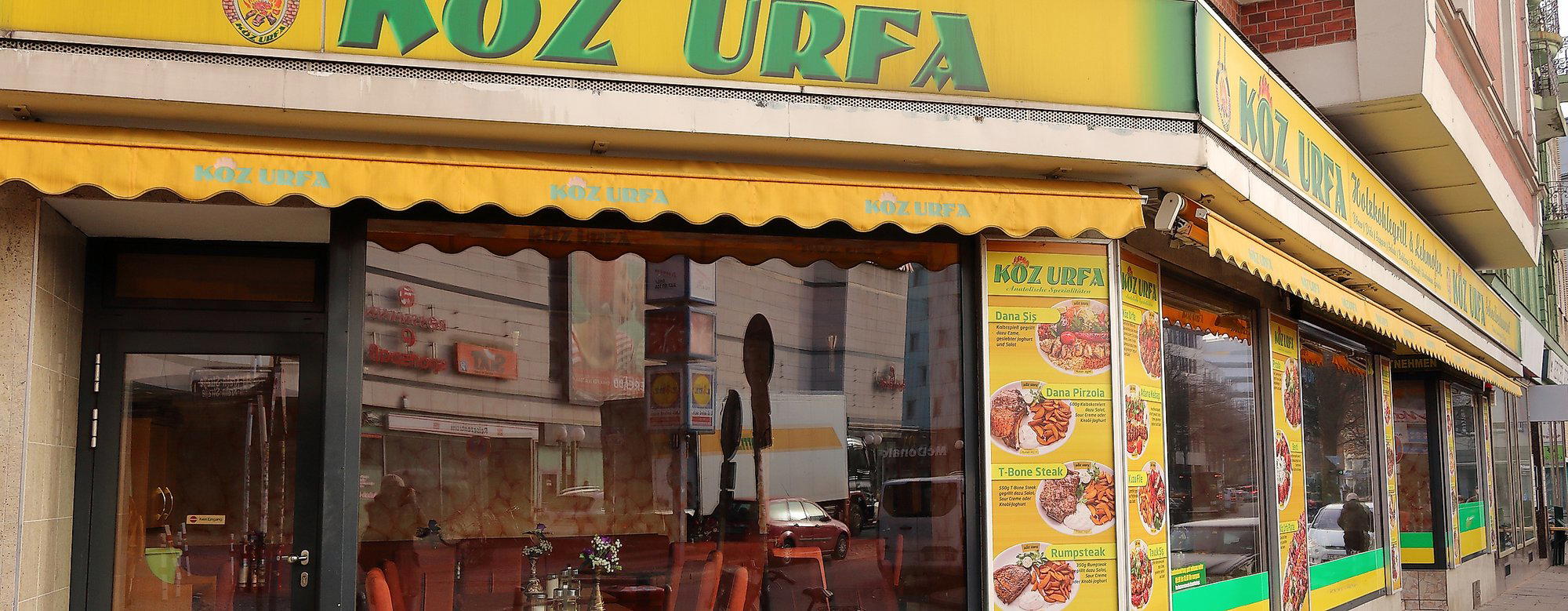
Altona's Live-Fire Counterpoint
Hamburg's dining scene has long been anchored by French technique and Nordic restraint. At the leading end, addresses like Restaurant Haerlin and The Table Kevin Fehling set the city's fine-dining register, while newer entries such as 100/200 Kitchen and bianc push into creative Mediterranean territory. Köz Urfa is a restaurant at Paul-Nevermann-Platz 2 in Altona, Hamburg, serving authentic Turkish grill cooking. It draws from the live-fire, open-grill traditions of Şanlıurfa, a city in southeastern Turkey whose cooking identity is built around charcoal, slow-rendered fat, and a set of regional dishes that rarely travel intact to northern Europe.
The name signals intent. 'Köz' translates roughly as embers or fire in Turkish, and 'Urfa' points directly to its culinary origin. This is not generalist Turkish-German cuisine but a more geographically specific proposition, the kind of regional focus that has become a credibility marker in European cities where diners have grown skeptical of catch-all ethnic restaurant formats. In Hamburg's Altona district, a neighbourhood with a historically dense immigrant population and a food culture that reflects that complexity, this kind of specificity reads as confidence rather than novelty.
The Urfa Cooking Tradition and What It Means in Practice
Şanlıurfa sits close to the Syrian border, and its cooking reflects centuries of trade-route influence: Arab, Kurdish, and Ottoman layers that produce a cuisine distinct from the Istanbul-derived Turkish food most Western diners know. The keynote ingredients are isot pepper (a deep, dark Urfa chilli with low heat and high fermented complexity), lamb from local breeds, and preparations that depend on charcoal proximity rather than oven management. Kebab forms from this region, including the wide, flat-grilled Urfa kebab itself, prioritise texture and fat integration over marinades or saucing.
This cooking tradition is resource-attentive by design. Traditional Urfa preparation uses whole-animal logic, where fat, offal, and secondary cuts appear alongside the primary meat. The charcoal method, while energy-intensive in a narrow sense, historically generated less food waste than multi-stage kitchen production, because the live-fire format encourages cooking to order and limits pre-production. Venues in this tradition that maintain those practices in a European urban context occupy an interesting position relative to the sustainability conversation that now runs through premium dining. The sourcing question, where the lamb comes from, whether the isot is imported direct from Urfa or substituted, matters considerably to how faithful the end result is. At venues with genuine supply-chain commitment to the region's producers, that specificity is itself a form of ethical sourcing, even if it doesn't carry the vocabulary of Scandinavian or California farm-to-table marketing.
Where It Sits in the Hamburg Picture
Hamburg has a more active Turkish and Middle Eastern dining culture than its fine-dining reputation suggests. The city's port history and its Altona and Wilhelmsburg neighbourhoods have supported these cuisines for decades, but the move toward regional specificity, Urfa rather than generic Turkish, Adana rather than standard kebab, is a more recent shift, one that mirrors what happened to Italian regional cooking in London and New York over the past twenty years. Köz Urfa's address at Paul-Nevermann-Platz places it in central Altona, accessible and visible, rather than embedded in a neighbourhood food market or side street format that would limit its reach.
Compared to the city's reference restaurants, Lakeside at the upper end of German cooking, or the creative European register at bianc, Köz Urfa operates in a different price tier and with a different kind of authority. The authority here is culinary-geographical, not tasting-menu-driven. It belongs to a category of restaurants across German cities where the credential is regional fidelity rather than chef pedigree or award accumulation. For context on how this type of focused regional cooking performs elsewhere in Germany, the contrast with Michelin-starred formats at Aqua in Wolfsburg or JAN in Munich is instructive: those venues earn recognition through creative transformation of ingredients, while a place like Köz Urfa earns its position by not transforming, by keeping the Urfa tradition intact in translation.
Planning a Visit
Paul-Nevermann-Platz 2 in Altona is well-connected by Hamburg's S-Bahn network, with Altona station a short walk away. The neighbourhood is dense with eating options, but the live-fire specificity of the restaurant's format means it draws a repeat clientele rather than casual foot traffic alone. At about $15 per person, it sits firmly in a casual mid-range bracket.
Those interested in how creative dessert-led or highly experimental formats develop in German cities might look at CODA Dessert Dining in Berlin as a reference point for the direction German dining is moving at its most experimental edge, a useful counterpoint to the tradition-preservation model that venues like Köz Urfa represent.
The Quick Read
Comparable venues nearby, for context on price, style, and recognition.
| Venue | Cuisine | Price | Notes |
|---|---|---|---|
| Köz UrfaThis venue — the venue you are viewing | Altona-Nord, Authentic Turkish Grill | $$ | Not listed |
| Ustam | Sternschanze, Anatolian Turkish Grill | $$ | Not listed |
| LOKMAM KÖZ | Sternschanze, Turkish Grill & Meze | $$ | Not listed |
| Köz-Antep | Not listed | $$ | St. Pauli, Authentic Turkish Antep Kebab |
| Ata | Farmsen, Turkish Specialties | $$ | Not listed |
| Kebab House KURTULAN | Not listed | $ | Neumuehlen, Traditional Turkish Kebab House |
Continue exploring
More in Hamburg
Restaurants in Hamburg
Browse all →
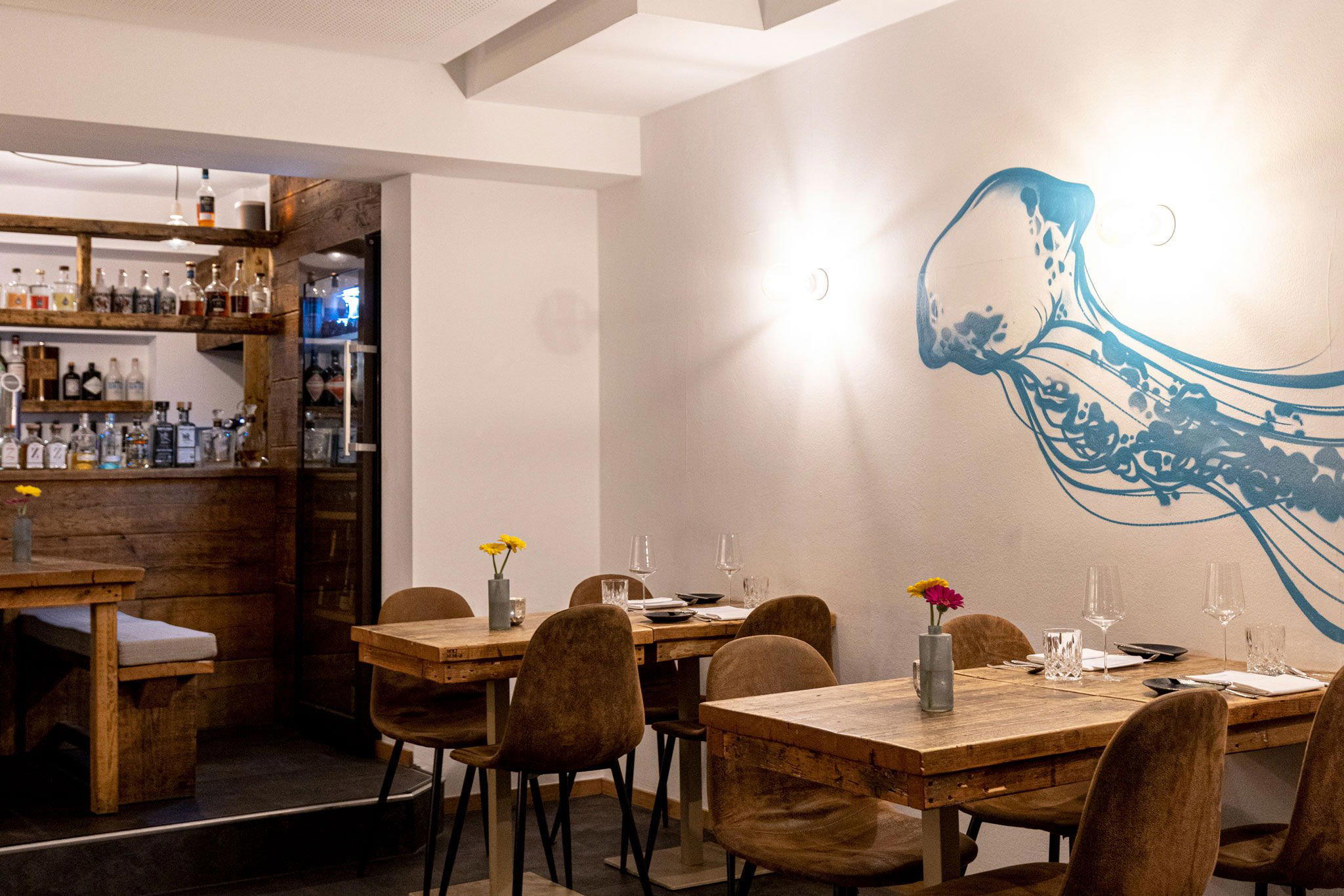
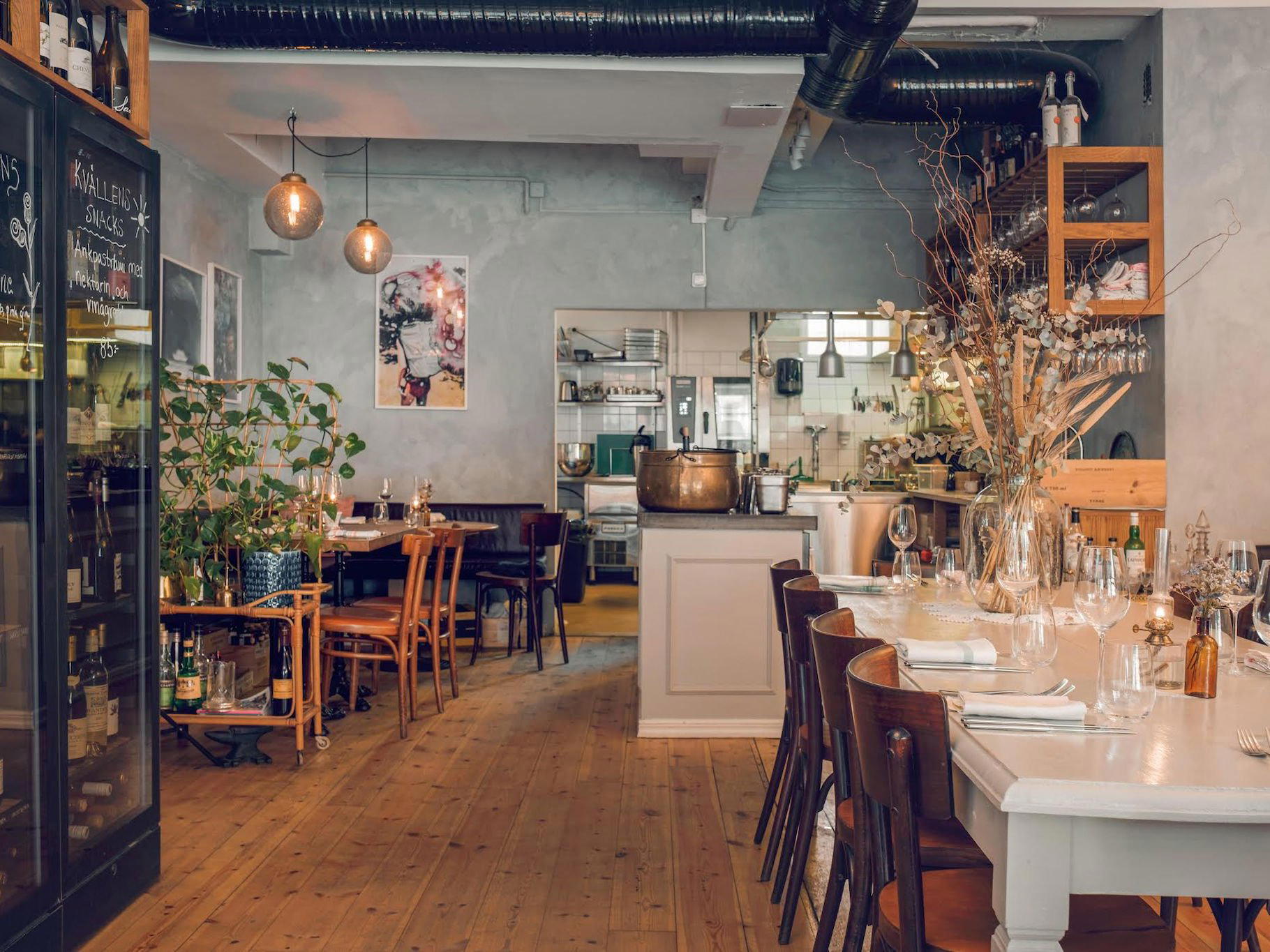
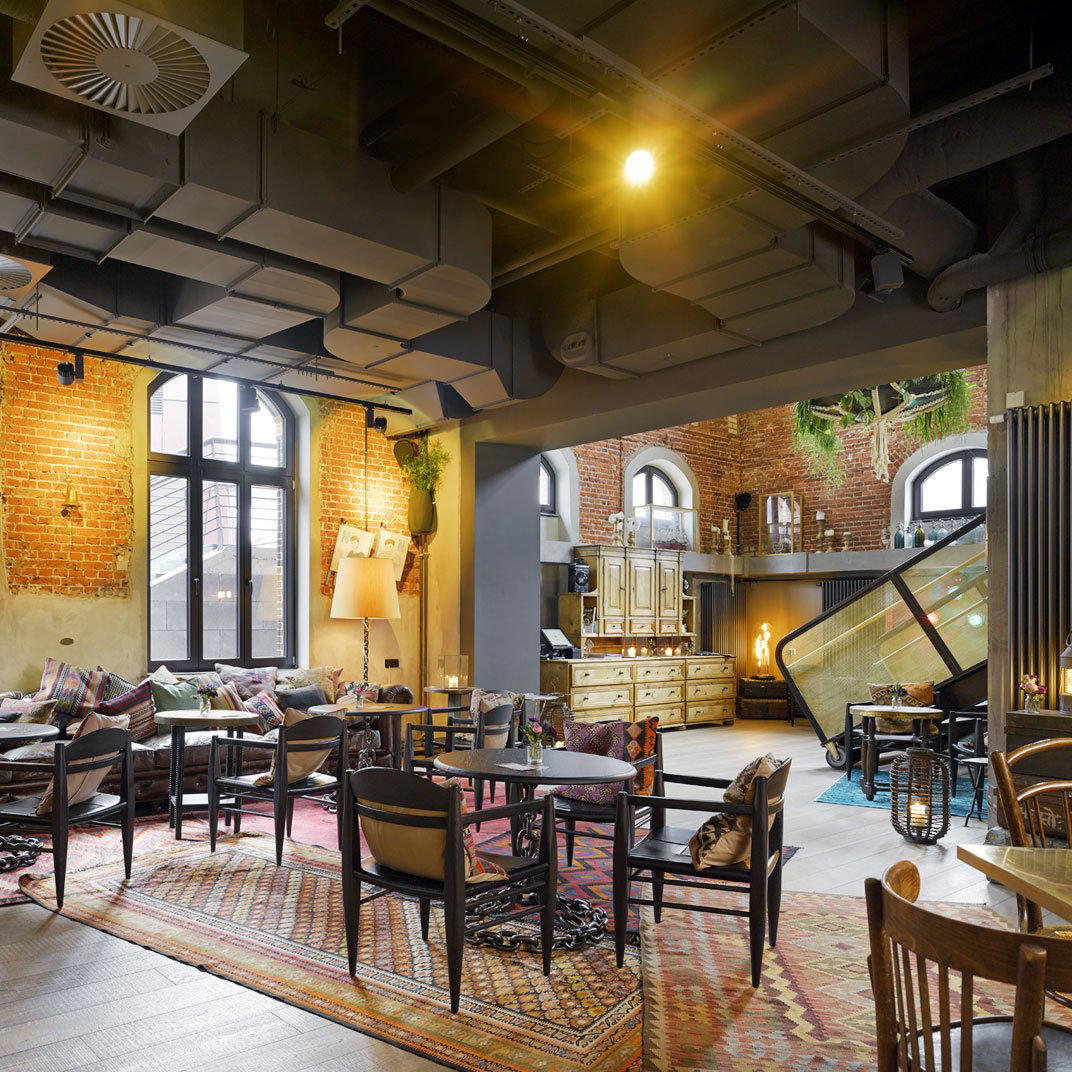
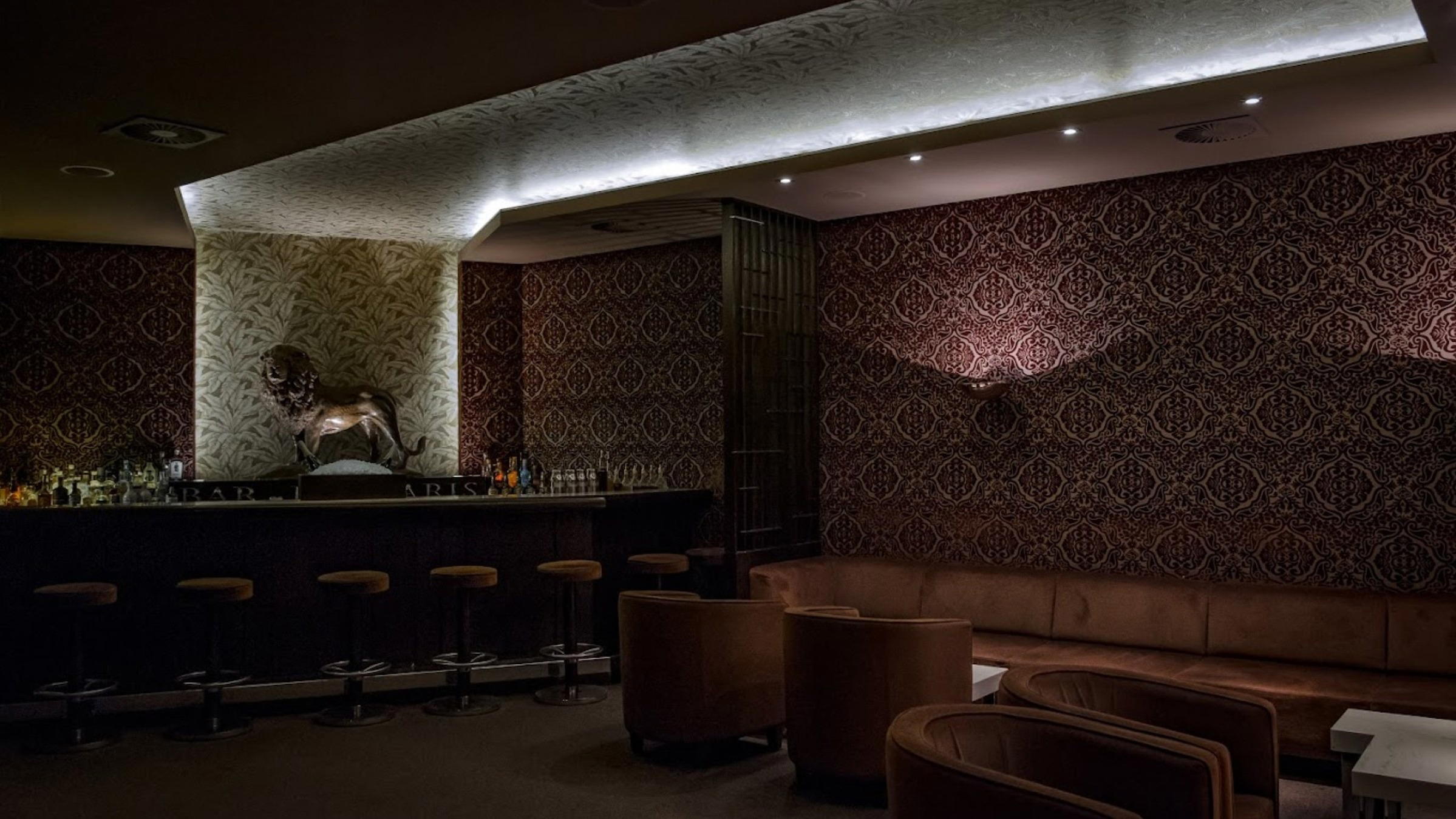
At a Glance
- Lively
- Rustic
- Casual Hangout
- Group Dining
- Late Night
- Open Kitchen
Current opening hours
- Monday
- 8 AM–1 AM
- Tuesday
- 8 AM–1 AM
- Wednesday
- 8 AM–1 AM
- Thursday
- 8 AM–1 AM
- Friday
- 8 AM–2 AM
- Saturday
- 8 AM–2 AM
- Sunday
- 8 AM–1 AM
Hours can change for holidays and private events. Last verified .
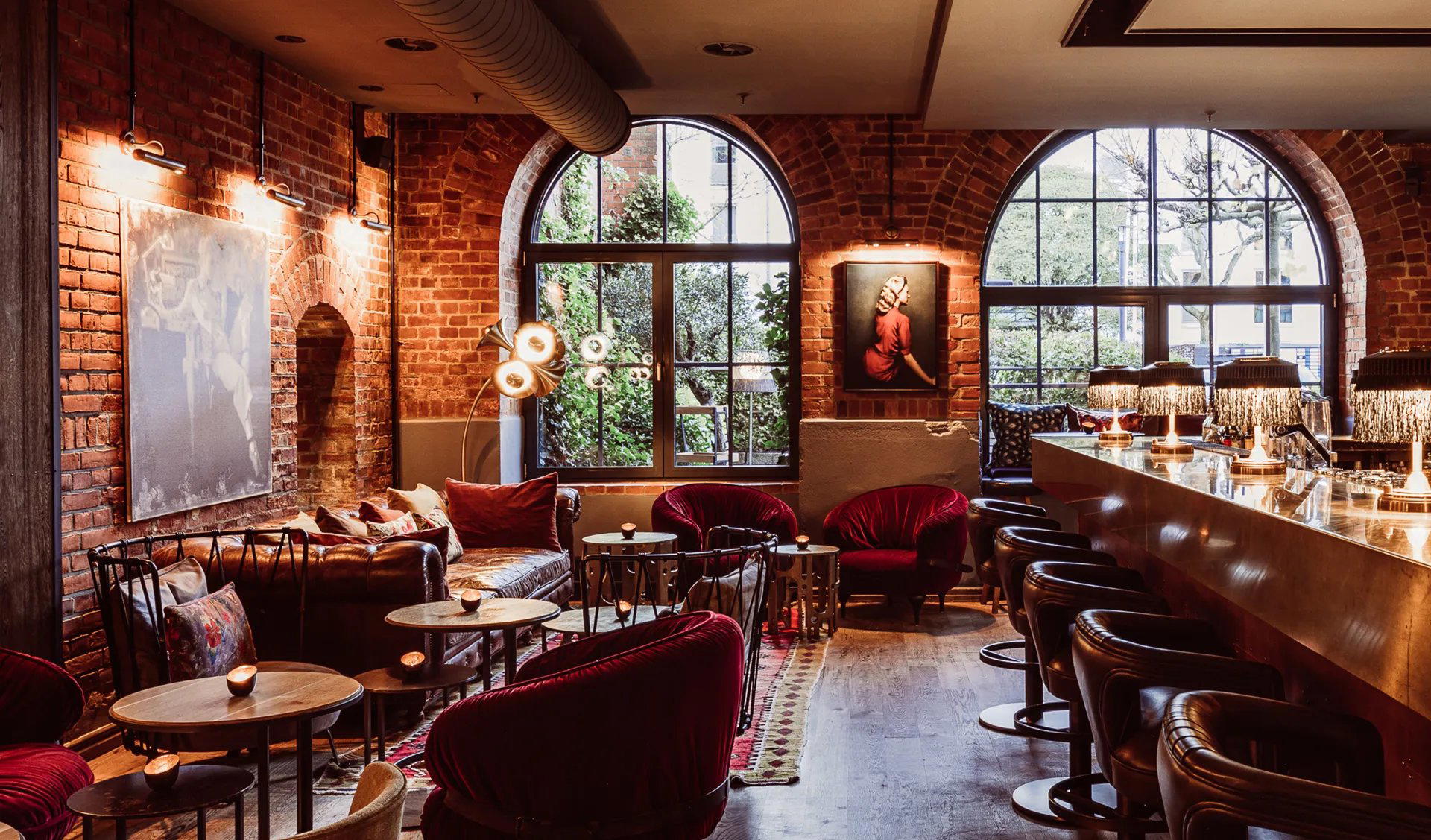
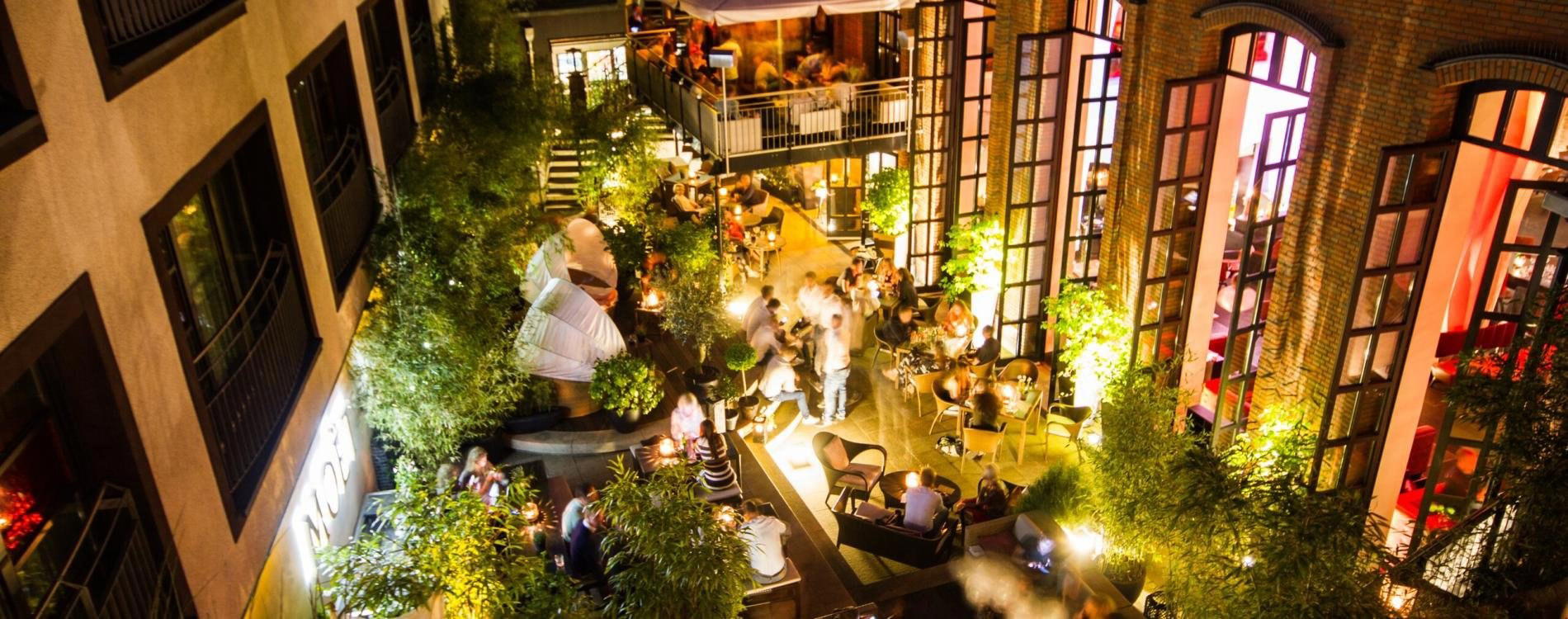
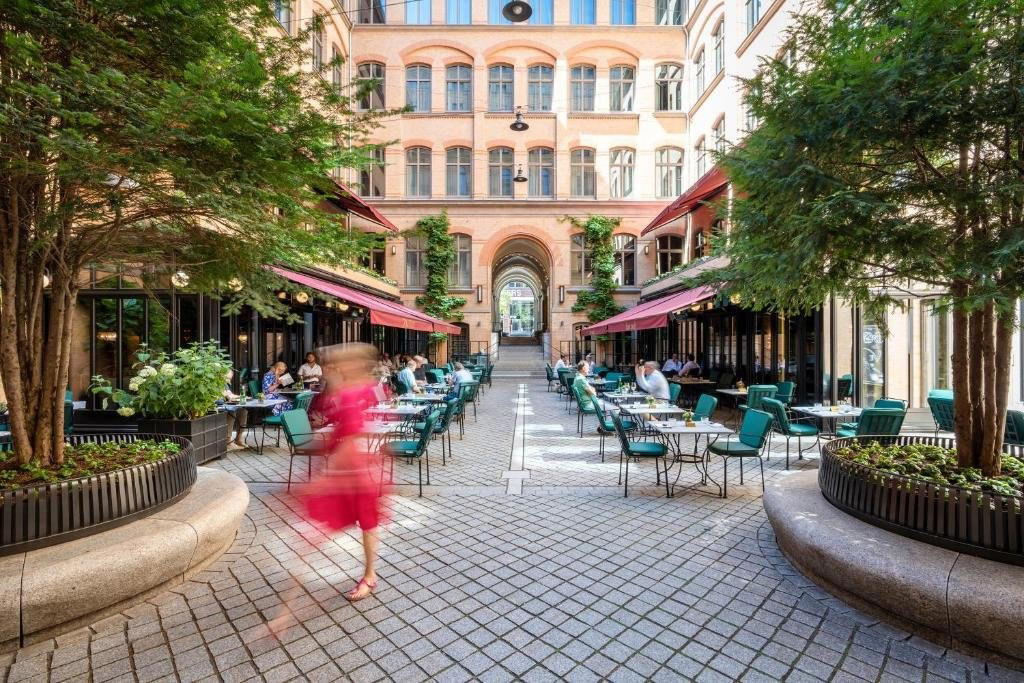
Brightly-lit, oriental, authentic, and simple with a bustling atmosphere.