On a side street in Hamburg's St. Pauli district, Mexiko Strasse Taquería occupies a neighbourhood where late-night foot traffic and a casual street-food register have long coexisted. The address on Detlev-Bremer-Straße places it firmly within a dining corridor that runs the full spectrum from taco counters to Michelin-starred rooms. For visitors calibrating Hamburg's food scene, it represents the city's appetite for internationally rooted, neighbourhood-scale eating.
Pearl is the En Primeur Club membership app — saves, bookings, and concierge access live there. Same editors, same standards.
- Address
- Detlev-Bremer-Straße 43, 20359 Hamburg, Germany
- Website
- mexikostrasse.com
- Directions
- Get directions
 Saves & bookings on Pearl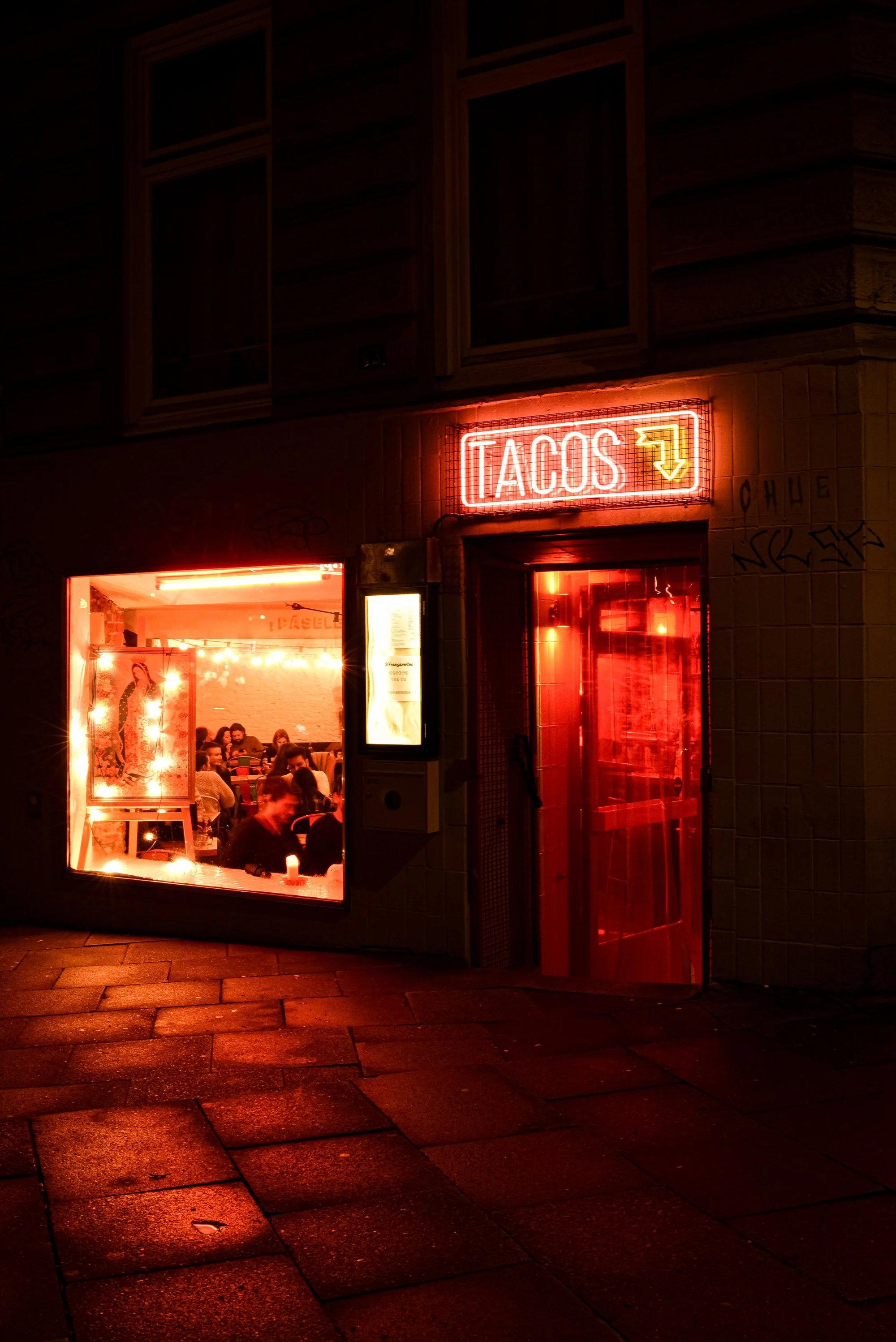
St. Pauli's Street-Food Register
Hamburg's St. Pauli quarter has never settled into a single culinary identity. The neighbourhood runs from the Reeperbahn's late-night economy northward into residential blocks where corner restaurants and counter-service formats have gradually displaced older dive bars. It is in this shifting corridor that Detlev-Bremer-Straße sits, a short side street that carries enough foot traffic to sustain a taquería format without the tourist-facing visibility of the harbour front. Mexiko Strasse Taquería occupies that address at number 43, and the location tells you something important before you've touched the food: this is neighbourhood eating in a neighbourhood that takes casual formats seriously.
The broader context matters here. German cities have been slower than London or Amsterdam to absorb Mexican street food as a stable, recurring category rather than a novelty. Hamburg, with its port-city openness to imported culinary traditions and a genuinely international resident population, has been among the more receptive German cities for that shift. The taquería format, counter service or close to it, tortillas made or sourced with some attention to origin, proteins built around a short, rotating roster rather than an exhaustive menu, has found a more credible foothold in Hamburg than in many German cities of comparable size.
What the Address Signals
The Detlev-Bremer-Straße address places Mexiko Strasse Taquería in the western edge of St. Pauli, within reasonable walking distance of both the Schanzenviertel and the Altona border. This positioning is not incidental. The Schanzenviertel has spent the last decade consolidating a reputation for mid-market, independent food businesses with genuine culinary intent, and its gravitational pull extends into the blocks around it. Restaurants in this zone tend to be priced for regular local use rather than occasional occasion dining, and the competitive pressure comes from other neighbourhood independents rather than from the city's formal dining tier.
Hamburg's formal dining tier operates at a considerable remove from the taquería register. The city holds multiple Michelin-starred rooms, among them Restaurant Haerlin and The Table Kevin Fehling, both running elaborate tasting-menu formats at €€€€ price points. 100/200 Kitchen, bianc, and Lakeside occupy similar refined positions in Hamburg's dining hierarchy. Mexiko Strasse Taquería operates in a categorically different tier, which is not a criticism; it reflects how Hamburg's food scene has broadened. A city that can sustain three-Michelin-star ambition and a serious taquería scene on the same postal district boundary is doing something right in terms of range.
The Taquería Format in a European Context
Across Europe's larger cities, the taquería format has matured considerably since its early iterations as Tex-Mex approximations in the 1990s. The current generation of European taquerías, Hamburg included, tends to reference specific Mexican regional traditions more carefully, with an emphasis on masa quality, protein sourcing, and the kind of restraint that lets two or three components carry a dish rather than burying them in condiments. Whether the restaurant operates within this more considered strain of European Mexican cooking is something the venue's own output will answer, but the St. Pauli context suggests a clientele that has grown more informed about what the format can do when executed with attention.
Germany's wider fine-dining circuit, covered across EP Club in cities from Aqua in Wolfsburg to JAN in Munich and from Schwarzwaldstube in Baiersbronn to Vendôme in Bergisch Gladbach, represents one end of the country's dining ambition. But the cities supporting that fine-dining tier are equally shaped by the neighbourhood independents that fill the hours between market visits and tasting-menu evenings. CODA Dessert Dining in Berlin, ES:SENZ in Grassau, Victor's Fine Dining by Christian Bau in Perl, Waldhotel Sonnora in Dreis, Schanz in Piesport, and Bagatelle in Trier each represent a specific register of German culinary ambition. The restaurant sits nowhere near that register, which is precisely the point: Hamburg's food scene has width, and the taquería occupies a position in it that those rooms cannot.
For international visitors who arrive in Hamburg with reference points from New York's current Mexican-adjacent scene, the Hamburg taquería category will read differently. The comparison is not direct, but it underlines how varied the vectors of culinary seriousness can be across a single city's full dining range.
Reading the Neighbourhood Around It
St. Pauli's eating and drinking options have shifted considerably over the past decade. The Reeperbahn corridor, once dominated by late-night fast food and tourist-facing bars, now includes enough credible independent restaurants to constitute a genuine dining destination on its own terms. The blocks north and west of the main strip carry more of the neighbourhood's day-to-day eating life: coffee shops opening early, lunch spots running tight menus, evening restaurants that rely on regulars rather than passing trade. Detlev-Bremer-Straße, positioned within this quieter residential-commercial mix, is the kind of street where a taquería can build a local following without competing in a tourist-heavy environment.
That local-following model matters for how you approach a visit. Neighbourhood taquerías operating on counter-service or near-counter-service formats tend to have short queues at peak hours (typically lunch and early evening) and little buffer capacity. Coming slightly off-peak, mid-afternoon or at opening, tends to reduce wait times without sacrificing what the kitchen is doing.
Know Before You Go
- Address: Detlev-Bremer-Straße 43, 20359 Hamburg, Germany
- Neighbourhood: St. Pauli, western edge near Altona border
- Nearest transport: S-Bahn Reeperbahn or U-Bahn St. Pauli (short walk)
- Booking: Walk-in friendly
- Hours: Mon: Closed; Tue: 12–10 PM; Wed: 12–10 PM; Thu: 12–10 PM; Fri: 12–11 PM; Sat: 5–11 PM; Sun: 4–9 PM
- Price range: About $15 per person
How It Stacks Up
Comparable venues nearby, for context on price, style, and recognition.
| Venue | Cuisine | Price | Notes |
|---|---|---|---|
| Mexiko Strasse TaqueríaThis venue — the venue you are viewing | Authentic Mexican Taqueria | $ | Not listed |
| San Burrito | Mexican Street Food | $ | Neu Lokstedt |
| BABORRITO - LOST IN MÉXICO | Authentic Mexican Taqueria | $ | Rotherbaum |
| Mö Grill | Traditional Hamburg Currywurst | $ | Hamburg-Altstadt |
| Diggi Smalls | Oriental Street Food & Halal Wraps | $ | Rotherbaum |
| Burger Heroes | Smash Burgers | $ | St. Pauli |
Continue exploring
More in Hamburg
Restaurants in Hamburg
Browse all →
At a Glance
- Lively
- Trendy
- Casual Hangout
- Group Dining
- Open Kitchen
- Beer Program
Current opening hours
- Monday
- Closed
- Tuesday
- 12–10 PM
- Wednesday
- 12–10 PM
- Thursday
- 12–10 PM
- Friday
- 12–11 PM
- Saturday
- 5–11 PM
- Sunday
- 4–9 PM
Hours can change for holidays and private events. Last verified .
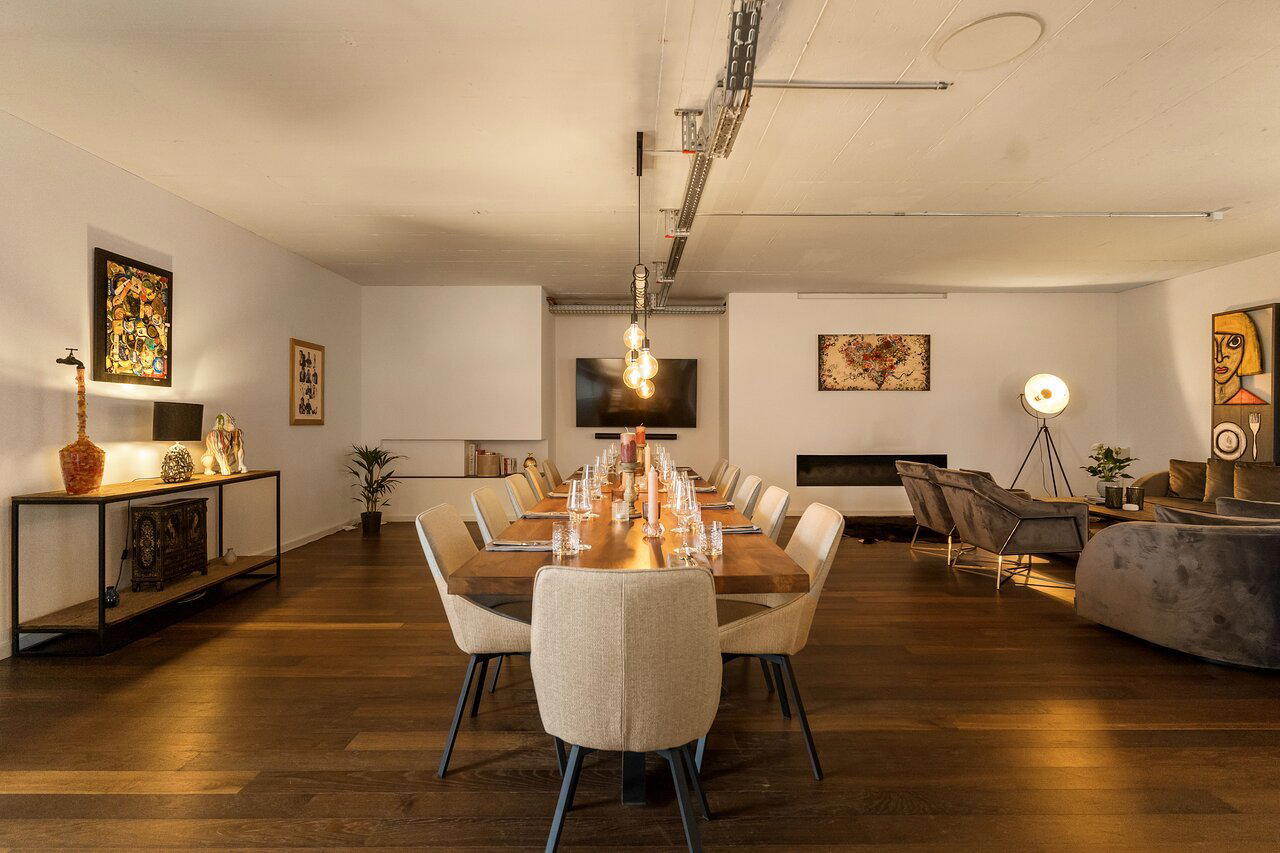
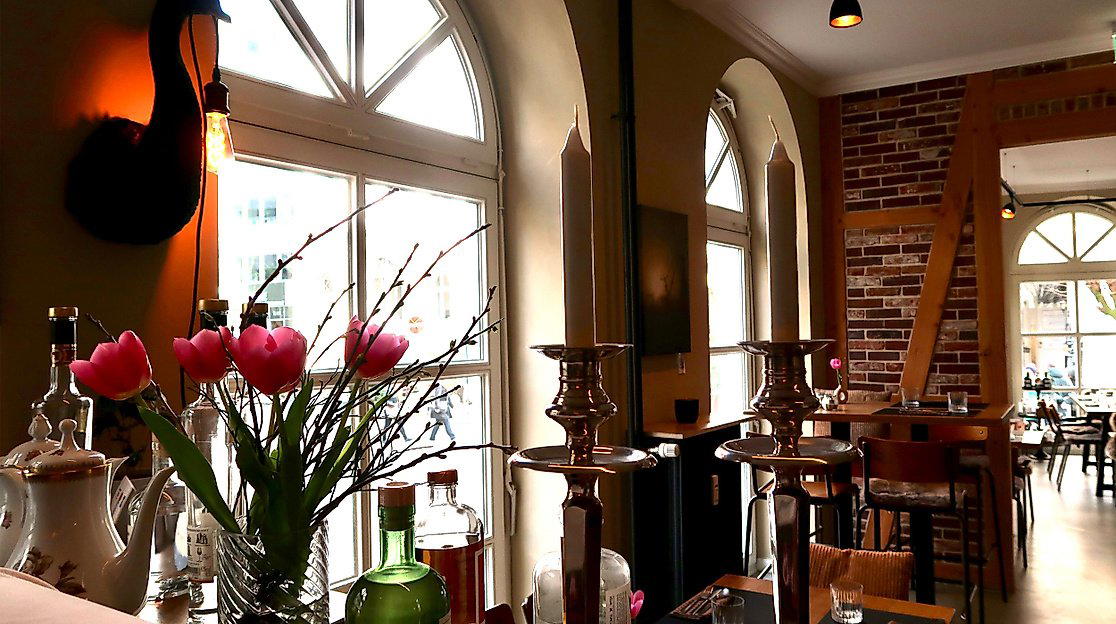
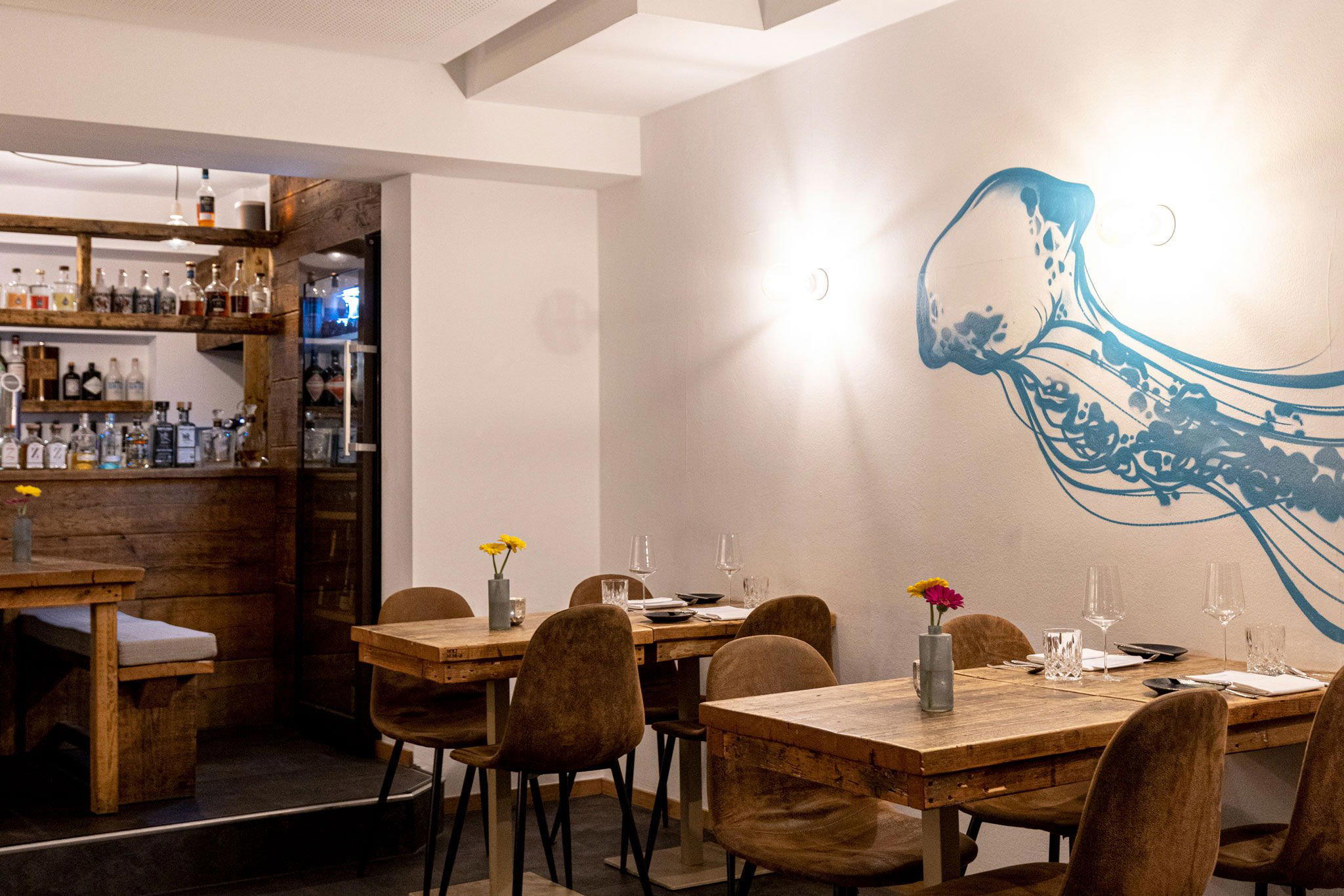
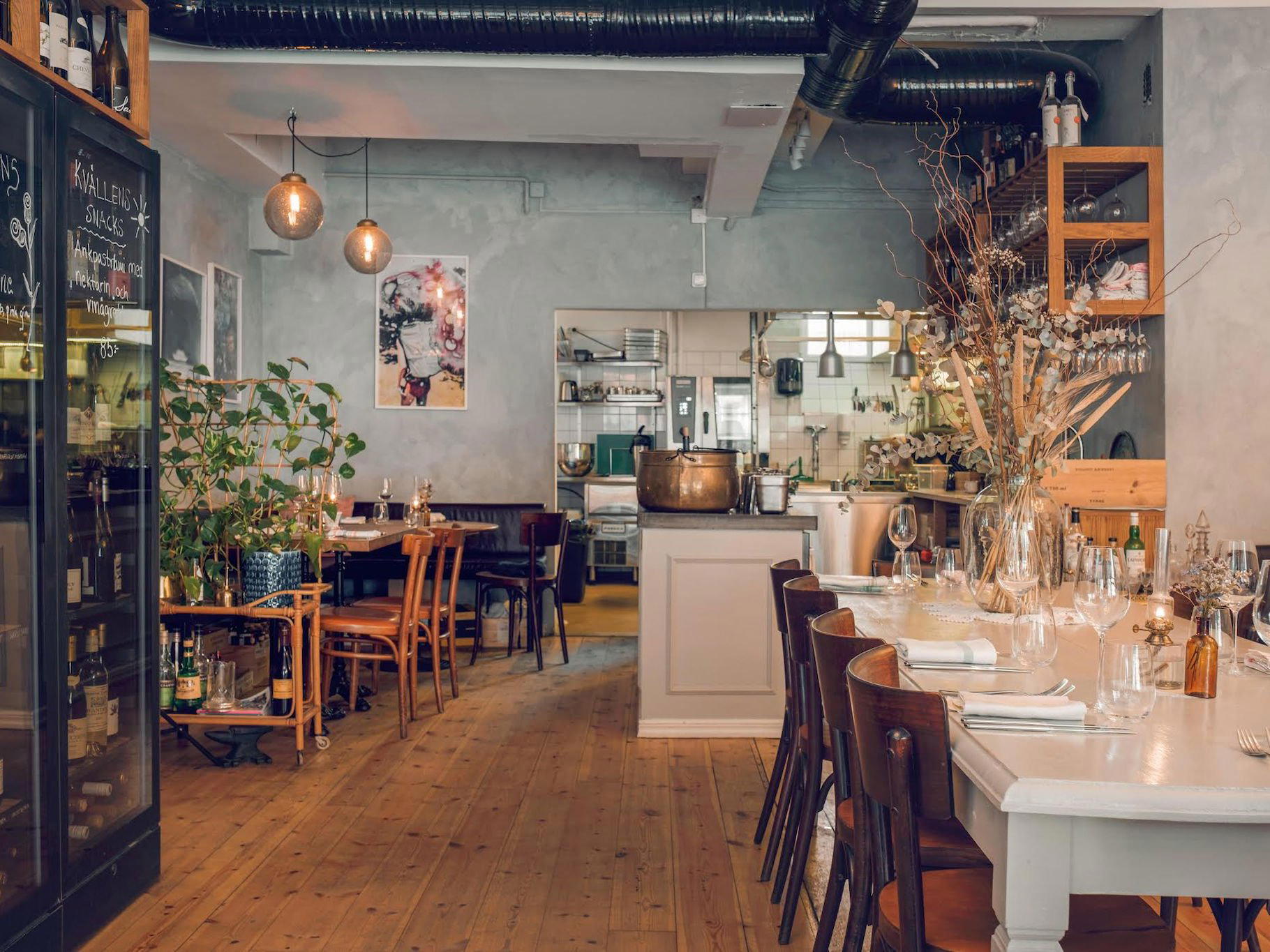
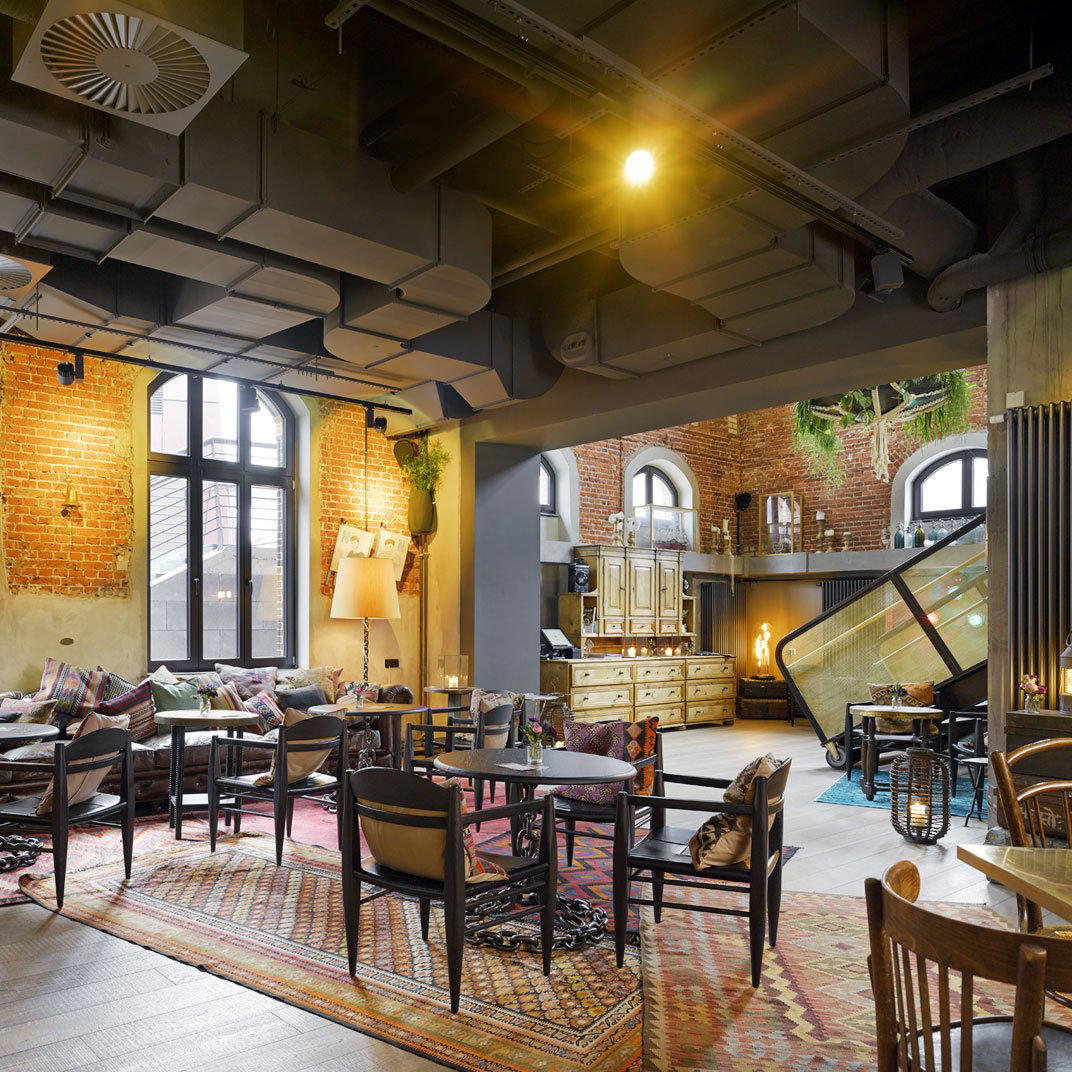
Loud and lively atmosphere inspired by Mexican street food culture with energetic vibes.