


Xin RongJi’s Xinyuan South Road address belongs to Beijing’s serious Chinese dining tier, where high-heat technique, seafood handling, and banquet discipline carry more weight than theatre. La Liste scores of 95 points for 2026 and 94.5 for 2025, plus Black Pearl 2 Diamond recognition in 2025, put it in a measured luxury bracket rather than a casual neighbourhood category.
Pearl is the En Primeur Club membership app — saves, bookings, and concierge access live there. Same editors, same standards.
- Address
- Bajiao South Street Residential Community, 20 八角西街, Bajiao, 100043 BJ, China
- Website
- laliste.com
- Directions
- Get directions
 Saves & bookings on Pearl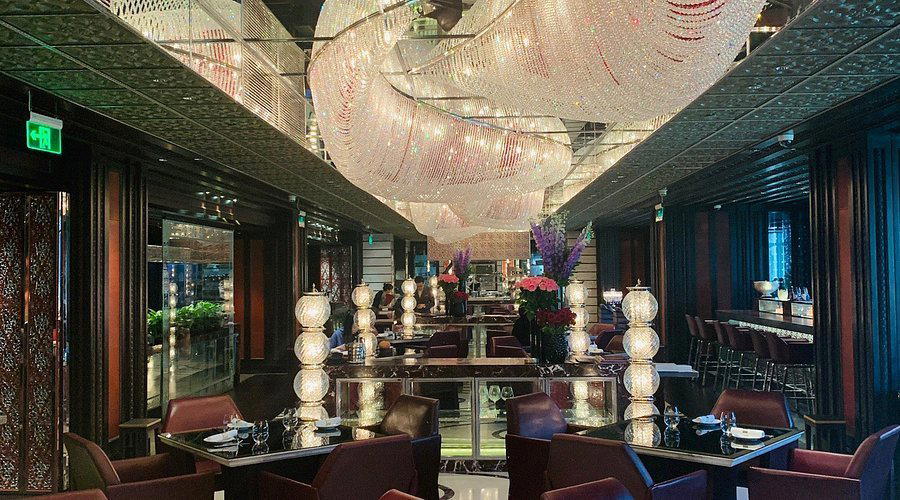
Approach the Beijing dining room and the first read is not spectacle but control: a Beijing restaurant built around the tempo of attentive service, where dishes are expected to arrive with care, clarity, and accurately managed pacing. In this tier of dining, the room matters less as decoration than as a delivery system for the meal. Small lapses in timing can change the experience, which is why serious restaurants are judged on rhythm as much as flavour.
That is the useful frame for 新荣记 (新源南路) - Xin RongJi (Xinyuan South Road). The name sits in Beijing’s high-recognition dining bracket, with La Liste Top Restaurants scores of 95 points for 2026 and 94.5 points for 2025, alongside Black 2 Diamond recognition in 2025. Those signals place the restaurant in a competitive tier where technique, sourcing, and consistency are being measured against national luxury dining expectations, not only against local popularity.
Timing, service, and the luxury logic of dining
Fine dining in this context is often misread through a narrow tasting-menu lens. The better comparison is not course progression but kitchen command: different preparations have to arrive with their intended textures and sequencing intact. The prized sense of immediacy at the table is not a garnish or an afterthought. It is the result of preparation, service, pacing, and judgment converging at the right moment.
Beijing adds another layer to that equation. The capital’s premium restaurant culture is shaped by formal hosting, celebratory meals, and a wide range of dining traditions competing for attention in the same city. A serious restaurant here has to be legible to guests who know luxury service, occasion dining, and the growing authority of Black -style domestic evaluation. Recognition from La Liste and Black matters because it places a dining room into both international and Chinese critical systems, each with different expectations.
Xin RongJi’s Beijing setting should be understood inside that framework. It is not useful to reduce the restaurant to a single dish when no verified signature is publicly specified here. The stronger editorial point is format: dining at this level depends on breadth and execution rather than a lone headline plate. The restaurant’s credibility is carried by how well product handling, pacing, and service discipline can coexist without the meal feeling mechanically staged.
Where it sits in Beijing's dining map
Beijing’s restaurant culture is unusually split. One part of the city’s dining identity is historical and ceremonial, with established local expectations shaping visitor interest. Another part is national and contemporary, where recognized dining rooms and luxury restaurants compete for important meals. For readers comparing categories rather than chasing a single table, other Beijing dining rooms sit closer to the capital’s ceremonial conversation, while unnamed contemporary venues speak to more international lanes. Oyster Talks 蚝吧 gives another reference point in the city, though the target here is a more award-signalled dining decision.
The Beijing location also shows how serious restaurants in the city do not always rely on postcard neighbourhood cues. The setting should be planned as Beijing rather than as a quick landmark-driven stop. That matters for planning: this is a meal to anchor deliberately, not a casual add-on between sightseeing stops. The practical decision is less about ambience-hunting and more about whether the occasion calls for a formal table with recognized critical standing.
Across China, comparable editorial questions recur in different regional accents. Different cities bring their own emphases, from established local dining cultures to polished urban luxury in major commercial centres. Beijing sits within that wider national conversation while keeping its own hosting codes and expectations. Xin RongJi belongs to this broader field: dining judged by product quality, technical control, and execution under pressure.
How to read the occasion
The right guest for this address is not looking for a chef-counter performance or a long spoken menu. The point is a composed meal where the kitchen’s consistency and the dining room’s pacing do the work. In a city with many prestige signals, the combination of La Liste’s 2026 score and Black 2 Diamond recognition gives enough objective weight to treat the restaurant as a serious booking for business dining, family celebrations, or visitors who want a restaurant assessed within China’s own premium dining culture.
Planning should be handled with the same formality as the meal. Beijing traffic can distort timing, and route choice is part of the evening rather than an afterthought. Reservation planning is sensible for an award-recognized restaurant in this category, especially for larger parties or hosting occasions where room format and pacing matter. For broader city context, use the full Beijing restaurants guide, then map the rest of the trip through Beijing hotels, Beijing bars, Beijing wineries, and Beijing experiences. The case for Xin RongJi is clear: choose it when the priority is technique at a formally recognized level, with timing, consistency, and table discipline carrying the meal.
In Context: Similar Options
Nearby venues at a similar price tier for orientation.
| Venue | Cuisine | Price | Awards | Notes |
|---|---|---|---|---|
| 新荣记 (新源南路) - Xin RongJi (Xinyuan South Road)This venue — the venue you are viewing | Taizhou Cuisine | $$$$ | Michelin 3 Star | Not listed |
| Chao Shang Chao (Chaoyang) | Modern Teochew (Chaoshan) Fine Dining | $$$$ | Michelin 3 Star | Chaowai |
| King's Joy | Modern Vegetarian Chinese Fine Dining | $$$$ | Michelin 2 Star | Beixinqiao |
| Chef 1996 | Refined Sichuan Fine Dining | $$$$ | Michelin Plate, World's 50 Best #52 | Shuiduizi |
| Blackswan | Modern French Fine Dining | $$$$ | Michelin 2 Star | Hepingjie |
| Lu Shang Lu | Modern Shandong Confucius Cuisine | $$$$ | Michelin 2 Star | Zizhuyuan |
Recognition history
Dated appearances from independent guides and award organizations, with the underlying list record or original source where available.
La Liste Top Restaurants
La Liste
Michelin 3 Stars
Michelin
Black Pearl 2 Diamond
Black Pearl
La Liste Top Restaurants
La Liste


At a Glance
- Classic
- Elegant
- Sophisticated
- Special Occasion
- Business Dinner
- Open Kitchen
- Sustainable Seafood
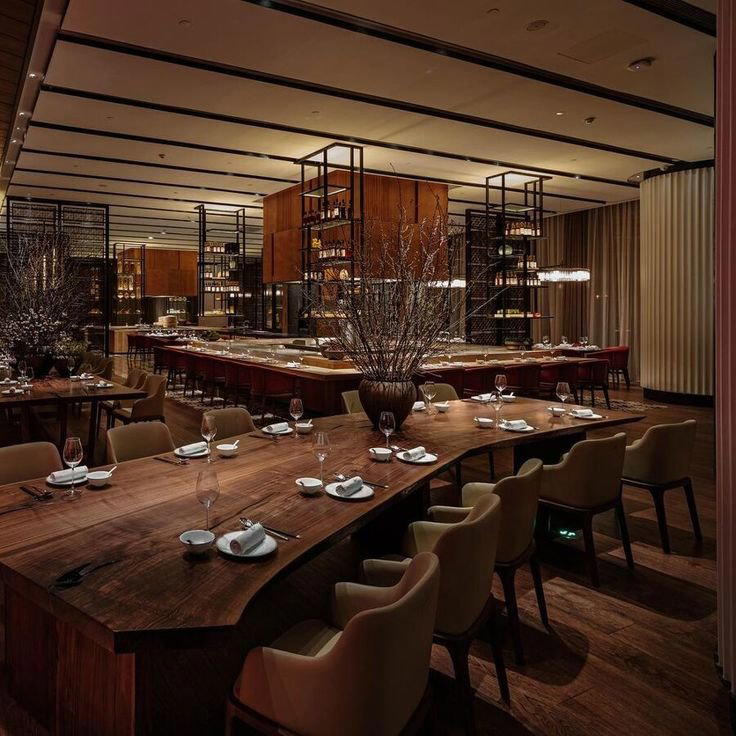
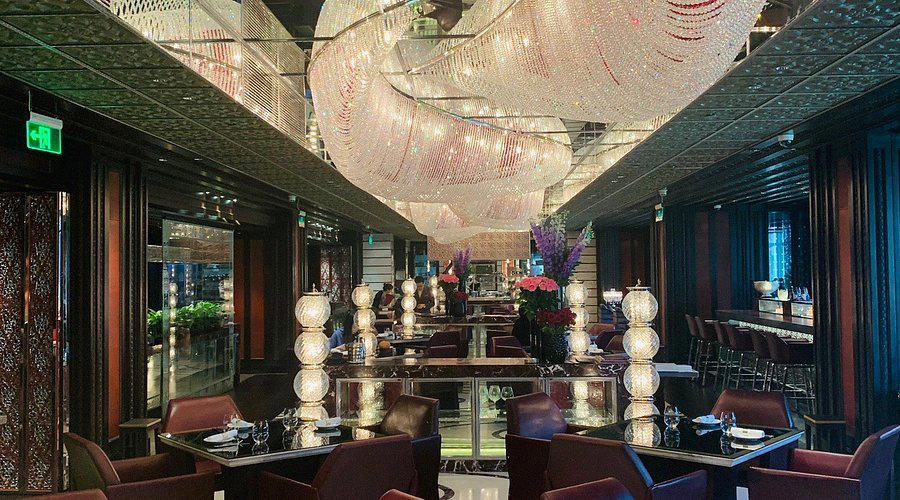
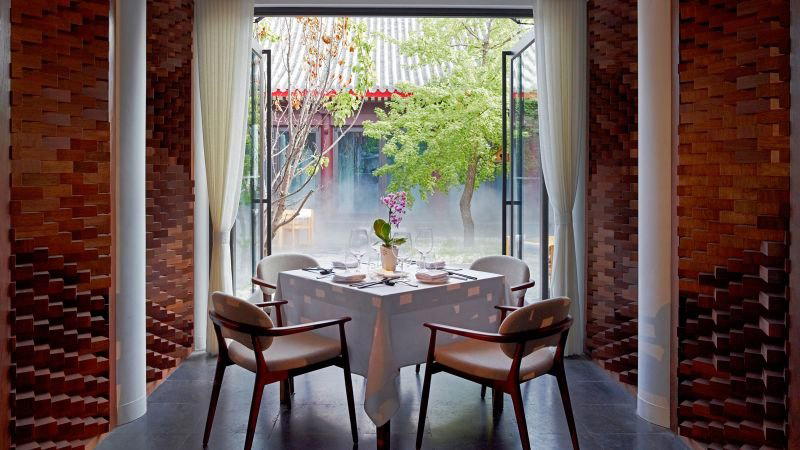
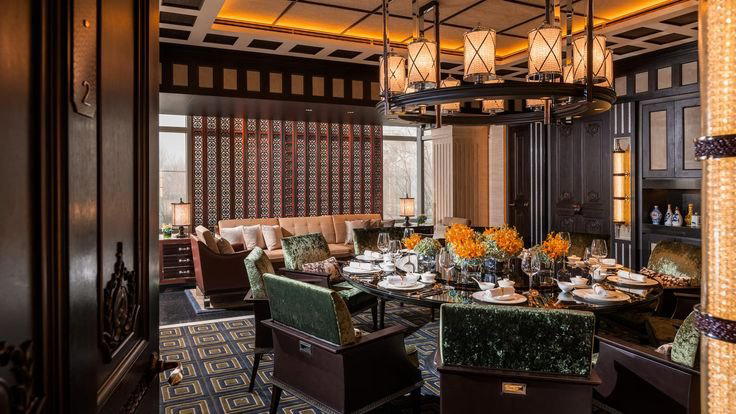
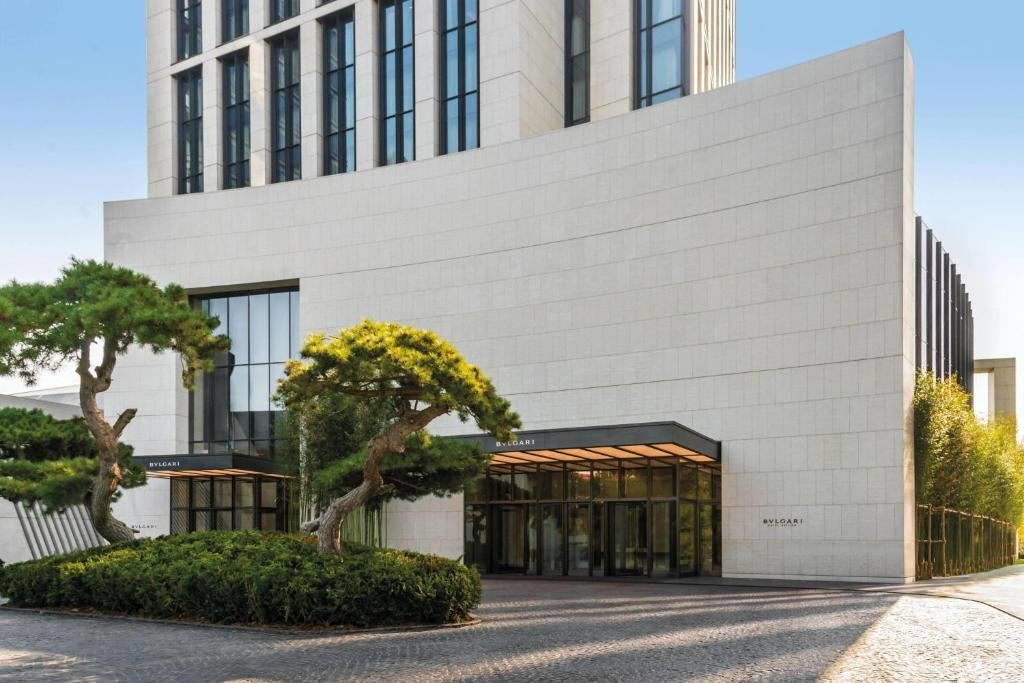
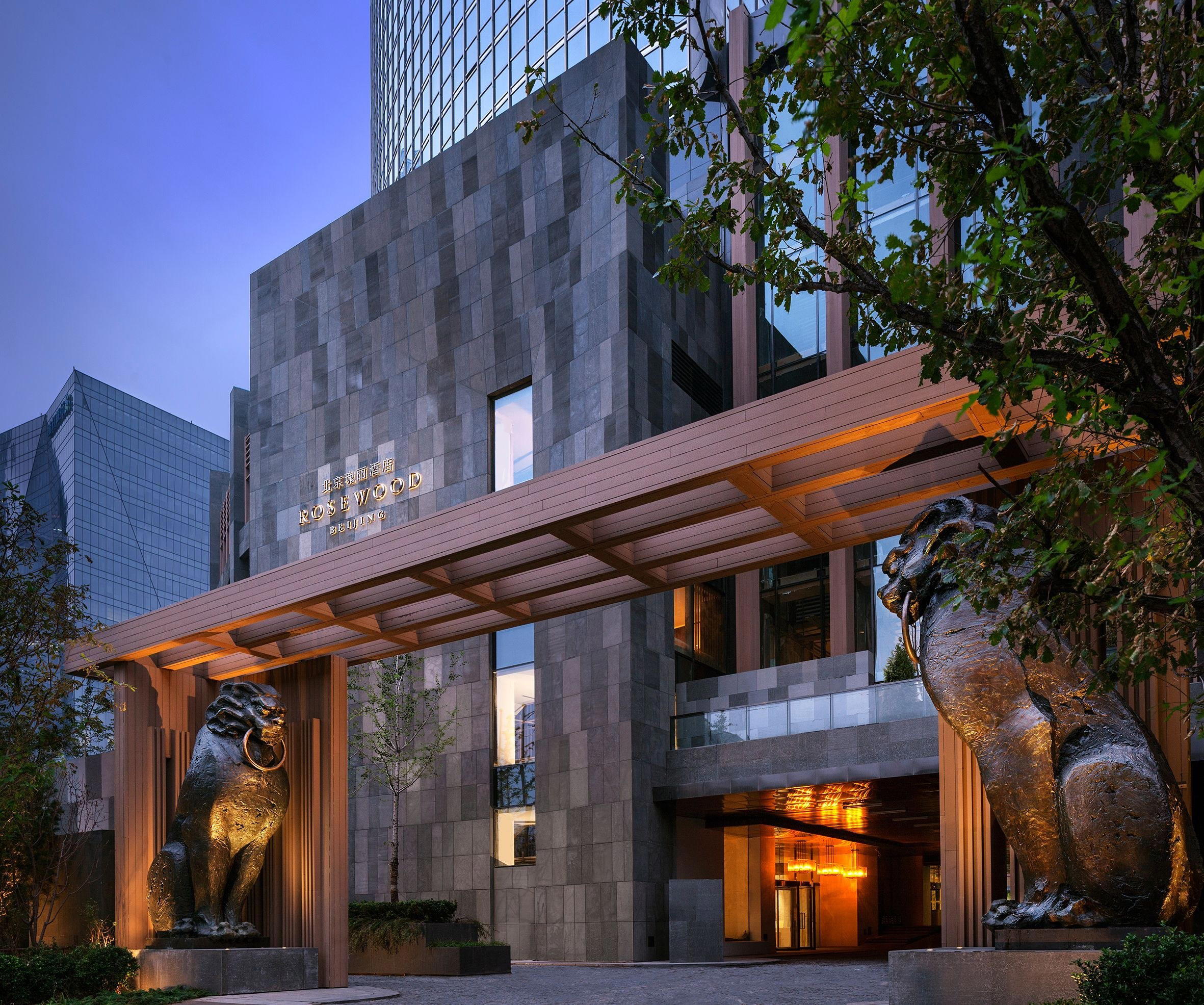
Classical Chinese design blended with modern elements, featuring bar counter and open kitchen.