Minetta Tavern DC
Minetta Tavern DC brings the bones of a classic American tavern tradition to Washington's NoMa neighborhood, positioned on 4th Street NE among a cluster of serious dining addresses. With sparse confirmed details currently available, this entry tracks the venue's emergence in a city that has reoriented its dining expectations considerably over the past decade.
Pearl is the En Primeur Club membership app — saves, bookings, and concierge access live there. Same editors, same standards.
- Address
- 1287 4th St NE, Washington, DC 20002
- Phone
- +12022350444
- Website
- minettataverndc.com
- Directions
- Get directions
 Saves & bookings on Pearl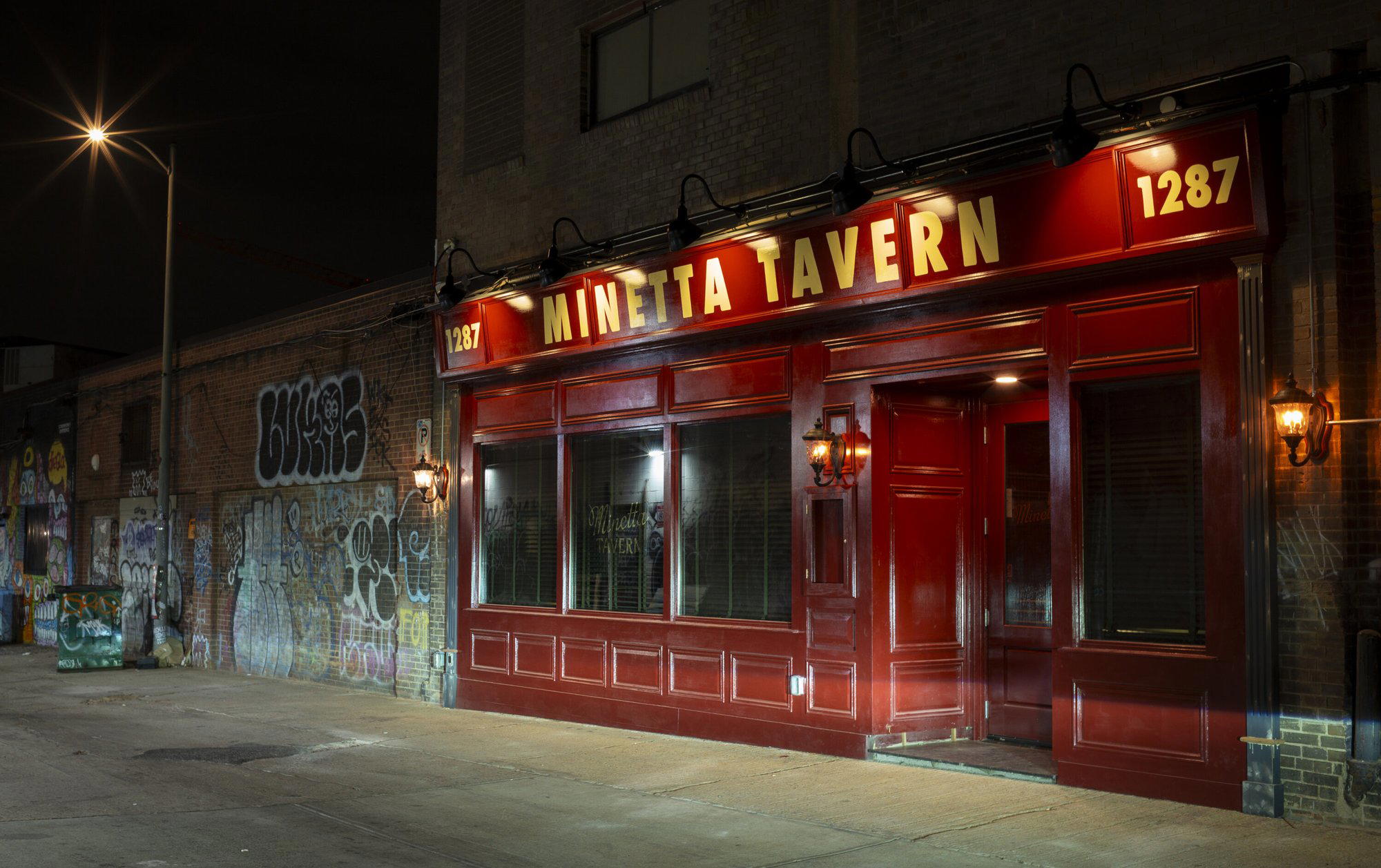
A Tavern Format in a City That Has Outgrown Its Old Dining Script
Washington, D.C. has spent the better part of fifteen years rewriting what a serious dining city looks like. The old model, anchored by expense-account steakhouses and hotel dining rooms within walking distance of K Street, has given way to something more geographically dispersed and culinarily specific. NoMa, the neighborhood where Minetta Tavern DC sits at 1287 4th Street NE, is part of that dispersal. It is not a dining destination in the way that Shaw or the 14th Street corridor are, but that is precisely what makes it worth watching. Neighborhoods that are still forming their identity tend to attract operators willing to take a position rather than simply fill a market gap.
The tavern format itself carries a particular set of expectations in American dining culture. At its most considered, a tavern operates on the logic of ritual: a fixed set of rooms, a menu anchored by a handful of dependable preparations, and a pacing that is neither the compressed efficiency of a brasserie nor the extended ceremony of a tasting menu counter. The format implies a certain democratic legibility. You arrive knowing roughly what you will find, and the kitchen's job is to execute those expectations at a level that justifies the trip.
The Dining Ritual and What the Tavern Format Demands
In cities with a mature tavern culture, the meal follows a rhythm that regulars understand and newcomers absorb quickly. The first act is the room itself: the seating, the noise level, the way the bar relates to the dining room. The second act is the menu's architecture, whether it rewards a single signature order or invites a longer, more exploratory sequence. The third act is the finish, which in a well-run tavern often means a degree of hospitality that keeps tables occupied without pressure.
For a venue operating in NoMa's current context, that ritual carries additional weight. The neighborhood does not yet have the ambient foot traffic that self-corrects a slow Tuesday. Venues here succeed by converting first-time visitors into regulars faster than their counterparts in more established corridors. That conversion depends on the dining ritual feeling coherent from arrival to departure: a sense that the room, the menu, and the service are all pulling in the same direction.
Washington's broader dining conversation in 2024 and into 2025 has continued to consolidate around a smaller number of operators running tighter, more focused programs. Jônt operates a counter-format modern French program that books well in advance. minibar by José Andrés remains the city's clearest argument for molecular technique as a sustained dining proposition. Oyster Oyster has built a reputation around sustainable New American cooking at a price point slightly below the city's top tier. Albi and Causa both operate at the $$$$ tier, representing the city's push toward cuisine-specific fine dining rather than the category-agnostic prestige restaurants that dominated an earlier era. A tavern format entering this environment needs a clear sense of where it sits relative to those programs, not in competition with tasting-menu counters, but making a different and equally deliberate argument.
Where This Fits in the American Tavern Conversation
The reference point that gives the Minetta name its clearest context is the original Minetta Tavern in New York's Greenwich Village, a restaurant with roots going back to 1937 and a reputation that solidified further after a notable renovation. That venue became a study in how a heritage address can be repositioned without losing the atmospheric density that made it worth preserving. The name itself signals a particular set of aspirations: the idea that a tavern can be both historically grounded and contemporary in its cooking.
Across American cities, the premium tavern category has been refined by operators who understood that the format's informality is a feature, not a concession. Lazy Bear in San Francisco demonstrated that communal, ritual-heavy dining could command serious prices and serious attention. Blue Hill at Stone Barns in Tarrytown made the sourcing story inseparable from the dining ritual. The Inn at Little Washington, just outside D.C. has sustained a multi-decade argument that the American inn format can operate at the highest recognized level. These are not direct comparisons to a neighborhood tavern, but they illustrate the range of what the American dining ritual can hold when operators are precise about their intentions. At the fine dining tier nationally, venues like Alinea in Chicago, Le Bernardin in New York City, The French Laundry in Napa, Providence in Los Angeles, Addison in San Diego, Single Thread Farm in Healdsburg, and Atomix in New York City each define their dining ritual with formal precision. A tavern by contrast earns its place by making the ritual feel earned rather than prescribed. Internationally, benchmark dining rooms such as Emeril's in New Orleans and 8 1/2 Otto e Mezzo Bombana in Hong Kong show how a strong identity, even one tied to a founding name or concept, must continuously justify itself through what arrives at the table.
Seasonal Timing and the NoMa Dining Window
NoMa as a neighborhood has a particular seasonal character. Spring and autumn bring active street-level energy, with the neighboring Union Market district drawing consistent weekend traffic that tends to spill into surrounding blocks. Summer outdoor dining extends the effective hours of venues with exterior seating. Winter concentrates dining into committed evening visits rather than casual drop-ins. For a tavern format, where the room's atmosphere is a material part of the offer, the colder months can actually work in a venue's favor: the argument for a warm, well-lit dining room with a considered menu is easier to make in January than in July, when competing options multiply. If you are planning a visit, autumn typically brings the strongest dining season in D.C. with the city's political and institutional calendar generating consistent demand and operators running at full operational tempo.
Know Before You Go
- Address: 1287 4th St NE, Washington, DC 20002
- Neighborhood: NoMa, northeast of Union Station
- Booking: Reservation recommended
- Price range: $$$
- Hours: Mon: 5–11 PM; Tue: 5–11 PM; Wed: 5–11 PM; Thu: 5–11 PM; Fri: 11:30 AM–3:30 PM, 5–11:30 PM; Sat: 11 AM–3:30 PM, 5–11:30 PM; Sun: 11 AM–3:30 PM, 5–10:30 PM
- Dress code: Smart casual
Comparable Spots
Comparable venues nearby, for context on price, style, and recognition.
| Venue | Cuisine | Price | Notes |
|---|---|---|---|
| Minetta Tavern DCThis venue — the venue you are viewing | Classic French Steakhouse | $$$ | Not listed |
| Kitchen + Kocktails By Kevin Kelley - DC | Polished Southern Soul Food | $$$ | East End |
| The Willard Room | Classic French Brasserie | $$$$ | East End |
| Et Voila | Belgian-French Bistro | $$$ | Kent |
| Bresca | Modern French-influenced bistronomy | $$$ | U Street Corridor |
| Fraiche | Upscale French-Cajun-Caribbean Fusion | $$$ | Columbia Heights |
Continue exploring
More in Washington DC
Restaurants in Washington DC
Browse all →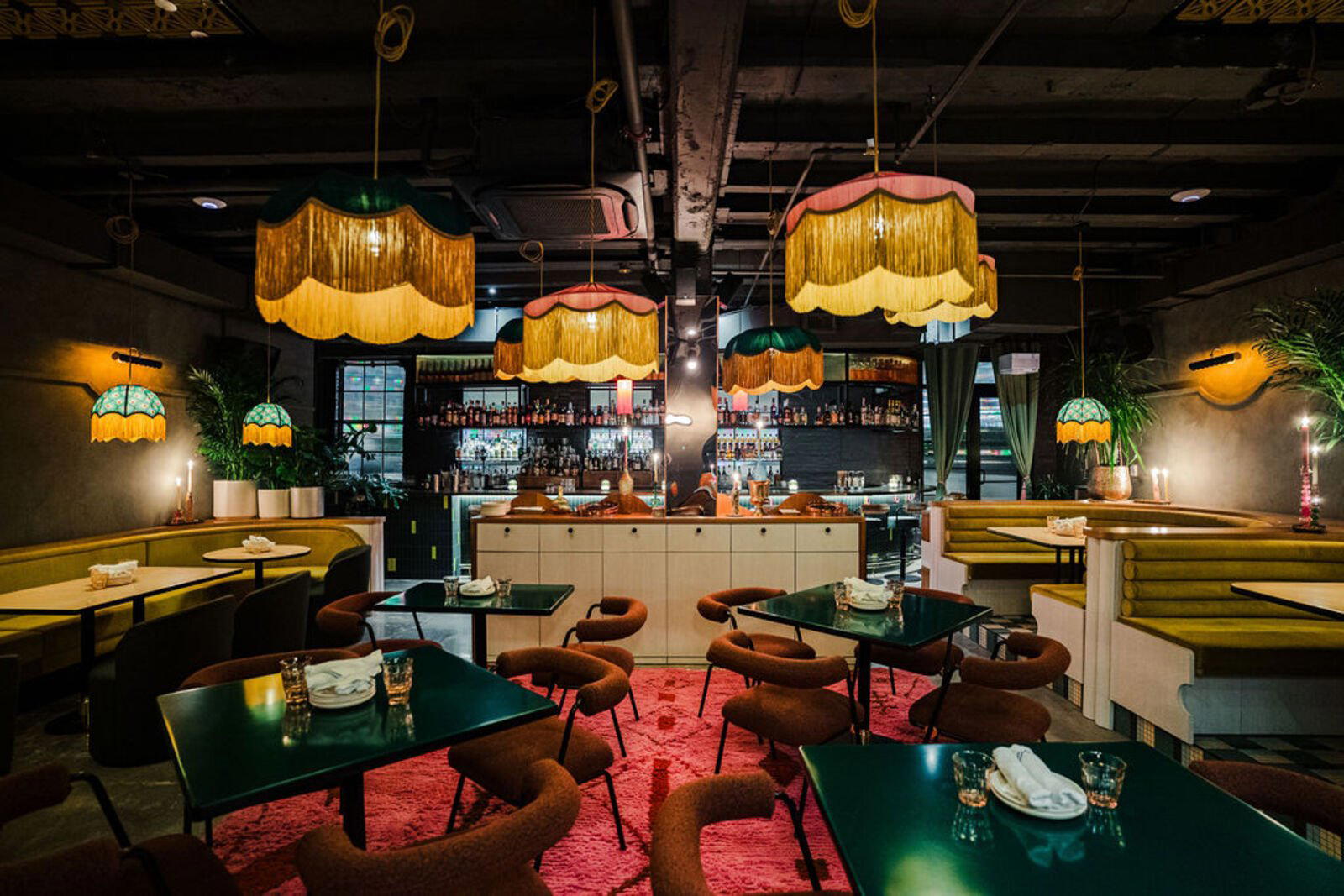
Bars in Washington DC
Browse all →
Hotels in Washington DC
Browse all →
At a Glance
- Classic
- Cozy
- Lively
- Well Known
- Date Night
- Business Dinner
- Celebration
- Historic Building
- Craft Cocktails
Current opening hours
- Monday
- 5–11 PM
- Tuesday
- 5–11 PM
- Wednesday
- 5–11 PM
- Thursday
- 5–11 PM
- Friday
- 11:30 AM–3:30 PM, 5–11:30 PM
- Saturday
- 11 AM–3:30 PM, 5–11:30 PM
- Sunday
- 11 AM–3:30 PM, 5–10:30 PM
Hours can change for holidays and private events. Last verified .
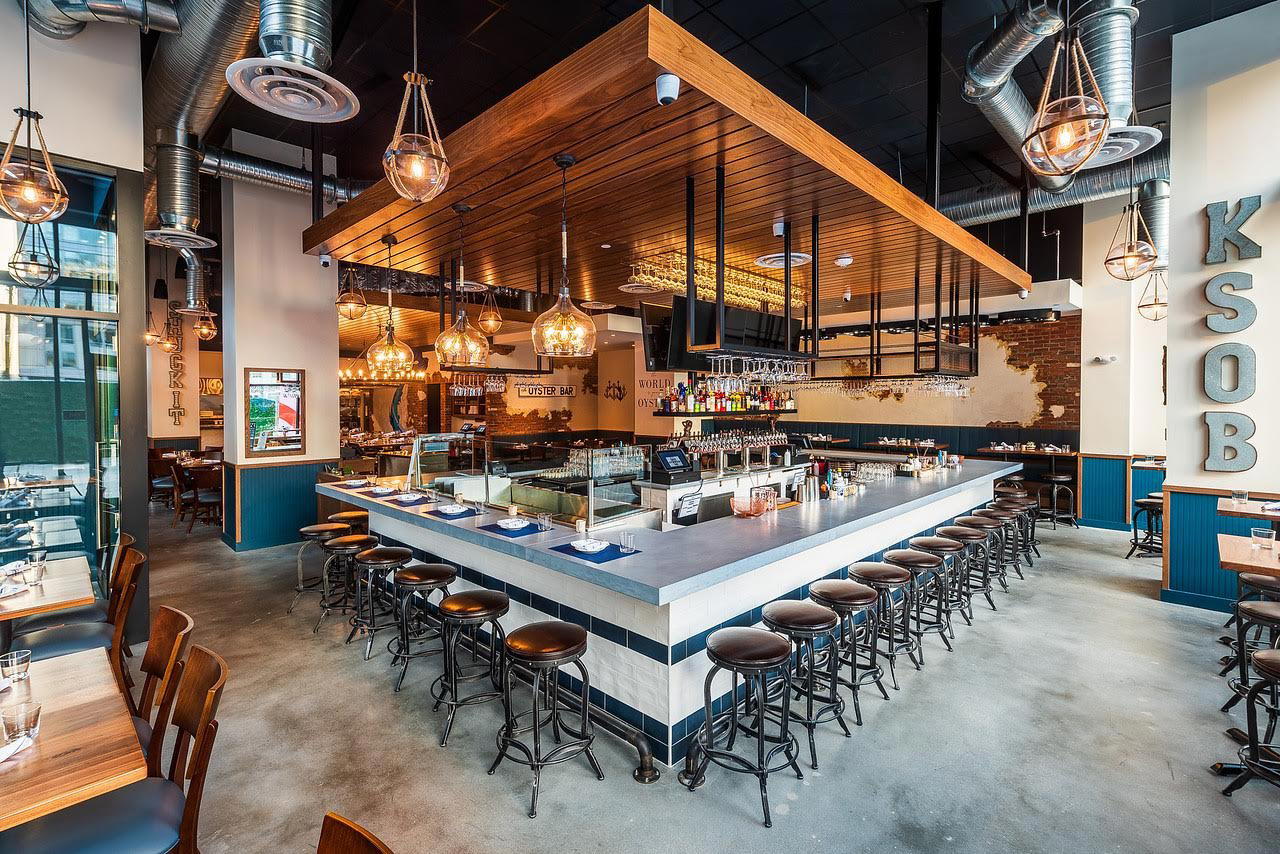
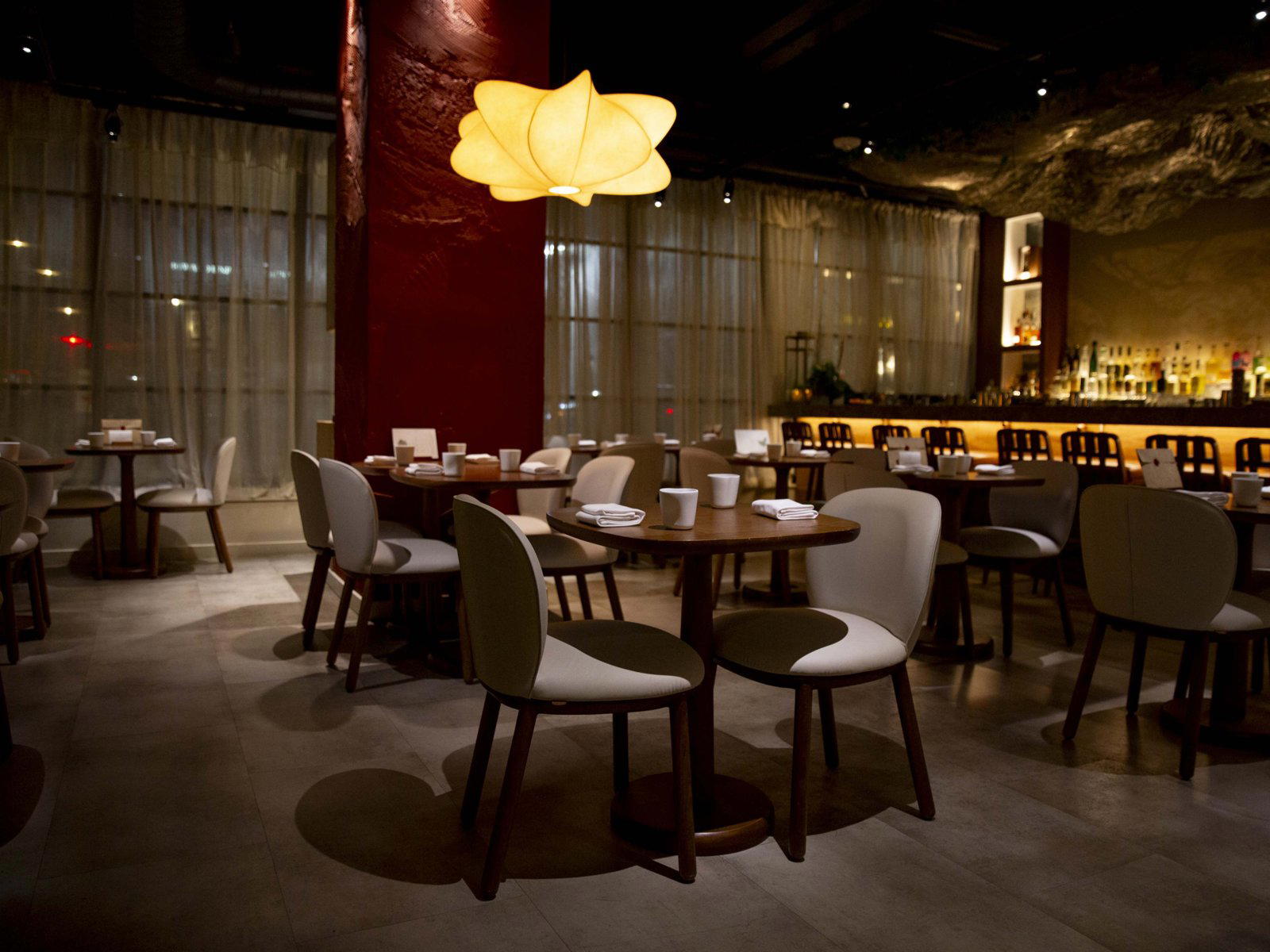
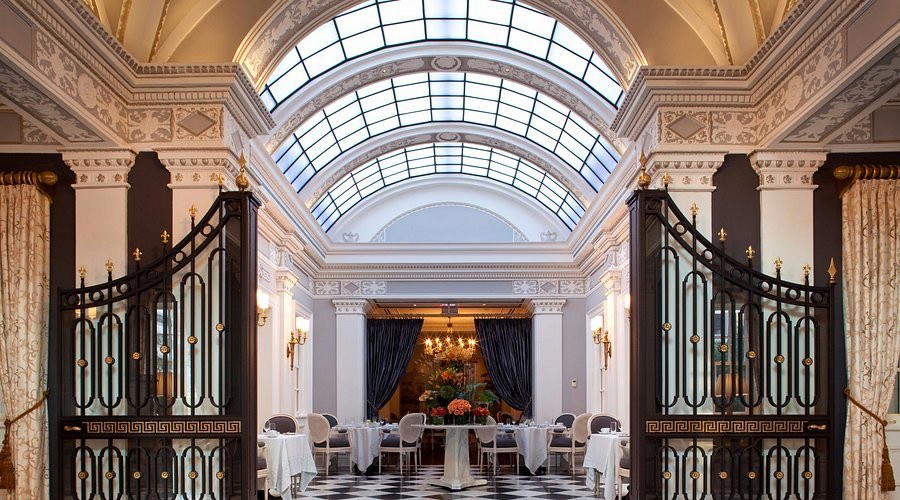
Cozy tavern vibe with upscale touches in the spacious main dining room and intimate, exclusive feel in the upstairs Lucy Mercer Bar.