The Willard Room
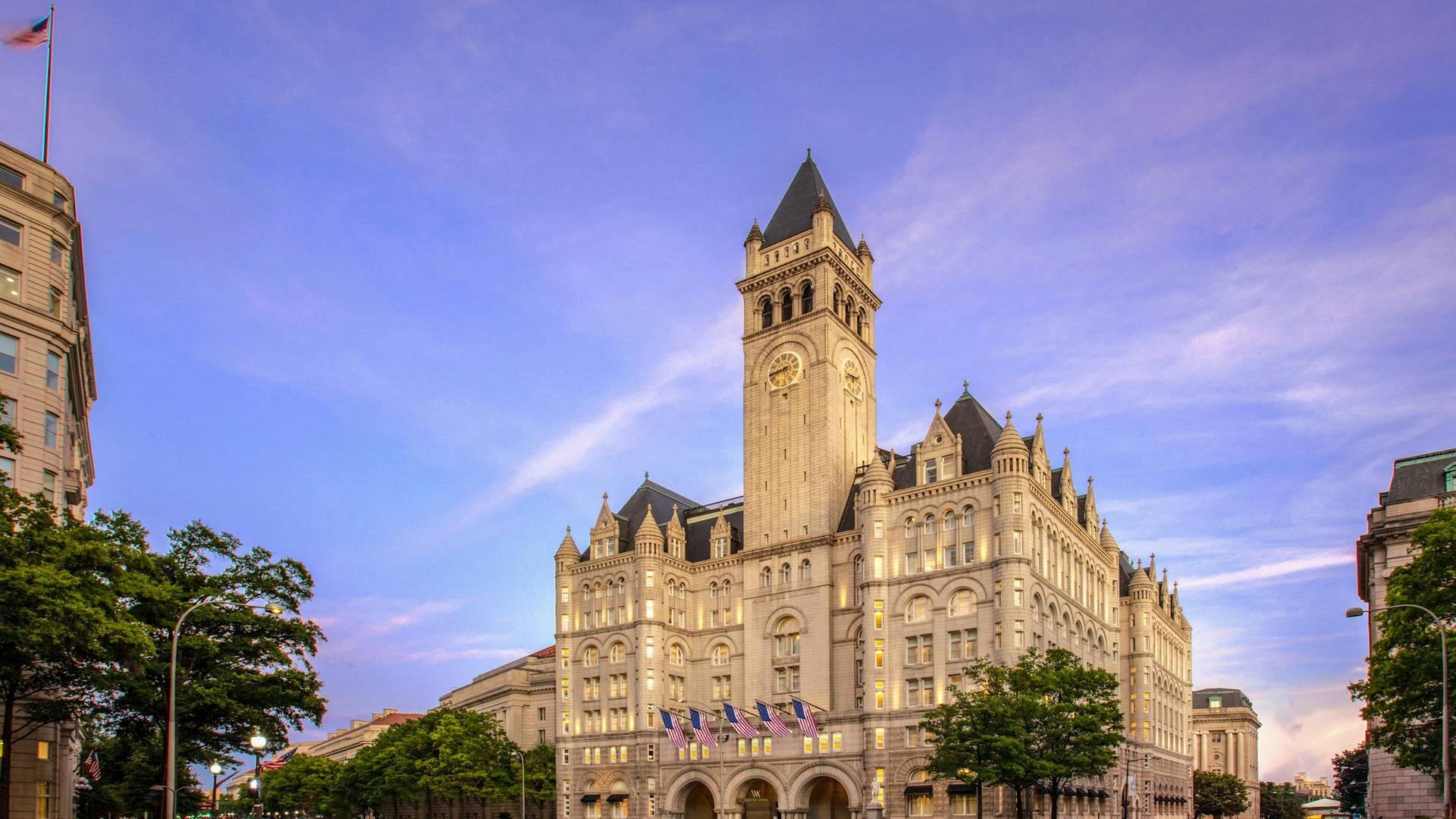
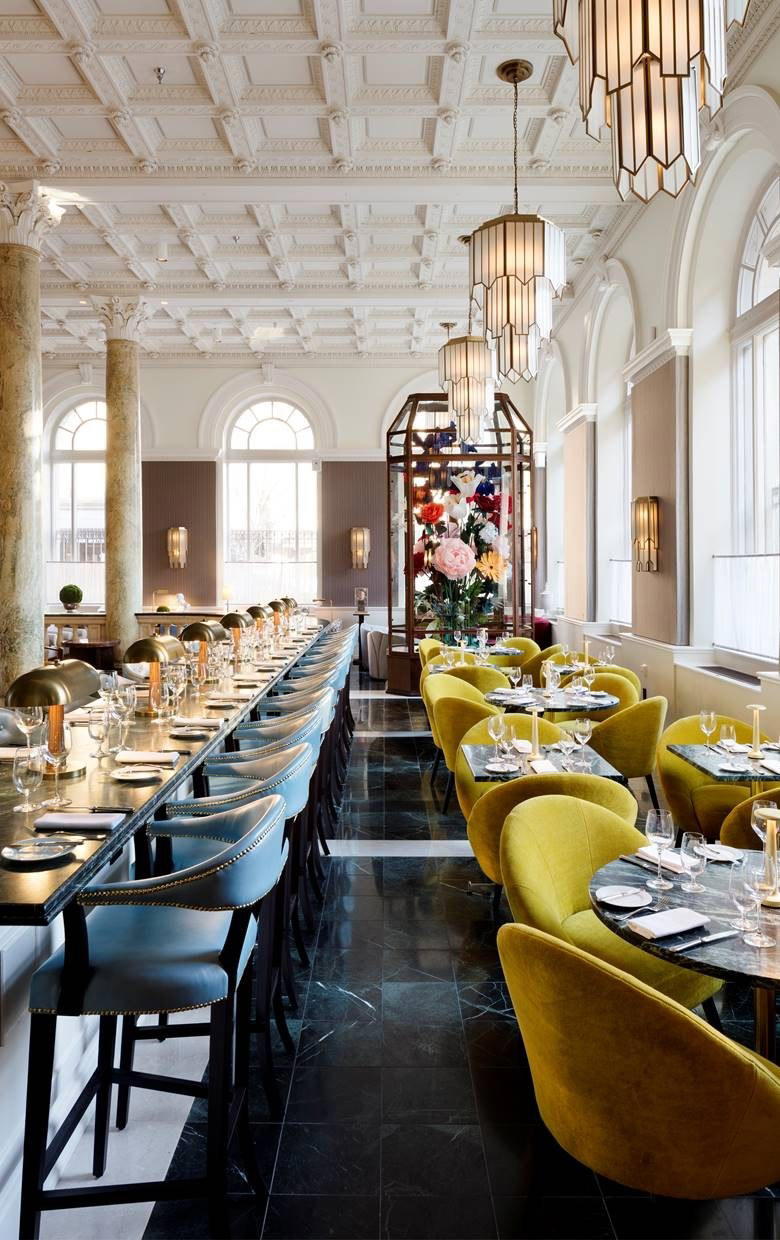
The Willard Room occupies one of Washington D.C.'s most historically charged dining addresses, inside the Willard InterContinental at 1401 Pennsylvania Avenue, two blocks from the White House. The room itself is the argument: gilded columns, coffered ceilings, and a provenance stretching back to the nineteenth century place it in a category that newer fine-dining entrants in the capital cannot easily replicate.
- Address
- 1401 Pennsylvania Ave NW, Washington, DC 20004
- Phone
- +12026289100
- Website
- ihg.com
- Directions
- Get directions
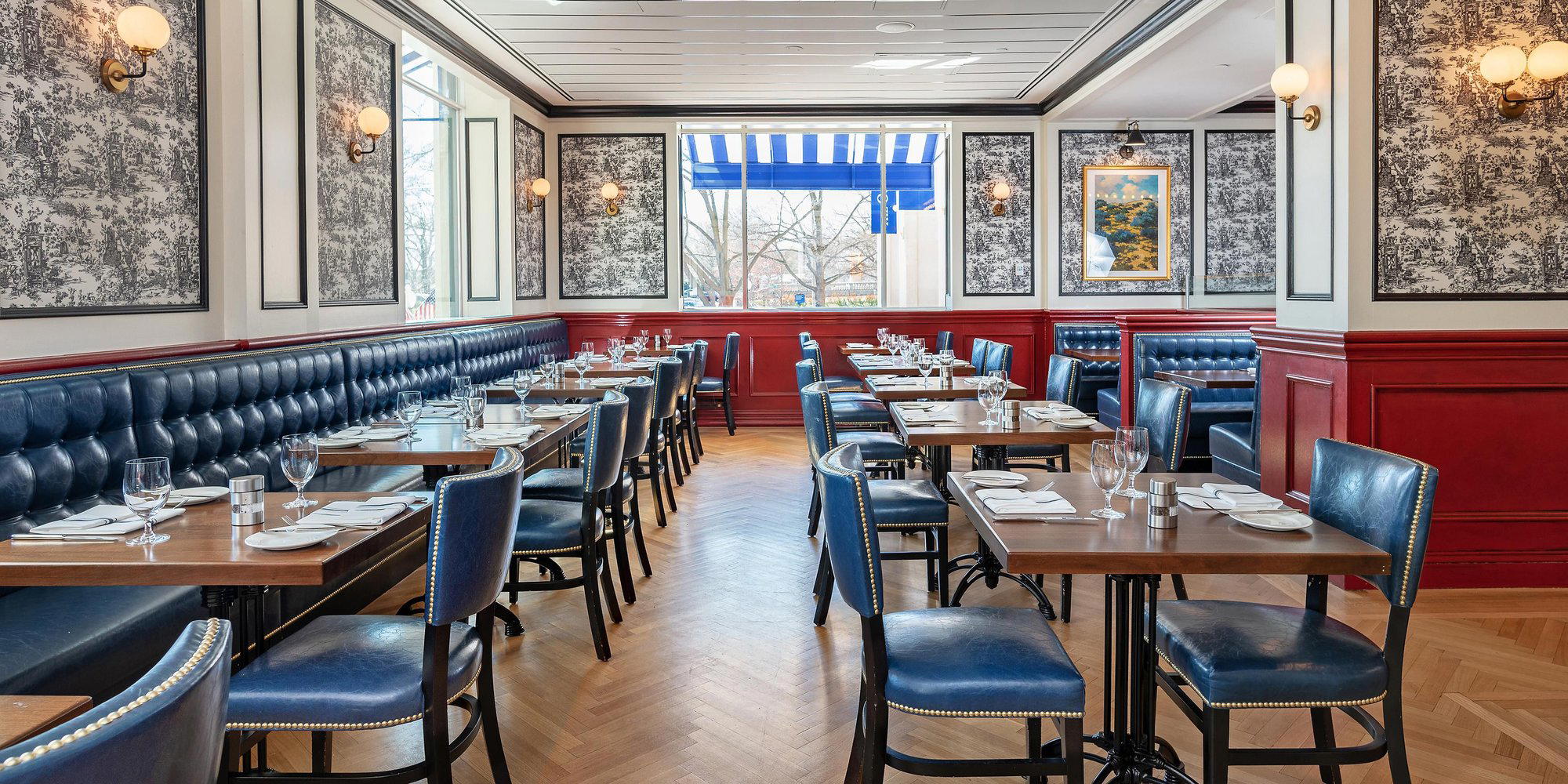
A Room That Predates the Debate
Pennsylvania Avenue has always been a corridor of consequence. Presidents walk it on inauguration day. Lobbyists have worked it since before the word "lobbyist" entered political vocabulary, a coinage traced, by popular history, to the Willard Hotel's own lobby in the Grant administration. The Willard Room is a Classic French Brasserie in Washington, D.C. The dining room that sits inside this building carries that accumulation of occasion without having to announce it. The coffered ceilings, the gilded columns, the proportions of a room designed for deliberate dining rather than turnover: these are not aesthetic choices made recently. They are inherited facts that any current operator must work with, and work around.
That tension between architectural inheritance and contemporary dining expectations defines the story of the Willard Room as much as any single chef or menu. Washington's fine-dining register has shifted considerably over the past two decades. The arrival of tasting-menu formats at Jônt, technically ambitious programming at minibar, and a new generation of cuisine-specific specialists like Albi and Causa have collectively repositioned what "serious dining" means in the capital. The Willard Room has had to answer that question repeatedly, and differently, across several decades.
Evolution Inside a Landmark
Hotel dining in America spent much of the late twentieth century in retreat. The prestige model of the grand hotel restaurant, formal service, classical French foundations, rooms that read as destinations rather than amenities, gave way to all-day brasserie formats and lobby bar hybrids. Properties across the country traded their signature rooms for concepts with broader appeal and easier margin structures. The restaurant operated against that current, partly because the room itself made a casual pivot implausible. You cannot reposition a space with twelve-foot ceilings and period millwork as a fast-casual concept.
The more instructive comparison is with hotel dining rooms that maintained formal positioning through the same period. Rooms like Le Bernardin in New York City, technically independent but structurally analogous in its commitment to classical service discipline, demonstrate that the model survives when the kitchen earns its room's ambition. The restaurant's challenge has been sustaining that alignment across ownership cycles and shifting guest expectations, in a city where the political calendar creates feast-and-famine rhythms that few restaurant operators have to manage.
Washington's dining evolution accelerated sharply in the 2010s. Chefs who might once have defaulted to New York or San Francisco began treating D.C. as a primary market. The result was a compression of the premium tier: suddenly, a room with historical prestige had competition from formats with stronger culinary narratives. Oyster Oyster built a case for ingredient-led sustainable cooking; Bresca and Gravitas brought modernist tasting-menu ambitions into smaller, chef-driven rooms. Against that backdrop, the restaurant's proposition shifted from being self-evidently distinguished to requiring active justification.
The Architecture as Competitive Argument
There is a category of dining experience in which the room does a portion of the work that cuisine alone cannot. This is not a failing, it is a format. The Inn at Little Washington, two hours southwest of the capital, has built a decades-long reputation on the understanding that setting, service choreography, and food quality are a single integrated argument. Grand hotel dining rooms operate on a similar logic, though within a more compressed and urban frame.
The restaurant's physical address gives it access to a guest profile that few other D.C. restaurants share: international visitors with a specific expectation of American civic grandeur, government and diplomatic guests for whom the building's associations carry meaning, and occasion diners for whom the room's formality signals seriousness of purpose. That profile is different from the regulars who cycle through tasting-menu counters or neighborhood destinations like Oyster Oyster, and it shapes what the dining room needs to deliver.
The comparable set for the restaurant is better understood nationally than locally. Rooms like Emeril's in New Orleans, Addison in San Diego, or Providence in Los Angeles operate in the same broad tier of American fine dining where hotel adjacency, occasion dining, and regional prestige intersect. Further along the ambition spectrum sit places like The French Laundry in Napa, Blue Hill at Stone Barns in Tarrytown, Single Thread Farm in Healdsburg, and Alinea in Chicago, rooms where the physical environment and culinary program are in declared alignment. The question the restaurant has faced across its evolution is how close to that upper tier its kitchen can credibly reach, given the constraints and advantages the room imposes.
Planning Your Visit
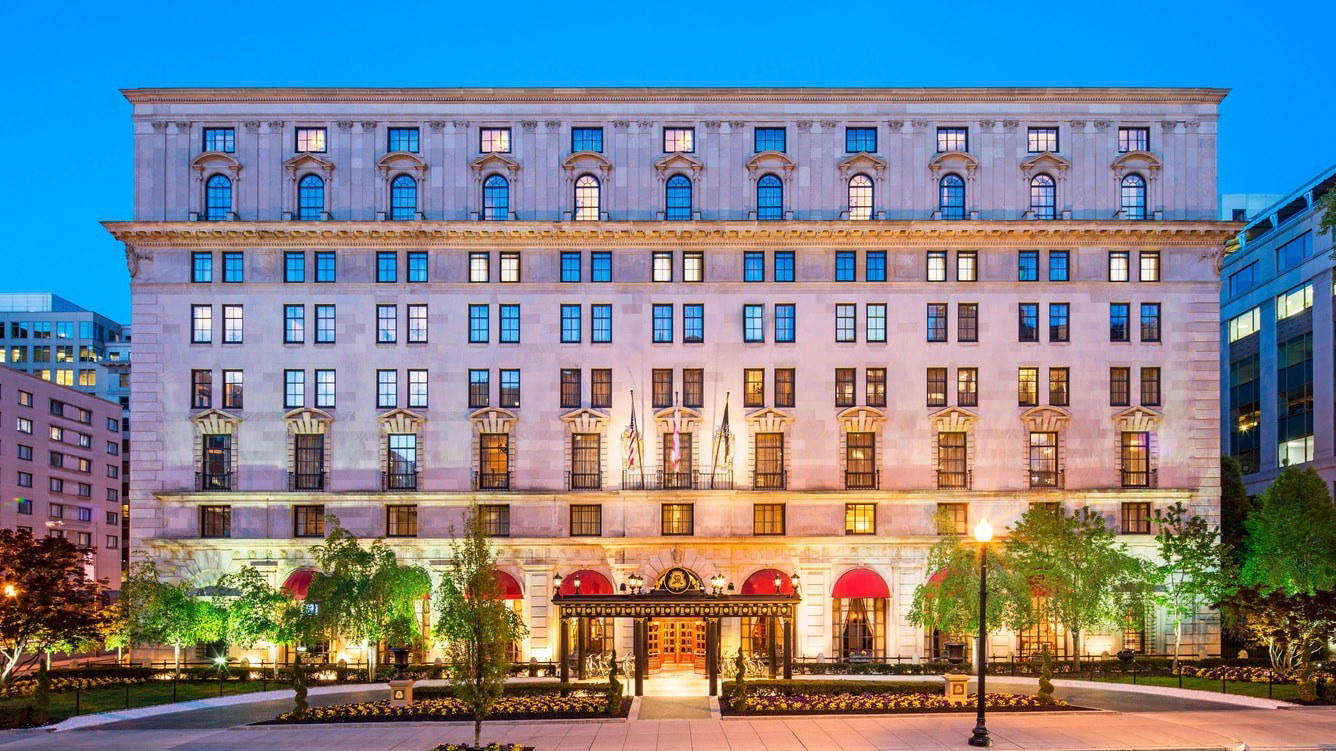
Willard InterContinental sits at 1401 Pennsylvania Avenue NW, two blocks east of the White House and within walking distance of the National Mall. The building itself is worth arriving early to appreciate: the lobby's historical details repay attention before dinner.
Comparison: Washington D.C. Fine Dining Tiers
| Venue | Format | Price Tier | Key Distinction |
|---|---|---|---|
| The restaurant | Hotel dining room | Premium | Historic address, grand room architecture |
| Jônt | Tasting menu counter | $$$$ | Modern French, intimate counter format |
| minibar | Molecular tasting menu | $$$$ | Avant-garde technique, flagship chef program |
| Causa | Peruvian fine dining | $$$$ | Cuisine-specific, contemporary Peruvian |
| Albi | Middle Eastern | $$$$ | Levantine-American, wood-fire focus |
Cuisine Context
Comparable venues nearby, for context on price, style, and recognition.
| Venue | Cuisine | Price | Notes |
|---|---|---|---|
| The Willard RoomThis venue — the venue you are viewing | Classic French Brasserie | $$$$ | Not listed |
| The Henri | Modern French-Belgian Bistro | $$$$ | East End |
| Maison Bar à Vins | Wine Bar | $$$$ | Not listed |
| CUT Washington D.C. | Modern Steakhouse | $$$$ | Waterfront Georgetown |
| Butterworth's | French Bistro | $$$ | Eastern Market |
| Et Voila | Belgian-French Bistro | $$$ | Kent |
Continue exploring
More in Washington DC
Restaurants in Washington DC
Browse all →
Bars in Washington DC
Browse all →
Hotels in Washington DC
Browse all →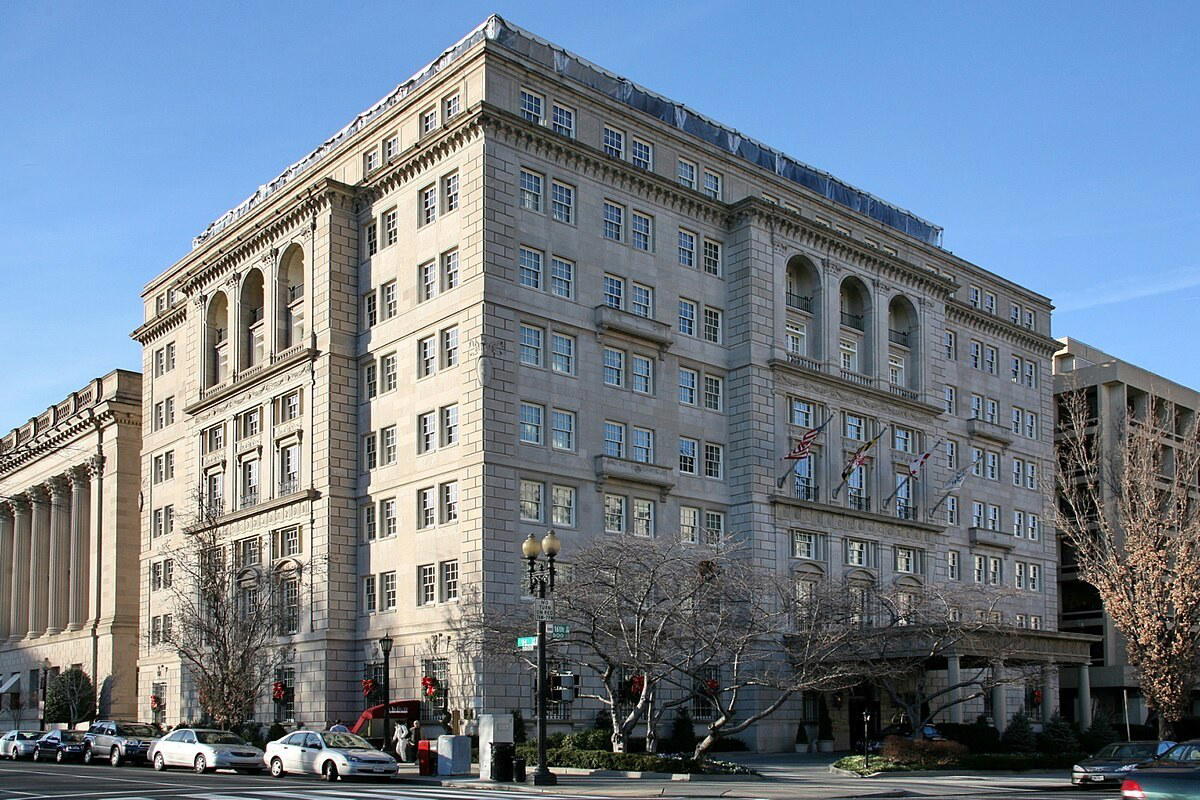
At a Glance
- Elegant
- Classic
- Sophisticated
- Well Known
- Business Dinner
- Special Occasion
- Brunch
- Hotel Restaurant
- Historic Building
- Terrace
- Extensive Wine List
- Craft Cocktails
- Street Scene
Elegant and classic with Beaux-Arts influences, warm casual atmosphere indoors and Parisian sidewalk café vibe on the terrace.