Mimino
Mimino brings Georgian cuisine to Oktyabr'skaya Ulitsa in central Novosibirsk, occupying a corner of Russia's third-largest city where Caucasian cooking has built a loyal following. The format sits within a broader Siberian trend of sustained interest in the food traditions of Georgia, Armenia, and the wider Caucasus region.
Pearl is the En Primeur Club membership app — saves, bookings, and concierge access live there. Same editors, same standards.
- Address
- Oktyabr'skaya Ulitsa, 34, Novosibirsk, Novosibirsk Oblast, Russia, 630099
- Phone
- +73833806434
- Website
- vk.com
- Directions
- Get directions
 Saves & bookings on Pearl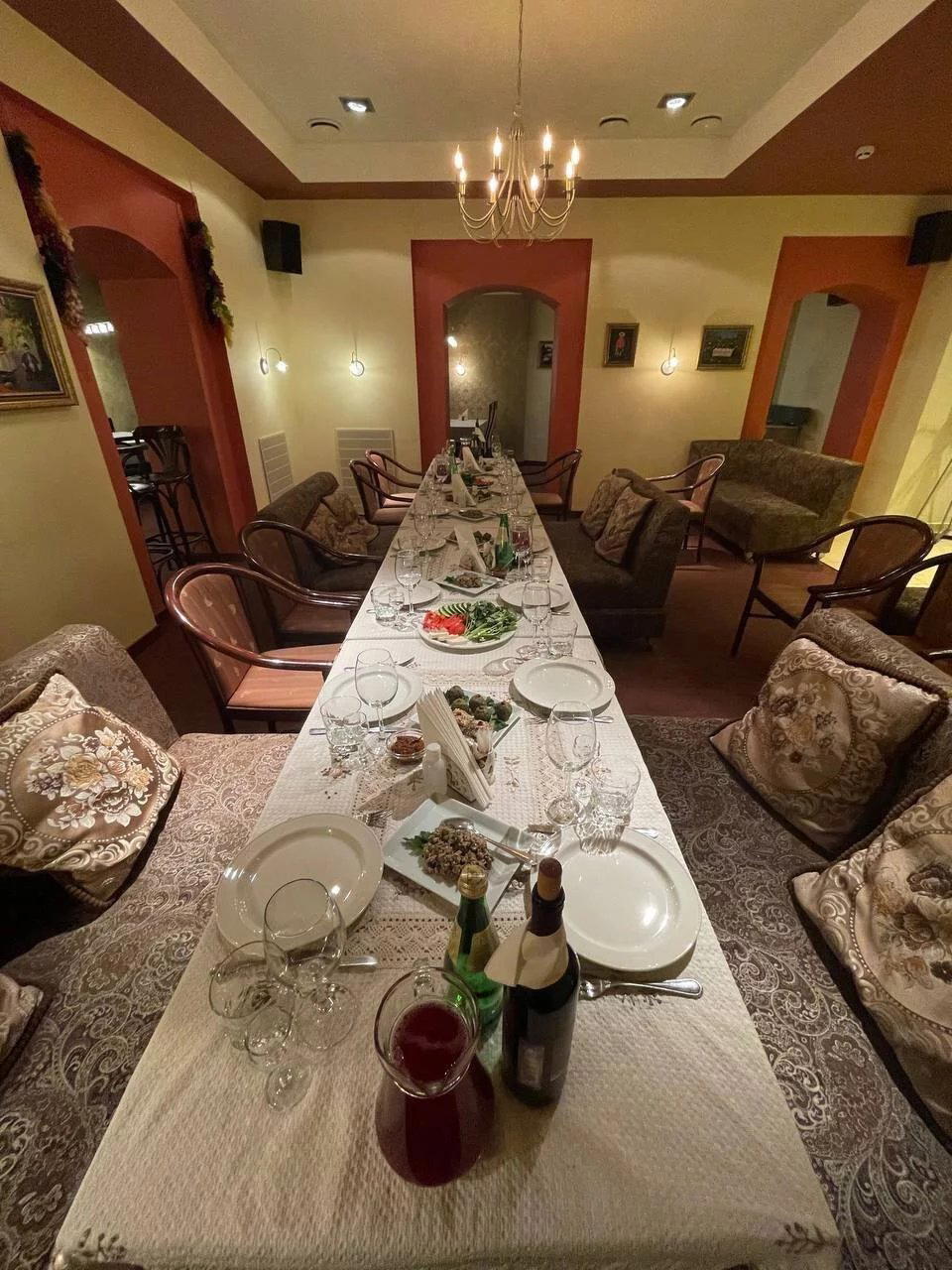
The Caucasus in Siberia: What Georgian Cuisine Means in Novosibirsk
Walk along Oktyabr'skaya Ulitsa on a winter evening and the contrast arrives quickly: the temperature outside Novosibirsk's central grid sits well below zero, while the interior registers of Georgian cooking, slow-braised meats, walnut-thickened sauces, the sharp warmth of adjika, pull in a specific kind of diner. Mimino, at number 34 on that street in the 630099 postal district, is a Georgian restaurant in Novosibirsk.
Georgian restaurants have accumulated real traction across Russia's major cities over the past two decades, and Novosibirsk is no exception. The pattern mirrors what has happened in Moscow, where Twins Garden and its peers have helped reshape the idea of what a serious Russian restaurant city looks like, and in Saint Petersburg, where 1913 and the broader dining scene have absorbed Caucasian influences into a more international framework. In Novosibirsk, Georgian cooking occupies a distinct tier: it sits above casual shawarma-and-lavash counters but operates in a register that feels genuinely rooted rather than cosmopolitan-performative.
Why Georgian Cooking Travels So Well to Siberia
The affinity between Georgian cuisine and Russian cities at northern latitudes is not accidental. The food is architecturally suited to cold-weather appetite: khinkali (the pleated soup dumplings that arrive scalding and require immediate attention), adjapsandali (a slow-cooked vegetable stew with depth that rewards patience), and the walnut-paste preparations that run through much of the country's cooking all share a structural weight that lighter Mediterranean or Asian cuisines do not. Georgia's wine culture, Rkatsiteli and Saperavi are the dominant grapes in a tradition that predates European viticulture by several millennia, also travels well, giving Georgian restaurants a beverage story that stands independently of the Russian wine market.
Across Russia, Georgian restaurants have split into two broad camps. The first is the large-format celebratory model, with live music, long tables, and a menu designed to handle the full sweep of Georgian hospitality traditions. The second is the more restrained dining-room format, where the cooking is allowed to carry the experience without theatrical support. Mimino sits on Oktyabr'skaya Ulitsa in a city where both formats have found audiences, and where the competition for the Georgian dining occasion is meaningful enough that execution matters.
For reference points elsewhere in Russia's regional cities, Khmeli Suneli in Yekaterinburg and Alanskaya Kukhnya in Krasnodar illustrate how Caucasian cooking gets adapted for different Siberian and Southern Russian audiences. Dzhani Restorani in Nizhny Novgorod occupies a similar position in the Volga region. The geographic spread of credible Georgian restaurants across Russia's non-capital cities reflects how thoroughly the cuisine has moved beyond ethnic-enclave status into mainstream dining preference.
Novosibirsk's Dining Scene and Where Mimino Fits
Novosibirsk is Russia's third-largest city by population and functions as the commercial and intellectual capital of Siberia, anchored in part by the Akademgorodok research district south of the city centre. The restaurant scene reflects that dual identity: there is a pragmatic, value-conscious baseline, represented by addresses like Burger Records, alongside a smaller tier of kitchens that take the food seriously and price accordingly. Barak and Adzhikinezhal' represent the broader diversity of the city's current restaurant conversation.
Georgian cuisine occupies a particular position in that conversation. It is familiar enough that Novosibirsk diners have formed genuine preferences and points of comparison, yet specific enough in technique and ingredient sourcing that kitchen quality creates meaningful differentiation. The question for any Georgian restaurant in the city is whether it is operating as a neighbourhood habit or as a destination decision, and Mimino's address on Oktyabr'skaya Ulitsa places it in a central enough location to attract both.
Compared to other regional scenes, Novosibirsk diners also encounter Georgian food at a remove from its source geography. Ingredients like fresh fenugreek, specific varieties of churchkhela, and the hand-pressed grape wines that define Georgian table culture require either direct import relationships or quality substitution. How a kitchen handles those supply-chain realities tends to separate the more considered Georgian restaurants from the broadly Georgian-flavoured ones. The same dynamic shapes Lev I Ptichka in Saint Petersburg and the Georgian-adjacent formats in cities like Omsk, where Grisha navigates similar Siberian supply constraints.
The Broader Russian Regional Context
The concentration of Georgian restaurants across Russian provincial cities is, in retrospect, one of the more consistent stories in the country's post-Soviet food culture. The cuisine arrived early, built loyalty before other international food traditions had established themselves, and has maintained its position even as Korean, Japanese, and contemporary European formats have expanded. In Saint Petersburg, Made in China illustrates how confident Asian cooking has become in a Russian context; Georgian restaurants in cities like Novosibirsk and Tomsk represent the older, more embedded layer of that same diversification.
Mimino's name itself carries cultural weight. The word refers to a type of swallow common in Georgia and is also the title of a widely watched 1977 Soviet film by director Georgiy Daneliya, a comedy about a Georgian pilot navigating Moscow. In Russia, the name carries an immediate warmth and recognition for any diner over a certain age, it is a shorthand for Georgian character and humour rather than a neutral brand decision. Georgian restaurants across Russia have leveraged this kind of cultural memory as part of their identity, and Mimino in Novosibirsk operates within that tradition.
Planning a Visit
Mimino is located at Oktyabr'skaya Ulitsa, 34, in central Novosibirsk (postal code 630099), accessible from the city's main transport corridors. Mimino is recommended for reservations and is open daily from 1 to 11 PM. Konditerskaya Kuzina in Syktyvkar and krevetka in Voronezh offer data points from different regional contexts. the consistency gap between a Novosibirsk Georgian kitchen and a New York tasting-menu destination like Le Bernardin or Atomix is less about the food tradition and more about sourcing infrastructure and format precision. Cafe Pushkin in Moscow represents the Russian end of that aspiration scale.
Budget and Context
Comparable venues nearby, for context on price, style, and recognition.
| Venue | Cuisine | Price | Notes |
|---|---|---|---|
| MiminoThis venue — the venue you are viewing | Oktyabrskaya, Georgian | $$ | Not listed |
| Adzhikinezhal' | Not listed | $$ | Central, Authentic Caucasian (Georgian, Armenian, Uzbek) |
| Burger Records | Sibirskaya, Music-Themed Gourmet Burgers | $$ | Not listed |
| Barak | Akademgorodok, Modern Russian Steakhouse | $$ | Not listed |
| Kazbek | Presnensky, Authentic Georgian | $$ | Not listed |
| O'Learys | Not listed | $$ | Sheremetyevo Airport, American Sports Bar |
Continue exploring
More in Novosibirsk
Restaurants in Novosibirsk
Browse all →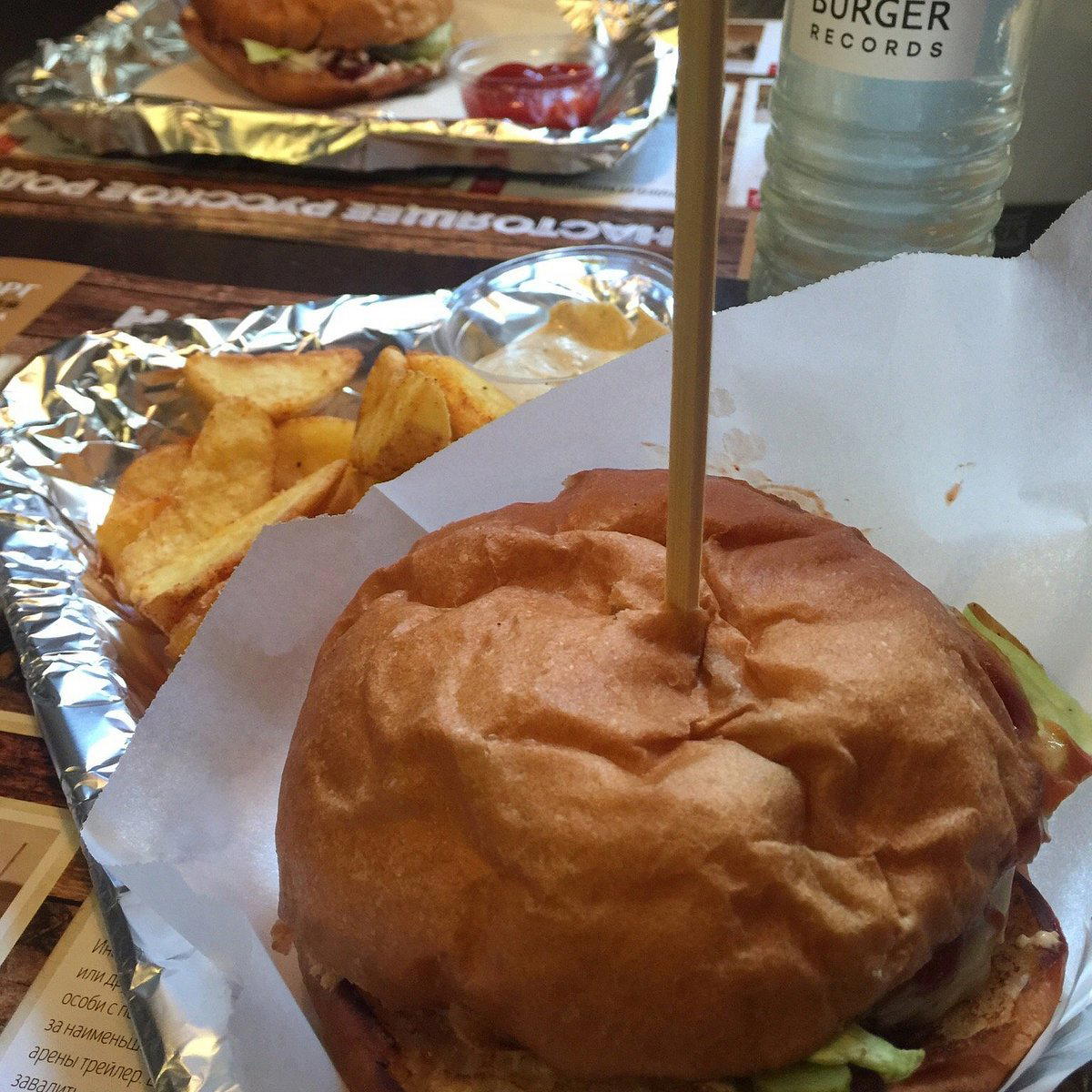
At a Glance
- Cozy
- Classic
- Intimate
- Family
- Group Dining
- Casual Hangout
- Live Music
Current opening hours
- Monday
- 1–11 PM
- Tuesday
- 1–11 PM
- Wednesday
- 1–11 PM
- Thursday
- 1–11 PM
- Friday
- 1–11 PM
- Saturday
- 1–11 PM
- Sunday
- 1–11 PM
Hours can change for holidays and private events. Last verified .
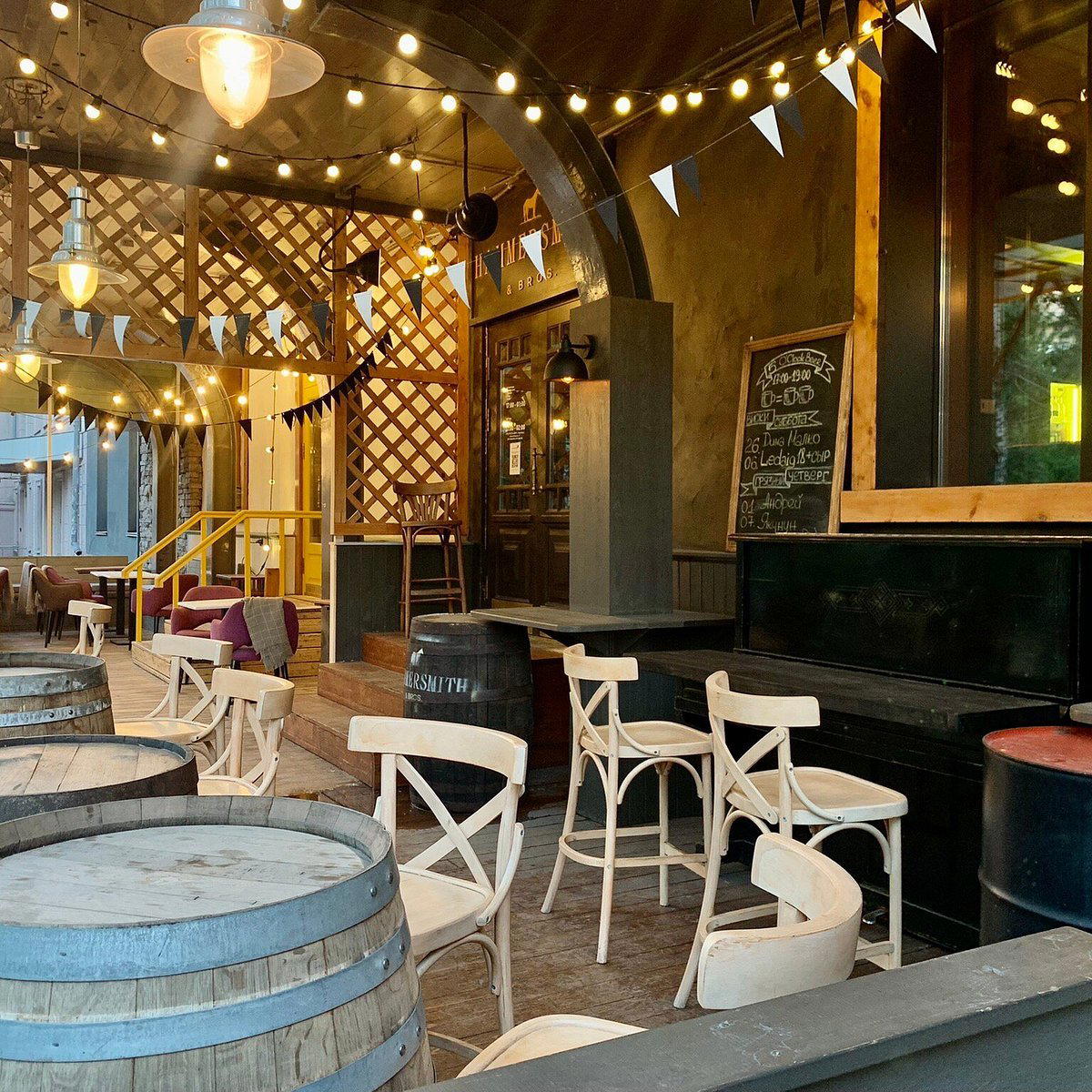
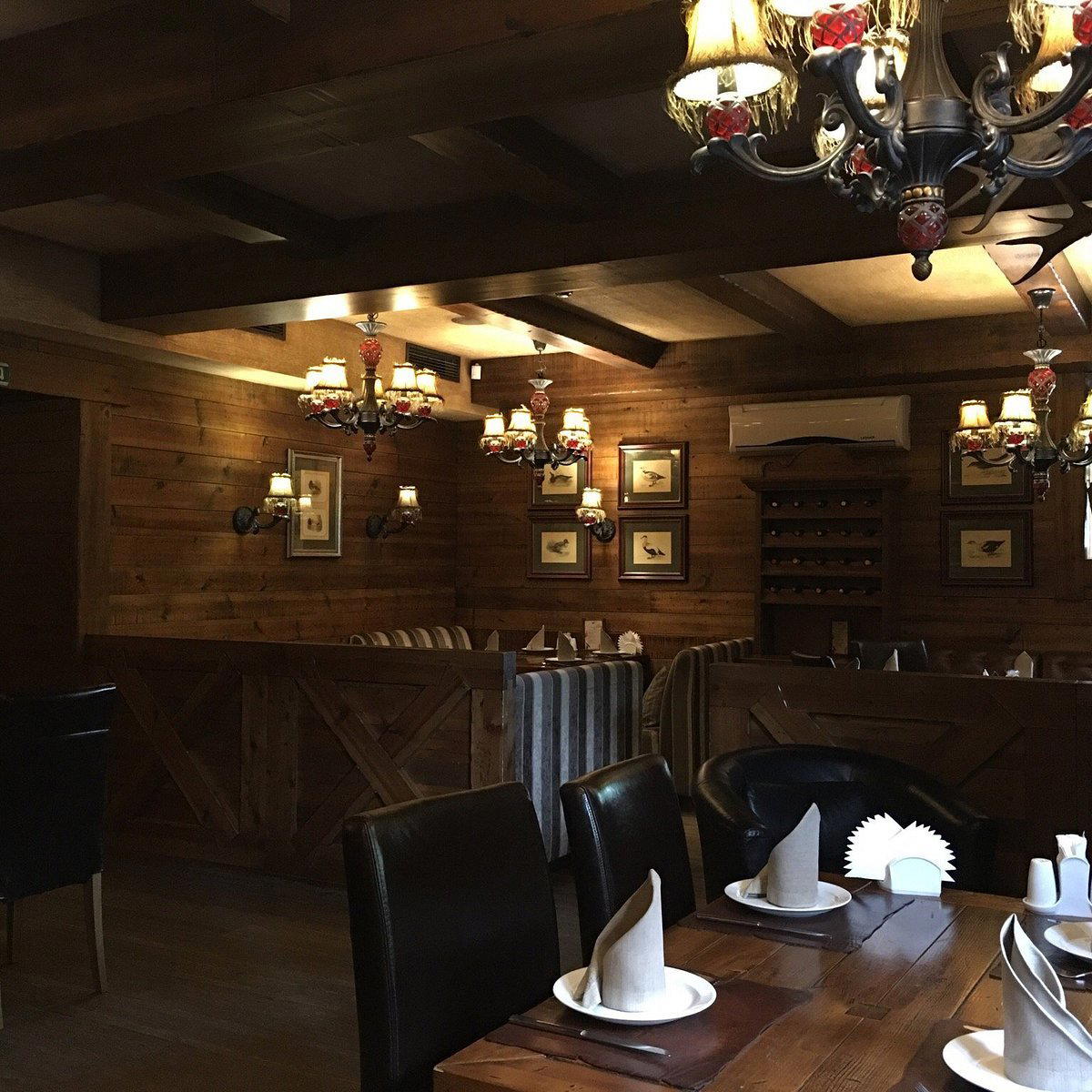
Cozy and welcoming with traditionally Georgian-inspired design, ethnic music, and colorful Georgian atmosphere that transports guests to Tbilisi.