Barak
Barak occupies a Novosibirsk address that places it within Siberia's evolving restaurant conversation, where ingredient provenance and regional identity are reshaping what serious dining looks like east of the Urals. The venue sits on Ulitsa Serafimovicha in the city's cultural core, drawing guests who treat the table as a way into the region rather than an escape from it.
Pearl is the En Primeur Club membership app — saves, bookings, and concierge access live there. Same editors, same standards.
- Address
- Ulitsa Serafimovicha, 4, Novosibirsk, Novosibirsk Oblast, Russia, 630054
- Phone
- +79059381380
- Website
- barak.su
- Directions
- Get directions
 Saves & bookings on Pearl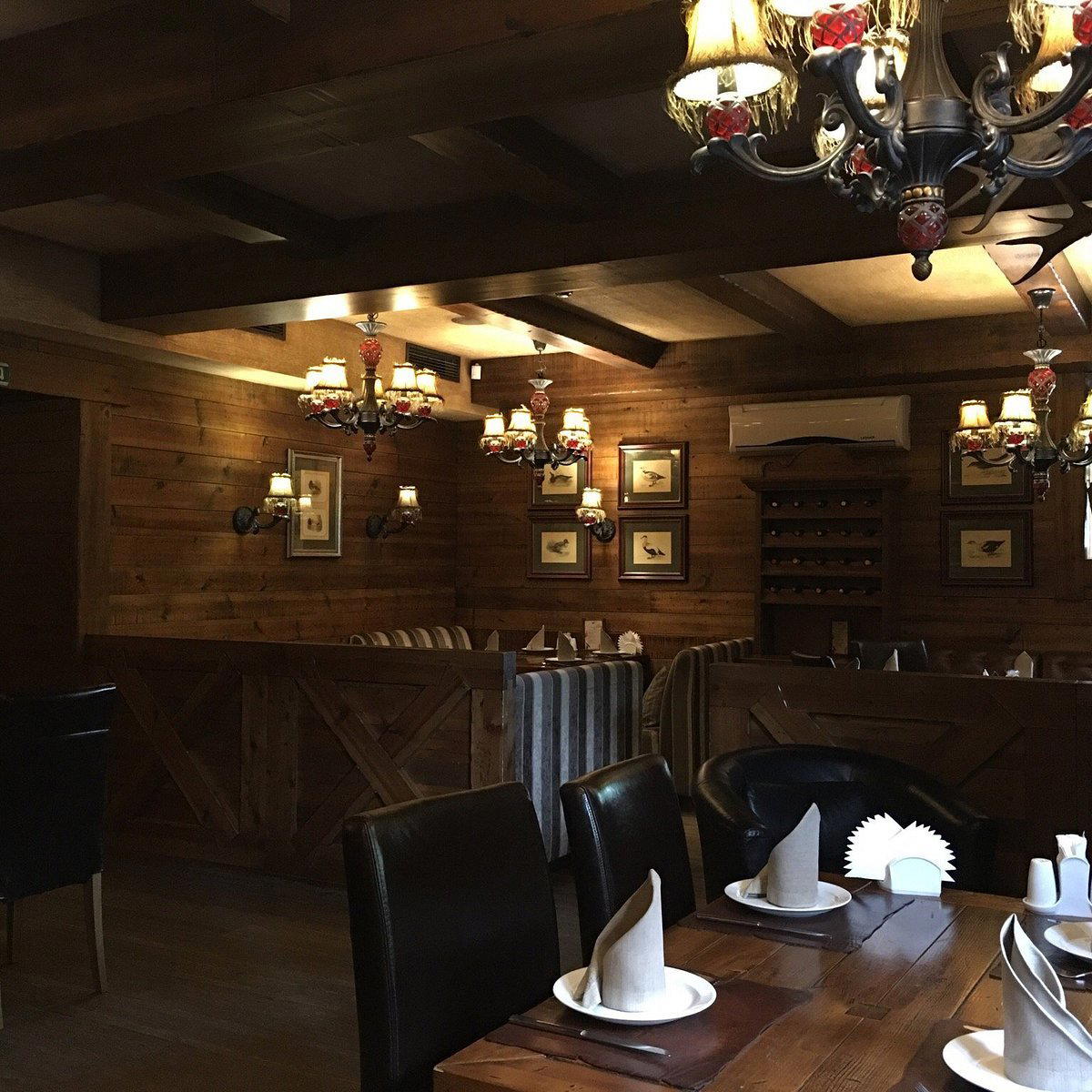
Siberia at the Table: What Novosibirsk's Dining Scene Demands
Dining in Novosibirsk has never followed the same script as Moscow or Saint Petersburg. The city sits at the edge of the West Siberian Plain, with taiga to the north, the Ob River threading through its centre, and supply chains that make proximity to raw ingredients a genuine competitive advantage rather than a marketing concept. Restaurants that thrive here tend to build their identities around what arrives fresh rather than what can be imported on a predictable schedule.
The address places it within walking distance of the Ob embankment and the city's older civic fabric, a neighbourhood that carries more historical weight than the newer commercial districts to the north. Approaching the building, the architectural language is what you notice first: the Soviet-era scale of the surrounding blocks gives way to a ground-floor entrance that signals a more deliberate hospitality intent than the street-level casual options scattered across this part of the city. Novosibirsk's serious dining tier is smaller and more concentrated than it might be in a European city of comparable size, which means individual venues carry more representational weight within the scene.
Ingredient Geography: Why Provenance Matters More Here Than Almost Anywhere
The sourcing question is structural in Siberian restaurants, not optional. At the latitudes Novosibirsk operates in, growing seasons are short and logistics are complicated. The restaurants that earn sustained attention are those that treat these constraints as editorial decisions: river fish from the Ob and its tributaries, foraged mushrooms and berries from the taiga fringe, dairy from farms in the Novosibirsk Oblast, and game from hunting territories that begin not far from the city's outer limits. This is a region where the distance between field and plate can be genuinely shorter than it would be in a cosmopolitan centre importing from multiple continents.
Across Russia's more ambitious dining addresses, the ingredient-sourcing conversation has accelerated significantly in the past decade. Twins Garden in Moscow built a national profile partly on the back of its own farm operation, making provenance a verifiable claim rather than a vague promise. In Saint Petersburg, COCOCO Bistro and Birch have placed Russian-territory ingredients at the centre of their identities, creating a template that venues in secondary cities now read against. The distinction for Novosibirsk is that the raw material access is different in kind, not just degree. Siberian produce carries a regional specificity that cannot be replicated by sourcing from the same network that supplies western Russian kitchens.
Barak's position on Serafimovicha places it within reach of what the city's food supply geography actually offers. Whether a kitchen commits to that geography or defaults to a more generic Central European-Russian hybrid is the critical distinction between venues in this tier. The restaurants that have earned sustained local loyalty, including Adzhikinezhal' with its Caucasian-inflected approach to regional ingredients, and Mimino drawing on Georgian culinary traditions adapted to Siberian supply, demonstrate that specificity of identity rather than generic ambition is what builds a durable dining reputation in Novosibirsk.
The Novosibirsk Dining Tier: Where Barak Sits
Russia's dining geography has historically concentrated critical and commercial attention in Moscow and Saint Petersburg. The south has its own cluster of serious addresses: Restaurant Baran-Rapan in Sochi and Alanskaya Kukhnya in Krasnodar represent a Black Sea and North Caucasus sensibility that is geographically and culturally distinct from Siberia. Farther afield, SEASONS in Kaliningrad operates in a Baltic context with entirely different supply logic. Novosibirsk belongs to none of these clusters. It is the largest city in Siberia and the third-largest in Russia, which means its dining scene has scale but not the density of critical infrastructure that Moscow or Saint Petersburg possess.
That creates a particular dynamic for venues like Barak. The competitive set is local rather than national in the day-to-day sense, but the standards of comparison that well-travelled guests carry with them are national and international. Venues at Bourgeois Bohemians in Sankt-Peterburg or Primorskiy Prospekt, 72 in Staraya Derevnya operate with the visibility that comes from proximity to a larger critical audience. In Novosibirsk, reputation is built differently: through word-of-mouth within the city's professional and academic communities, through the loyalty of a smaller but attentive local dining public, and increasingly through the attention of travellers moving through what has become a more internationally connected city.
Planning Your Visit
Barak is located at Ulitsa Serafimovicha, 4, in central Novosibirsk, accessible from the city's metro system and within reasonable distance of the main hotel concentrations along the Krasny Prospekt. Novosibirsk operates on Novosibirsk Time (UTC+7), which is worth noting for travellers arriving from Moscow, who will be adjusting to a four-hour difference. Barak is open daily from 12 PM to 12 AM, and reservations are recommended. This is a city where restaurant conditions can shift seasonally, particularly through the winter months when Novosibirsk's temperatures drop sharply and dining patterns adjust accordingly.
Comparisons to venues operating in warmer-climate sourcing contexts, such as La Colline in Bolshoye Sareyevo or Leo Wine & Kitchen in Rostov, are instructive mainly in showing how differently ingredient calendars work. For those coming from international dining reference points, the Siberian seasonal cycle has more in common with Scandinavian or northern Japanese supply logic than with anything Mediterranean. At the further end of international comparison, venues like Le Bernardin in New York City or Lazy Bear in San Francisco demonstrate what sustained ingredient discipline looks like in markets with deep critical infrastructure; Novosibirsk is building toward its own version of that standard, on its own terms and timeline. Venues at Astoria Cafe in Saint Petersburg represent a different reference point: the Russian dining establishment tradition, which Novosibirsk's more ambitious restaurants consciously position themselves alongside or against. Tsarskaya Okhota in Zhukovka shows yet another axis, the game-and-countryside register, which has direct resonance with what Siberian kitchens can access from their own surrounding territory.
Side-by-Side Snapshot
Comparable venues nearby, for context on price, style, and recognition.
| Venue | Cuisine | Price | Notes |
|---|---|---|---|
| BarakThis venue — the venue you are viewing | Modern Russian Steakhouse | $$ | Not listed |
| Adzhikinezhal' | Authentic Caucasian (Georgian, Armenian, Uzbek) | $$ | Central |
| Mimino | Georgian | $$ | Oktyabrskaya |
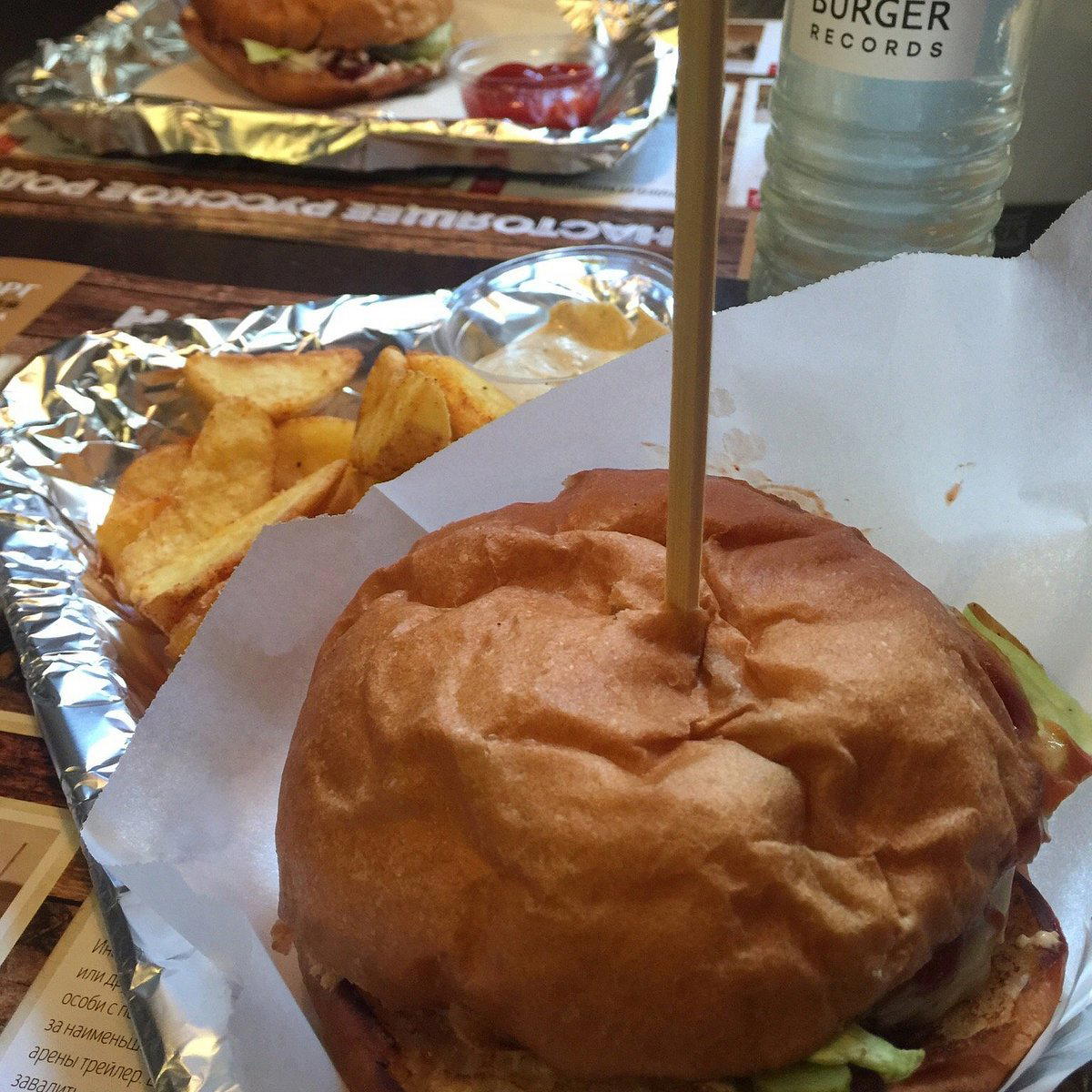
| Burger Records | Music-Themed Gourmet Burgers | $$ | Sibirskaya |
| Kazbek | Authentic Georgian | $$ | Presnensky |
| Paloma Cantina | Authentic Mexican Cantina | $$ | Nevskiy |
Continue exploring
More in Novosibirsk
Restaurants in Novosibirsk
Browse all →
At a Glance
- Cozy
- Warm
- Date Night
- Family
- Group Dining
- Open Kitchen
Current opening hours
- Monday
- 12 PM–12 AM
- Tuesday
- 12 PM–12 AM
- Wednesday
- 12 PM–12 AM
- Thursday
- 12 PM–12 AM
- Friday
- 12 PM–12 AM
- Saturday
- 12 PM–12 AM
- Sunday
- 12 PM–12 AM
Hours can change for holidays and private events. Last verified .
Warm, comfortable atmosphere with cozy hunting lodge decor and romantic seating.