Adzhikinezhal'
On Krasnyy Prospekt, Novosibirsk's main artery, Adzhikinezhal' brings the cooking traditions of the Caucasus to Siberia's largest city. The name alone signals intent: it references a spiced Caucasian condiment, pointing toward a kitchen where sourcing and seasoning carry cultural weight. For visitors and locals seeking a departure from pan-European menus, it occupies a distinct position in Novosibirsk's dining scene.
Pearl is the En Primeur Club membership app — saves, bookings, and concierge access live there. Same editors, same standards.
- Address
- Krasnyy Prospekt, 37, Novosibirsk, Novosibirsk Oblast, Russia, 630099
- Phone
- +73832270921
- Website
- adjiki.ru
- Directions
- Get directions
 Saves & bookings on Pearl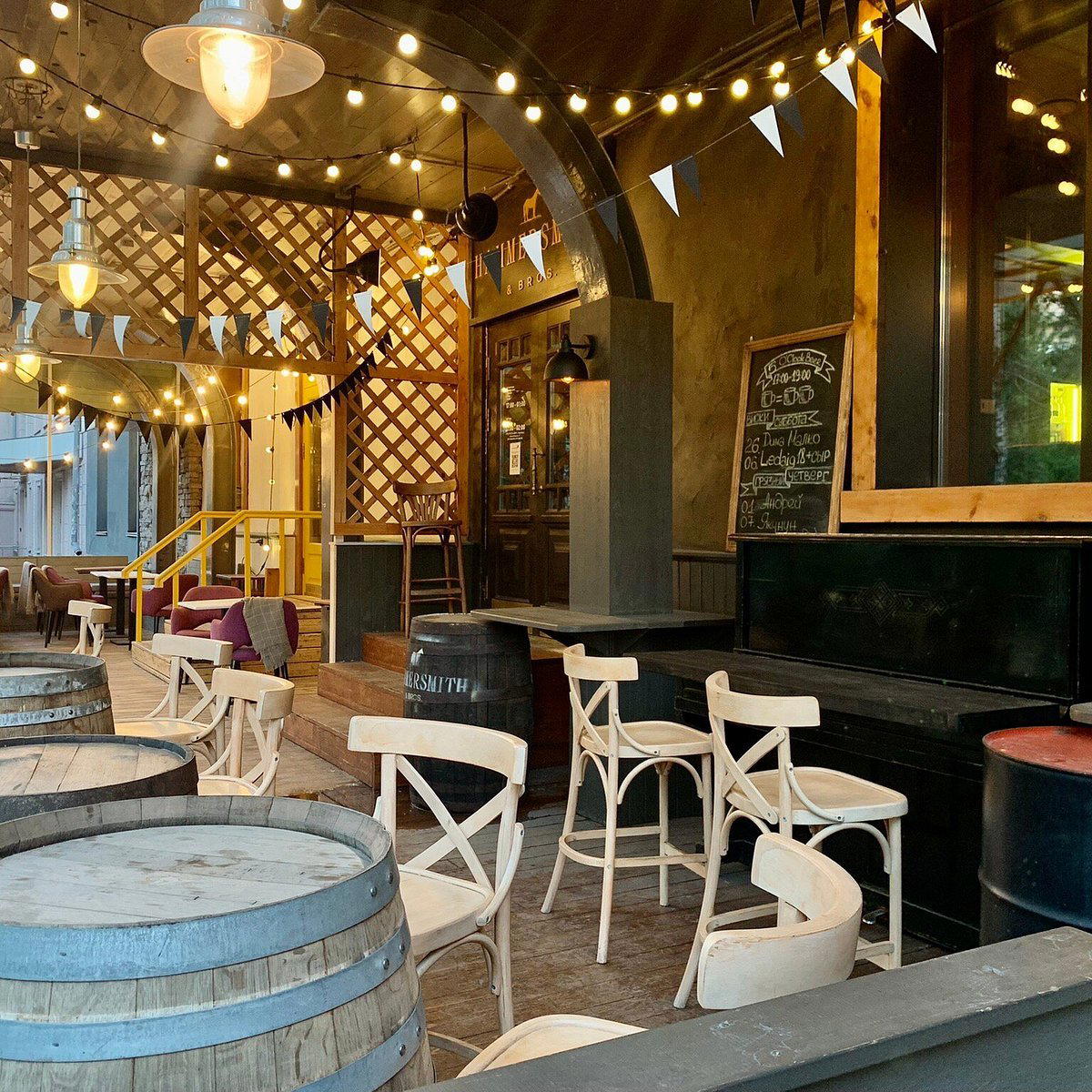
A Caucasian Table in Siberia
Krasnyy Prospekt runs the length of central Novosibirsk like a spine, lined with Soviet-era facades, newer commercial blocks, and the kind of foot traffic that keeps a restaurant honest. At number 37, Adzhikinezhal' sits in the middle of that current, drawing on a culinary tradition that originates thousands of kilometres to the southwest. The Caucasus, Georgia, Armenia, Azerbaijan, and the smaller mountain republics of Russia's southern borderlands, has produced among the more ingredient-driven cooking cultures in the post-Soviet world, and restaurants that carry that tradition northward and eastward into Siberia operate in a specific and well-defined niche.
The name itself is a signal. Adzhika (or adjika) is a Caucasian spiced condiment, built from chilli, garlic, herbs, and spices, ground together in proportions that vary by household and region. The restaurant's name, derived from that word with a local inflection, is a declaration of culinary allegiance before the menu is even opened. In cities where Caucasian cooking is represented seriously, the kitchen's relationship to ingredients, their origin, seasonality, and preparation, defines the tier at which it operates.
Why Ingredient Sourcing Defines Caucasian Cooking in Siberia
Caucasian cuisine is among the more ingredient-specific traditions in the broader Russian dining world. Dishes like khinkali, churchkhela, pkhali, or grilled meats over vine cuttings carry meaning precisely because they are tied to particular places and products. When these dishes travel to Siberia, the question of sourcing becomes significant: which ingredients arrive fresh from the south, which are produced locally with appropriate substitutions, and which are compromised by distance and logistics.
Novosibirsk is roughly 3,500 kilometres from Tbilisi by road. That distance shapes what any Caucasian restaurant in the city can and cannot do with integrity. The Siberian climate rules out growing the subtropical herbs and spices that anchor many Georgian or Azerbaijani preparations. Serious kitchens in this category compensate through supply relationships with producers in Krasnodar Krai, Stavropol, or the Caucasus republics themselves, bringing in walnut pastes, dried herbs, regional cheeses, and specialty ingredients that cannot be sourced locally. The restaurants that do this work are categorically different from those that approximate the tradition using supermarket-shelf substitutes.
That sourcing distinction maps directly onto the restaurant's position within Novosibirsk's dining scene. The city has a competitive mid-market, with options across cuisines and price points, but Caucasian cooking at a serious level occupies a narrower space. For points of reference elsewhere in Russia's broader dining geography, Alanskaya Kukhnya in Krasnodar operates closer to the source region, while Dzhani Restorani in Nizhny Novgorod navigates a similar sourcing challenge further west. Both illustrate how location relative to the Caucasus shapes a restaurant's options.
The Setting on Krasnyy Prospekt
Central Novosibirsk's main boulevard carries associations with civic formality, but the restaurant blocks that have developed along its length over the past two decades reflect a more varied urban life. The address at Krasnyy Prospekt, 37 places Adzhikinezhal' in walkable reach of the city's commercial and cultural core, accessible without a taxi for anyone staying in central hotels or attending events near the opera house or Lenin Square. That accessibility matters for a city where the winters are severe enough to make short distances significant.
Caucasian restaurants, when they function at full register, create a particular kind of warmth that goes beyond the literal. Heavy clay pots, long tables, wine poured from ceramic jugs, toasts that carry genuine ceremonial weight, the tradition is structured around hospitality as a social institution, not merely a commercial transaction. Whether Adzhikinezhal' delivers on that register specifically is something each visit will answer, but the template it draws from is one of the more generously human dining traditions in the region.
Novosibirsk's Dining Context
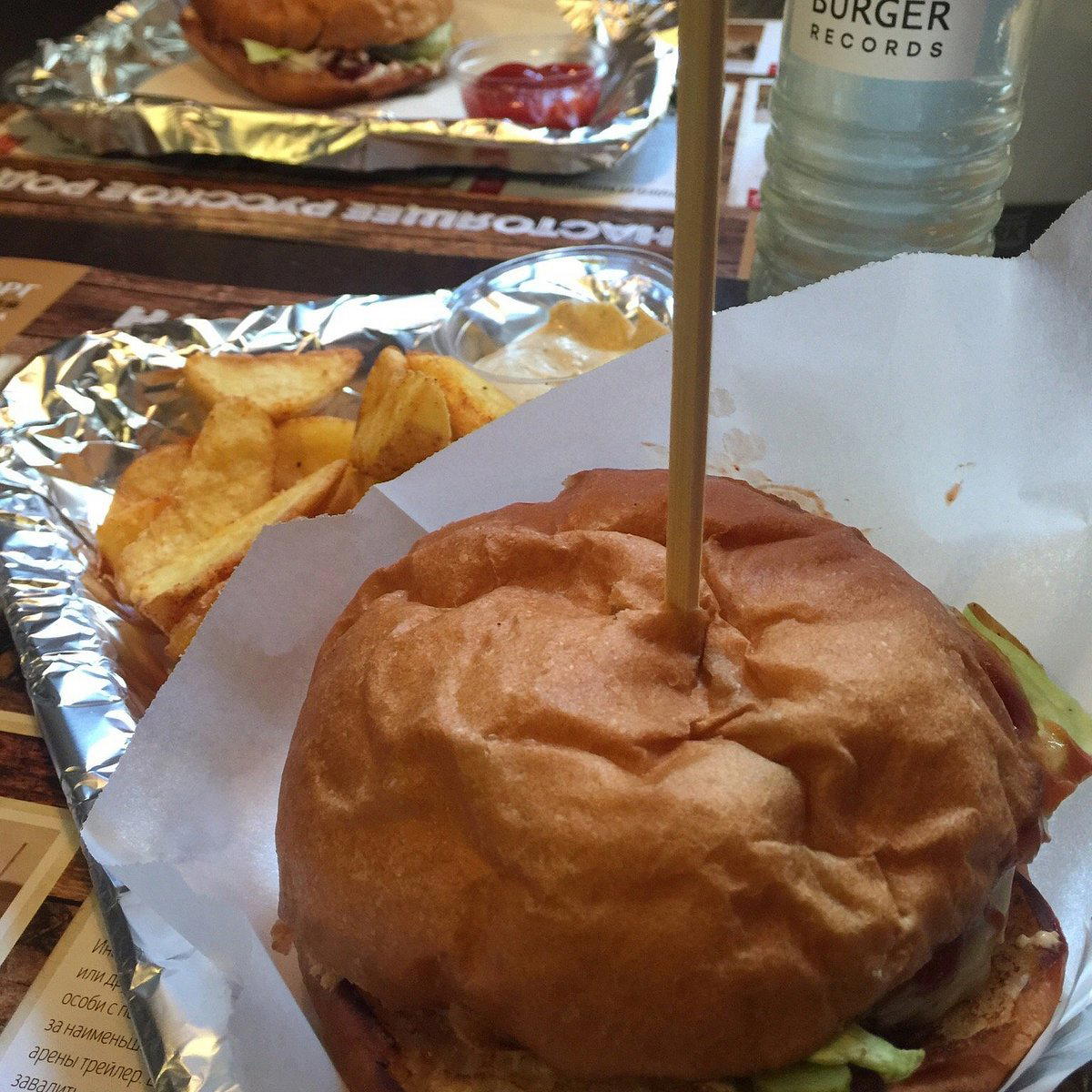
Novosibirsk's restaurant scene has matured considerably over the past decade. The city is large enough, at nearly 1.6 million people, to sustain specialist dining in multiple categories, and its population of scientists, engineers, and academics connected to Akademgorodok has historically supported a more cosmopolitan appetite than cities of similar size elsewhere in Siberia. Barak and Mimino represent parts of the city's wider restaurant range, while Burger Records anchors a more casual register. For the broader picture, maps the scene across categories and price points.
For comparative scale, the kind of sourcing rigour that defines Caucasian cooking at its leading appears in different contexts elsewhere: Twins Garden in Moscow has built a profile partly on domestic sourcing as a philosophical commitment, while 1913 in Saint Petersburg operates in a tradition-forward mode that similarly prizes provenance. Kukhterin in Tomsk and Grisha in Omsk are the nearest Siberian peers by geography, offering a sense of what serious dining looks like across the region's main cities. Further afield, Khmeli Suneli in Yekaterinburg takes its name from the Georgian spice blend and represents another data point in how Caucasian cuisine travels across Russia's cities.
Internationally, the distance between a Siberian Caucasian kitchen and, say, Le Bernardin in New York City or Atomix in New York City is not simply geographic. Those restaurants exist at the summit of a global fine dining tier shaped by consistent critical infrastructure, Michelin presence, and deep media coverage. Adzhikinezhal' operates in a city where that infrastructure is absent, which means the assessment framework has to shift accordingly. The relevant question is how it represents the Caucasian tradition in its own context.
Other regional points of interest in the Russian dining network include Made in China in St. Petersburg, Lev I Ptichka in Saint Petersburg City, krevetka in Voronezh, Cafe Pushkin in Moscow, and Konditerskaya Kuzina in Syktyvkar, each representing different facets of how regional Russian dining has developed outside the two capitals.
Planning a Visit
Adzhikinezhal' is located at Krasnyy Prospekt, 37, in central Novosibirsk, postcode 630099. The address places it on among the more-trafficked routes in the city, reachable by metro, tram, or on foot from the city centre. Adzhikinezhal' recommends reservations.
Quick Comparison
Comparable venues nearby, for context on price, style, and recognition.
| Venue | Cuisine | Price | Notes |
|---|---|---|---|
| Adzhikinezhal'This venue — the venue you are viewing | Authentic Caucasian (Georgian, Armenian, Uzbek) | $$ | Not listed |
| Mimino | Georgian | $$ | Oktyabrskaya |
| Barak | Modern Russian Steakhouse | $$ | Akademgorodok |
| Burger Records | Music-Themed Gourmet Burgers | $$ | Sibirskaya |
| Kazbek | Authentic Georgian | $$ | Presnensky |
| Kazbek (Казбек) | Georgian | $$$ | Пресненский |
Continue exploring
More in Novosibirsk
Restaurants in Novosibirsk
Browse all →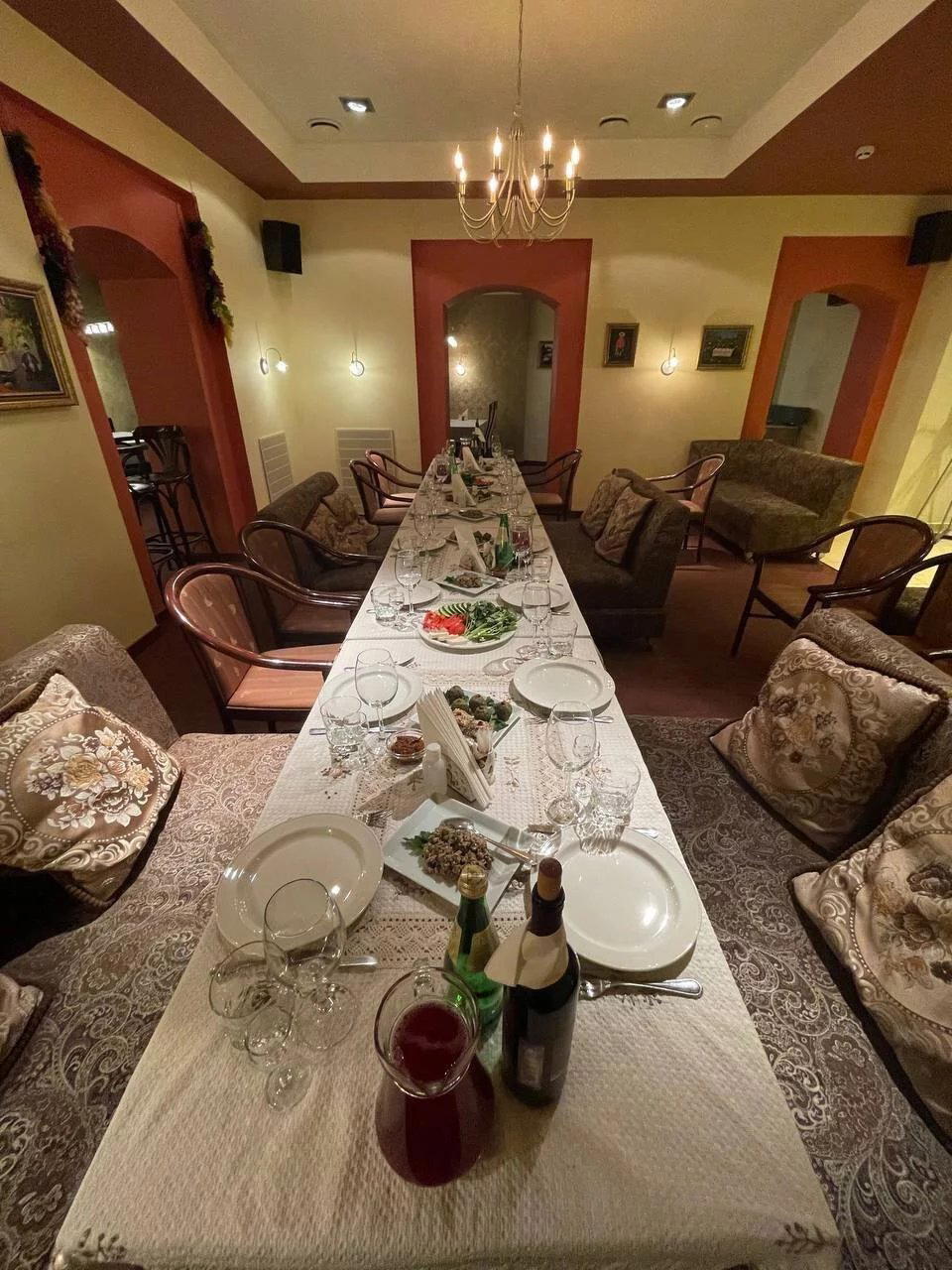
At a Glance
- Cozy
- Family
- Group Dining
- Casual Hangout
- Private Dining
Current opening hours
- Monday
- 12 PM–12 AM
- Tuesday
- 12 PM–12 AM
- Wednesday
- 12 PM–12 AM
- Thursday
- 12 PM–12 AM
- Friday
- 12 PM–2 AM
- Saturday
- 12 PM–2 AM
- Sunday
- 12 PM–12 AM
Hours can change for holidays and private events. Last verified .
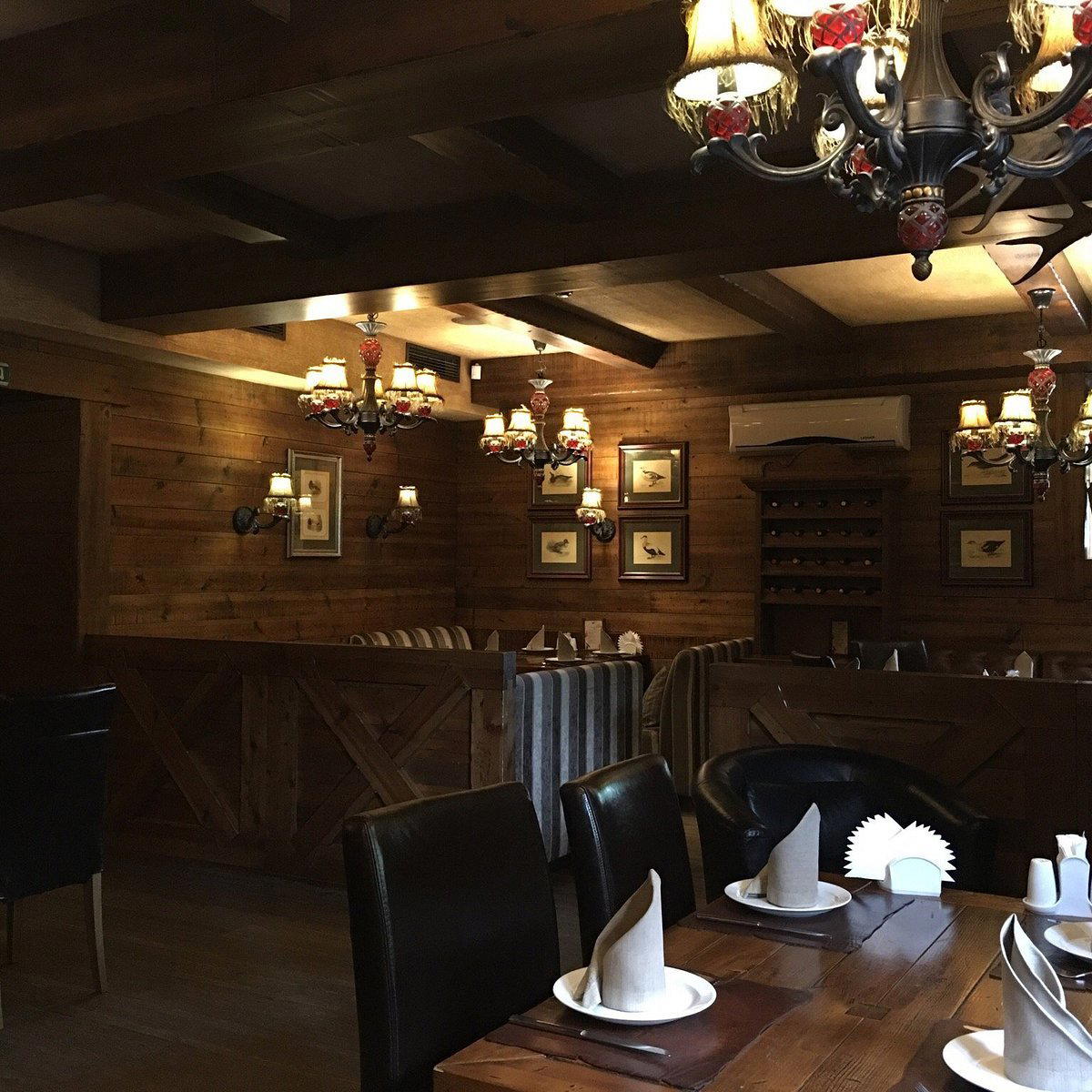
Warm and comfortable with beautiful hall decor evoking Caucasian hospitality.