Our verdict
Milagro sits on Kej Oslobođenja, Belgrade's riverside strip where the Sava meets the city's evolving dining identity. Among a corridor of waterfront addresses, it occupies a position that rewards those tracking Serbia's shift toward more considered, ingredient-conscious cooking. The address alone places it in a different conversation than the kafana tradition that still dominates much of the capital's restaurant culture.

Pearl is the En Primeur Club membership app — saves, bookings, and concierge access live there. Same editors, same standards.
- Address
- RCX7+83, Kej Oslobođenja 55, Beograd 11080, Serbia
- Phone
- +381113160160
- Hours
- Mon 1 PM–12 AMTue ClosedWed–Sat 1 PM–12 AMSun 12–8 PM
- Website
- restoranmilagro.com
- Directions
- Get directions
- Booking
- Book on the venue's website
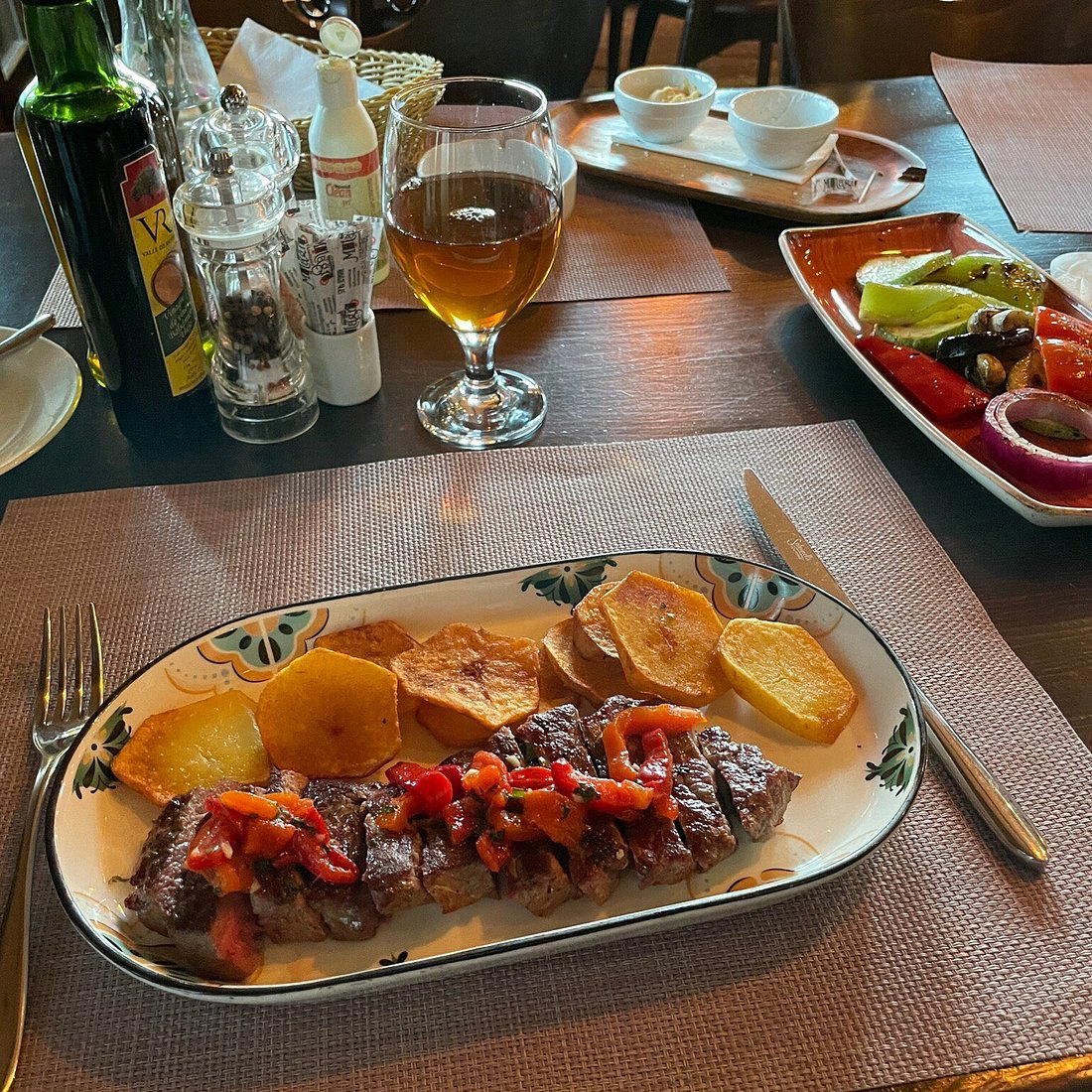
A Riverfront Setting and What It Signals
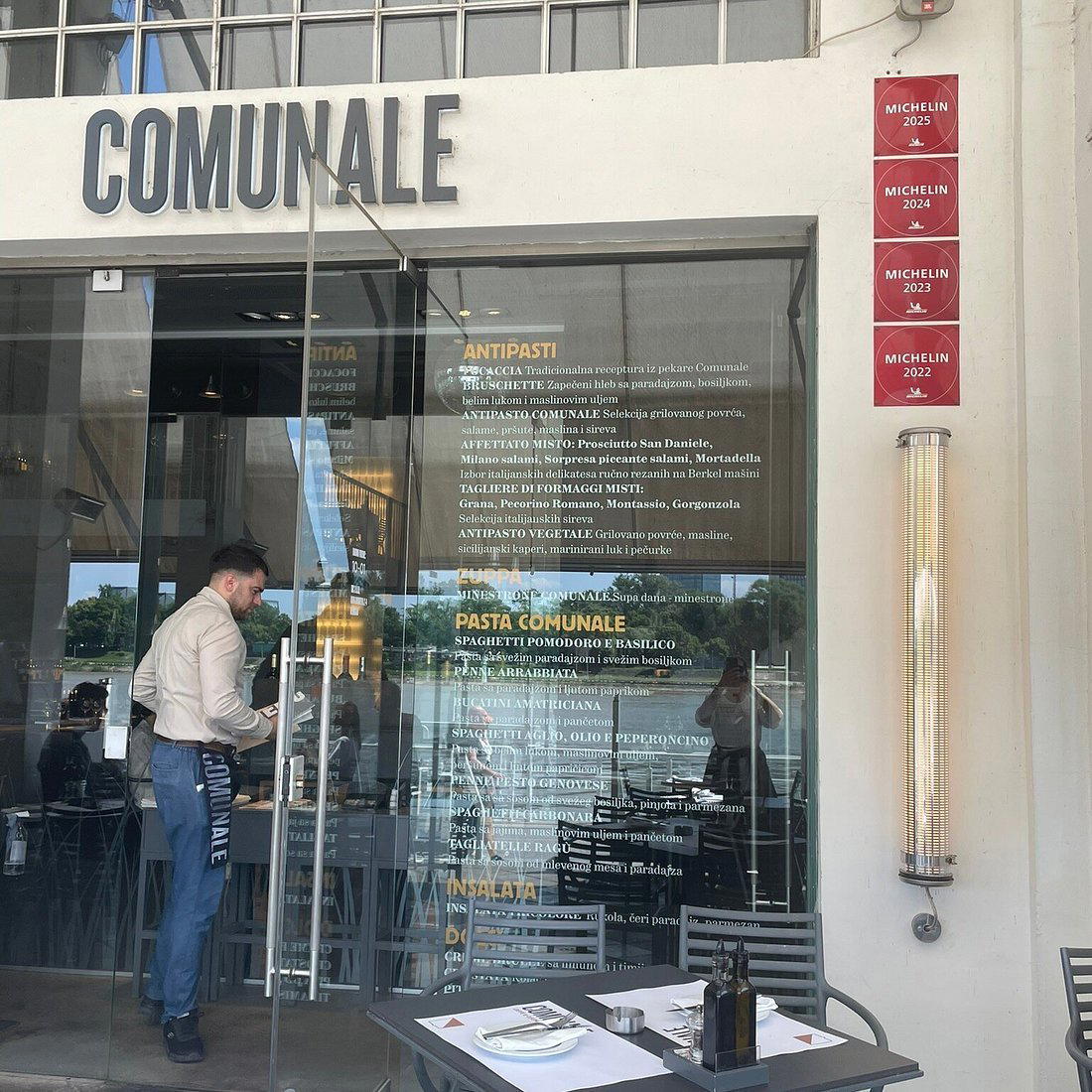
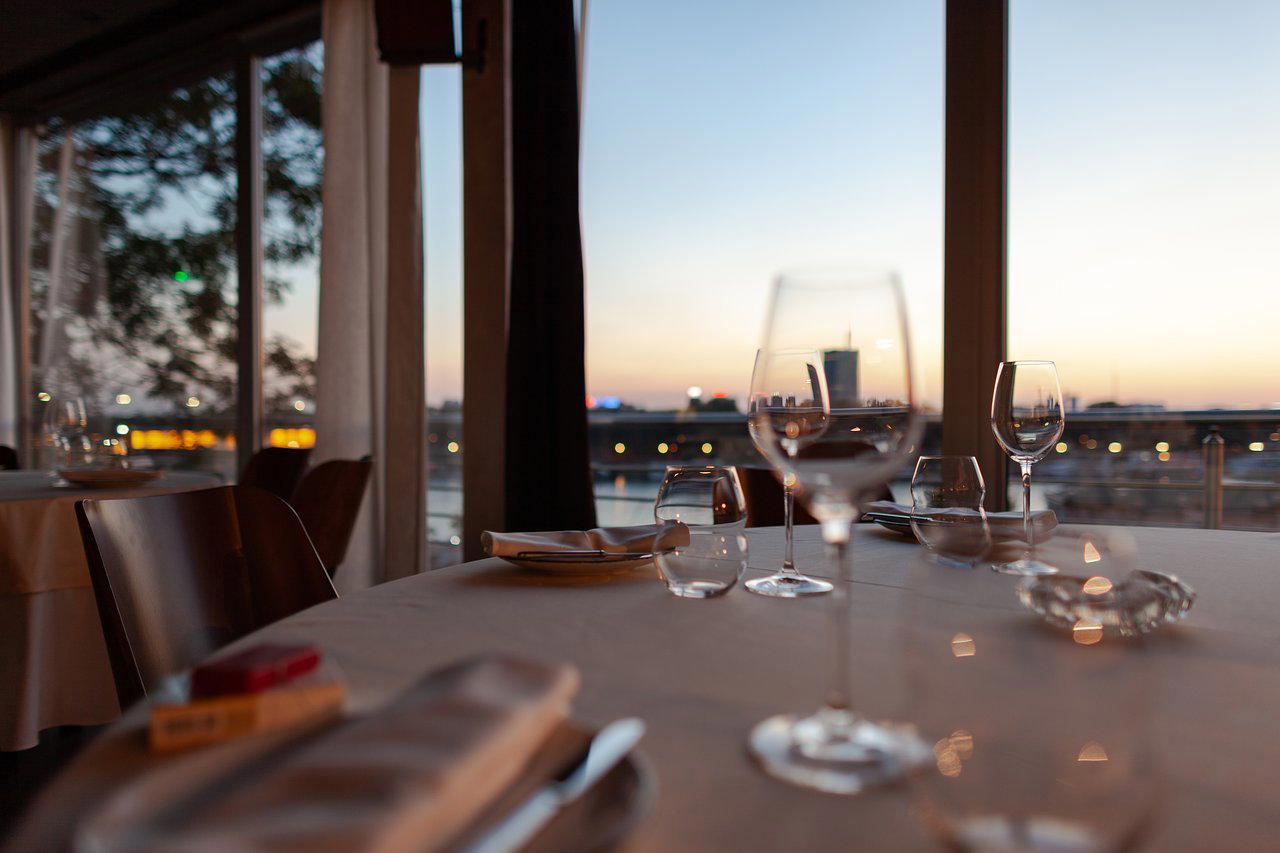
Belgrade's Kej Oslobođenja runs along the Sava embankment in Novi Beograd, a stretch that has quietly accumulated some of the city's more interesting dining addresses over the past decade. The embankment format encourages a particular kind of restaurant: one that earns its audience through what happens on the plate rather than through proximity to the old town's tourist gravity. Milagro, at number 55 on that strip, operates in that context. Approaching along the waterfront, the Sava provides the backdrop and the setting frames an expectation of something considered rather than rushed.
That physical positioning matters editorially because it separates Milagro from the dense concentration of options in Stari Grad and Savamala, where foot traffic and tourist volume do much of the marketing work. Venues on Kej Oslobođenja draw a more deliberate visitor, someone who has made a specific choice rather than defaulted to proximity. That self-selecting audience shapes what a restaurant here needs to offer.
Where Milagro Sits in Belgrade's Restaurant Tiers
Belgrade's dining scene has developed an increasingly legible structure over the past five years. At one end, the kafana tradition persists as a cultural fixture, offering grilled meats and rakija in formats that have changed little in decades. At the other end, a small cohort of modern-cuisine venues has emerged, pressing Serbian produce through European technique and, in some cases, sustainability-conscious sourcing frameworks. Langouste operates in the higher-price modern cuisine tier at €€€€, while The Square covers Contemporary French and Modern Cuisine at a more accessible €€ price point. Milagro occupies the waterfront variant of this evolving middle tier, where the setting and the sourcing approach do as much to define the experience as the menu format itself.
For reference points outside Belgrade, the comparison is instructive. The riverfront dining model has analogues across the region, where location on water creates a distinct hospitality register. What differentiates the better addresses in that category is a commitment to ingredient provenance that goes beyond marketing language. Serbia's agricultural hinterland, which includes strong traditions in heritage pork, river fish, and seasonal vegetables from the Vojvodina plain, gives Belgrade restaurants genuine raw material to work with when they choose to source locally and with attention.
The Sustainability Frame in Serbian Dining
Across European dining, sustainability has split into two distinct modes. The first is performative: recycled paper menus, a paragraph about the farm on the website, and little else. The second is structural: sourcing decisions embedded in the menu architecture, waste reduction built into prep and service, and a kitchen culture that treats provenance as operational rather than decorative. Belgrade's more considered venues have begun moving toward the structural model, partly because Serbia's proximity to its own agricultural regions makes genuine farm relationships practical rather than aspirational.
The Danube and Sava corridors supply freshwater fish that appear across Serbian menus when chefs engage with the local calendar. Seasonal produce from Šumadija and the Vojvodina flatlands offers range across the year. A restaurant on the Sava embankment that takes its location seriously has both the supplier access and the conceptual logic to build around those inputs. That is the frame in which venues like Milagro on Kej Oslobođenja are leading understood: as part of a small but growing Belgrade cohort that treats the city's agricultural geography as a menu-building resource rather than a backdrop.
For context on how this compares at the regional level, Etno Kuća Dinar in Vrsac and ČARDA ZLATNA KRUNA in Apatin represent the tradition-rooted end of Serbia's local-sourcing approach, where the connection to place is expressed through heritage recipes and regional specificity. The urban waterfront model at Milagro sits closer to the modernist end of that spectrum, where local sourcing meets a more contemporary service register.
Belgrade's Wider Dining Geography
Understanding where Milagro fits requires a working map of Belgrade's dining distribution. The city's restaurant energy concentrates in three zones: Stari Grad and Skadarlija for heritage and tourist-facing formats; Savamala for the creative, bar-adjacent dining crowd; and the Novi Beograd embankment for a more mixed audience that includes local professionals, riverside leisure seekers, and visitors who have moved past the obvious itinerary. Ambar and Avala represent different registers of Belgrade hospitality worth cross-referencing, as does Barrel House for its positioning in the city's drinking and dining overlap. The full Belgrade restaurants guide maps these zones in more detail for visitors planning across multiple meals.
Beyond the capital, Serbia's dining geography extends into smaller cities and towns with their own regional food identities. Kod Brana in Cacak, Lovački dom in Valjevo, and KAFANA DUKAT in Pirot each anchor regional food traditions that feed into Belgrade's broader culinary identity. Kafe Restoran Maša in Novi Sad, Kod poštara in Aran Elovac, Aleksandar Gold in Uzice, Windmill in Pancevo, and Grand **** in Kopaonik round out a national picture in which Belgrade's waterfront dining sits as one node among many.
Planning a Visit
Milagro's address at Kej Oslobođenja 55 in Novi Beograd places it on the western bank of the Sava, accessible from the city centre by taxi or ride-share in under fifteen minutes from most central Belgrade locations. The embankment is also reachable on foot from Ada Ciganlija for visitors already on that side of the river. Given the absence of published booking data, contacting the venue directly before arrival is the sensible approach, particularly for evening visits during warmer months when Sava embankment addresses draw their largest crowds. Riverside venues in this part of Belgrade tend toward fuller houses from late spring through September, when terrace seating drives significant demand.
For those calibrating Milagro against a broader range of dining ambition, the contrast with globally-recognised restaurants helps set expectations in both directions. Le Bernardin in New York City and Atomix in New York City represent the upper tier of what the contemporary fine dining format can achieve at its most technically refined. Belgrade's better waterfront addresses are operating in a different register, one defined by regional specificity and accessibility rather than global award-circuit positioning, which is a legitimate and often more interesting context for a meal.
Frequently asked questions
What's Milagro's location?
Milagro is located at RCX7+83, Kej Oslobođenja 55, Beograd 11080, Serbia, Belgrade.
How does Milagro compare to other Novi Beograd waterfront restaurants?
Milagro occupies a stretch of Kej Oslobođenja that has accumulated several of Belgrade's more considered dining addresses, distinguishing it from the higher-volume spots closer to Skadarlija or the Savamala district. Where much of the city's restaurant energy concentrates on the eastern bank, this Sava-side location draws a crowd that is more local and less driven by the nightlife circuit. That geography alone tends to filter toward kitchens with a clearer culinary intent.
What's the must-try dish at Milagro?
What the venue's riverfront position on Kej Oslobođenja 55 in Novi Beograd does suggest is a kitchen oriented toward the seasonal rhythms common to Belgrade's mid-to-upper dining tier. Go in with range rather than a fixed order and ask what's running that week.
How hard is it to get a table at Milagro?
For any address on the Sava embankment that has developed a following among the city's dining crowd, weekend evenings tend to fill faster than the week. Contacting the venue directly ahead of a Friday or Saturday visit is the practical move.
What's Milagro best at?
Milagro's address at Kej Oslobođenja 55 puts it on one of Belgrade's more quietly accumulated stretches of serious restaurants, which signals a certain ambition about setting and experience rather than tourist-facing volume. Among Novi Beograd's riverfront options, its position in the middle tier of Belgrade's developing dining structure points toward a kitchen with a considered approach rather than a broad crowd-pleasing menu.
Is Milagro good for vegetarians?
Serbian dining more broadly has expanded plant-forward options at mid-to-upper tier restaurants over the past several years, but the safest approach is to contact Milagro at Kej Oslobođenja 55 directly before booking.
The Short List
Comparable venues nearby, for context on price, style, and recognition.
| Venue | Cuisine | Price | Notes |
|---|---|---|---|
| MilagroThis venue — the venue you are viewing | Authentic Spanish Paella & Tapas | $20–30 | Not listed |
| Restoran Kolo | Modern Serbian Balkan | Not listed | Belgrade Waterfront, Modern Serbian Balkan |
| Barrel House | Modern Serbian & International Grill | Not listed | Old Dorćol, Modern Serbian & International Grill |
| Filter | Modern Cafe & Breakfast | $10–20 | Belgrade, Modern Cafe & Breakfast |
| Etno Restoran Zlatar | Traditional Serbian Regional Cuisine | $20–30 | Palilula, Traditional Serbian Regional Cuisine |
| Bistro Tri | Modern Serbian Bistro | $20–30 | Vračar, Modern Serbian Bistro |
Continue exploring
More in Belgrade
Restaurants in Belgrade
Browse all →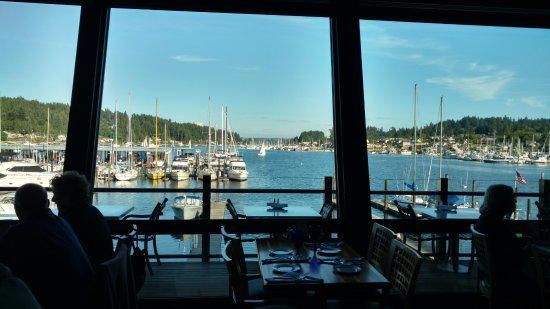
Bars in Belgrade
Browse all →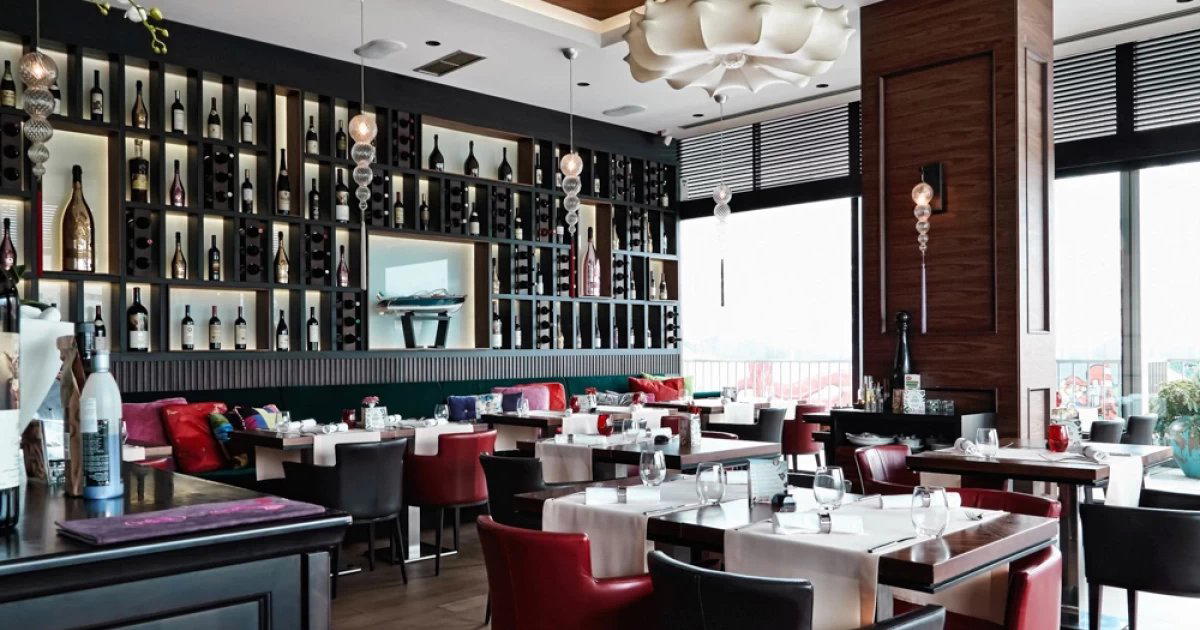
Hotels in Belgrade
Browse all →

Details
- Cozy
- Elegant
- Date Night
- Family
- Business Dinner
- Terrace
- Waterfront
- Extensive Wine List
- Waterfront
- Street Scene
- A La Carte
- Small Plates
- Wine
- Vegetarian Friendly
- Vegan Options
- Gluten Free Options
Current opening hours
- Monday
- 1 PM–12 AM
- Tuesday
- Closed
- Wednesday
- 1 PM–12 AM
- Thursday
- 1 PM–12 AM
- Friday
- 1 PM–12 AM
- Saturday
- 1 PM–12 AM
- Sunday
- 12–8 PM
Hours can change for holidays and private events. Last verified .
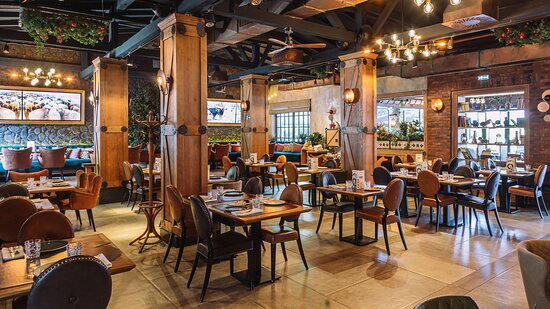
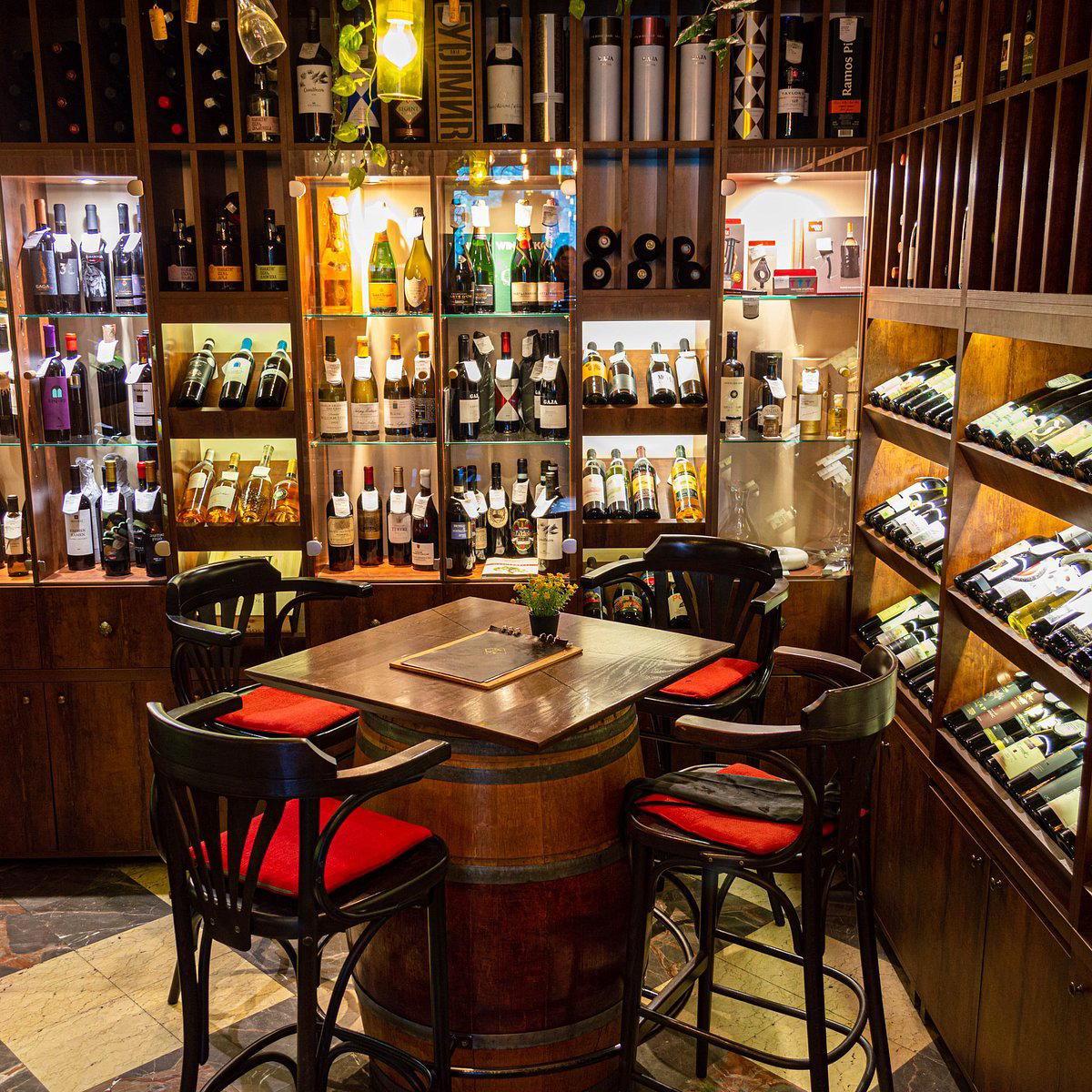
Warm, relaxing atmosphere with dark wood, stone, leather, and wrought iron decor, featuring a terrace overlooking the Danube.