




World's 50 Best #49 · La Liste Top Restaurants · We're Smart World 5 Radishes
Our verdict
Set among the Inca circular terraces of Moray at 3,500 metres, Mil Centro is one of South America's most seriously regarded restaurants, ranking second on Opinionated About Dining's South America list in 2024 and 2025 after holding the top spot in 2023. Virgilio Martínez's high-altitude kitchen anchors its menu in Andean biodiversity, drawing on ingredients from the surrounding Sacred Valley with the same intellectual rigour as his Lima flagship, Central.

Pearl is the En Primeur Club membership app, where members save venues, book tables and use the concierge.
At 3,500 Metres, the Andes Become the Menu
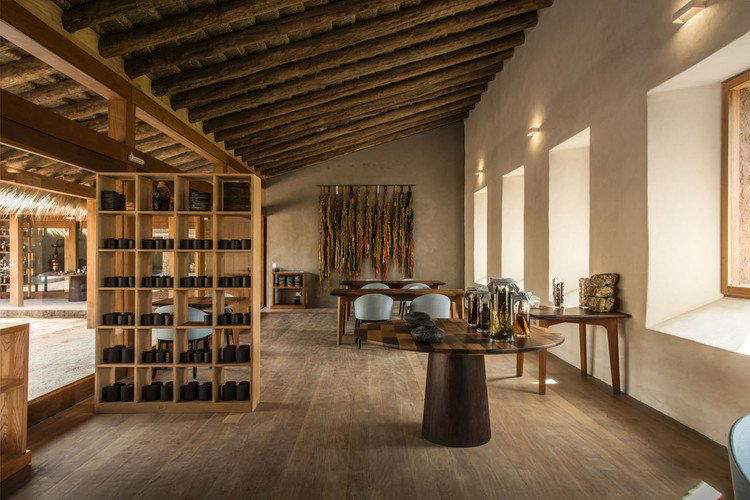
The approach to Mil Centro prepares you for something unusual. The road from Cusco climbs through eucalyptus forest and open altiplano, passing the salt evaporation ponds of Maras before the circular terraces of Moray appear, concentric rings carved into the hillside by the Inca to create micro-climates for agricultural experimentation. The restaurant sits directly within this landscape, not as a visitor looking in but as an active participant in the same logic that defined the site centuries ago: the deliberate cultivation of altitude-specific crops. Before you taste anything, the setting has already established the frame.
That frame is worth holding onto throughout the meal. Unlike the high-altitude tasting menus that deploy Andean ingredients as exotic decoration on otherwise European-structured plates, Mil Centro operates on the premise that the Sacred Valley's biodiversity is the intellectual subject of the kitchen. The work here is taxonomic as much as culinary, exploring what grows above 3,000 metres and why that geography produces flavours unavailable at sea level. It is a dining category that has almost no direct peers in South America.
Corn, Masa, and the Architecture of Andean Starch
No ingredient anchors Peruvian cooking more fundamentally than corn, and nowhere is that more apparent than in the Sacred Valley, which remains one of the world's most concentrated repositories of native maize varieties. Peru holds more than 55 documented native corn races, many of them cultivated continuously in communities within reach of Moray. At this altitude, those varieties develop starch and sugar profiles that differ measurably from lowland corn, shorter growing seasons, intense solar radiation, and dramatic diurnal temperature swings all contribute to what ends up on the plate.
Nixtamalization, the alkaline process that transforms raw maize into workable masa, has been practised in Andean communities for centuries, though it arrived through different cultural channels than in Mesoamerica. The process unlocks niacin, improves protein digestibility, and produces the pliable, complex-flavoured dough that underlies much of the region's kitchen vocabulary. Kitchens operating at Mil Centro's level treat nixtamal not as a base ingredient to be moved past quickly but as a variable to be controlled precisely: which corn variety, what alkaline source (wood ash, lime, local mineral deposits), how long a steep, what grind. Each decision shifts the flavour profile of the finished product in ways that require both technical discipline and access to the right raw materials, access that proximity to the Sacred Valley provides directly.
Within the broader progressive Peruvian scene, this kind of ingredient-level rigour separates a small tier of restaurants from the rest. Central in Lima, Virgilio Martínez's flagship, operates with a similar framework and has become the reference point for altitude-indexed tasting menus globally. Mil Centro extends that logic into the field, literally, given its location beside the Moray terraces, and applies it to a menu that the kitchen can source within a radius that most urban restaurants cannot match. The relationship between the restaurant and its agricultural surroundings is not a narrative device; it is an operational reality.
South America's upper tier of progressive restaurants has consolidated around a small number of formats: the Lima flagship, the Amazon-focused kitchen, and the heritage-site destination. Mil Centro occupies the third category almost exclusively. Opinionated About Dining, one of the more data-rigorous tracking sources for the region, ranked it second in South America in both 2024 and 2025, and first in 2023, a consistency across three consecutive cycles that places it firmly at the front of the regional conversation. La Liste, which aggregates critical opinion across multiple sources, awarded it 85 points in 2026 and 86.5 points in 2025, scores that position it within the top tier of restaurants globally reviewed by that system.
Mil Centro does not compete in that arena. That self-selection shapes what the number means.
Internationally, the closest structural analogues are destination restaurants in ecologically specific locations, think kitchens built around a particular geography's ingredient supply rather than around a city's dining market. The approach has parallels in how Atomix in New York City treats Korean culinary heritage with academic depth, or how Le Bernardin applies technique-first thinking to a single protein category. Different contexts, similar intellectual discipline.
Getting There and Planning the Visit
Mil Centro is outside Cusco on the road toward the Maras salt mines and the Moray archaeological site, making it a natural anchor for a Sacred Valley day that also includes both landmarks. The drive from Cusco takes roughly 45 minutes to an hour depending on route and traffic. Most visitors combine the restaurant with a morning at the salt ponds or the Moray terraces themselves, which sit a short walk from the restaurant.
Altitude is a practical factor that visitors from sea level consistently underestimate. At 3,500 metres, exertion, including a long meal with wine, registers differently than at lower elevations. Arriving already acclimatised, having spent at least two nights in Cusco beforehand, makes the experience considerably more manageable. Booking should be arranged well in advance, particularly for visits between June and September when the Cusco region sees its highest international visitor volume. For broader orientation in the area, our full Moray restaurants guide maps other dining options nearby, and our Moray hotels guide covers accommodation in the wider Sacred Valley if you are staying overnight rather than returning to Cusco.
Other EP Club recommendations for the region include Killa Wasi in Urubamba for a lower-altitude Sacred Valley option, and Cirqa in Arequipa for those extending their Peru itinerary south. Those planning a Lima base before or after the Cusco leg should consult Central and the wider Lima progressive dining scene as the natural pairing for what Mil Centro represents at altitude. The Moray experiences guide and bars guide round out the local picture for those spending more time in the area.
Frequently asked questions
Does Mil Centro work for a family meal?
Mil Centro is a destination tasting-menu restaurant set at 3,500 metres on the Moray altiplano, structured around a progressive Peruvian format driven by Virgilio Martínez's research into Andean ecosystems. That format is immersive and multi-course, which suits adults with a genuine interest in the cooking. Younger children and those expecting a flexible à la carte format will likely find it a poor fit.
Is Mil Centro formal or casual?
The setting is remote and agricultural, Moray's archaeological terraces, open sky, and high-altitude terrain are part of the experience, so the atmosphere leans toward considered-casual rather than formal. That said, Mil Centro holds a La Liste score of 86.5 points (2025) and ranked first in South America on Opinionated About Dining in 2023, placing it firmly in the upper tier of the continent's restaurants. Dress accordingly: clean, comfortable layers suitable for altitude, not black-tie.
What's Mil Centro known for in terms of accolades?
Mil Centro has received recognition including: La Liste Top Restaurants (2026): 85pts; La Liste Top Restaurants (2025): 86.5pts; Opinionated About Dining Top Restaurants in South America Ranked #2 (2025); Opinionated About Dining Top Restaurants in South America Ranked #2 (2024); Opinio….
What's the signature dish at Mil Centro?
Mil Centro does not publish a fixed signature dish, and the menu changes to reflect the altitude zones and seasonal ingredients surrounding the Moray site. Corn in its many Andean forms, masa, dried grain, chicha, appears consistently across the menu, reflecting both the Sacred Valley's agricultural history and Virgilio Martínez's broader research agenda. For current menu details, check the venue's official channels or check closer to your visit date.
| Venue | Cuisine | Price | Awards |
|---|---|---|---|
| Mil CentroThis venue (the venue you are viewing) | Modern Andean Peruvian Fine Dining | $200–300 | World's 50 Best #49 · La Liste Top Restaurants |
| Astrid & Gastón | Modern Peruvian Fine Dining | $100–150 | World's 50 Best #81 · La Liste Top Restaurants |
| Kjolle | Modern Peruvian Fine Dining | $300–500 | World's 50 Best #9 · La Liste Top Restaurants |
| Mérito | Modern Venezuelan-Peruvian Fusion | $50–100 | World's 50 Best #26 · La Liste Top Restaurants |
| Mayta | Modern Peruvian Fine Dining | $200–300 | World's 50 Best #39 · La Liste Top Restaurants |
| Cicciolina | Italian-Peruvian Fusion | $30–50 | Not listed |
Recognition history
Dated appearances from independent guides and award organizations, with the underlying list record or original source where available.
World's 50 Best Latin America's Best Restaurants #49
World's 50 Best
La Liste Top Restaurants
La Liste
Opinionated About Dining Top Restaurants in South America Ranked #2
Opinionated About Dining
The Best Chef Two Knives
The Best Chef
We're Smart World 5 Radishes
We're Smart World
Full recognition history (12 entries)
La Liste Top Restaurants
La Liste
Opinionated About Dining Top Restaurants in South America Ranked #2
Opinionated About Dining
We're Smart World Top 100 #31
We're Smart World
World's 50 Best Restaurants #75
World's 50 Best
Opinionated About Dining Top Restaurants in South America Ranked #2
Opinionated About Dining
World's 50 Best Restaurants #73
World's 50 Best
Opinionated About Dining Top Restaurants in South America Ranked #1
Opinionated About Dining
Continue exploring
More in Maras
Restaurants in Maras
All restaurants in Maras →
Bars in Maras
Browse all →
Details
- Scenic
- Minimalist
- Sophisticated
- Rustic
- Special Occasion
- Date Night
- Panoramic View
- Open Kitchen
- Sommelier Led
- Local Sourcing
- Organic
- Mountain
- Tasting Menu
- Vegetarian Friendly
- Allergy Accommodating
Current opening hours
- Monday
- Closed
- Tuesday
- 12–2:30 PM
- Wednesday
- 12–2:30 PM
- Thursday
- 12–2:30 PM
- Friday
- 12–2:30 PM
- Saturday
- 12–2:30 PM
- Sunday
- 12–2:30 PM
Hours can change for holidays and private events. Hours as of .
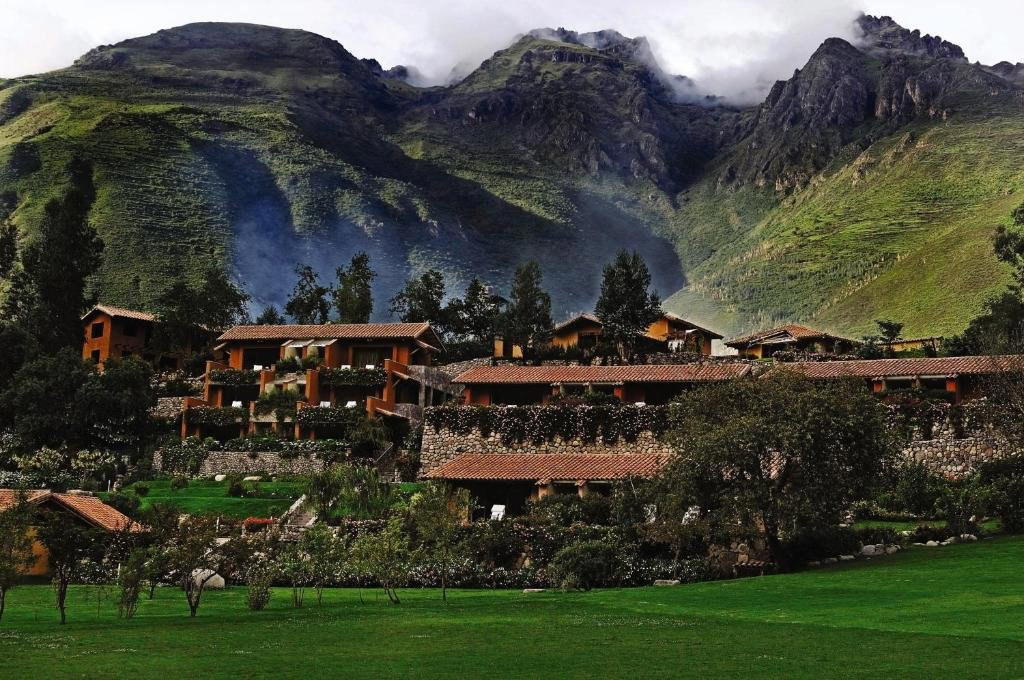
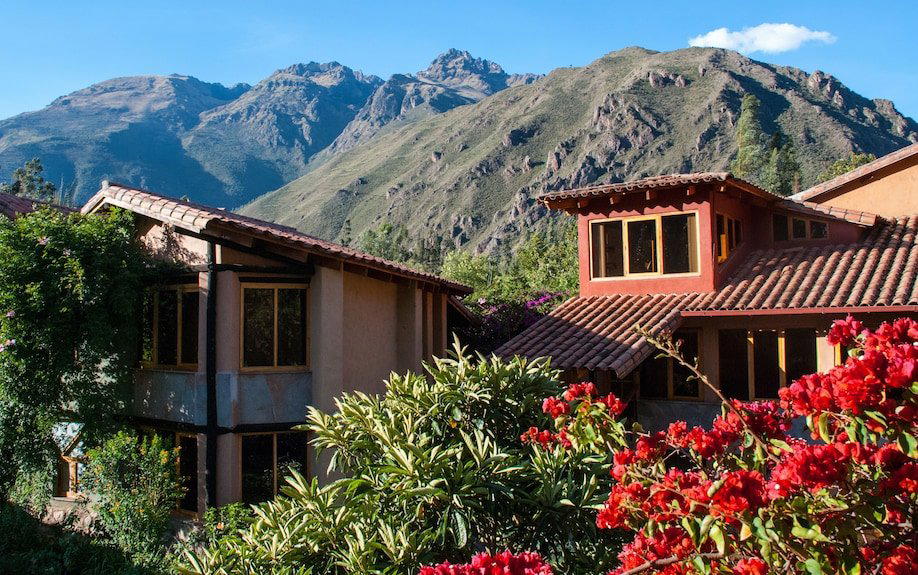
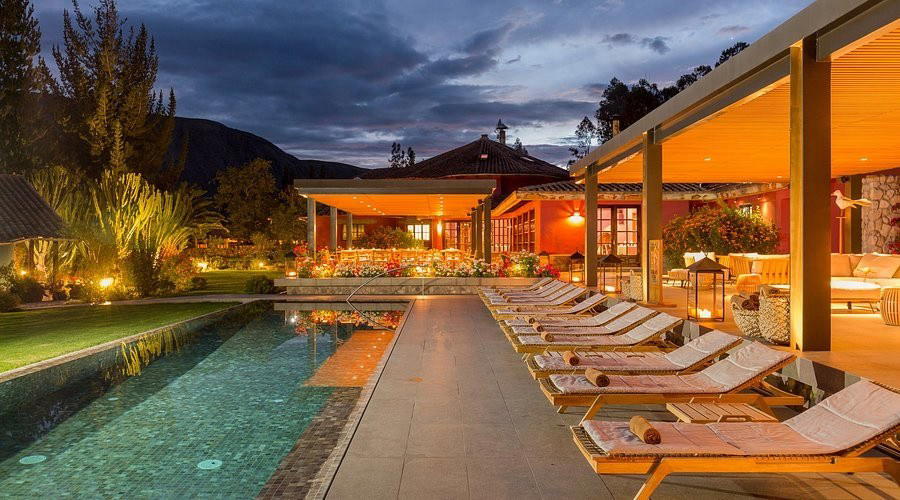
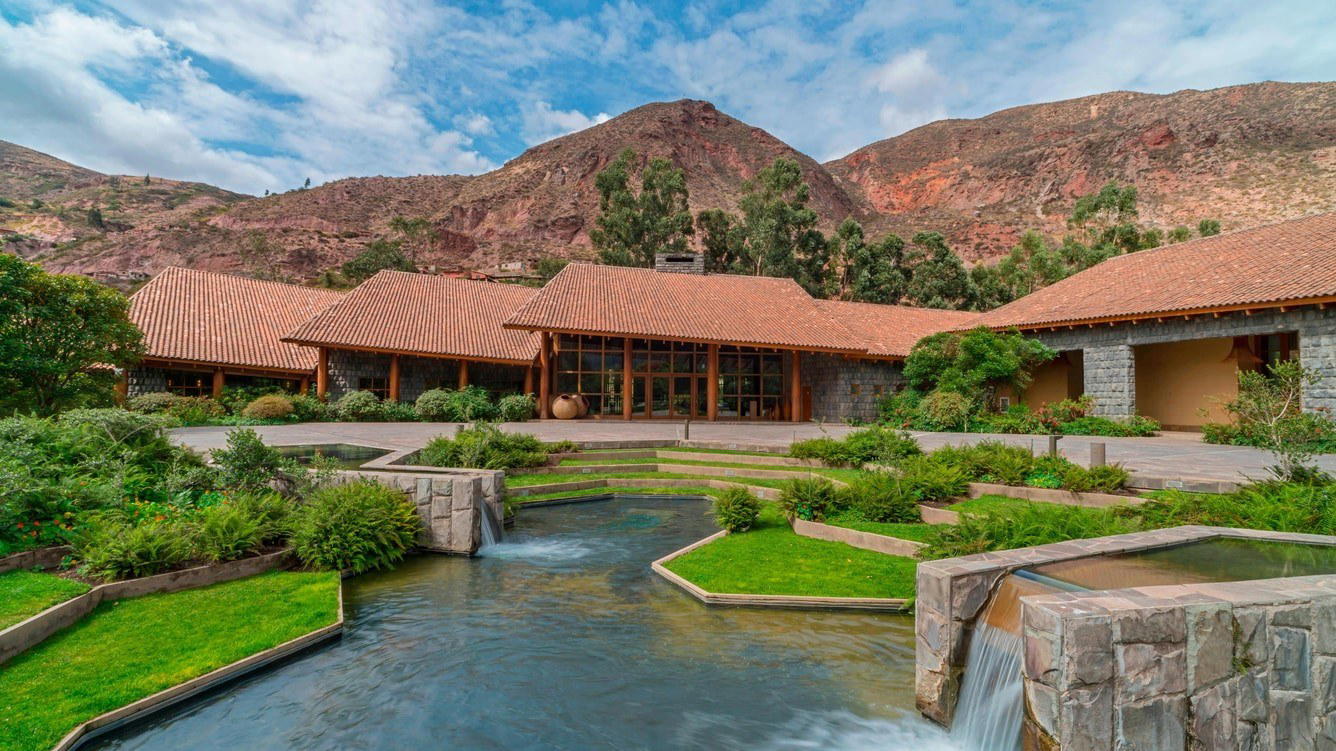
Minimalist architecture with bright, fresh interiors emphasizing the dramatic Andean landscape, creating a thoughtful and educational atmosphere.