
Killa Wasi brings Peruvian Andean cooking to the Sacred Valley with a focus on terroir-driven ingredients sourced from the surrounding highlands. It is a grounding counterpoint to the more polished resort dining nearby.
Pearl is the En Primeur Club membership app — saves, bookings, and concierge access live there. Same editors, same standards.
- Address
- PV3C+G7P, Urubamba 08660, Peru
- Phone
- +51 84 606200
- Website
- hotelsolyluna.com
- Directions
- Get directions
 Saves & bookings on Pearl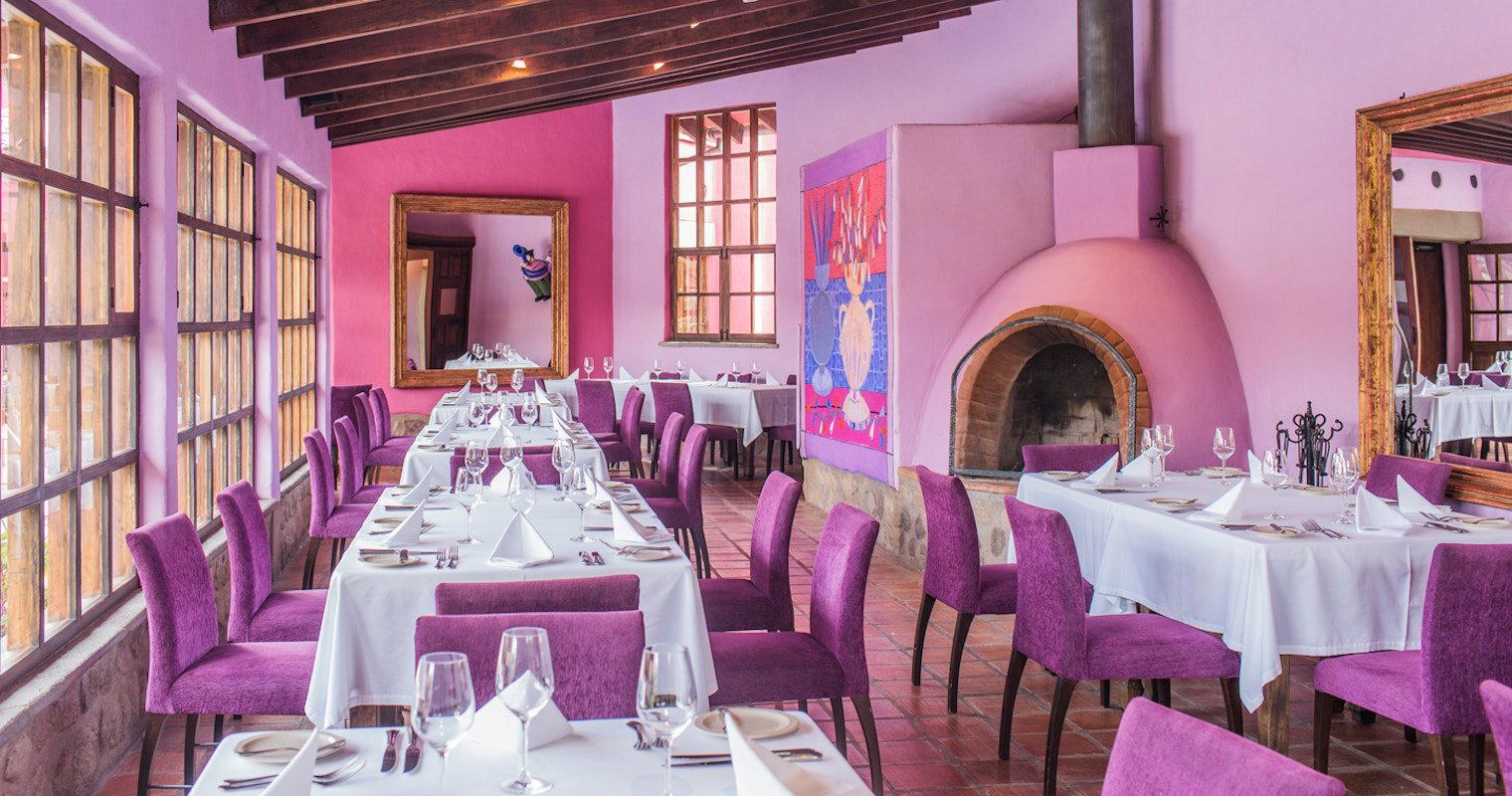
Where the Andes Become the Menu
The Sacred Valley floor sits at roughly 2,800 metres above sea level, and that altitude is not incidental to what ends up on the plate at Killa Wasi. The Urubamba Valley has sustained human agriculture for millennia, producing an extraordinary range of native potato varieties, giant-kernel Andean maize, quinoa, and kiwicha in conditions that no lowland kitchen can replicate. Restaurants in this corridor that take that inheritance seriously occupy a different register from those simply deploying Peruvian flavour profiles as backdrop for international resort menus. Killa Wasi falls into the former category, recognised with the distinction Expression of the Terroir, a designation that signals a deliberate sourcing and preparation philosophy rather than ornamental local colour.
That recognition matters as a calibration point. Peru's restaurant culture has split into several tiers since the early 2000s boom: the Lima fine-dining standard set by houses like Astrid & Gastón in Lima, the research-led Andean tasting format pioneered by Mil in Cusco and its satellite operation Mil Centro in Moray (also presented as Mil Centro in Maras), and the smaller, place-rooted kitchens scattered through the valleys between Cusco and Machu Picchu that do not perform their locality but simply cook within it. Killa Wasi sits in the last of those groupings, and that positioning is what gives it relevance in any serious account of dining in the Sacred Valley.
Corn as Cornerstone: The Andean Grain That Shapes a Kitchen
To understand what terroir-expression means in this part of Peru, it helps to start with maize. The Urubamba Valley's maíz blanco gigante, grown at altitude in the rich alluvial soils along the river, is among the more distinctive agricultural products in South America. The kernel size and starch composition differ fundamentally from lowland varieties, producing a texture and sweetness that make it unsuitable for simple substitution in recipes developed elsewhere. Andean maize was never fully subjected to the nixtamalization traditions that define Mexican masa culture, but it carries its own processing lineage: toasted as cancha, fermented into chicha, or dried and boiled into preparations that rely on the grain's native starch rather than any alkaline treatment.
A kitchen that takes the Expression of the Terroir designation seriously cannot treat this corn as a garnish. The broader context in Andean cooking is that maize occupies the same foundational role that rice holds in East Asian kitchens or wheat in the Mediterranean, structuring the meal rather than accompanying it. Restaurants in Cusco and the valley that work within this logic produce food that reads differently from Peruvian cooking in Lima, where Japanese, Chinese, and Spanish influence dominate the city's culinary vocabulary. The altitude-grown grain, the freeze-dried potato tradition, the huatia earthen-oven technique, the dried chilli preparations from the highland market towns: these are the ingredients and methods that define the Andean culinary canon, and they are what a destination like Killa Wasi draws from.
Urubamba as a Dining Destination
Urubamba has historically been treated as a transit point between Cusco and the Machu Picchu train at Ollantaytambo, but the town and its surrounding valley have developed a modest restaurant culture of their own over the past decade. The main driver has been the growth of high-end lodge accommodation in the valley, which created demand for quality dining beyond the hacienda hotel circuit. Sol y Luna represents the lodge-restaurant end of that spectrum; smaller independent kitchens like Killa Wasi address a different visitor, one interested in eating close to the agricultural source rather than within a resort setting.
Valley visitors with serious interest in Peruvian regional cooking tend to self-select; the tourist throughput that inflates scores at Aguas Calientes restaurants is largely absent in Urubamba proper. A 4.7 here reflects a tighter, more considered audience. For a fuller picture of where the restaurant sits within the local scene, our full Urubamba restaurants guide maps the valley's dining options by format and focus.
Placing Killa Wasi in Peru's Wider Food Conversation
Peru's restaurant culture is geographically uneven. Lima accounts for the majority of the country's award-recognised dining, from the coastal ceviche tradition at places like Costanera 700 in Miraflores to the broader modern Peruvian format explored at Cosme in San Isidro. The Amazon basin produces its own distinct dining registers, seen at operations like Delfin Amazon Cruises in Iquitos and Delfin I dining room in Nauta. Arequipa's colonial food culture, represented by kitchens such as Cirqa in Arequipa, draws on yet another regional pantry.
The Andean highlands remain one underrepresented tier in international food coverage of Peru, partly because the cooking there does not translate easily into the tasting-menu formats that earn global recognition, and partly because the visitor infrastructure has historically been organised around archaeological tourism rather than gastronomic interest. That gap is closing, but slowly. The research-driven work being done at Mil Centro and the quieter, ingredient-focused approach at places like Killa Wasi represent two different responses to the same question: what does serious Andean cooking look like in the twenty-first century?
For readers comparing the restaurant to international reference points, the closest analogy is not a fine-dining tasting counter on the level of Atomix in New York City or Le Bernardin in New York City, but rather the category of regionally anchored, ingredient-led restaurants that operate with minimal distance between farm and table. The format is modest; the sourcing rationale is not.
Planning Your Visit
The restaurant is located at PV3C+G7P in Urubamba, a plus code that places it within the town itself rather than the outlying lodge corridor. Reservations are recommended, and the kitchen opens daily from 12 to 3 PM and 6 to 9 PM. Visitors planning a dedicated meal should allow time to confirm access on arrival in Urubamba; the town is a short taxi or colectivo ride from Ollantaytambo or roughly an hour from Cusco by road. Altitude acclimatisation is a practical consideration: Urubamba at 2,800 metres is lower than Cusco at 3,400 metres, making it a more comfortable dining environment for visitors in the first days after arrival. Emeril's culinary legacy in North America, as seen at Emeril's in New Orleans, built its reputation on rootedness to a regional ingredient tradition; the restaurant operates from the same instinct, applied to among the more distinctive agricultural environments on the continent.
Comparable Venues
Comparable venues nearby, for context on price, style, and recognition.
| Venue | Cuisine | Price | Notes |
|---|---|---|---|
| Killa WasiThis venue — the venue you are viewing | Modern Peruvian Fine Dining | $$$$ | Not listed |
| MIL - Food Lab and Interpretation Center | Modern Peruvian Fine Dining | $$$$ | Maras |
| Tree House Restaurant | Peruvian Fusion | $$ | Aguas Calientes |
| Ponchos Peruvian Kitchen | Modern Peruvian Kitchen | $$$ | Urubamba |
| Sol y Luna | Modern Peruvian with Sacred Valley influences | $$$$ | Urubamba |
| Mapacho Craft Beer Restaurant | Traditional Peruvian with Craft Beers | $$ | Aguas Calientes |
Recognition history
Dated appearances from independent guides and award organizations, with the underlying list record or original source where available.
Relais Chateaux Award
Relais Chateaux
Relais Chateaux Award
Relais Chateaux
At a Glance
- Romantic
- Elegant
- Cozy
- Rustic
- Scenic
- Date Night
- Special Occasion
- Celebration
- Garden
- Open Kitchen
- Hotel Restaurant
- Extensive Wine List
- Craft Cocktails
- Farm To Table
- Local Sourcing
- Organic
- Garden
- Mountain
Current opening hours
- Monday
- 12–3 PM, 6–9 PM
- Tuesday
- 12–3 PM, 6–9 PM
- Wednesday
- 12–3 PM, 6–9 PM
- Thursday
- 12–3 PM, 6–9 PM
- Friday
- 12–3 PM, 6–9 PM
- Saturday
- 12–3 PM, 6–9 PM
- Sunday
- 12–3 PM, 6–9 PM
Hours can change for holidays and private events. Last verified .
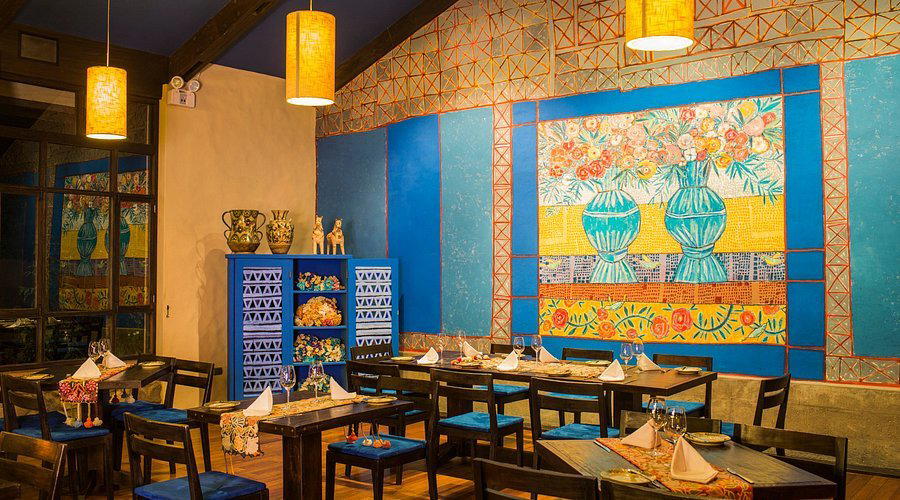
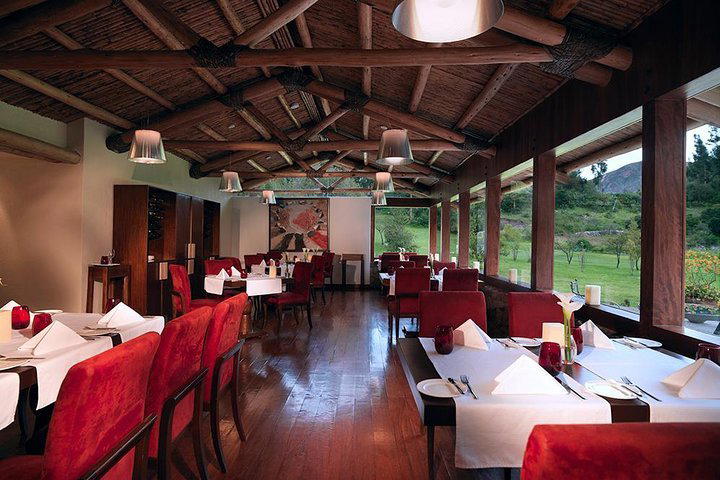
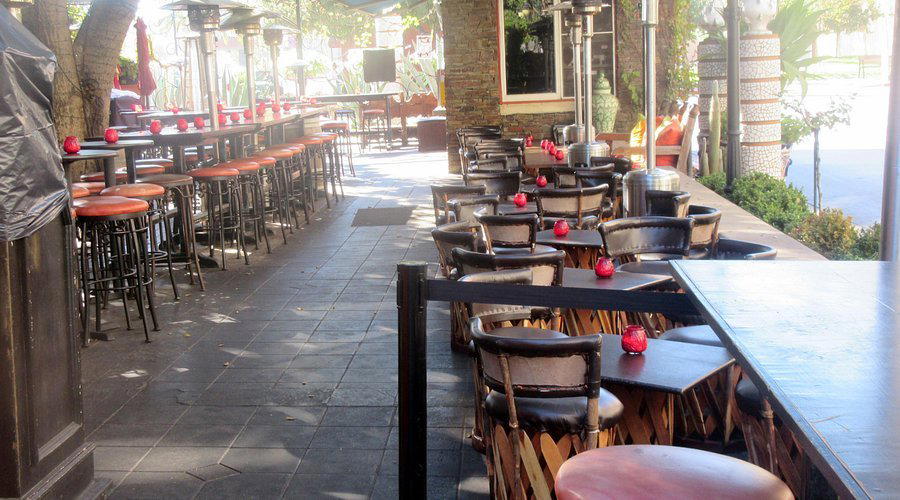
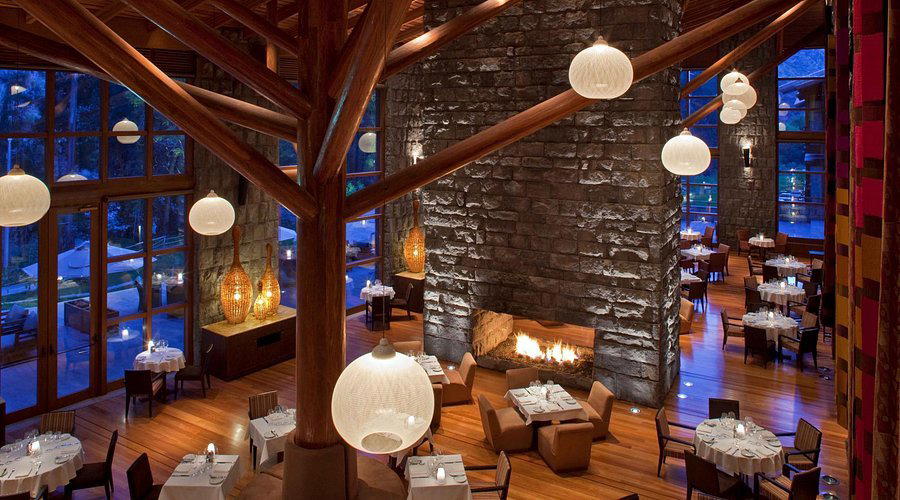
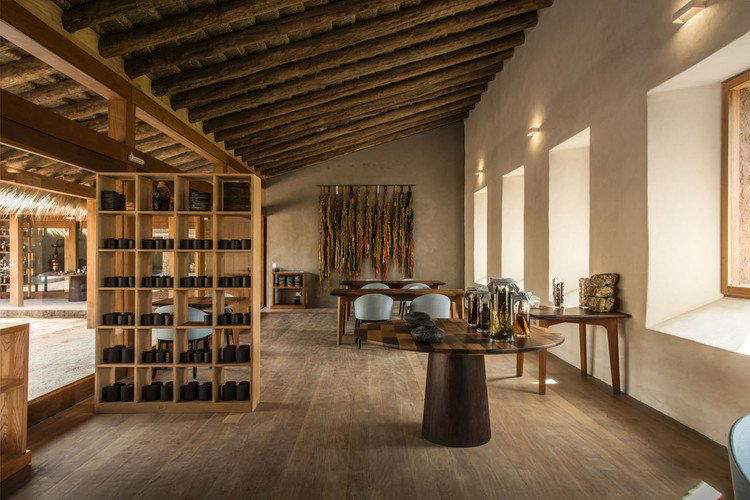
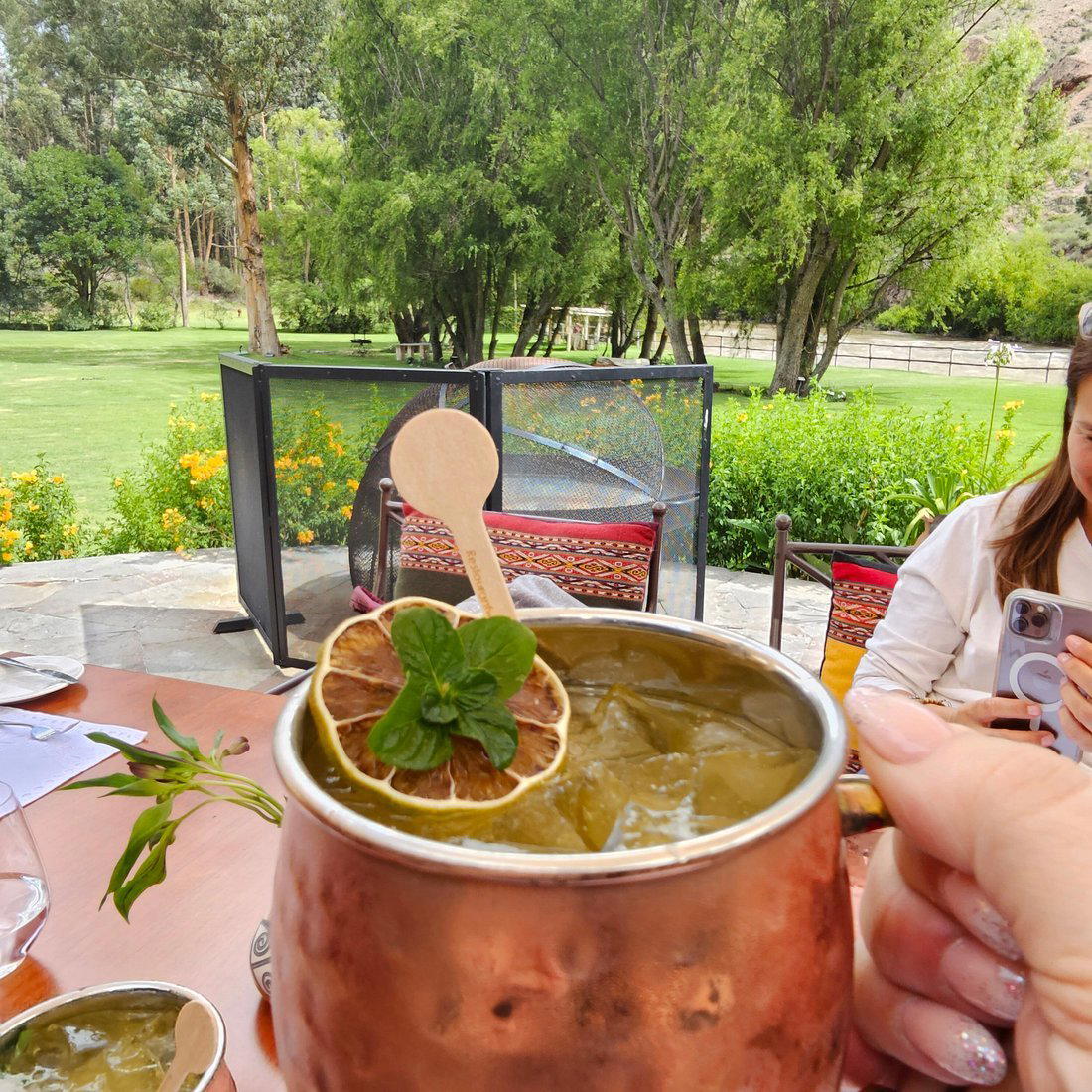
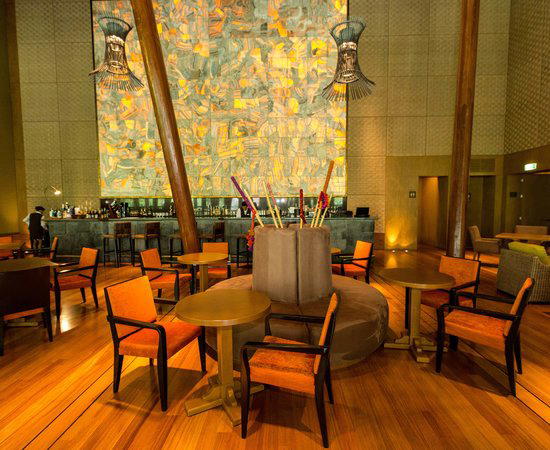
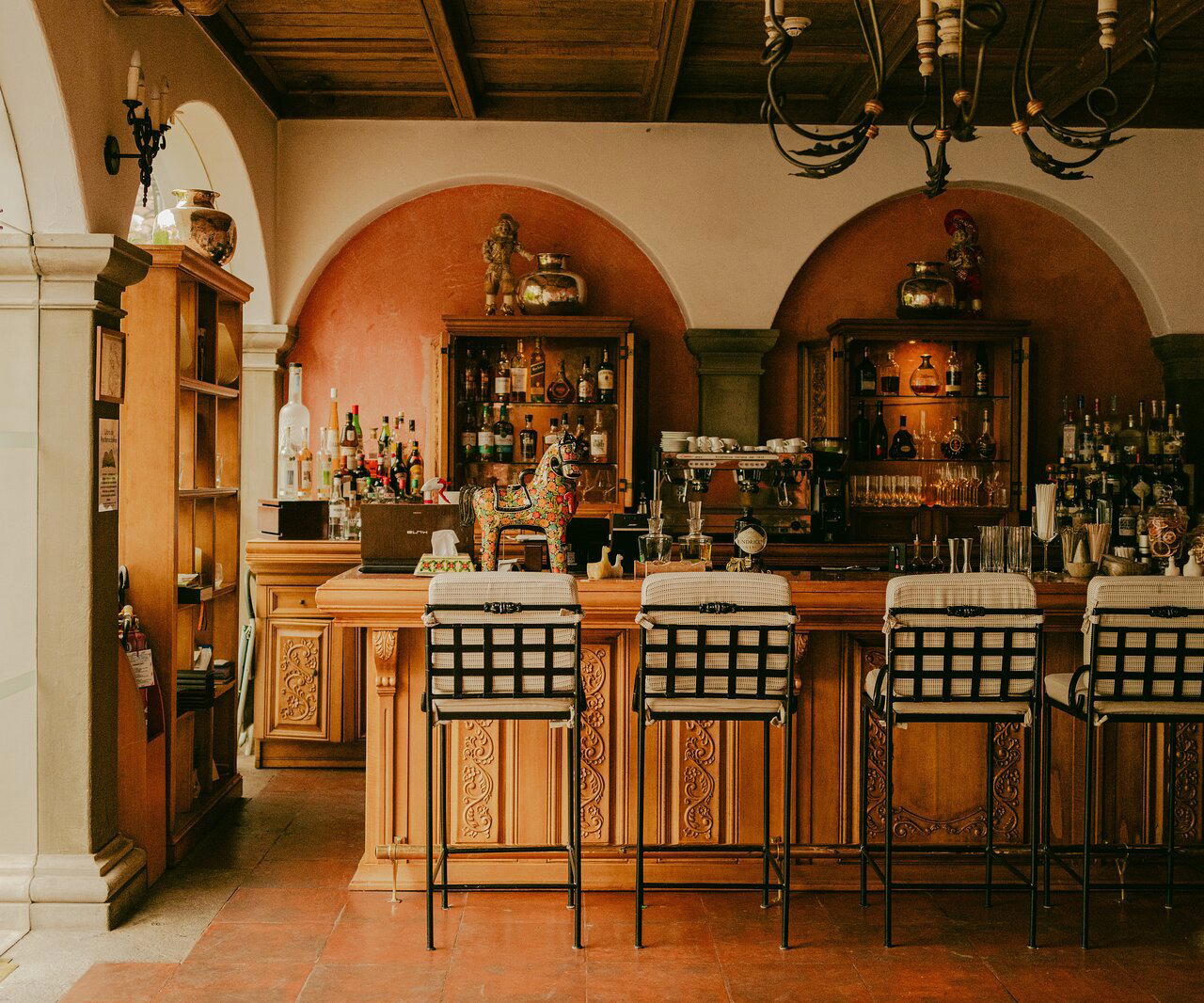
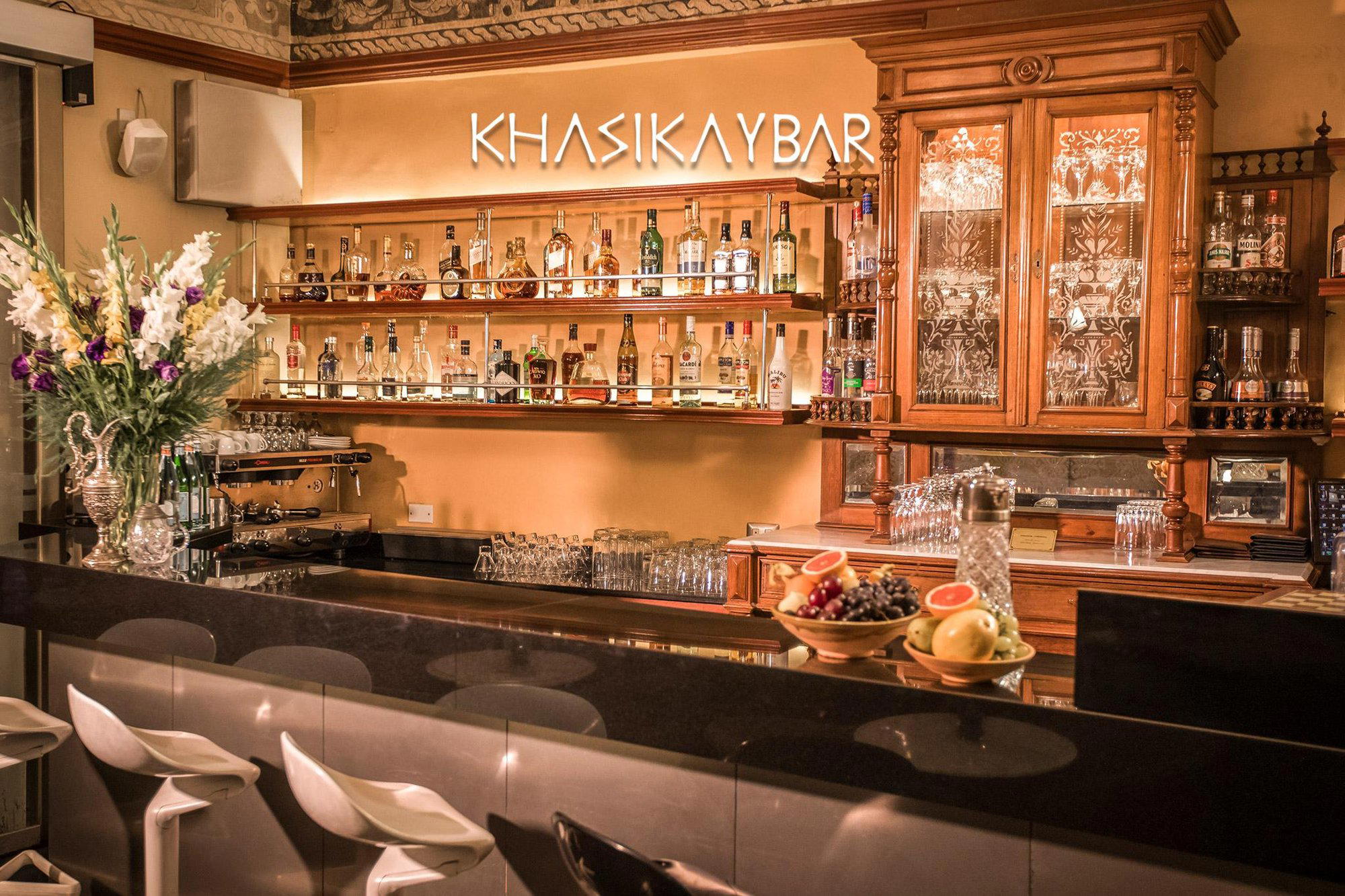
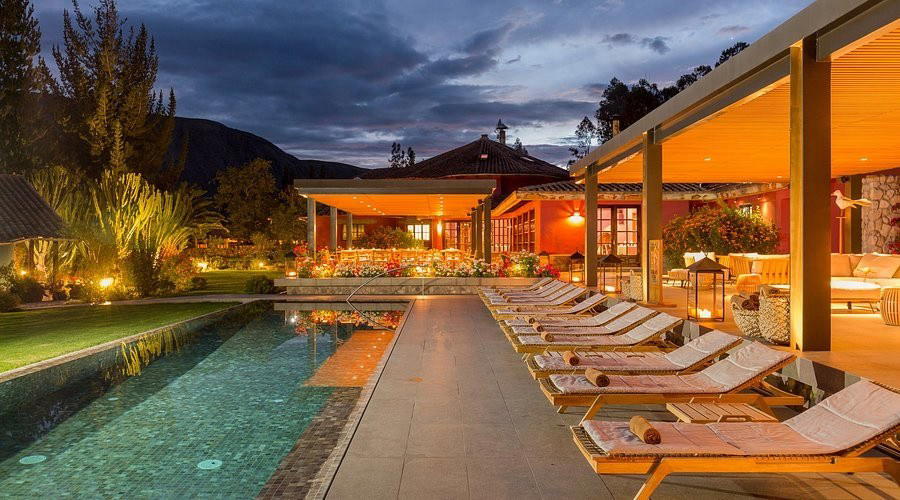
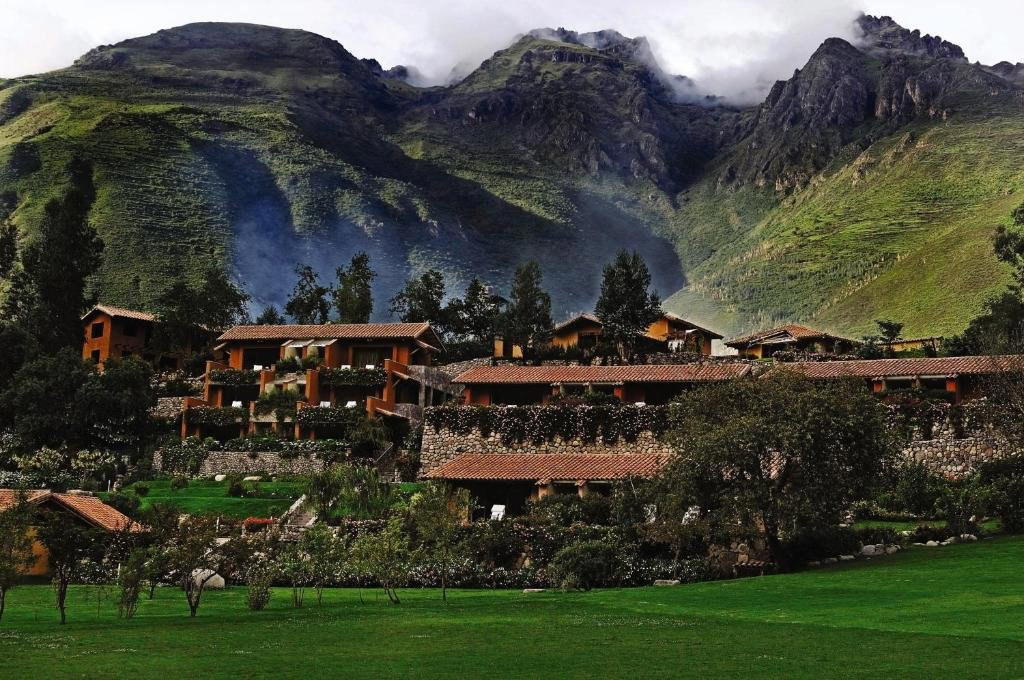
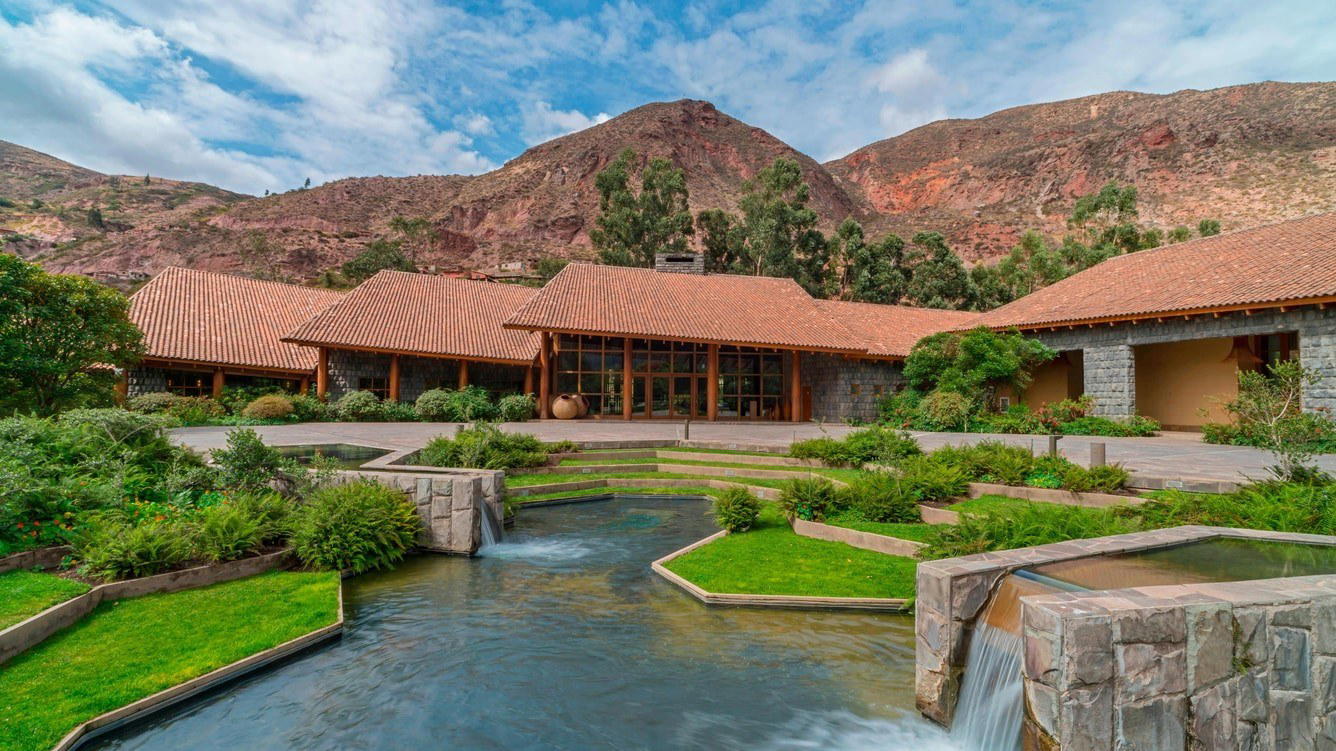
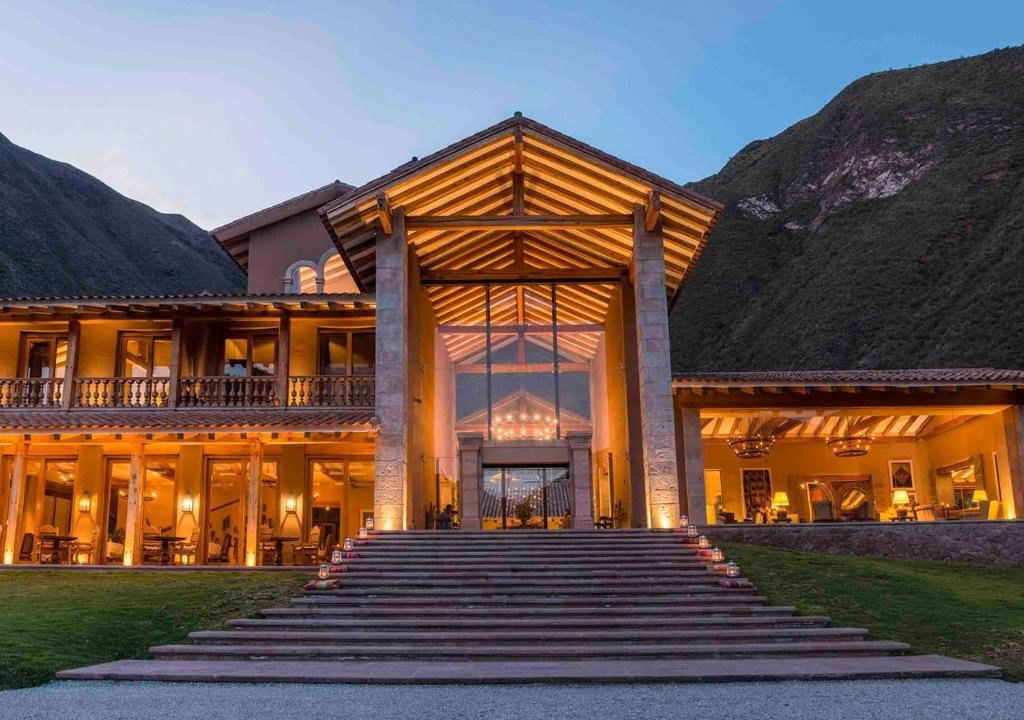
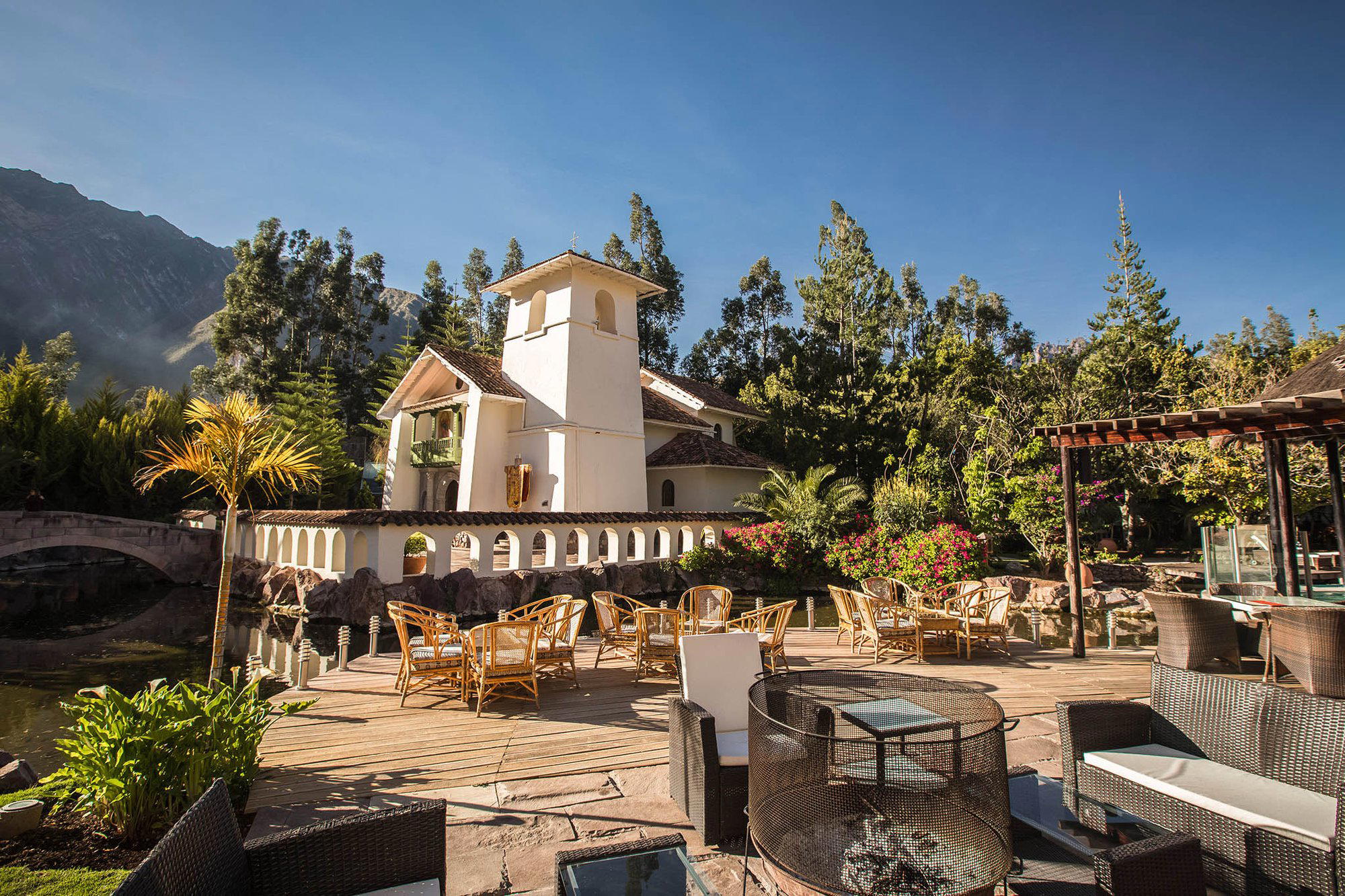
Amusing and inviting decor with wood-burning fireplaces, large outdoor patio overlooking grounds, and a nice bar area.