Ponchos Peruvian Kitchen
Our verdict
In Aguas Calientes, the gateway town to Machu Picchu, Ponchos Peruvian Kitchen draws on the Sacred Valley's agricultural tradition to put Andean ingredients at the center of its menu. The kitchen works with the highland produce that defines this stretch of Peru, offering travelers a grounded alternative to the area's more tourist-facing options. It sits within walking distance of the rail station, making it a practical and substantive stop before or after the climb.

Pearl is the En Primeur Club membership app, where members save venues, book tables and use the concierge.
The menu
What to order
- Alpaca steak
- Ceviche
- Grilled octopus
Where the Sacred Valley Arrives on the Plate
Aguas Calientes operates under a specific set of pressures that few dining towns face anywhere in South America. The town exists almost entirely to serve visitors in transit to Machu Picchu, which means its restaurants are constantly sorted into two camps: those that sell the idea of Peru, and those that actually cook it. The distinction matters more here than in Cusco or Lima, where travelers have time and options. In Aguas Calientes, many visitors eat once, quickly, between a train and a climb. Ponchos Peruvian Kitchen positions itself on the side of substance, anchoring its menu in the agricultural geography that surrounds the town rather than in a generic Peruvian greatest-hits format.
The Sacred Valley's farming heritage is the relevant frame here. The Andean highlands that run through this corridor of Peru have produced distinct cultivars of potato, maize, and quinoa for centuries, many of them not grown anywhere else on the continent. Markets in nearby Urubamba and Pisac, reachable by train or road from Aguas Calientes, supply the regional chain of ingredients that kitchens in this area draw from. A restaurant that sources within this system is working with produce at elevations above 2,700 metres, where the combination of soil, UV intensity, and temperature range produces starches, legumes, and grains with flavour profiles that don't replicate at sea level. For dining context across the broader Sacred Valley, our full Urubamba restaurants guide maps the range of options available across the region.
The Ingredient Chain Running Through the Andes
Peru's position in the global conversation about ingredient-led cooking is well documented. Central Restaurante in Lima built its international reputation specifically around altitude-mapped sourcing, treating elevation as a culinary variable rather than a geographic footnote. That framework, which has influenced how serious Peruvian kitchens talk about their sourcing, trickles into the regional dining culture in places like the Sacred Valley. It raises the baseline expectation: if you are cooking in the Andes, the ingredients should demonstrate that you are in the Andes.
Kitchens in Aguas Calientes that take this seriously will typically work with papa nativa varieties, native potato cultivars, of which Peru has over 3,000 documented types, alongside regional maize strains that differ substantially from lowland corn in texture and starch content. Chuño, the freeze-dried potato that has been part of Andean food preservation since pre-Incan times, appears in kitchens that respect the highland tradition rather than edit it out for international palates. Alongside these staples, herbs like huacatay (Andean black mint) and the slow-cooked preparations that define highland Peruvian cooking give a kitchen its regional credibility. What Ponchos offers in this frame is a menu grounded in these materials, accessible to visitors who may be encountering many of these ingredients for the first time.
For comparison, the more architecturally ambitious approach to Sacred Valley sourcing is visible at MIL - Food Lab and Interpretation Center in Urubamba, and its conceptual parent Mil Centro in Moray, both of which treat indigenous ingredients as the subject of research-level investigation. Ponchos operates at a different scale and with a different audience, but the underlying sourcing logic connects them to the same regional chain.
Aguas Calientes in Context
The town sits at the base of the Machu Picchu mountain group, accessible only by train from Cusco or Ollantaytambo, or on foot via the Inca Trail. This geographic isolation shapes everything about how its restaurants work, supply chains are constrained, foot traffic is high, and the visitor window is compressed. Most travelers arrive by morning train, ascend to the ruins, and return by afternoon or evening, giving restaurants a narrow operating window to make an impression.
Within this context, a kitchen that leans on regional Andean produce rather than imported or generic ingredients is making a practical as well as philosophical choice. Highland ingredients are available locally; imported proteins and processed goods require more complex logistics in a town with no road access. The choice to cook Peruvian here is, in part, a decision shaped by the valley itself.
The Aguas Calientes dining scene has a few reliable reference points for visitors who want more than a functional meal. Inti House in Aguas Calientes is one local alternative worth knowing. Further out in the Sacred Valley, the range widens considerably: Sol y Luna and Killa Wasi both work in the Peruvian Andean register from their Urubamba base, while Mapacho Craft Beer Restaurant and Tree House Restaurant offer more casual formats. In Cusco, KUSHKA Restaurant and LIMO Cocina Peruana and Pisco Bar represent the more polished end of the regional spectrum. For context on how fine-dining sourcing logic plays out at a global level, the approach taken by tasting-menu restaurants like Atomix in New York City, where a single culinary tradition is treated as a serious research subject, parallels what Peru's leading kitchens have been doing with Andean ingredients for over a decade.
Planning Your Visit
Ponchos Peruvian Kitchen is located at Imperio de los Incas 503 in Aguas Calientes (postal code 08680), placing it on the town's main pedestrian corridor and within a short walk of both the train station and the bus terminal for Machu Picchu. Visitors traveling on day-trip itineraries from Cusco or Ollantaytambo will find it a practical option for a meal either before boarding the bus to the ruins or on return. Given the volume of visitors passing through Aguas Calientes, particularly during the June to August high season, arriving early or late relative to peak bus departure and return times (typically mid-morning and late afternoon) will mean a quieter room. For broader meal planning across the region, the Urubamba guide covers the full Sacred Valley dining range, and Peru-specific context is available through our coverage of Insumo Rooftop in Miraflores, La Nueva Palomino in Yanahuara, El Rey in Oxapampa, Bistrot Bastille in Ica District, and Marañón Province in Maranon.
Frequently asked questions
Would Ponchos Peruvian Kitchen be comfortable with kids?
Aguas Calientes is a family-transit town by nature, most visitors arrive as a group before or after Machu Picchu, and restaurants along the Imperio de los Incas corridor, where Ponchos sits at number 503, are accustomed to mixed-age tables. Peruvian cooking, with its rice dishes, grilled meats, and mild potato preparations alongside spicier options, generally accommodates younger diners.
Is Ponchos Peruvian Kitchen formal or casual?
The address on Imperio de los Incas 503 places Ponchos on the main pedestrian corridor of Aguas Calientes, a town that runs almost entirely on hiking boots and day-trip logistics. Dress codes in this context are relaxed by default, travellers arrive directly from the trail or the train station. A casual approach to dress is consistent with the setting, though no specific dress policy is documented for the venue.
Is Ponchos Peruvian Kitchen a good option for a meal between the Machu Picchu site and the train back to Cusco?
The location at Imperio de los Incas 503 places Ponchos directly on the pedestrian main street that connects Aguas Calientes' train station to its restaurant strip, the natural path for travellers managing the return leg to Cusco or Ollantaytambo. The logistical fit is sound. No specific speed-of-service or set-menu data is available, but Peruvian kitchens in this corridor are generally oriented toward visitors working within a train timetable.
What should I order at Ponchos Peruvian Kitchen?
No specific menu data is. That said, Peruvian kitchens in the Cusco region typically anchor their menus around ceviche, lomo saltado, and chupe de camarones, drawing on highland produce, potato varieties, quinoa, and Andean corn, that differ noticeably from coastal Peruvian versions. Ordering dishes that reference local Andean ingredients is the soundest strategy in this setting.
Where do I go for Ponchos Peruvian Kitchen?
Ponchos Peruvian Kitchen is located at Imperio de los Incas 503, Aguas Calientes 08680, Peru, Urubamba.
How far ahead should I plan for Ponchos Peruvian Kitchen?
No reservation data or booking policy is available for Ponchos. Aguas Calientes dining is shaped heavily by Machu Picchu train schedules: the lunch window between roughly midday and 3pm draws the highest foot traffic as day-trippers move through town. Arriving before noon or after 3pm reduces the risk of a wait, particularly during the high-season months of June through August.
What's the defining dish or idea at Ponchos Peruvian Kitchen?
The venue's name signals a Peruvian-focused kitchen rather than the pan-Andean or international menus that dominate many Aguas Calientes tourist corridors. Peru's broader cooking identity, built on altitude-specific ingredients and techniques that earned Central Restaurante in Lima sustained global attention, suggests that a kitchen committed to this tradition should be drawing from the extraordinary produce of the Sacred Valley directly above the town.
Quick Comparison
Comparable venues nearby, for context on price, style, and recognition.
| Venue | Cuisine | Price | Awards | Notes |
|---|---|---|---|---|
| Ponchos Peruvian KitchenThis venue (the venue you are viewing) | Modern Peruvian Kitchen | $20–30 | Not listed | Not listed |
| Tree House Restaurant | Peruvian Fusion | $10–20 | Not listed | Aguas Calientes |
| Mapacho Craft Beer Restaurant | Traditional Peruvian with Craft Beers | $1–10 | Not listed | Aguas Calientes |
| MIL - Food Lab and Interpretation Center | Modern Andean Peruvian Fine Dining | $200–300 | World's 50 Best #49 · La Liste Top Restaurants | Maras |
| Sol y Luna | Modern Peruvian with Sacred Valley influences | Not listed | Relais Chateaux Award | Urubamba |
| Killa Wasi | Modern Peruvian Fine Dining | Not listed | Relais Chateaux Award | Urubamba |
Continue exploring
More in Aguas Calientes
Restaurants in Aguas Calientes
All restaurants in Aguas Calientes →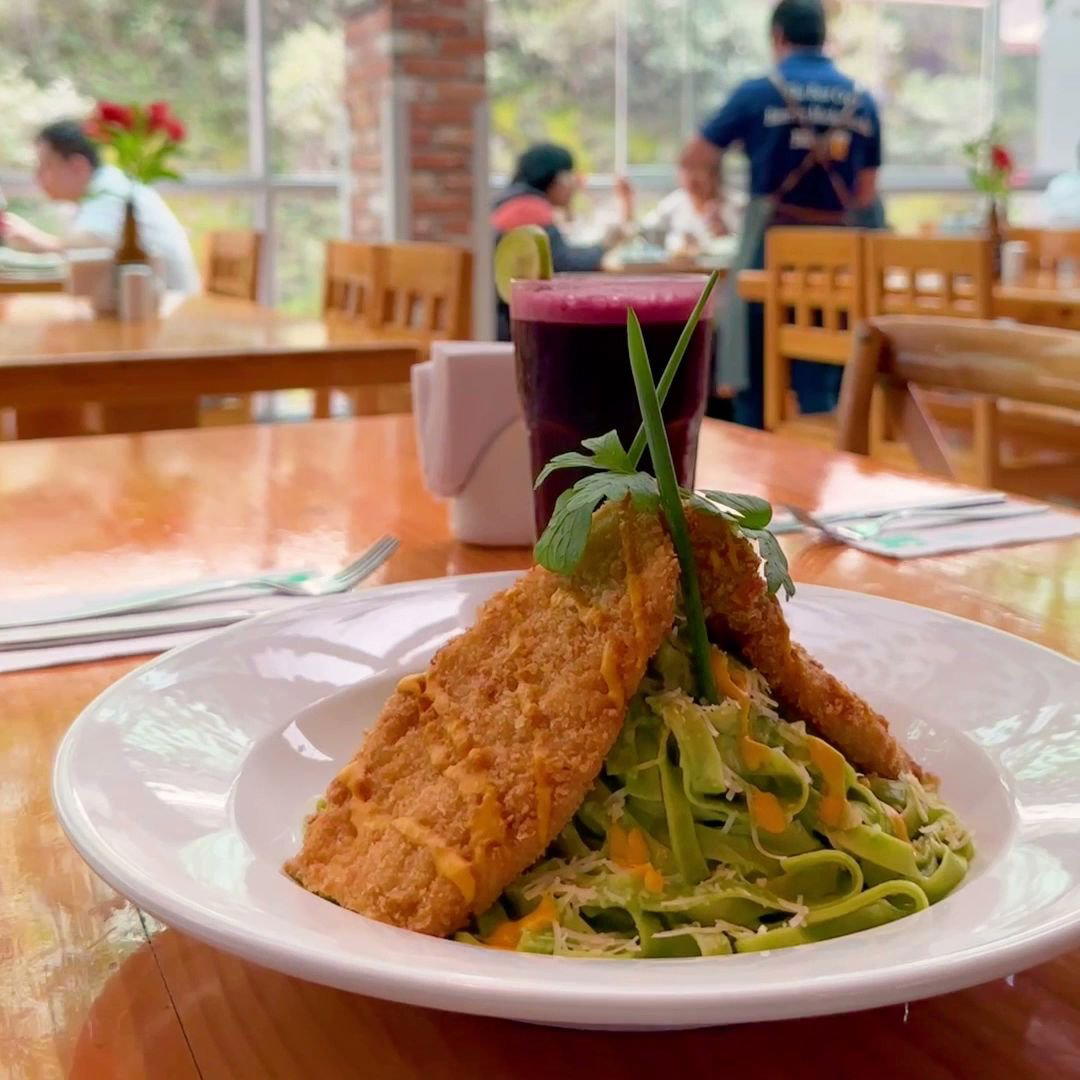
Details
- Cozy
- Modern
- Sophisticated
- Rustic
- Special Occasion
- Date Night
- Open Kitchen
- Craft Cocktails
- Local Sourcing
- Street Scene
- A La Carte
- Pisco
- Vegetarian Friendly
Current opening hours
- Monday
- 10 AM–10 PM
- Tuesday
- 10 AM–10 PM
- Wednesday
- 10 AM–10 PM
- Thursday
- 10 AM–10 PM
- Friday
- 10 AM–10 PM
- Saturday
- 10 AM–10 PM
- Sunday
- 10 AM–10 PM
Hours can change for holidays and private events. Hours as of .
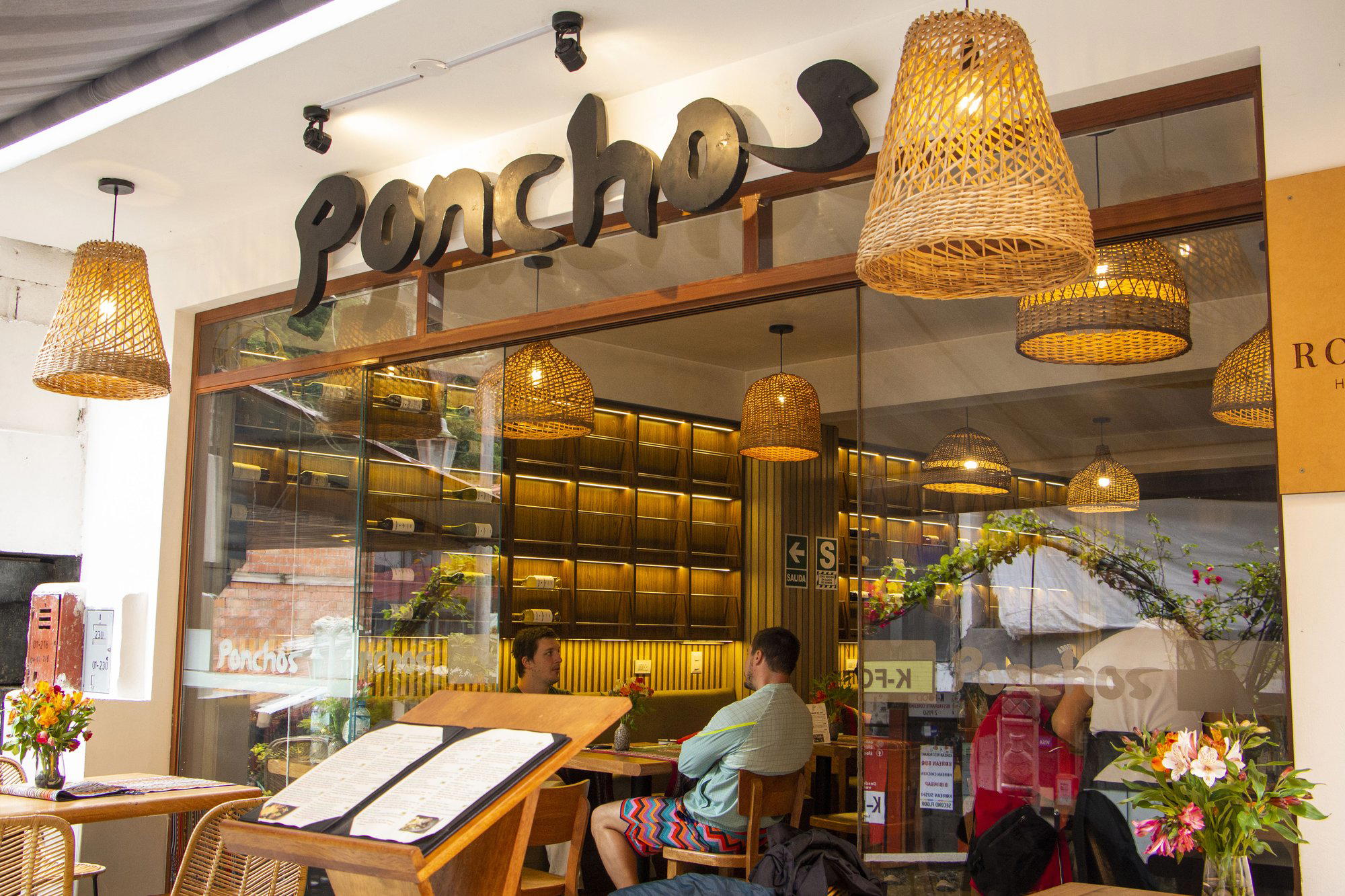
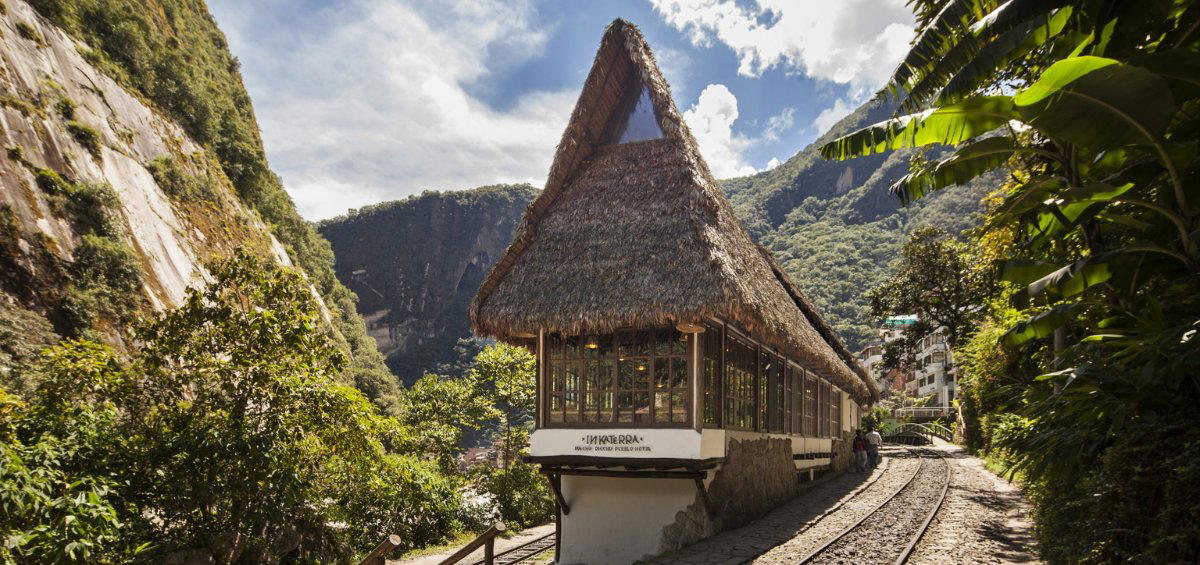
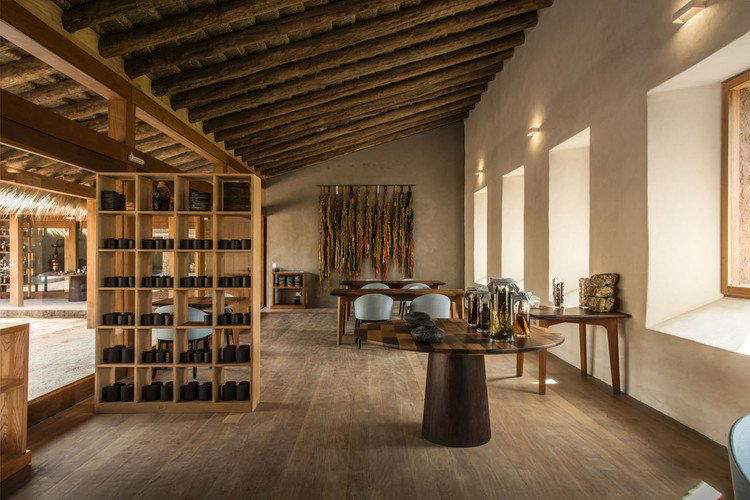
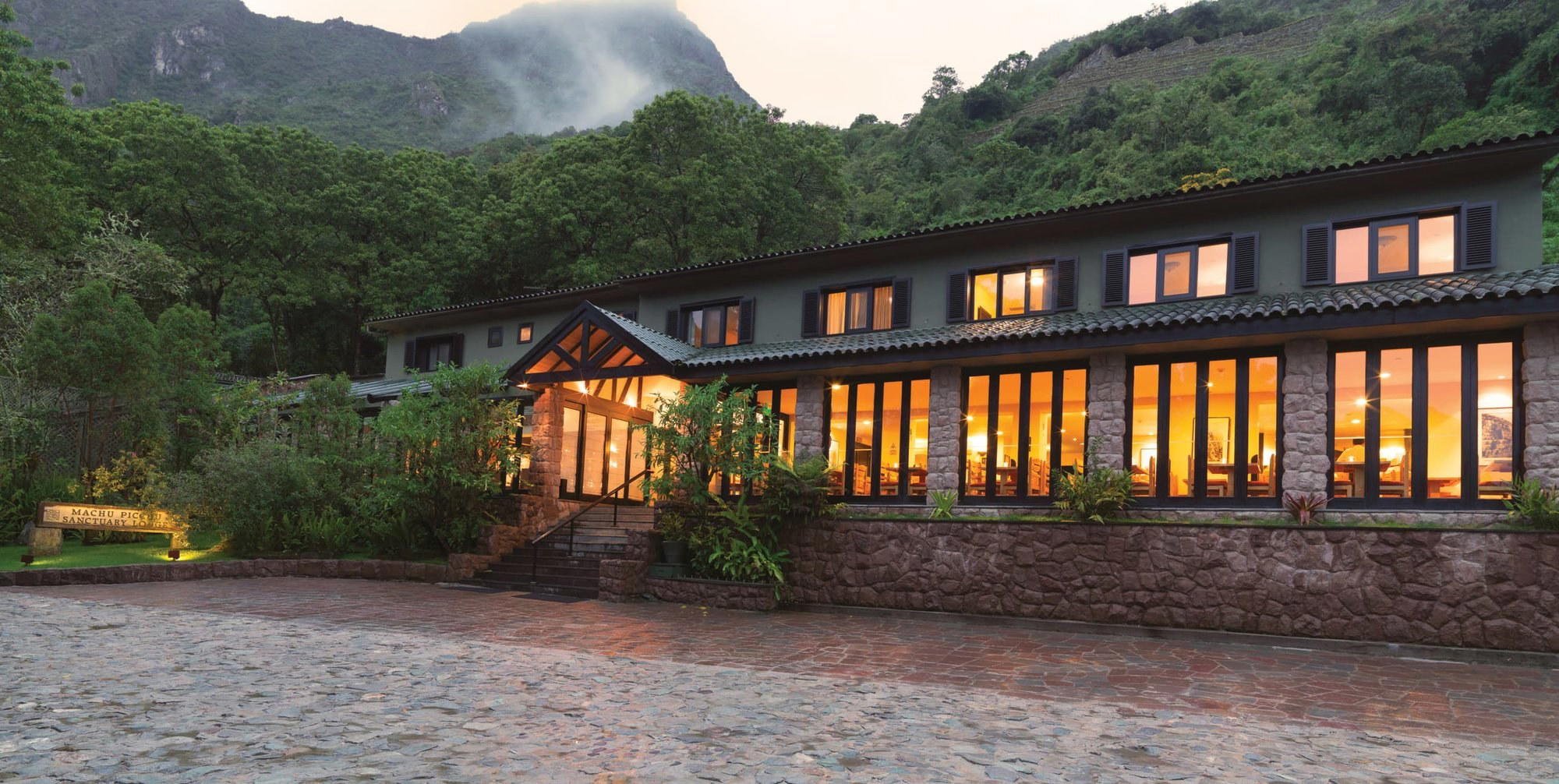
Cozy atmosphere with modern decor, minimalist and sophisticated design using wood elements for warmth, and views of the bustling street.