


Sol y Luna has operated in the Sacred Valley of the Incas since 1996, occupying a bungalow-style lodge at 2,700 metres above Urubamba. Rates from US$605 per night reflect a property built around organic farm-to-table cooking, garden biodiversity, and locally sourced architecture. The kitchen is led by executive chef Pedro Miguel Schiaffino, recognised on the San Pellegrino global list of top chefs.
Pearl is the En Primeur Club membership app — saves, bookings, and concierge access live there. Same editors, same standards.
- Address
- Lote A5, Fundo Huincho, Urubamba 08661
- Phone
- +51 84 608930
- Website
- hotelsolyluna.com
- Directions
- Get directions
 Saves & bookings on Pearl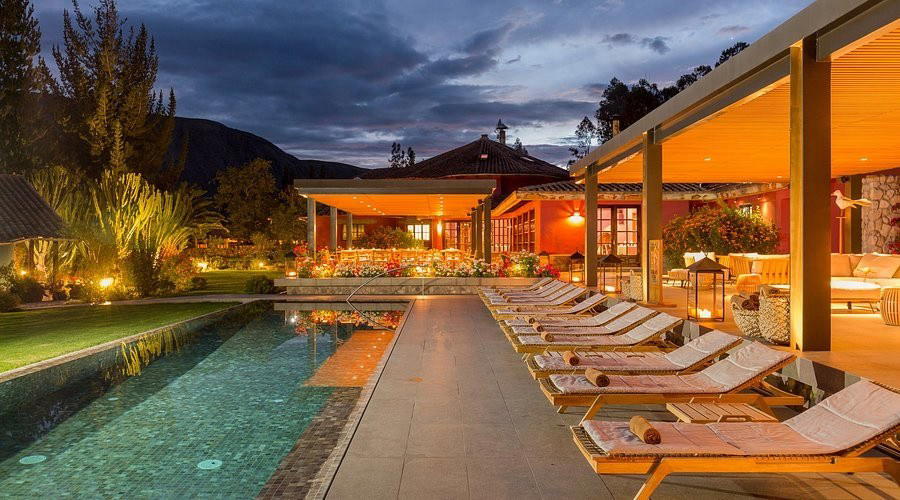
Where the Sacred Valley Sets the Terms
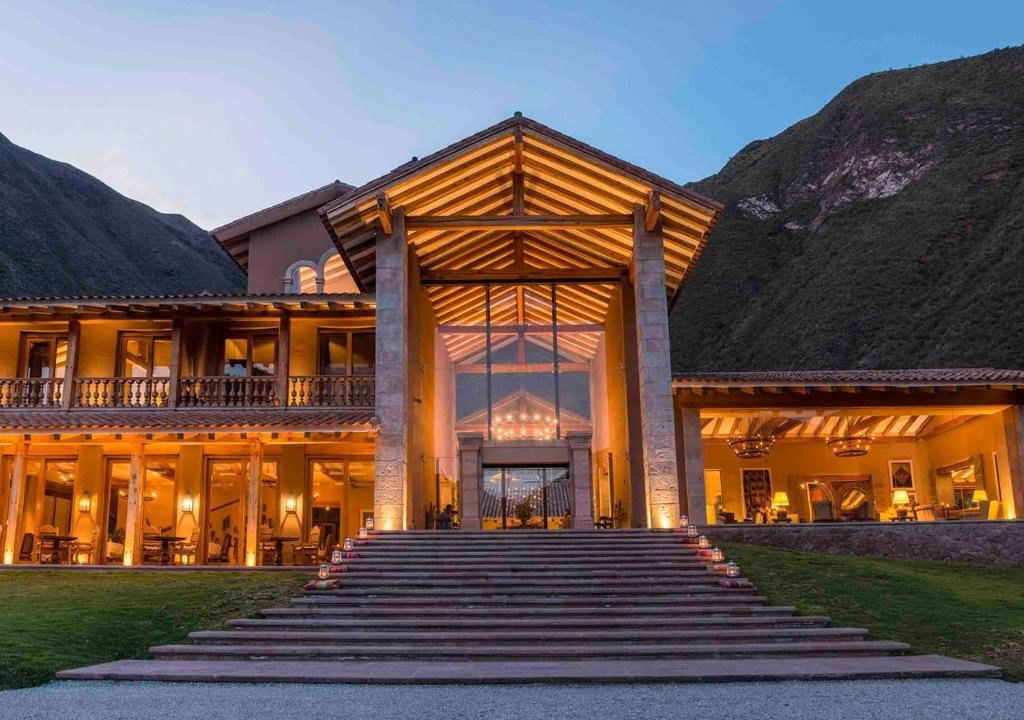
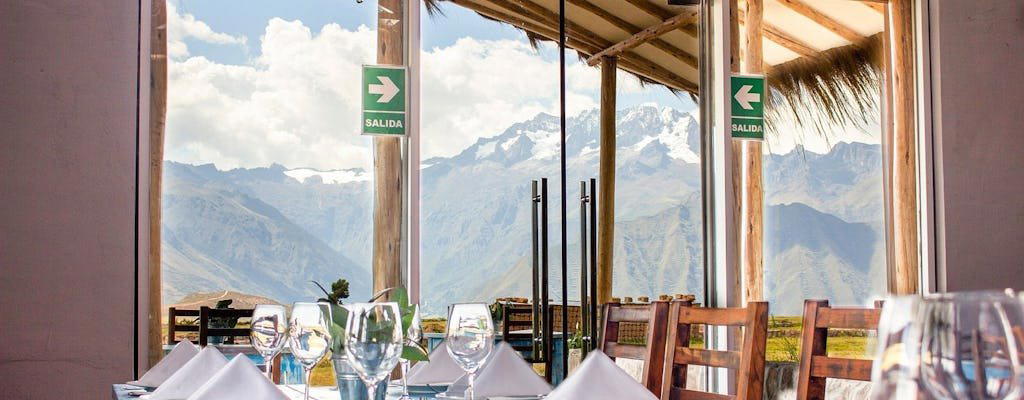
At 8,850 feet above sea level, the air in Urubamba is noticeably thinner than Cusco, and the light arrives at an angle that turns the Andean peaks a different colour at every hour. This is the physical reality guests encounter when they arrive at Sol y Luna, a lodge established in 1996 on a private fundo at the valley floor, surrounded by snow-capped ridgelines on all four compass points. The property sits in a tier of Sacred Valley accommodation that prioritises landscape immersion and cultural rootedness over branded luxury formulas. Peers such as Explora Valle Sagrado, Inkaterra Hacienda Urubamba, and Rio Sagrado, A Belmond Hotel operate from comparable positions: properties that have developed a sense of place over years rather than importing a global hotel grammar onto the site. Sol y Luna's long tenure in the valley gives it a particular form of institutional memory, visible in the maturity of its gardens, the depth of its local partnerships, and the bird population of more than 35 registered species that now treats the grounds as habitat.
The Bungalow as Orientation Device
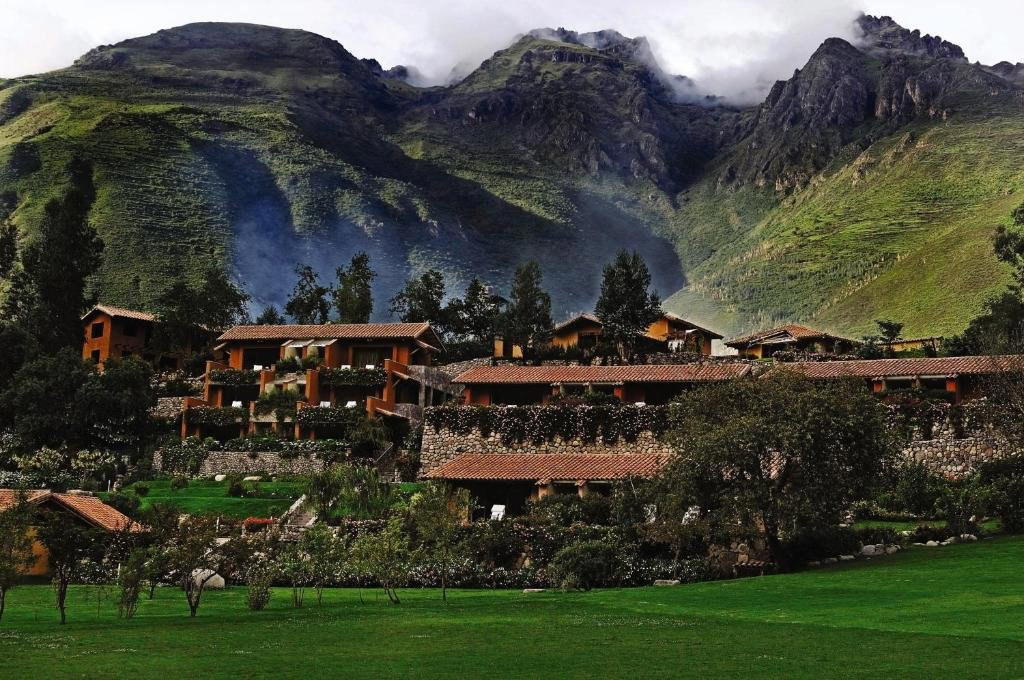
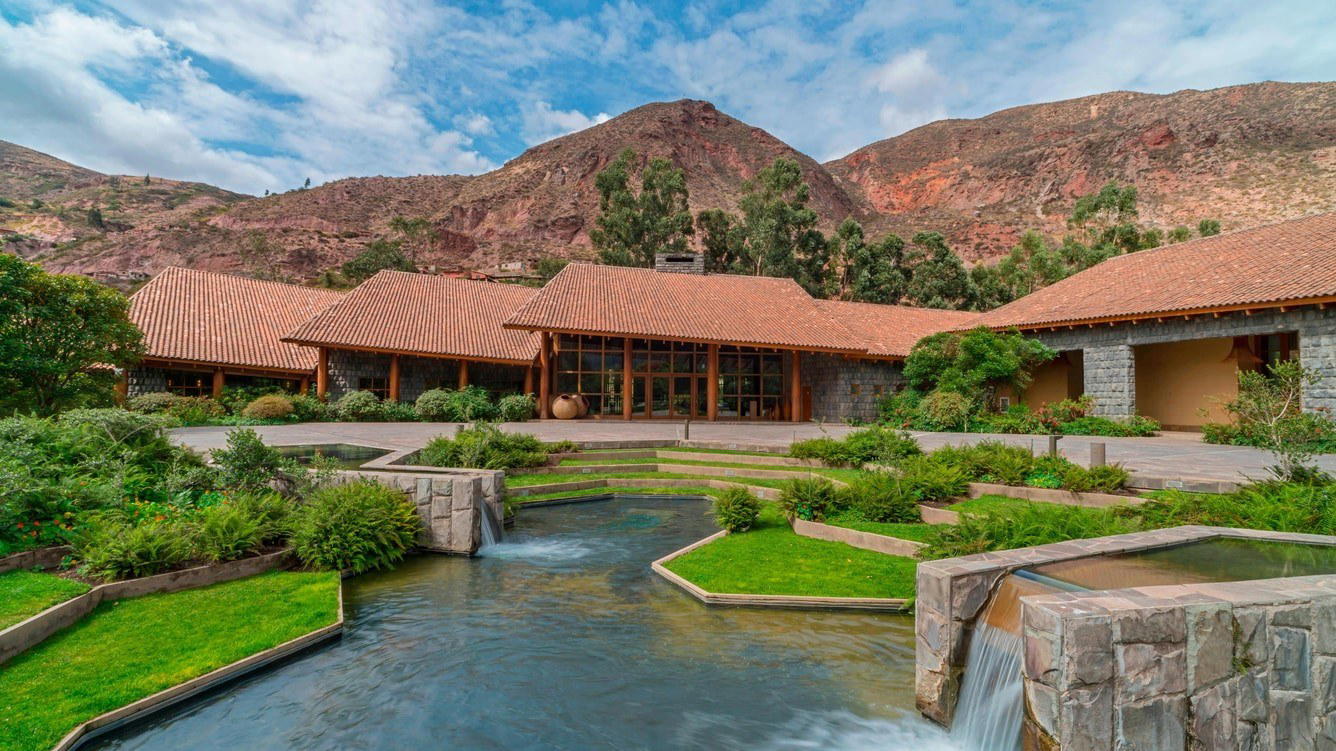
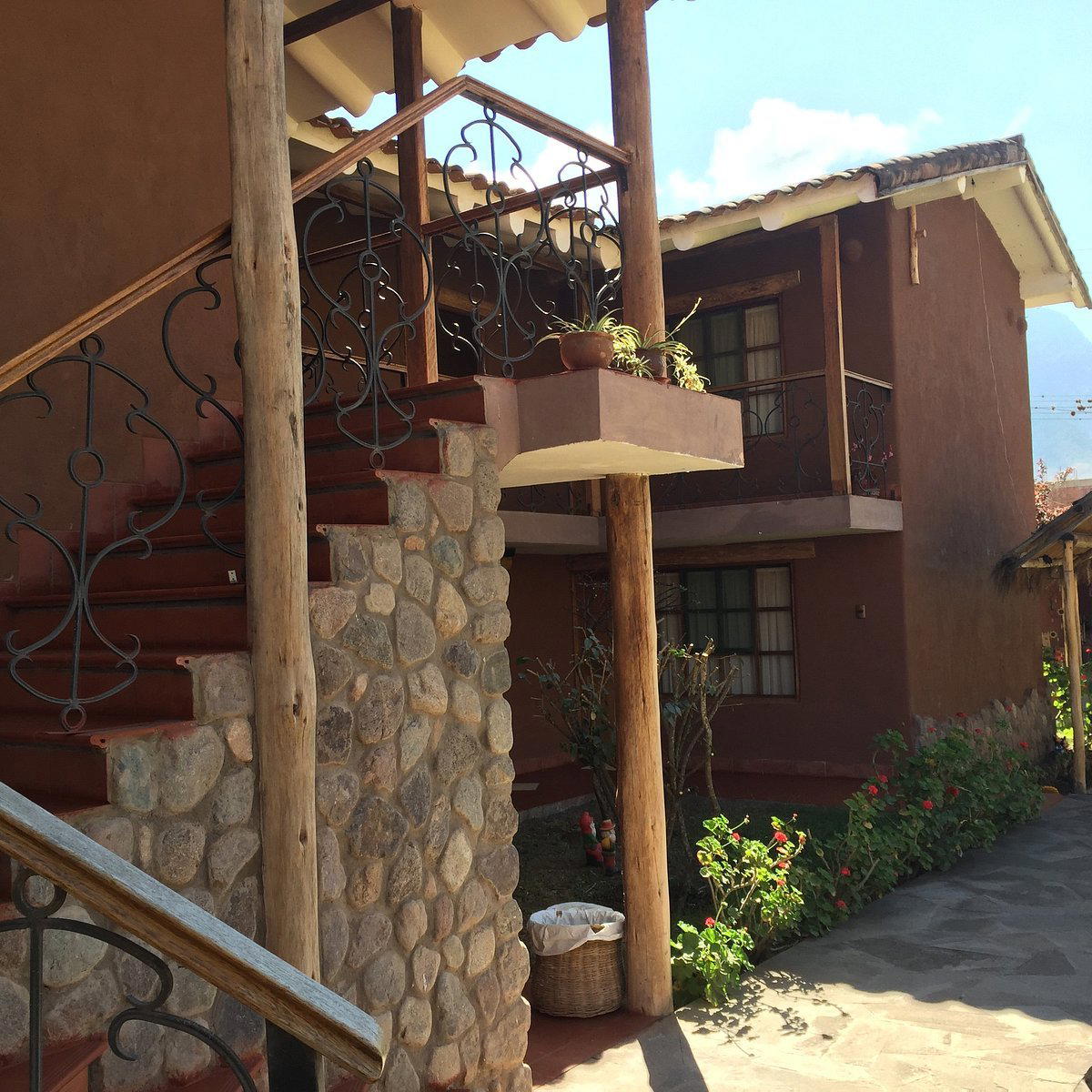
Lodge properties in the Sacred Valley have largely moved away from the central-block hotel model, and Sol y Luna fits squarely within that pattern. Individual bungalows are distributed across the grounds so that each unit faces the mountain range rather than another building. The design logic is deliberate: every room functions as a positioned observation point, giving guests an unobstructed relationship with the terrain outside. Construction materials were sourced from the surrounding area, aligning the buildings with the valley's palette of earth tones, stone, and timber. This is not a decorative gesture but a structural one: the buildings read as extensions of the landscape rather than interventions within it.
At this altitude and in this geography, the overnight experience itself is shaped by environmental conditions that no hotel can fully control. The Urubamba Valley sits at 2,800 metres and delivers dramatic thermal swings: daytime sun is intense enough to suggest light, summery conditions, while evenings drop sharply. A well-configured bungalow here needs to address both registers, and the physical separation of sleeping quarters from common areas makes it easier for guests to move between the two climatic moods the valley offers. For travellers used to properties such as Amangiri in Canyon Point or Castello di Reschio in Lisciano Niccone, where the room itself acts as the primary experience of the destination, the Sol y Luna bungalow format follows the same principle applied to Andean conditions.
Rates begin at US$605 per night, which positions Sol y Luna toward the upper end of the Sacred Valley market. Aranwa Sacred Valley Hotel and Wellness and Willka T'ika Essential Wellness. At that level, the property competes on the quality of its setting and the depth of its local programming rather than on facilities count alone.
Kitchen Logic at Altitude
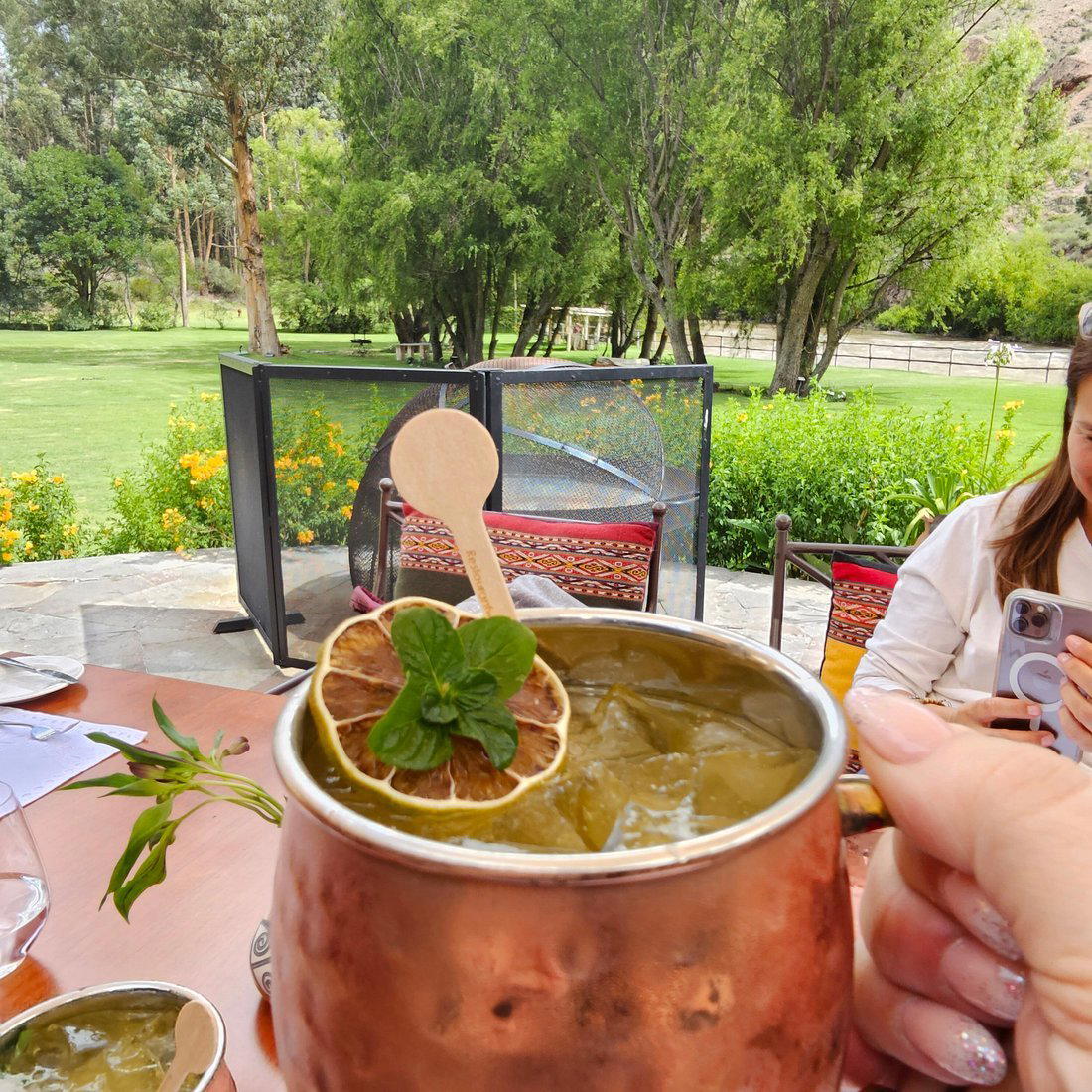
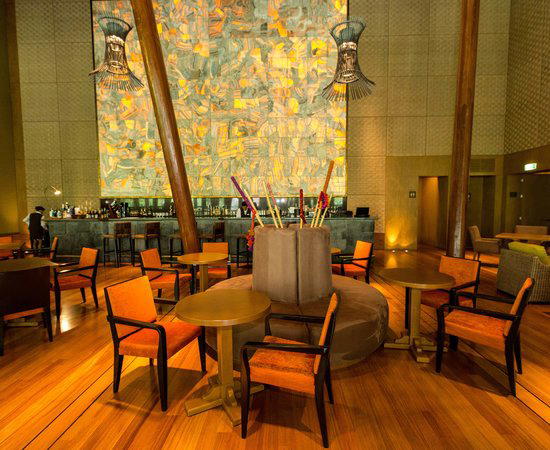
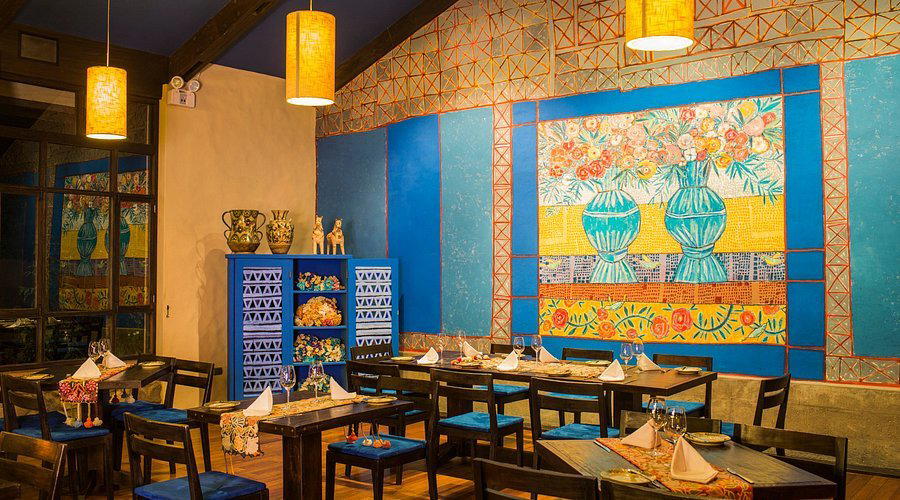
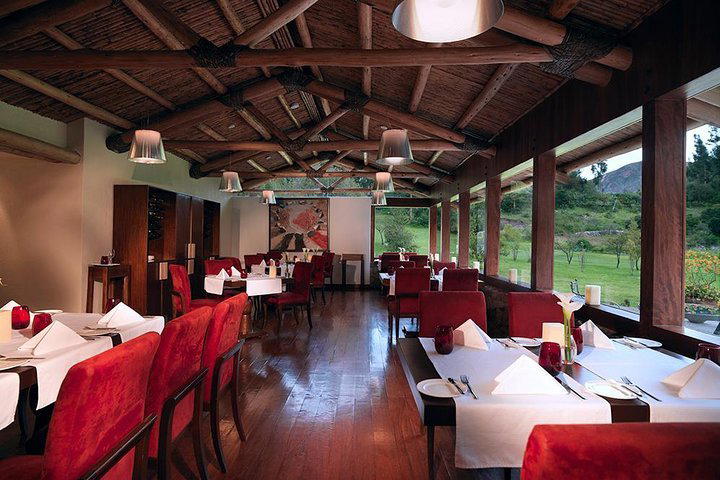
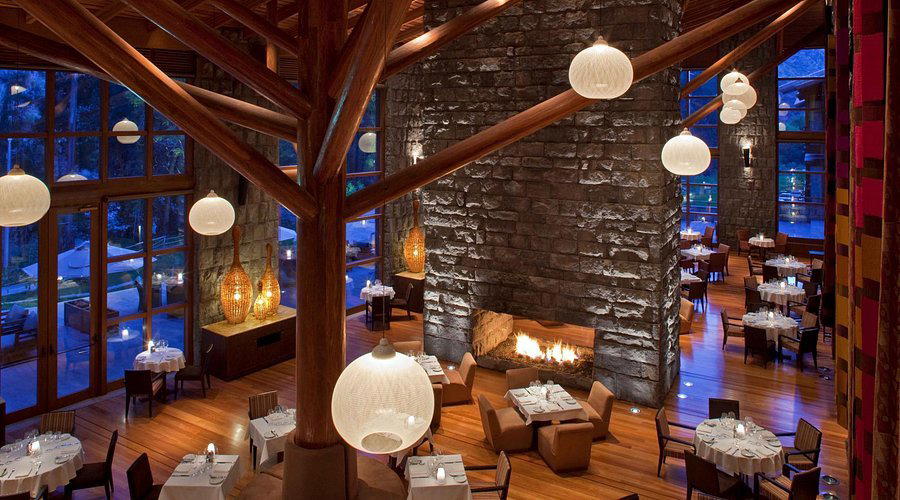
The altitude and climate of the Sacred Valley have produced a specific culinary logic that differs from both Lima's coast-driven seafood culture and the richer, more meat-forward cooking of highland Cusco. The combination of intense high-altitude sun and cold nights pushes kitchens toward menus that can shift register across a meal or across a day: fresh and acidic in the afternoon heat, warming and more substantial as the temperature drops after dark. The hotel's kitchen at Killa Wasi operates explicitly within this framework, updating its menu seasonally and drawing on produce from its own organic orchard and garden plots as well as from nearby regional producers.
Executive chef Pedro Miguel Schiaffino leads the culinary program. Schiaffino is a significant figure in Peruvian gastronomy, associated with the broader movement that has drawn on Amazonian ingredients and Andean agricultural traditions to reframe Peruvian cooking for contemporary audiences. His presence at the hotel places the kitchen within that national conversation rather than limiting it to a hotel dining room function. The menu explicitly incorporates jungle-region ingredients from the neighbouring Amazonian areas, acknowledging that the geographical proximity of radically different ecosystems is one of the more distinctive characteristics of cooking in this part of Peru. Peru's gastronomic reach extends well beyond Lima, and properties from Inkaterra Machu Picchu Pueblo Hotel to Delfin Amazon Cruises in Iquitos have each staked their culinary identity to a specific ecosystem. The hotel's approach is to sit at the intersection of several, using the valley's own organic production as its anchor.
Grounds, Gardens, and the Case for Staying Put
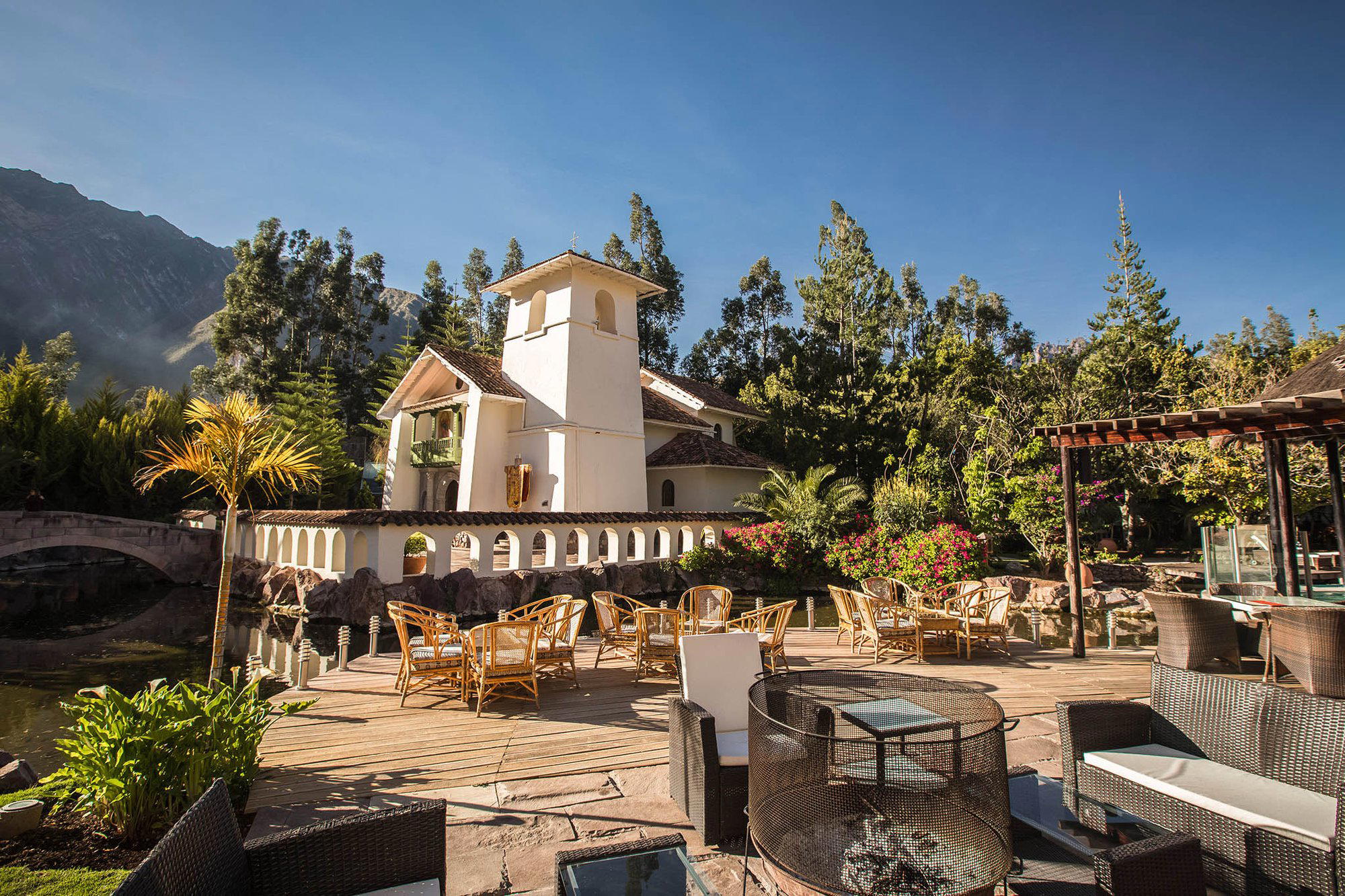
One of the less discussed aspects of Sacred Valley lodges is the question of whether the property itself constitutes a destination or merely a base for site visits to Machu Picchu, Pisac, Moray, Chinchero, and Ollantaytambo, all of which are within range. The hotel positions itself as both. The gardens, developed over more than two decades with a deliberate commitment to native planting and organic cultivation, have reached a maturity that makes them worth time in themselves. The Yacu Wasi spa adds a dedicated wellness component, using the valley's water resources as part of its treatment offer. For guests arriving from the altitude gain of Cusco (itself at 3,400 metres, significantly higher than Urubamba), a day oriented around the grounds and spa before heading to archaeological sites has a practical logic beyond its appeal in principle.
The over-100-person team at the property includes guides described as born-and-bred locals, which gives the site-visit programme a depth of contextual knowledge that externally contracted guiding does not replicate. This is a meaningful differentiator at a time when many Sacred Valley properties source their excursion programming from pooled regional operators. Properties such as Roca Fuerte Sacred Valley Hotel and Inkaterra Hacienda Urubamba compete in the same space, and the quality of on-site guiding is a genuine point of differentiation between otherwise similarly positioned properties.
Reaching Sol y Luna and Planning the Stay
The property is located at Lote A5, Fundo Huincho, Urubamba 08661, approximately one hour by road from Cusco city or Alejandro Velasco Astete International Airport, which sits 60 kilometres away. The nearest train station at Ollantaytambo is 28 kilometres from the property, useful for guests connecting to the Machu Picchu rail service. GPS coordinates for the property are -13.2962, -72.1295. For travellers building a longer Peru itinerary, the hotel works as a complement to Lima-based stays such as Crowne Plaza Lima by IHG, or as a mid-point on routes that continue to lake-country properties like Titilaka in Puno or to the Amazon lodges of Refugio Amazonas Lodge in Puerto Maldonado.6 rating, consistent with its positioning as a high-quality independent lodge rather than a branded international hotel.
Guests considering the Sacred Valley as a broader destination will find a detailed overview of accommodation options in our full Urubamba restaurants and hotels guide, which covers the range of properties from wellness-focused retreats to adventure-oriented bases. For context on how the Sacred Valley lodge tier compares to other Peruvian properties, the Belmond positioning at Sumaq Machu Picchu Hotel in Aguas Calientes and the remote-luxury model at Hotel Kuelap in Utcubamba illustrate the range of approaches the country's premium lodging sector has developed around archaeological sites.
Comparison Snapshot
Comparable venues nearby, for context on price, style, and recognition.
| Venue | Cuisine | Price | Awards | Notes |
|---|---|---|---|---|
| Sol y LunaThis venue — the venue you are viewing | Intimate Relais & Chateaux boutique with individually decorated stone casitas amid expansive gardens. | $$$$ | 5-Star | Not listed |
| Explora Valle Sagrado | Contemporary Andean architecture integrated with natural surroundings on a working plantation | $$$$ | 5-Star | Urubamba |
| Aranwa Sacred Valley Hotel & Wellness | Colonial hacienda with modern minimalist rooms | $$$$ | 5-Star | Urubamba |
| Willka T'ika Essential Wellness | Sustainable luxury wellness retreat with Andean-inspired architecture using natural local materials. | $$$$ | Not listed | Paradero Rumichaka |
| Roca Fuerte - Sacred Valley Hotel | Sacred Valley boutique | $$$ | Not listed | Urubamba |
| Rio Sagrado, A Belmond Hotel | Riverside luxury retreat blending Inca heritage with modern comforts | $$$$ | Michelin 1 Key | Urubamba |
Recognition history
Dated appearances from independent guides and award organizations, with the underlying list record or original source where available.
Relais Chateaux Award
Relais Chateaux
Robb Report The 50 Greatest Luxury Hotels on Earth
Robb Report · 2026 Robb Report The 50 Greatest Luxury Hotels on Earth
Virtuoso Luxury Hotel Partner
Virtuoso
Michelin Selected
Michelin
Relais Chateaux Award
Relais Chateaux
At a Glance
- Romantic
- Quiet
- Scenic
- Elegant
- Rustic
- Intimate
- Sophisticated
- Honeymoon
- Romantic Getaway
- Wellness Retreat
- Anniversary
- Panoramic View
- Garden
- Terrace
- Wi Fi
- Pool
- Spa
- Fitness Center
- Room Service
- Concierge
- Restaurant
- Sauna
- Mountain
- Garden
- Wi Fi
- Pool
- Spa
- Fitness Center
- Room Service
- Concierge
- Restaurant
- Sauna
Peaceful and enchanting with lush gardens, soft natural lighting, and a serene, sophisticated atmosphere praised for its tranquility and attention to detail.