Tree House Restaurant
Our verdict
Tree House Restaurant sits in Aguas Calientes, the gateway town below Machu Picchu, where dining options range from rushed tourist fare to genuinely considered cooking. Positioned along Jr. Huanacaure, it draws travellers who want something more deliberate than the standard post-hike meal. The setting and atmosphere place it within a small tier of Aguas Calientes spots worth seeking before or after the climb.

Pearl is the En Primeur Club membership app, where members save venues, book tables and use the concierge.
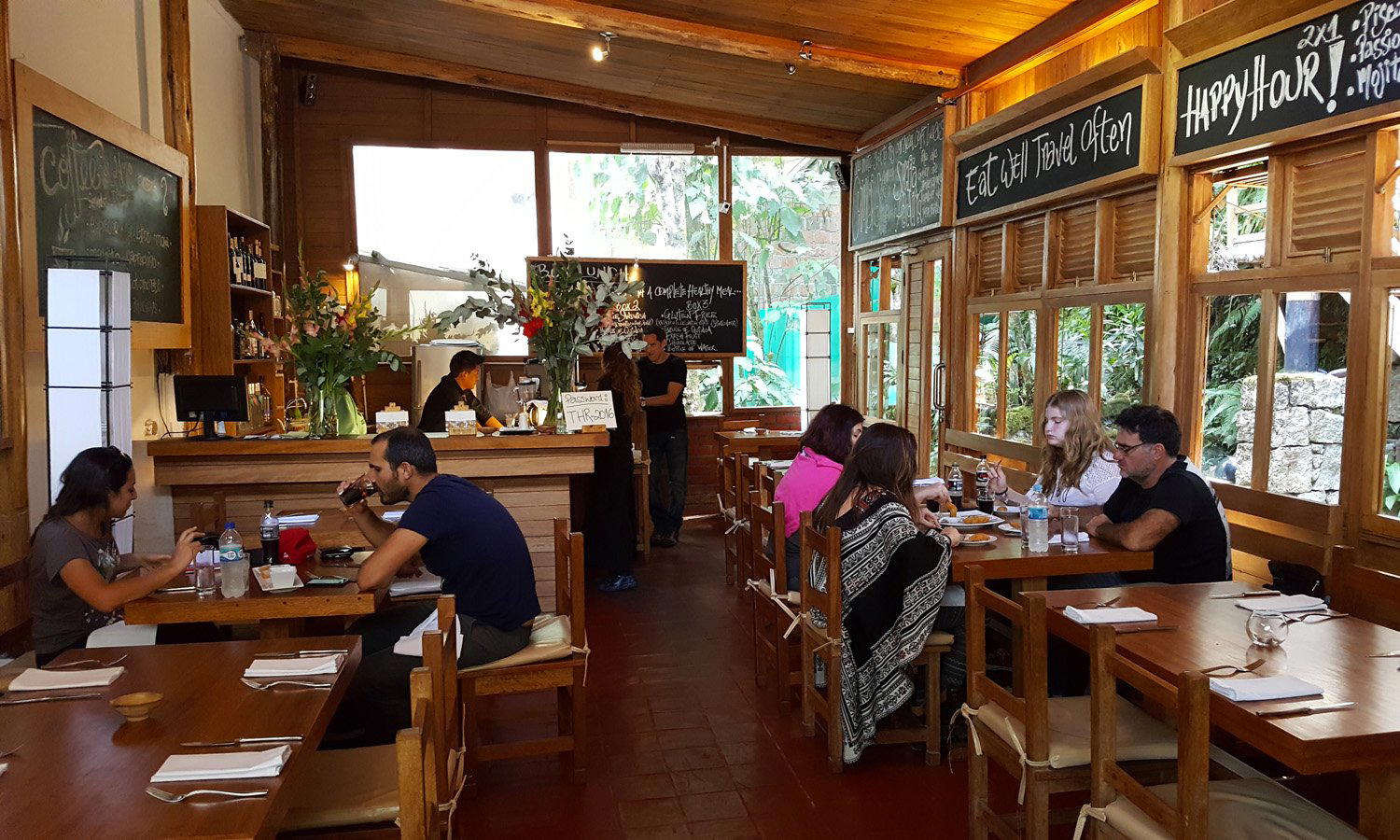
The menu
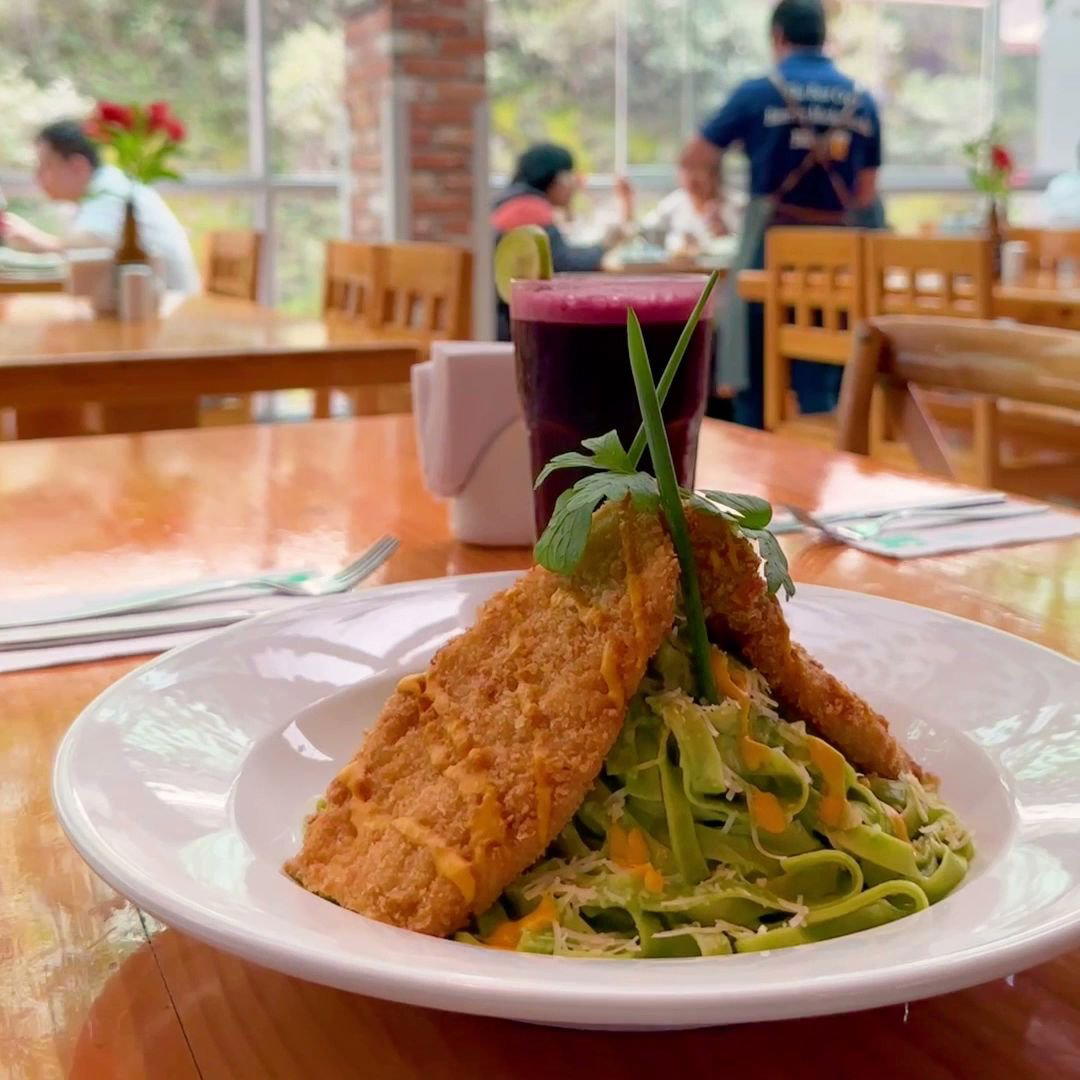
What to order
- Alpaca steak
- Quinoa risotto
- Grilled trout
- Ravioli with goat cheese and mushrooms
Aguas Calientes and the Problem of Eating Well at the Edge of the World
Aguas Calientes occupies a peculiar position in Peruvian travel. The town exists almost entirely to service the flow of visitors to Machu Picchu, and its restaurant scene reflects that reality: most tables turn quickly, menus skew toward the internationally familiar, and the culinary ambition on offer rarely matches the drama of the surrounding landscape. The Sacred Valley proper, stretching northwest toward Urubamba and Ollantaytambo, has developed a more considered dining culture over the past decade, with places like MIL - Food Lab and Interpretation Center and Sol y Luna anchoring a serious Andean-ingredients conversation. But Aguas Calientes itself has always been harder to navigate for the traveller who wants a meal that reflects where they actually are.
Tree House Restaurant, at Jr. Huanacaure 105, sits inside this context. The address places it in the dense pedestrian grid that defines Aguas Calientes, a town hemmed in by steep cloud-forest slopes and the Urubamba River. Arriving on foot from the train station, as virtually every visitor does (the town has no road connection to the outside world), you move through a gauntlet of competing restaurants before finding spots that have carved out something quieter and more deliberate. Tree House is among them.
The Setting as the Point
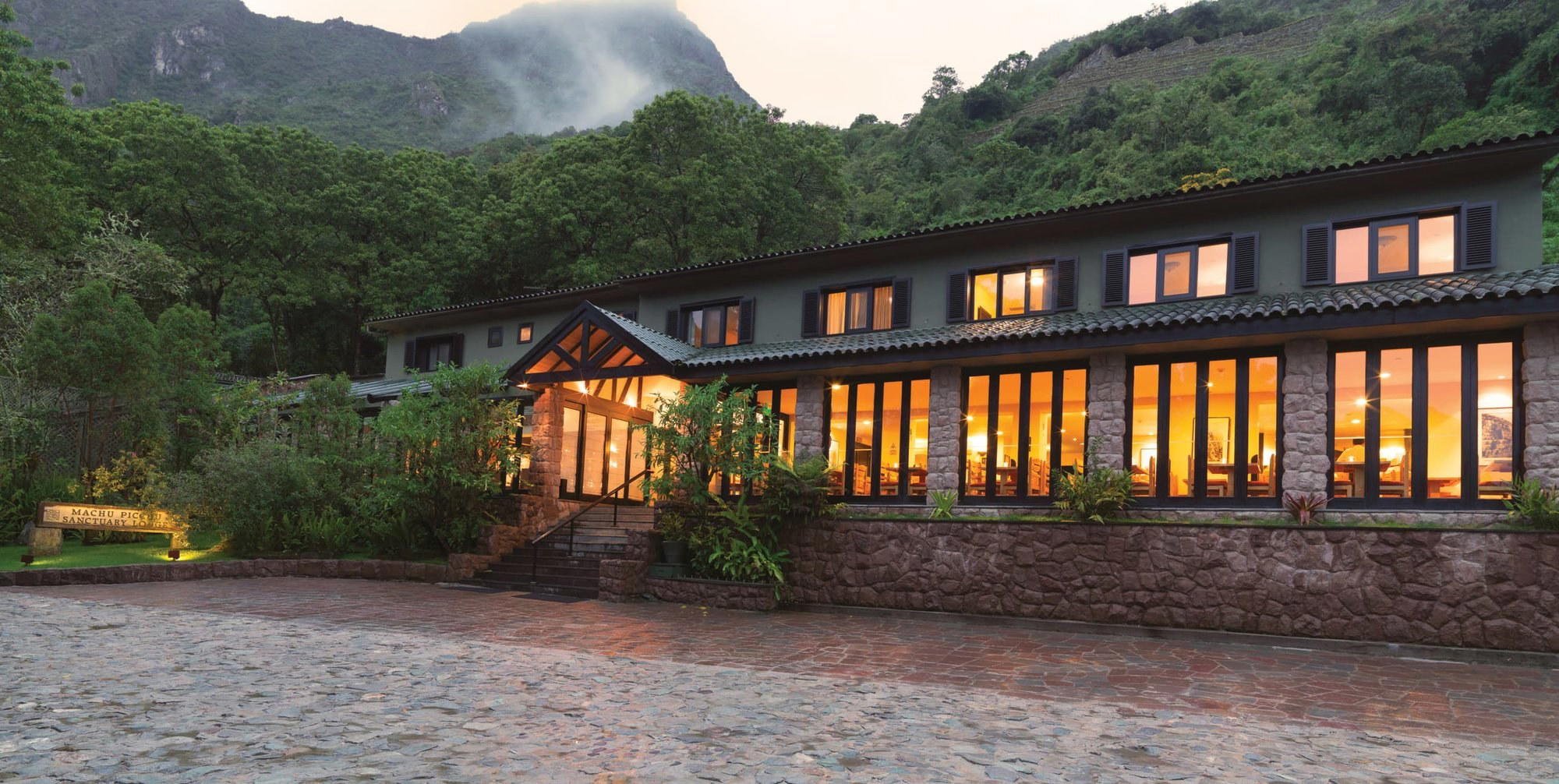
Few dining environments in Peru are as geographically loaded as Aguas Calientes. The town sits at roughly 2,040 metres above sea level, lower than Cusco and the high altiplano but still wrapped in the moisture and vegetation of the cloud forest. The effect on atmosphere is immediate: the air is warmer and more humid than the Sacred Valley floor, the vegetation presses close, and the sound of the Urubamba River is a near-constant presence. A restaurant that leans into this environment rather than papering over it with generic decor is making a considered choice.
The name Tree House signals that orientation. Dining experiences in the cloud-forest zone of the Andes have increasingly leaned on their natural surroundings as a design element, positioning the landscape as part of the meal rather than merely its backdrop. This is a different proposition from the high-altitude agricultural focus of places like Mil Centro in Moray, where the terroir conversation centres on Andean crops and elevation. Here, the conversation is about immersion: the forest, the humidity, the verticality of the setting.
For travellers coming from Lima's more polished dining circuit, where restaurants like Astrid & Gastón and Osaka Nikkei in San Isidro operate with high production values and structured tasting formats, Aguas Calientes requires a recalibration. The premium here is not refinement in the Lima sense. It is access to a place, and a setting that makes you feel that access.
Where Tree House Sits in the Aguas Calientes Tier
Aguas Calientes restaurants broadly divide into three tiers. The first is the high-volume tourist operation: large rooms, laminated menus covering every regional preference, and throughput measured in covers per train departure. The second is the mid-range Peruvian kitchen, which works with local ingredients and offers a more grounded menu without significant creative ambition. The third is a small group of spots that have made deliberate choices about atmosphere, format, or ingredient sourcing that separate them from the default.
Tree House operates in that third tier, distinguished primarily by its concept and setting rather than by awards or a documented chef pedigree. Within Aguas Calientes itself, a restaurant that foregrounds its environment and maintains a considered approach to the dining experience represents a specific choice for the traveller who wants more than a functional post-hike meal.
The comparison worth making is not to Lima's fine-dining circuit or to the Sacred Valley's destination restaurants. It is to what Aguas Calientes itself offers, and within that frame, atmosphere-led venues like Tree House occupy a position that the majority of the town's dining options do not.
The Peruvian Restaurant Scene as Context
Peru's restaurant culture has spent the past two decades building a global reputation anchored almost entirely in Lima, with the coastal capital generating the international attention and the awards. The regional conversation has been slower to develop, but the Sacred Valley has emerged as a genuine secondary node, partly because the altitude and the proximity to Andean agricultural traditions provide raw material that Lima cannot replicate. Operations like Ponchos Peruvian Kitchen in Urubamba and the broader valley dining circuit have built on this.
Aguas Calientes sits at the edge of this development. Its role as a transit point has historically limited the ambition of its restaurant scene, but travellers spending a night rather than just a day in the town have created space for something more. The cloud-forest setting is a distinct identity, separate from both the valley floor and the high-altitude altiplano, and the restaurants that engage with it rather than ignore it are doing something the rest of Peru's dining scene cannot.
For context on how environment-driven dining works at the highest level elsewhere, consider how experiential formats like Lazy Bear in San Francisco or precision-driven operations like Le Bernardin in New York City have made their physical and conceptual environments inseparable from the food itself. The scale and ambition differ entirely, but the underlying principle, that where you eat shapes what you taste and remember, travels.
Planning a Meal at Tree House
Getting to Aguas Calientes requires a train from either Ollantaytambo or Cusco, a journey that takes between one and two hours depending on the departure point and service class. PeruRail and Inca Rail both operate the route, and train tickets should be booked well in advance during the April-to-October high season, when capacity tightens significantly. The town itself is walkable from the station in minutes, and Jr. Huanacaure is within easy reach on foot. Travellers based in Urubamba or Cusco who want a more documented dining experience in the valley might compare options at our full Urubamba restaurants guide before committing to the Aguas Calientes trip specifically for a meal.
Frequently asked questions
Is Tree House Restaurant suitable for children?
Aguas Calientes is a family-heavy transit town, and Tree House sits on Jr. Huanacaure 105 in a neighbourhood accustomed to mixed groups of travellers. The setting, given the name and the town's general character, skews casual rather than formal, which typically accommodates families without difficulty.
What is the atmosphere like at Tree House Restaurant?
Aguas Calientes restaurants at this address tier tend toward intimate, low-key spaces rather than high-volume tourist halls. The name suggests a structural or elevated concept, fitting for a town where the surrounding cloud-forest terrain and altitude at roughly 2,040 metres above sea level set the visual tone. Expect a relaxed, traveller-oriented room rather than a white-tablecloth environment.
Is Tree House Restaurant a good option for dinner after visiting Machu Picchu?
Most Machu Picchu visitors return to Aguas Calientes by mid-to-late afternoon, which creates a concentrated dinner rush across the town's limited mid-tier options. Tree House Restaurant at Jr. Huanacaure 105 sits within the town's walkable core, making it a practical post-visit choice without requiring transport. For travellers looking to avoid the high-volume tourist operations with laminated menus, a mid-tier spot like Tree House represents a reasonable alternative in a town where dining options are geographically constrained by the valley itself.
What's the must-try dish at Tree House Restaurant?
Aguas Calientes kitchens in the mid-tier bracket commonly draw on Andean staples, quinoa, cuy, lomo saltado, and regional trout from high-altitude rivers, though what Tree House specifically serves requires direct confirmation. Arriving with flexibility is advisable given the town's supply logistics.
What's the address for Tree House Restaurant?
Tree House Restaurant is located at Jr. Huanacaure 105, Aguas Calientes 08681, Peru, Urubamba.
How hard is it to get a table at Tree House Restaurant?
Aguas Calientes operates on a compressed visitor cycle: most travellers arrive by train from Ollantaytambo or Cusco, stay one or two nights, and move on. Peak dinner windows around 7–9pm fill quickly at the better mid-tier spots, and Tree House at Jr. Huanacaure 105 likely sees the same pressure.
The Minimal Set
| Venue | Cuisine | Price | Awards | Notes |
|---|---|---|---|---|
| Tree House RestaurantThis venue (the venue you are viewing) | Peruvian Fusion | $10–20 | Not listed | Not listed |
| Sol y Luna | Modern Peruvian with Sacred Valley influences | Not listed | Relais Chateaux Award | Peruvian Andean |
| Killa Wasi | Modern Peruvian Fine Dining | Not listed | Relais Chateaux Award | Peruvian Andean |
| Mapacho Craft Beer Restaurant | Traditional Peruvian with Craft Beers | $1–10 | Not listed | Not listed |
| MIL - Food Lab and Interpretation Center | Modern Andean Peruvian Fine Dining | $200–300 | World's 50 Best #49 · La Liste Top Restaurants | Not listed |
| Ponchos Peruvian Kitchen | Modern Peruvian Kitchen | $20–30 | Not listed | Not listed |
Continue exploring
More in Aguas Calientes
Restaurants in Aguas Calientes
All restaurants in Aguas Calientes →
Details
- Romantic
- Cozy
- Rustic
- Intimate
- Date Night
- Special Occasion
- Standalone
- Organic
- Local Sourcing
- A La Carte
- Vegetarian Friendly
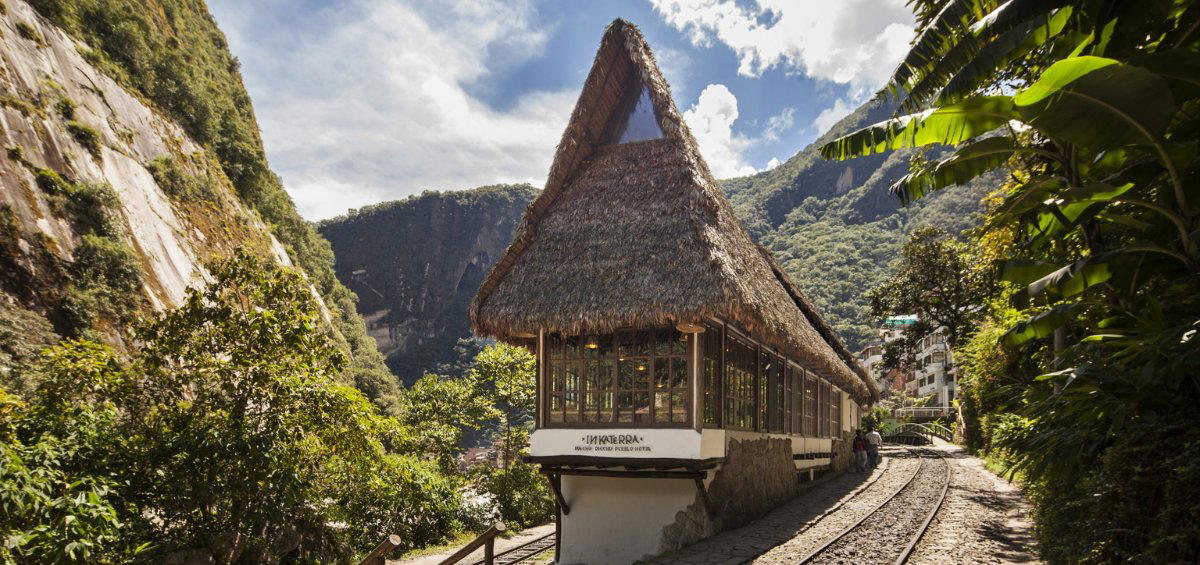
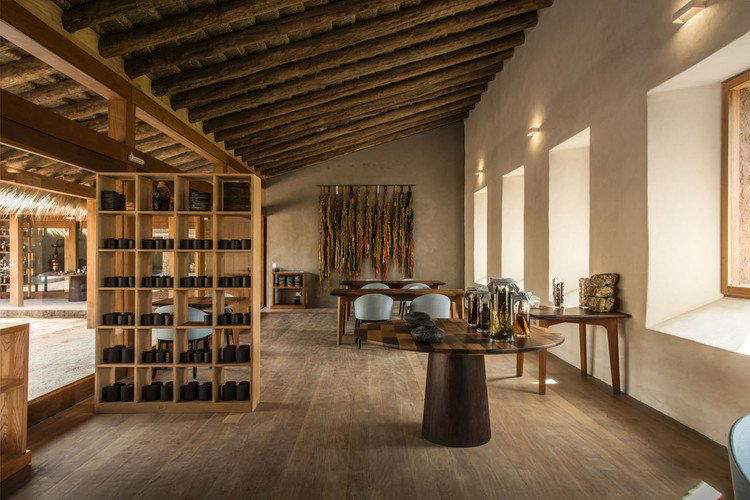
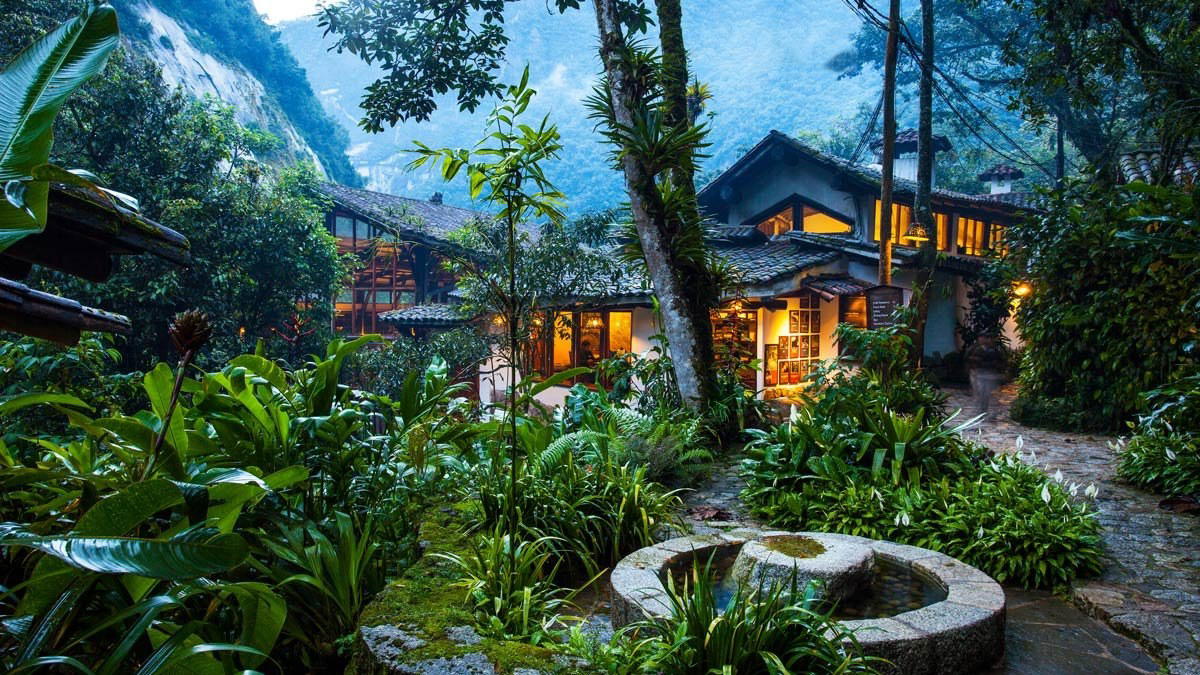
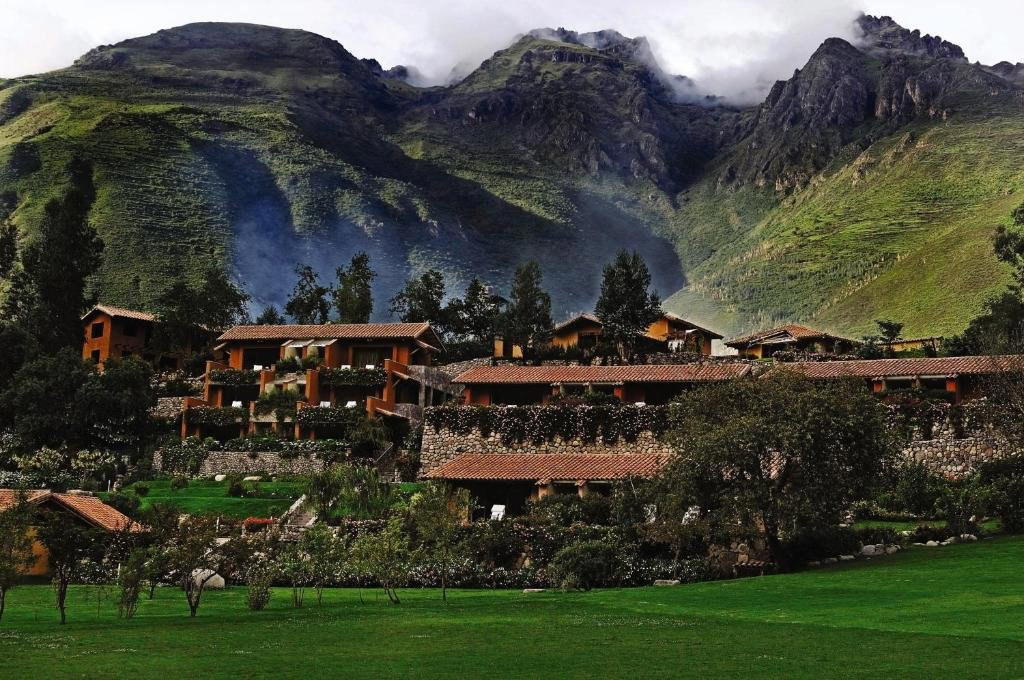
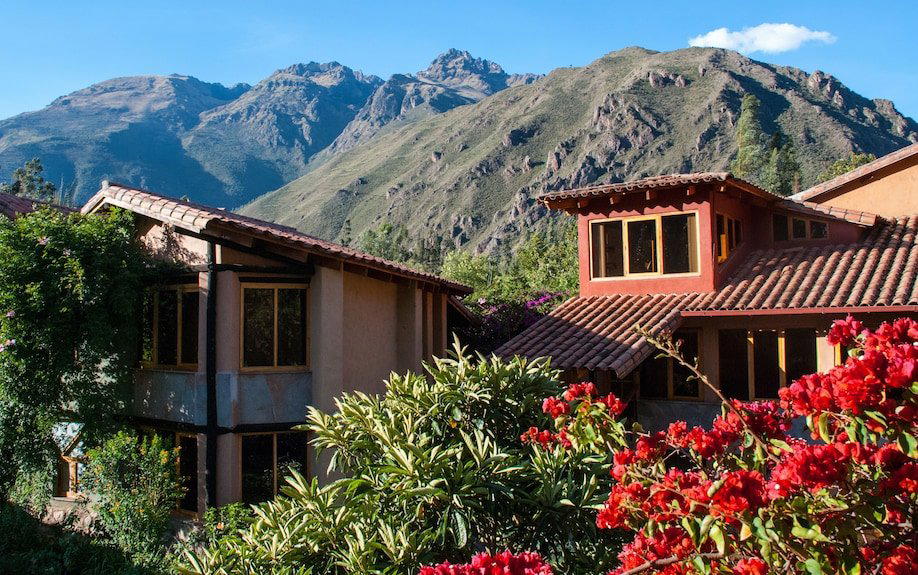
Warm, welcoming zen atmosphere with wooden structure, romantic and dreamy tight dining room set in the boughs, providing a secluded escape from the busy town.