Casa Nova occupies a quiet address on Gospodar Jovanova in Belgrade's historic core, where the city's appetite for technique-driven cooking meets the seasonal produce of the Serbian interior. The address places it within walking distance of the Skadarlija quarter, positioning it alongside a growing cohort of Belgrade restaurants rethinking local ingredients through a more disciplined kitchen lens.
Pearl is the En Primeur Club membership app — saves, bookings, and concierge access live there. Same editors, same standards.
- Address
- Gospodar Jovanova 42a, Beograd, Serbia
- Phone
- +381113036868
- Website
- casanovabelgrade.rs
- Directions
- Get directions
 Saves & bookings on Pearl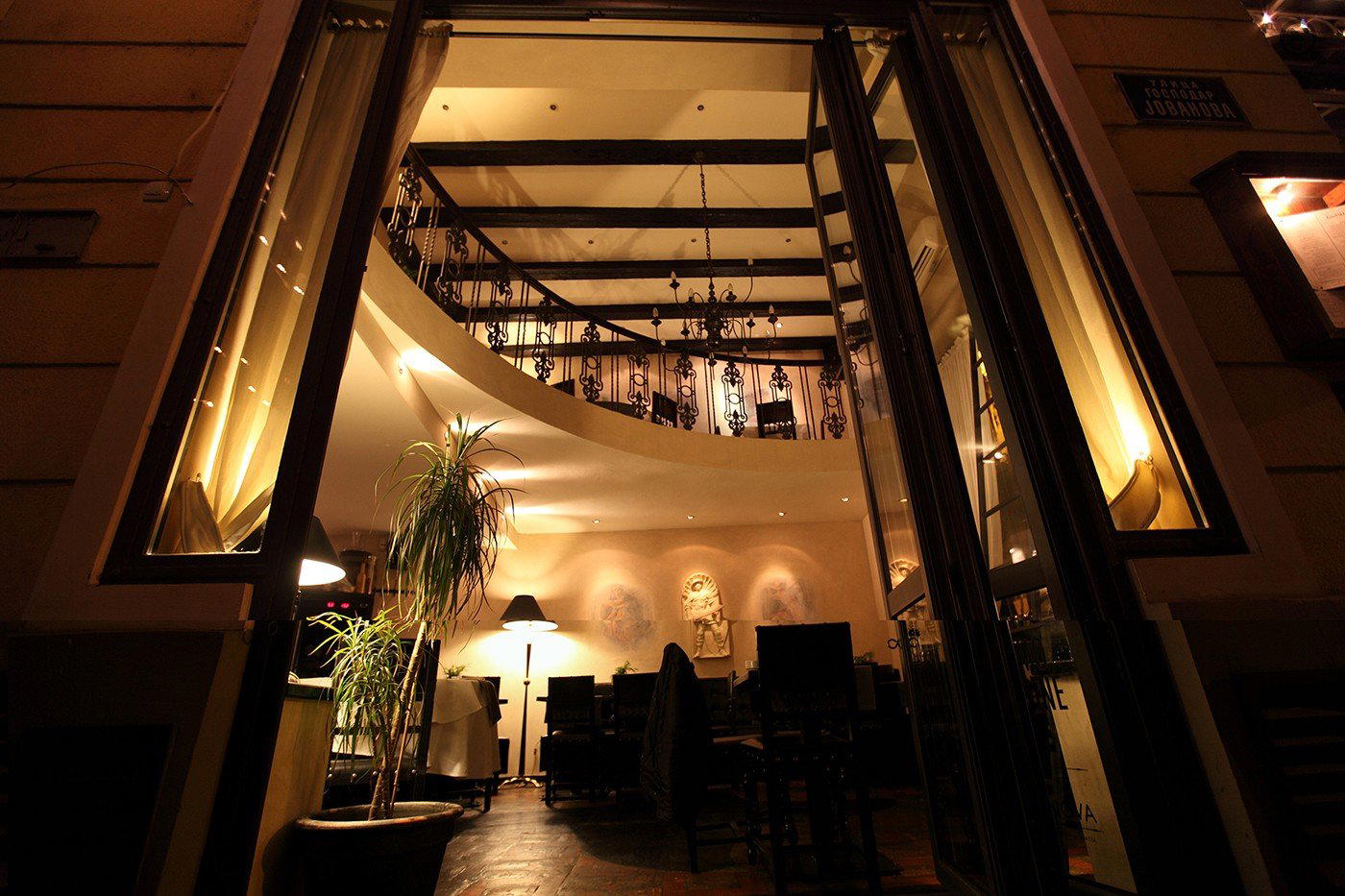
A Street in the Old City That Rewards Attention
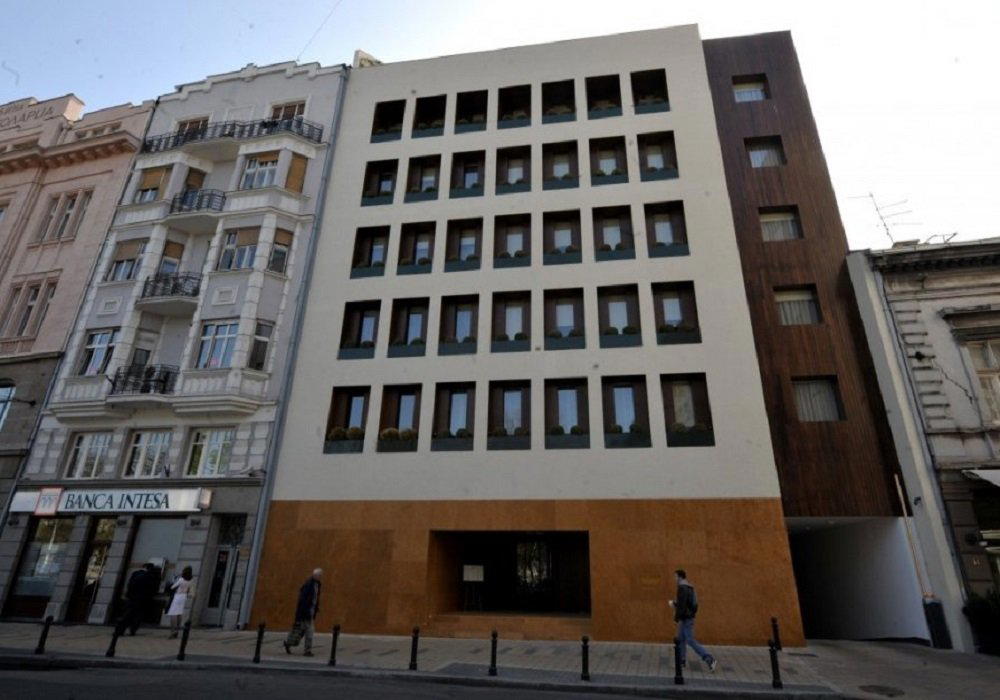
Gospodar Jovanova is one of those Belgrade streets that repays the visitor who slows down. Running through the older residential fabric of the city, it carries none of the self-conscious energy of Skadarlija's cobblestone tourist circuit, yet sits close enough to the historic core that foot traffic from the Kalemegdan plateau drifts through on warmer evenings. It is in this context that Casa Nova operates at number 42a. The address alone tells you something about the restaurant's positioning: not the riverfront, not the nightlife strip, but a quieter residential lane where the dining room has to earn its audience on merit rather than location.
Belgrade's restaurant scene has reorganised itself considerably over the past decade. A first wave of international-format fine dining gave way to something more grounded: kitchens that source from Serbian producers and apply classical or contemporary technique to ingredients that once rarely left the farmhouse or the village market. This is the broader movement Casa Nova belongs to. For comparable expressions of that shift, Langouste and The Square occupy the higher price brackets of the same conversation, while Ambar and Avala pull in a different direction, leaning toward tradition-forward formats.
Local Ingredients, International Grammar
One telling development in Belgrade's serious dining rooms over the past several years is not a single chef or a single restaurant, it is the shift in how kitchens treat the Serbian larder. Kajmak, ajvar, smoked meats from the Šumadija highlands, river fish from the Danube tributaries, wild herbs from the foothills of Kopaonik: these were once considered too rustic for a certain style of dining room. Now they are the currency that distinguishes the more considered kitchens from those merely importing European formats wholesale.
What separates the stronger entries in this generation of Belgrade restaurants is the willingness to apply genuinely demanding technique, reduction-based sauces, precision temperature work, structured plating disciplines, to ingredients that carry real provenance rather than interchangeable European commodity product. This is the framework through which Casa Nova's positioning makes most sense. The Gospodar Jovanova address, relatively low-key by Belgrade dining geography, is consistent with a kitchen focused on the plate rather than the spectacle of the setting. Across Serbia more broadly, this tendency to find interesting cooking away from particularly obvious commercial addresses is a pattern worth noting: Fleur de Sel in Novi Slankamen and Aleksandar Gold in Uzice both demonstrate that serious cooking in Serbia does not require a capital city postcode.
Belgrade in a Wider Serbian Dining Context
Understanding the restaurant means understanding where Belgrade sits in relation to the rest of Serbia's emerging dining culture. Novi Sad, an hour to the northwest, has developed its own cluster of technique-conscious restaurants, Ananda being one of the better-known examples. Smaller towns like Ruma and Sombor have their own vernacular traditions, represented respectively by Borkovac and Etno Restoran Fijaker. The Danube region's fish culture finds expression at ČARDA ZLATNA KRUNA in Apatin. What Belgrade does, which these regional addresses cannot, is aggregate different influences, European training, Serbian produce, urban dining expectations, in a single room. The restaurant's location in the older residential city rather than the new commercial districts suggests a deliberate choice to serve a local and repeat clientele rather than optimise for tourist throughput.
The etno-format restaurants that appear across Serbian towns, including ETNO PODRUM BRKA in Nis, Etno Kuća Dinar in Vrsac, and Cafe Boem in Pirot, represent one end of the spectrum: deeply rooted in folk tradition, visually folkloric, serving a cuisine that has changed little in decades. The restaurant, by its address and the nature of its Belgrade neighbourhood, occupies a different register: closer to the contemporary end of that spectrum, even if the specifics of its menu are not publicly documented in detail. The contrast between these two poles, the etno house and the technique-driven urban kitchen, is the central tension running through Serbian dining right now, and particularly interesting restaurants are those that find a productive position between them rather than choosing one extreme.
Practical Planning
The restaurant sits at Gospodar Jovanova 42a in central Belgrade, reachable on foot from the Kalemegdan fortress area or by short taxi from the main Knez Mihailova pedestrian zone.
Belgrade's version of this story is younger and less documented, but it is proceeding at pace. The restaurant's position on a quiet street in the old city, away from the obvious commercial addresses, is consistent with the self-confidence that characterises the better entries in this generation of Serbian cooking. The restaurants that last in this city tend to be the ones that build a neighbourhood following first.
For anyone building a Belgrade itinerary around serious eating, the restaurant is part of a cluster of addresses that make the city a worthwhile dining stop. The broader regional picture extends outward into the suburbs and satellite towns, but the capital's concentration of technique-driven cooking remains the strongest single argument for Belgrade as a dining destination in the Balkans.
Nearby-ish Comparables
Comparable venues nearby, for context on price, style, and recognition.
| Venue | Cuisine | Price | Notes |
|---|---|---|---|
| Casa NovaThis venue — the venue you are viewing | Italian-French Bistro | $$$ | Not listed |
| Campania Pizza Gourmet | Neapolitan Pizza Gourmet | $$ | Novi Beograd |
| PIZZA FABRIKA | Authentic Neapolitan Pizza | $$ | Vračar |
| Restoran Muskat | Modern Serbian Cuisine | $$$ | Novi Belgrade |
| Osteria Mozzarella | Regional Italian Osteria | $$ | Novi Belgrade |
| RESTORAN RUSTIQUE | Authentic Italian Pizza and Pastas | $$$ | Senjak |
At a Glance
- Romantic
- Elegant
- Cozy
- Intimate
- Date Night
- Casual Hangout
- Terrace
- Garden
- Extensive Wine List
- Garden
Current opening hours
- Monday
- 11 AM–12 AM
- Tuesday
- 11 AM–12 AM
- Wednesday
- 11 AM–12 AM
- Thursday
- 11 AM–12 AM
- Friday
- 11 AM–1 AM
- Saturday
- 11 AM–1 AM
- Sunday
- 11 AM–11 PM
Hours can change for holidays and private events. Last verified .
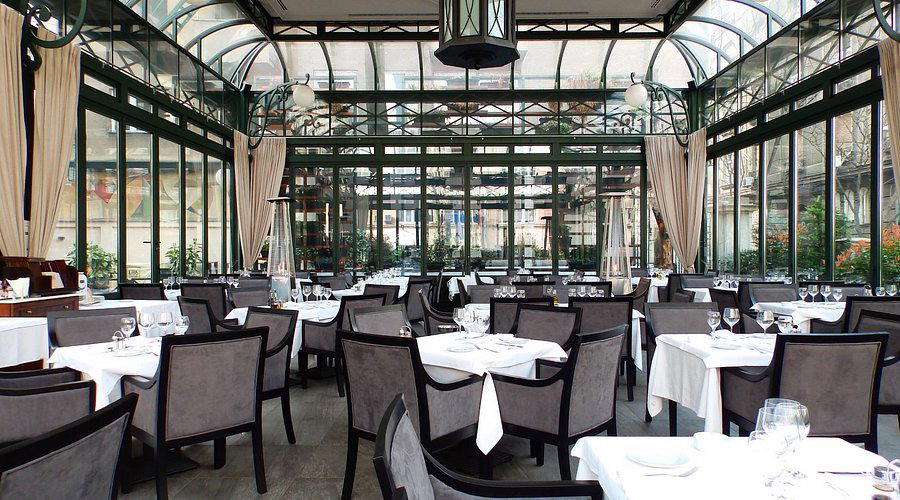
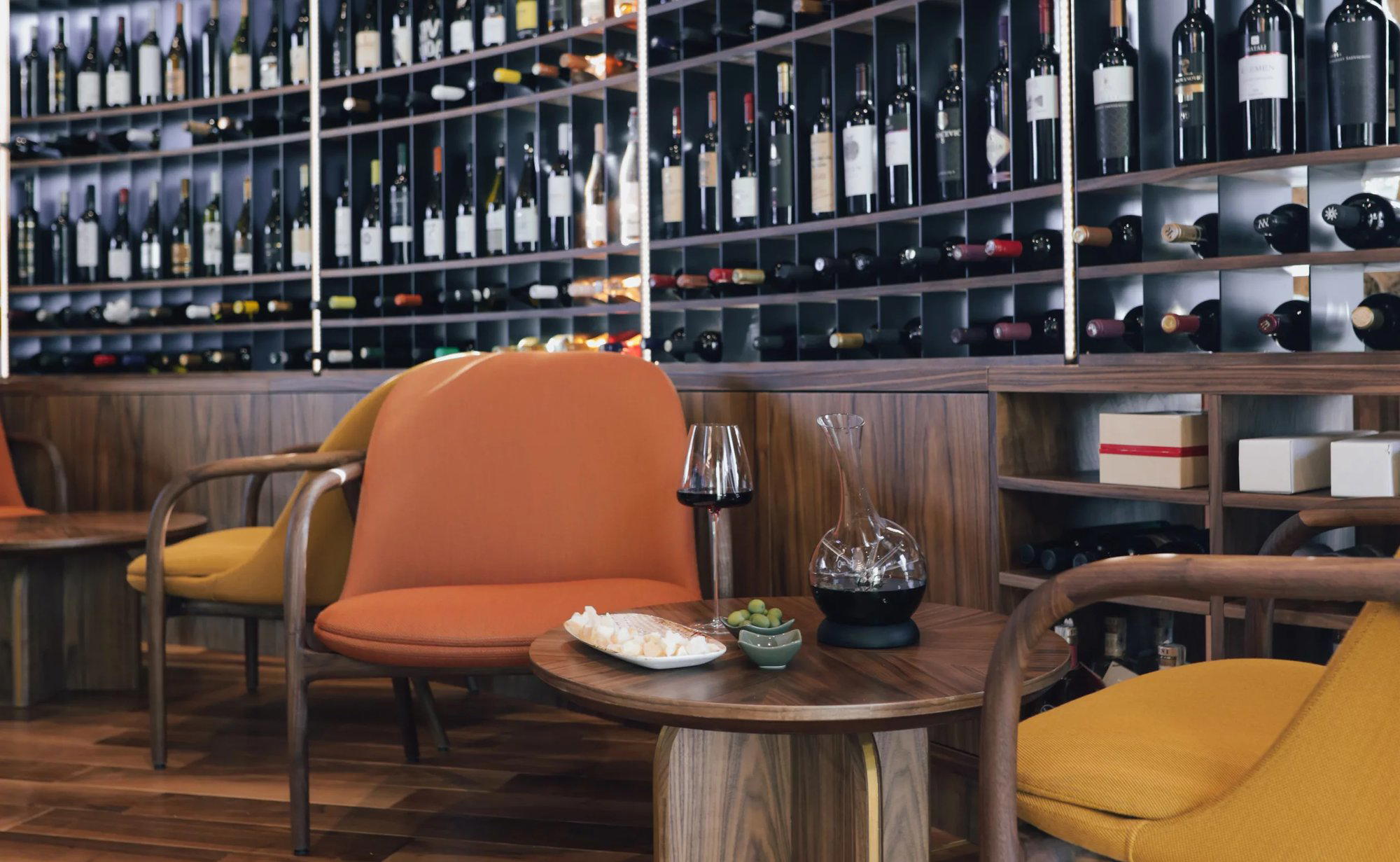
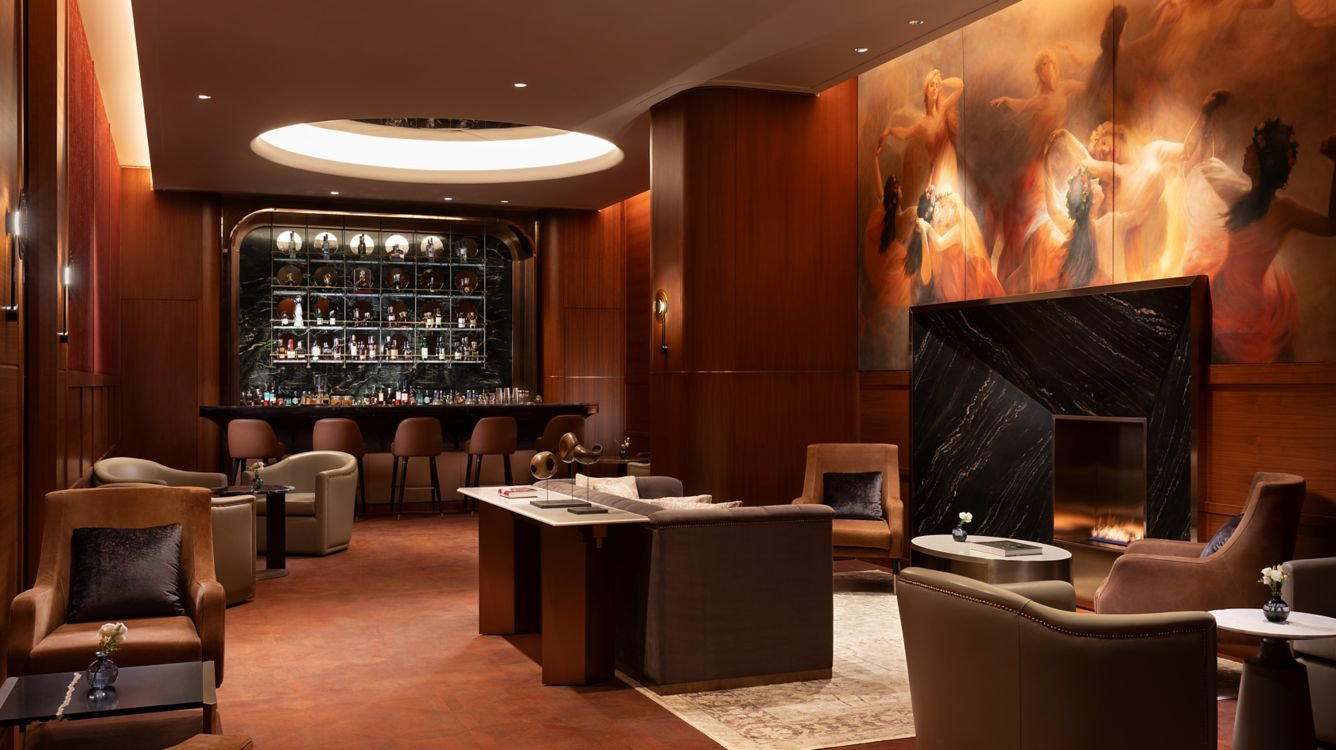
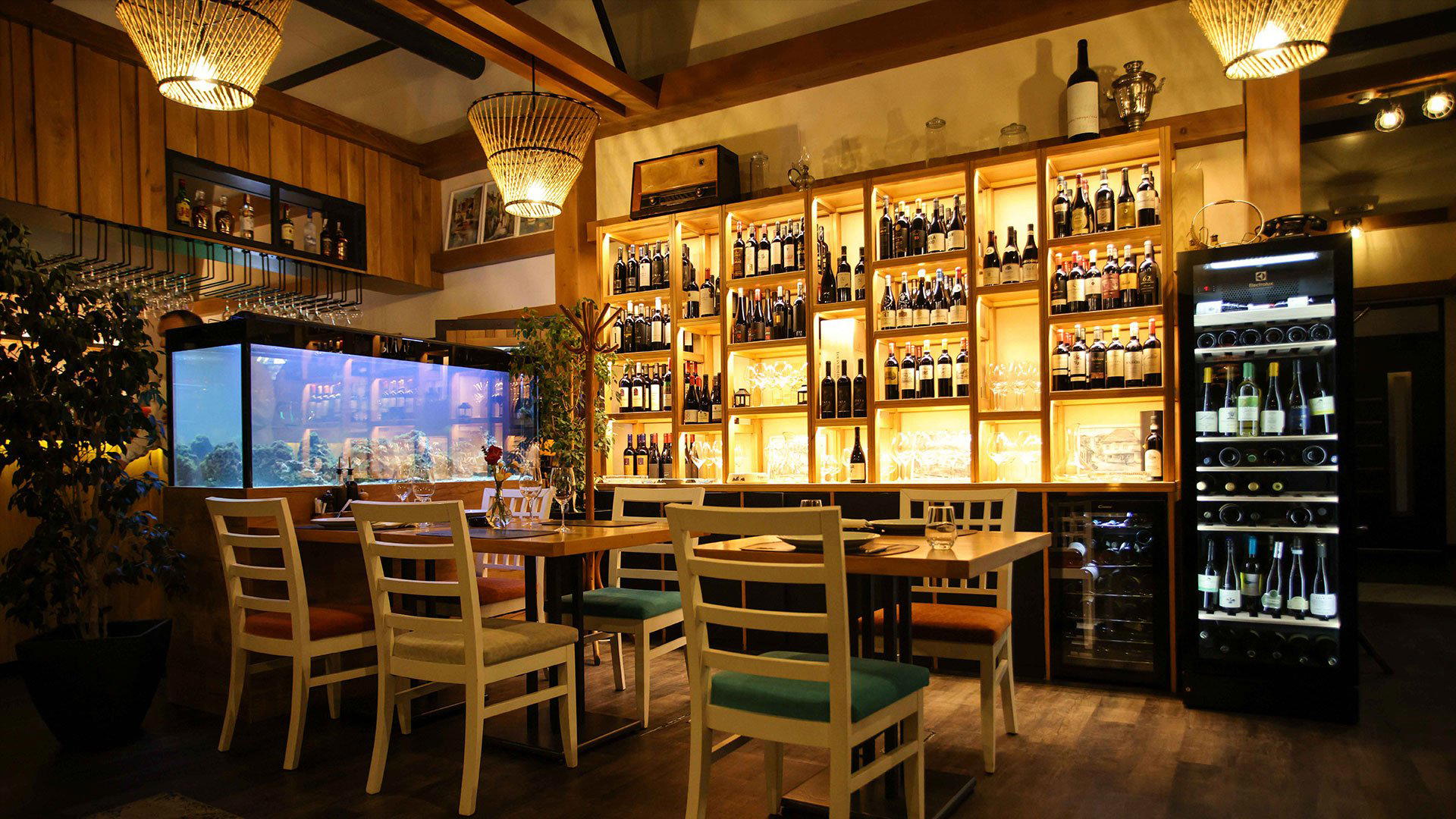
Cozy and elegant with discreet home lighting, wrought iron wine cellar details, painted walls, and a beautiful garden terrace offering a private romantic atmosphere.