Da Giorgio occupies a specific tier in Belgrade's dining scene: a neighbourhood address on Jurija Gagarina that draws repeat visitors rather than passing trade. Positioned between the city's high-concept modern kitchens and its casual Italian-influenced trattorias, it functions as a reference point for how European cooking traditions have taken root in the Serbian capital over the past decade.
Pearl is the En Primeur Club membership app — saves, bookings, and concierge access live there. Same editors, same standards.
- Address
- Jurija Gagarina 20d, Beograd 11070, Serbia
- Phone
- +381691111005
- Website
- dagiorgio.rs
- Directions
- Get directions
 Saves & bookings on Pearl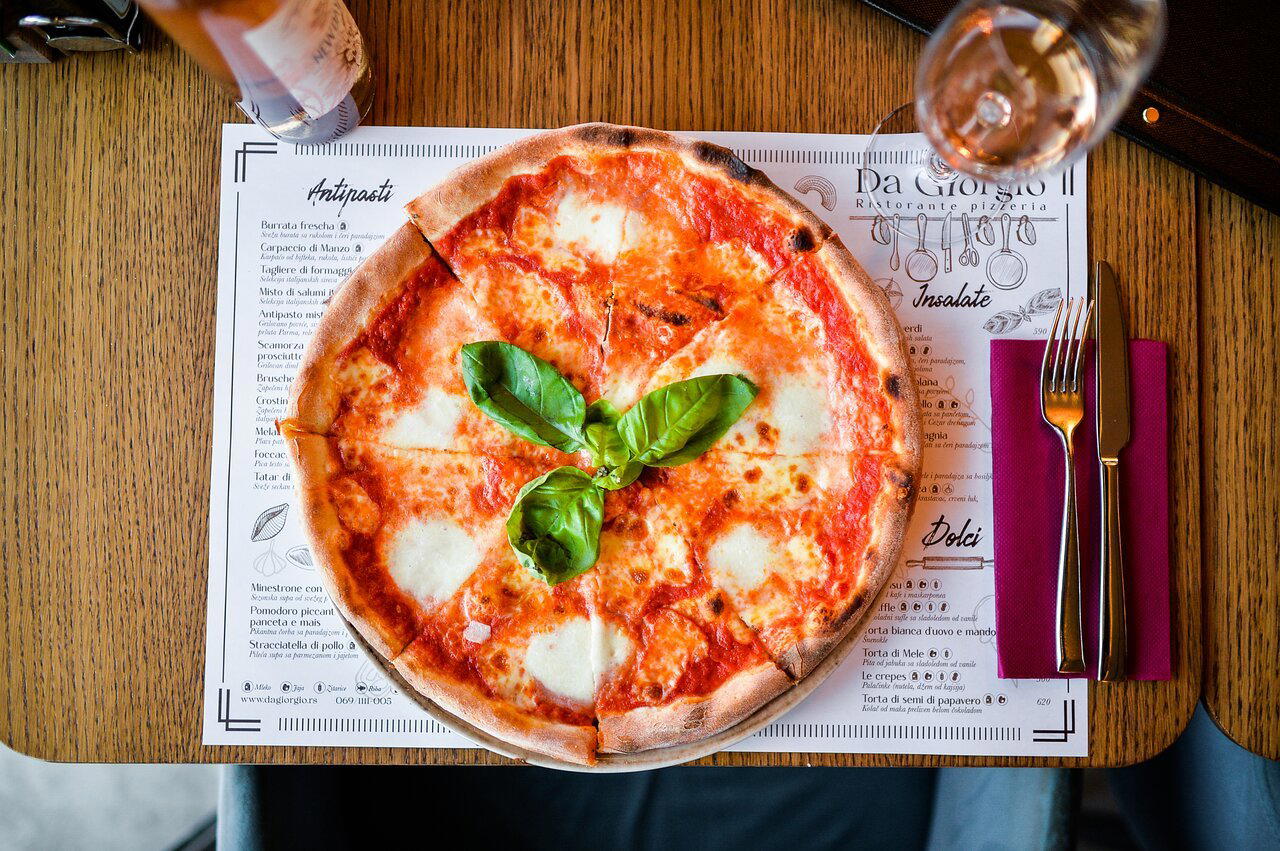
Where Belgrade's European Dining Tradition Settles In
The address on Jurija Gagarina places Da Giorgio squarely in New Belgrade, the post-war planned district that sits across the Sava from the old city centre. This is not the neighbourhood visitors typically consult first when building a Belgrade itinerary. That separation from the Skadarlija cobblestones and the Savamala bar crowd is, in practice, part of the point. Restaurants that survive and develop a regular clientele in New Belgrade do so on merit rather than foot traffic, because the foot traffic in this part of the city belongs to residents, not tourists. Da Giorgio has built its following in that environment.
Across Belgrade's restaurant scene, the past decade has seen a recognisable split between two categories of Italian-influenced or European-format dining. One tier operates in the centre, trading partly on location and the city's growing visitor numbers. The other tier, represented by addresses like Da Giorgio, sits in residential zones and prices against local repeat business rather than single-visit spend. That competitive positioning tends to produce tighter kitchens and more consistent execution, because the room fills with people who were there last month and will be back next month.
The Sourcing Question in Serbian Dining
Serbia's agricultural base is one of the more compelling underpinnings of its restaurant scene, and it remains underused by the restaurants that would benefit most from discussing it openly. The country is a significant European producer of stone fruit, berries, and several vegetable categories, and its livestock traditions, particularly around pork and lamb, have deep regional specificity. Restaurants that source within this supply chain, rather than defaulting to imported European staples, are working with ingredients that carry genuine provenance rather than constructed narrative.
The sustainability conversation in Serbian dining is less developed as a public discourse than it is in, say, Copenhagen or London, but the underlying conditions, short supply chains, seasonal agriculture, and a culinary tradition built around preservation and fermentation, are structurally favourable. What distinguishes the more thoughtful addresses is less about formal certification and more about whether sourcing decisions show up visibly in the menu's seasonal range. This is where restaurants across Belgrade's mid-to-upper tier, including addresses like Langouste and The Square, have begun to differentiate themselves from the earlier generation of European-format dining in the city.
The restaurant's position on Jurija Gagarina, in a neighbourhood with limited tourist overlay, creates the conditions for sourcing decisions driven by relationship rather than marketing. Whether the kitchen actively builds those relationships with local producers is a question leading answered by visiting, but the structural incentives point in that direction: a neighbourhood clientele expects consistency and seasonal range in a way that a transient tourist audience does not.
Comparing the Field: Where Da Giorgio Sits
Belgrade's current restaurant field spans a wider price and format range than it did five years ago. At the summit of the city's European-format dining tier, Langouste operates at the €€€€ price point with a modern cuisine format that places it in a direct comparable set with the city's most polished addresses. The Square offers contemporary French and modern cuisine at the €€ level, which positions it as one accessible entry point in that upper-register conversation. Ambar and Avala represent different approaches to regional cooking, while Barrel House anchors a more casual end of the city's dining range.
The restaurant's address in New Belgrade makes it harder to slot into that comparison set without knowing more about its current format and pricing. What can be said is that restaurants in this part of the city typically price to attract the neighbourhood rather than to signal exclusivity, which often means better value per cover than equivalent kitchens operating closer to the tourist circuit.
Planning Your Visit
New Belgrade is accessible by public transport from the city centre, and Jurija Gagarina is a navigable address for anyone using a standard mapping application. The neighbourhood operates on a different rhythm from Savamala or Stari Grad: quieter on weekend afternoons, functional rather than atmospheric in its streetscape, and more reliant on in-venue experience than on the walk to the door. Reservations are recommended.
The Short List
Comparable venues nearby, for context on price, style, and recognition.
| Venue | Cuisine | Price | Notes |
|---|---|---|---|
| Da GiorgioThis venue — the venue you are viewing | Novi Belgrade, Authentic Italian | $$ | Not listed |
| Osteria Mozzarella | Novi Belgrade, Regional Italian Osteria | $$ | Not listed |
| RESTORAN DUOMO | Not listed | $$ | Dorcol, Traditional Italian Pizza and Pasta |
| Restoran Cuoco | Not listed | $$ | Belgrade, Authentic Italian Pizza & Pasta |
| SMASH BURGERS Novi Beograd | Novi Beograd, Smash Burgers | $$ | Not listed |
| MIAMIAM RESTAURANT&CATERING | Not listed | $$ | Vracar, Fusion International with Indian Influences |
At a Glance
- Cozy
- Classic
- Date Night
- Family
- Extensive Wine List
Current opening hours
- Monday
- 8 AM–12 AM
- Tuesday
- 8 AM–12 AM
- Wednesday
- 8 AM–12 AM
- Thursday
- 8 AM–12 AM
- Friday
- 8 AM–12 AM
- Saturday
- 8 AM–12 AM
- Sunday
- 8 AM–12 AM
Hours can change for holidays and private events. Last verified .
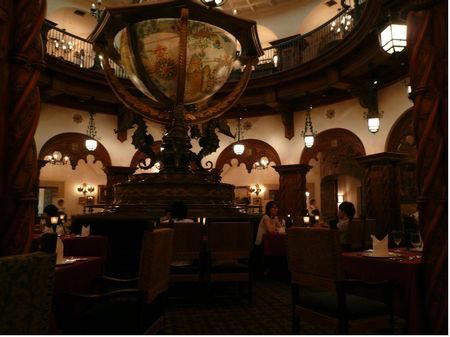
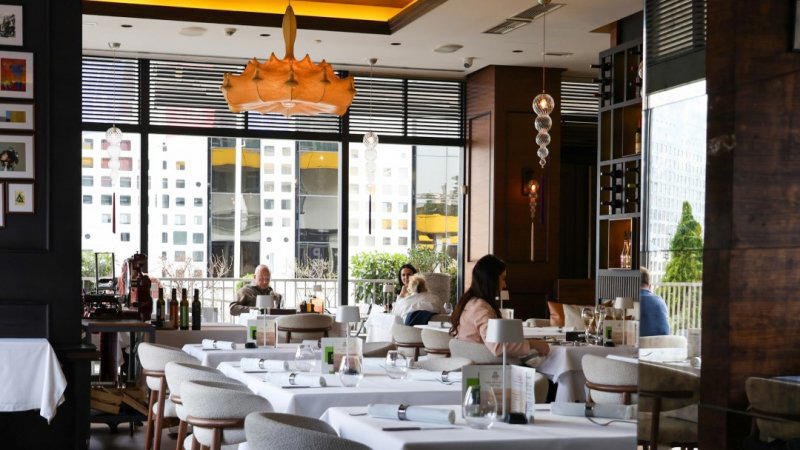
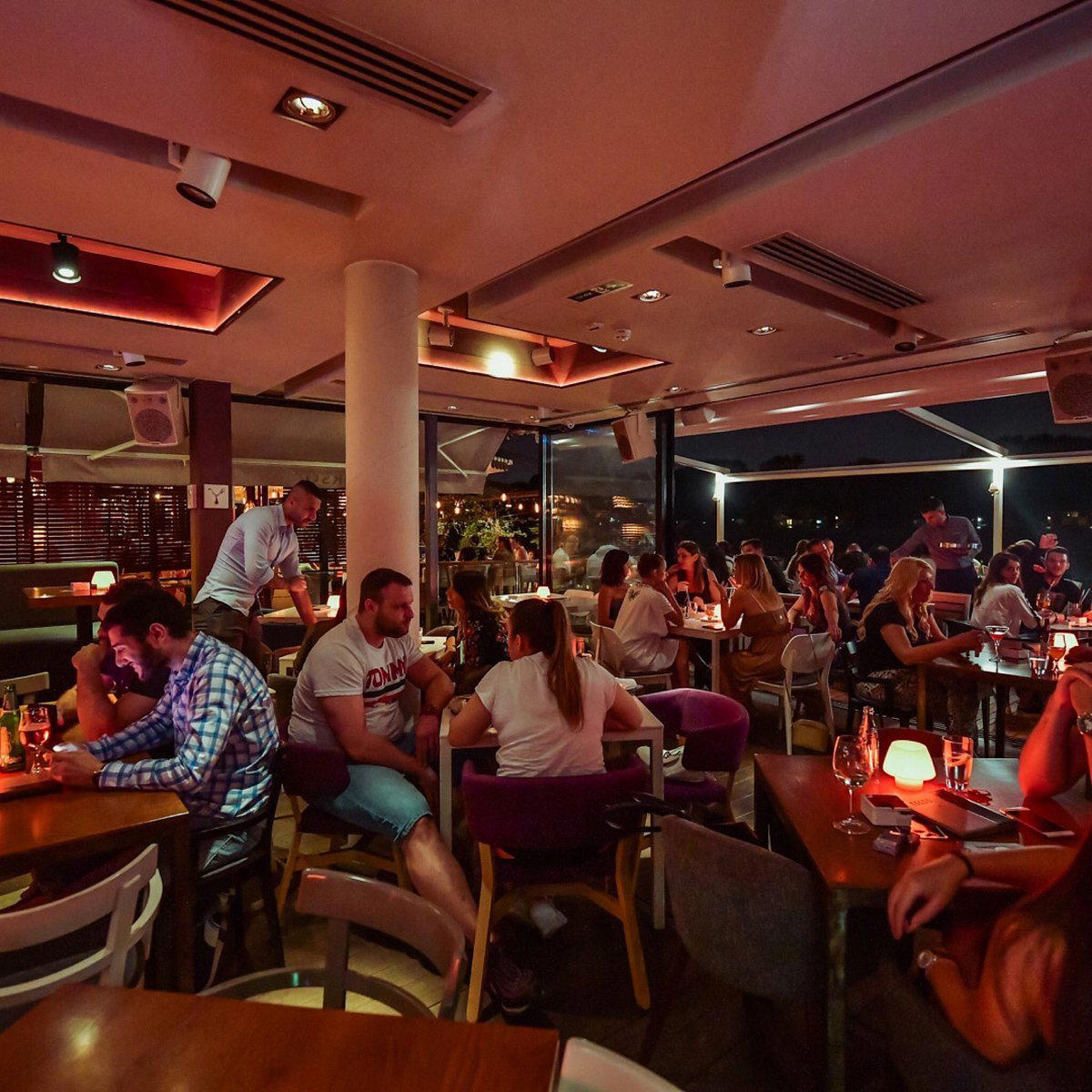
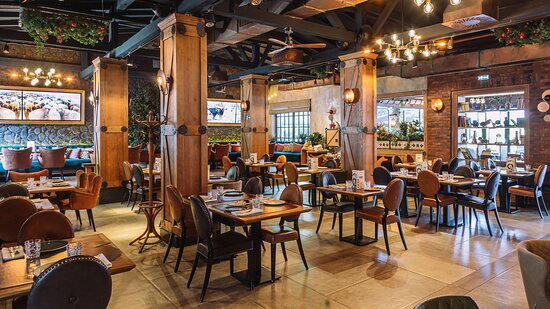
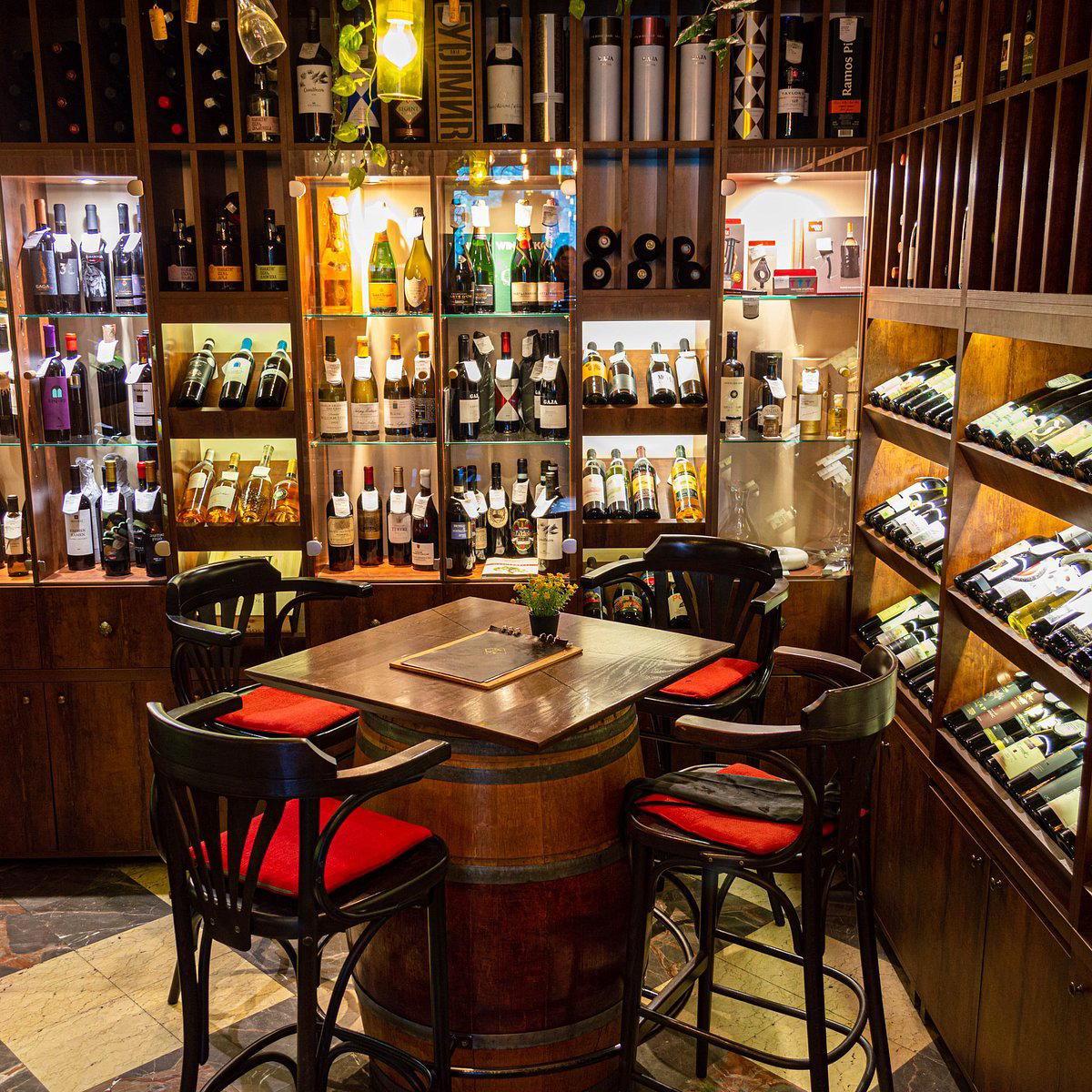
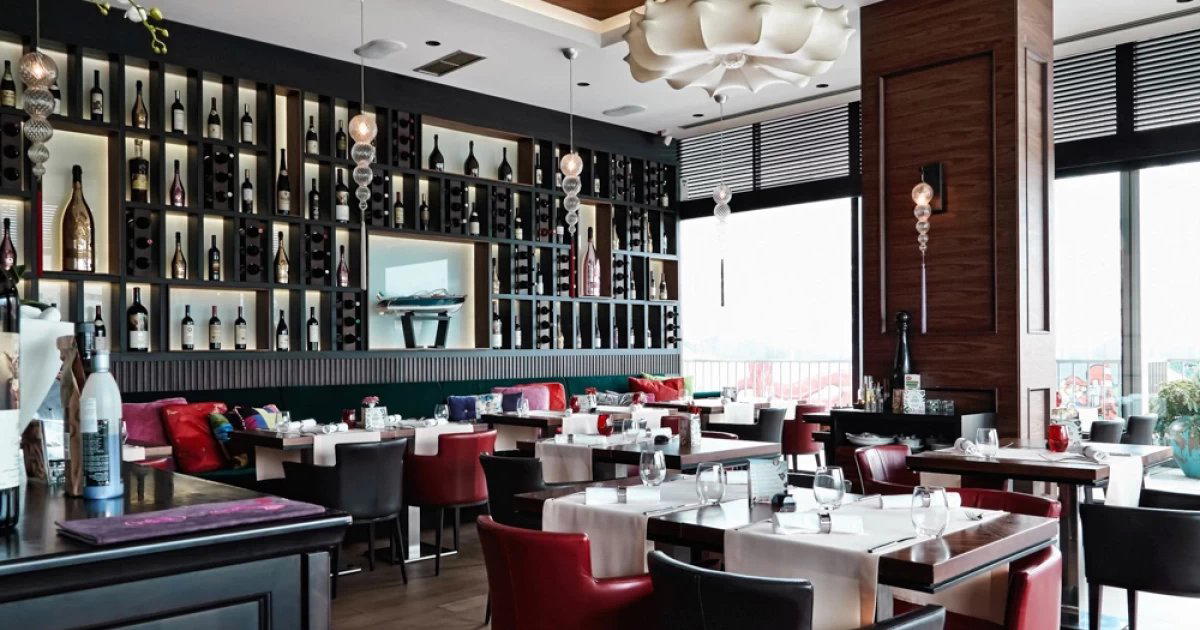
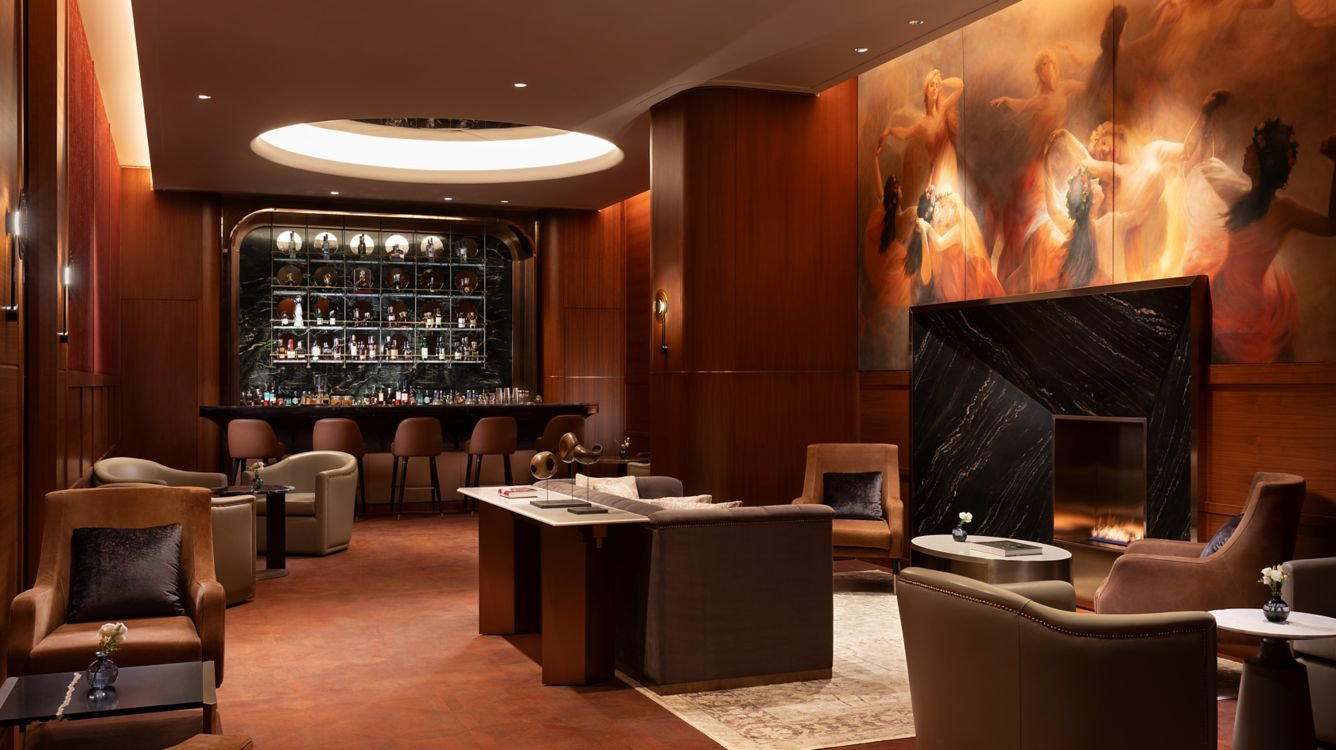
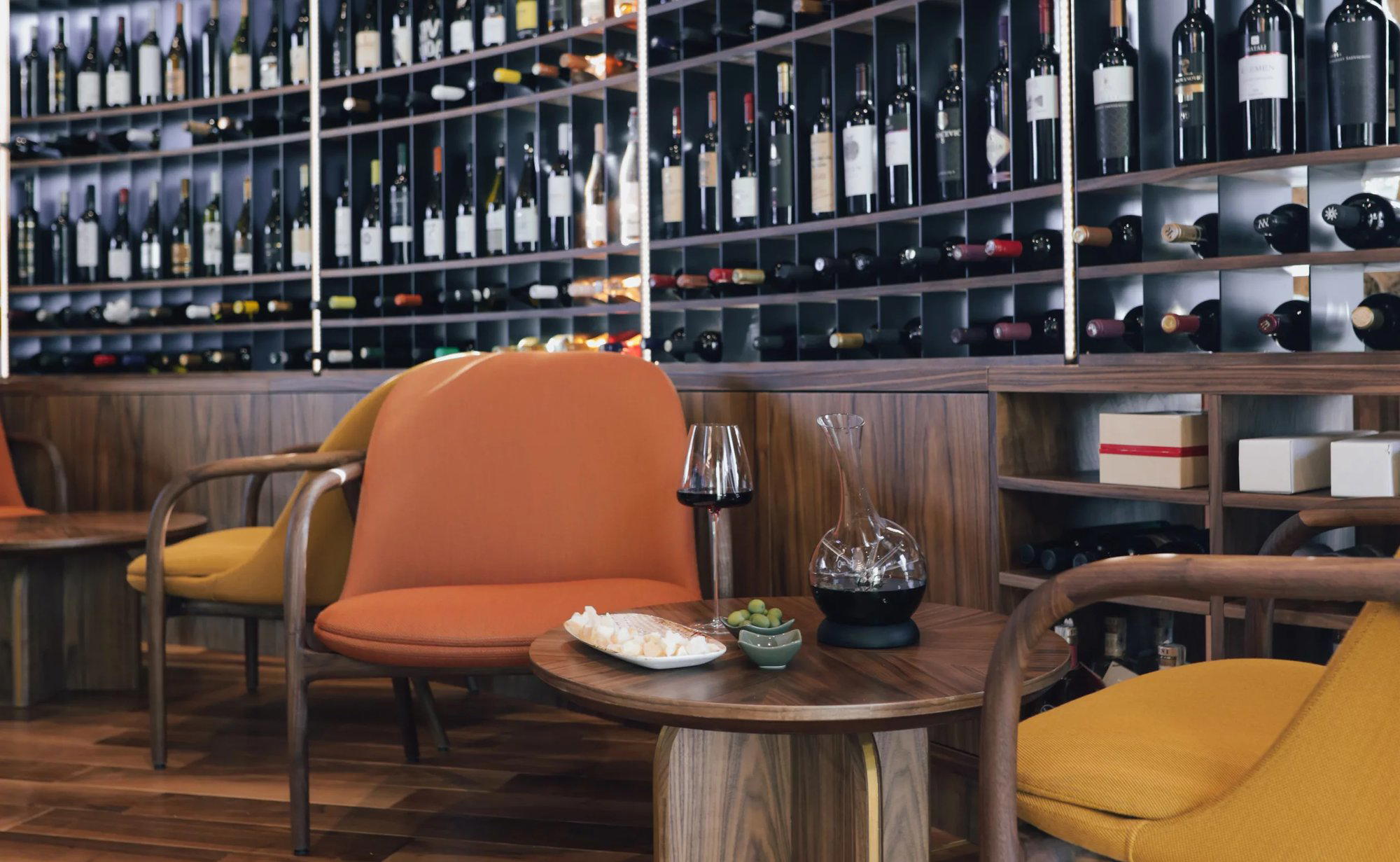
Warm and comfortable ambiance well-suited for enjoying Italian gastronomy.