Midōsuji
Located at 12 S Michigan Ave on Chicago's cultural mile, Midōsuji sits at the intersection of Michigan Avenue's institutional grandeur and the city's increasingly serious fine-dining conversation. The address alone places it in a comparable set defined by occasion dining, where sourcing transparency and kitchen discipline carry more weight than tableside spectacle. A reservation here warrants advance planning.
Pearl is the En Primeur Club membership app — saves, bookings, and concierge access live there. Same editors, same standards.
- Address
- 12 S Michigan Ave, Chicago, IL 60603
- Phone
- +13127923514
- Website
- midosujichicago.com
- Directions
- Get directions
 Saves & bookings on Pearl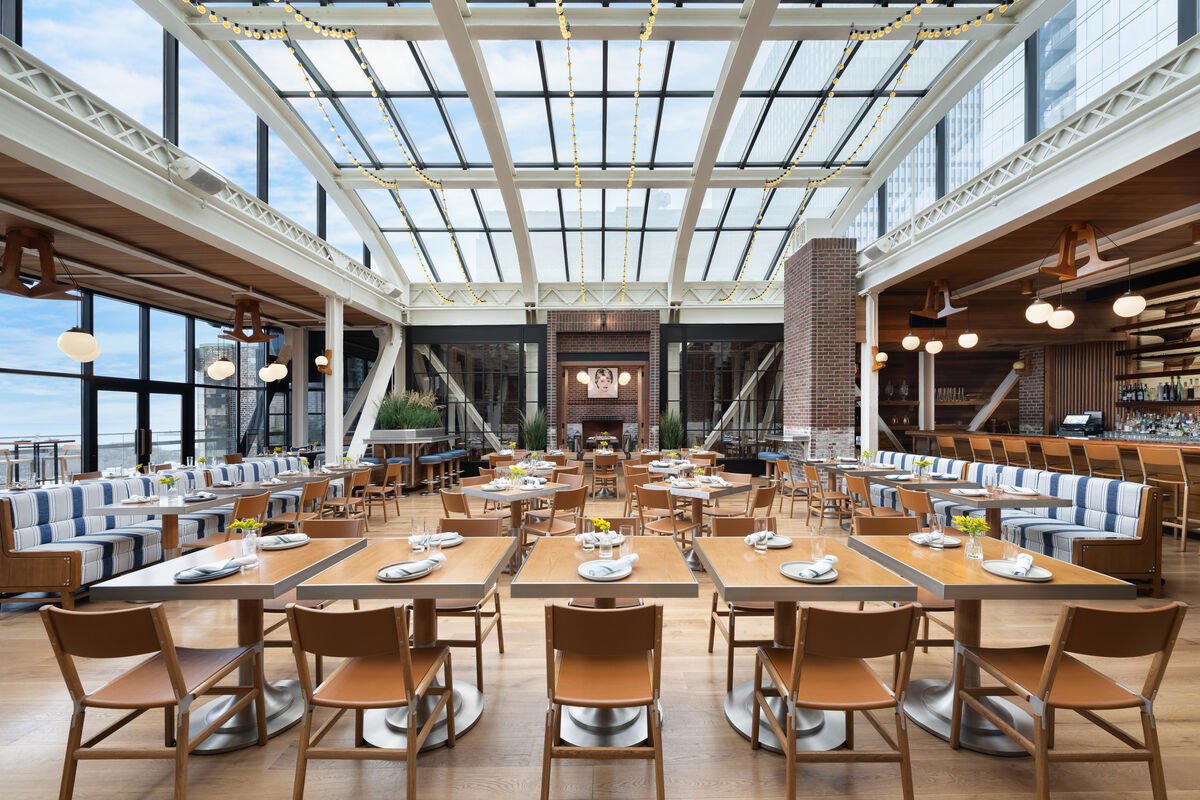
Michigan Avenue, Serious Dining
The stretch of South Michigan Avenue running along Grant Park has long functioned as Chicago's civic showcase: the Art Institute on one side, Millennium Park's steel geometry on the other, and a procession of addresses that trade on the postcode as much as the plate. Fine dining on this corridor competes with the view, and the better kitchens here understand that the room's visual authority demands an equivalent standard from the food. Midōsuji is a restaurant at 12 S Michigan Ave in Chicago, serving Nouvelle Japanese Omakase at a $195 price point.
Chicago's fine-dining tier has spent the past decade sorting itself into distinct camps. At the leading end, tasting-menu formats with strong sourcing narratives have drawn critical attention, a pattern visible at Alinea, Smyth, and Oriole, each of which has built a reputation on kitchen discipline and ingredient provenance rather than room size or celebrity footfall. Midōsuji enters that conversation from Michigan Avenue, an address that historically skewed toward occasion dining rather than the deeper culinary focus those West Loop and River North peers represent.
Where the Food Comes From, and Why That Question Has Weight
Across American fine dining, the sourcing conversation has matured considerably. A decade ago, a menu listing a named farm or regional producer read as a differentiator. Now, at the upper tier of serious restaurants, sourcing transparency is closer to baseline expectation. The meaningful question is no longer whether a kitchen names its suppliers, but whether the sourcing logic actually shapes what arrives on the plate: whether the seasonality is genuine, whether the producer relationships affect preparation choices, whether the kitchen's technique bends around the ingredient rather than the other way around.
This is the standard applied by particularly credentialed American kitchens. Blue Hill at Stone Barns in Tarrytown built an entire operational model around agricultural sourcing, running its own farm as the menu's foundation. Single Thread Farm in Healdsburg folds farm-to-table logic into a Japanese-influenced kaiseki structure. The French Laundry in Napa maintains kitchen garden beds that directly supply the tasting menu. These are the reference points against which ingredient-led fine dining is now measured in the United States, regardless of city.
In Chicago specifically, Kasama has demonstrated that ingredient specificity can coexist with a Filipino culinary framework, using hyper-local sourcing inside a cultural tradition not historically associated with farm-to-table marketing language. Next Restaurant has taken a different angle, rotating its entire concept seasonally in ways that force the kitchen to engage with whatever a given period and place produces. Both approaches reflect a Chicago dining culture that has grown impatient with sourcing as décor.
The Michigan Avenue Address in Context
Chicago's premium dining geography is rarely discussed with the same intensity as New York's or San Francisco's, but the city's tasting-menu tier competes credibly with both coasts. The comparison holds when you measure by booking lead times, prix-fixe price points, and critical recognition: Chicago's leading tables sit in the same bracket as Le Bernardin in New York, Lazy Bear in San Francisco, and Providence in Los Angeles, restaurants where occasion dining carries genuine culinary weight rather than functioning as background to event photography.
South Michigan Avenue adds a specific wrinkle to that calculation. The postcode attracts hotel dining, tourist trade, and corporate accounts in proportions that differ from the Fulton Market or West Loop corridors where Chicago's most-discussed kitchens have concentrated. A restaurant choosing 12 S Michigan Ave is making a bet that the address's visibility and foot traffic outweigh the category assumptions the neighbourhood carries. Whether that bet pays in culinary terms depends on what the kitchen prioritizes when the room is full of guests who may not have sought it out on the strength of a sourcing narrative.
The same geographic logic plays out in other cities. Addison in San Diego and The Inn at Little Washington in Washington both operate in contexts where the address carries associations that cut across strictly culinary lines, yet both have built credentialed programs that hold up inside the national fine-dining conversation. Bacchanalia in Atlanta has done the same in a city whose dining reputation was long underestimated. Location assumptions are beatable, but beating them requires a kitchen that leads with food rather than postcode.
How Midōsuji Sits Relative to Chicago Peers
| Venue | Format | Price Tier | Booking Lead | Neighbourhood |
|---|---|---|---|---|
| Midōsuji | TBC | TBC | TBC | Michigan Ave / Loop |
| Alinea | Tasting menu | $$$$ | Months ahead | Lincoln Park |
| Smyth | Tasting menu | $$$$ | Weeks ahead | West Loop |
| Kasama | Tasting menu / casual | $$$$ | Weeks ahead | Ukrainian Village |
| Next Restaurant | Rotating tasting menu | $$$$ | Weeks ahead | West Loop |
Pattern across Chicago's confirmed top tier is consistent: prix-fixe formats, multi-week booking windows, and locations in residential or mixed-commercial neighbourhoods rather than the tourist corridor.
Planning a Visit
Given the address at 12 S Michigan Ave, Midōsuji is accessible from the Loop via multiple CTA lines, with Millennium Park and the Cultural Center both within walking distance. For visitors using the visit as part of a broader Chicago itinerary, the city's dining tier spans neighbourhoods, price points, and cuisine formats, including how the Loop and Michigan Avenue corridor relates to Fulton Market and the West Loop.
Booking is essential, the dress code is smart casual, and opening hours are Tue to Sat, 6 to 8:30 PM. For international comparison points in the fine-dining category, Atomix in New York and 8 1/2 Otto e Mezzo Bombana in Hong Kong represent the global standard against which ingredient-led tasting menus are increasingly benchmarked. Closer to home, Emeril's in New Orleans offers a useful contrast: a high-profile address that has maintained culinary seriousness across decades of tourism-heavy foot traffic.
How It Stacks Up
Comparable venues nearby, for context on price, style, and recognition.
| Venue | Cuisine | Price | Notes |
|---|---|---|---|
| MidōsujiThis venue — the venue you are viewing | Nouvelle Japanese Omakase | $$$$ | Not listed |
| Omakase on me | Modern Creative Omakase | $$$$ | Wrigleyville |
| SHŌ Omakase | Modern Japanese Omakase | $$$$ | Old Town |
| Naia | Pan-Mediterranean Riverfront | $$$$ | Loop |
| Arla | Seaside Mediterranean with Japanese influences | $$$$ | Gold Coast |
| Chicago Kalbi BBQ | Japanese Yakiniku BBQ | $$ | Albany Park |
At a Glance
- Intimate
- Elegant
- Sophisticated
- Modern
- Date Night
- Special Occasion
- Chefs Counter
- Historic Building
- Hotel Restaurant
- Sake Program
- Craft Cocktails
Current opening hours
- Monday
- Closed
- Tuesday
- 6–8:30 PM
- Wednesday
- 6–8:30 PM
- Thursday
- 6–8:30 PM
- Friday
- 6–8:30 PM
- Saturday
- 6–8:30 PM
- Sunday
- Closed
Hours can change for holidays and private events. Last verified .
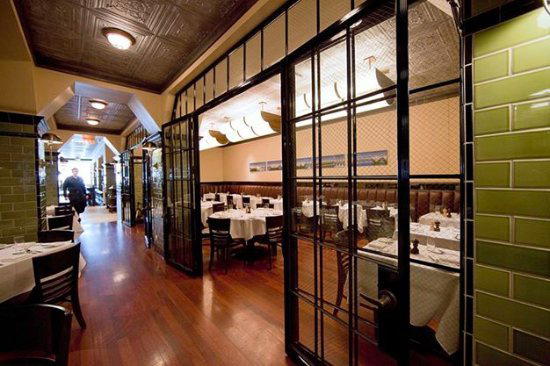
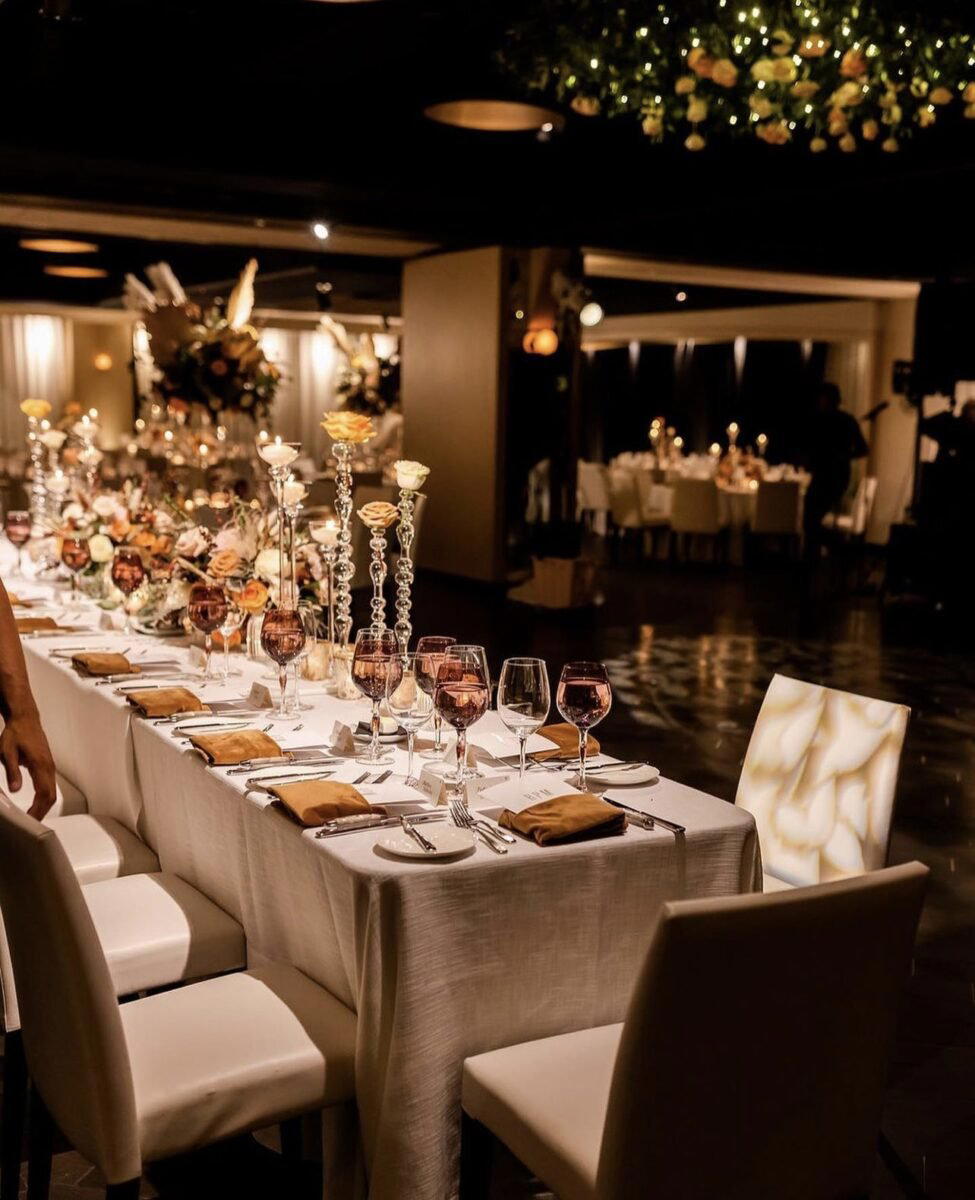
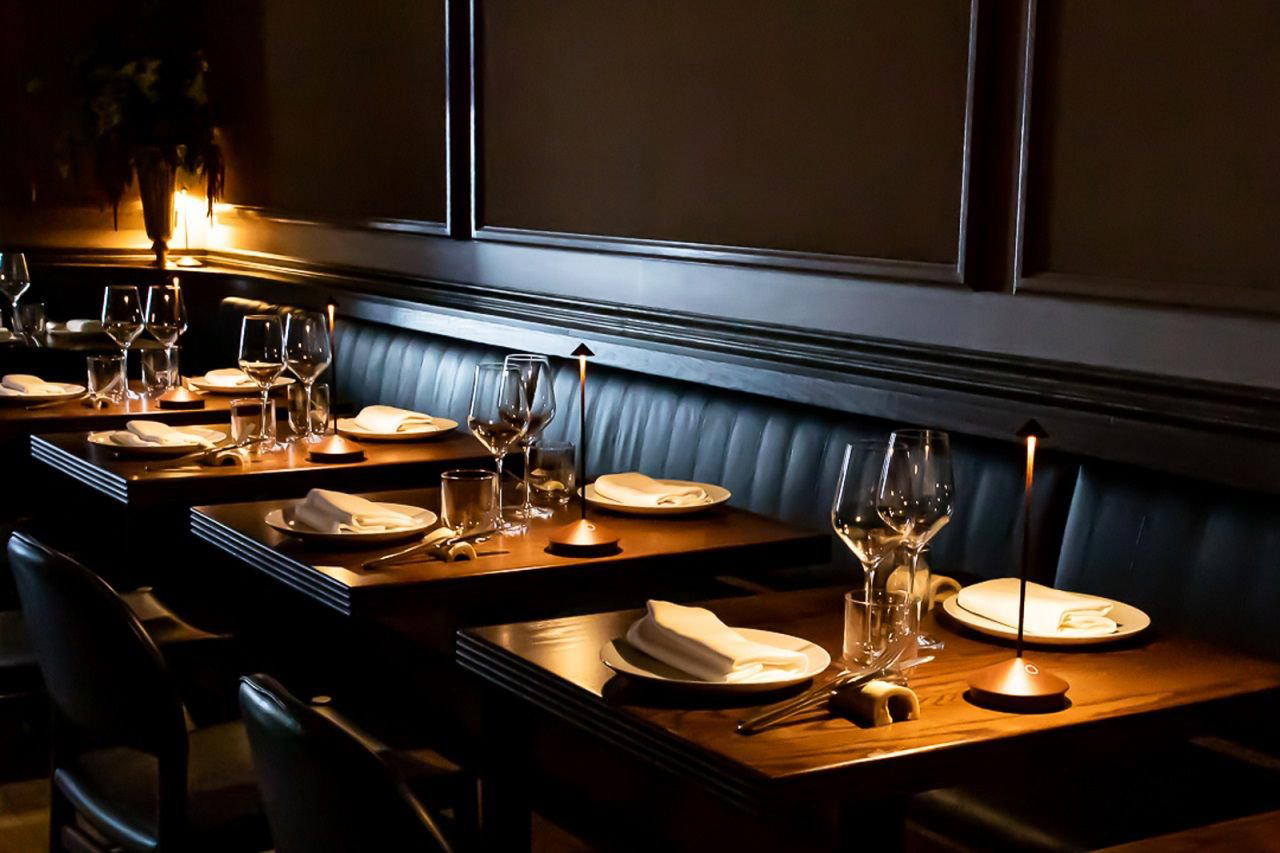
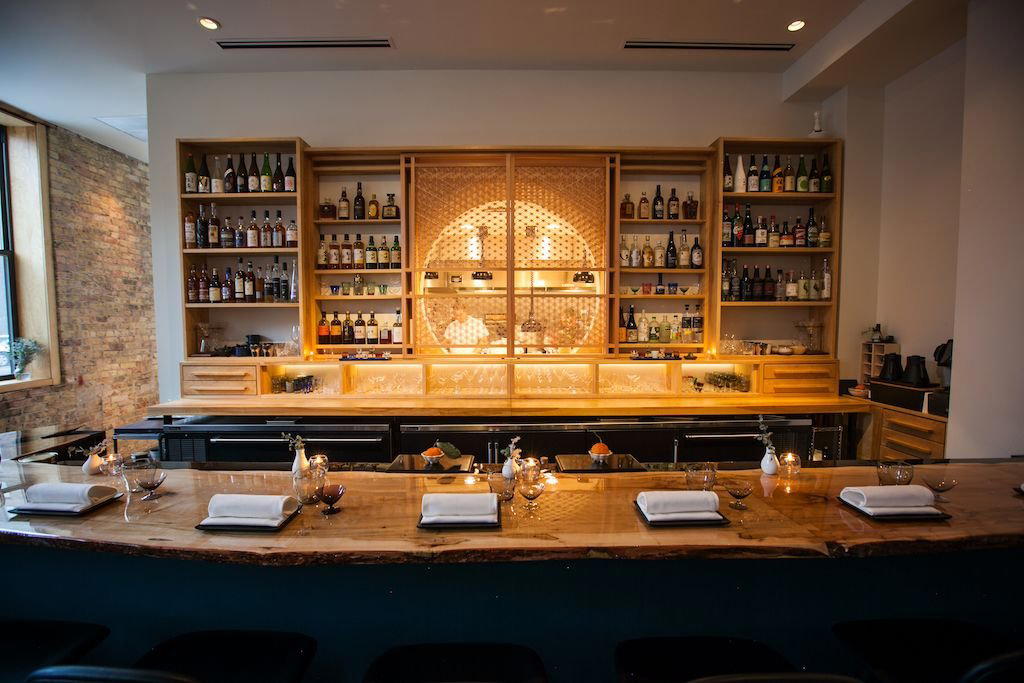
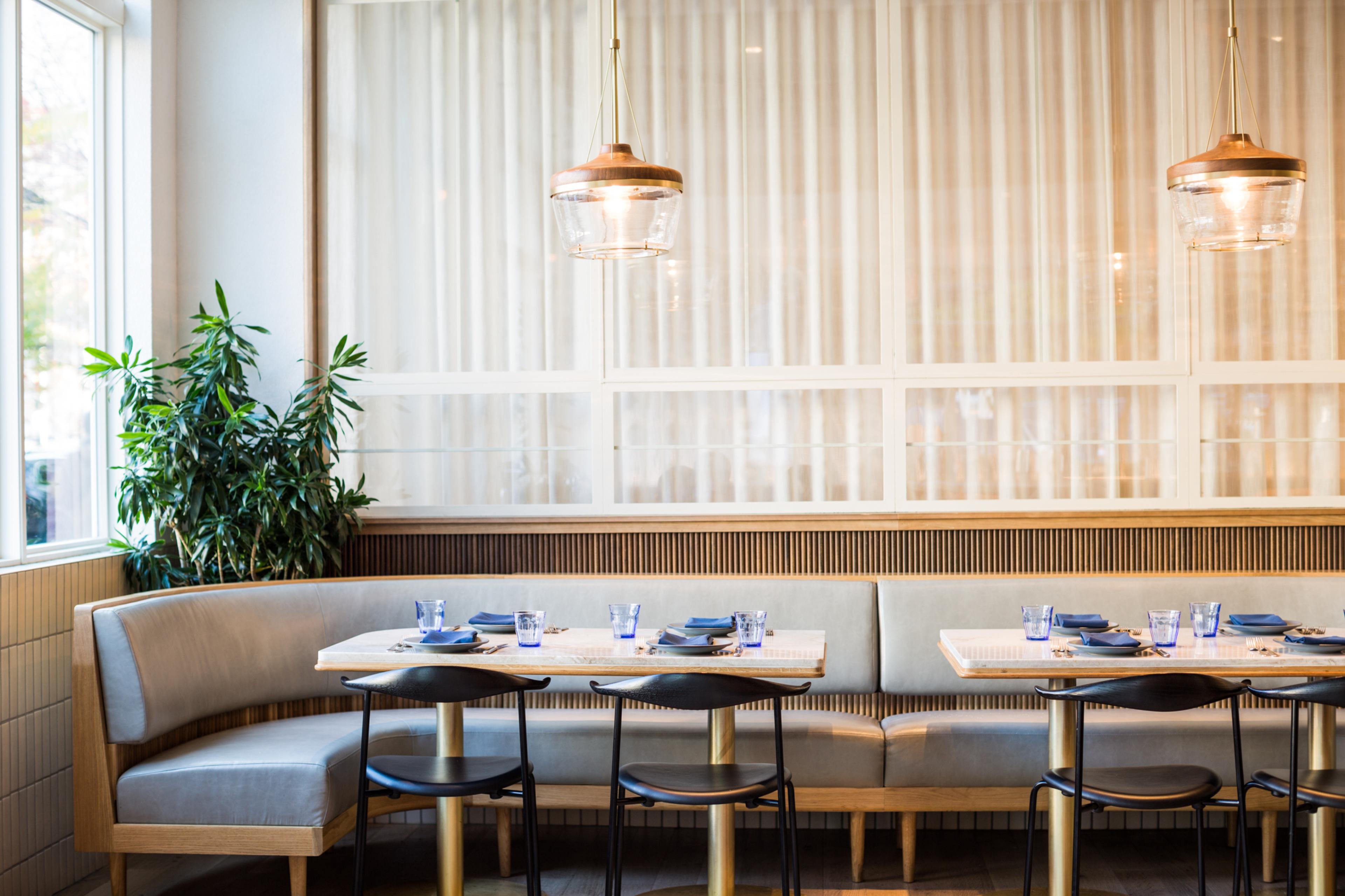
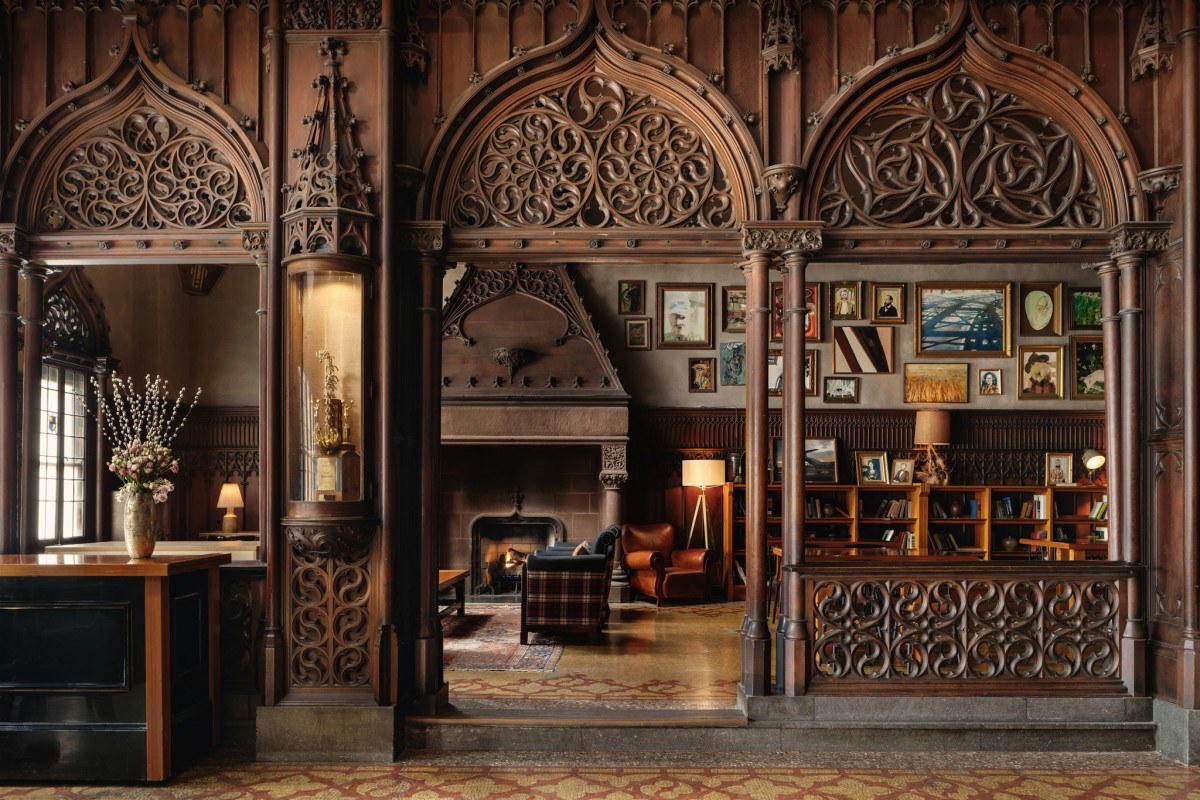
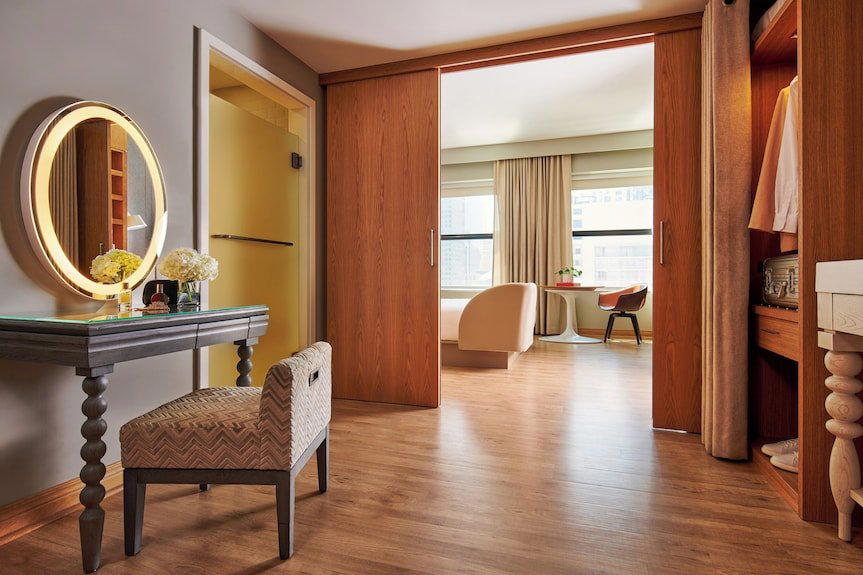
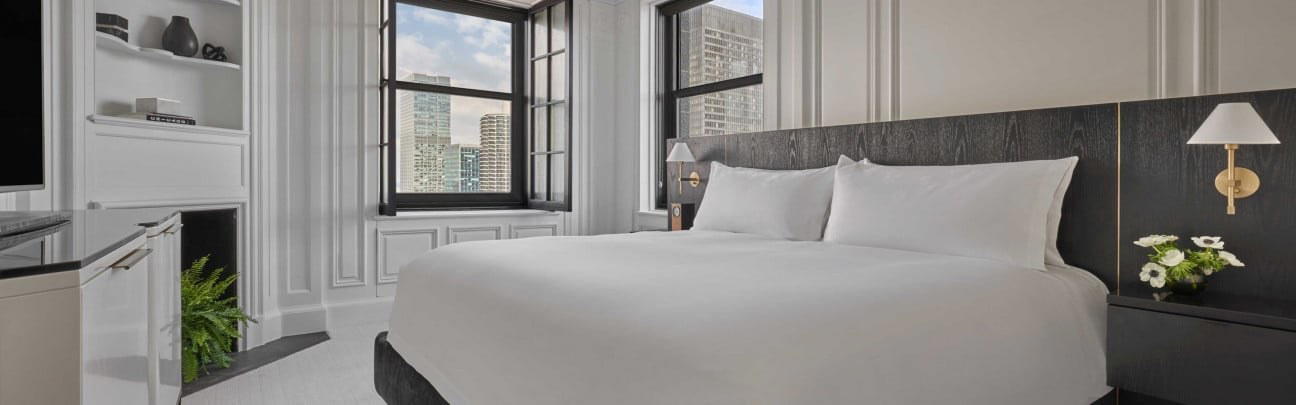
Dimly lit interior with original Prohibition-era flooring, exposed brick walls, and modern Japanese design elements creating an elegant and intimate atmosphere.