Arla
Arla brings a Mediterranean small-plates frame to Chicago with Japanese technique as the point of tension: shared dishes, sharper precision, and a table culture built for passing plates rather than sequencing courses. With no published awards, price, or booking details attached, it reads as a restaurant to judge by format and culinary direction rather than trophy signals.
Pearl is the En Primeur Club membership app — saves, bookings, and concierge access live there. Same editors, same standards.
- Address
- 15 E Oak St Fl 6, Chicago, IL 60611
- Phone
- (312) 800-1515
- Website
- arlachicago.com
- Directions
- Get directions
 Saves & bookings on Pearl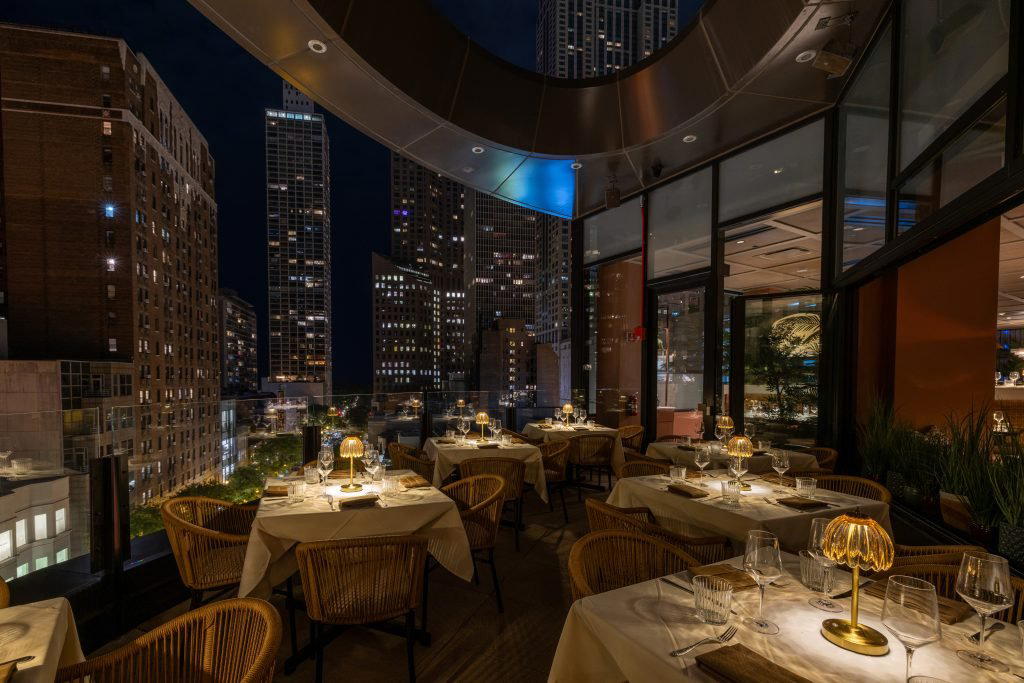
Chicago dining rooms announce themselves in different registers: steakhouse volume, West Loop polish, neighborhood warmth, counter-service speed. Arla belongs to a quieter contemporary category, where the room matters less as theater than as a setting for shared plates moving across the table. The useful lens is not a single plated entrée but the rhythm of meze: several dishes, staggered pacing, and a meal that improves when the table orders collectively.
Shared Mediterranean structure, Japanese technical pressure
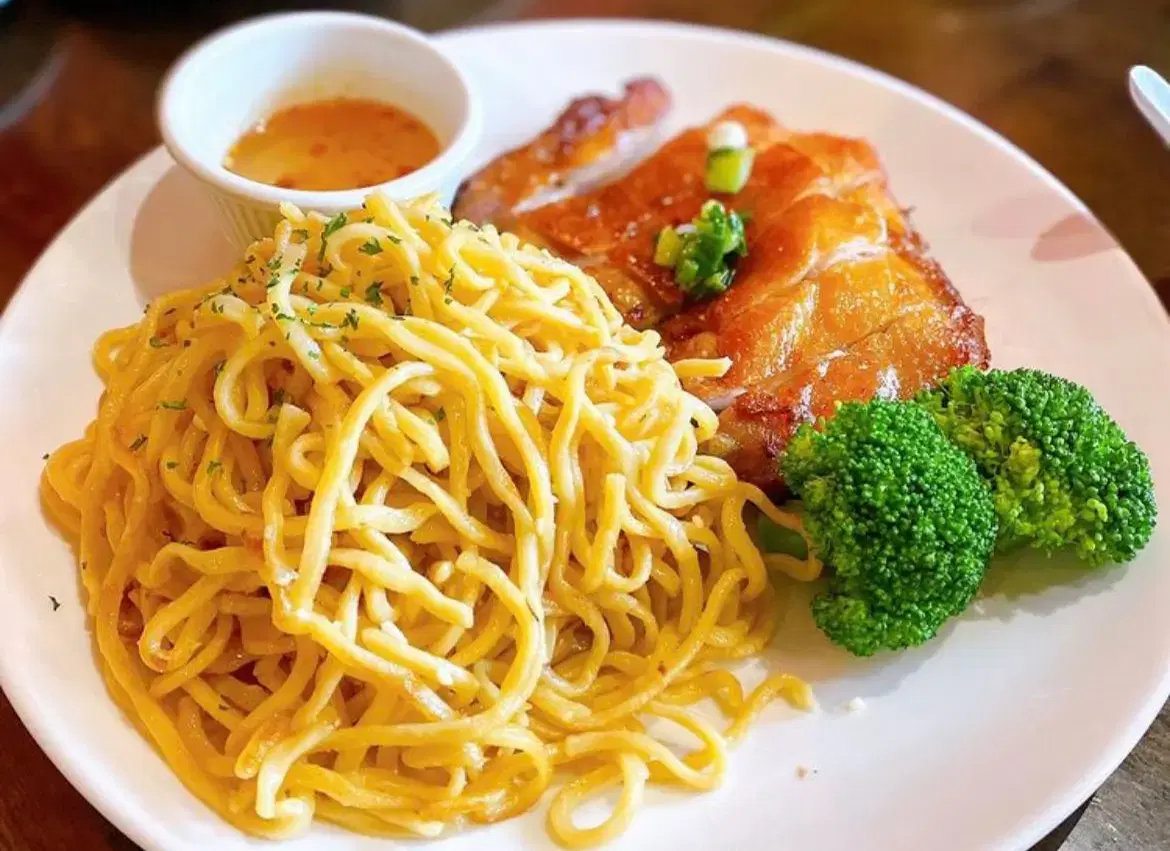
Mediterranean cooking has always been comfortable with abundance at the center of the table: dips, vegetables, grilled proteins, acid, herbs, bread, olive oil, and the social permission to eat in fragments. Japanese technique changes that equation. It can tighten knife work, sharpen temperature control, and bring a cleaner sense of balance to dishes that might otherwise lean rustic. Arla’s stated cuisine, Mediterranean with Japanese techniques, places it in that hybrid zone rather than in a conventional regional lane.
That distinction matters in Chicago, a city where diners are used to strong category signals. A restaurant can be a tavern, a tasting-menu room, a sushi counter, a red-sauce institution, or a polished hotel dining room. A Mediterranean-Japanese approach asks for a different kind of reading. The meal is likely to make more sense as a sequence of contrasts: bright against savory, grilled against raw or lightly handled, generosity against restraint. The table, not the individual plate, becomes the unit of measure.
For readers mapping Chicago by format, Our full Chicago restaurants guide gives the broader city view, while nearby category browsing across Our full Chicago bars guide, Our full Chicago hotels guide, Our full Chicago wineries guide, and Our full Chicago experiences guide helps place dinner inside a fuller evening or weekend plan.
Why the meze frame suits Chicago now
Chicago has long rewarded scale: large portions, large dining rooms, large reputations. The more interesting recent shift is toward flexibility. Diners want the ability to build a meal without committing to a fixed tasting menu, but they also expect more precision than a casual grazing format can deliver. Shared plates meet that demand when the kitchen has discipline. They let a table test the range of a menu, adjust the pace, and keep the meal social without flattening everything into snack food.
That is where Arla’s cross-current becomes useful. Mediterranean food gives the meal its social architecture; Japanese technique gives it potential restraint. The danger in this category is fusion as decoration, where a familiar dish receives a borrowed garnish and little else changes. The more convincing version uses technique to alter texture, seasoning, and pacing. In practical terms, the strongest order at this kind of restaurant is rarely one dish per person. It is a balanced spread: something cool, something grilled or seared, something vegetable-led, something richer, and enough carbohydrates or bread-adjacent structure to hold the table together.
EP Club readers comparing city dining patterns can see adjacent ways American restaurants define themselves through format rather than old regional labels: Jōdo Saké Bar in Los Angeles leans into a drinks-led Japanese frame, Onigiri Time in Pasadena narrows the brief around a specific Japanese staple, and -Grilled beef Sukiyaki- KAMAKURA TANUKIAN 鎌倉 たぬき庵 in Kamakura shows how a single traditional format can carry an entire meal. On the Mediterranean and broader casual side, ¿Por Qué No? in Portland and ¡Salud! in Los Angeles point to the American appetite for direct, social dining. Island and plant-forward references such as 'Ai Love Nalo in Waimanalo Beach, 'āina in San Francisco, and 'Ama 'Ama in Kapolei underline the same point: contemporary dining is often defined by how a kitchen organizes a table, not by a single national label.
How to read Arla before you book
With no public awards, chef credit, price band, address, hours, or seat count attached here, Arla should be approached through its declared culinary premise rather than through the usual status markers. That is not a weakness; it simply changes the decision. The question is whether the table wants a shared Mediterranean meal shaped by Japanese precision, not whether the restaurant carries the external shorthand of stars, rankings, or trophy credentials.
For Chicago diners, that places Arla in the useful middle ground between occasion dining and casual grazing. It is the kind of format that works when the group is willing to share, when the order can be built in waves, and when no one needs the security of a single entrée as the main event. If the table includes cautious eaters, the Mediterranean side of the equation gives familiar footing. If it includes diners who track technique, the Japanese influence is the reason to pay attention.
Other Chicago listings in the EP Club index show how broad the city’s restaurant map has become, from 1776 Restaurant, 3 Arts Club Cafe, and 312 Fish Market to address-led or neighborhood-specific entries such as 3259 E 95th St and 90th Meridian. Arla’s place in that map is defined less by a publicly documented accolade trail than by a clear culinary proposition: communal Mediterranean dining with Japanese technique tightening the frame.
Comparable Venues Nearby
Comparable venues nearby, for context on price, style, and recognition.
| Venue | Cuisine | Price | Notes |
|---|---|---|---|
| ArlaThis venue — the venue you are viewing | Seaside Mediterranean with Japanese influences | $$$$ | Not listed |
| Nic + Junior's | Italian-Brazilian Fusion | $$$ | River North |
| Beatnik On The River | Mediterranean-Moroccan-Italian Fusion | $$$ | Loop |
| Class Act | Avant-Garde Fusion Tasting Menu | $$$$ | Bucktown |
| Kayao | Peruvian-Asian Fusion | $$$$ | Old Town |
| Sunda New Asian | Modern Southeast Asian | $$$ | River North |

At a Glance
- Elegant
- Sophisticated
- Modern
- Scenic
- Trendy
- Minimalist
- Date Night
- Business Dinner
- Group Dining
- Celebration
- Special Occasion
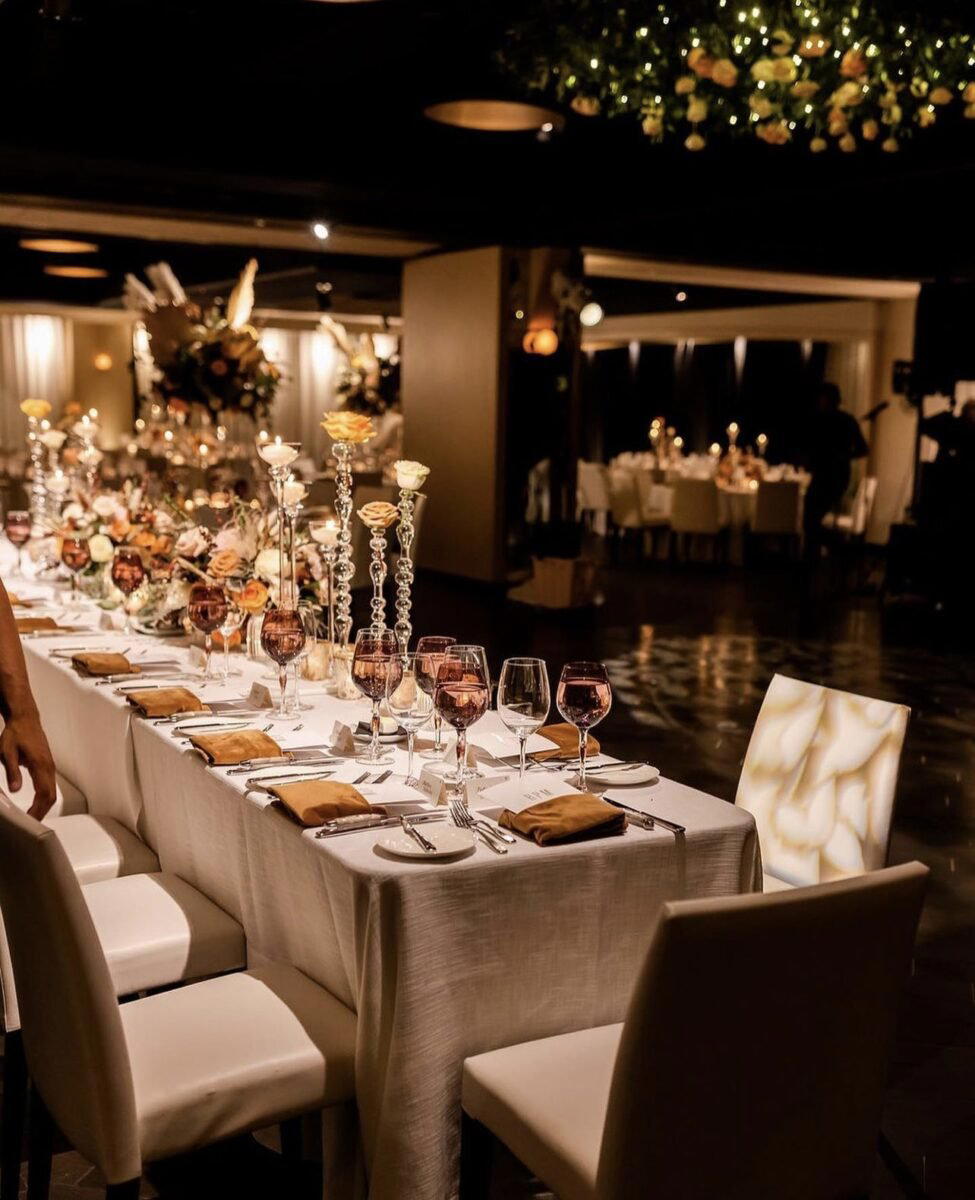
- Private Event
- Rooftop
- Terrace
- Panoramic View
- Design Destination
- Standalone
- Craft Cocktails
- Extensive Wine List
- Sustainable Seafood
- Waterfront
- Skyline
- Street Scene
Current opening hours
- Monday
- 5 PM–12 AM
- Tuesday
- 5 PM–12 AM
- Wednesday
- 5 PM–12 AM
- Thursday
- 5 PM–12 AM
- Friday
- 5 PM–1 AM
- Saturday
- 4 PM–1 AM
- Sunday
- 4–11 PM
Hours can change for holidays and private events. Last verified .
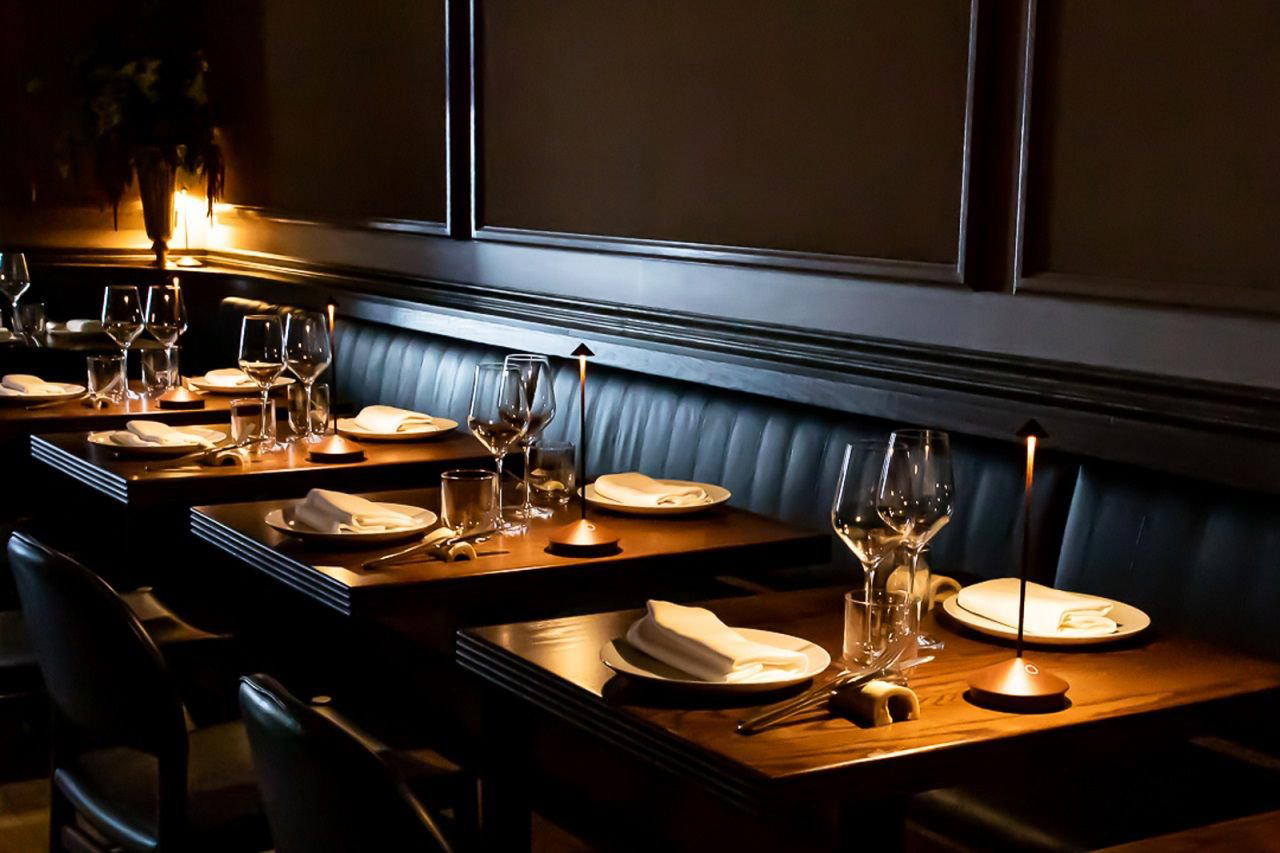
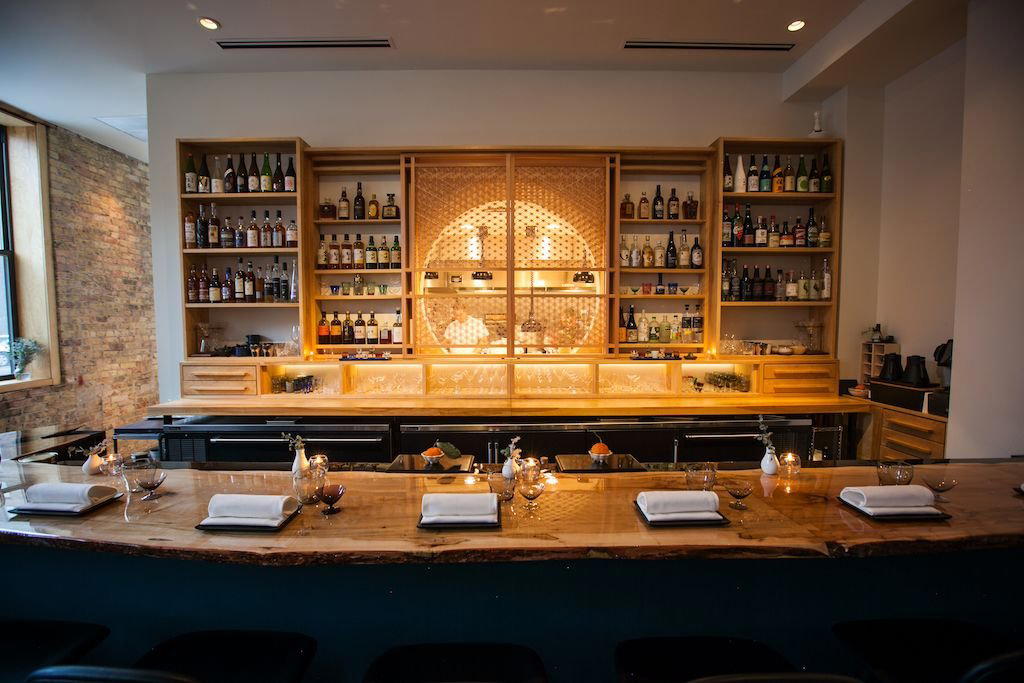
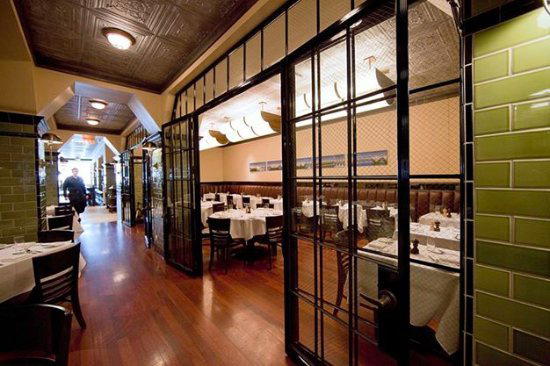
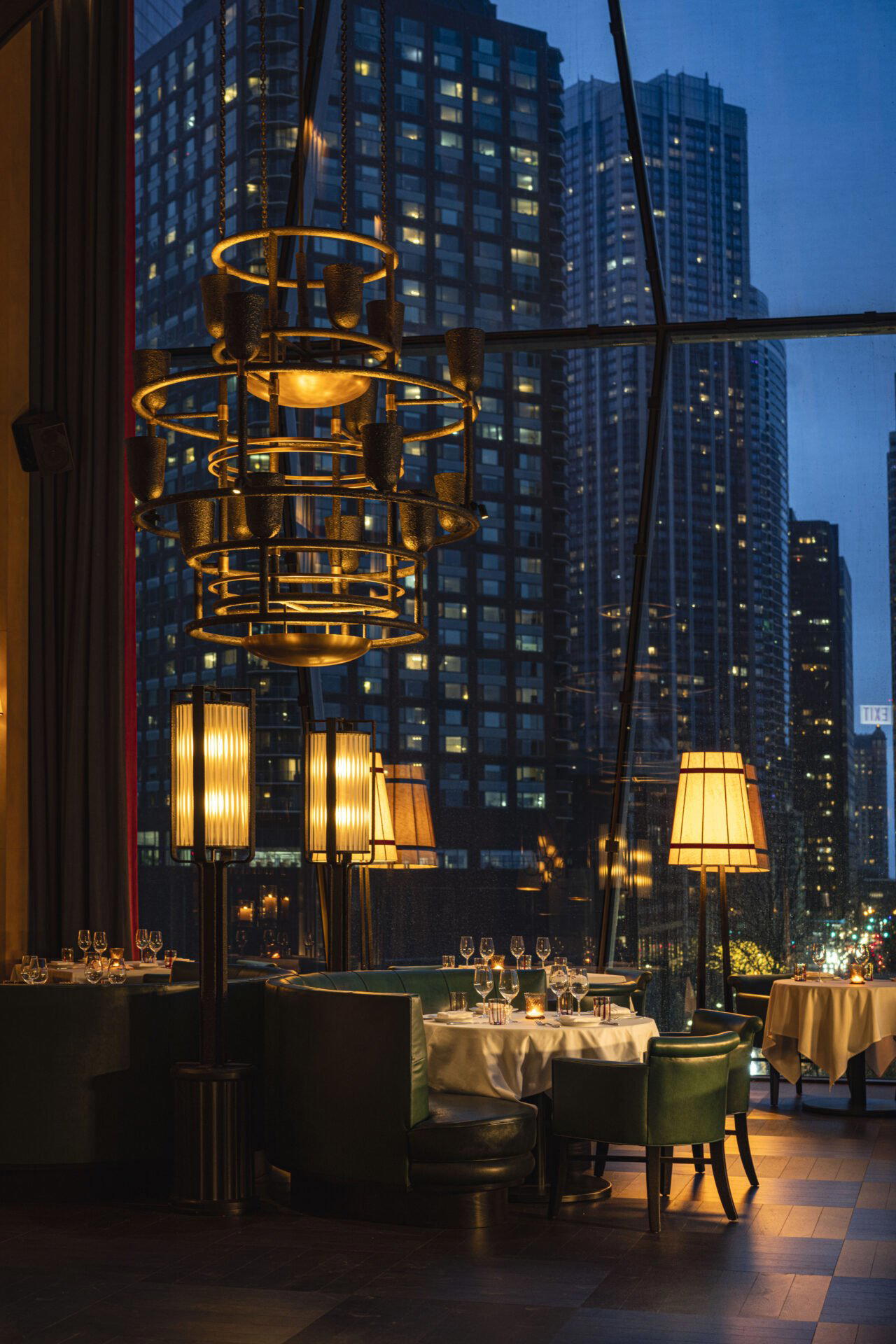
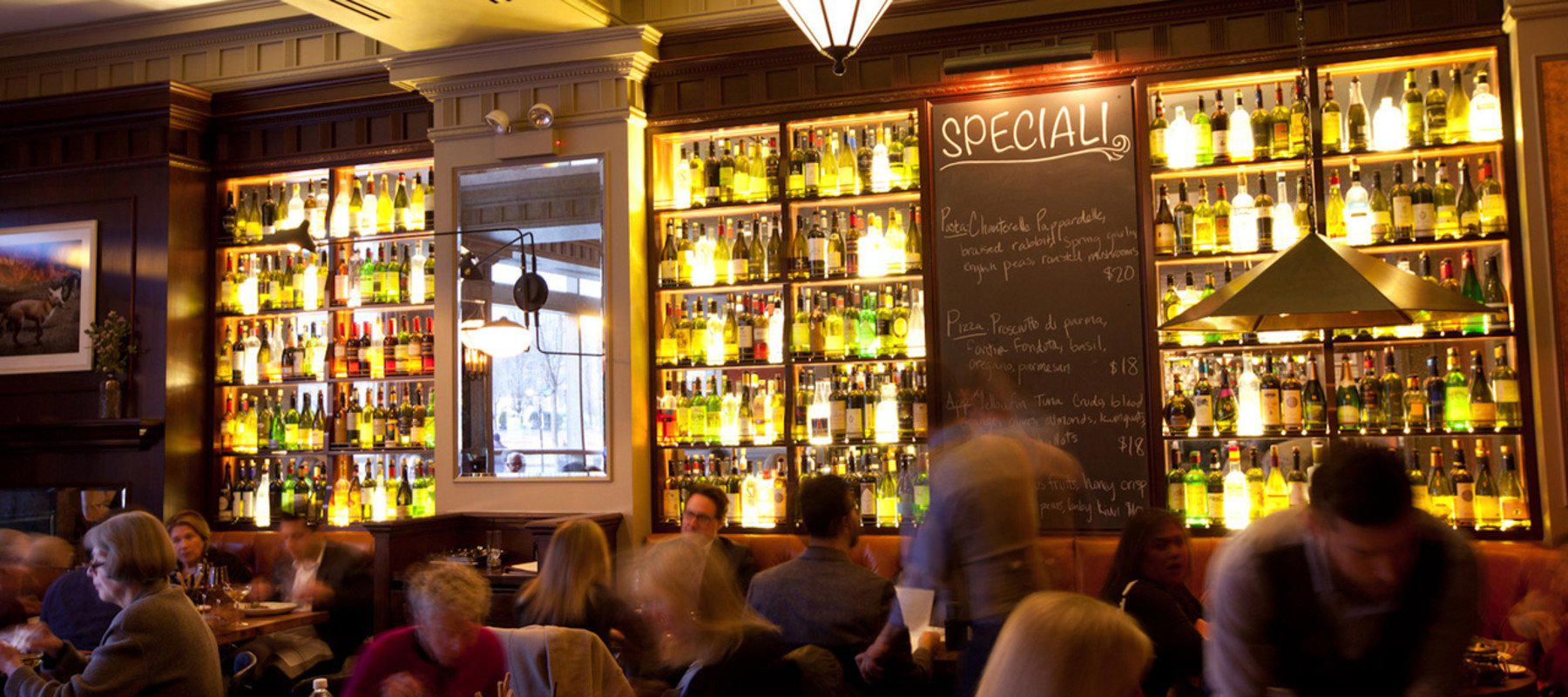
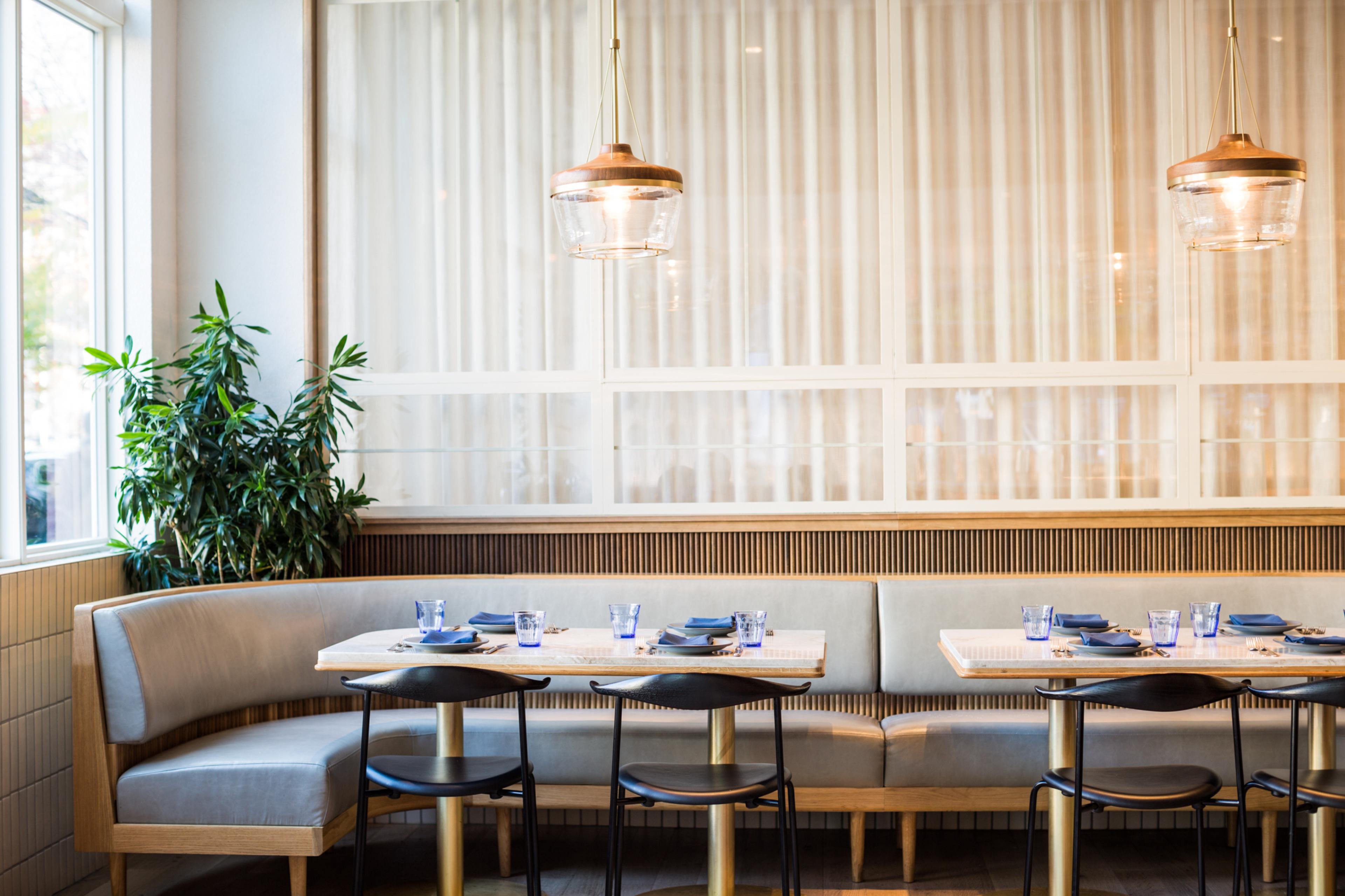
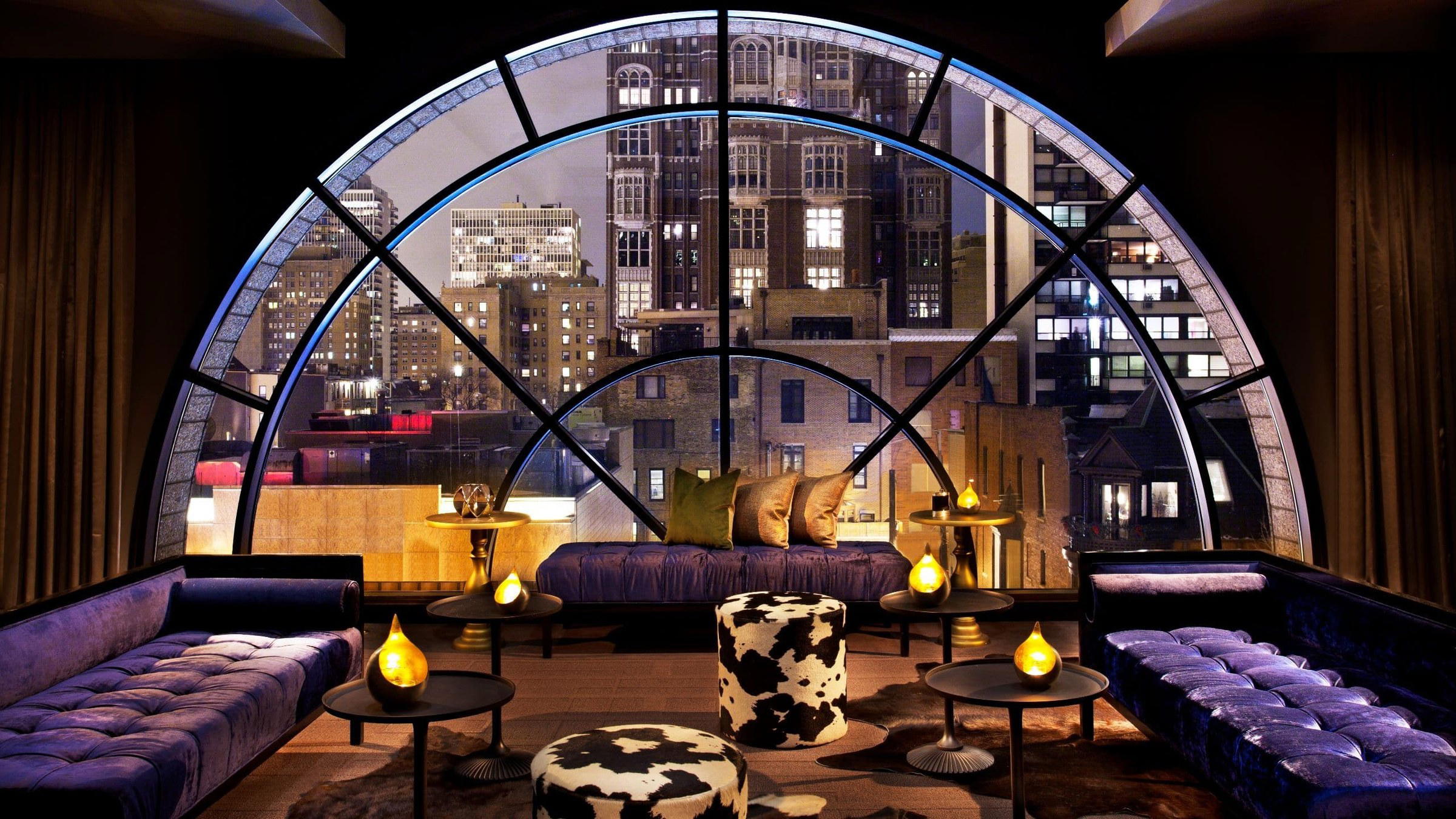
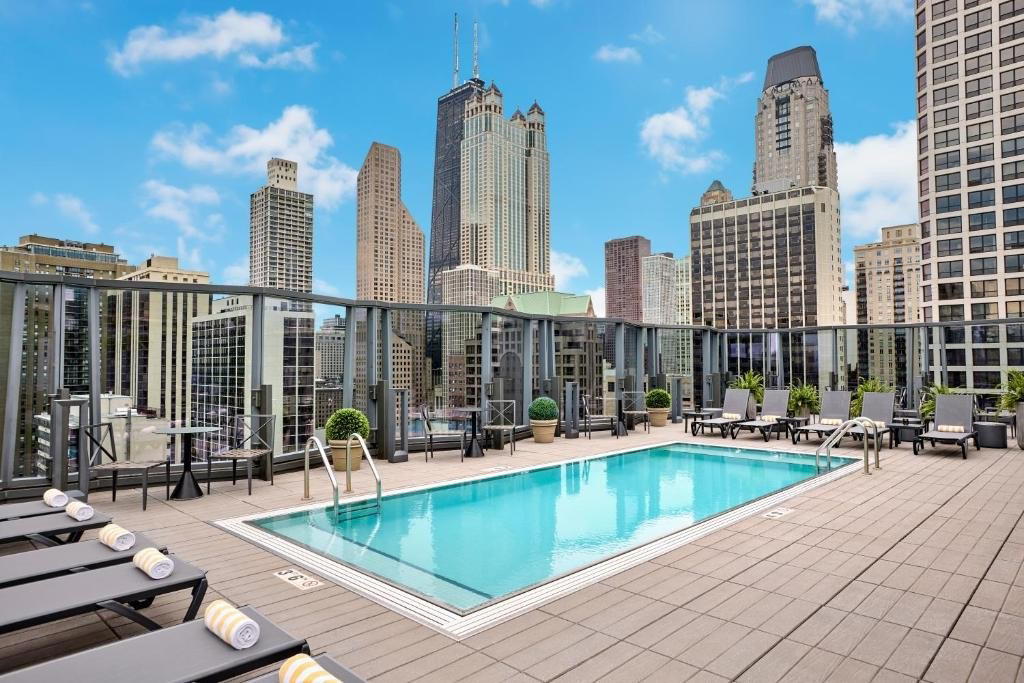
Design-driven and luxurious, with gold accents, wood, marble, and patterned finishes that blend Mediterranean warmth with Japanese minimalism, set against panoramic city and lake views for a polished, special-occasion atmosphere.