Naia
Naia brings Mediterranean and seafood cooking to Chicago's competitive fine-dining tier, placing it alongside a city increasingly drawn to ocean-focused, sourcing-conscious kitchens. The restaurant operates within a broader regional movement toward lighter, ingredient-led cuisine that contrasts with Chicago's historically meat-forward dining identity. For visitors tracking sustainability-conscious restaurants in the Midwest, Naia occupies a noteworthy position in that conversation.
Pearl is the En Primeur Club membership app — saves, bookings, and concierge access live there. Same editors, same standards.
- Address
- Chicago, United States
- Website
- naiarestaurant.com
- Directions
- Get directions
 Saves & bookings on Pearl
Where Chicago's Seafood Conversation Is Heading
Naia is a Pan-Mediterranean Riverfront restaurant in Chicago. Chicago has spent the better part of two decades building a fine-dining identity around precision and provocation. Alinea set the terms for invention; Smyth and Oriole extended that rigor into more ingredient-focused territory. What the city has been slower to develop, relative to coastal markets, is a sustained conversation around seafood as the primary vehicle for fine dining. That is starting to change, and Naia sits inside that shift.
Mediterranean and seafood-led kitchens occupy a specific position in any inland city's dining hierarchy. They carry an implicit argument: that sourcing logistics, handled carefully, can deliver the same product integrity you expect closer to the coast. In Chicago, where diners have watched Kasama and Next Restaurant demonstrate what a commitment to a culinary framework can achieve, the bar for that argument is high. Naia engages it seriously.
The Sustainability Frame in a Landlocked City
Sustainability storytelling in restaurants tends to resolve into one of two modes: the farm-to-table shorthand that has become almost meaningless through repetition, or a more operationally specific commitment to traceability, waste reduction, and sourcing ethics that actually changes what arrives on the plate. Mediterranean cuisine, at its core, is structurally well-suited to the latter. The tradition is built around vegetables, legumes, and smaller fish, ingredients that carry lighter environmental loads than land-based proteins or large pelagic species. A kitchen working in that tradition has the architecture to make sustainability a culinary choice rather than a marketing overlay.
For a Chicago restaurant operating in the Mediterranean and seafood space, that means navigating a supply chain that stretches further than it would for an equivalent kitchen in New York or Los Angeles. Comparison points like Le Bernardin in New York City or Providence in Los Angeles operate in port-adjacent markets where daily product arrival is structurally different. Inland fine-dining seafood kitchens must make more deliberate decisions about what they serve and when, which can actually enforce a seasonal discipline that coastal restaurants sometimes lack.
The Mediterranean tradition itself rewards that discipline. Seasonal anchoring is not an add-on philosophy in this cuisine, it is the cuisine. Grilled octopus is a summer dish in Aegean tradition because summer water temperatures and feeding patterns produce a different animal than winter catch. Citrus-cured fish changes character across the year. A kitchen that respects those rhythms will present a menu that reads differently in January than in July, and that difference is the signal worth watching.
Placing Naia in Chicago's Competitive Set
Chicago's upper-tier restaurant landscape divides, broadly, between the tasting-menu counter format that has defined the city's international reputation and a more accessible fine-casual tier that has grown substantially in the last five years. Mediterranean-coded restaurants operating at serious price points occupy a middle position in that structure: they rarely deploy the full omakase or prix-fixe machinery, but they operate well above casual spend levels and compete on product quality and kitchen precision.
At that level, the relevant peer comparison is less about cuisine category and more about sourcing credibility and kitchen discipline. Single Thread Farm in Healdsburg has made an entire identity out of the distance between farm and plate; The French Laundry in Napa has maintained product-obsession as a competitive signal for decades. In Chicago, the question for any seafood-focused kitchen is whether it can hold that standard with a more complex logistics chain. Naia's position in the Mediterranean seafood tier puts it in direct conversation with that question.
The Mediterranean category remains smaller than the progressive American tier in Chicago, which makes each entry in it more legible as a distinct proposition. Naia is one of the few restaurants in the city operating primarily within that tradition at a level that invites serious comparison to what coastal Mediterranean kitchens are doing in Europe and the US coasts.
Mediterranean Seafood as a Global Reference Point
The reference frame for serious Mediterranean seafood dining extends well beyond American fine dining. Alain Ducasse at Louis XV in Monte Carlo has spent decades demonstrating that Mediterranean sourcing and classical French technique can produce cuisine at the highest level. 8 1/2 Otto e Mezzo Bombana in Hong Kong shows what Mediterranean-Italian cuisine looks like when transplanted to a market that demands the same product quality in a distant geography. Both cases are instructive: the cuisine travels when the sourcing commitment does, and when the kitchen understands that the tradition is not reducible to sun-drenched aesthetics.
Chicago diners familiar with the broader American fine-dining conversation around seafood will find useful comparison points in Lazy Bear in San Francisco and Emeril's in New Orleans, both of which have built strong identities around product-led cooking in their respective markets. The question Naia poses is whether Chicago, a city that has proven its capacity for precision cooking at the highest level, can sustain the same product conversation in a Mediterranean idiom.
Planning a Visit
Mediterranean kitchens of this caliber in competitive urban markets typically run at high occupancy on weekends and benefit from advance reservations, particularly for groups. Seasonal menu changes, common in cuisine traditions where the calendar drives the product, can also shift the experience meaningfully depending on when you go.
Cost Snapshot
Comparable venues nearby, for context on price, style, and recognition.
| Venue | Cuisine | Price | Notes |
|---|---|---|---|
| NaiaThis venue — the venue you are viewing | Loop, Pan-Mediterranean Riverfront | $$$$ | Not listed |
| LAUREL | Not listed | $$$$ | Gold Coast, Mediterranean with New American influences |
| Aba | Not listed | $$$ | West Loop, Modern Mediterranean with California Influence |
| Seville Chicago | Not listed | $$$ | The Loop, Rustically Refined Mediterranean |
| Avec | Not listed | $$$ | West Loop, Rustic Mediterranean Small Plates & Wine Bar |
| MEDI | Not listed | $$$ | Lincoln Park, Modern Lebanese Mediterranean |





At a Glance
- Scenic
- Modern
- Elegant
- Lively
- Group Dining
- Special Occasion
- Brunch
- Celebration
- Waterfront
- Open Kitchen
- Private Dining
- Terrace
- Craft Cocktails
- Waterfront
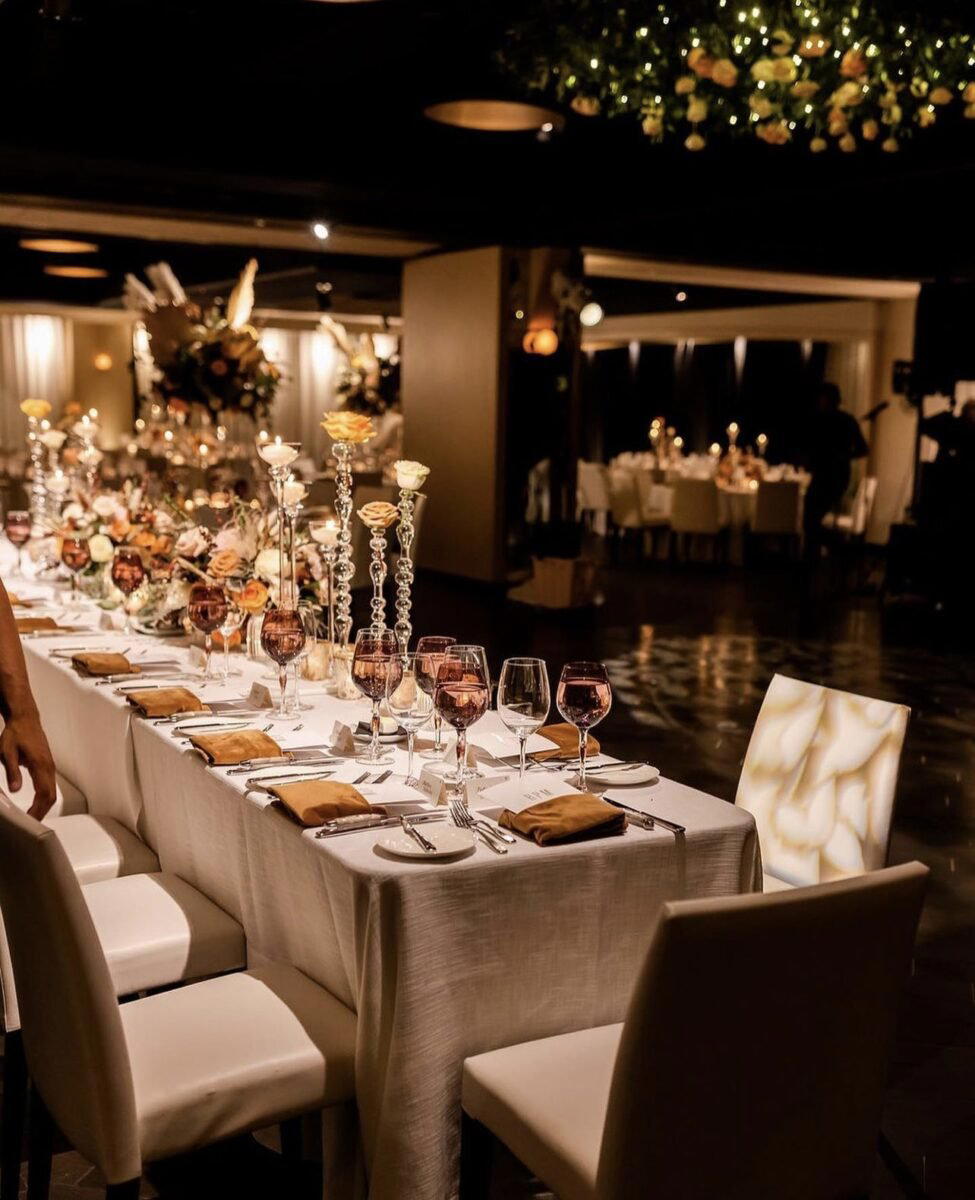
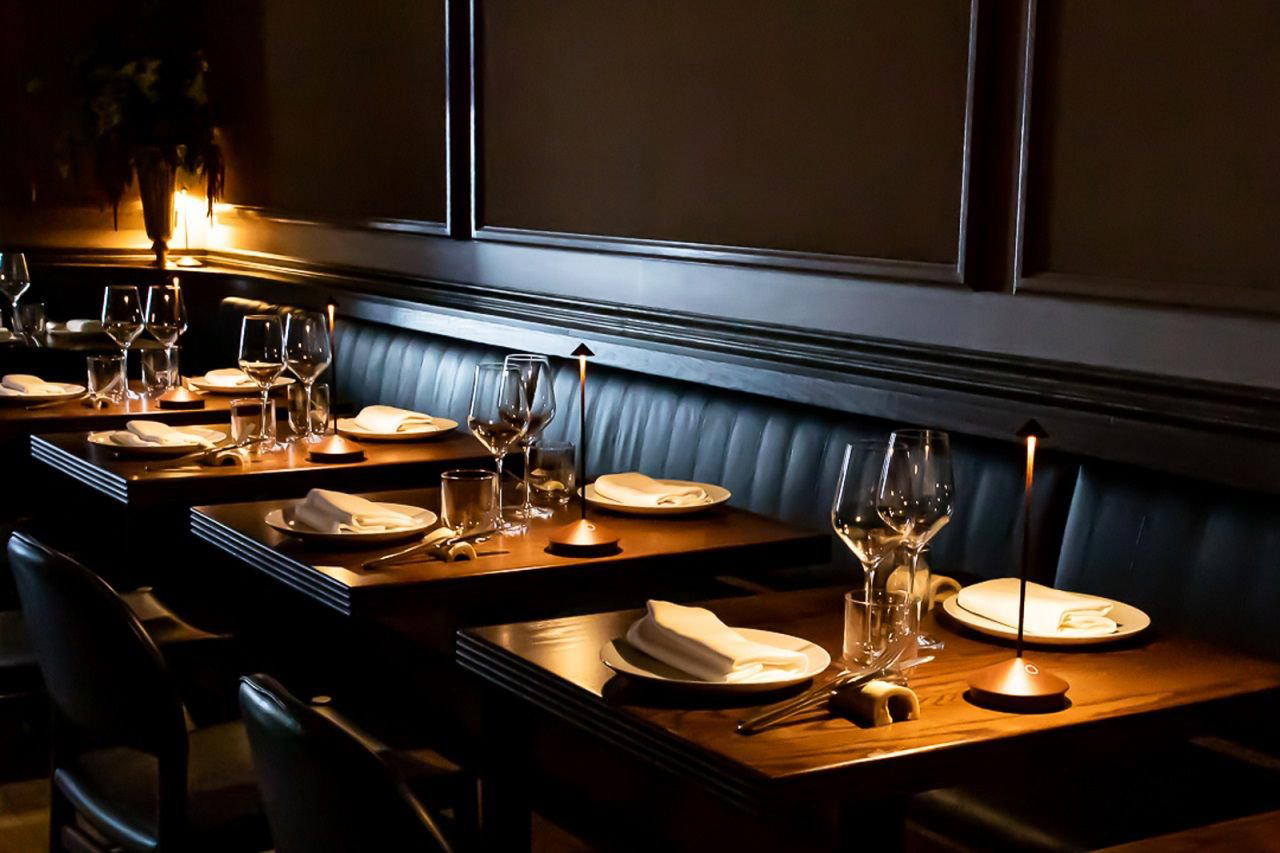
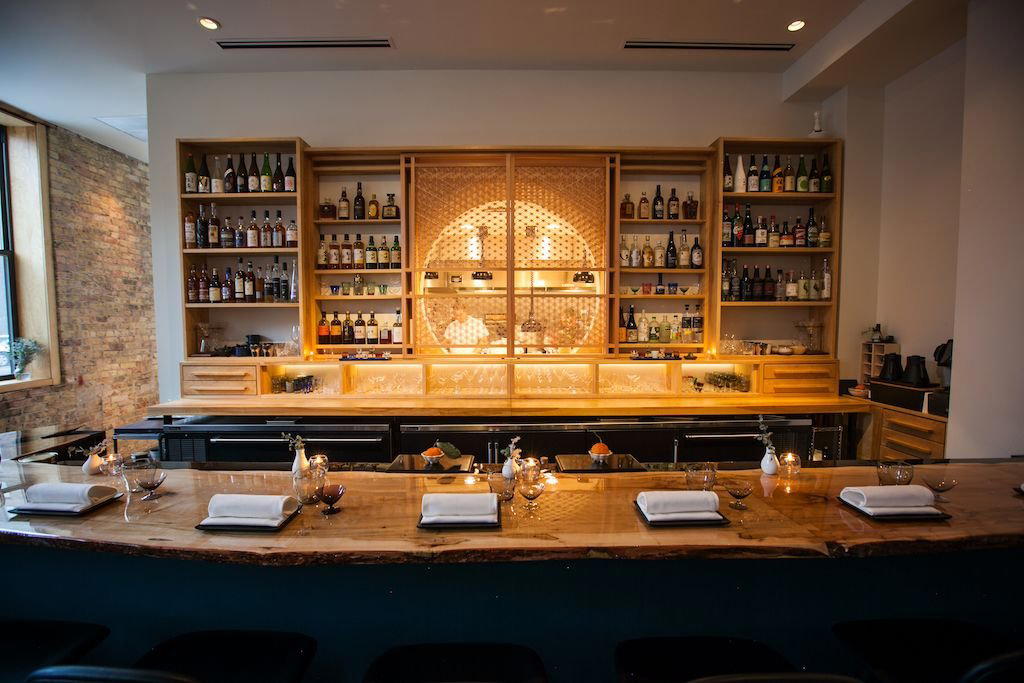
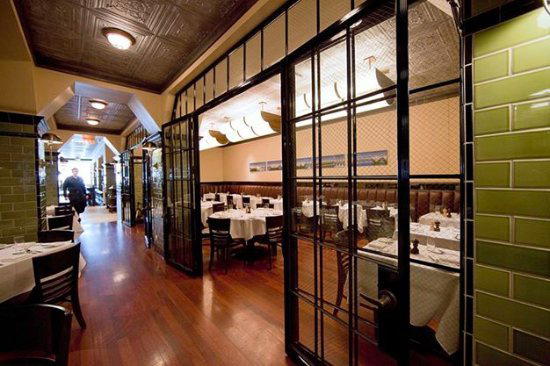
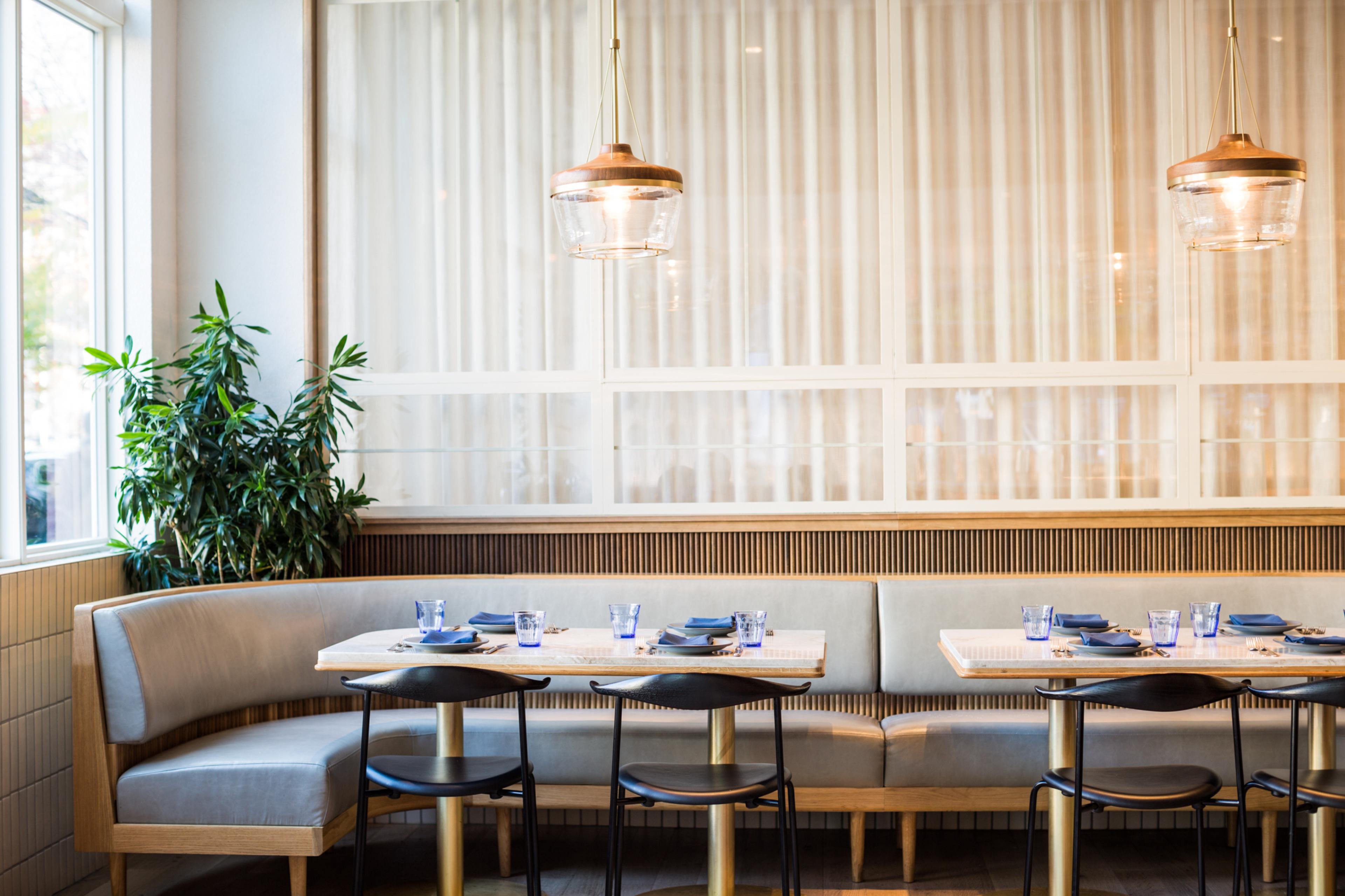
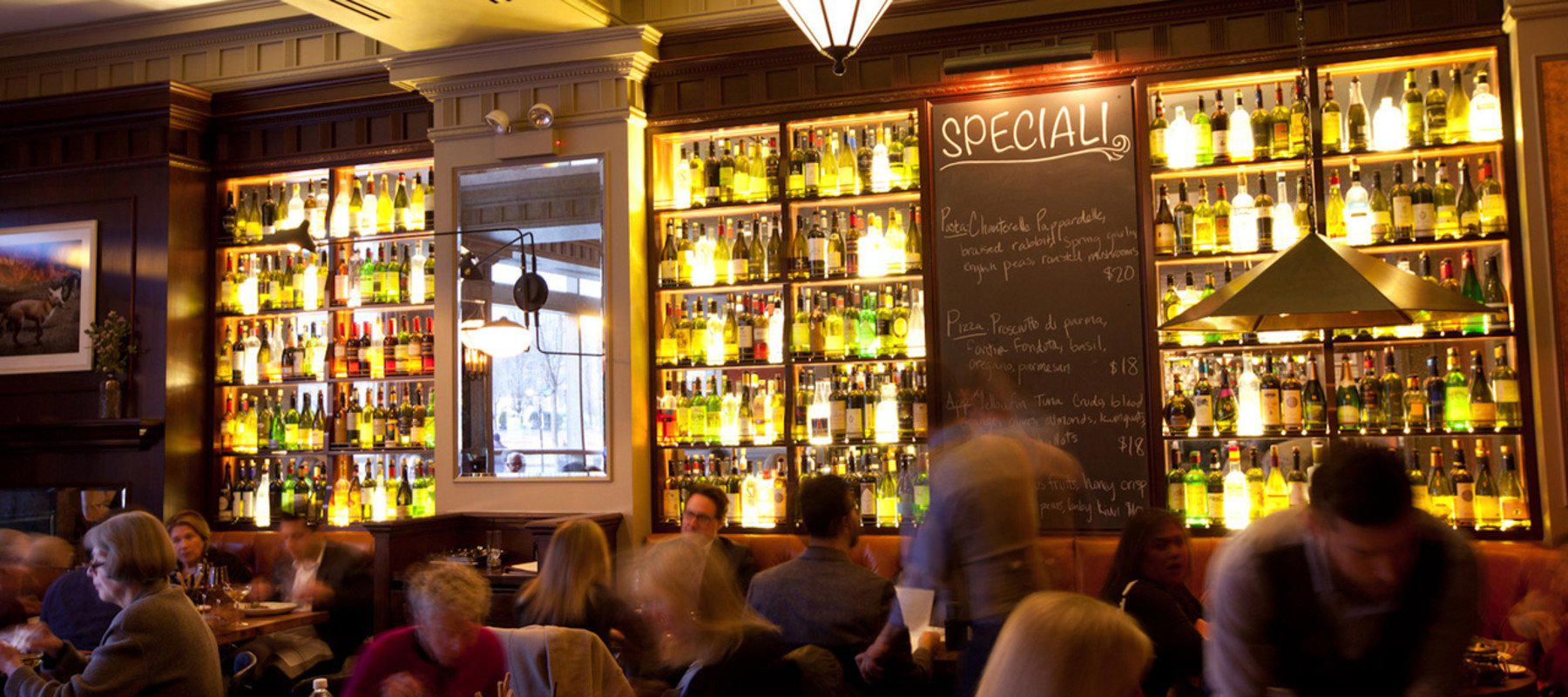
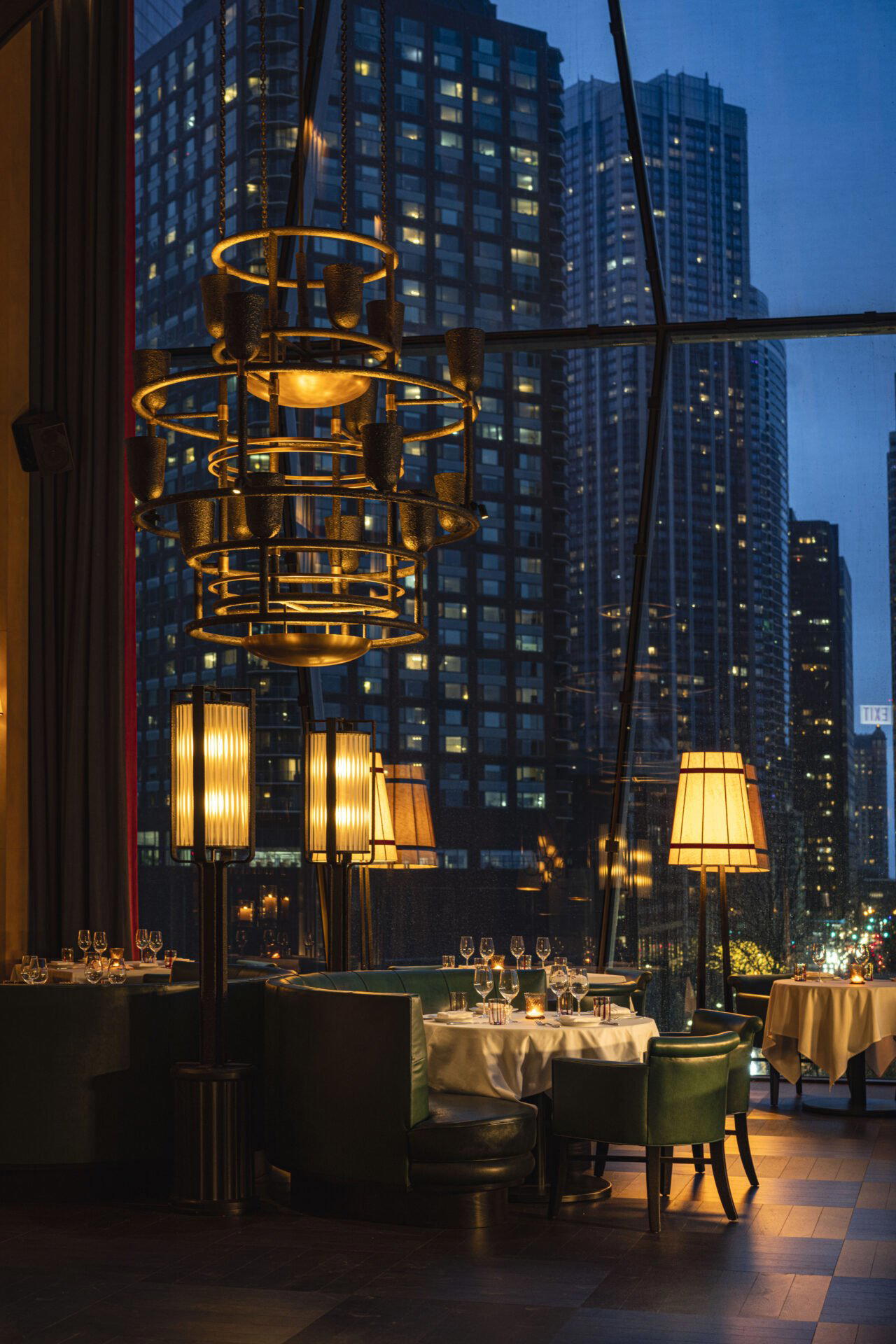
Indoor-outdoor design merging riverfront seating with operable window walls, heated pergolas, dramatic architecture, and waterfront energy.