Acanto Wine Bar

On the Millennium Park strip, where chain restaurants dominate the sightlines, Acanto Wine Bar holds a different kind of ground: a cozy, character-driven room at 18 S Michigan Ave with a wine program built for serious drinkers. It reads as an anomaly in this corner of downtown Chicago, which is precisely the point.
Pearl is the En Primeur Club membership app — saves, bookings, and concierge access live there. Same editors, same standards.
- Address
- 18 S Michigan Ave, Chicago, IL 60603
- Phone
- (312) 578-0763
- Website
- acantochicago.com
- Directions
- Get directions
 Saves & bookings on Pearl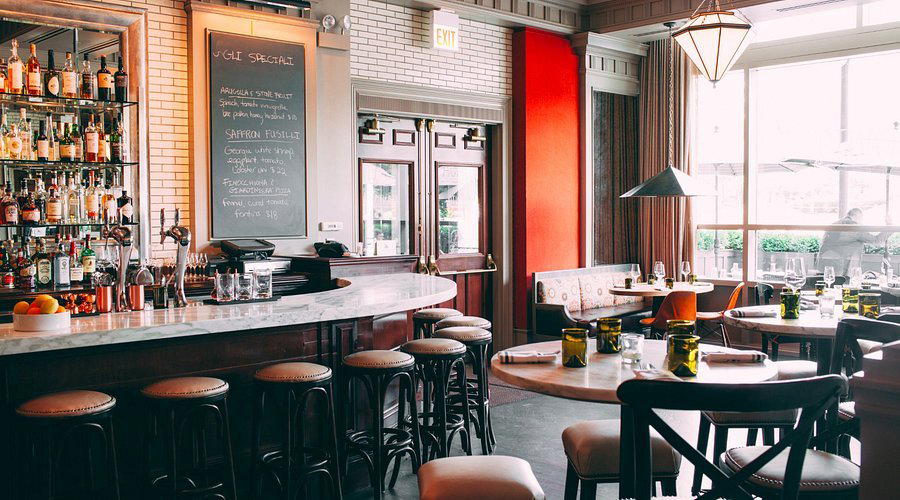
A Different Kind of Michigan Avenue
The stretch of Michigan Avenue that runs along Millennium Park is, by the standards of serious dining and drinking in Chicago, a challenging beat. The foot traffic is relentless, the tourist-to-local ratio tilts sharply in one direction, and the restaurant choices along this corridor tend to reflect that reality. Chain outposts, deep-dish operations angled at visitors, and predictable hotel bars make up the bulk of what's on offer. This is the context that makes Acanto Wine Bar worth understanding on its own terms. Acanto Wine Bar is a bar in Chicago at 18 S Michigan Ave,140 reviews and a price tier of 3.
In a strip where ease and volume tend to win, a focused, intimate wine bar represents a deliberate counterargument. Chicago's serious wine drinking has historically concentrated further north or west — in neighborhoods like the West Loop, where sommeliers have built destination programs, or in Logan Square, where natural wine lists have reshaped what a neighborhood wine bar can look like. The fact that Acanto plants that flag at 18 S Michigan Ave, in the thick of tourist territory, positions it as something of an outlier: a room that earns its reputation despite its location, not because of it.
The Room and What It Signals
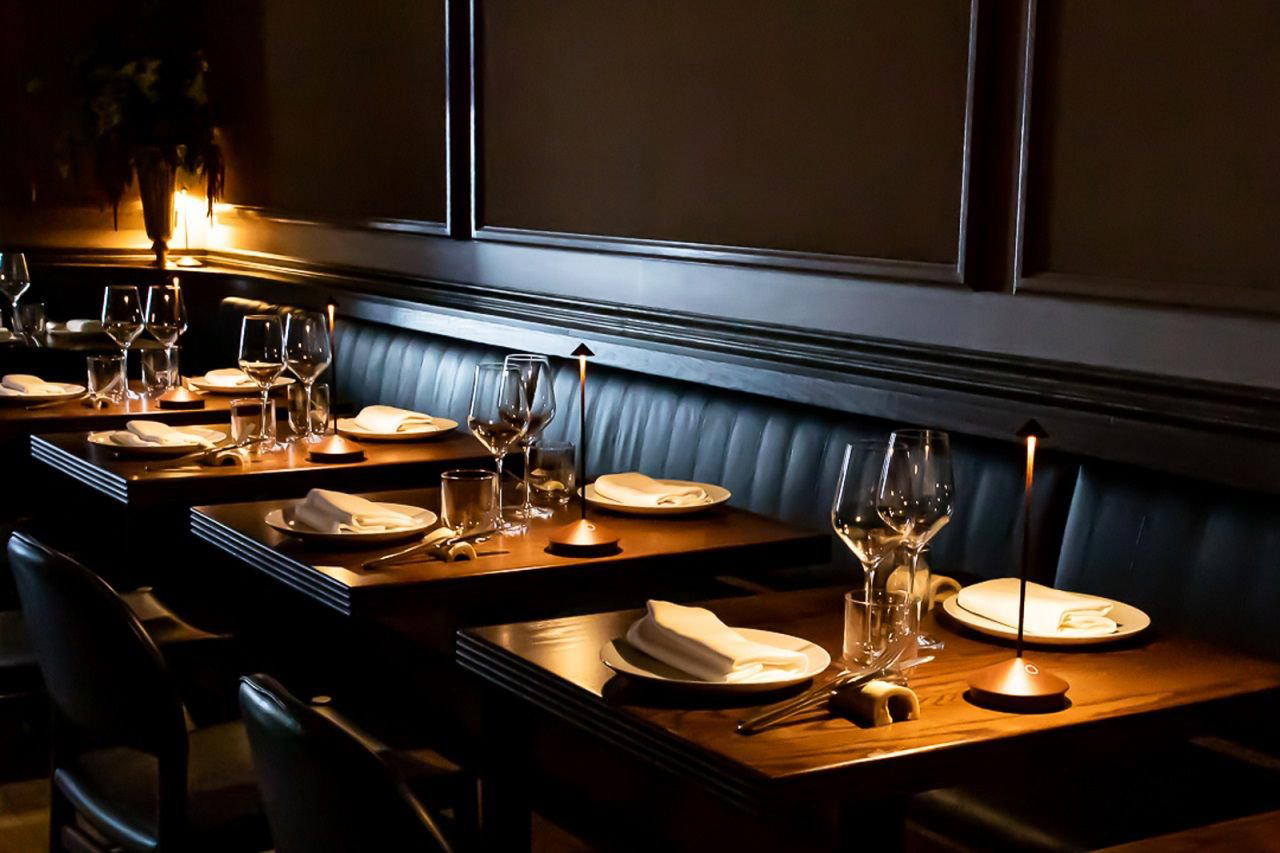
Approaching from Michigan Avenue, the shift in register is immediate. The cozy, char-lit interior pulls away from the brightness and noise of the park-facing strip outside, and the atmosphere signals that the operation takes its wine program seriously. In the broader category of American wine bars, the divide between rooms that treat wine as atmosphere and rooms that treat it as the actual subject has sharpened considerably over the past decade. Acanto sits in the latter category.
This distinction matters practically. A wine bar that treats wine as atmosphere tends to stock crowd-pleasing, high-margin labels and build its experience around social energy rather than the glass. A wine bar oriented around the wine itself — the kind of room where you can ask a pointed question about a producer and get a pointed answer, operates differently. The pace is different, the service engagement is different, and the selection reflects different buying decisions. Acanto's positioning in downtown Chicago, away from the neighborhoods where this approach is more common, means it serves a specific need: somewhere a hotel guest, a pre-theatre visitor, or a downtown-office regular can drink well without having to travel across the city to do it.
Wine, Sourcing, and the Ethical Sourcing Thread
The conversation around sustainable and ethically sourced wine has moved from the margins of the wine world toward the center over the past several years. In the United States, this has translated into more wine programs actively building around certified organic, biodynamic, and low-intervention producers, not as a marketing stance, but as a reflection of how particularly engaged sommeliers and buyers now think about sourcing. Producers who work with minimal chemical intervention in the vineyard, who prioritize soil health over yield maximization, and who operate with transparency about their practices have become a credible, commercially serious part of the market.
A wine bar in a high-footfall location that wants to hold the attention of serious drinkers has an opportunity here. Steering the selection toward producers who meet these sourcing criteria gives the program a coherent identity that distinguishes it from generic-by-the-glass operations. It also creates a natural alignment between the smaller, artisan-scale producers who tend to work this way and the intimacy of a cozy wine bar format. Big commercial brands are designed for high-volume, wide-distribution contexts. The kind of winemaking that prioritizes transparency and ecological care tends to produce wines that reward slowing down and paying attention, exactly what a focused wine bar format is built for.
This is a broader trend that touches programs across the country: ABV in San Francisco has long operated with a list shaped by sourcing ethics, and Bar Leather Apron in Honolulu reflects a similarly considered approach to ingredient provenance, albeit in a spirits context. In Chicago itself, the question of sourcing and environmental consciousness has become a live one across the bar and restaurant community, from the hyper-local cocktail programs at Kumiko to the ingredient-forward thinking visible at newer entrants like Leading Intentions.
Where Acanto Sits in Chicago's Drinking Scene
Chicago's bar and wine culture has fragmented productively over the past decade. The high-end cocktail tier, anchored by operations like Kumiko, with its Japanese-influenced precision, and the theatrical ambition of The Aviary, coexists with a looser, neighborhood-scale layer where the emphasis is on natural wine, low-ABV options, and accessible formats. Between those two poles, there's a middle tier of serious, hospitality-led rooms that prioritize sourcing and quality without the formality or price points of the destination-cocktail operations.
Acanto occupies an interesting position within this structure. Its location puts it in contact with a different consumer population than the West Loop wine bars or the Logan Square natural wine rooms: downtown hotel guests, Michigan Avenue shoppers, Millennium Park visitors who didn't plan a wine stop but ended up needing one. The ability to convert that foot traffic into a meaningful wine experience, rather than simply capturing it with convenience, is the relevant test for a room in this position.
Elsewhere in the country, the challenge of serving both locals who know their wine and visitors looking for orientation has been handled with varying degrees of success. Jewel of the South in New Orleans manages it through historical depth and a clear identity. Allegory in Washington, D.C. holds a similar tension between tourist-adjacent location and serious beverage programming. The approach that works, consistently, is the one that doesn't dilute the program to accommodate the easiest customer, it bets that the serious customer, even if less frequent, is worth building for. Acanto's positioning on Michigan Avenue makes that same bet.
For Chicago visitors building a broader itinerary, the city's bar scene offers plenty of depth beyond this corridor. Bisous and Lemon represent the natural wine side of the city's drinking culture, while Superbueno in New York City, Julep in Houston, and The Parlour in Frankfurt on the Main illustrate how the wine and cocktail bar format has evolved internationally.
Reputation First
Comparable venues nearby, for context on price, style, and recognition.
| Venue | Cuisine | Price | Notes |
|---|---|---|---|
| Acanto Wine BarThis venue — the venue you are viewing | wine_bar | $$$ | Not listed |
| Z Bar, The Peninsula | rooftop_bar | $$$ | Near North Side |
| Acadia | cocktail_bar | $$$ | South Loop |
| Gino & Marty's | lounge | $$$ | West Loop |
| Apero Chicago | wine_bar | $$$ | North Center |
Recognition history
Dated appearances from independent guides and award organizations, with the underlying list record or original source where available.
Star Wine List
Star Wine List
At a Glance
- Romantic
- Elegant
- Intimate
- Sophisticated
- Classic
- Date Night
- Special Occasion
- Celebration
- Terrace
- Standalone
- Design Destination
- Seated Bar
- Outdoor Terrace
- Booth Seating
- Conventional Wine
- Craft Cocktails
- Zero Proof
- Street Scene
Current opening hours
- Monday
- 11 AM–10 PM
- Tuesday
- 11 AM–10 PM
- Wednesday
- 11 AM–10 PM
- Thursday
- 11 AM–10 PM
- Friday
- 11 AM–11 PM
- Saturday
- 4–11 PM
- Sunday
- 4–10 PM
Hours can change for holidays and private events. Last verified .
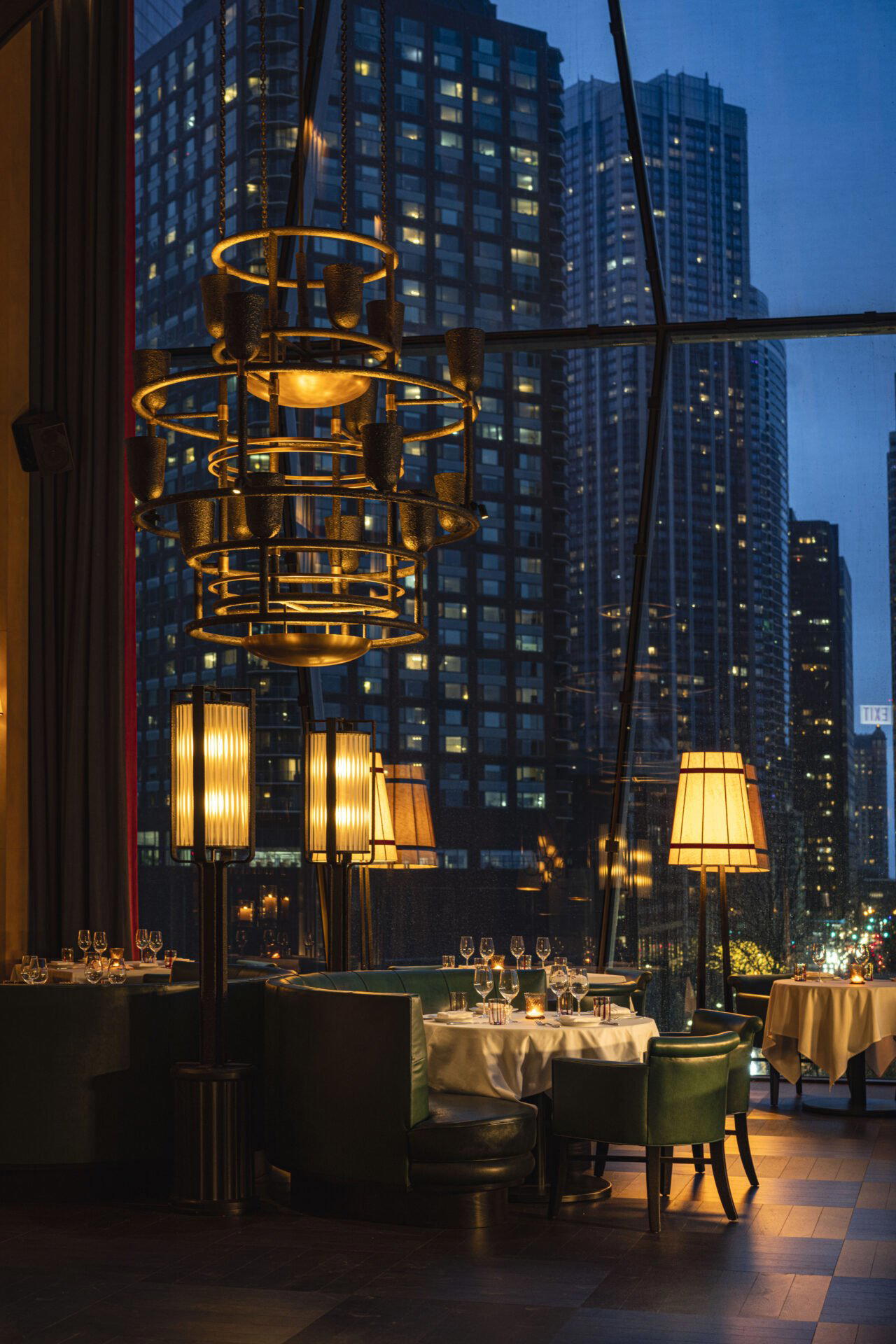
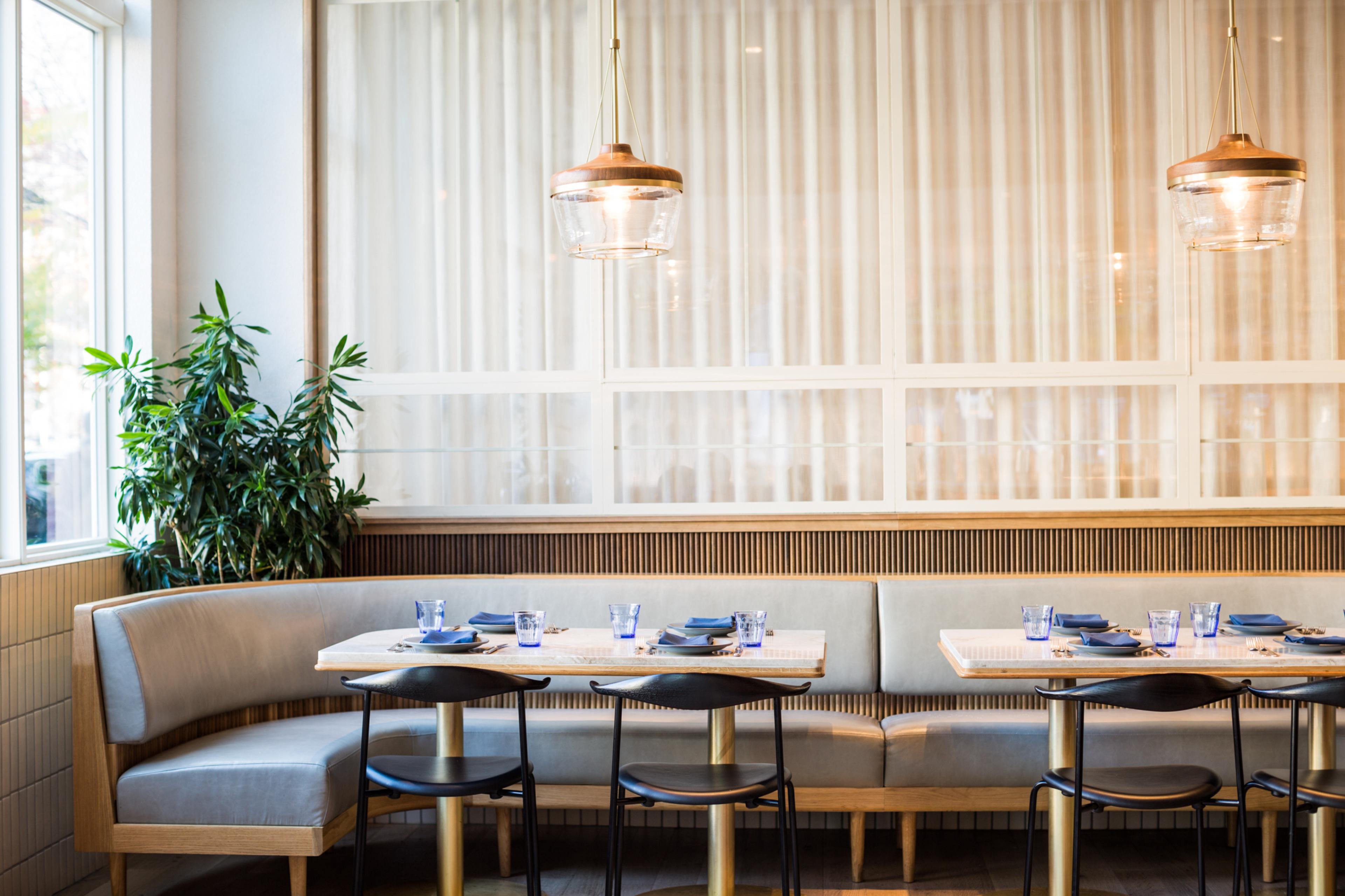
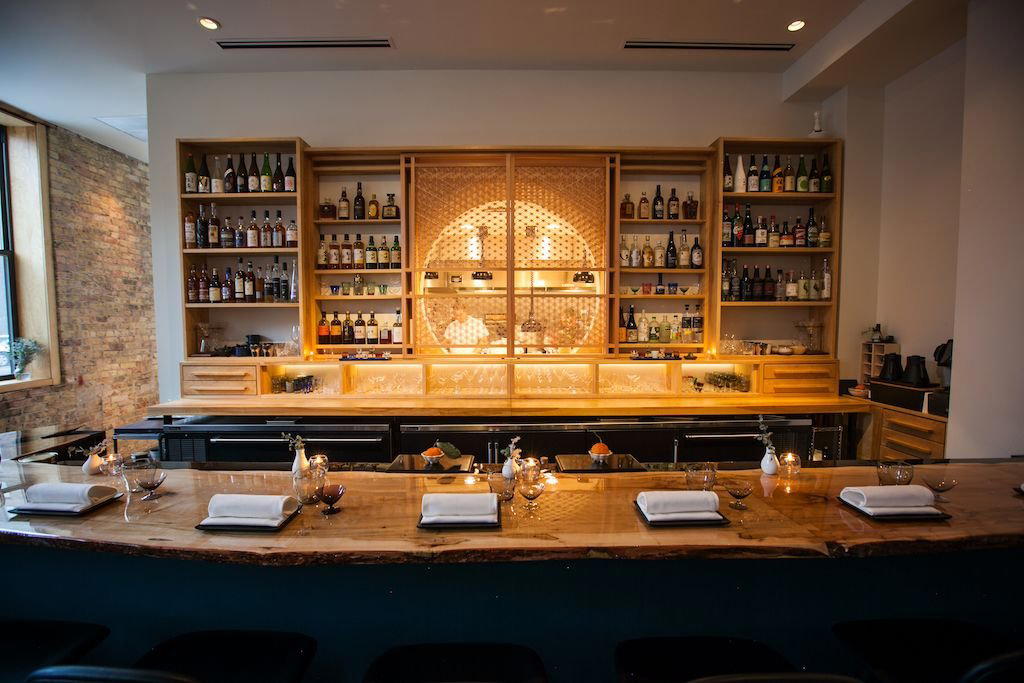
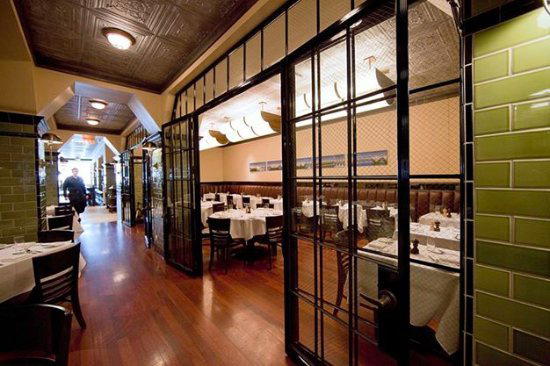
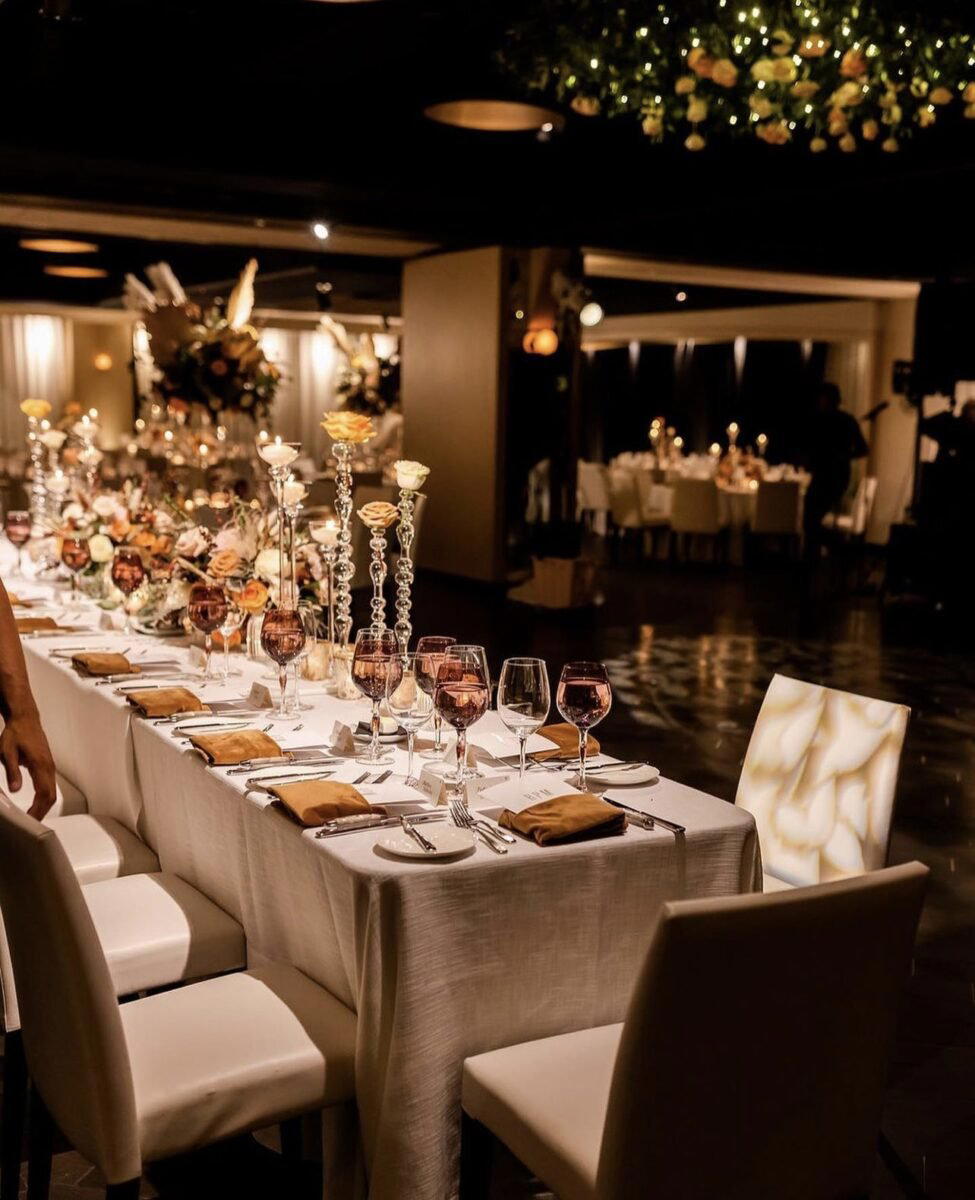
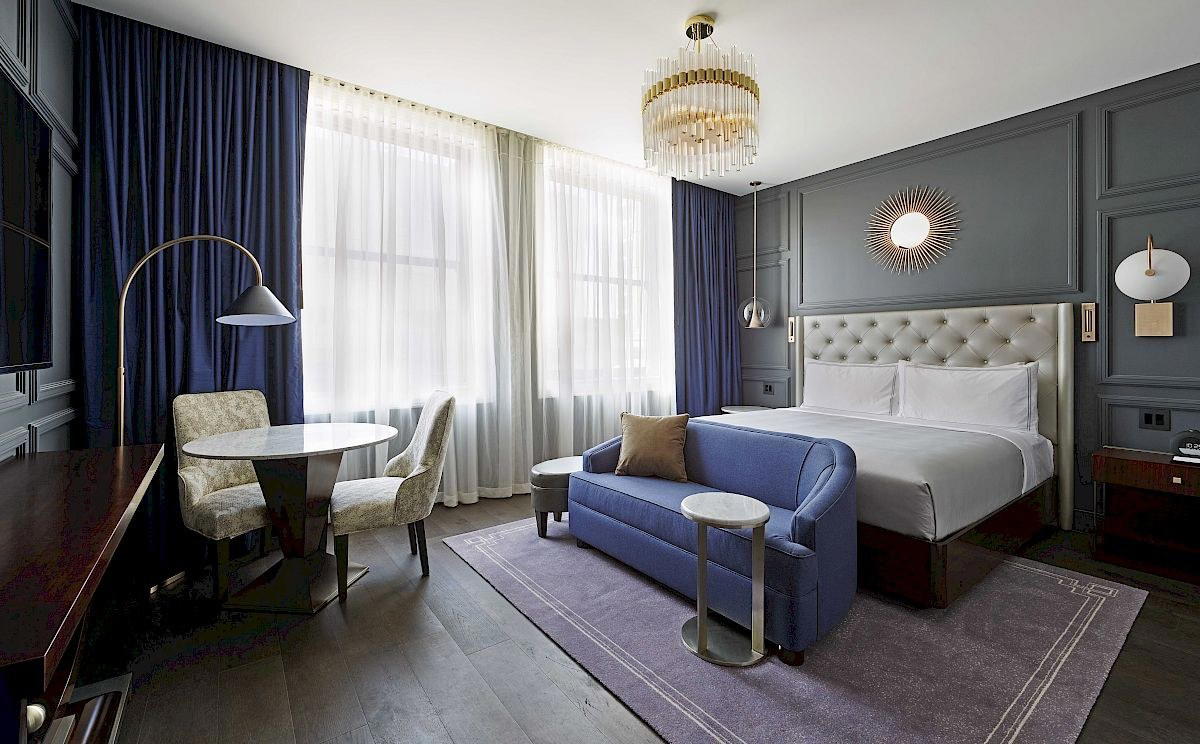
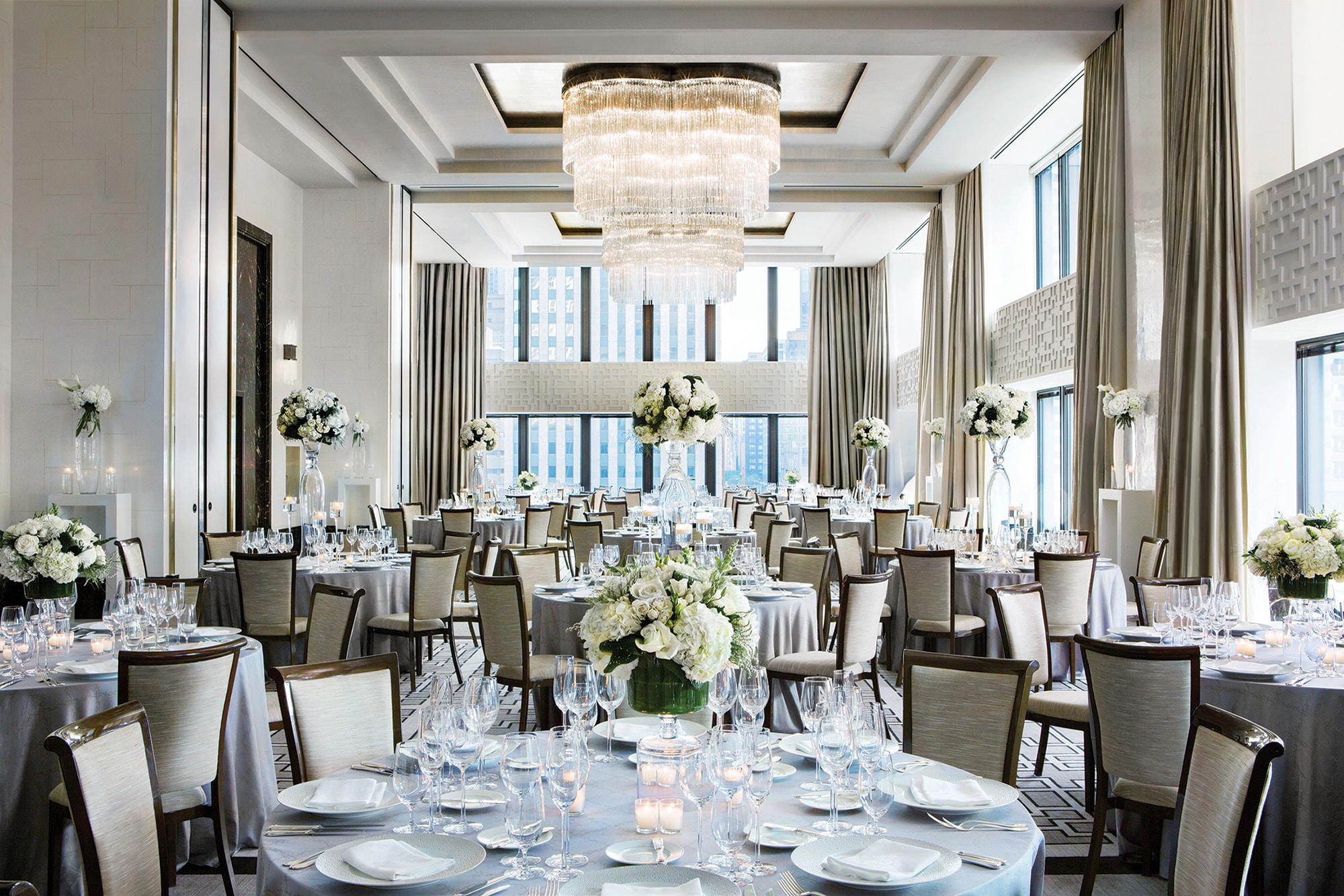
Candlelit tables with white tablecloths and elegant décor create an intimate, cozy atmosphere; visually dramatic location on Michigan Avenue across from Millennium Park with well-shaded outdoor seating.