SHŌ Omakase
SHŌ Omakase on Wells Street brings the counter-format omakase tradition to Chicago's Old Town, positioning itself within a small tier of American cities where Japanese chef-driven tasting experiences have moved beyond novelty into genuine dining institution. For returning guests, the draw is less about discovery and more about precision, the quiet rhythm of a sequence that rewards those who come back.
Pearl is the En Primeur Club membership app — saves, bookings, and concierge access live there. Same editors, same standards.
- Address
- 1533 N Wells St, Chicago, IL 60610
- Website
- sho-chicago.com
- Directions
- Get directions
 Saves & bookings on Pearl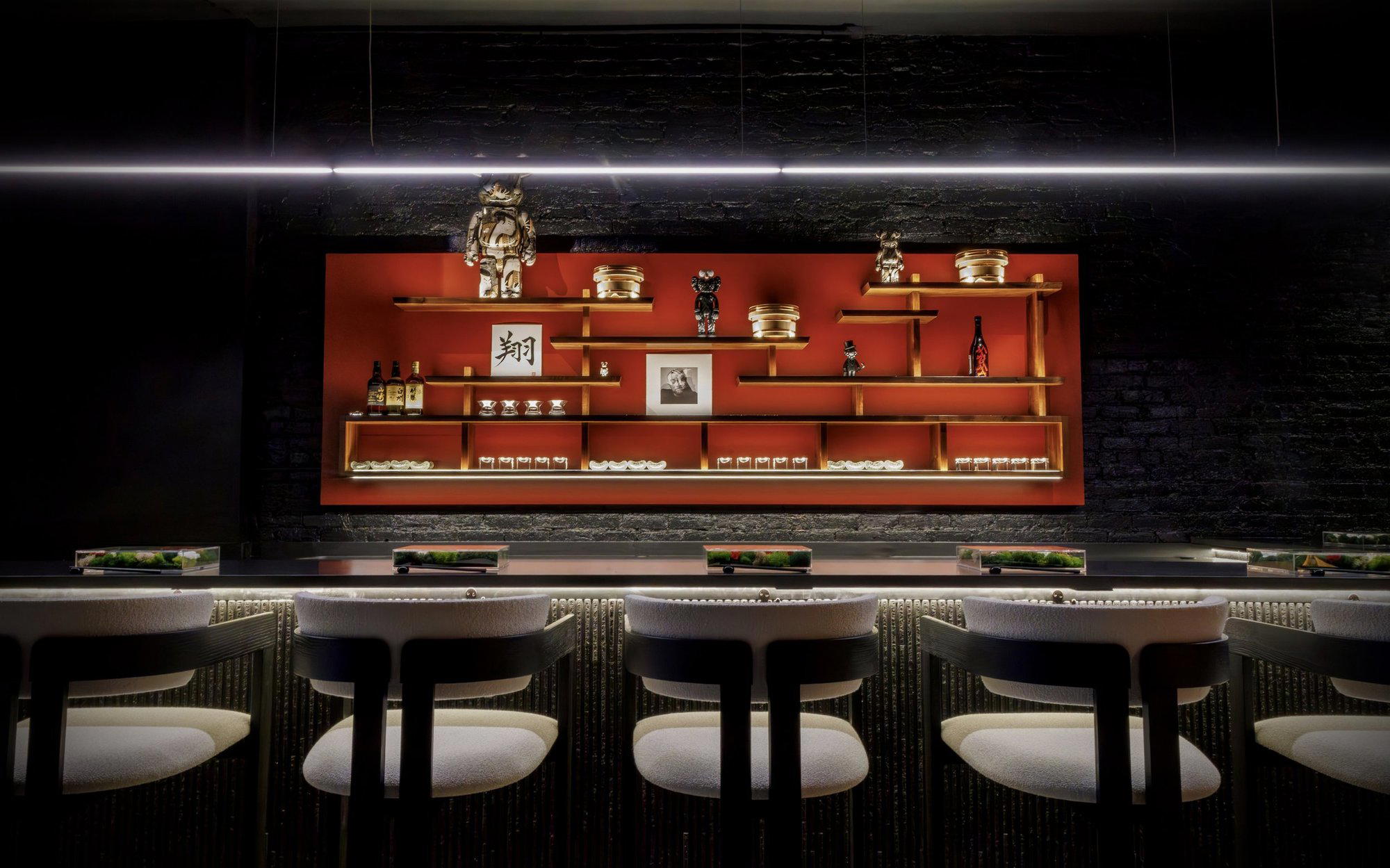
Old Town, Counter Culture
Wells Street in Old Town is not where you expect to find the kind of concentrated, course-by-course dining that usually clusters downtown or in the West Loop. The format, an intimate counter, a fixed sequence, no à la carte option, has become the dominant vehicle for premium Japanese dining in American cities over the past decade, and SHŌ sits in that tradition at 1533 N Wells St, Chicago, IL 60610. The address alone signals something: this is not a high-street-visibility play. Guests arrive knowing what the counter offers, and many are return visitors.
What the Regulars Already Know
The omakase counter model earns its repeat clientele differently from other fine dining formats. At a traditional Western tasting menu restaurant like Alinea or Smyth, the menu rotates enough seasonally that returning guests encounter something substantially new each visit. At a sushi omakase, the appeal is more structural: the same rhythm, the same counter intimacy, the same trust that the chef is making real-time decisions about what you eat based on what arrived that morning. Regulars return not to be surprised by a new concept but to deepen a relationship with a format they have already chosen to trust. That dynamic is what defines the upper tier of omakase dining in cities like Chicago, New York, and Los Angeles, and it is what places SHŌ in a different competitive conversation than, say, Next Restaurant or Kasama, both of which are destination-format experiences built around transformation and novelty.
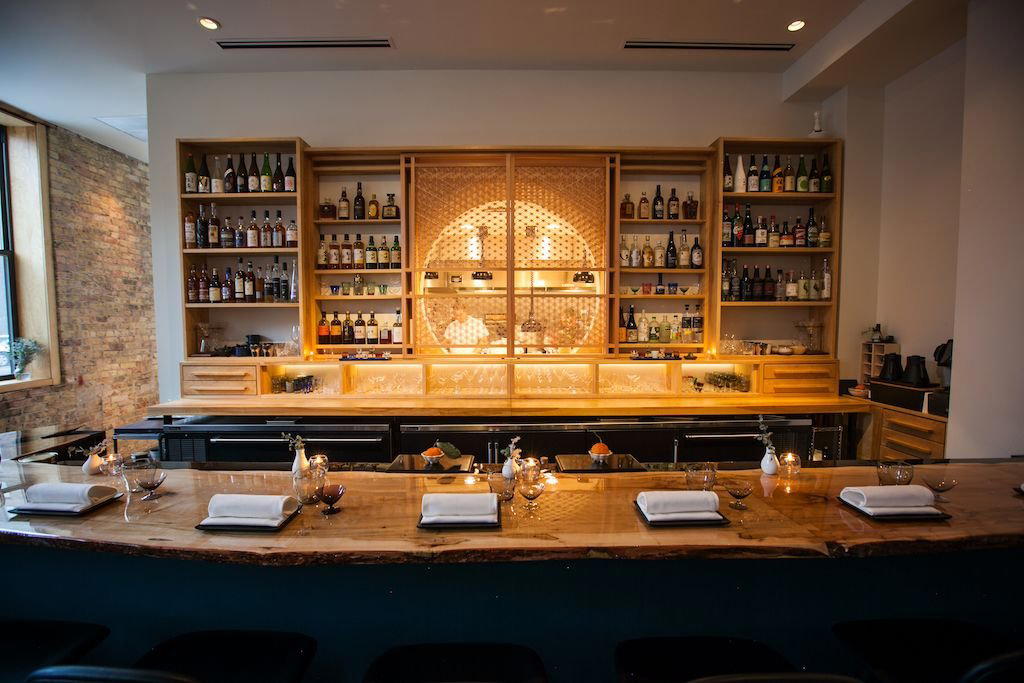
Chicago's omakase scene is smaller than New York's or Los Angeles's but has matured considerably. The city has moved past treating Japanese counter dining as a curiosity import and now has a small cluster of serious omakase programs where the room itself, the counter material, the lighting, the pace of service, all of these operate as part of the meal rather than as backdrop. SHŌ is part of that cohort. Returning guests know which seat along the counter offers the clearest sightline, how early to arrive, and what to order off any supplemental list without needing to ask.
The Counter Sequence as Argument
What separates a credible omakase program from a dressed-up prix fixe is the degree to which the sequence functions as a single argument rather than a collection of courses. In the better American omakase rooms, alongside places like Atomix in New York, which applies similar counter discipline to Korean fine dining, the progression from lighter to richer, from raw to cooked, from single ingredient to composed, is deliberate enough that a regular can feel when a course has been adjusted from the previous visit. At SHŌ, the format places that kind of attentiveness at the center of the offering.
The omakase tradition at this level has a clear comparable set nationally. Le Bernardin in New York and Providence in Los Angeles both operate in the same register of seafood-centered precision, albeit through French-influenced rather than Japanese-influenced frameworks. The French Laundry in Napa and Single Thread Farm in Healdsburg represent the produce-driven, multi-hour commitment end of the American fine dining spectrum. SHŌ sits in a different register: shorter, more focused, the quality argument made through sourcing and knife work rather than through kitchen transformation. That is a deliberate choice with a specific audience, and it is the reason its regulars are regulars.
Chicago Context
Old Town's dining identity has historically been secondary to the West Loop's concentration of ambitious kitchens. The area around Wells Street tends toward neighborhood-scale restaurants rather than destination formats. SHŌ operates somewhat against type for the block, a counter experience that requires the kind of advance planning and financial commitment more associated with Oriole in the West Loop than with most of what surrounds it. That positioning is not a liability. The slight remove from the tasting-menu cluster means that guests who make it to SHŌ have, by definition, sought it out. There is no accidental foot traffic. The room self-selects for people who have already decided.
For a broader map of where SHŌ fits within Chicago's premium dining options, the full Chicago restaurants guide covers the city's major formats and neighborhoods in detail. Comparable counter-format ambition can be found at a national level in places like Lazy Bear in San Francisco, Addison in San Diego, Blue Hill at Stone Barns in Tarrytown, The Inn at Little Washington, Bacchanalia in Atlanta, Emeril's in New Orleans, and 8½ Otto e Mezzo Bombana in Hong Kong, each operating within a different culinary tradition but sharing the same commitment to a fixed, sequenced, chef-led format as the primary experience.
Planning Your Visit
The omakase format at this level in Chicago requires advance coordination, and counter seats are finite by design. Approaching this as a seated meal rather than a dining event will put you at odds with how the kitchen operates. Come on time, come prepared to commit to the full sequence, and if you have dietary restrictions, communicate them at the point of reservation rather than at the counter. Reservations: Book as far ahead as the platform allows, counter formats at this price point in Chicago typically fill two to four weeks in advance, and weekend seats faster. Dress: Smart casual is appropriate. Budget: Expect about $155 per person before beverages.
The Quick Read
Comparable venues nearby, for context on price, style, and recognition.
| Venue | Cuisine | Price |
|---|---|---|
| SHŌ OmakaseThis venue — the venue you are viewing | Old Town, Modern Japanese Omakase | $$$$ |
| Omakase on me | Wrigleyville, Modern Creative Omakase | $$$$ |
| The Omakase Room at Sushi-San | River North, Modern Japanese Omakase | $$$$ |
| Jōtō Sushi | West Loop, Dry-Aged Sushi Omakase | $$$$ |
| AJI | Lakeview, Japanese Omakase | $$$$ |
| Nobu Chicago | West Loop, Japanese-Peruvian Fusion | $$$$ |
Continue exploring
More in Chicago
Restaurants in Chicago
Browse all →
At a Glance
- Modern
- Elegant
- Intimate
- Sophisticated
- Trendy
- Date Night
- Special Occasion
- Chefs Counter
- Sake Program
Current opening hours
- Monday
- Closed
- Tuesday
- 5–11 PM
- Wednesday
- 5–11 PM
- Thursday
- 5–11 PM
- Friday
- 5–11 PM
- Saturday
- 5–11 PM
- Sunday
- Closed
Hours can change for holidays and private events. Last verified .
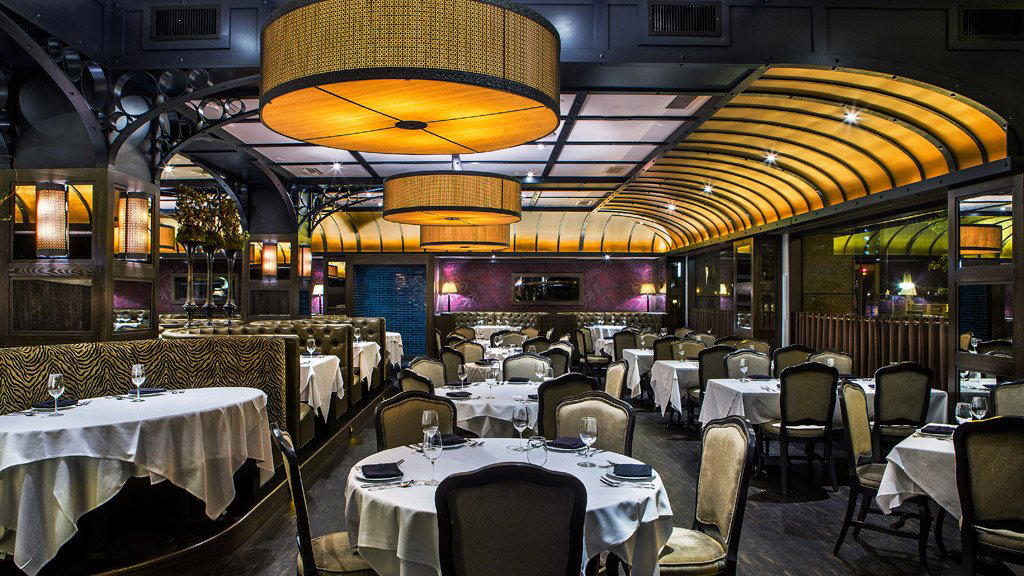
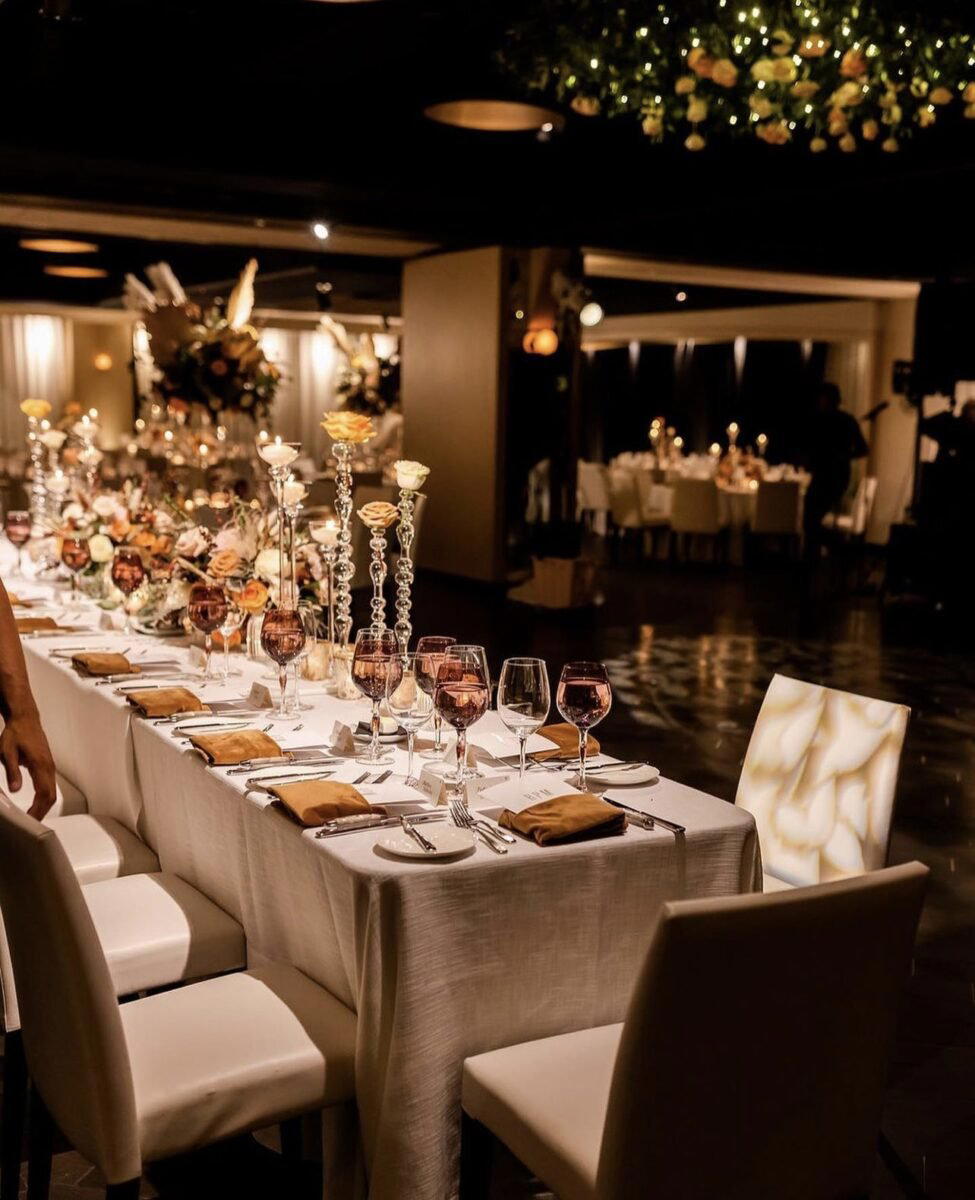
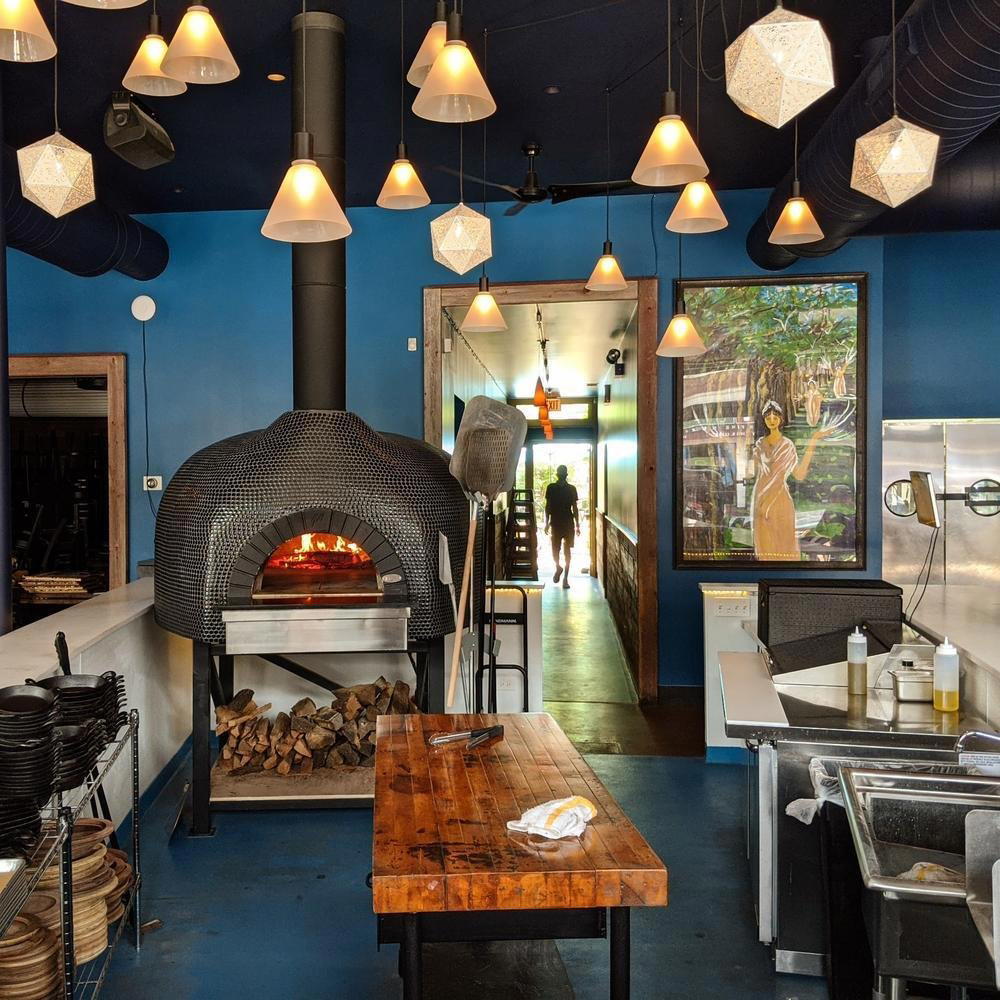
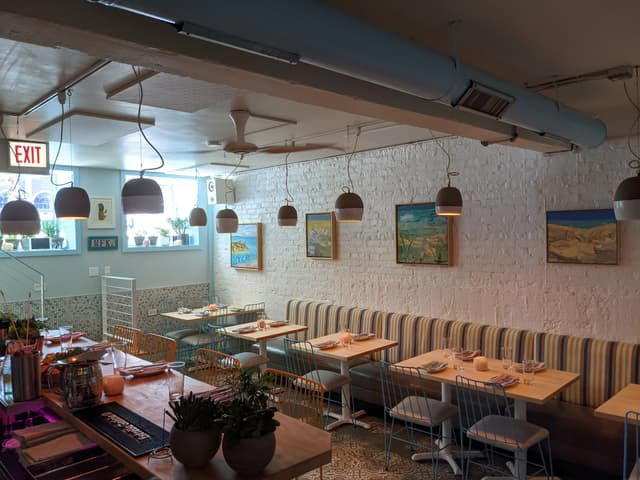
Highly curated vibe that feels relaxed and comfortable yet polished, with kinetic interiors and curated soundscape.