Omakase on me
On North Broadway in Lakeview, Omakase on me operates in a Chicago neighbourhood that has quietly developed one of the city's more interesting mid-format dining scenes. The omakase model here places imported technique at the centre of a locally sourced framework, a pairing that has become a defining tension in Chicago's premium counter dining. Reservations and format details are worth confirming directly before visiting.
Pearl is the En Primeur Club membership app — saves, bookings, and concierge access live there. Same editors, same standards.
- Address
- 3941 N Broadway, Chicago, IL 60613
- Phone
- +19178628283
- Website
- opentable.com
- Directions
- Get directions
 Saves & bookings on Pearl
Counter Culture on North Broadway
Lakeview's dining strip along North Broadway occupies a different register than the River North flagships or the West Loop tasting-menu circuit. The neighbourhood draws a regular local crowd rather than a destination-dining one, which makes the presence of an omakase counter at 3941 N Broadway a more pointed statement than it might appear. Omakase formats, by their structure, demand a level of trust from the diner that neighbourhood restaurants rarely ask for: you surrender the menu, accept the chef's sequence, and pay for the ride without knowing the destination. That compact between kitchen and guest arrived in Chicago primarily through Japanese counter tradition, but its most interesting applications in the city now involve applying that disciplined framework to ingredients and influences that have little to do with Japan.
This editorial tension, between imported method and local product, defines one compelling strand of Chicago's premium counter dining right now. On one side sit the established tasting-menu rooms: Alinea, Smyth, and Oriole have each built international reputations on progressive technique applied to American ingredients. On the other side, a smaller cohort of counter-format rooms has been exploring what omakase structure looks like when the sourcing is rooted in the Midwest rather than the Tsukiji supply chain.
The Omakase Model in a Midwest Context
Omakase as a dining format carries specific structural obligations that travel well beyond Japanese cuisine. The counter seats concentrate the relationship between cook and guest. The fixed sequence prevents the analysis-paralysis of à la carte ordering and allows a kitchen to build a narrative across courses. The absence of a printed menu shifts authority entirely to the kitchen, which only works when that kitchen has earned the trust. These are technique-agnostic conditions, which is precisely why the format has migrated so effectively into non-Japanese contexts across American cities.
In Chicago specifically, the format has found traction partly because the city's food culture has always been comfortable with the idea of the chef as authority figure. The long success of tasting-menu rooms like Next Restaurant and the more recent rise of counter formats like Kasama, which applies omakase logic to a Filipino culinary foundation, demonstrates that Chicago diners are willing to follow a kitchen wherever it leads, provided the technique is sound and the sourcing is honest. The editorial angle at Omakase on me sits squarely inside that tradition: a Japanese-derived structure applied to a local-product framework.
For context across American cities using similar frameworks, Lazy Bear in San Francisco and Blue Hill at Stone Barns in Tarrytown have each built international recognition on exactly this intersection, using hyper-local sourcing as a constraint that generates creativity rather than limiting it. Single Thread Farm in Healdsburg extends that logic to a Japanese kaiseki structure applied to California and farm-grown product. The argument these restaurants collectively make is that technique and terroir do not need to share a passport.
Local Ingredients, Imported Discipline
The editorial angle most relevant to Omakase on me is the one that has animated premium American dining for roughly a decade: what happens when a rigorous imported method, in this case the sequenced counter format that prizes restraint, timing, and the cumulative logic of a progression, encounters ingredients that are emphatically local. The Midwest is not typically discussed in the same breath as terroir-driven sourcing regions, but that undersells a supply chain that includes serious producers across Illinois, Wisconsin, and Michigan. Great Lakes fish, heritage pork operations, small-scale vegetable farms, and regional grain producers have all found their way into Chicago's premium kitchens, and the counter format is well-suited to showcasing that supply chain one course at a time.
At restaurants where this approach has been most deliberately executed, the sequence does educational work: it asks the diner to pay attention to a single ingredient at a time, prepared with a precision borrowed from formal Japanese or European traditions. The result is not fusion in the casual sense but something more considered, a case made for local product through the grammar of a demanding technique. Providence in Los Angeles and Le Bernardin in New York City have both demonstrated how a technically rigorous approach, applied to carefully sourced local product, can define a restaurant's entire identity at the highest level. Addison in San Diego and Atomix in New York City each add cultural layering to that formula, the latter applying Korean culinary logic to a counter format with considerable critical recognition.
Where Omakase on Me Sits in the City
North Broadway's position in Lakeview places Omakase on me in a neighbourhood that operates outside the well-documented premium dining corridors. The West Loop cluster and the River North concentration are the areas that receive the majority of critical attention in Chicago; Lakeview counter formats tend to attract a more local, repeat-visit crowd, which is not a lesser distinction. For the omakase format specifically, repeat visits carry structural advantages: a regular who has been through the sequence several times is a more literate audience, one who can track how the kitchen evolves its sourcing and progression across seasons.
Chicago's broader restaurant scene spans a significant range of price tiers and format types. Premium counter dining in the city, from the established Michelin-recognised rooms to the newer cohort of neighbourhood-based formats, has generally held its ground even as broader economic pressures have complicated the tasting-menu sector. The omakase model's fixed-format efficiency, which reduces waste and allows tight kitchen staffing, has given it resilience that à la carte rooms at the same price tier do not always enjoy.
For comparison, rooms operating at the highest end of the American tasting-menu spectrum, including The French Laundry in Napa, The Inn at Little Washington, and Bacchanalia in Atlanta, have each built their reputations on a combination of format discipline and sourcing commitment that takes years to establish. Neighbourhood-scale counters work with a different set of constraints and a different relationship to their immediate community, but the underlying logic is the same: the sequence carries the argument.
Planning Your Visit
The restaurant is open daily from 5:30 to 11:30 PM, and reservations are essential. The address is 3941 N Broadway, Chicago, IL 60613, in the Lakeview neighbourhood. The table below places this counter in the context of comparable Chicago premium dining formats.
| Venue | Format | Price Tier | Location | Cuisine Anchor |
|---|---|---|---|---|
| The restaurant | Counter / Omakase | Unconfirmed | Lakeview (N Broadway) | Omakase / Local ingredients |
| Kasama | Counter / Omakase | $$$$ | Ukrainian Village | Filipino |
| Smyth | Tasting menu | $$$$ | West Loop | Progressive American |
| Next Restaurant | Tasting menu | $$$$ | West Loop | American / Rotating concept |
| Alinea | Tasting menu | $$$$ | Lincoln Park | Progressive American |
Reputation First
Comparable venues nearby, for context on price, style, and recognition.
| Venue | Cuisine | Price | Notes |
|---|---|---|---|
| Omakase on meThis venue — the venue you are viewing | Modern Creative Omakase | $$$$ | Not listed |
| SHŌ Omakase | Modern Japanese Omakase | $$$$ | Old Town |
| Nobu Chicago | Japanese-Peruvian Fusion | $$$$ | West Loop |
| Nomonomo Sushi | Modern Japanese Omakase and Izakaya | $$$ | Logan Square |
| Sushi Hall | Modern Japanese Sushi | $$ | Lincoln Park |
| Tanoshii - West Loop | Modern Japanese Sushi and Omakase | $$$ | West Loop |
At a Glance
- Lively
- Trendy
- Intimate
- Energetic
- Special Occasion
- Celebration
- Date Night
- Chefs Counter
- Open Kitchen
- Sake Program
Current opening hours
- Monday
- 5:30–11:30 PM
- Tuesday
- 5:30–11:30 PM
- Wednesday
- 5:30–11:30 PM
- Thursday
- 5:30–11:30 PM
- Friday
- 5:30–11:30 PM
- Saturday
- 5:30–11:30 PM
- Sunday
- 5:30–11:30 PM
Hours can change for holidays and private events. Last verified .
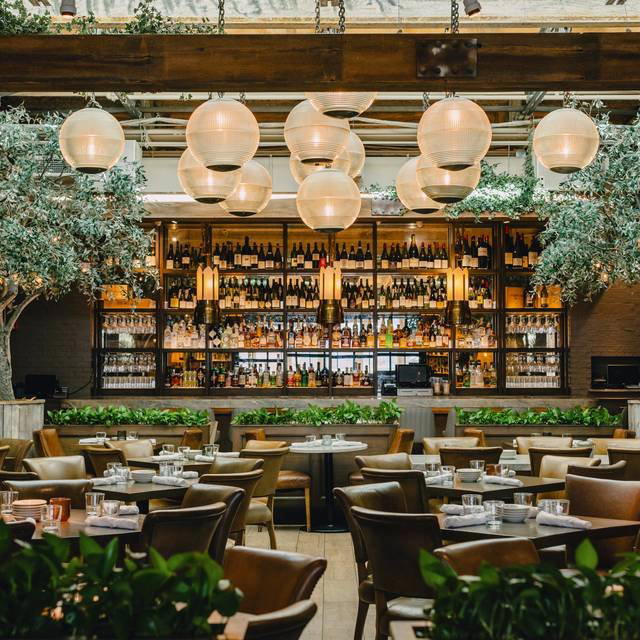
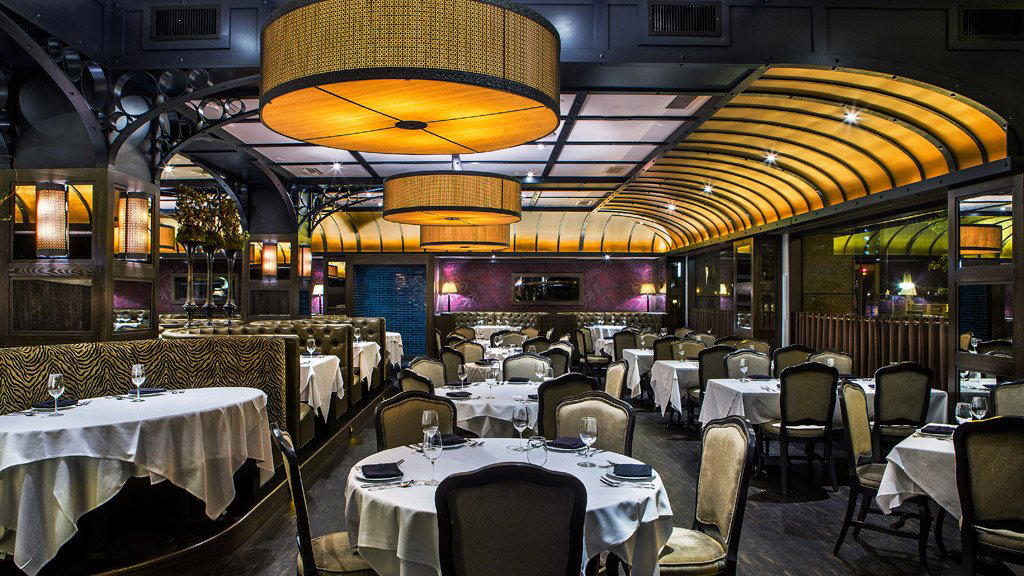
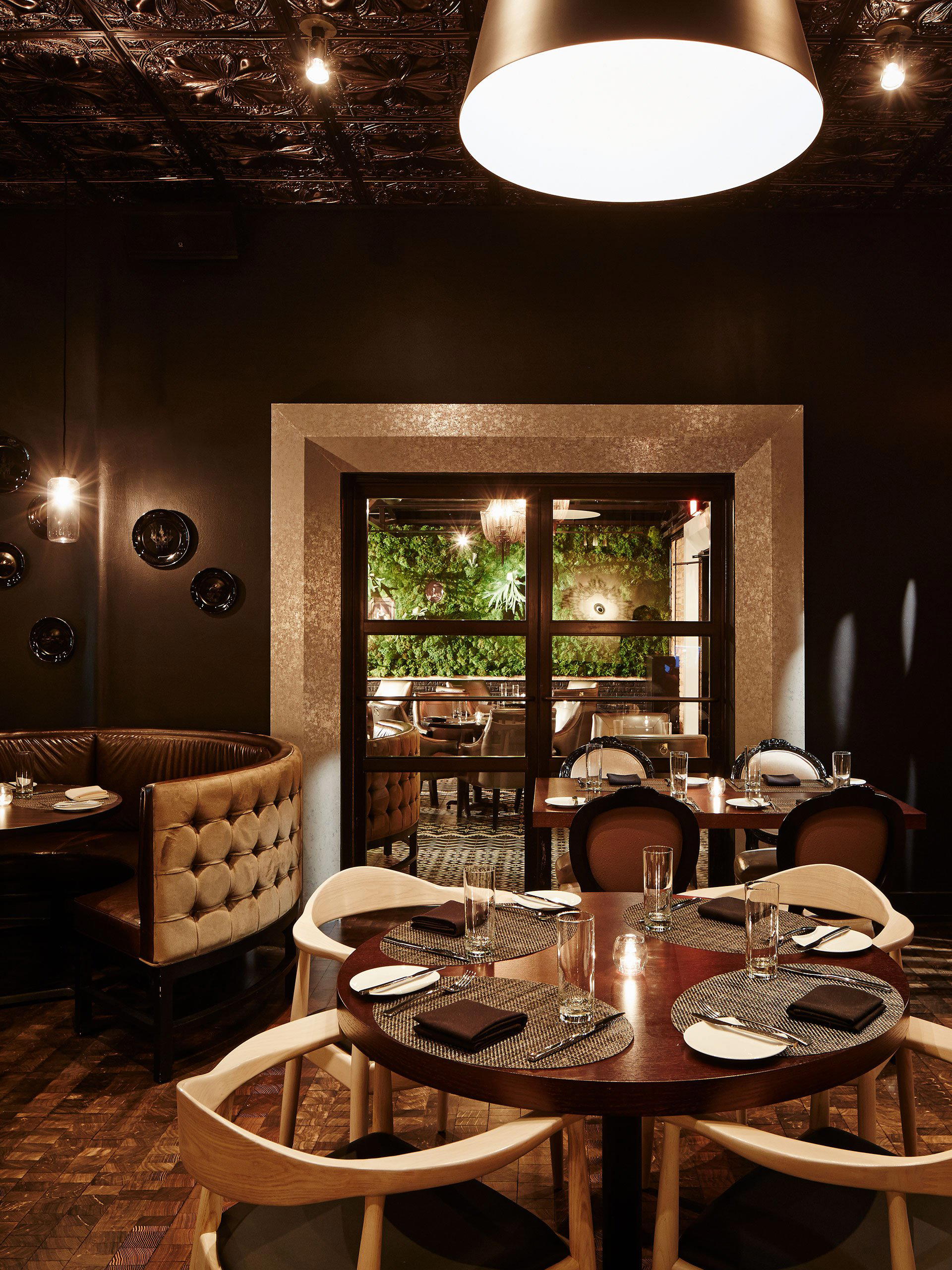
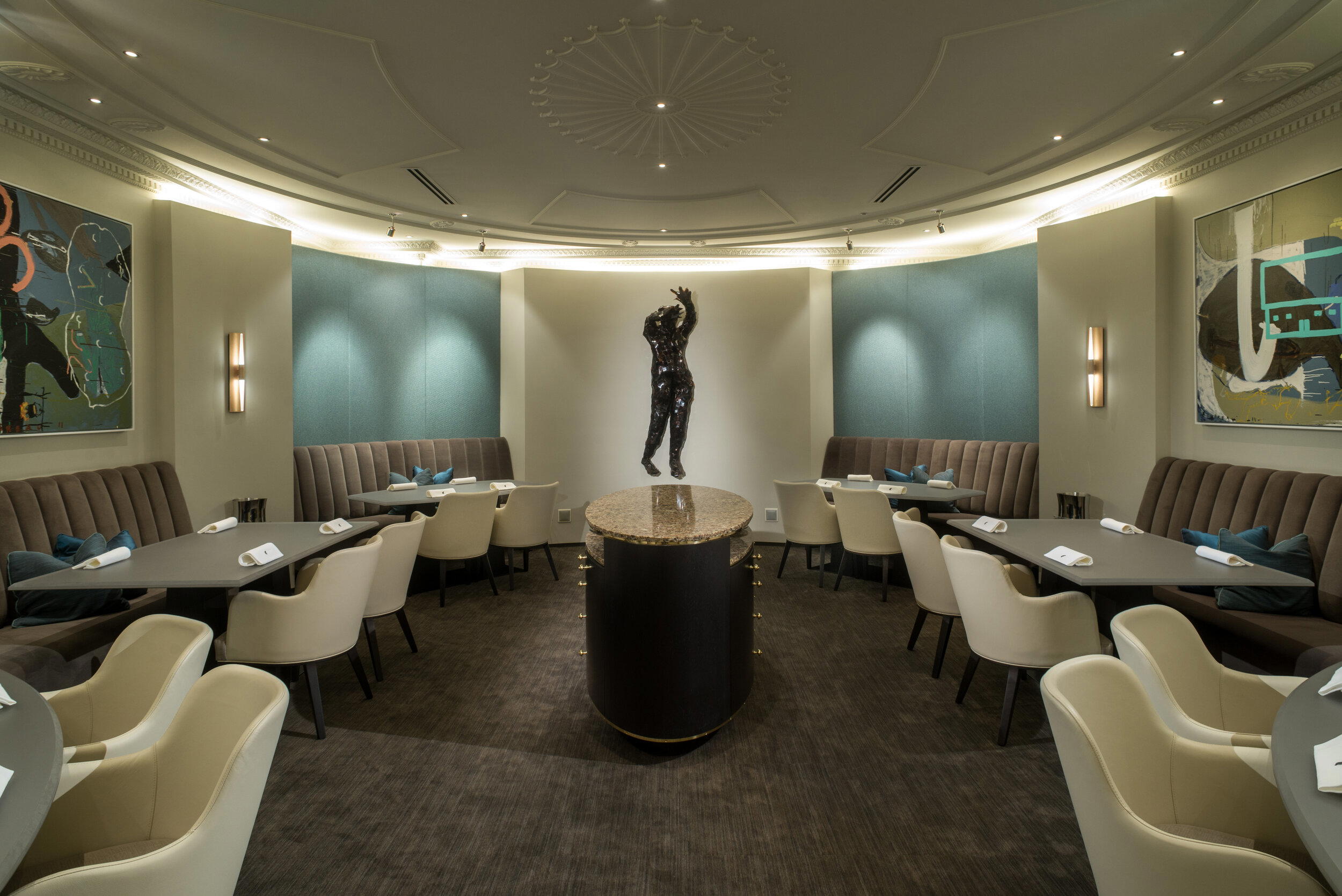
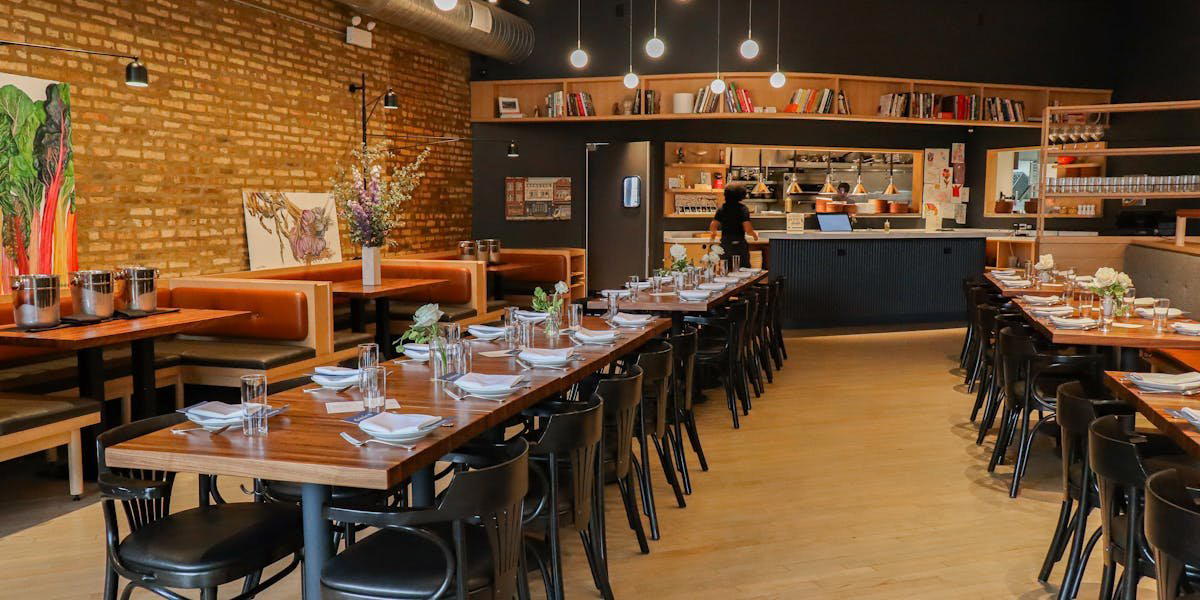
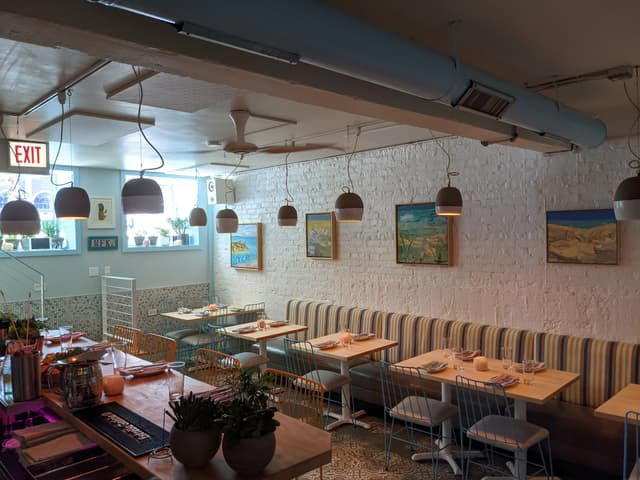
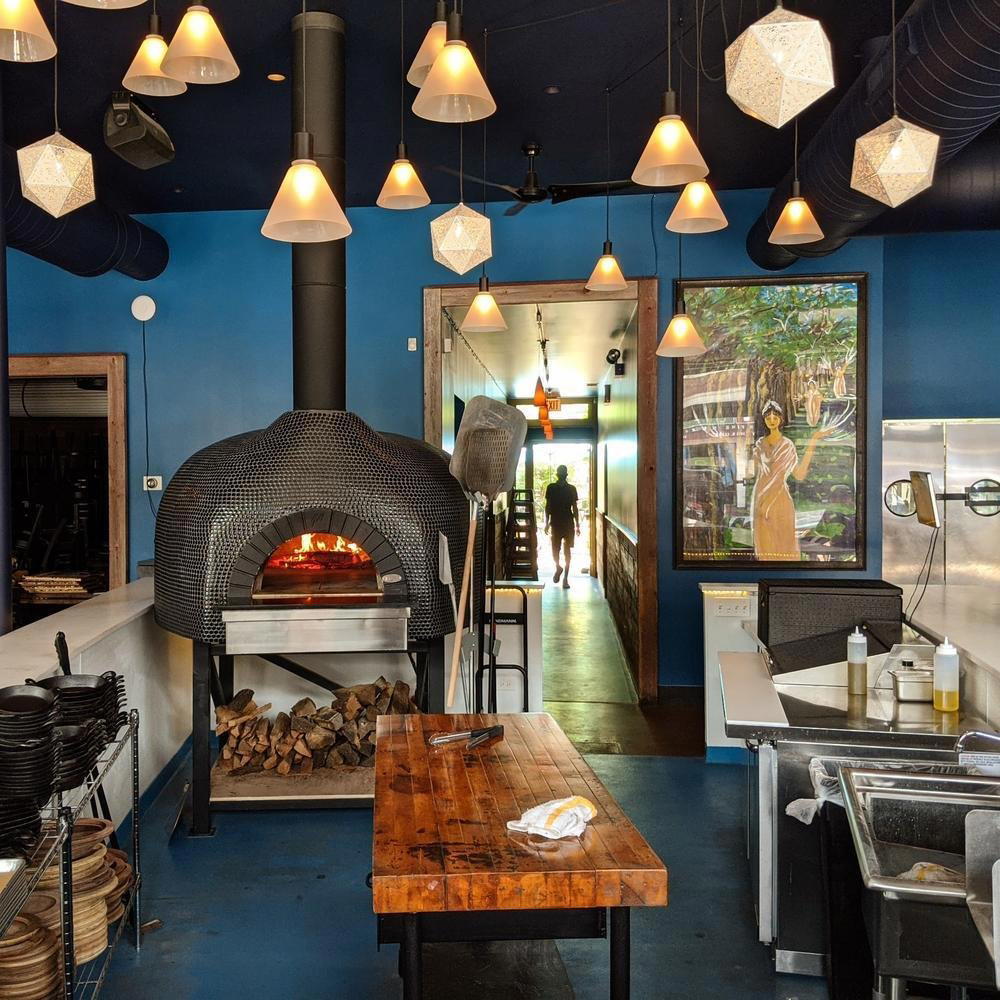
High-energy speakeasy vibe with neon lighting, loud curated music, theatrical smoke effects, and lively communal interaction.