Kumiko





Michelin Plate · World's 50 Best #11 · James Beard Award Outstanding Bar
Our verdict
Kumiko occupies a precise position in Chicago's Japanese dining scene: part tasting-menu restaurant, part James Beard Award-winning bar program, with the two disciplines operating at the same level of craft. The kitchen's Japanese-inflected tasting menu and Julia Momosé's spirits collection hold equal weight here, making it one of the few $$$$-tier venues in the city where the drink program is not an afterthought.

Pearl is the En Primeur Club membership app — saves, bookings, and concierge access live there. Same editors, same standards.
- Address
- 630 W Lake St, Chicago, IL 60661
- Phone
- (312) 285-2912
- Hours
- Mon–Tue ClosedWed–Thu 5:30–11:15 PMFri–Sat 5:30–11:30 PMSun 5:30–11:15 PM
- Website
- barkumiko.com
- Directions
- Get directions
- Booking
- Book on SevenRooms
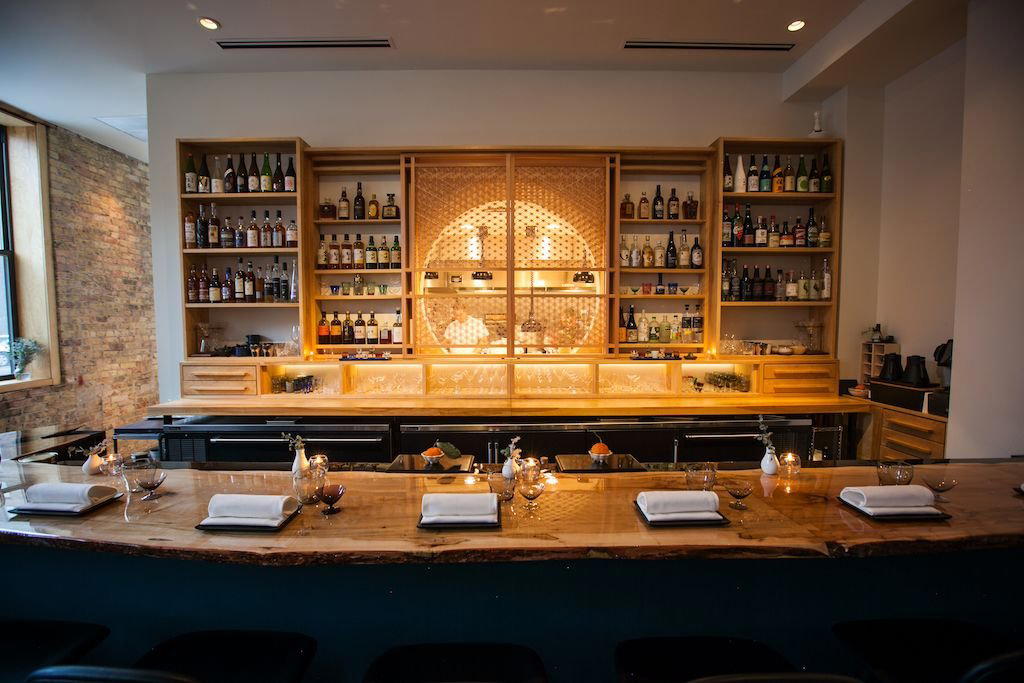
Where the Bar and the Kitchen Operate on Equal Terms
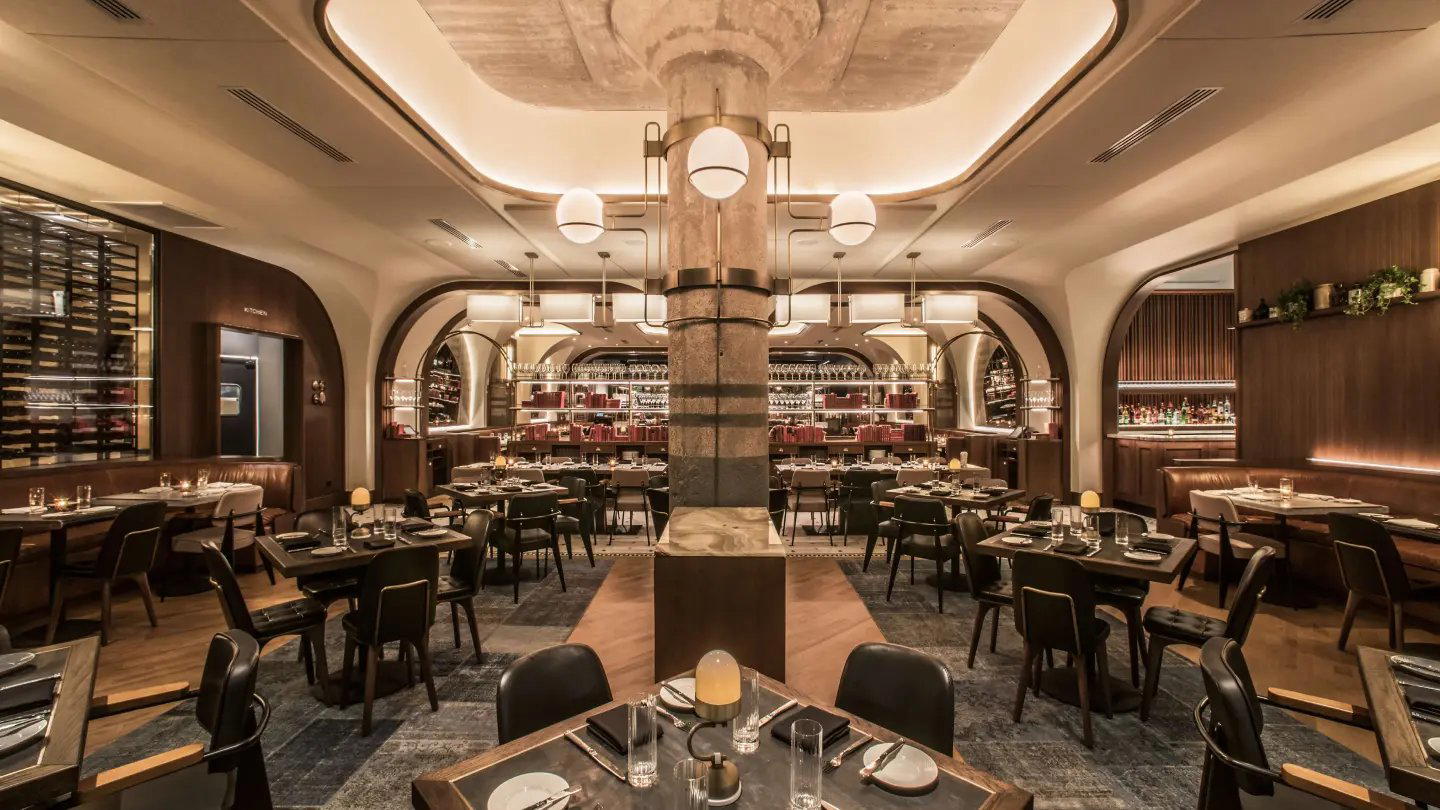
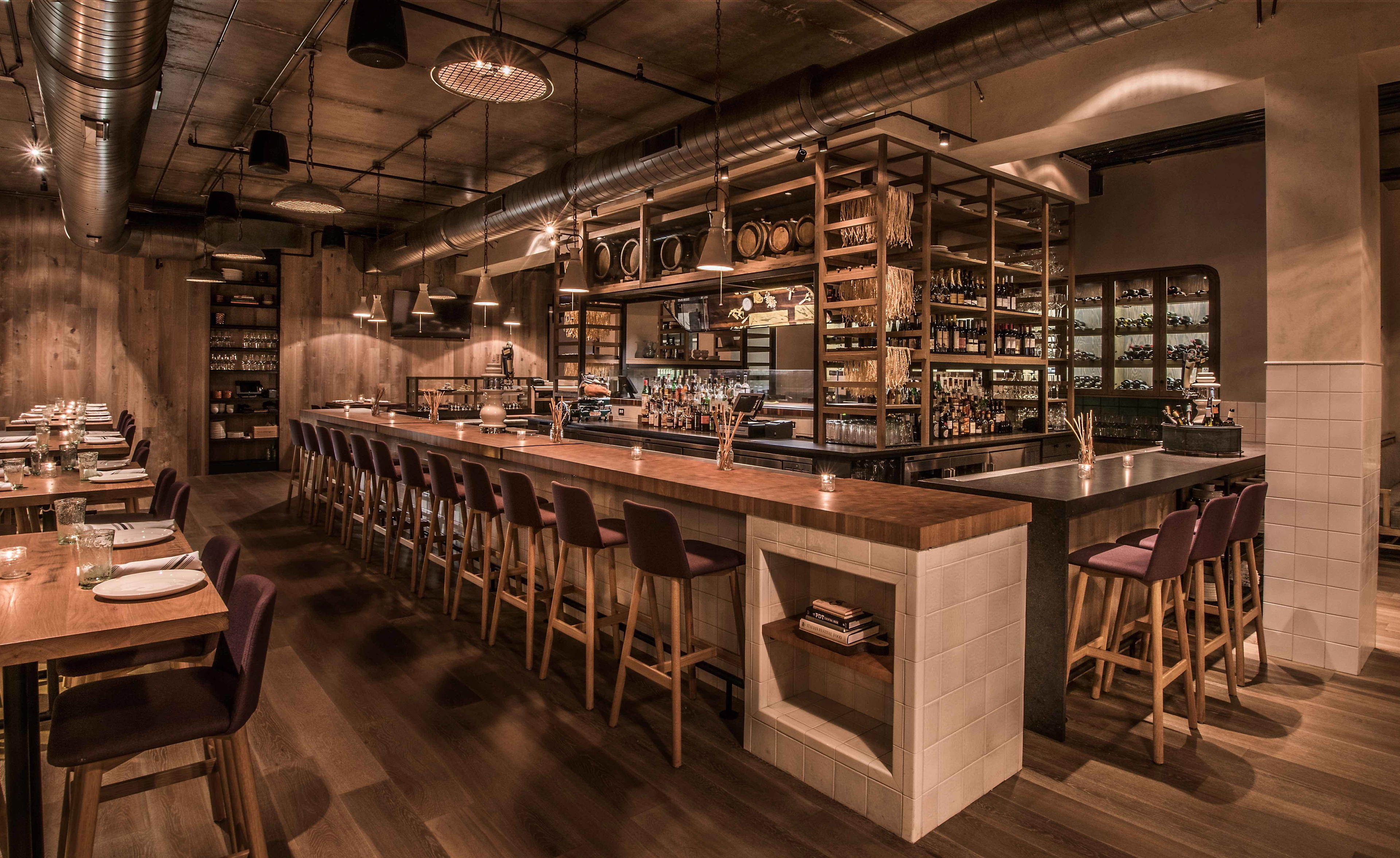
On West Lake Street, in the stretch of the West Loop where Chicago's dining density peaks, Kumiko presents a particular kind of seriousness. The room is composed rather than showy — dark uniforms, deliberate pacing, a visible collection of Japanese spirits behind the bar that signals immediately this is not a conventional tasting-menu room with cocktails bolted on. The bar and the kitchen are co-equal here, which is a rarer thing than the phrase suggests. Most $$$$-tier venues in this city treat the drink program as support for the food. At Kumiko, the 2025 James Beard Award for Outstanding Bar and a Michelin Plate recognition in the same year make the point without ambiguity.
That dual identity places Kumiko in an interesting position within Chicago's wider Japanese dining scene, which spans sushi-forward omakase counters like Omakase Takeya, izakaya formats at venues like The Izakaya at Momotaro and Momotaro, and the broader Japanese-influenced cooking at places like Gaijin and Itoko.
Tokyo Speed vs. Kyoto Restraint — Which Frame Fits Chicago?
The divide between Tokyo's relentless innovation and Kyoto's reverence for refinement is a useful lens for thinking about how Japanese culinary thinking translates outside Japan. Tokyo dining tends to move fast: new techniques, new formats, the constant recalibration of what counts as current. Kyoto operates at a different register, seasonal fidelity, unhurried preparation, the kind of cooking where a single ingredient is treated as the entire argument. The leading Japanese-influenced restaurants outside Japan sit somewhere between those poles, and where they land tells you a lot about their editorial sensibility.
Kumiko reads as Kyoto-influenced in its structure: a tasting menu that highlights Japanese flavors and ingredients with precision rather than provocation, a bar program built around the depth of a Japanese spirits collection rather than novelty cocktails. Compare this to the more overtly Tokyo-facing approach you encounter at venues like Myojaku in Tokyo or the technique-forward kaiseki progression at Azabu Kadowaki, where the energy is quicker, the statement bolder. Kumiko's pace is slower by design, and that choice is legible in every element of the room.
That restraint is not timidity. The kitchen under Chef Noah Sandoval applies Japanese technique and ingredient logic to tasting-menu cooking with enough confidence that it holds its own against Chicago's progressive American competition. Alinea and Smyth (both three-star Michelin) define the upper edge of the city's tasting-menu market; Kumiko sits in the tier just below, where Michelin Plate recognition and strong critic attention from Opinionated About Dining, ranked #64 in North America in 2024, rising to #142 in 2025 across a larger competitive set, place it firmly in serious consideration.
The Tasting Menu: Japanese Flavors, Fine-Dining Structure
The kitchen's approach is Japanese in ingredient logic and flavor reference, not in format. This is not kaiseki, and it is not omakase in the sushi-counter sense. It is a Western fine-dining structure, composed courses, brigade service, timed progression, applied to Japanese pantry thinking. Dishes like butter-seared cabbage with ramp miso and katsuobushi, and yaki zakana (brined and grilled Arctic char with shio koji beurre blanc) demonstrate the kitchen's method: French technique meeting Japanese seasoning in a way that reads as disciplined rather than fusion-casual.
That shio koji beurre blanc is worth noting as a structural signature. Shio koji is a fermented rice-and-salt preparation with deep roots in Japanese preservation cooking; beurre blanc is a French reduction sauce built on acidity and butter emulsion. The combination is not novel in concept, but the execution, using koji fermentation to replace the sharp acidity that lemon or vinegar would typically provide, reflects a genuine understanding of both traditions rather than a surface-level aesthetic choice. This is the kind of detail that separates kitchens that reference Japanese cuisine from those that have actually absorbed it.
The city's most recognized tasting menus tend toward progressive American or Nordic-American frameworks, Boka, Esmé, and the upper tier of Michelin-starred rooms all operate in that register. Kumiko's Japanese inflection gives it a distinct identity in that company, and the Opinionated About Dining recognition across three consecutive years (2023, 2024, 2025) suggests the kitchen has maintained consistency rather than relying on an opening-year peak. For comparison, venues at a similar formal tasting-menu register nationally, Lazy Bear in San Francisco, Single Thread Farm in Healdsburg, or Providence in Los Angeles, each occupy distinct regional niches but share that same commitment to a coherent culinary argument across every course.
The Bar Program: Why the James Beard Win Matters
The James Beard Award for Outstanding Bar is not given for cocktail novelty. The category recognizes programs that demonstrate sustained excellence in curation, hospitality, and the kind of thoughtful depth that reflects years of intentional collection and staff development. Julia Momosé's Japanese spirits program at Kumiko has been building toward that recognition since the venue opened, and the 2025 win confirms a standing that the bar world had been acknowledging through critical channels for several years prior.
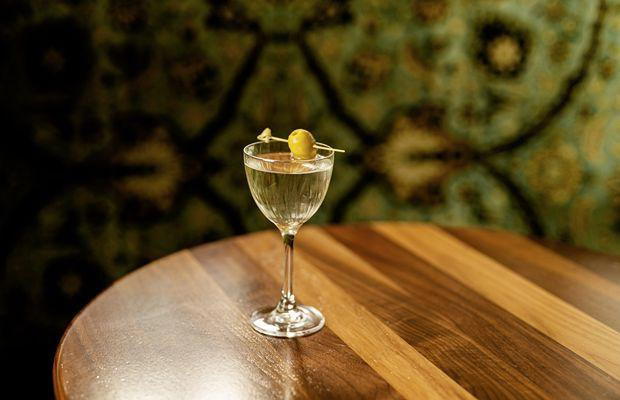
In a city with a competitive cocktail scene, Kumiko's bar occupies a specific niche: the serious spirits-collection bar, where the depth of the Japanese whisky, shochu, and sake selection is the primary draw, and cocktail technique serves that collection rather than competing with it. This is a different operating model from the classic Chicago cocktail bar, and it aligns Kumiko's bar more closely with the Japanese-influenced spirits programs emerging in New York and the West Coast than with its immediate Chicago neighbors. The drink pairings, available both with and without spirits, integrate with the tasting menu in a way that treats the bar as a full creative department, not a revenue line.
For context on how American fine dining at this level approaches drink programs nationally, the comparison set runs from Le Bernardin in New York City to The French Laundry in Napa and Emeril's in New Orleans, venues where the drink program is formally integrated but rarely the headline. Kumiko inverts that hierarchy, and the James Beard recognition validates that inversion.
Service and Atmosphere: Warmth Without Informality
The service model at Kumiko is worth noting separately because it reflects a specific hospitality philosophy common in high-end Japanese dining: warmth delivered with precision, never casual. Servers and bartenders in sharp black uniforms maintain a register that is simultaneously approachable and formally competent. The result is a room where guests who want to linger feel welcome to do so, while the pacing of a tasting menu is never allowed to drift.
The venue operates Wednesday through Sunday, with service beginning at 6pm and running to 11:30pm. Monday and Tuesday closures are standard for this tier of tasting-menu restaurant in Chicago, where kitchen labor is structured around the intensity of full-service evenings rather than extended weekly hours. For a broader picture of the city's dining options across price points and formats, see our full Chicago restaurants guide, as well as guides to Chicago bars, hotels, wineries, and experiences.
Know Before You Go
- Address: 630 W Lake St, Chicago, IL 60661
- Hours: Wednesday to Sunday, 6pm to 11:30pm. Closed Monday and Tuesday.
- Price: $$$$
- Awards: 2025 James Beard Award, Outstanding Bar; Michelin Plate (2024); Opinionated About Dining Leading Restaurants in North America #64 (2024), #104 (2023), #142 (2025)
- Phone: (312) 285-2912
- Website: kumikochicago.com
Frequently asked questions
What days is Kumiko closed?
Hours at Kumiko: Hours: Monday Closed Tuesday Closed Wednesday 6–11:30 pm Thursday 6–11:30 pm Friday 6–11:30 pm Saturday 6–11:30 pm Sunday 6–11:30 pm.
Who is the chef or culinary lead at Kumiko?
The chef associated with Kumiko is Noah Sandoval.
Cuisine-First Comparison
| Venue | Cuisine | Price | Awards | Notes |
|---|---|---|---|---|
| KumikoThis venue — the venue you are viewing | Japanese Dining Bar | Not listed | Michelin Plate · World's 50 Best #11 | Not listed |
| Alinea | Avant-Garde Molecular Gastronomy | $300–500 | 2 Michelin Stars · World's 50 Best #37 | Progressive American, Creative |
| Smyth | Modern American Tasting Menu | $200–300 | 3 Michelin Stars · World's 50 Best #1 | Progressive American, Contemporary |
| Kasama | Modern Filipino | $30–50 | 2 Michelin Stars · World's 50 Best #31 | Filipino |
| Next Restaurant | Avant-Garde Themed Tasting Menus | Not listed | 1 Michelin Star · We're Smart World 2 Radishes | American Cuisine |
| Boka | Modern American Seasonal Fine Dining | $150–200 | 1 Michelin Star · La Liste Top Restaurants | New American, Contemporary |
Recognition history
Dated appearances from independent guides and award organizations, with the underlying list record or original source where available.
Michelin Plate
Michelin
World's 50 Best North America's Best Bars #11
World's 50 Best
James Beard Award Outstanding Bar
James Beard Award
Opinionated About Dining Casual in North America Ranked #45
Opinionated About Dining
Top 500 Bars Best Bars #101
Top 500 Bars
Full recognition history (17 entries)
James Beard Award Semi Finalist
James Beard Award
James Beard Award Outstanding Bar #1
James Beard Award
Opinionated About Dining Top Restaurants in North America Ranked #142
Opinionated About Dining
World's 50 Best Bars #97
World's 50 Best
World's 50 Best North America's Best Bars #10
World's 50 Best
Michelin Plate
Michelin
Opinionated About Dining Top Restaurants in North America Ranked #64
Opinionated About Dining
World's 50 Best North America's Best Bars #19
World's 50 Best
Opinionated About Dining Top Restaurants in North America Ranked #104
Opinionated About Dining
World's 50 Best Bars #82
World's 50 Best
World's 50 Best North America's Best Bars #8
World's 50 Best
World's 50 Best North America's Best Bars #5
World's 50 Best
Details
- Intimate
- Elegant
- Sophisticated
- Cozy
- Modern
- Date Night
- Special Occasion
- Business Dinner
- Craft Cocktails
- Sake Program
- A La Carte
- Tasting Menu
- Small Plates
- Sake
- Cocktails
Current opening hours
- Monday
- Closed
- Tuesday
- Closed
- Wednesday
- 5:30–11:15 PM
- Thursday
- 5:30–11:15 PM
- Friday
- 5:30–11:30 PM
- Saturday
- 5:30–11:30 PM
- Sunday
- 5:30–11:15 PM
Hours can change for holidays and private events. Last verified .
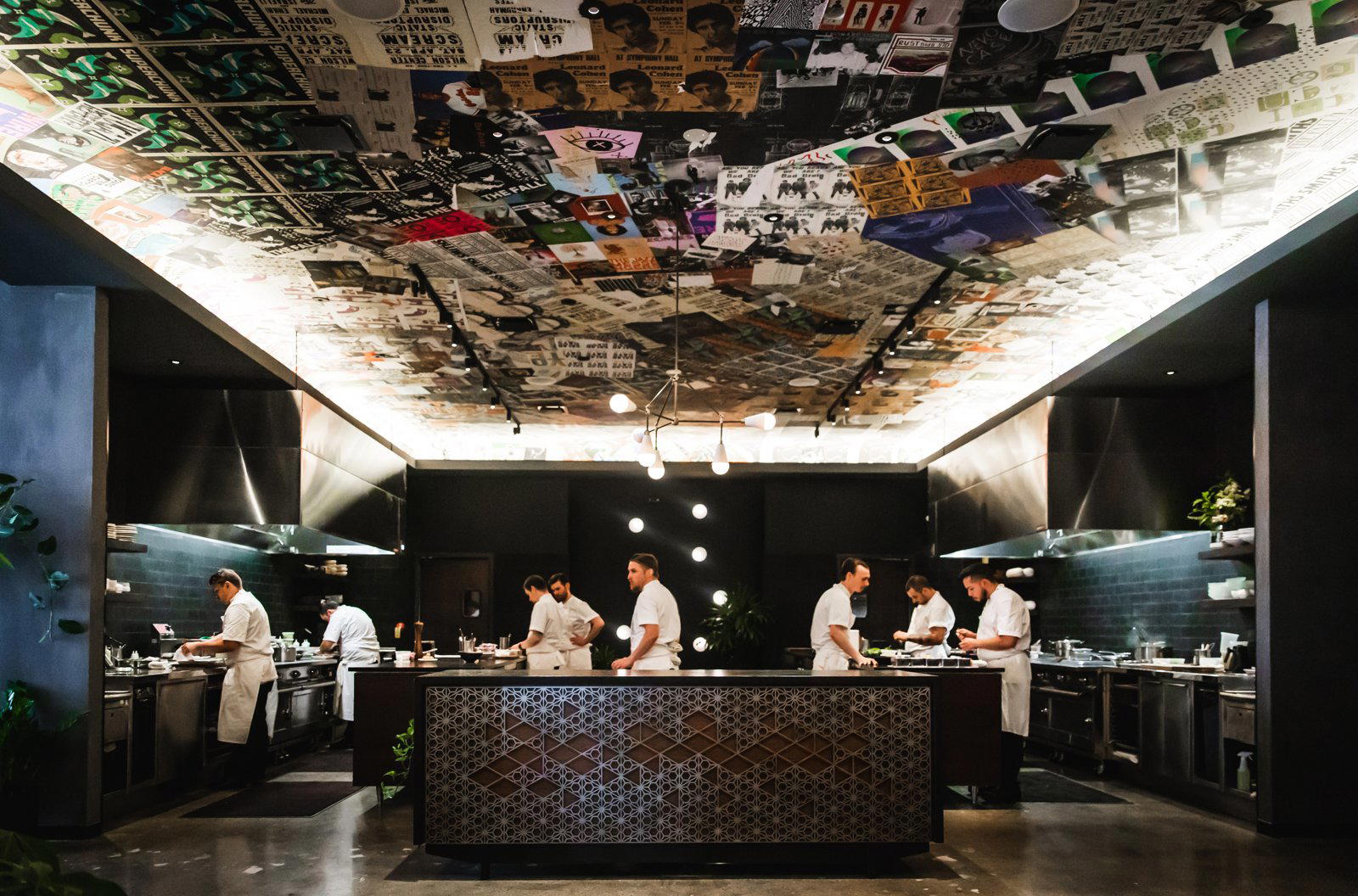
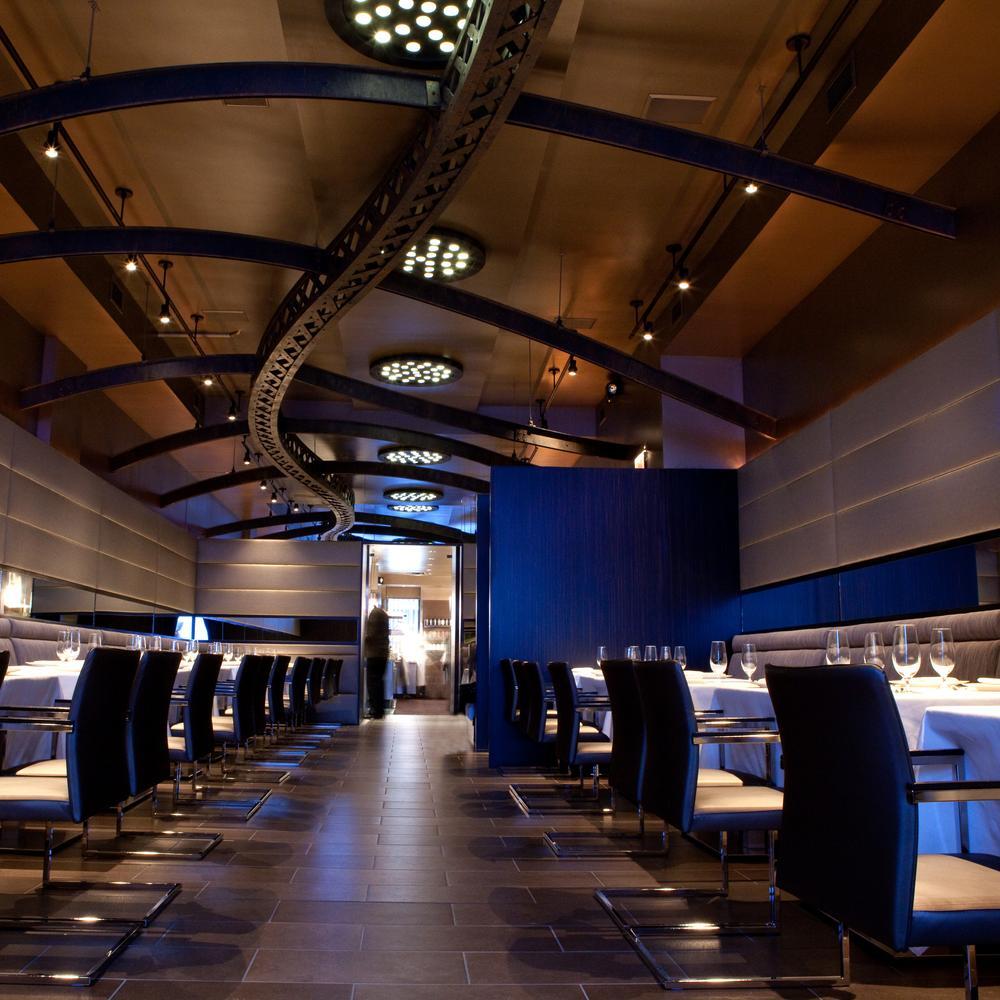
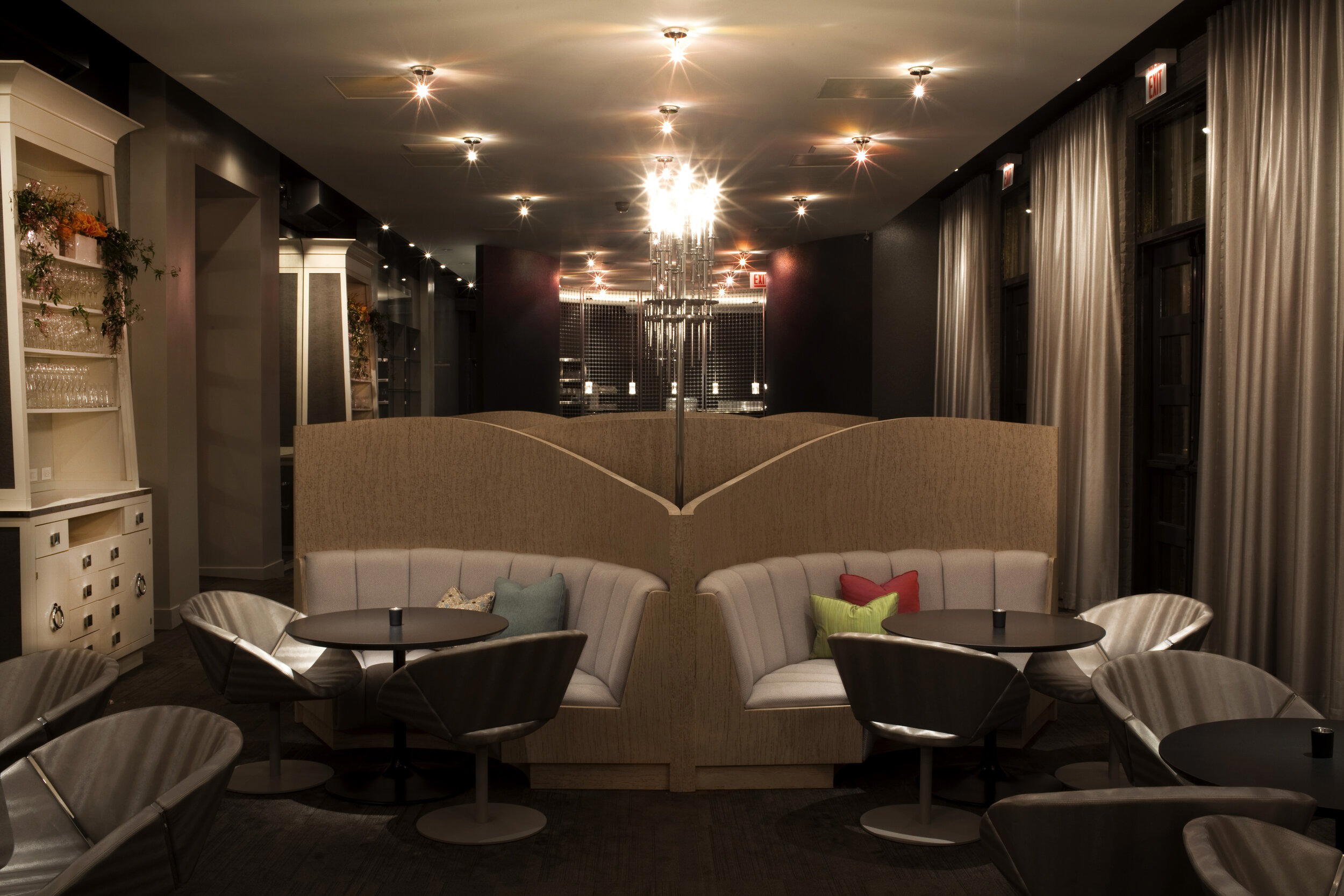
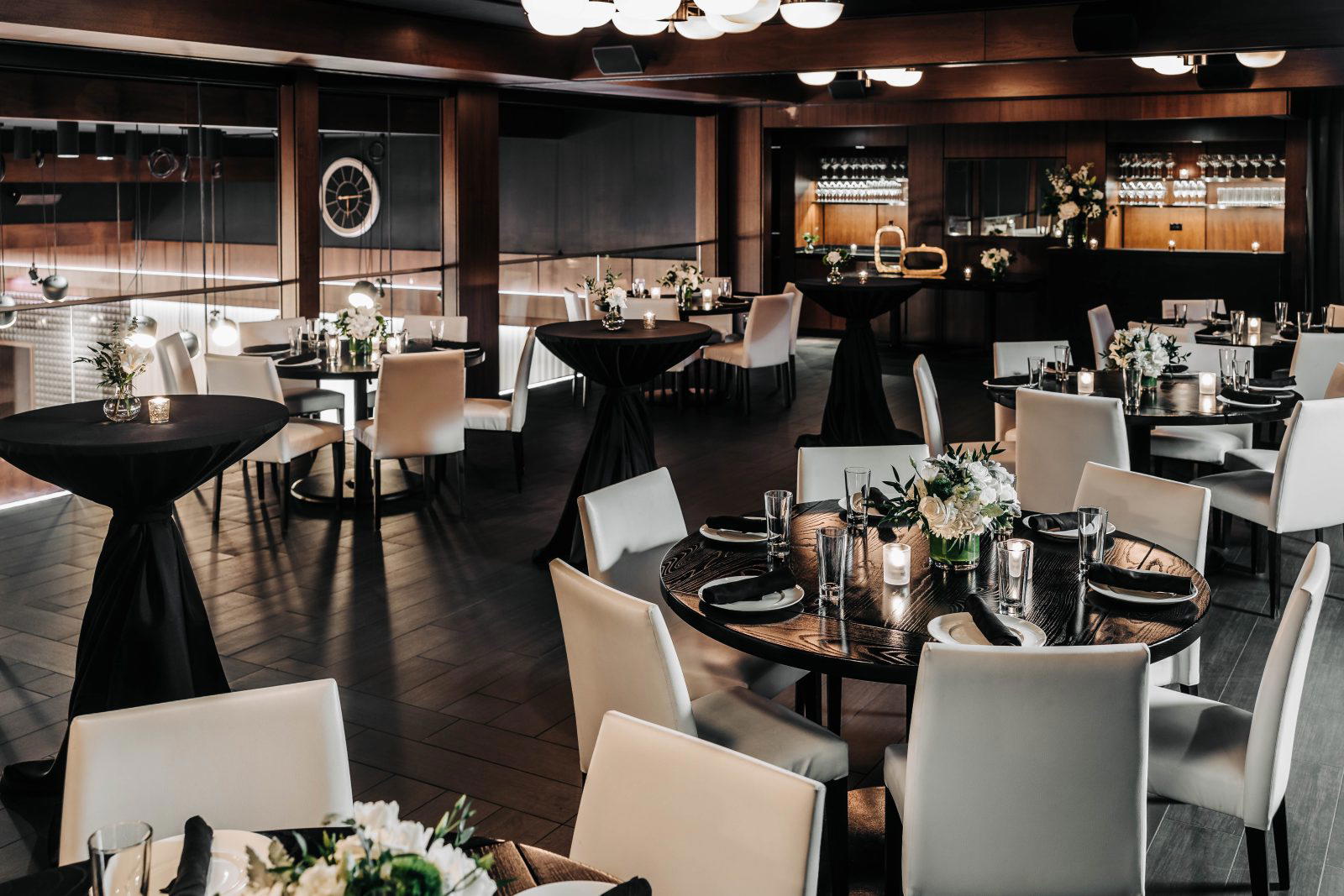
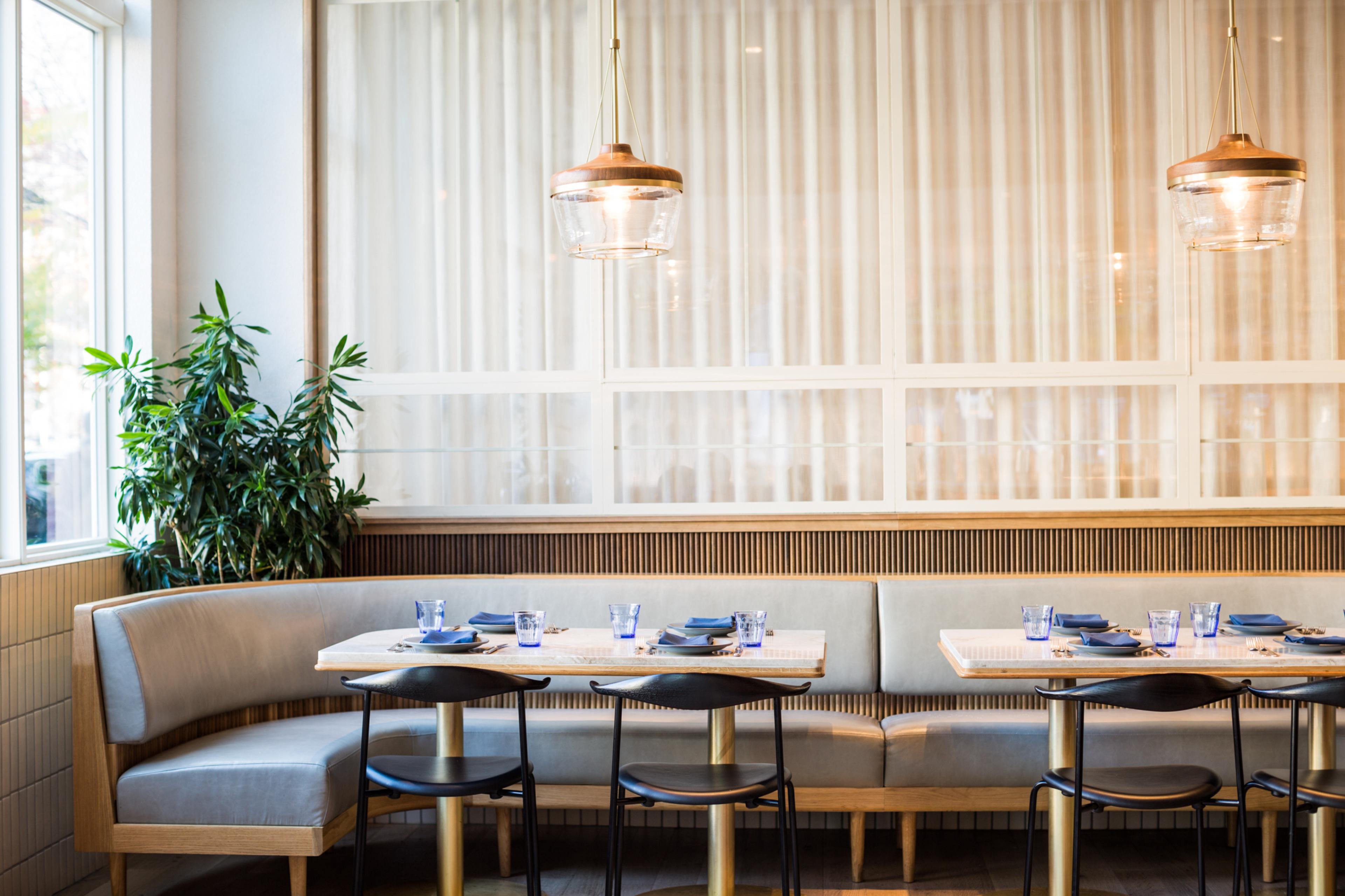
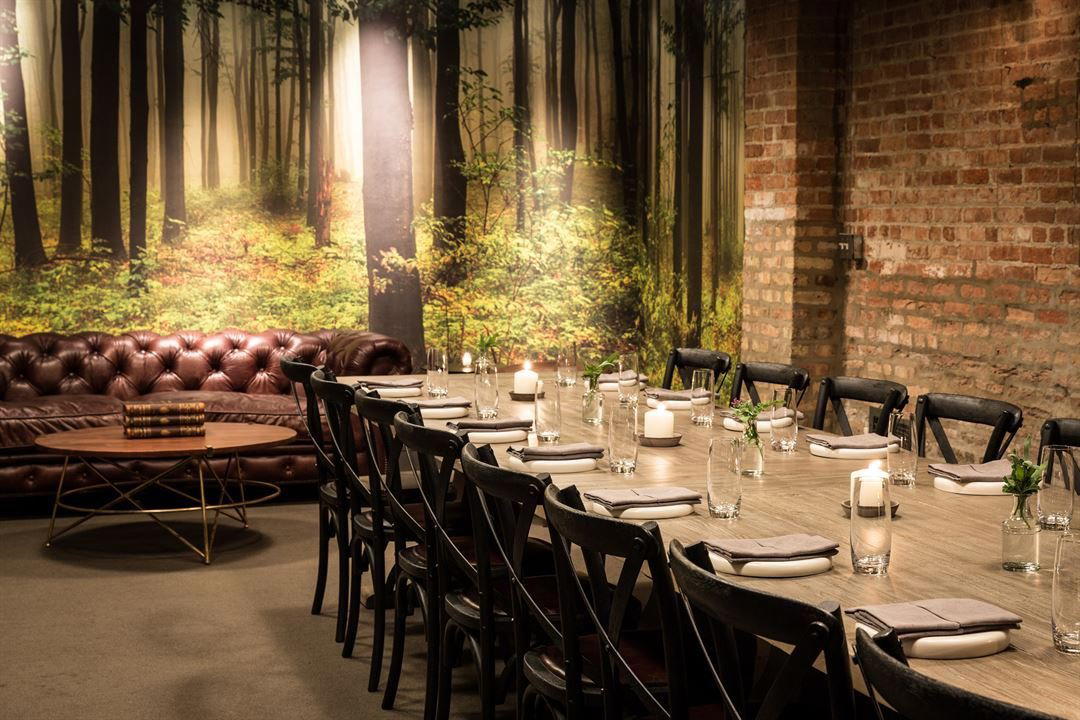
Warm, intimate dining room with careful attention to lighting, glassware, and an elegant, upscale atmosphere that feels personal and cheerful.