Chicago Kalbi BBQ
Our verdict
The address places it firmly within a neighbourhood where tabletop grilling is the default idiom, not a novelty import. For visitors orienting themselves within Chicago's Korean dining scene, this is a practical and characterful starting point.

Pearl is the En Primeur Club membership app, where members save venues, book tables and use the concierge.
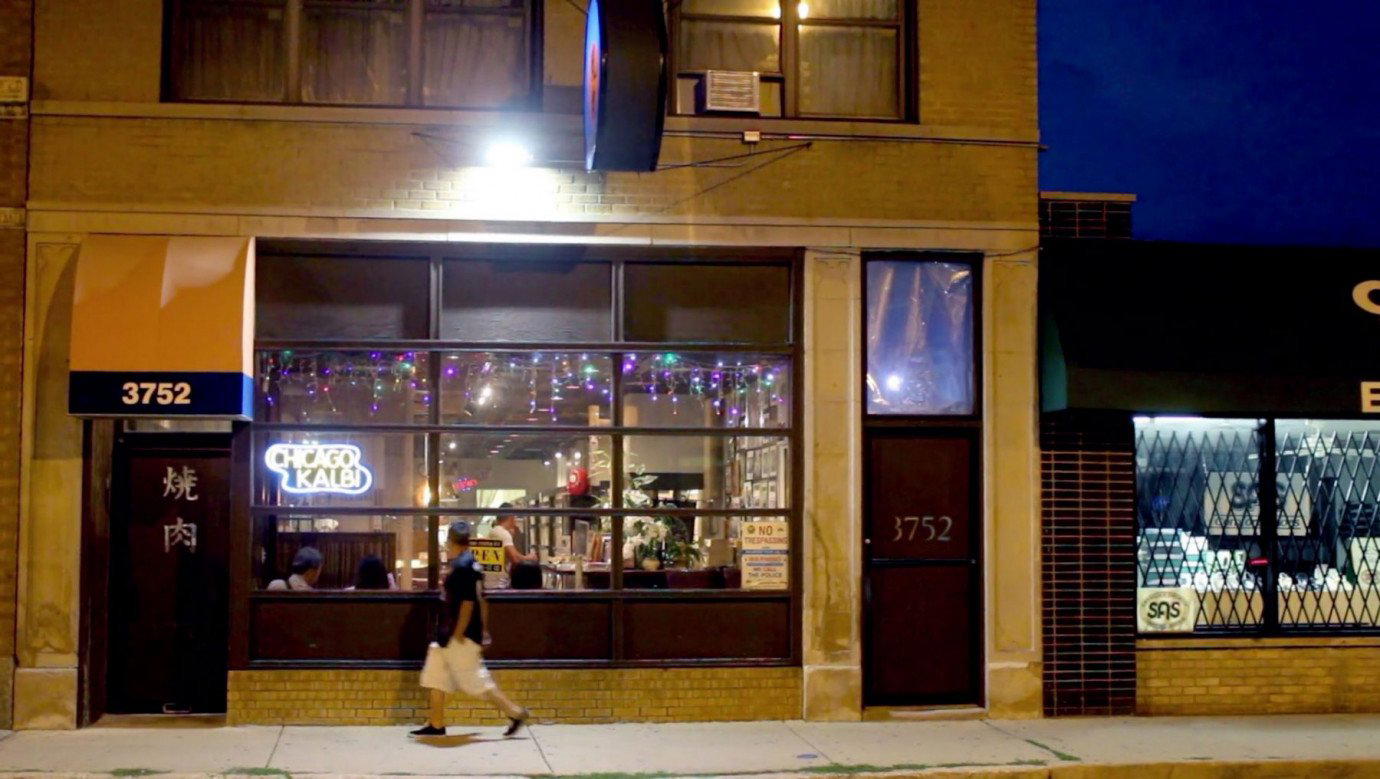
Korean barbecue as a dining format rewards understanding before arrival. The mechanics are simple enough: raw or marinated proteins arrive at the table and cook over charcoal or gas on an embedded grill. What varies considerably between venues is the quality and cut of the meat, the depth of the banchan spread accompanying the meal, the ventilation (a practical concern that separates well-run rooms from smoky ones), and the attentiveness of the service staff in managing the grill. These are the variables worth interrogating when choosing where to sit down in a neighbourhood with multiple options within walking distance.
For Chicago dining at the other end of the formality spectrum, EP Club covers tasting-menu destinations including Alinea (Progressive American, Creative), Smyth (Progressive American, Contemporary), and Kasama (Filipino) and Next Restaurant (American Cuisine), often requires advance planning of weeks or months.
Arrive early in the dinner window on weekends if you want to avoid queuing. Weekday evenings tend to be more accessible across the neighbourhood as a general pattern for this category of restaurant.
For the broader Korean BBQ format, group size is worth considering before you go. Tables are typically configured around the grill, and larger parties (four to six) tend to produce the most natural cadence for ordering across multiple proteins and sharing banchan. Couples can and do dine comfortably, but the full spread reads better with more hands at the table.
The Korean BBQ Format in the Chicago Context
Chicago's Korean dining scene is less prominent in national food media than New York's Koreatown on 32nd Street or the Koreatown corridor in Los Angeles, but Albany Park has maintained a working, neighbourhood-facing community of Korean restaurants without the self-conscious branding that attends more tourist-trafficked versions of the same cuisine. That relative obscurity is a structural feature of the neighbourhood, not a quality signal in either direction.
Kalbi, the dish that names this restaurant, refers to marinated short rib, typically beef, cut across the bone and grilled. It is one of the canonical preparations in Korean BBQ alongside bulgogi (thinly sliced marinated beef), samgyeopsal (pork belly), and galbi jjim (braised short rib, distinct from the grilled preparation). The word appears in the restaurant's name as both a menu anchor and a positioning statement within the competitive set: this is a venue that foregrounds the grilled short rib tradition rather than presenting itself as a general Korean restaurant.
Korean cuisine's increasing profile in American fine dining has been tracked through venues like Atomix in New York City, which applies tasting-menu discipline to Korean culinary references. Albany Park's Korean BBQ restaurants occupy the other end of that spectrum, where the format is communal and informal, and where the food's quality is measured in the sourcing and preparation of the proteins rather than in plating or composed dish architecture. The relevant comparison is not against Le Bernardin in New York City or The French Laundry in Napa; it is against the other grills on the same block or within a ten-minute walk. Price points in this category tend to run moderate by Chicago dining standards, with the cost governed more by protein quality and quantity ordered than by a fixed tasting menu or prix fixe structure.
| Venue | Category | Price Tier | Booking Approach |
|---|---|---|---|
| Chicago Kalbi BBQ | Korean BBQ | Moderate (unconfirmed) | Walk-in (standard for category) |
| Kasama | Filipino | $$$$ | Advance reservation required |
| Next Restaurant | American Cuisine | $$$$ | Ticket-based advance booking |
| Smyth | Progressive American | $$$$ | Advance reservation required |
For readers building a broader Chicago dining itinerary across neighbourhoods and cuisines, EP Club's full Chicago restaurants guide maps venues across price tiers and formats. Readers interested in how Korean cuisine reads at the fine-dining end of the American restaurant spectrum can cross-reference Atomix in New York City. For comparable neighbourhood-anchored dining cultures in other American cities, see Emeril's in New Orleans, Lazy Bear in San Francisco, Providence in Los Angeles, Addison in San Diego, Blue Hill at Stone Barns in Tarrytown, The Inn at Little Washington in Washington, Frasca Food & Wine in Boulder, Single Thread Farm in Healdsburg, and Atelier Moessmer Norbert Niederkofler in Brunico.
Frequently asked questions
What's the address for Chicago Kalbi BBQ?
Chicago Kalbi BBQ is located at 3752 W Lawrence Ave, Chicago, IL 60625, Chicago.
How does Chicago Kalbi BBQ compare to other Korean BBQ spots in Albany Park?
Chicago Kalbi BBQ sits on W Lawrence Ave within a corridor that concentrates more Korean restaurants per block than anywhere else in Illinois outside of a dedicated Koreatown. What separates individual spots in this corridor tends to come down to meat sourcing, banchan rotation, and grill type rather than concept or chef pedigree.
What's the signature dish at Chicago Kalbi BBQ?
The name points directly to kalbi, the bone-in short rib cut that anchors Korean BBQ menus across the Albany Park corridor. At table-grill operations like this one on W Lawrence Ave, kalbi is typically ordered by the portion and cooked over the in-table grill by the diner.
How hard is it to get a table at Chicago Kalbi BBQ?
Korean BBQ restaurants along the Lawrence Avenue corridor in Albany Park generally operate on a walk-in or same-day basis rather than the weeks-out reservation windows common at Chicago's higher-profile dining rooms. That said, weekend evenings and late-night slots draw consistent local demand. Arriving early or during off-peak hours on weekdays is the practical move.
What's the signature at Chicago Kalbi BBQ?
Kalbi, the short rib cut the restaurant is named after, is the throughline here. In the Korean BBQ format standard to the Albany Park stretch of Lawrence Avenue, the signature is as much the grill-it-yourself format as any single cut. The combination of marinated beef, banchan sides, and table-side cooking defines the experience.
Is Chicago Kalbi BBQ good for vegetarians?
Traditional Korean BBQ menus are built around meat, and the grill-at-table format at Albany Park restaurants like this one on W Lawrence Ave centers on beef and pork cuts. Banchan sides, which often include kimchi, pickled vegetables, and tofu preparations, can offer vegetable-forward options, though some contain seafood or meat-based broths. Vegetarians should confirm specific menu options directly with the restaurant.
Comparable Venues
Comparable venues nearby, for context on price, style, and recognition.
| Venue | Cuisine | Price | Notes |
|---|---|---|---|
| Chicago Kalbi BBQThis venue (the venue you are viewing) | Japanese Yakiniku BBQ | $30–50 | Not listed |
| Ramen Wasabi | Authentic Japanese Ramen | $20–30 | Logan Square |
| Friends Sushi on Rush | Japanese Sushi | $30–50 | Near North Side |
| Yusho | Japanese Yakitori Izakaya | Not listed | Avondale |
| Rollapalooza | Contemporary Japanese Sushi | $20–30 | Lake View |
| Sai Café | Japanese Sushi & Seafood | $30–50 | Lincoln Park |
Continue exploring
More in Chicago
Restaurants in Chicago
All restaurants in Chicago →
Bars in Chicago
All bars in Chicago →
Details
- Cozy
- Trendy
- Group Dining
- Casual Hangout
- Open Kitchen
- Sake Program
- A La Carte
- Sake
Current opening hours
- Monday
- Closed
- Tuesday
- Closed
- Wednesday
- 5–10 PM
- Thursday
- 5–10 PM
- Friday
- 5–11 PM
- Saturday
- 5–11 PM
- Sunday
- 5–10 PM
Hours can change for holidays and private events. Hours as of .
Cozy and fun atmosphere resembling a Japanese baseball hall of fame with signed baseballs and autographed photos on the walls.