Virgin Hotels Chicago


Virgin Hotels Chicago occupies a converted 1920s office tower on N Wabash Avenue in the Loop, positioning 250 rooms against a Chicago hotel market that ranges from white-glove legacy properties to design-forward independents. The property sits in a middle tier that prizes personality over formality, making it a reference point for travelers who find the traditional luxury template less relevant than a well-located, attitude-forward stay.
Pearl is the En Primeur Club membership app — saves, bookings, and concierge access live there. Same editors, same standards.
- Address
- 203 N Wabash Ave 2nd floor, Chicago, IL 60601
- Phone
- 3129404680
- Directions
- Get directions
 Saves & bookings on Pearl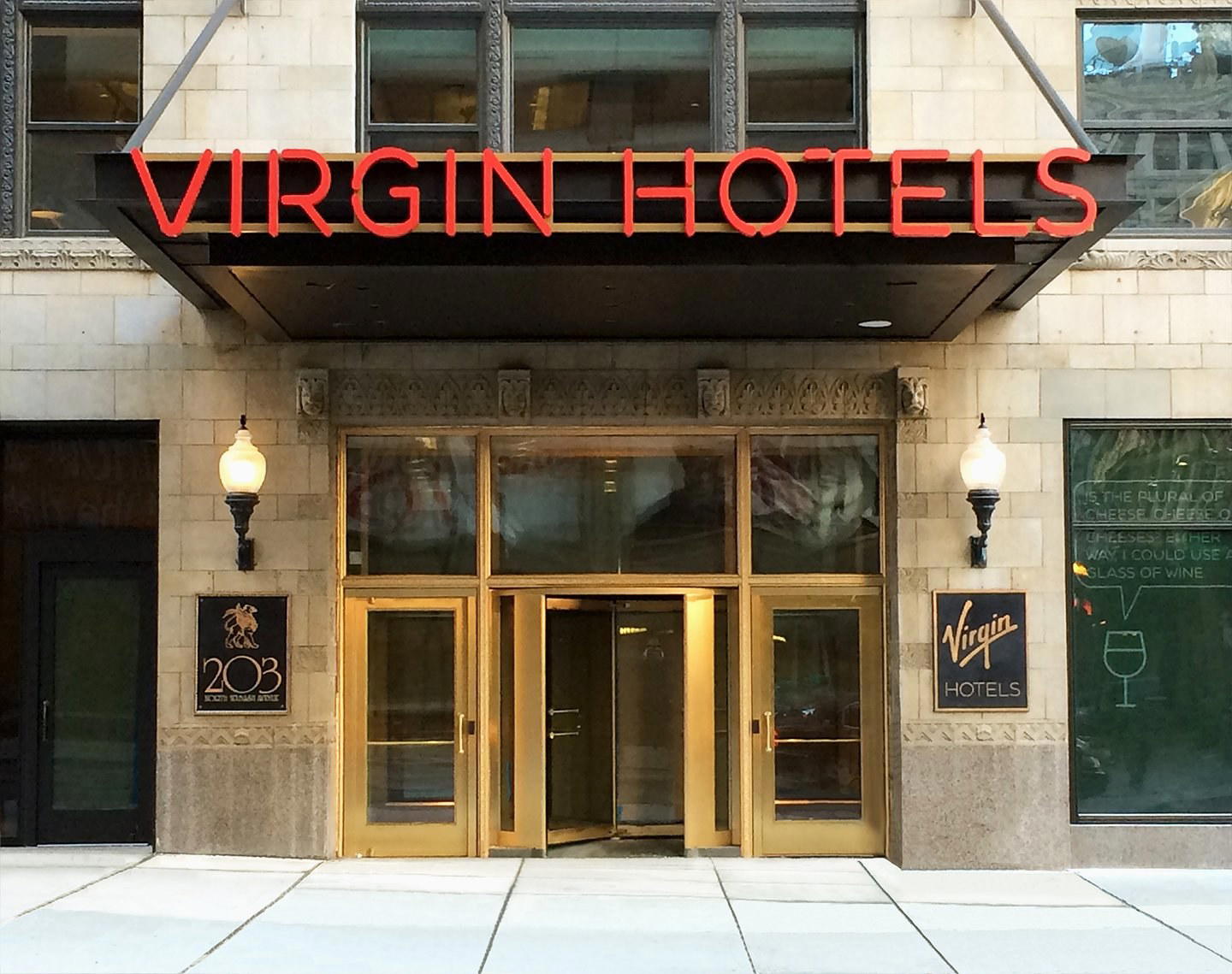
Where the Loop Meets a Different Kind of Hotel Logic
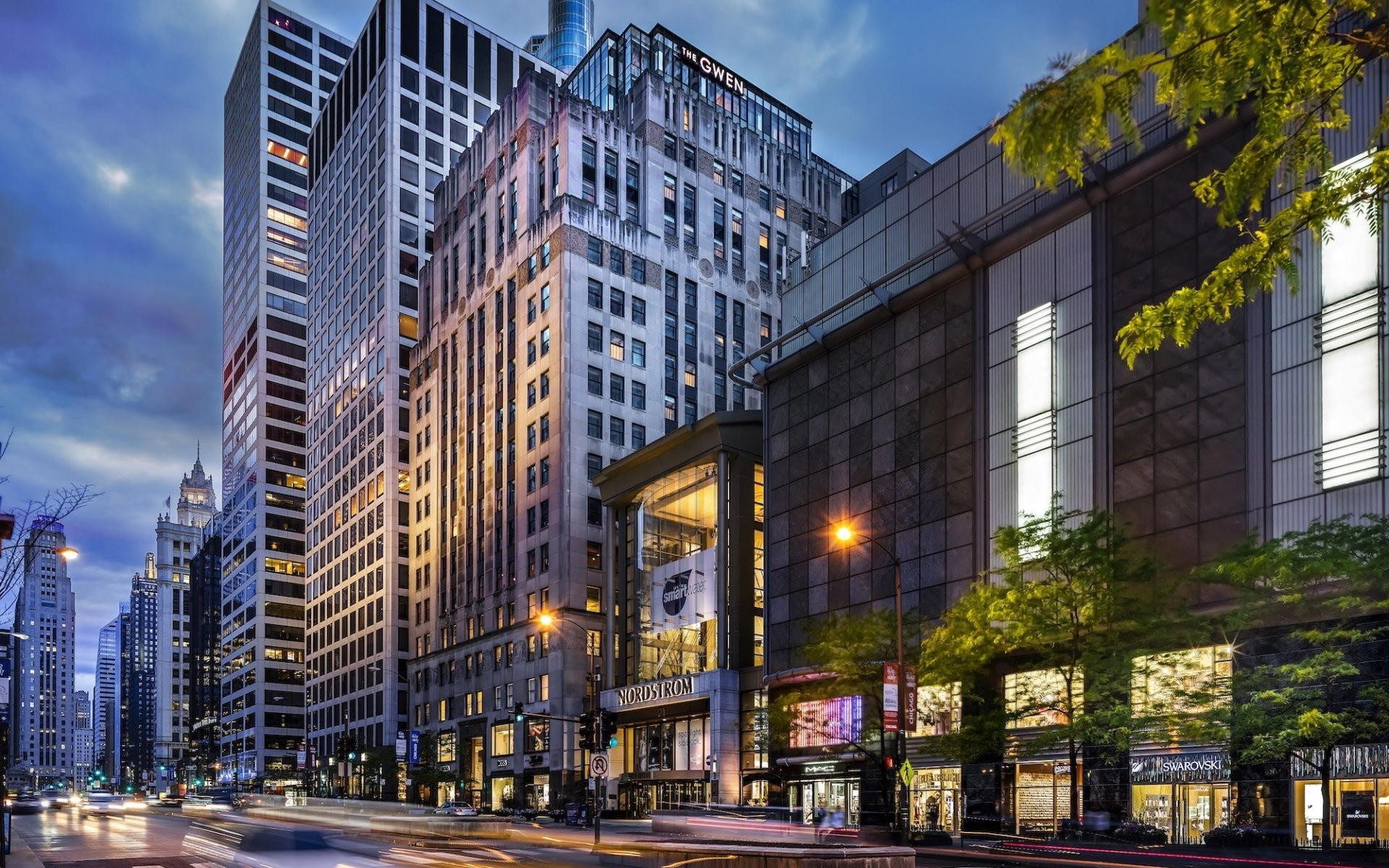
Chicago's hotel market along the State Street and Wabash corridor has long been anchored by the grand-lobby properties that lined Michigan Avenue through the 20th century. That tradition produced institutions with marble reception halls and doormen in white gloves, and several still operate at that register today. What shifted over the past decade is the arrival of a second tier that doesn't compete on formality or pedigree but on legibility of experience: properties where the physical environment and the social programming are designed to read as coherent, as if someone actually thought about how a guest might spend an evening rather than just a night. Virgin Hotels Chicago, at 203 N Wabash Avenue on the second floor of a converted 1920s office tower, sits inside that second movement. The address is central Loop, one block from the refined train tracks that define the sonic character of this part of the city, and within walking distance of Millennium Park, the Art Institute, and the theater district. That location matters less as a checklist item and more as a context: guests here are placed at the working heart of downtown Chicago, not in the tourist-smoothed corridor closer to the lake.
250 Rooms and the Argument Against the Standard Hotel Room
The property runs 250 rooms, a scale that puts it in a mid-size category relative to the larger convention-adjacent hotels in the Loop and significantly below the footprint of flagships like The Peninsula Chicago or Waldorf Astoria Chicago. That count is not incidental. At 250 rooms, Virgin Hotels Chicago can maintain a degree of operational personality that larger properties sacrifice for throughput. The Virgin Hotels brand, more broadly, built its room concept around what it calls the Chamber: a layout that separates sleeping from dressing and working by a partial partition rather than a wall, giving guests two distinct zones within a single room. Whether that format suits a given traveler depends on how they use hotel space, but the intent is structural, not decorative. It's a deliberate argument about how hotel rooms should be organized, and it places Virgin Hotels in a different conversation than properties like The Langham, Chicago or Nobu Hotel Chicago, which compete on material richness and brand association rather than spatial philosophy.
The Social Infrastructure of the Property
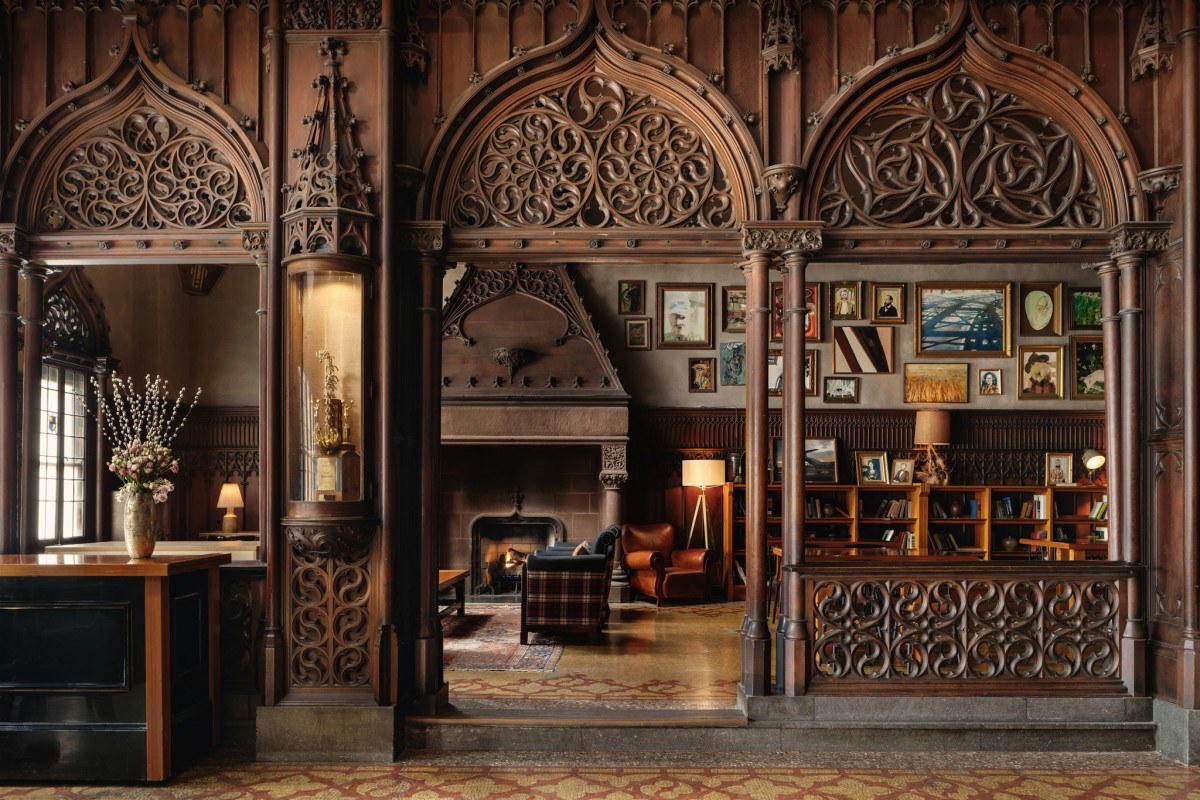
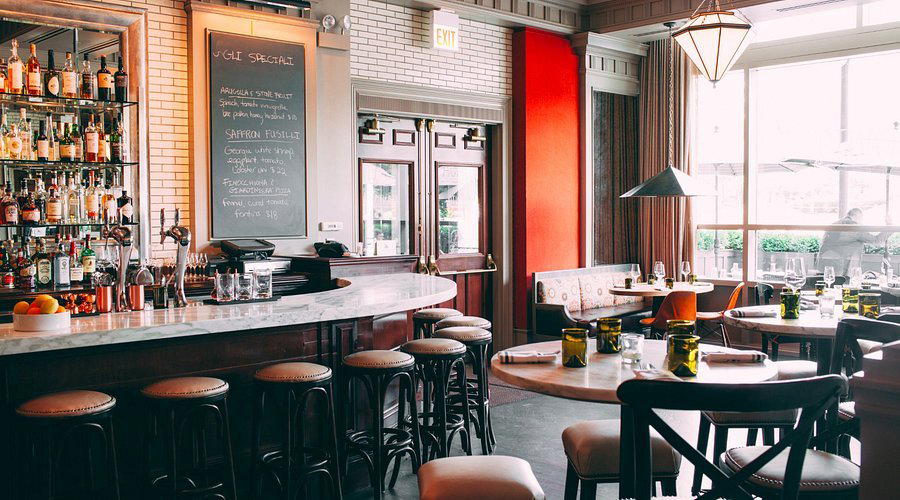
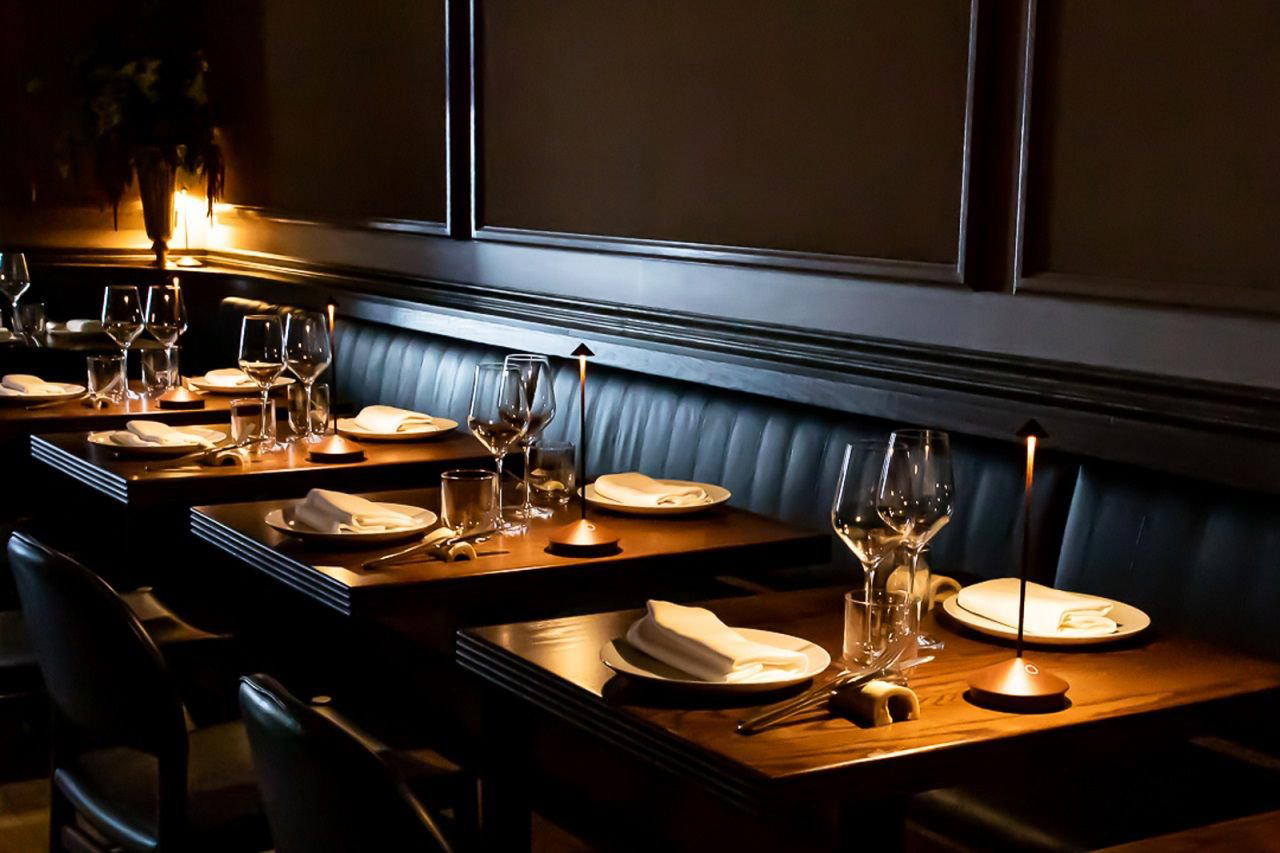
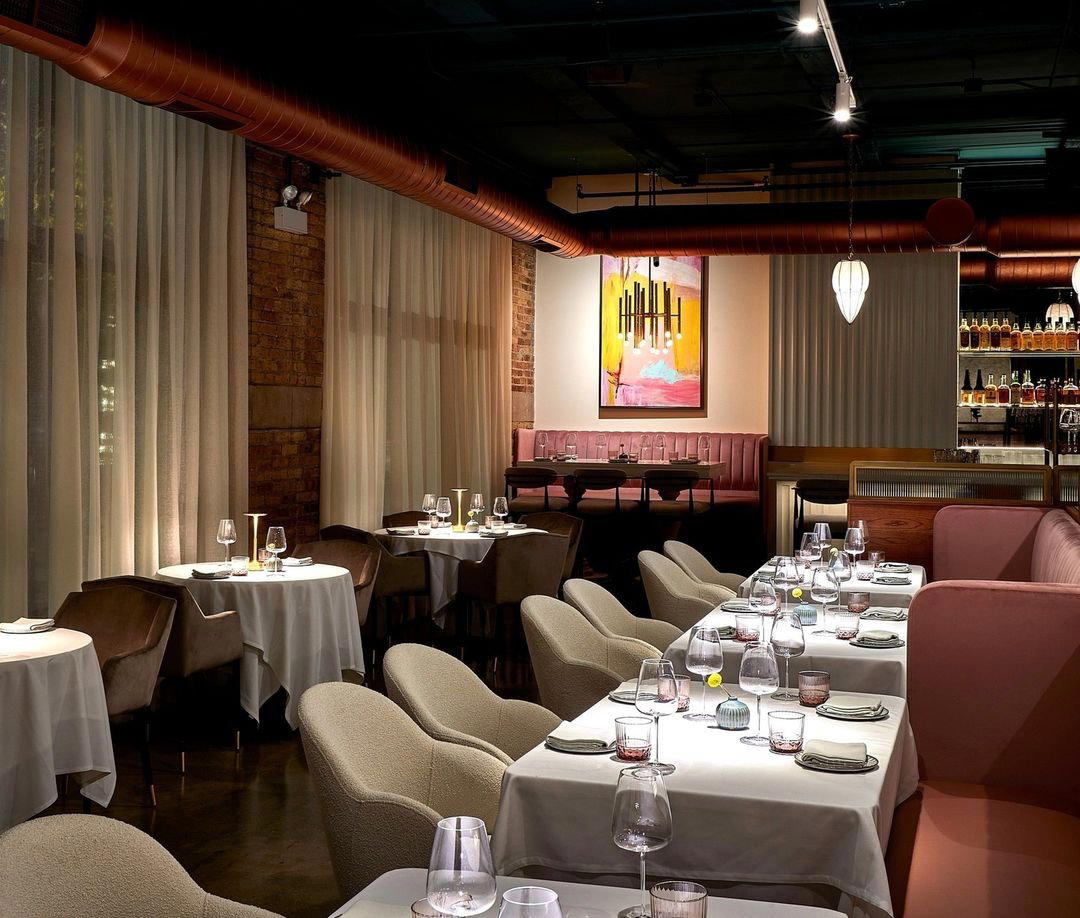
What distinguishes Virgin Hotels Chicago from a design hotel that stops at the room is its investment in the social spaces. The Commons Club, the brand's restaurant-bar-lounge format embedded in the property, functions as the experiential core rather than an amenity appended to the accommodation. In a Chicago hotel market where food and beverage operations range from afterthoughts to serious destinations, the Commons Club model positions the ground-level social environment as co-equal with the room product. This is relevant context for the Loop specifically, where several competing properties have historically treated their restaurants as obligatory rather than programmatic. The Wabash Avenue address also places guests within proximity of the city's river dining corridor and the Fulton Market dining district to the west, which means the hotel's own food and beverage has to earn its share of guest evenings against a strong external draw. For reference on what Chicago's broader dining scene looks like from a hotel base, our full Chicago restaurants guide maps the neighborhoods worth building an itinerary around.
How Virgin Hotels Chicago Sits in Its Competitive Set
Chicago's hotel scene for this type of traveler, one who reads the room product and the common spaces as equally important, has expanded considerably since 2015. Chicago Athletic Association converted a historic athletic club into a layered social property in the same period. Pendry Chicago entered the market with a similar attitude-forward positioning. Viceroy Chicago staked out the Gold Coast with a design-led format. The Gwen on Michigan Avenue draws from the Luxury Collection's positioning. Against this field, the hotel's differentiation comes from brand consistency rather than one-off design ambition. The Virgin Hotels concept is a replicable format applied to specific buildings, which means the Chicago property inherits both the coherence of a tested system and the limitations of a formula. Guests who respond to the Virgin Hotels logic in other cities will find the Chicago property confirms their expectations; guests who prioritize place-specific design or local narrative may find properties like Chicago Athletic Association more compelling on that axis.
Planning a Stay: What to Know Before Booking
The N Wabash Avenue address puts the hotel at the intersection of Loop transit infrastructure: the Red, Blue, Green, Orange, Pink, and Purple lines all stop within a few blocks, and Union Station is accessible without a transfer. For guests arriving by air, both O'Hare and Midway connect into the Loop via CTA without requiring a taxi or rideshare. The hotel's second-floor lobby entry is a minor logistical note that surprises first-time visitors expecting a ground-level reception. The 250-room scale means the property is bookable for peak Chicago event weekends, including Lollapalooza in Grant Park, the Chicago Marathon, and the major convention calendar at McCormick Place, though rates at those windows will price against the full hotel market rather than any baseline. Travelers comparing the hotel against similar properties in other markets might reference The Fifth Avenue Hotel in New York City, Raffles Boston, or Pendry Chicago for calibration across the personality-hotel category. For those building a broader US travel itinerary beyond Chicago, EP Club covers a wide range of properties from Amangiri in Canyon Point and Post Ranch Inn in Big Sur to Hotel Bel-Air in Los Angeles, Kona Village in Kailua Kona, Four Seasons at The Surf Club in Surfside, Little Palm Island Resort in Little Torch Key, Troutbeck in Amenia, Sage Lodge in Pray, SingleThread Farm Inn in Healdsburg, Auberge du Soleil in Napa, and Canyon Ranch Tucson. Internationally, EP Club's coverage extends to Aman New York, Aman Venice, and Badrutt's Palace Hotel in St. Moritz for those benchmarking against the wider field.
Comparable Venues
Comparable venues nearby, for context on price, style, and recognition.
| Venue | Cuisine | Price | Awards | Notes |
|---|---|---|---|---|
| Virgin Hotels ChicagoThis venue — the venue you are viewing | Boutique lifestyle hotel with innovative room concepts. | $$$$ | 4-Star | Not listed |
| The Godfrey Hotel Chicago | Sleekly elemental boutique hotel with urban sophistication. | $$$$ | 4-Star | River North |
| Hotel Zachary at Gallagher Way | Boutique hotel blending classic and contemporary elements inspired by Wrigley Field's architect. | $$$$ | 4-Star | Wrigleyville |
| Le Méridien Essex Chicago | Contemporary luxury boutique hotel with modern design sensibilities and personalized service, positioned as an upscale urban retreat in Chicago's cultural district. | $$$ | 4-Star | Downtown Chicago / Michigan Avenue |
| The Royal Sonesta Chicago Downtown | residential-style modern retreat evoking Chicago's lively culture | $$$ | 4-Star | Downtown Chicago |
| The Robey | Art Deco landmark with industrial loft elements | $$$$ | 4-Star | Wicker Park |
Recognition history
Dated appearances from independent guides and award organizations, with the underlying list record or original source where available.
Michelin Selected
Michelin
Preferred Hotels L.V.X. Collection
Preferred Hotels

At a Glance
- Modern
- Trendy
- Sophisticated
- Lively
- Elegant
- Romantic Getaway
- Business Trip
- Weekend Escape
- Rooftop Pool
- Terrace
- Wi Fi
- Fitness Center
- Room Service
- Concierge
- Business Center
- Valet Parking
- Skyline
- Wi Fi
- Fitness Center
- Room Service
- Concierge
- Business Center
- Valet Parking
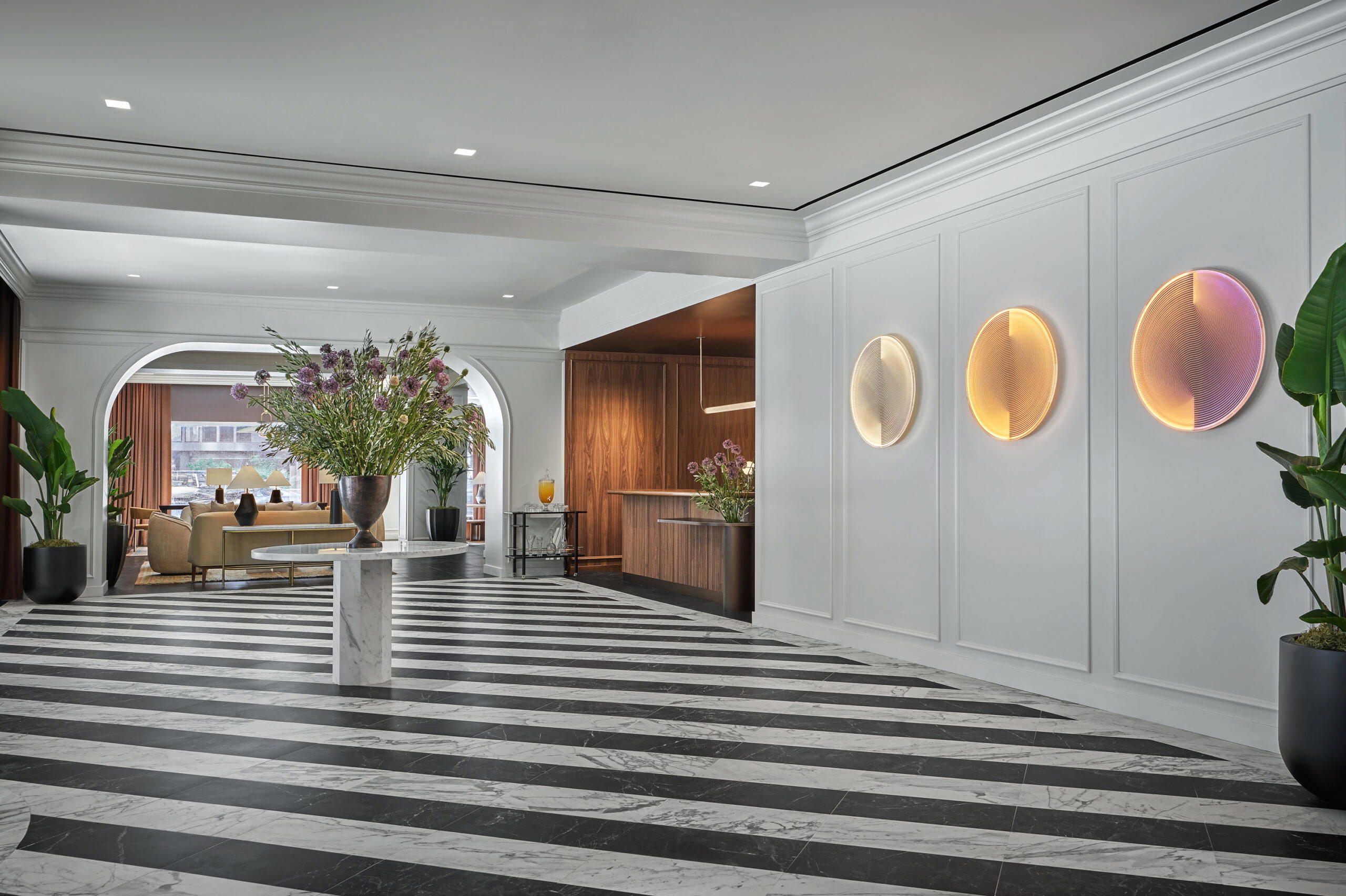
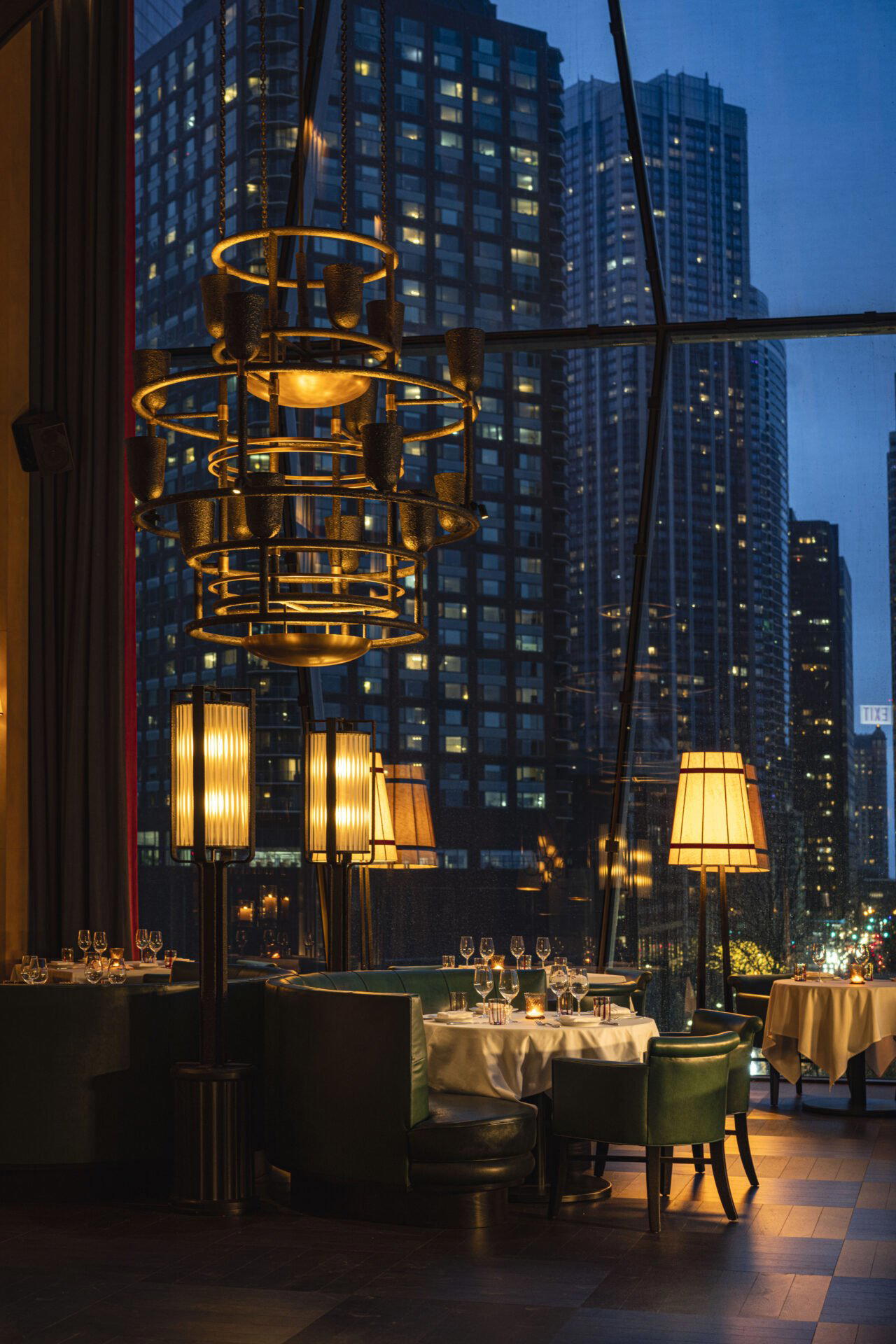
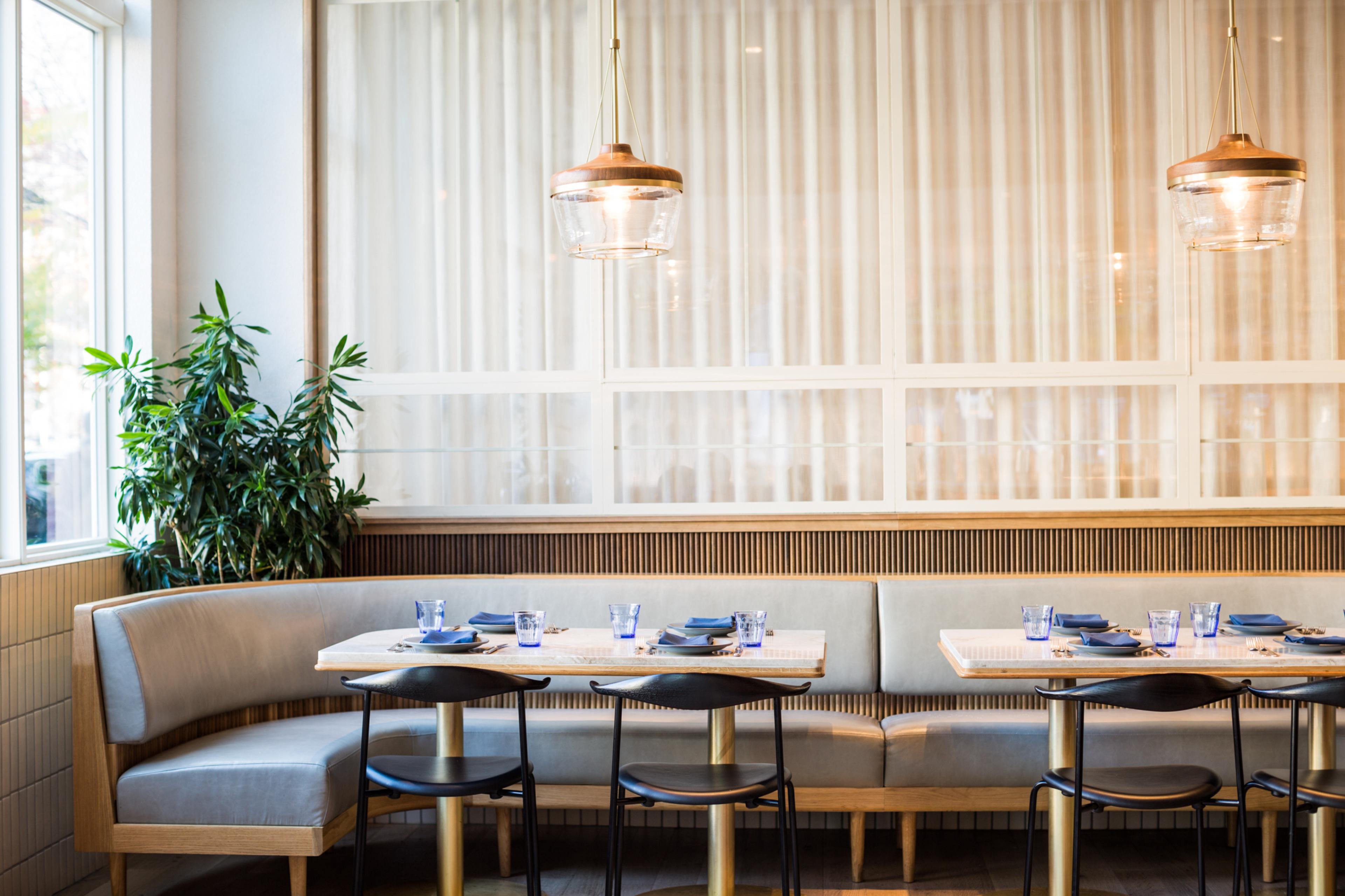
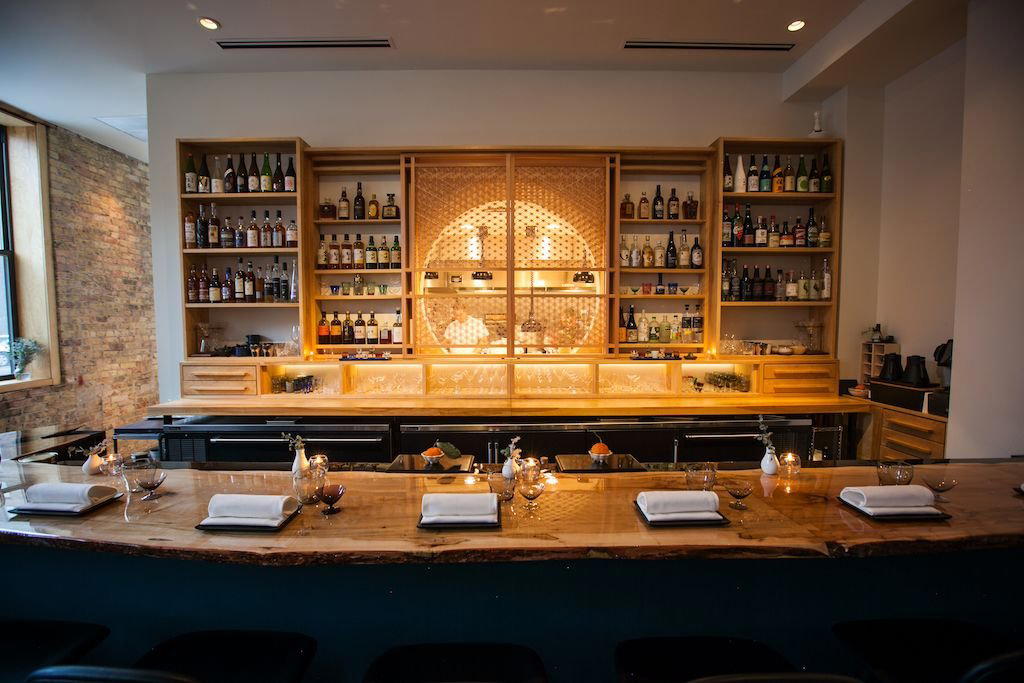
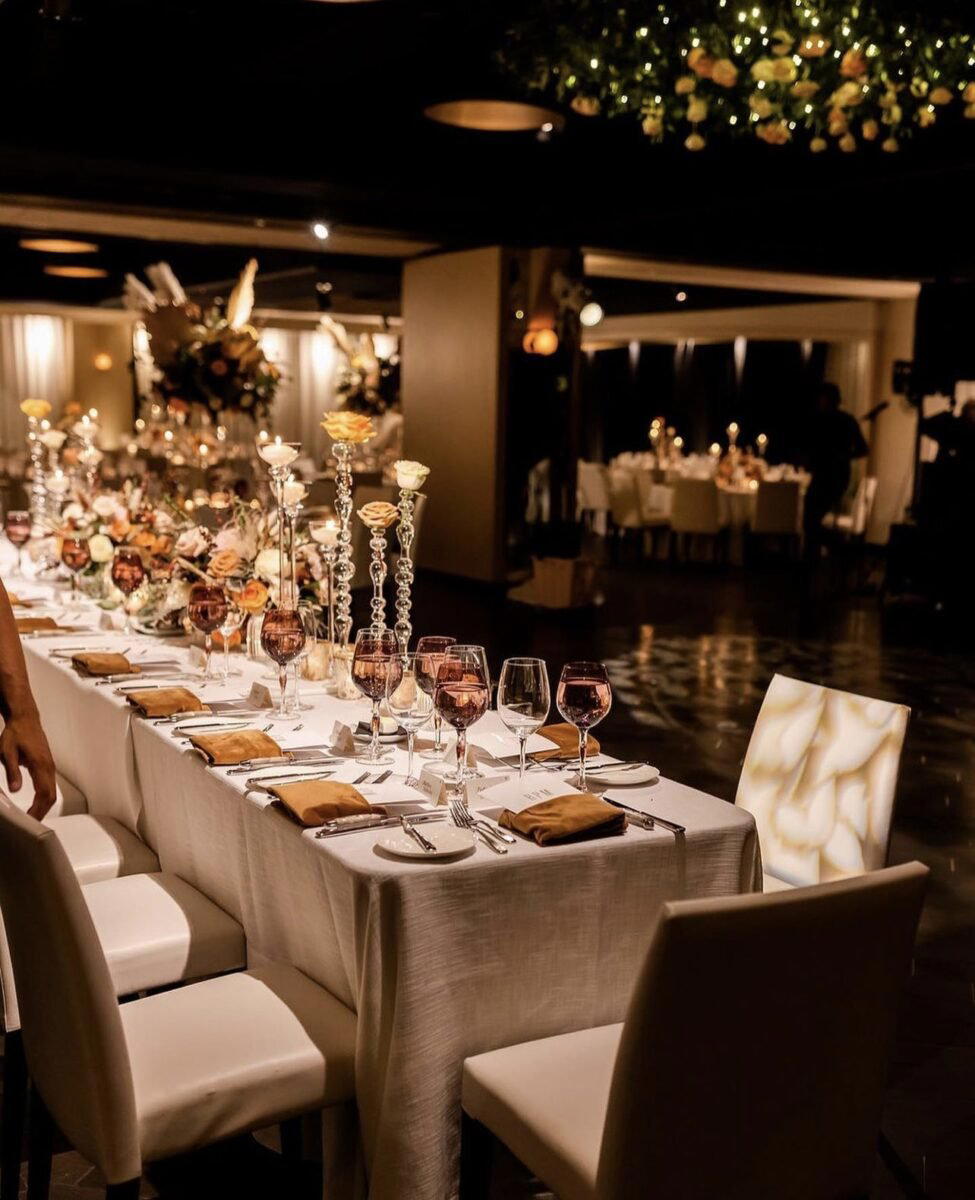
Hip and playful with lively lighting, live music, and energetic rooftop bar atmosphere.