Meze occupies a well-worn corner of Adams Morgan's 18th Street corridor, where the neighborhood's long tradition of Middle Eastern and Mediterranean dining has evolved alongside the block's shifting restaurant mix. The address places it in one of D.C.'s most consistently active dining strips, with a format and price point that has kept it relevant through several cycles of neighborhood change.
Pearl is the En Primeur Club membership app — saves, bookings, and concierge access live there. Same editors, same standards.
- Address
- 2437 18th St NW, Washington, DC 20009
- Phone
- +12027970017
- Website
- mezedc.com
- Directions
- Get directions
 Saves & bookings on Pearl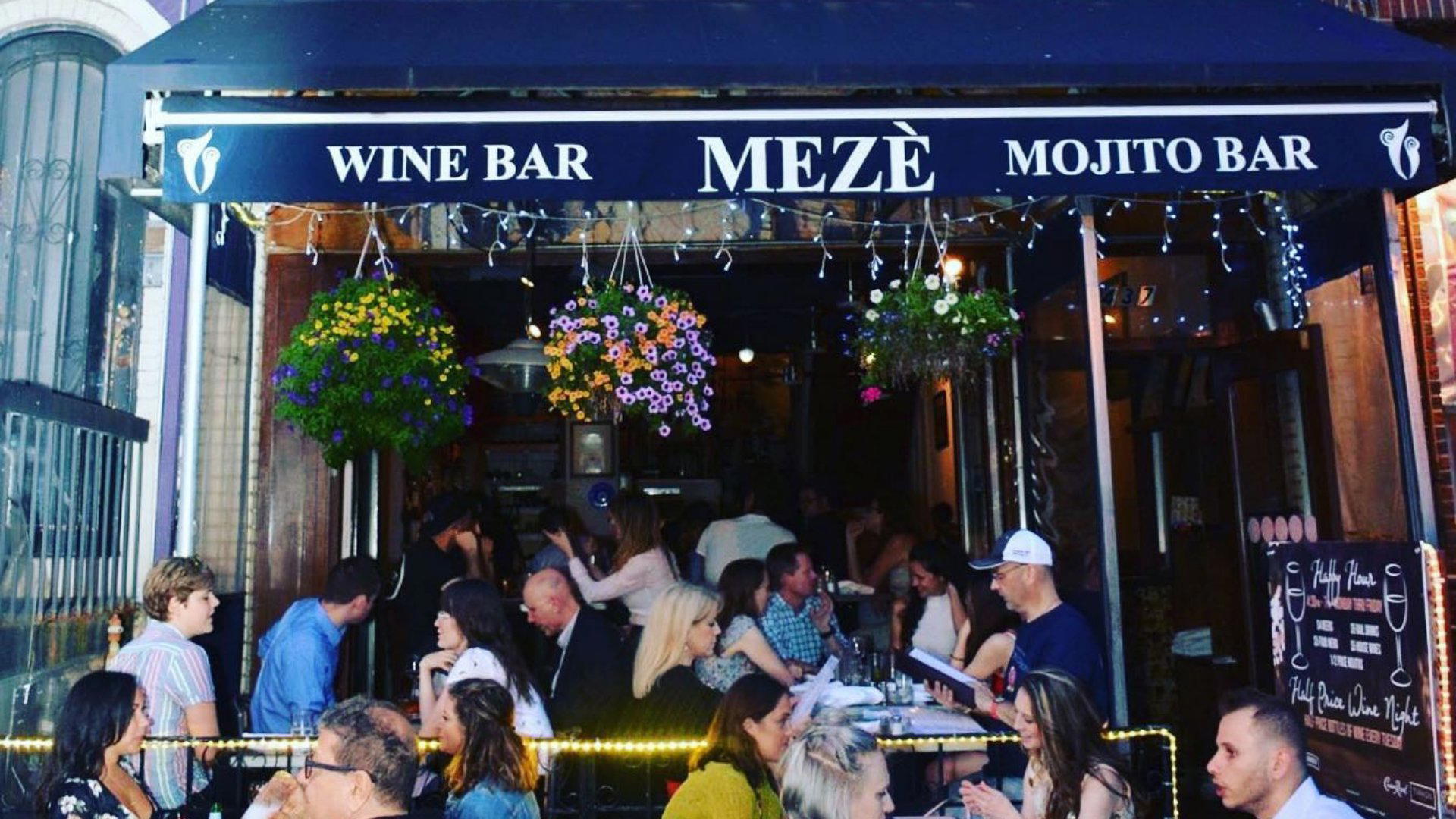
Adams Morgan and the Long Arc of Mediterranean Dining in D.C.
Eighteenth Street NW in Adams Morgan has functioned as one of Washington's most durable dining corridors for decades, absorbing waves of new openings without losing the neighborhood identity that made it relevant in the first place. The stretch around 2400 has historically skewed toward casual international formats, with Ethiopian, Latin, and Mediterranean venues anchoring the block through cycles when trendier neighborhoods pulled dining dollars elsewhere. Meze, at 2437 18th St NW, sits squarely inside that tradition, occupying a position in the corridor that has watched the surrounding mix shift considerably.
That longevity matters as context. Adams Morgan restaurants that survive more than a decade on 18th Street do so not by staying static but by reading what the neighborhood needs at different moments. The area's demographics have shifted, its nightlife economy has ebbed and flowed, and the casual-dining threshold has risen as D.C.'s overall food culture became more demanding. Venues that endure typically do so through some combination of format adjustment, menu evolution, or accumulated loyalty that insulates them from pressure at the margins.
The Neighborhood's Shifting Competitive Frame
D.C.'s Middle Eastern and Mediterranean dining scene has grown considerably more sophisticated over the past decade. The opening of Albi, which draws on Levantine tradition at a $$$$-tier price point, shifted the category's ceiling upward and established that the cuisine could carry fine-dining pricing and serious critical attention. That kind of repositioning reshapes the competitive frame for every other venue in the category, including those operating at a more accessible register.
Meze's address in Adams Morgan places it in a different tier and serves a different function than destination-dining counterparts. Where Albi operates as a considered evening out, the 18th Street corridor has historically served residents, late-night diners, and visitors looking for something immediate rather than planned. That distinction is not a criticism; it is a description of how a neighborhood's dining ecosystem distributes itself across price points and formats. The more interesting editorial question is how a venue in the accessible tier holds its ground as the category around it grows more competitive and the general dining public's expectations rise.
Evolution as a Survival Strategy on 18th Street
The venues on 18th Street that have tracked the longest tend to have adjusted their formats incrementally rather than through dramatic reinvention. A menu that leaned heavily on standard mezze sharing plates in the early 2000s would have been read as novel; the same menu in 2015 would have felt routine; by 2024, without some form of update, it risks feeling behind the curve entirely. The question for any Adams Morgan survivor is whether the evolution has been deliberate or whether the venue has simply continued operating while the context changed around it.
This is the tension at the center of Meze's current position. The name itself signals a format: small shared plates from the eastern Mediterranean tradition, a model that has become among the more replicated in American casual dining over the past twenty years. When that format was less common, it had inherent novelty. Now the challenge is differentiation within a broadly familiar structure. The venues that have managed this well tend to tighten their sourcing, sharpen their beverage programs, or find ways to express geographic specificity rather than generic Mediterranean breadth.
D.C.'s broader restaurant scene has moved in exactly that direction. Causa demonstrates the value of geographic specificity in a cuisine category, while Oyster Oyster shows how a focused identity around sourcing can generate sustained critical attention. At the fine-dining end, Jônt and minibar represent D.C.'s capacity for internationally competitive tasting-menu formats. The pressure those venues place on the city's overall dining discourse filters down to every tier, including the casual-Mediterranean corridor where Meze operates.
What 18th Street Still Does Well
There is a dining function that Adams Morgan's 18th Street corridor performs that more destination-oriented neighborhoods do not: it absorbs foot traffic on weekend evenings, accommodates groups without extensive advance planning, and delivers on the promise of a relaxed meal without the formality of a reservation infrastructure. That function has real value in a city where serious dining increasingly requires weeks of lead time. Jônt books far in advance; a walk-in at a 18th Street mezze spot serves a genuinely different purpose.
Nationally, the range of serious American dining extends from Le Bernardin in New York City and Alinea in Chicago to regional landmarks like Emeril's in New Orleans, Lazy Bear in San Francisco, and The French Laundry in Napa. Closer to D.C. The Inn at Little Washington anchors the Virginia side of the regional fine-dining picture. Farm-to-table formats at scale appear at venues like Blue Hill at Stone Barns in Tarrytown and Single Thread Farm in Healdsburg. West Coast serious dining is represented by Providence in Los Angeles and Addison in San Diego, while globally, venues like Atomix in New York City and 8 1/2 Otto e Mezzo Bombana in Hong Kong define what international-tier ambition looks like.
Meze occupies none of those tiers. It operates as a neighborhood anchor in a corridor built for accessibility, and that is a legitimate and necessary role in any city's dining ecosystem. The relevant measure is not whether it competes with D.C.'s tasting-menu set but whether it continues to hold the standard its own neighborhood requires.
Planning Your Visit
Meze is located at 2437 18th St NW in Adams Morgan. Walk-ins are possible, but reservations are recommended. Hours: Mon closed; Tue through Thu 5 to 10 PM; Fri 5 PM to 12 AM; Sat 11 AM to 12 AM; Sun 11 AM to 10 PM.
Cuisine Lens
Comparable venues nearby, for context on price, style, and recognition.
| Venue | Cuisine | Price | Notes |
|---|---|---|---|
| MezeThis venue — the venue you are viewing | Turkish Mediterranean Small Plates | $$ | Not listed |
| My Little Chamomile | Turkish Mediterranean | $$ | Waterfront Georgetown |
| Cafe Divan | Authentic Turkish | $$ | West Village Georgetown |
| Dawson's Market | Organic Market Cafe | $$ | Dupont Circle |
| Mission Dupont | Tex-Mex | $$ | Dupont Circle |
| 1608 14th St NW | Modern Thai | $$ | Logan Circle |
Continue exploring
More in Washington DC
Restaurants in Washington DC
Browse all →
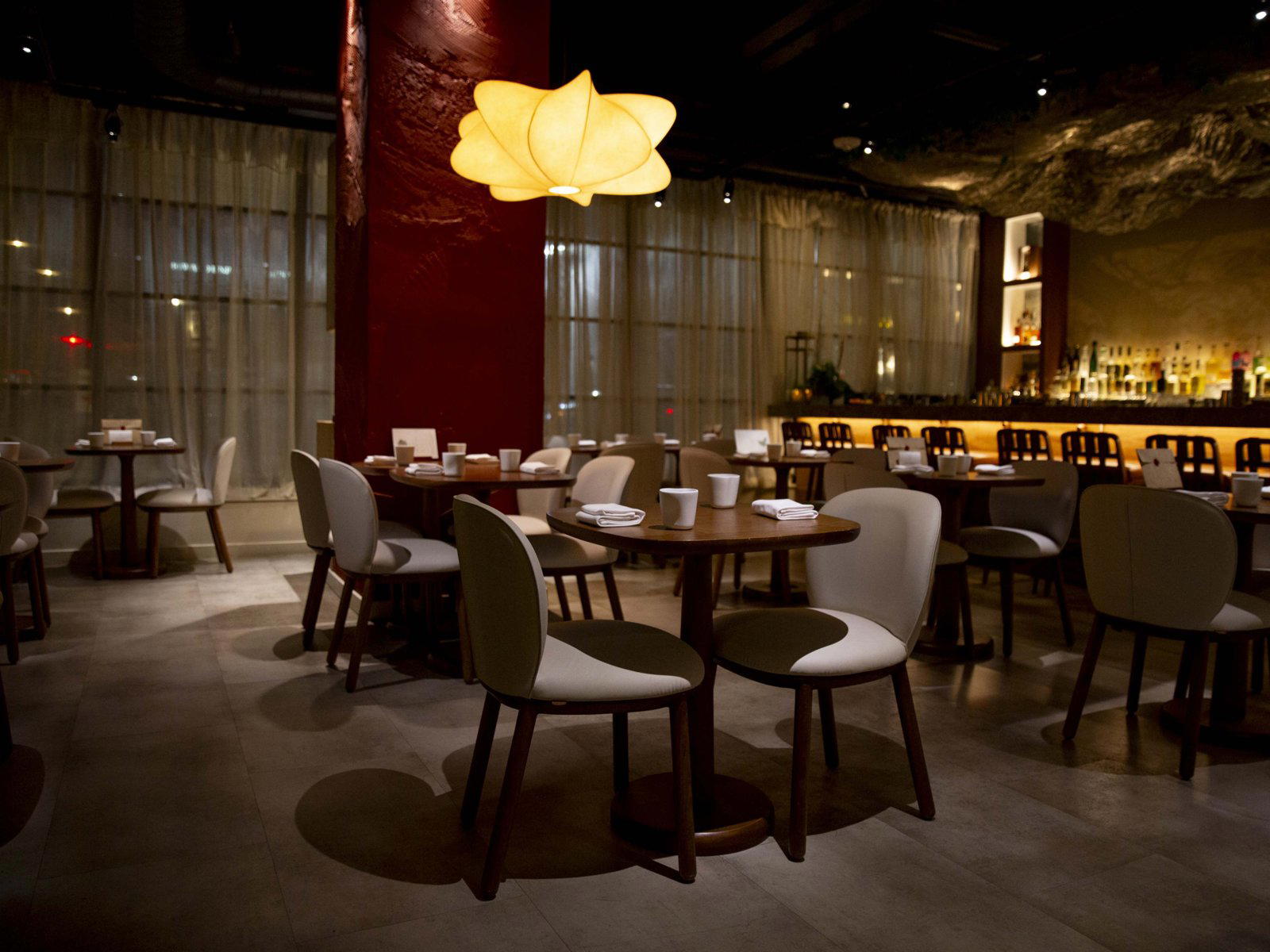
Bars in Washington DC
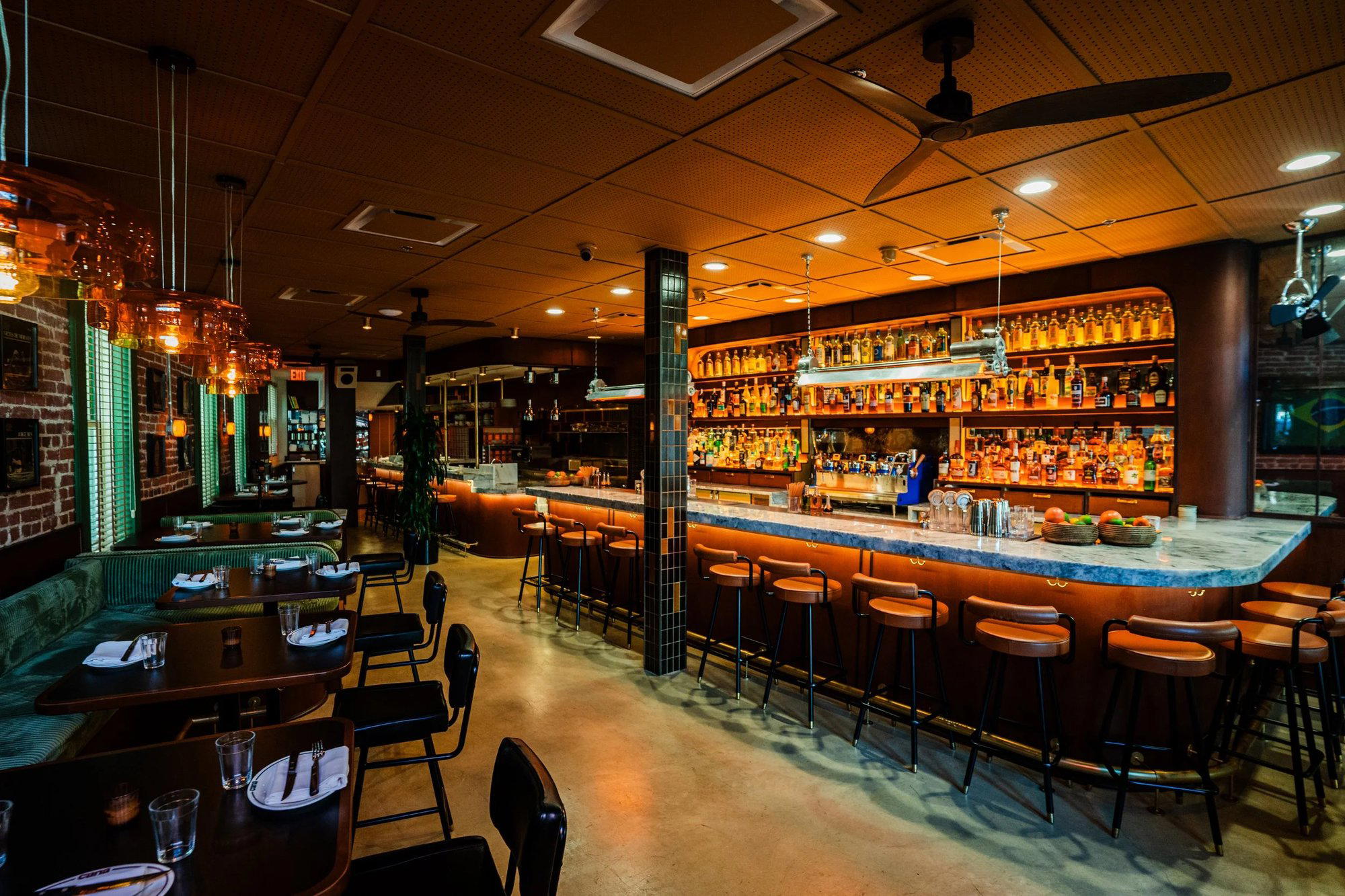
Browse all →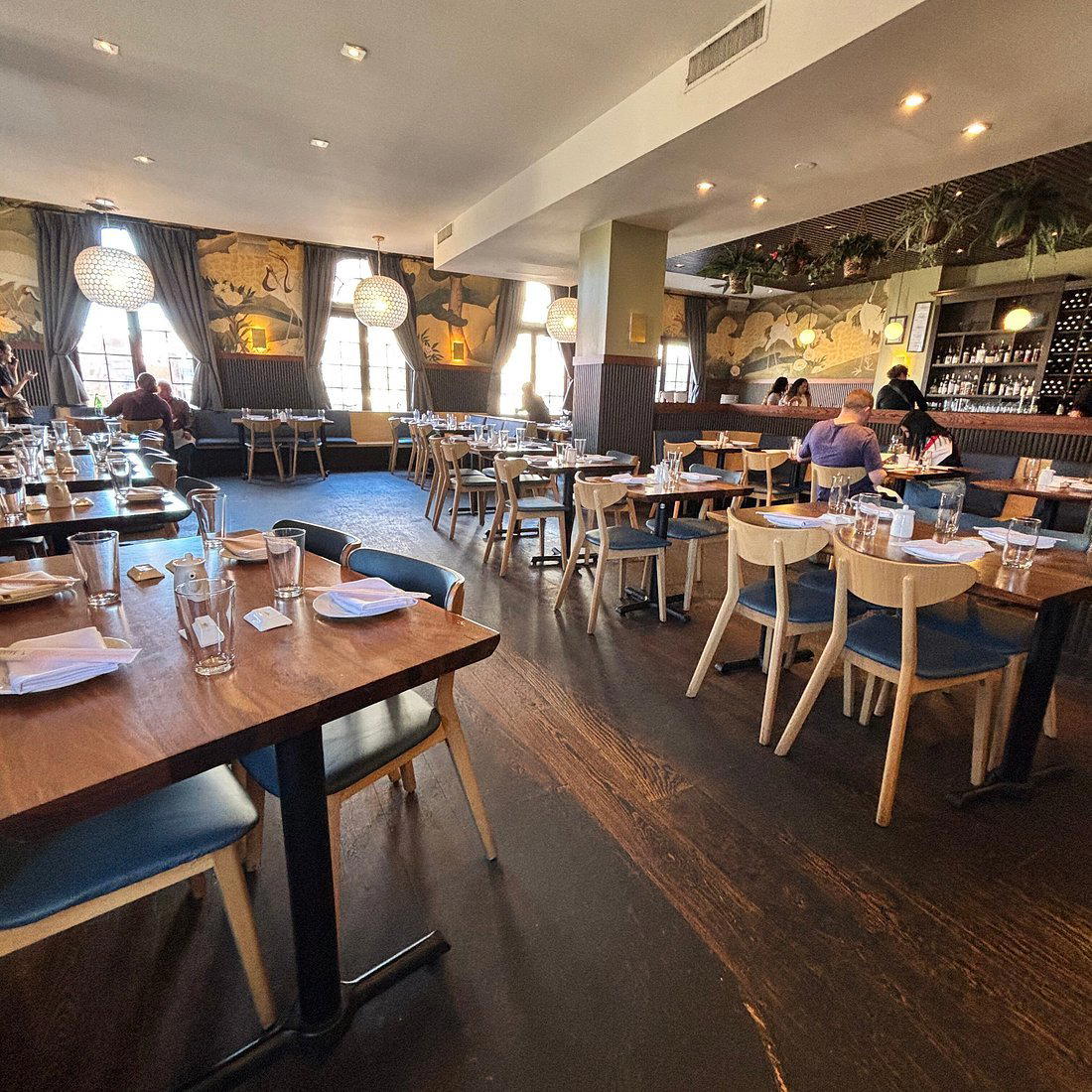
Hotels in Washington DC
Browse all →
At a Glance
- Cozy
- Lively
- Romantic
- Classic
- Group Dining
- Celebration
- Brunch
- Casual Hangout
- Date Night
- Private Dining
- Courtyard
- Live Music
- Craft Cocktails
- Beer Program
Current opening hours
- Monday
- Closed
- Tuesday
- 5–10 PM
- Wednesday
- 5–10 PM
- Thursday
- 5–10 PM
- Friday
- 5 PM–12 AM
- Saturday
- 11 AM–12 AM
- Sunday
- 11 AM–10 PM
Hours can change for holidays and private events. Last verified .
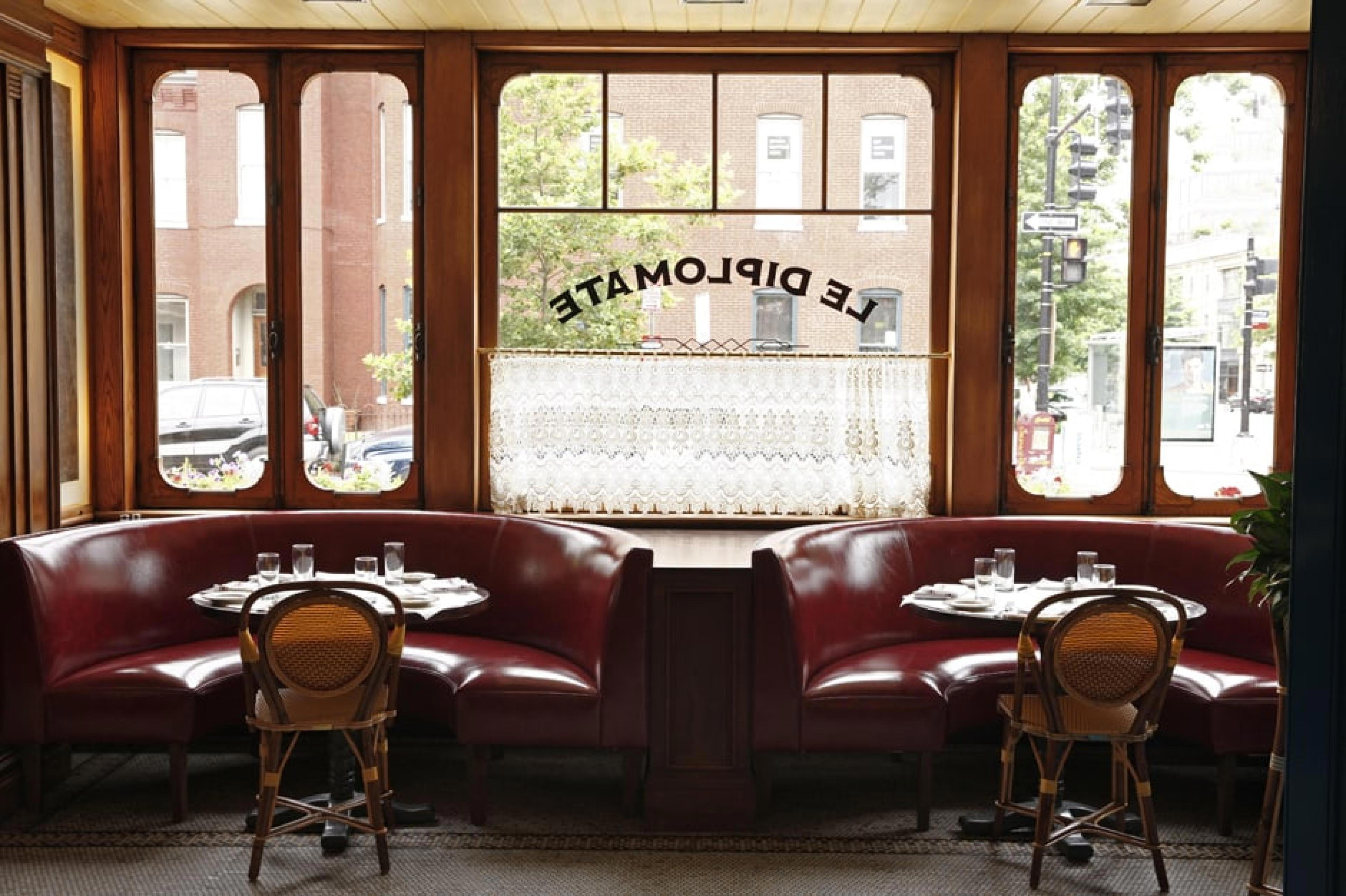
Warm and convivial Mediterranean-Turkish atmosphere with charming décor including hand-made Turkish copper pitchers and wood platters; guests describe it as authentic and welcoming with moderate noise levels suitable for conversation.