Cafe Divan
Cafe Divan occupies a corner of Georgetown's upper Wisconsin Avenue corridor, where the neighborhood's diplomatic and residential character sets the tone for a more measured dining pace than D.C.'s downtown restaurant scene. The cafe format places it in the informal end of Washington's Turkish and Mediterranean options, sitting well below the price tier of destination restaurants like Albi or Causa while serving a regulars-driven neighborhood crowd.
Pearl is the En Primeur Club membership app — saves, bookings, and concierge access live there. Same editors, same standards.
- Address
- 1834 Wisconsin Ave NW, Washington, DC 20007
- Phone
- (202) 338-1747
- Website
- eatatotto.com
- Directions
- Get directions
 Saves & bookings on Pearl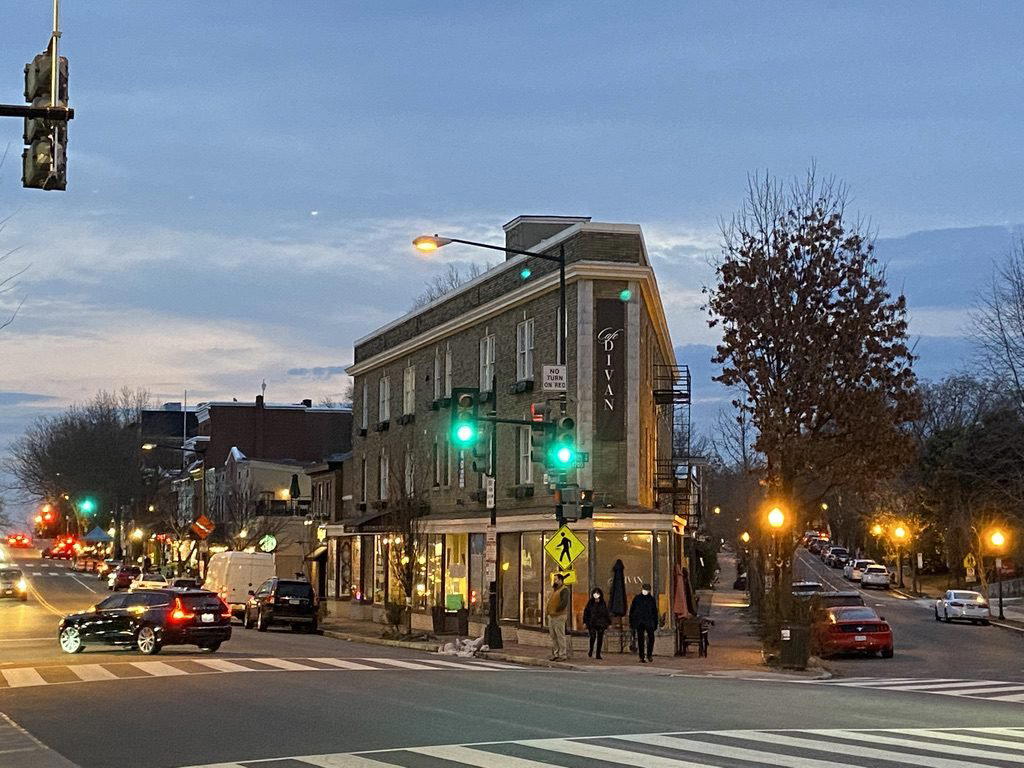
Georgetown's Measured Pace and the Case for Neighborhood Turkish
Cafe Divan is an Authentic Turkish restaurant in Washington, D.C. at 1834 Wisconsin Ave NW, with. Upper Wisconsin Avenue operates on different rhythms than D.C.'s Penn Quarter or 14th Street corridors. The blocks around 1834 Wisconsin Ave NW are residential and diplomatic, drawing a crowd of local professionals and Georgetown University affiliates rather than destination diners working through a restaurant checklist. In that context, Cafe Divan occupies a specific and well-defined role: it is a neighborhood anchor in a corridor that has few of them at this price tier, where regulars return for consistency rather than novelty.
Washington's Turkish dining scene is sparse relative to the city's broader Middle Eastern representation. Restaurants like Albi, which focuses on Levantine cooking, and the Peruvian-inflected Causa each work a specific regional and technique register at the upper end of the price spectrum. Cafe Divan operates in a different register altogether, the cafe format suggests approachability over ceremony, and the Georgetown address does more work in setting expectations than any tasting menu format would.
Where Turkish Technique Meets the Mid-Atlantic Table
It is the quieter process by which a cuisine transplants into a new ingredient context. Turkish cooking in its home register draws on a larder shaped by the Bosphorus, Anatolian highlands, and the Aegean coast: lamb, eggplant, white beans, fresh herbs, flatbreads, and yogurt-based preparations that have no direct equivalent in New American cooking.
The Mid-Atlantic region offers a credible ingredient set, Chesapeake-adjacent produce, Eastern Shore farms, a spring and summer growing season that can support fresh herb programs, but it cannot replicate the specific dairy and grain infrastructure that underlies the leading Turkish cooking in Istanbul or Gaziantep. The result, in cafes of this type across American cities, is a version of the cuisine that is most confident in its grilled and braised preparations, where technique travels more reliably than hyperlocal sourcing does.
At the fine dining end, houses like Blue Hill at Stone Barns in Tarrytown and Single Thread Farm in Healdsburg have built programs explicitly around the tension between regional sourcing and inherited technique. At the neighborhood cafe level, that tension is less theorized but equally present, it simply plays out in daily menu decisions rather than in a stated culinary philosophy.
The Georgetown Dining Context
Georgetown's restaurant market is unusual within D.C. for its residential density and the relative insulation it provides from the downtown power-lunch and expense-account dynamics that shape Penn Quarter dining. This creates a different business model: regulars matter more than first-time visitors, lunch and weekend traffic can anchor a week more reliably than dinner-only destination appeal, and the neighborhood's international population supports a broader range of ethnic cuisines than the same square footage would sustain in a more tourist-facing block.
That same international residential mix, built partly from the diplomatic community and partly from Georgetown's academic draw, is why Turkish, Greek, and Levantine cafes have found sustainable footholds in the neighborhood over the years, even as the broader D.C. dining conversation focuses on downtown and the 14th Street axis. For diners who want to understand the full range of what Washington eats, the comparison set extends beyond the destination tier. The Michelin-recognized houses, Jônt and minibar in the contemporary and molecular registers, Oyster Oyster for its sustainable New American approach, represent one stratum. The restaurant represents another, and both strata belong to the same city's dining identity.
The broader American comparison for this type of cafe format is instructive. Neighborhood-scale ethnic restaurants in cities with serious food cultures have attracted increased critical attention in recent years, partly as a reaction against the fine dining monoculture that restaurants like Le Bernardin in New York, The French Laundry in Napa, or Providence in Los Angeles define at the premium tier. The informal cafe is, in many respects, a more reliable vehicle for daily eating than a tasting menu format, and its quality ceiling is often underestimated.
Planning a Visit: What to Expect
The restaurant sits at 1834 Wisconsin Ave NW in Georgetown, placing it in the upper stretch of the Wisconsin Avenue corridor, above the main commercial cluster and closer to the residential character of the Glover Park boundary. Walk-in availability at cafe-format Turkish restaurants in this tier is typically higher than at the destination dining bracket, and the format generally supports solo diners, pairs, and small groups with equal ease.
For the comparative context of what serious Turkish technique looks like at a higher price point, restaurants elsewhere in the Mid-Atlantic and Northeast have addressed similar cuisine questions with more formal ambition. Atomix in New York offers a useful reference for how a non-European culinary tradition can be presented at the highest technical register, even if the cuisine is Korean rather than Turkish. The structural question it answers, can a cuisine from outside the French-Italian axis support a fine dining format in an American city?, is one that a Georgetown cafe like Divan sidesteps by operating at a lower register, where the cooking is expected to be direct rather than architectural.
The comparison set for Georgetown in particular reveals how much the neighborhood's dining identity diverges from the downtown and 14th Street restaurant clusters that attract most of the national press coverage.
Know Before You Go
- Address: 1834 Wisconsin Ave NW, Washington, DC 20007
- Neighborhood: Upper Georgetown, near the Glover Park boundary
- Format: Cafe-scale Turkish and Mediterranean; informal seating
- Reservations: Recommended
- Price tier: Positioned below destination-dining price points; comparable to mid-range Georgetown cafe options
- Getting there: Wisconsin Avenue is accessible via multiple D.C. bus routes; street parking availability varies by time of day
Category Peers
Comparable venues nearby, for context on price, style, and recognition.
| Venue | Cuisine | Price | Notes |
|---|---|---|---|
| Cafe DivanThis venue — the venue you are viewing | Authentic Turkish | $$ | Not listed |
| OBA Turkish Grill | Turkish Grill | $$ | West Village Georgetown |
| Meze | Turkish Mediterranean Small Plates | $$ | Reed-Cooke |
| Sofra | Authentic Turkish & Greek | $$ | Woodley Park |
| Chaia | Vegetarian Tacos | $$ | West Village Georgetown |
| Angolo Ristorante | Traditional Italian Trattoria | $$ | East Village Georgetown |
Continue exploring
More in Washington DC
Restaurants in Washington DC
Browse all →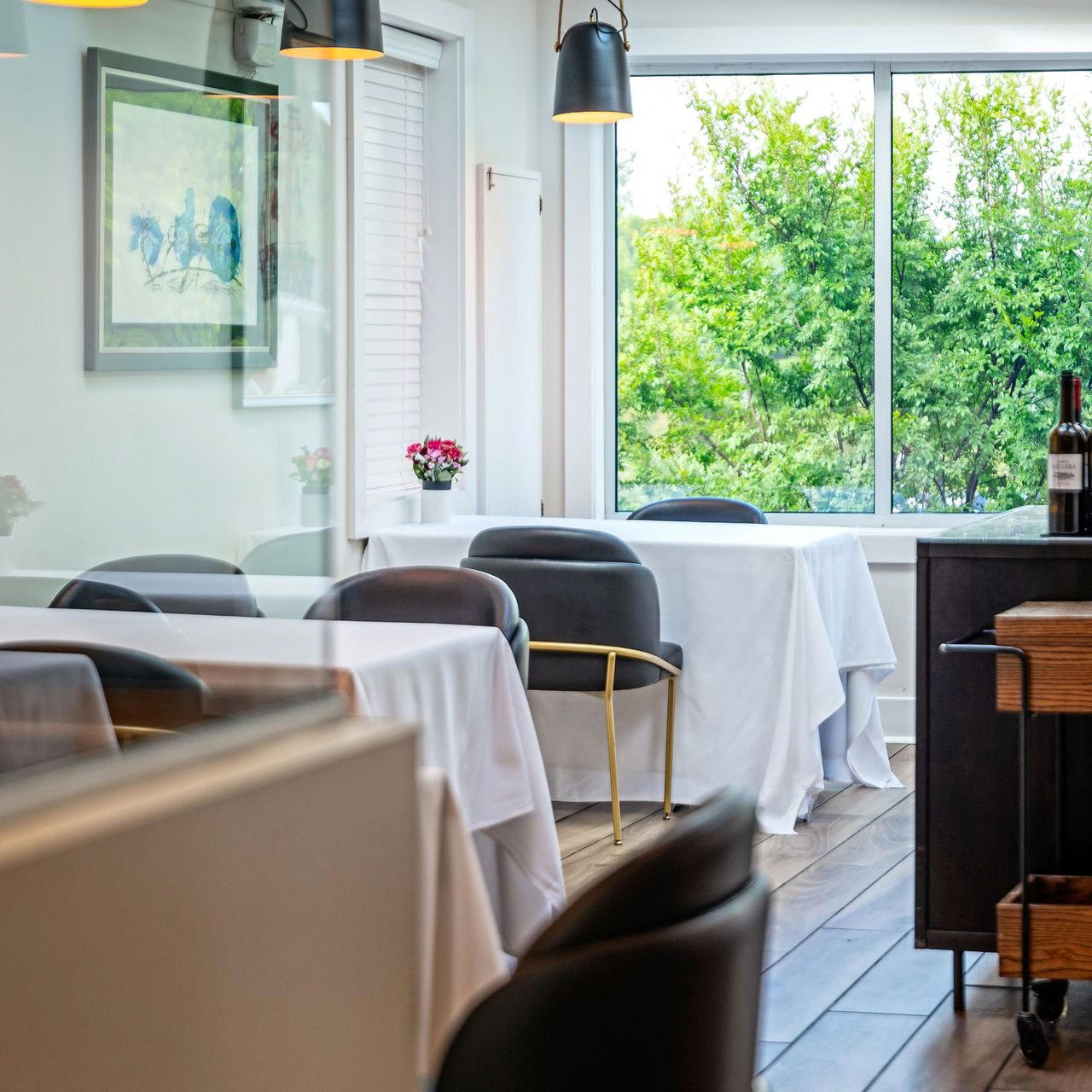
Bars in Washington DC
Browse all →
Hotels in Washington DC
Browse all →
At a Glance
- Classic
- Cozy
- Well Known
- Casual Hangout
- Group Dining
- Date Night
- Standalone
Current opening hours
- Monday
- 11 AM–10 PM
- Tuesday
- 11 AM–10 PM
- Wednesday
- 11 AM–10 PM
- Thursday
- 11 AM–10 PM
- Friday
- 11 AM–11 PM
- Saturday
- 11 AM–11 PM
- Sunday
- 11 AM–10 PM
Hours can change for holidays and private events. Last verified .
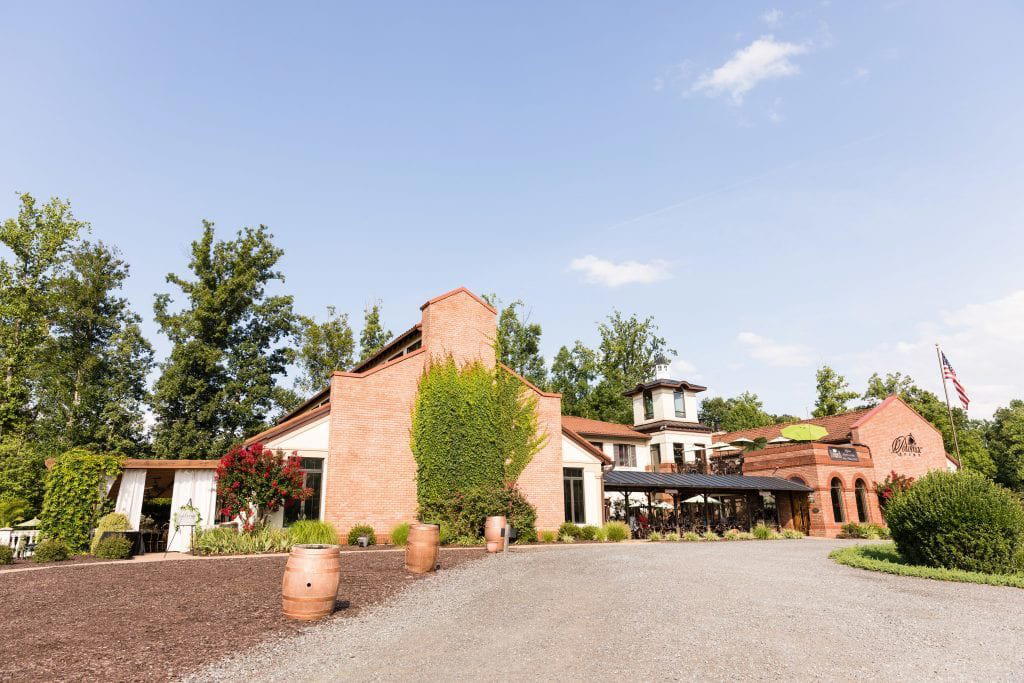
Bright and fresh with warm, welcoming atmosphere; simple, comfortable setting with Turkish tile and glass windows wrapping around the dining room.