Dawson's Market
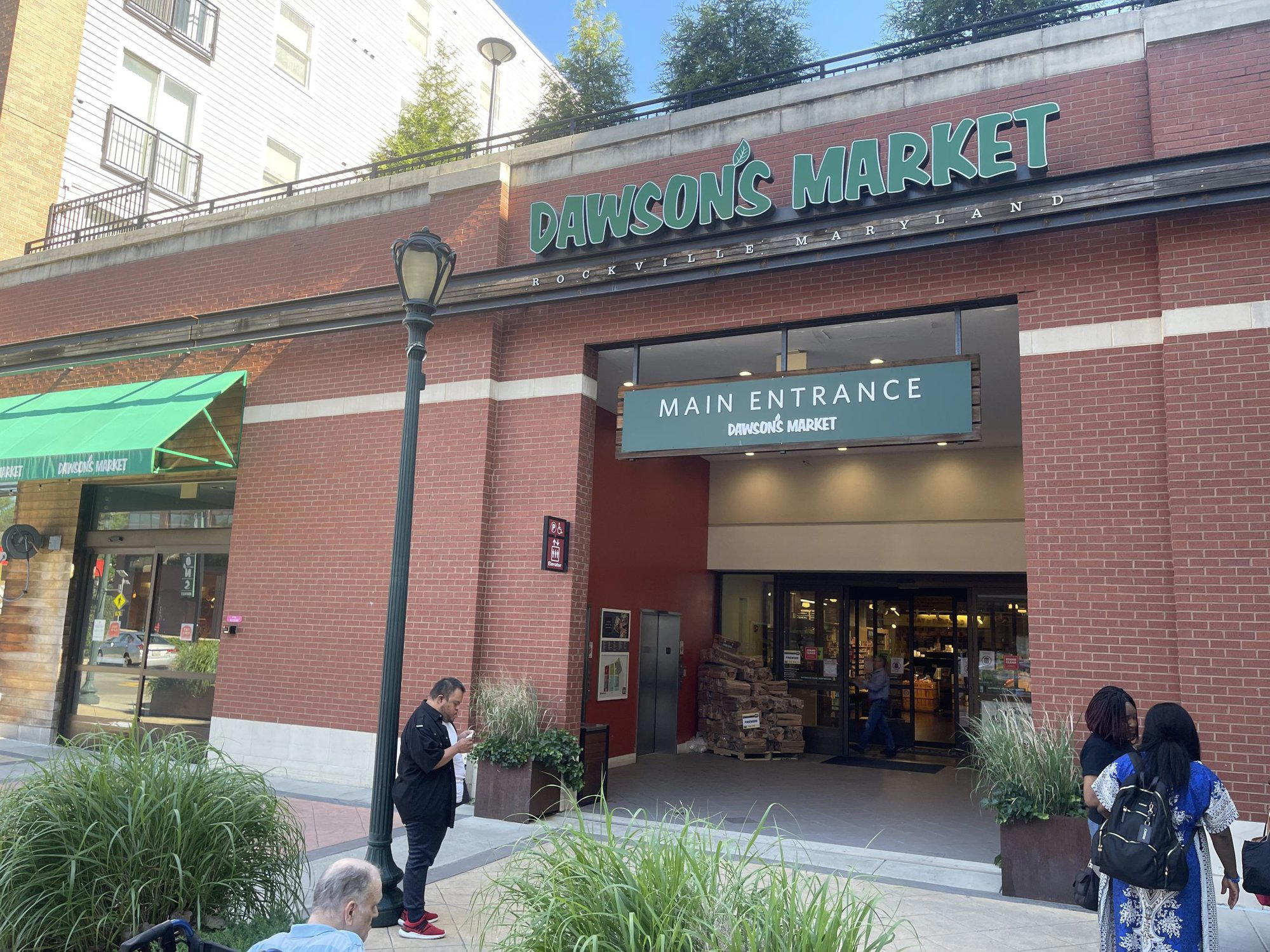
Dawson's Market occupies a corner of the Dupont Circle-adjacent stretch of 20th Street NW that has long drawn independent operators rather than chains. Positioned in a Washington, D.C. neighbourhood defined by walkable density and a recurring preference for locally oriented retail, it sits in a category that blends grocery and prepared-food formats, making it a practical anchor for the surrounding residential blocks.
- Address
- 2001 S St NW, Washington, DC 20009
- Phone
- +1 202 588 5698
- Website
- dawsonsmarket.com
- Directions
- Get directions
A Dupont Circle Corridor and the Case for Neighbourhood Anchors
Washington, D.C. has a particular relationship with its residential dining corridors. Where other American cities concentrate food culture downtown or in single destination districts, D.C. distributes it through walkable neighbourhood nodes: 14th Street NW, H Street NE, the Penn Quarter core, and the quieter residential stretch running through the Dupont Circle and U Street zones. It is in that last corridor, along S Street NW near the 20th Street intersection, that Dawson's Market operates. Dawson's Market is a casual Organic Market Cafe at 2001 S St NW, Washington, DC 20009. The address places it squarely in one of the city's most food-literate residential catchments, a few blocks from the kind of density that sustains independent grocery and prepared-food formats where chain retail rarely takes hold.
That neighbourhood context matters more than it might initially seem. The S Street address sits between Dupont Circle to the south and the U Street corridor to the north, a positioning that gives it access to two overlapping audiences: the long-established professional and diplomatic resident base of Dupont, and the younger, more restaurant-driven crowd that has colonised U Street and Logan Circle over the past fifteen years. Markets and prepared-food operations that occupy this kind of in-between geography often find a more stable footing than those chasing foot traffic in higher-rent destination zones. The regular customer, not the tourist, is the business model.
Where Dawson's Market Sits in D.C.'s Food Format Spectrum
D.C.'s dining and provisions scene has bifurcated sharply over the past decade. At one end sit the destination-dining operations: the tasting-menu counters, the chef-driven rooms that have drawn national attention and placed Washington into conversations alongside cities like New York and Chicago. minibar in Penn Quarter and Jônt represent that tier, formats built around single, long, technically demanding meals. At the other end, neighbourhood-scale operations handle the daily provisioning that a city's residents actually require. The restaurant operates closer to that second register, in the category of community-facing food retail with a prepared-foods dimension that places it in a different competitive frame than the full-service dining rooms clustered in the Penn Quarter or Shaw neighbourhoods.
Within that neighbourhood-provisions tier, D.C. has seen steady growth in operators emphasising local sourcing, prepared takeaway, and a hybrid grocery-cafe format. The restaurant fits recognisably into that pattern, occupying a corner position that functions less as a destination and more as a recurring stop. That is a meaningful distinction: destination dining requires infrequent, high-investment visits; neighbourhood market formats require repeat, low-friction ones. The two are measured by entirely different metrics, and the S Street location is well-calibrated for the latter.
The Dupont Residential Logic
Dupont Circle proper remains one of D.C.'s most walkable residential zones, with a resident density and income profile that has historically supported independent food retail at a higher rate than comparable American cities. The circle itself anchors a micro-network of smaller streets that feed pedestrian traffic in multiple directions, and S Street sits in the radius where that foot traffic is reliable without being the saturated tourist-facing kind found closer to the Metro exit. For a market format, that is close to optimal: enough passing trade to support discovery, enough residential repeat to support the underlying economics.
That positioning also places the restaurant in proximity to the broader Dupont and Logan Circle restaurant corridor that has consistently produced some of D.C.'s more interesting neighbourhood dining. Oyster Oyster, which holds a strong position at the $$$ price tier with a New American and sustainable-vegetarian focus, operates in the broader zone. Albi and Causa, both sitting at the $$$$ tier with Middle Eastern and Peruvian focuses respectively, demonstrate the range that the wider neighbourhood corridor now supports. The restaurant occupies a different point on that spectrum, one defined by accessibility and daily utility rather than occasion dining.
D.C. in a National Context
Washington has spent the better part of a decade asserting itself as a serious dining city, and the evidence is now considerable. The concentration of recognised restaurants extends beyond the obvious anchor names. The Inn at Little Washington, roughly an hour from the city, has carried Michelin recognition for years. The city's dining range now spans formats that compare, in ambition if not always in scale, with what Le Bernardin in New York City, Lazy Bear in San Francisco, Smyth in Chicago, or Providence in Los Angeles represent in their respective cities. Alongside those destination rooms, the neighbourhood-level infrastructure of markets, casual prepared-food operations, and community-facing retail has developed in parallel, underpinning the daily food culture that makes a city's dining scene function as something more than a collection of special-occasion restaurants.
That infrastructure matters. Cities like Healdsburg, where Single Thread Farm anchors a hyper-local fine-dining format, or Tarrytown, where Blue Hill at Stone Barns has built a farm-to-table format into a genuine institution, show what happens when destination dining and local food culture reinforce each other. D.C.'s neighbourhood operations, including those along the S Street corridor, are part of how the city maintains that reinforcement at the resident level.
For the day-to-day provisions and casual prepared-food category, the Dupont and Logan Circle corridor remains among the city's most consistent performing zones, with the S Street stretch sitting at a useful intersection of residential density and independent operator presence.
Planning a Visit
The restaurant sits at 2001 S St NW, Washington, DC 20009, accessible from the Dupont Circle Metro station on the Red Line, which places it within a short walk of one of the city's best-connected residential transit hubs. Visits are walk-in and self-directed. For visitors building a broader D.C. itinerary, the S Street address pairs naturally with the surrounding Dupont corridor, making it a practical stop before or after engagement with the neighbourhood's restaurant offer.
Compact Comparison
Comparable venues nearby, for context on price, style, and recognition.
| Venue | Cuisine | Price | Notes |
|---|---|---|---|
| Dawson's MarketThis venue — the venue you are viewing | Dupont Circle, Organic Market Cafe | $$ | Not listed |
| Rewind | Not listed | $$ | Dupont Circle, American Diner with Latin Influences |
| Old Ebbitt Grill | Not listed | $$ | East End, Classic American Steakhouse & Raw Bar |
| PopUp Bagels | Georgetown, Artisan Bagels & Schmears | $$ | Not listed |
| The Hamilton | Not listed | $$ | East End, Modern American Steakhouse with Sushi |
| Buck's Fishing & Camping | Chevy Chase, Seasonal American Bistro | $$ | Not listed |
Continue exploring
More in Washington DC
Restaurants in Washington DC
Browse all →
Bars in Washington DC
Browse all →
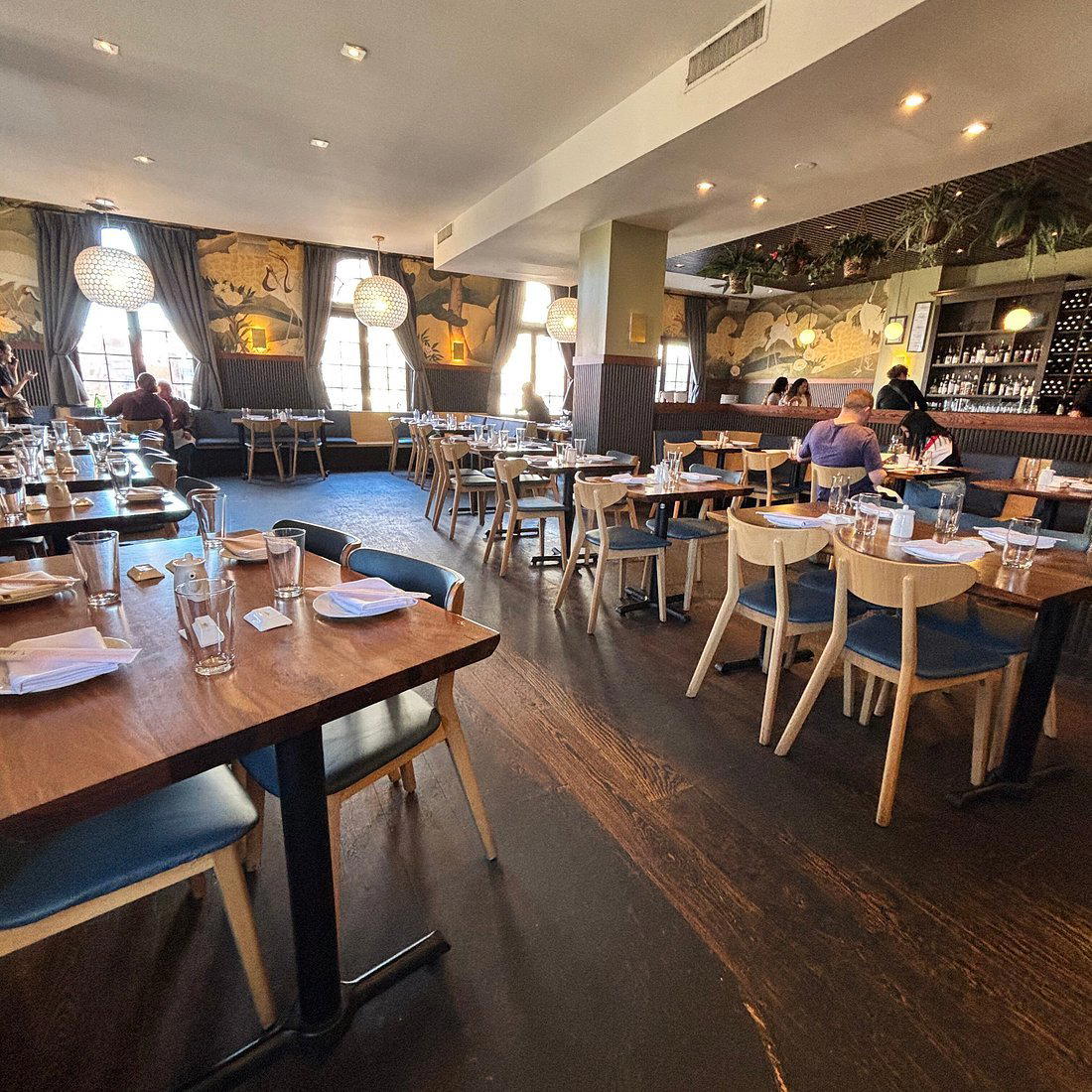
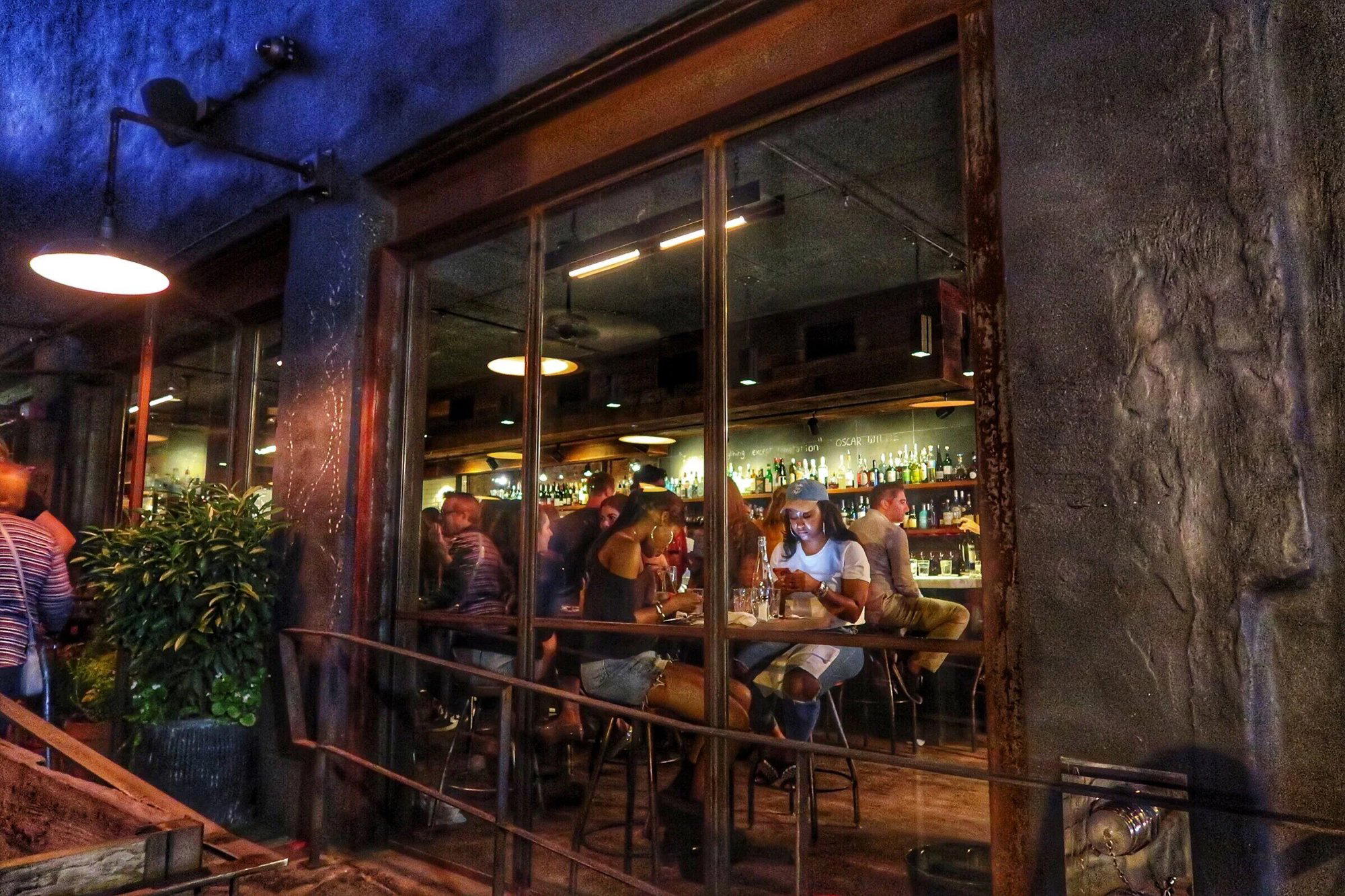
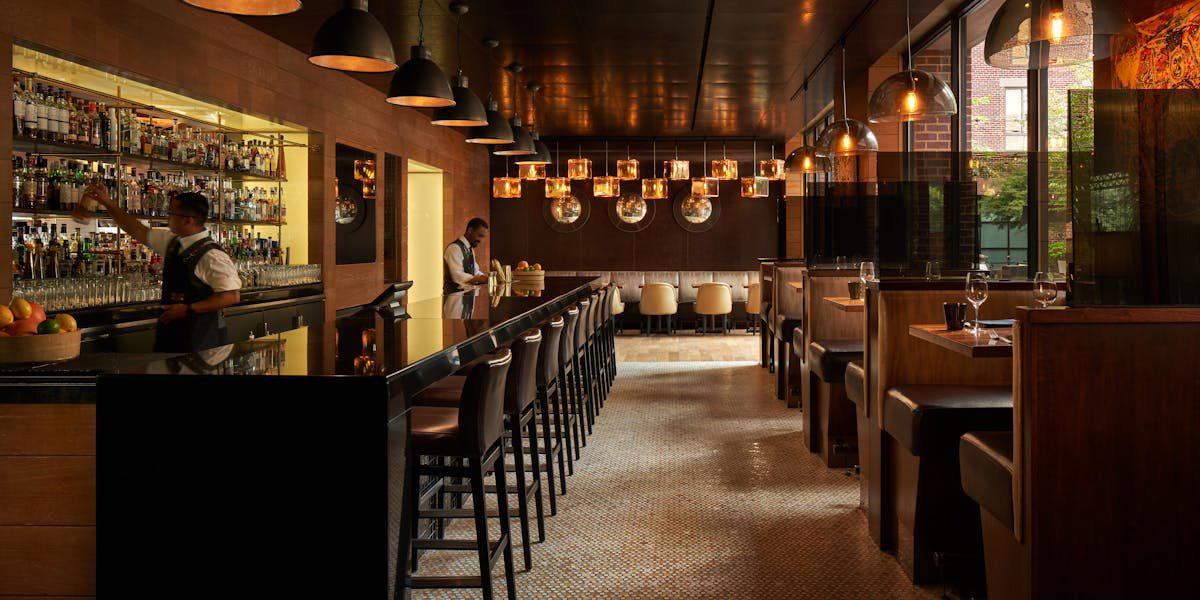
Hotels in Washington DC
Browse all →
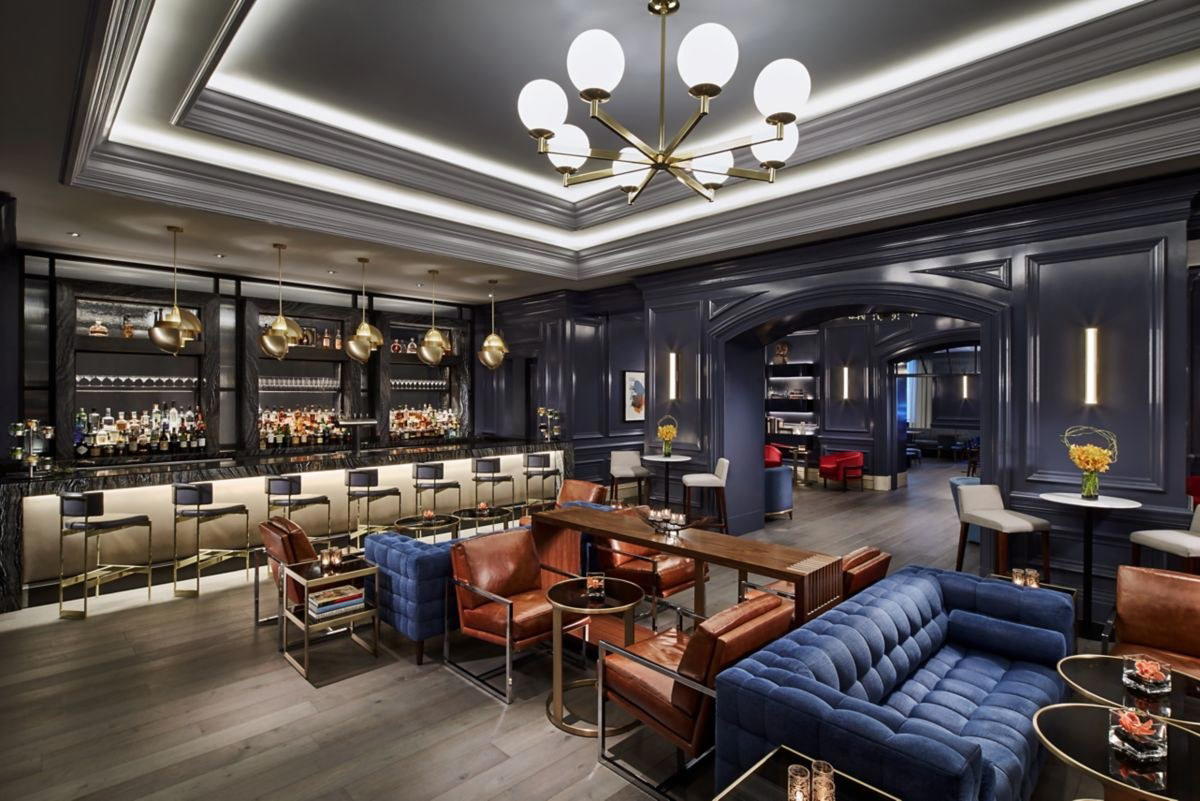

At a Glance
- Cozy
- Modern
- Rustic
- Casual Hangout
- Brunch
- Open Kitchen
- Craft Cocktails
- Farm To Table
- Local Sourcing
- Organic
Bright, community-focused atmosphere emphasizing local and natural foods.